
Rod Ends
Rod Ends Guide: Types, Materials, Sizes and How to Choose
How rod ends work, their types, threads, stainless grades, sizes, load, applications and installation, with links to every deeper guide.

Stainless steel rod ends, spherical bearings, clamps, and the grades behind them raise the same questions: which type fits the load, which grade holds up in salt spray or washdown, and why a joint wears loose. These 126 guides answer them in 7 types, from side-by-side comparisons to failure diagnosis. Each guide carries a product tag.
The clearest starting points for clevis joints, rod end types, heim and ball joints, clamps, weld testing, and bending.
How rod ends work, their types, threads, stainless grades, sizes, load, applications and installation, with links to every deeper guide.
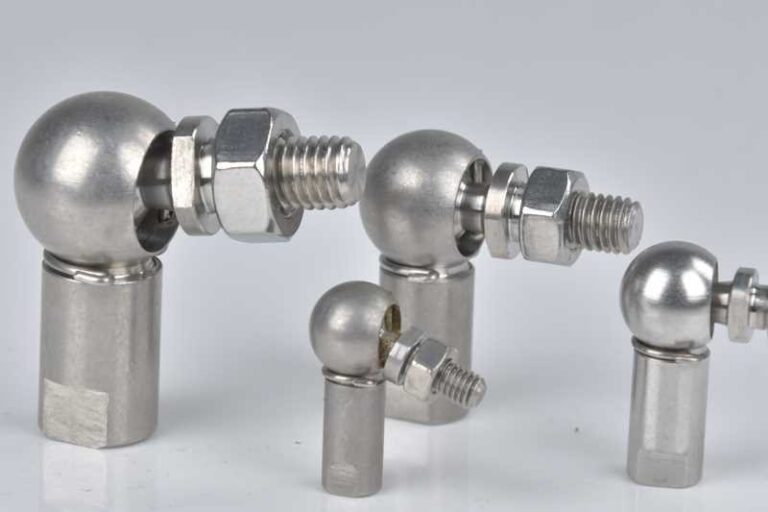
How ball joint linkages work, DIN 71802, retention styles, safety catch, materials, sizes, load and selection, with links to every deeper guide.
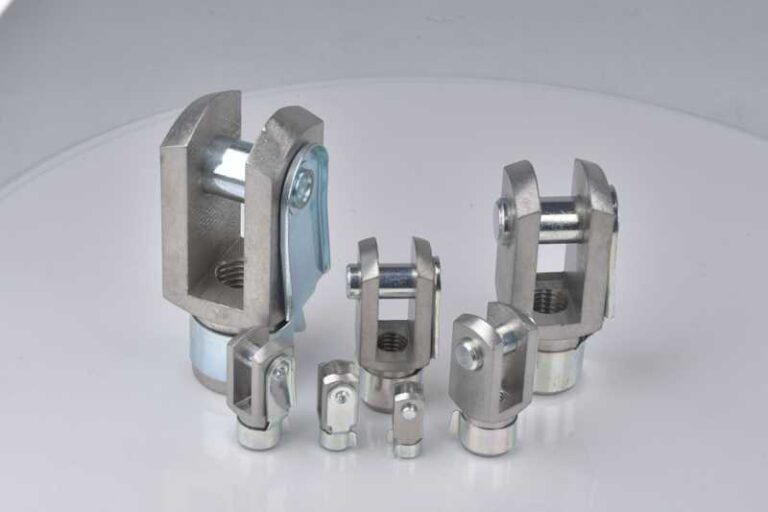
How clevises work, DIN 71752 and ISO 8140, pin and fork fit, retention, threads, materials, load and selection, with links to every deeper guide.
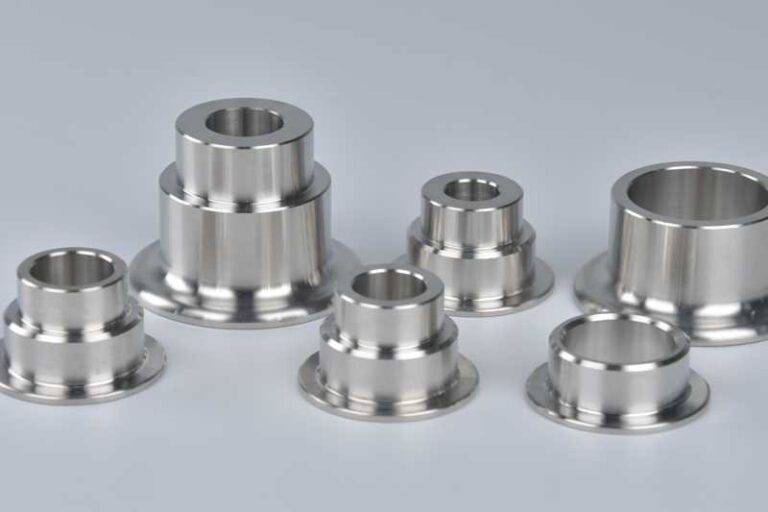
How spacers and standoffs work, round, hex, stepped and flanged types, bolt clearance bores, length tolerance, materials and selection, with links to every deeper guide.
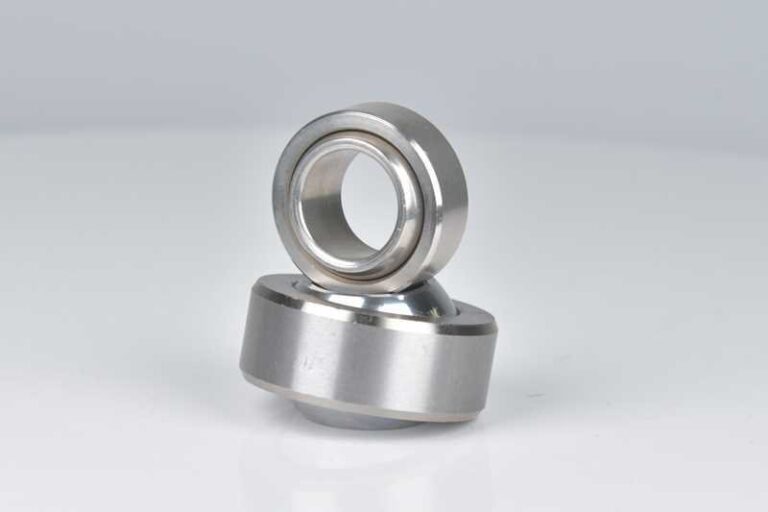
How spherical plain bearings work, radial and angular contact types, PTFE-lined and metal-to-metal systems, materials, sizes, tilt angle, housing fit and selection, with links to every deeper guide.
Side-by-side comparisons of rod ends, joints, clamps, and stainless grades, each ending on the factor that decides the choice.

What a carbon steel pulley groove looks like after six months of washdown, and what that does to belt or rope life.
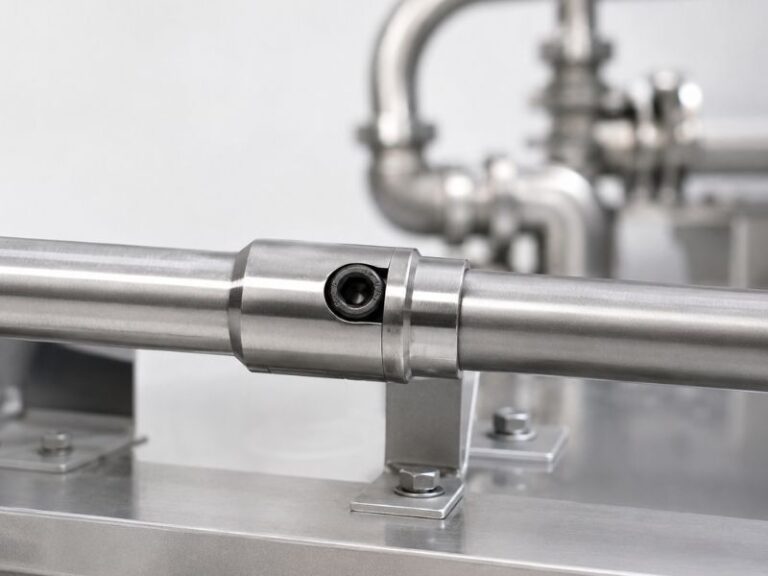
A 1-inch nominal pipe measures 1.315 inches across, so a clamp sized for 1-inch tube will not close on it.
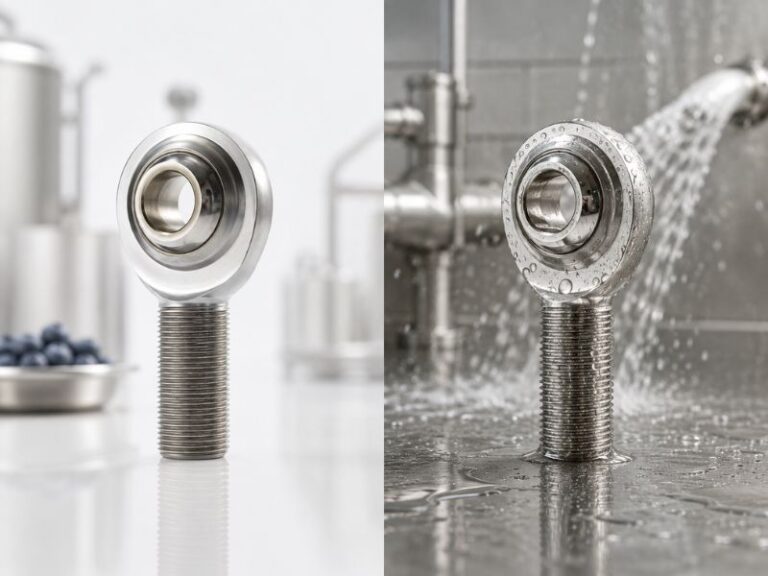
Food grade may only mean an NSF H1 lubricant, and washdown rated may only mean an IP65 spray test. How to read each spec.
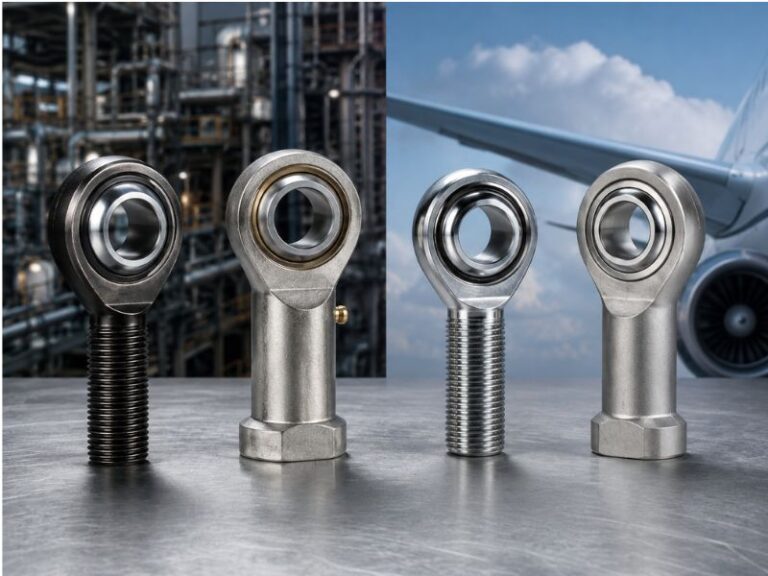
Tolerance stack-up, liner construction, and the acceptable failure mode set an industrial rod end apart from an aerospace one.
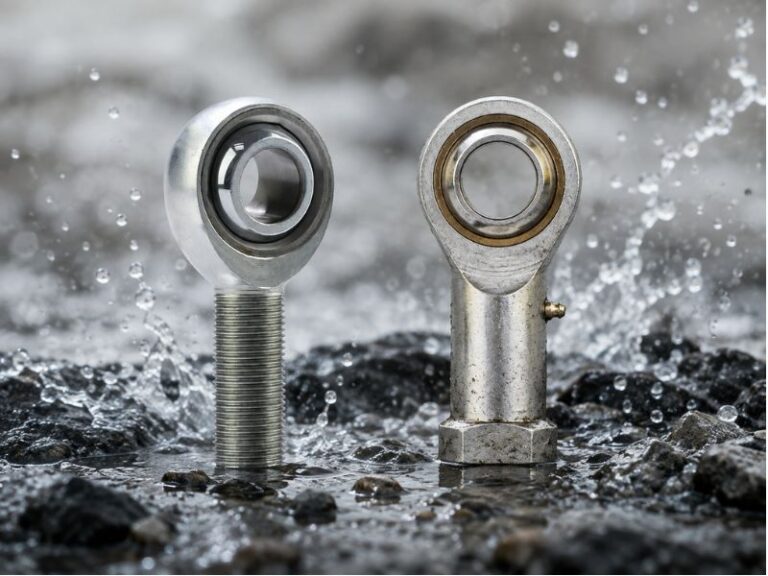
What happens inside PTFE-lined and greasable heim joints after a water crossing, and which one lasts longer.
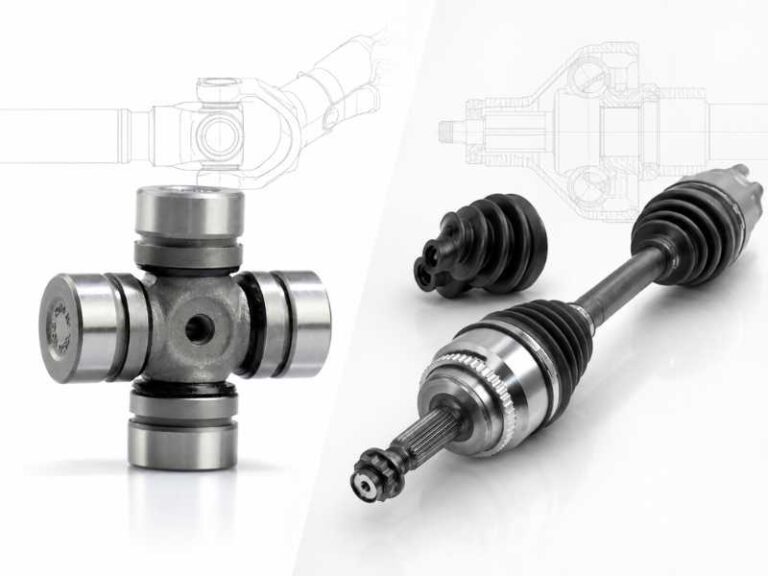
Why double cardan shafts are not CV shafts, and how each joint type differs in angle capacity, vibration, and upkeep.
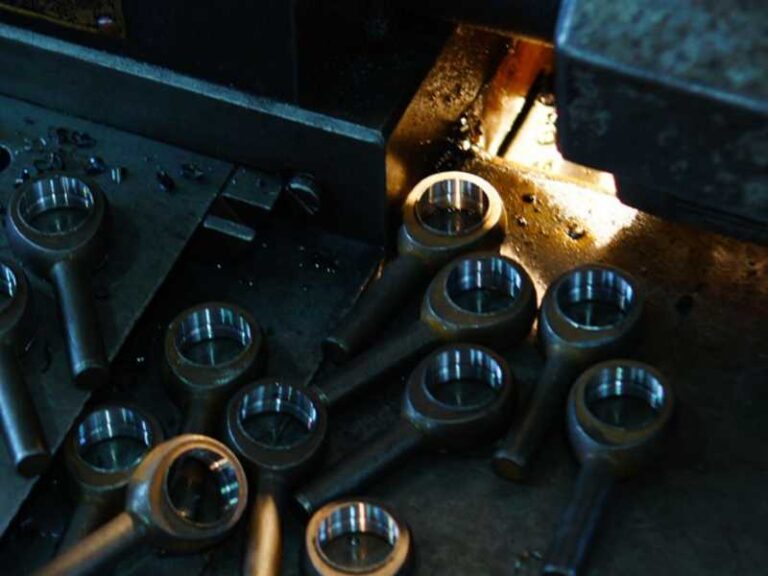
H900 and H1150 are different end states of 17-4 PH. How to choose by load, environment, and machining sequence.
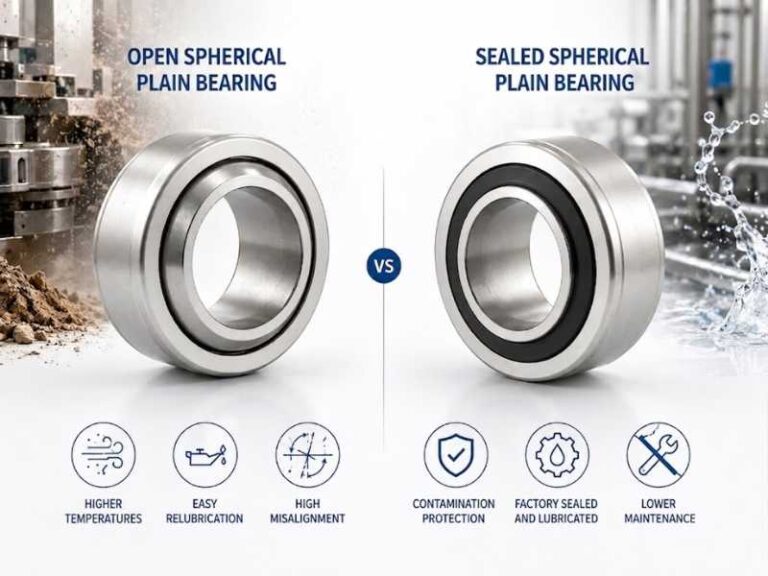
Why sealed-versus-open advice written for roller bearings does not carry over to spherical plain bearings.
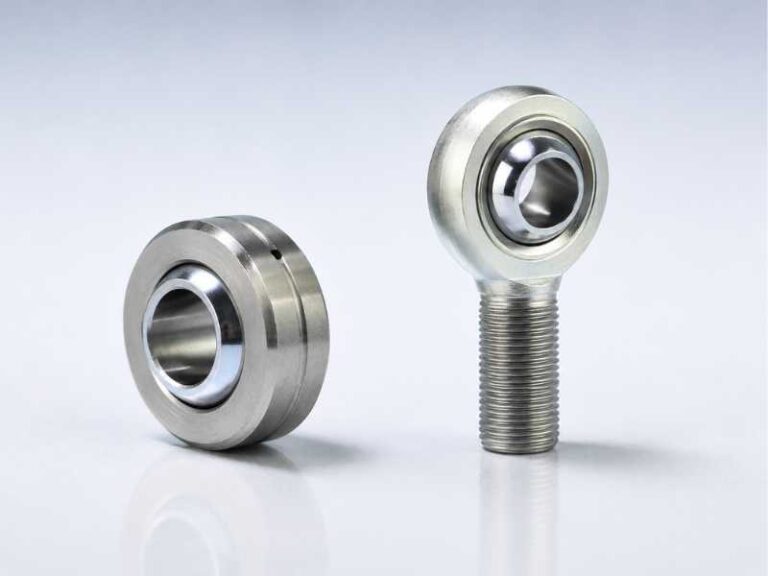
Choosing between a spherical bearing and a rod end by load path, housing type, and misalignment need.
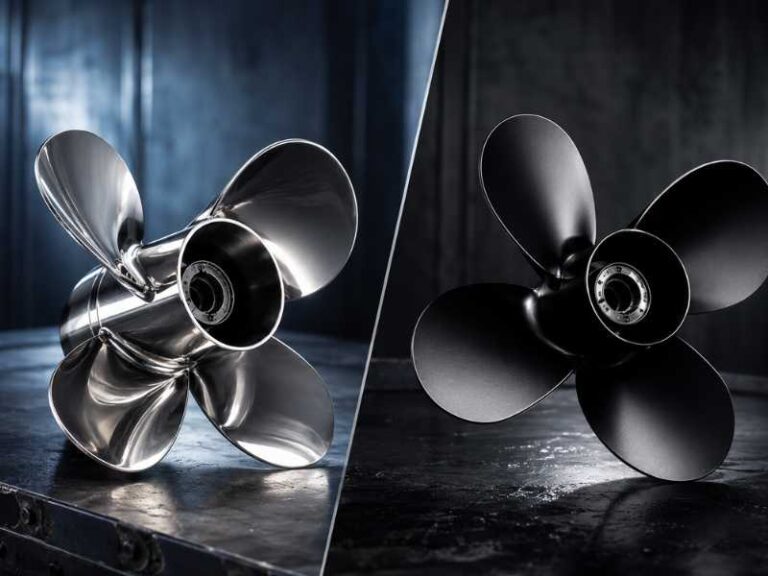
Which part should fail when a propeller hits a rock at 30 knots, and what that means for the blade you choose.

Why 2205 duplex can cost less than 316L over the full lifecycle in demanding service.
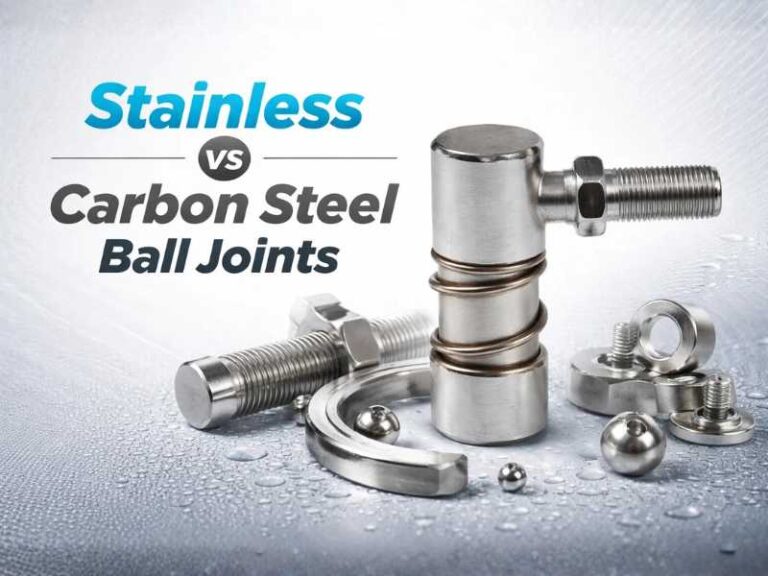
Carbon steel ball joints seize when rust expands in the socket. Stainless removes that mechanism.
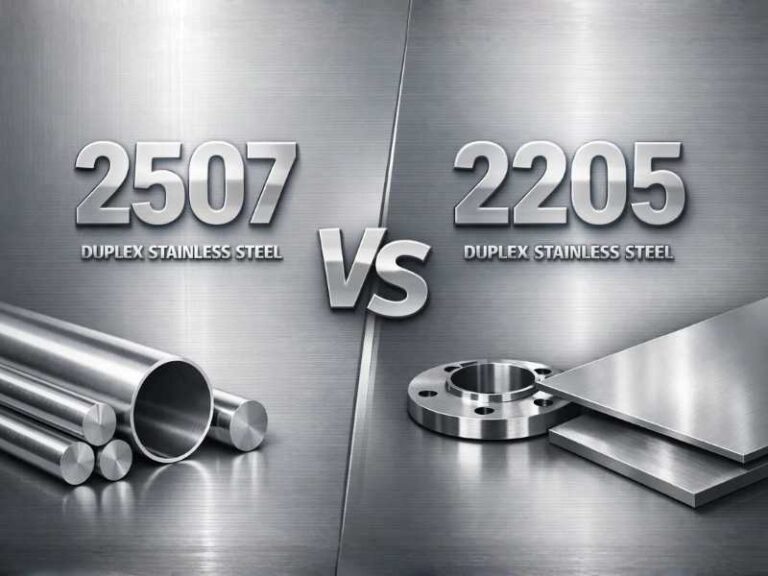
Both are duplex grades, but their PREN values show where each can hold up under chloride attack.
Bar stock condition sets machining allowance, stability, and finish before the first cut.
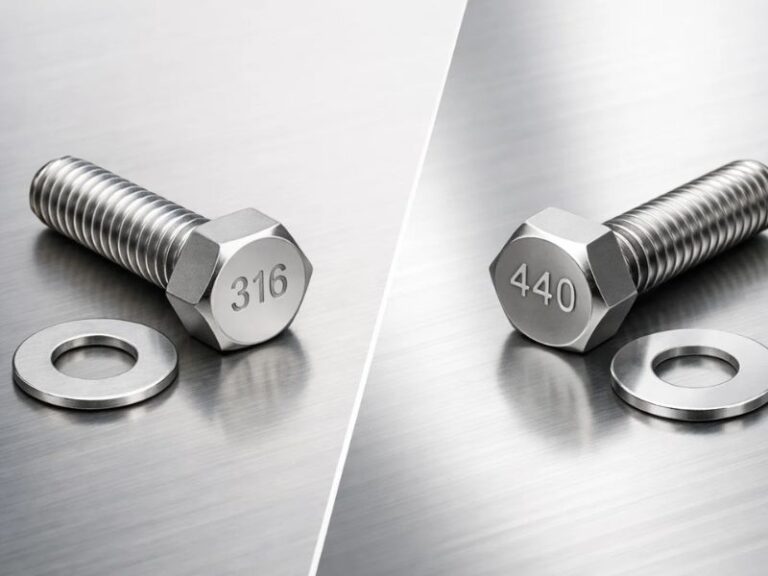
316 is built for corrosion resistance and 440 for hardness, so they are not substitutes.
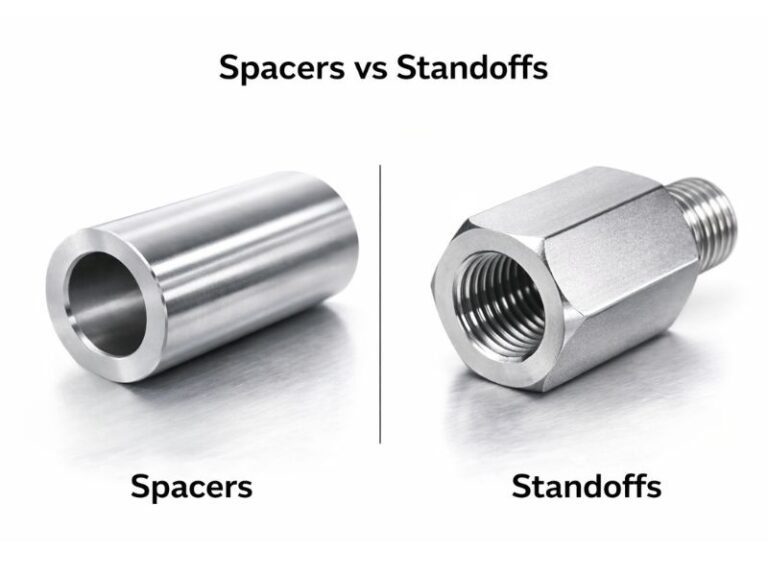
Spacers are unthreaded and standoffs threaded, but load, vibration, and chemical exposure decide the choice.
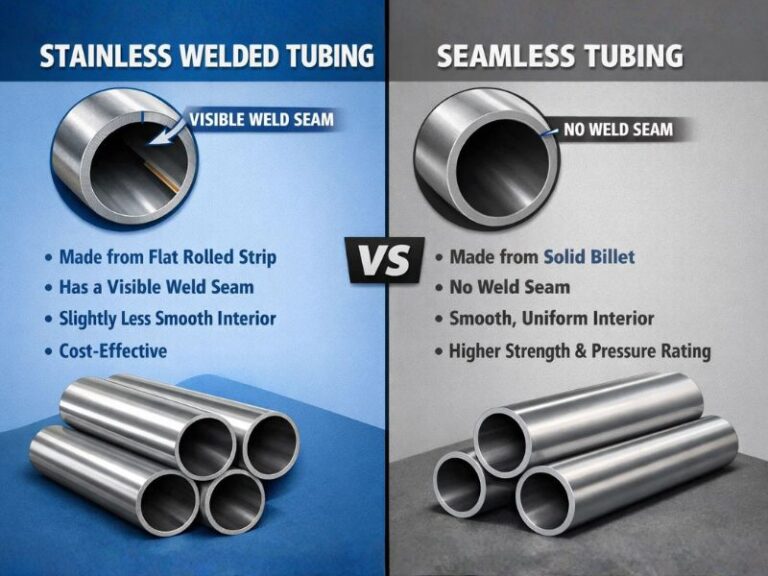
Welded and seamless tubing differ in raw stock, mechanical properties, lead time, and price.
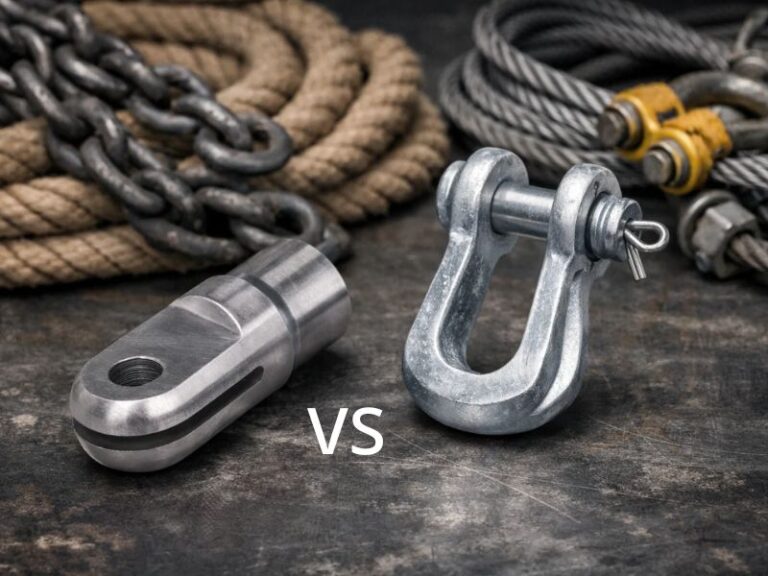
Shackles and clevises differ in grain flow, load ratings, and side-loading tolerance.
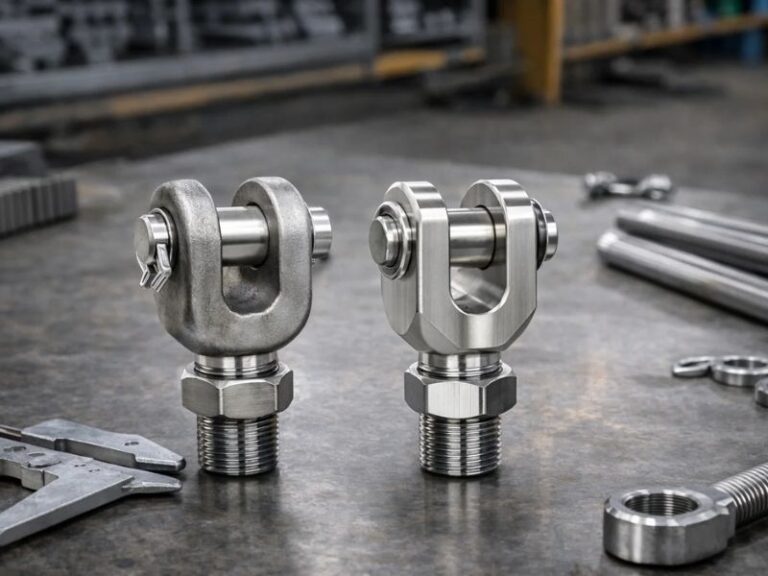
Forged versus CNC-machined clevis rod ends: grain flow, fatigue, and whether the difference is worth paying for.
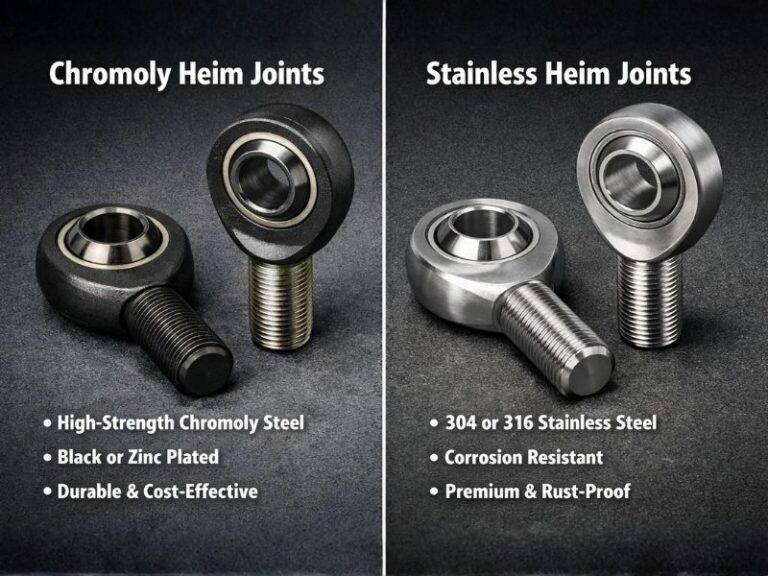
Chromoly handles mechanical overload and stainless handles corrosion. How they compare in strength, cost, and upkeep.
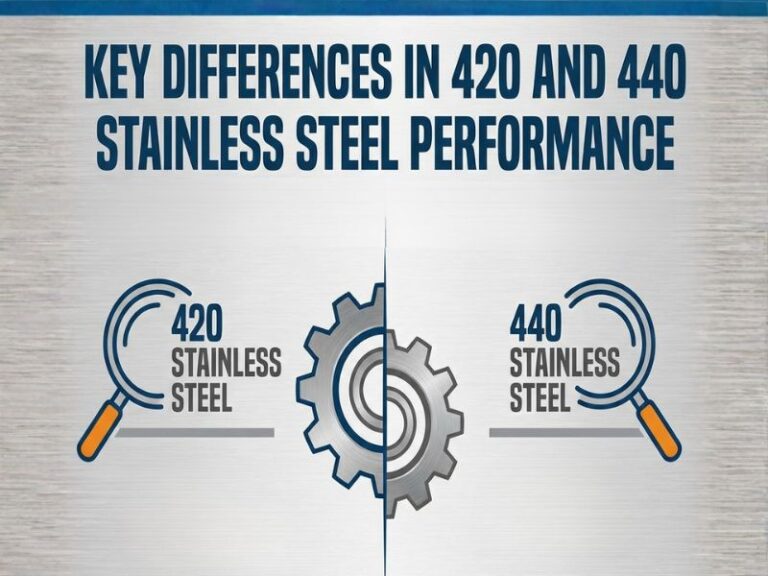
Carbon content sets hardness, wear resistance, and corrosion resistance in these two martensitic grades.
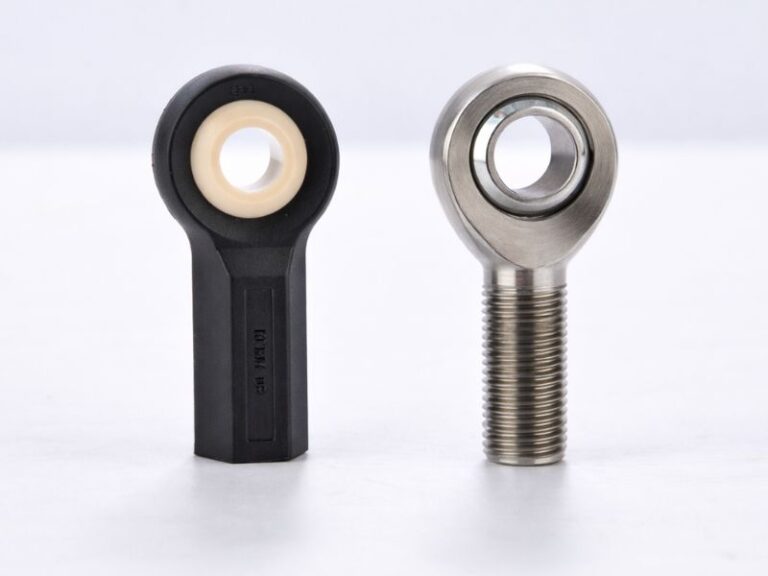
Plastic rod ends trade load capacity for weight and self-lubrication. Stainless carries more load.

Spur gears are simpler and slightly more efficient. Helical gears carry more torque and run quieter.
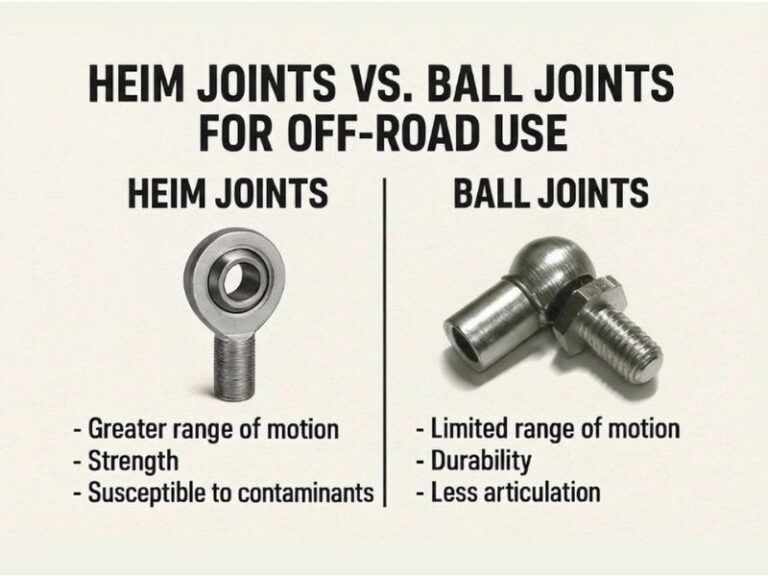
The key differences between heim joints and ball joints, and which one suits an off-road build.
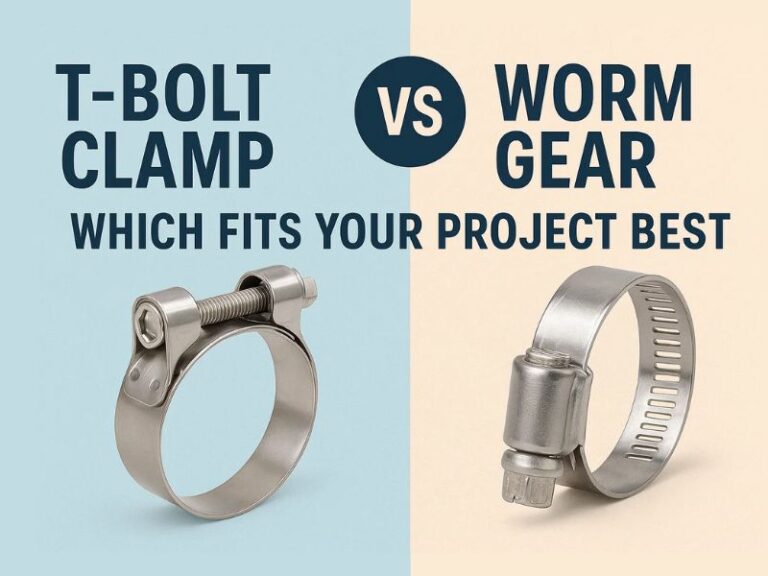
T-bolt clamps suit heavy-duty, high-pressure lines. Worm gear clamps suit general use and reuse. Here is where the line falls.
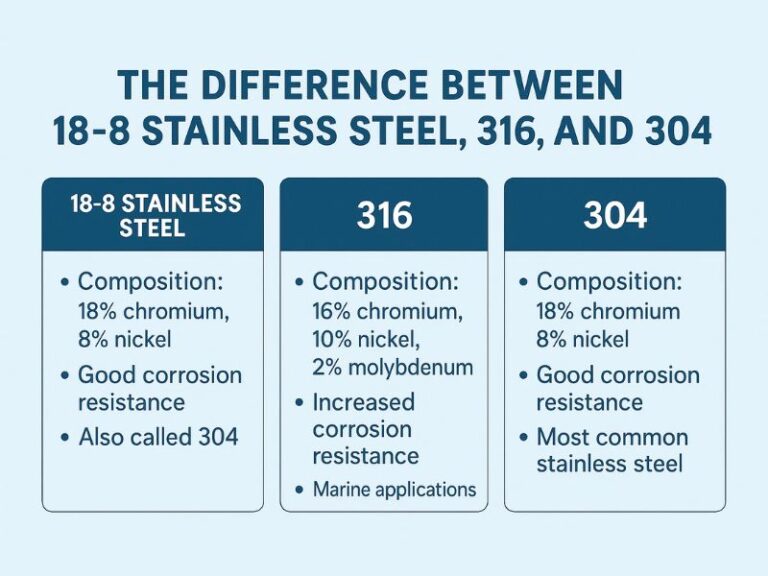
316 suits saltwater and chemicals because of molybdenum. 304 and 18-8 suit dry indoor use.
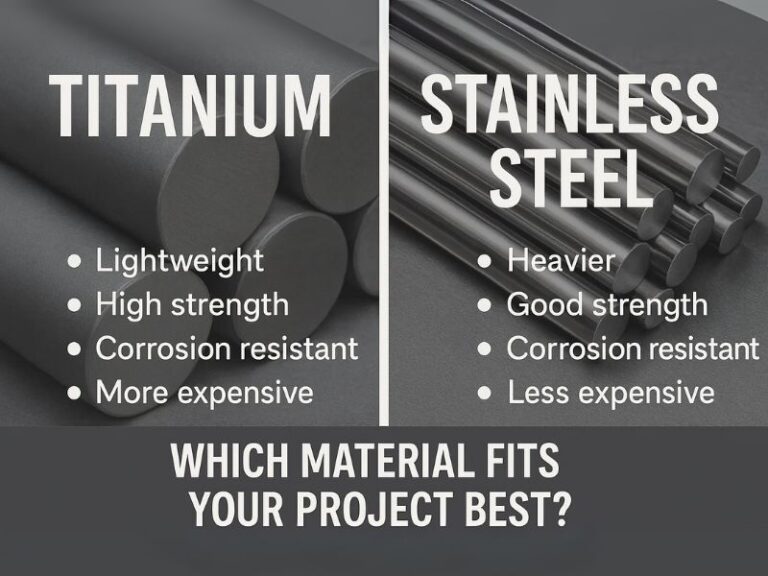
Titanium wins on strength-to-weight ratio. Stainless wins on cost, machinability, and weldability.
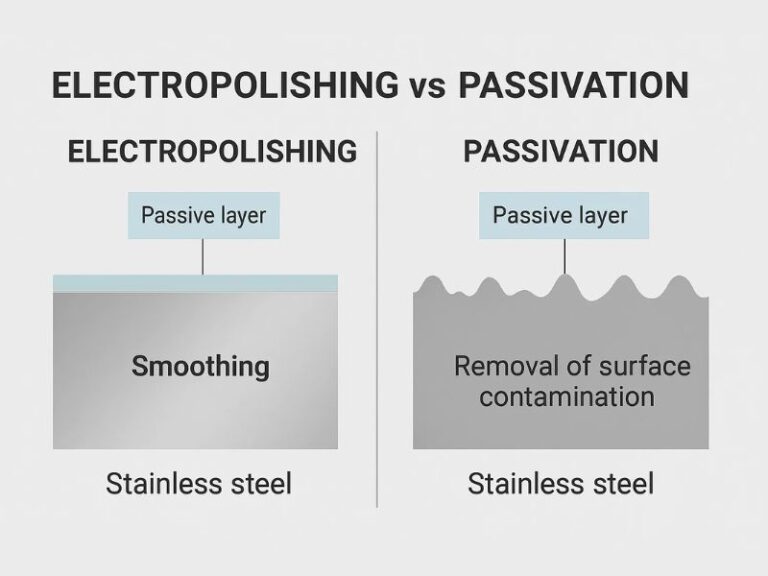
Passivation is a low-cost rust protection. Electropolishing suits parts that must be very clean and smooth.
Step-by-step help with sizing and choosing a part, from rod end types and ball joint load ratings to clamp and pulley fit.
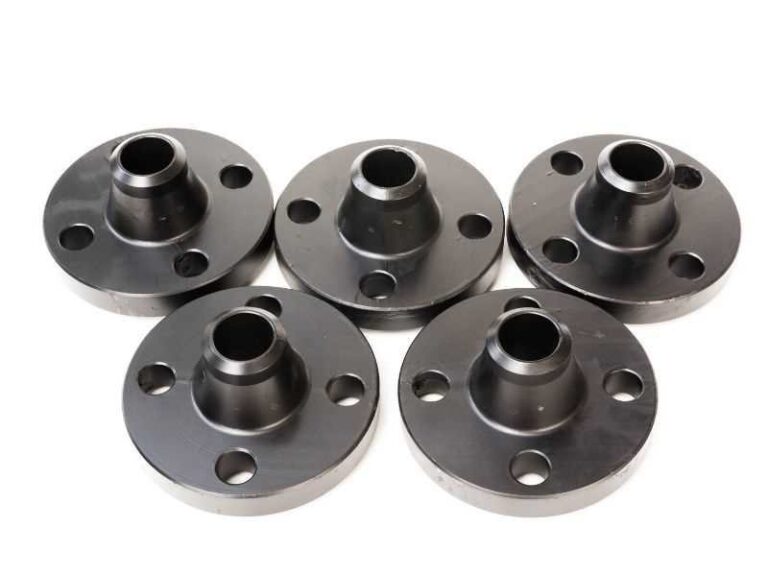
Weld neck, slip-on, socket weld, threaded, lap joint and blind flanges, with face, pressure class and 304L or 316L grade, and how to read a flange callout.
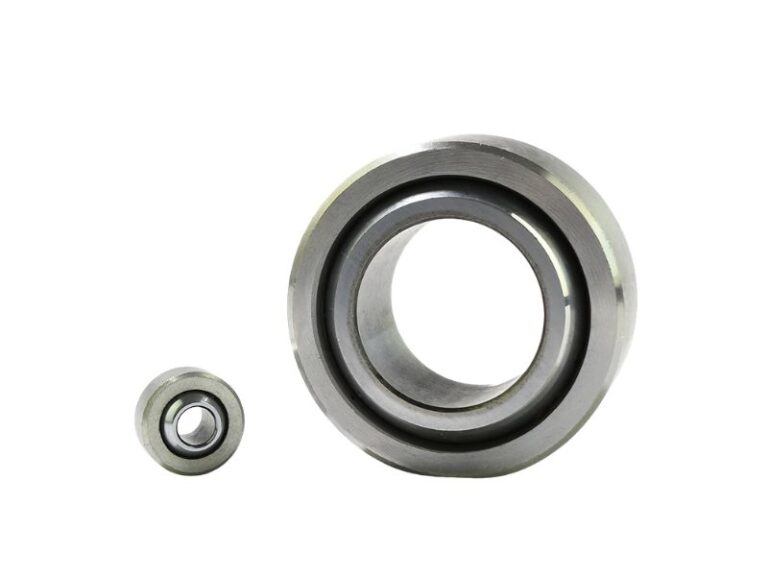
How to turn axial load into an equivalent radial load, check contact pressure and sliding speed, and size a spherical bearing for combined loads.
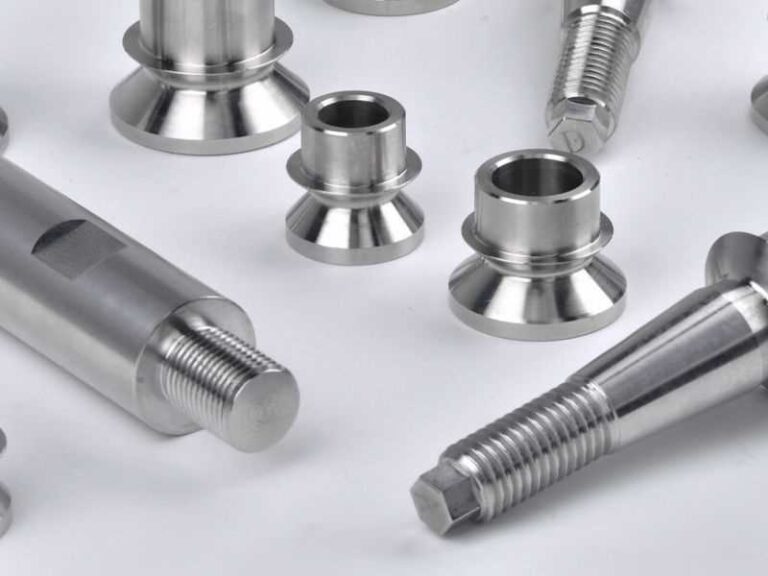
How to size the bore fit and OD fit and pick the material, so a stainless bushing does not go oval, play, or gall.
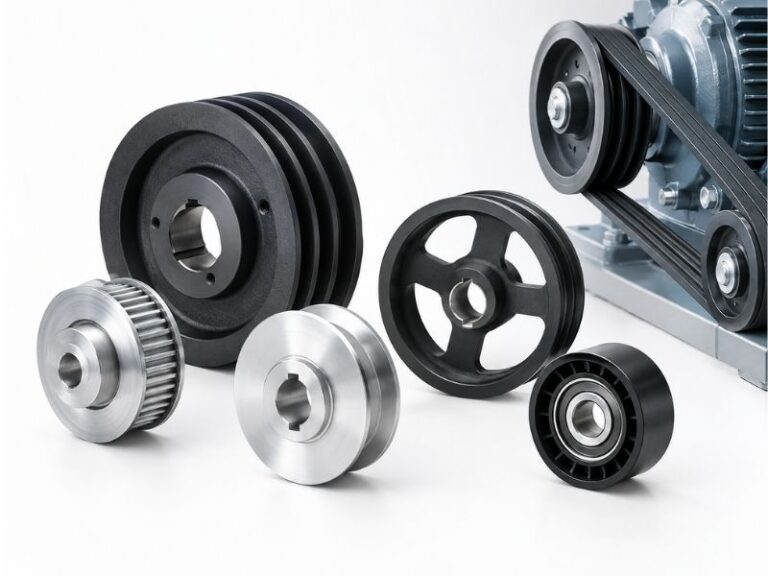
Medium type first, then groove profile, D/d ratio, material, and bearing, instead of starting from diameter.
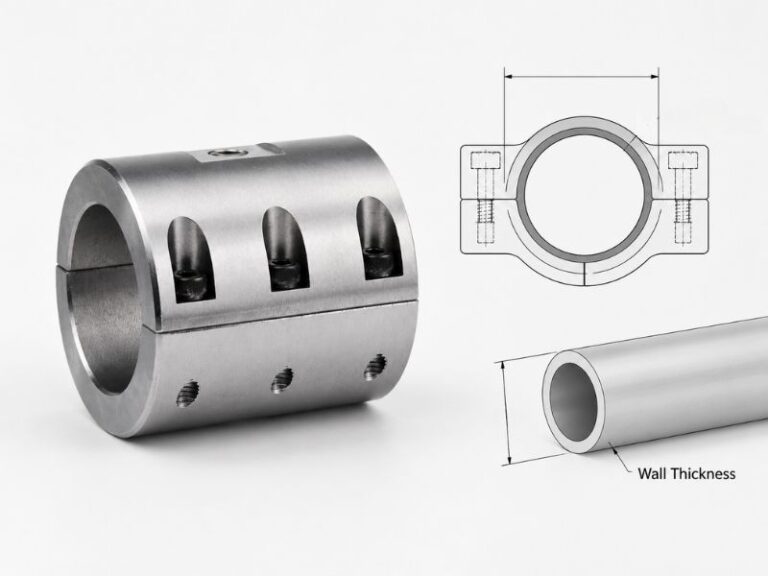
Outside diameter picks the clamp, and wall thickness decides whether it holds or crushes a thin-wall tube.
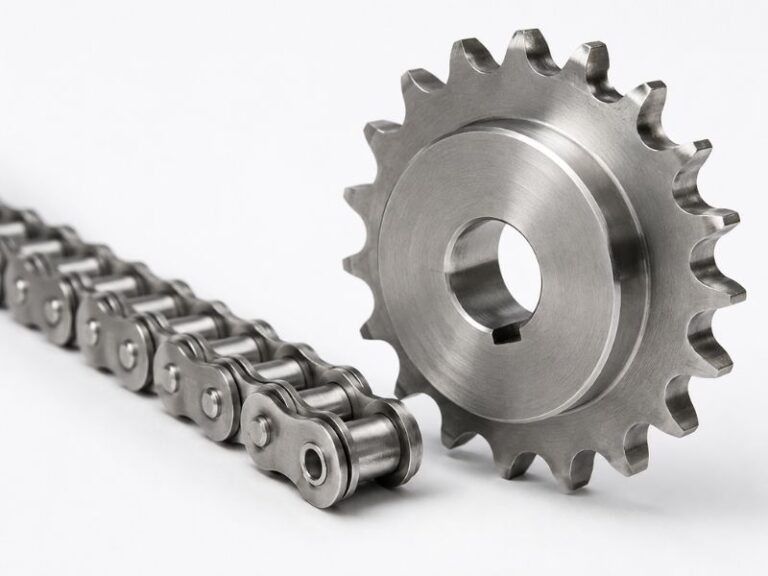
Pitch is only the first check: ANSI #40 and ISO 08B chain share a 12.7 mm pitch but not a roller diameter.
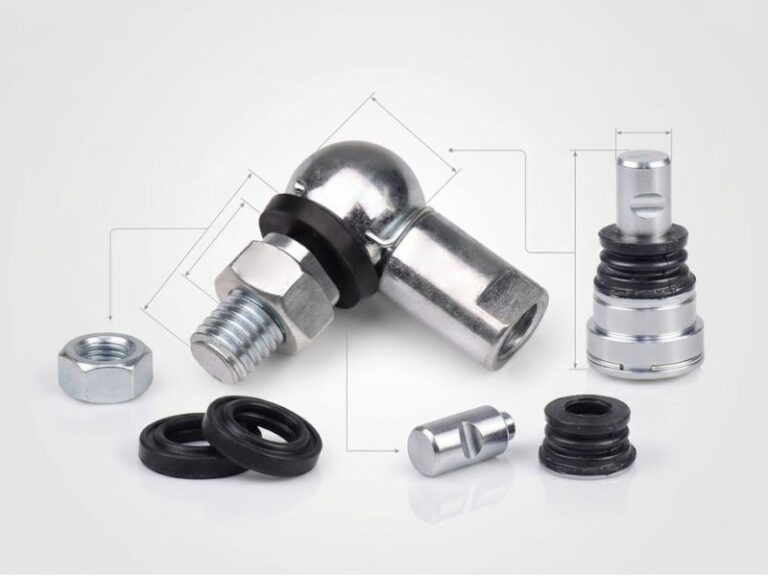
Choose by environment first, since it sets the material and drives the rest of the ball joint specification.
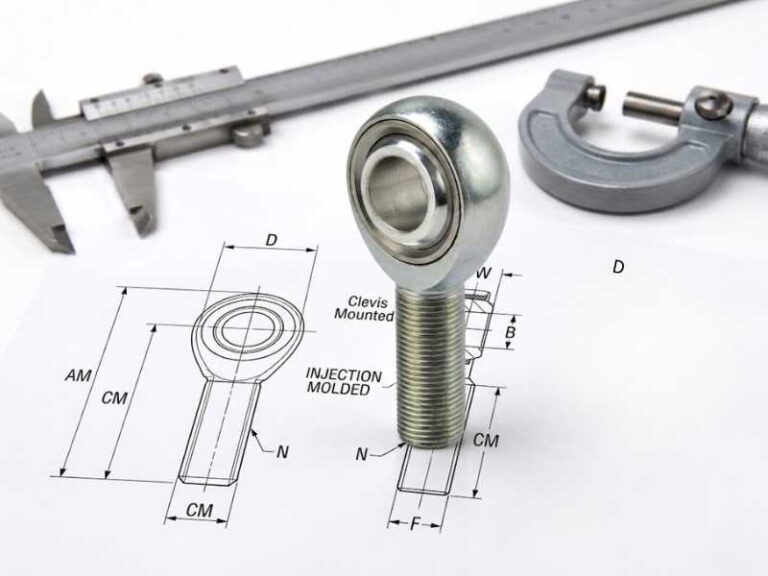
Bore, body width, housing OD, shank length, misalignment angle, and thread size: how to measure each rod end dimension.
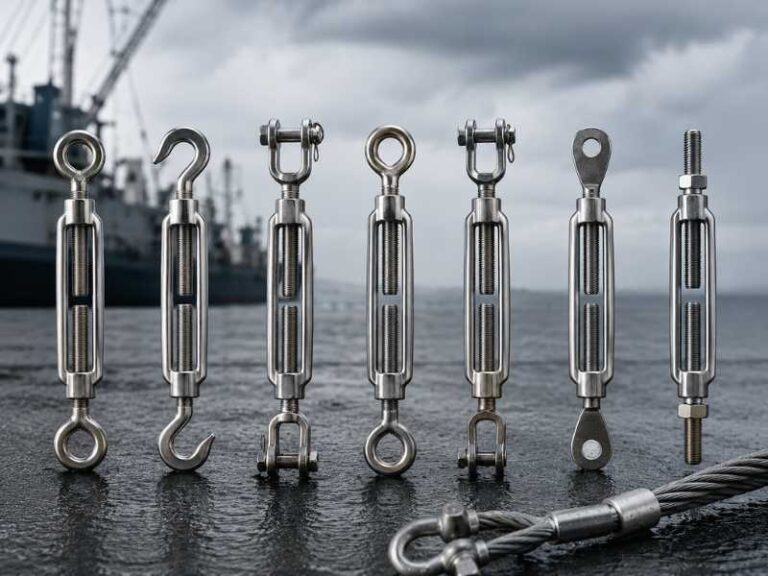
Five end-fitting configurations and two body styles, with notes on sizing, installing, and tightening turnbuckles.
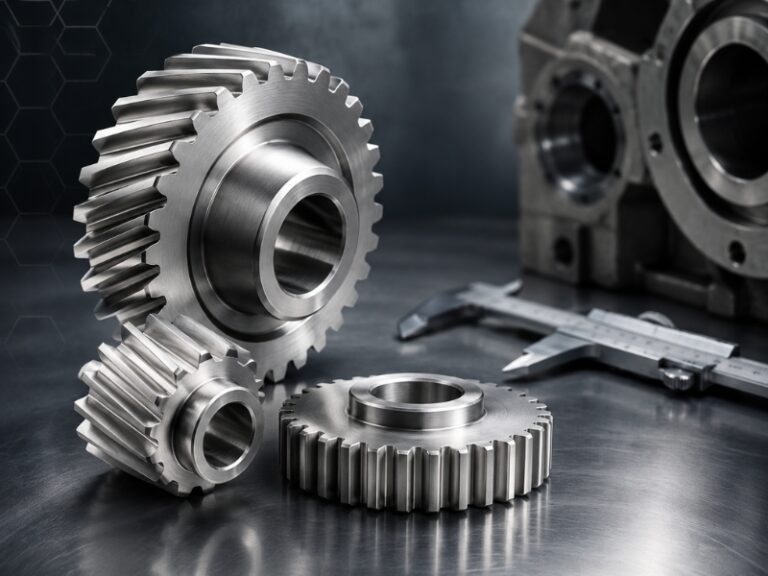
Where stainless gears hold up when carbon steel rusts and brass corrodes, plus grade, galling, and sourcing points.
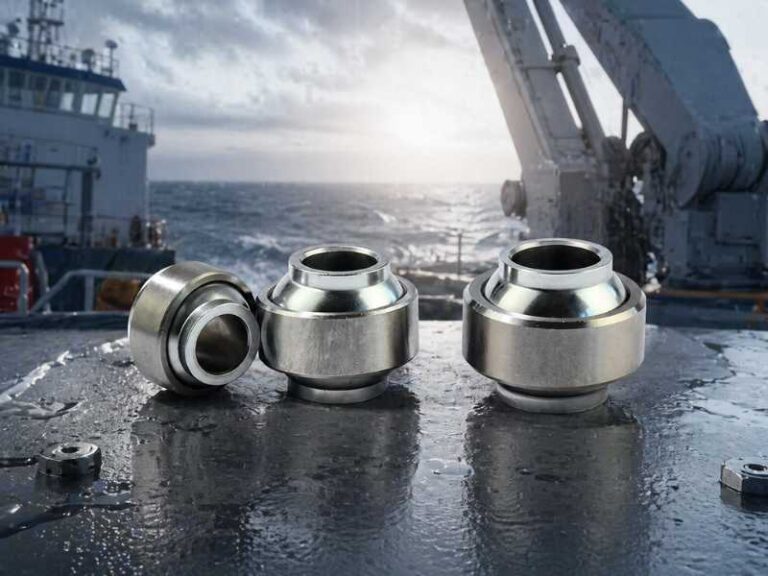
Spherical bearings fail early when the misalignment angle limit is ignored. Series choice and edge loading.
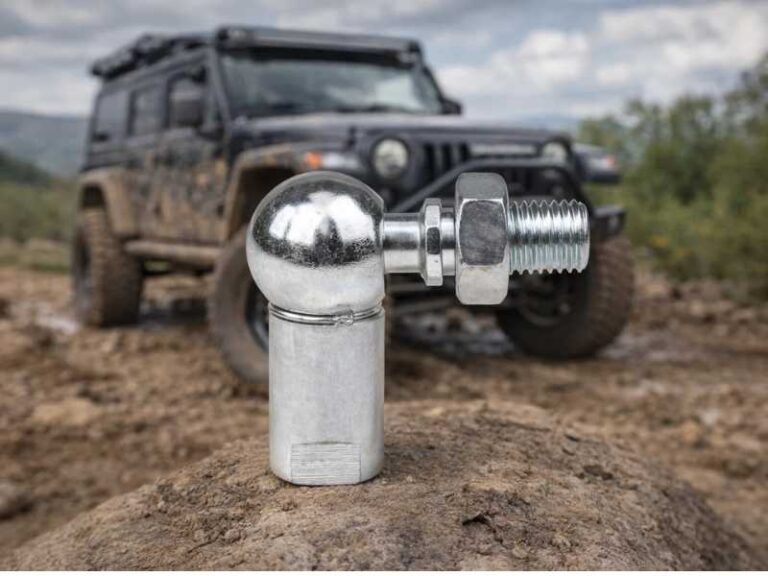
Stainless ball joints carry roughly 75 to 80 percent of the rating of chrome steel. What catalog numbers leave out.

Matching line diameter, boat length, and environmental load, plus material grade and backing plate.

Horn, pop-up, cam, clam, jam, dock, and Herreshoff cleats, with selection criteria by vessel and line.
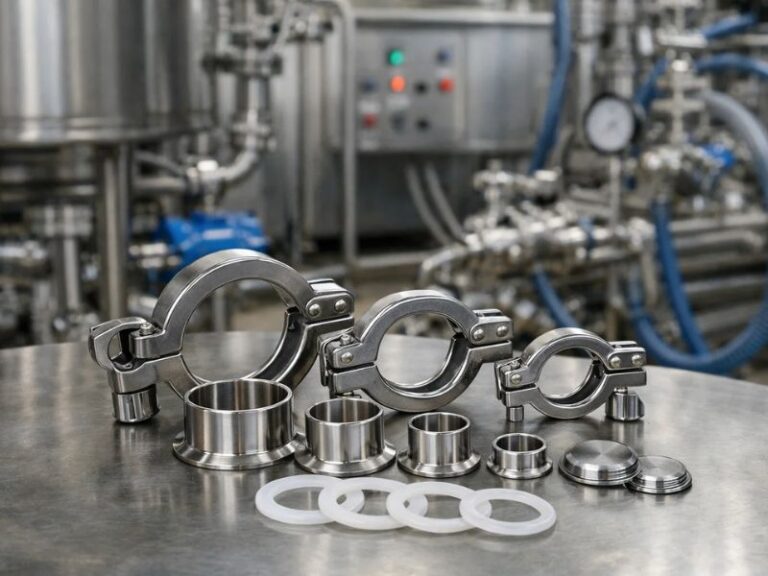
Tube OD versus ferrule OD, shared ferrule rules, and onsite measuring for tri-clamp sizing.
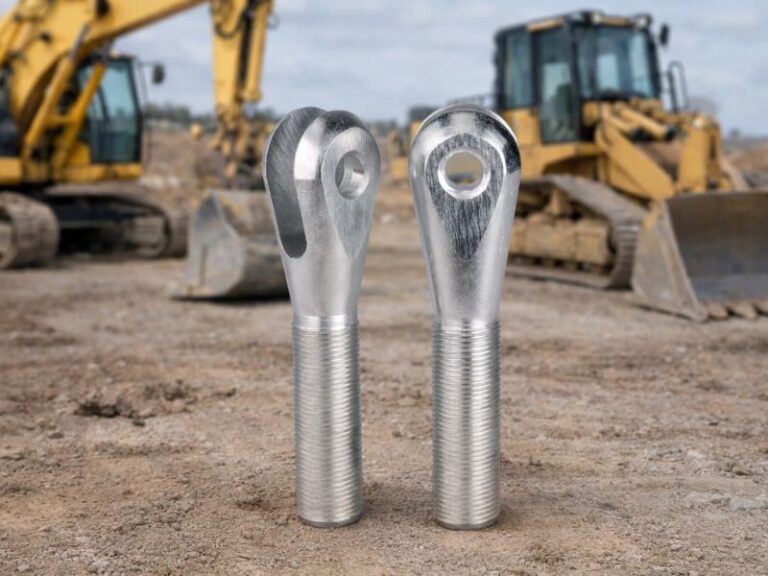
Impact multipliers, double shear, and safety factors for clevis rod ends on construction machinery.
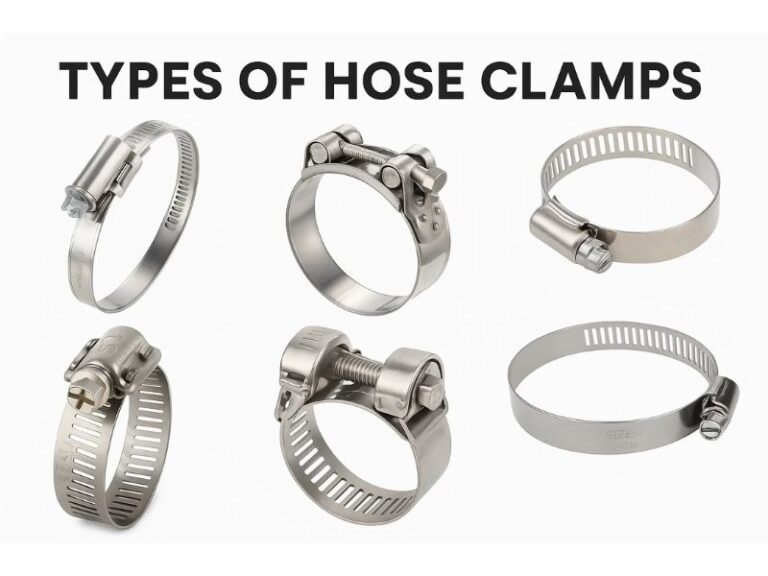
Clamp types by industry, from automotive and marine to food, and how to choose one that stops leaks.
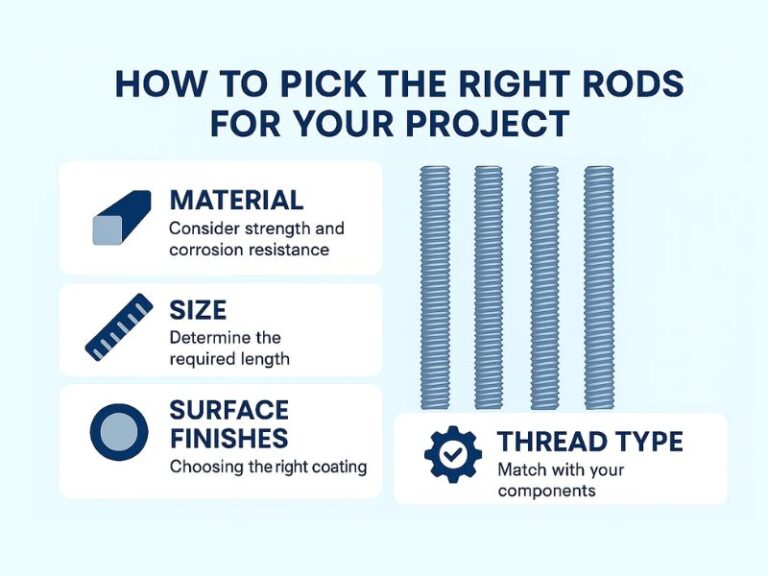
Material, grade, size, thread engagement, and installation points for choosing threaded rod.
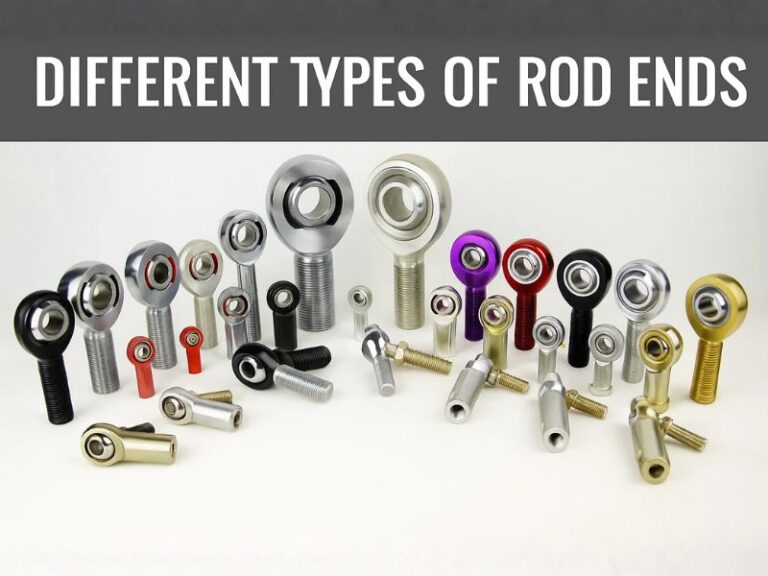
How structure, material, and liner decide rod end service life, and how to match a type to your application before you order.
How 304, 316, 17-4 PH, and duplex grades differ, and which one fits food, marine, or high-load service.
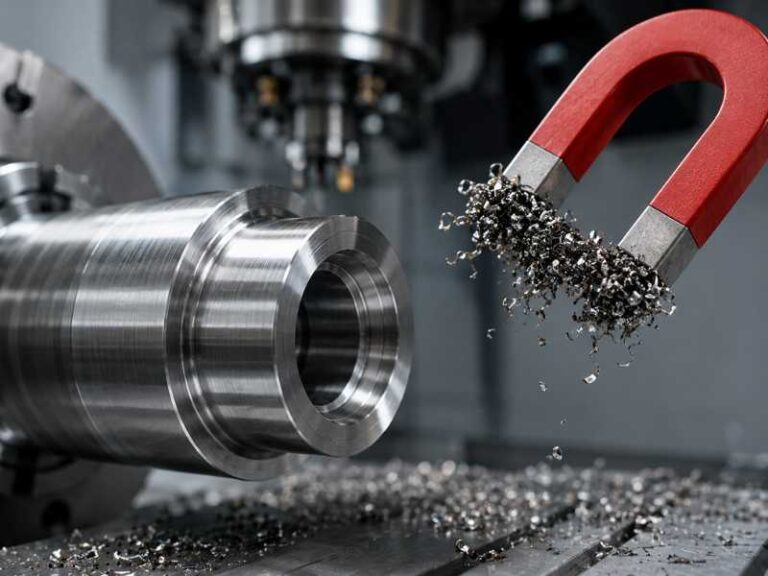
A 316L part that picks up a magnet after machining is not mislabeled. Here is the microstructural change behind it.
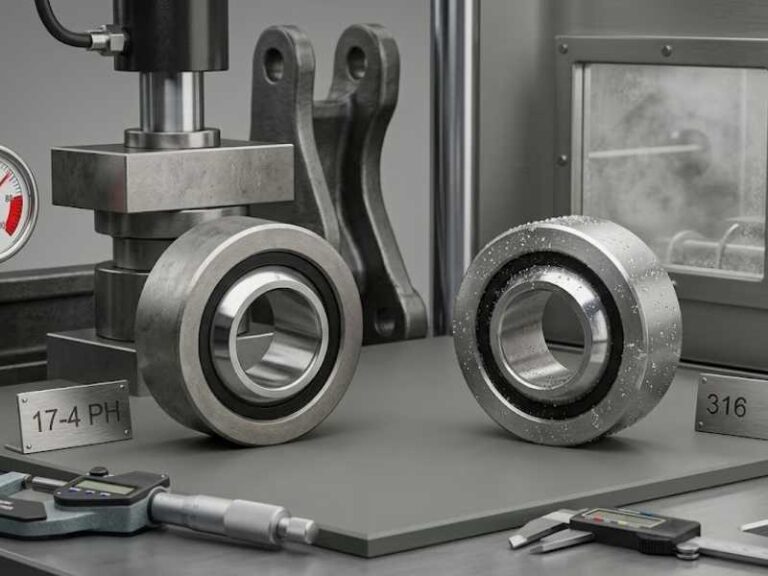
Load, not only corrosion resistance, decides between 17-4 PH and 316 for a stainless steel spherical bearing.
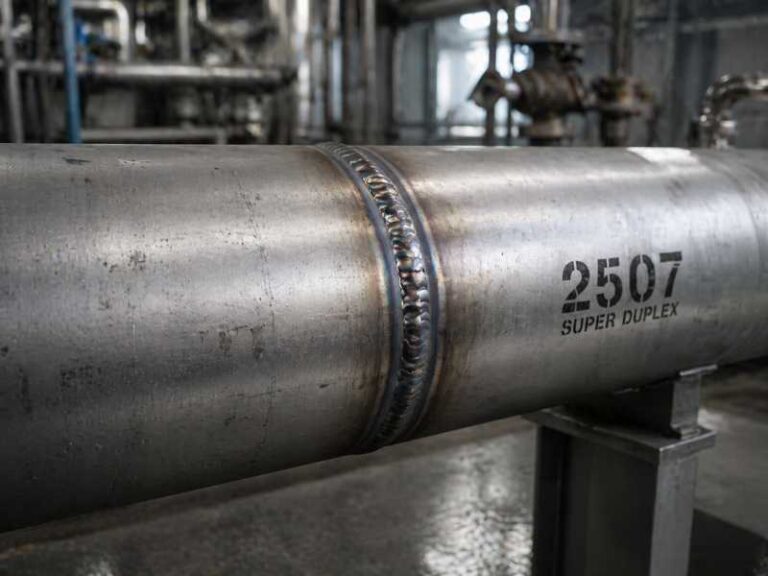
Heat input, interpass temperature, filler metal, and back purge settings that keep 2507 super duplex welds from turning brittle.
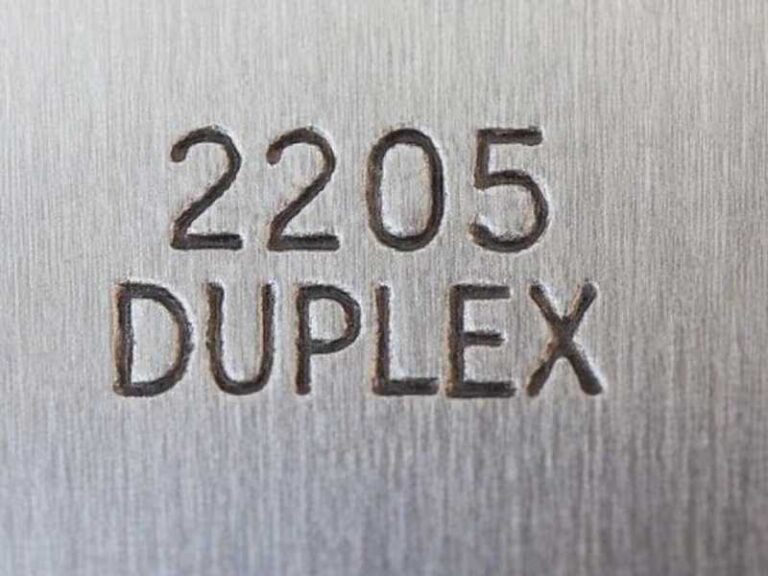
2205 duplex against 316L in high-chloride, sour-service oil and gas conditions: PREN, yield strength, and where the limits apply.

316 and 316L differ in carbon, 0.08% against 0.03%, which decides whether a welded assembly sensitizes and corrodes.
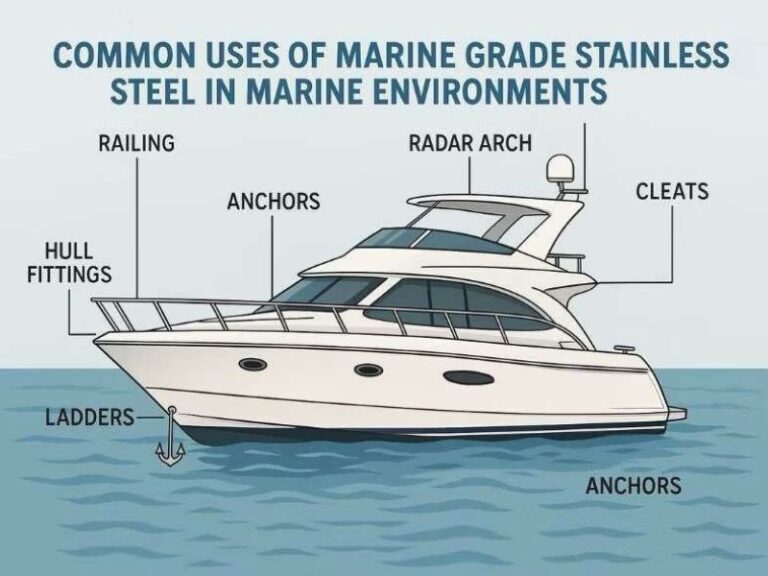
Where marine grade stainless steel is used: shipbuilding, offshore platforms, and coastal structures.
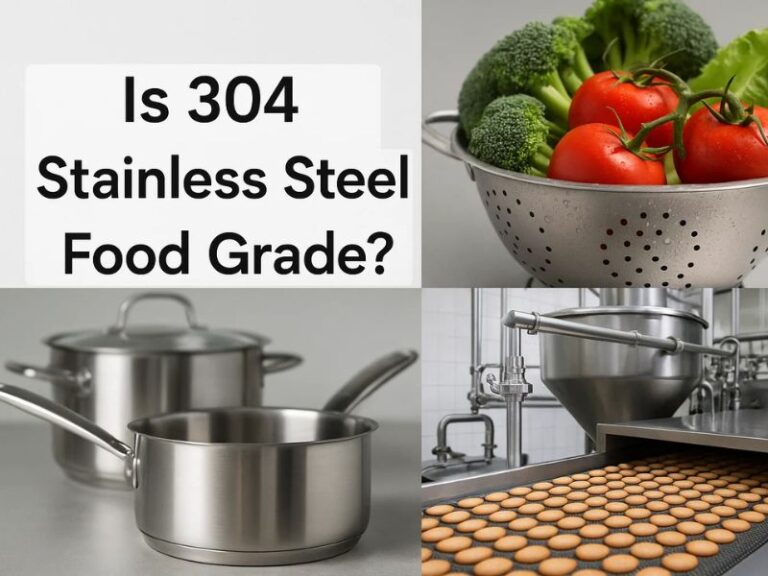
304 is widely used for food contact. What the label food grade does and does not cover.
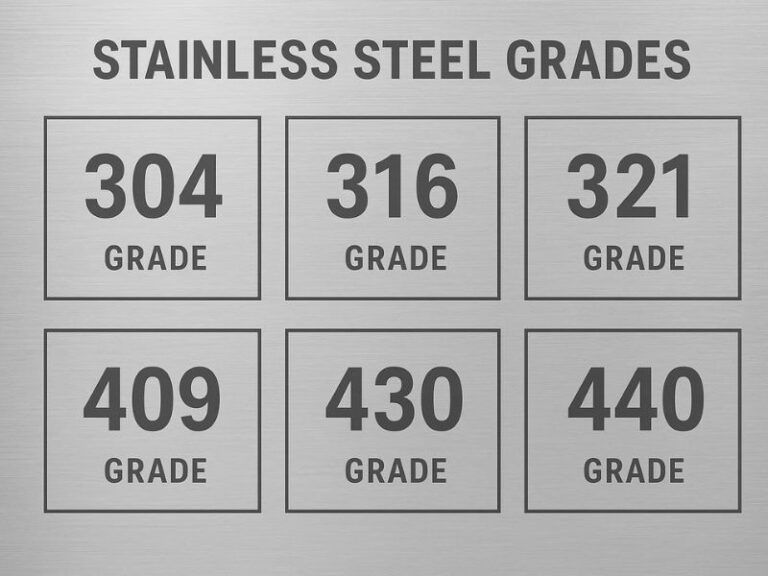
The passive layer behind stainless corrosion resistance, and how to choose a grade for the job.
Welding, bending, threading, machining, and surface finishing for stainless steel, including what to put on a drawing.
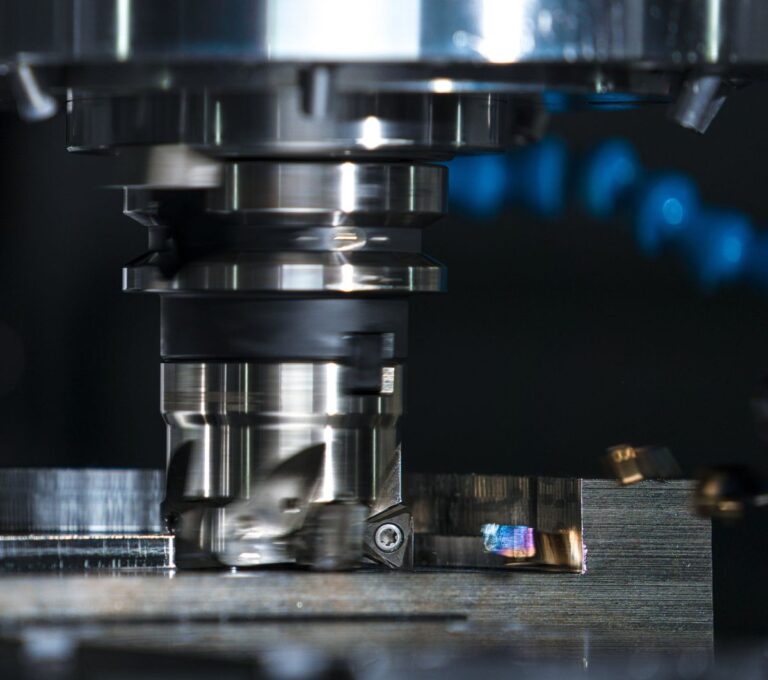
Wall, corner radius, pocket depth, thread and hole limits for CNC stainless steel parts, and how grade and finishing change what you can draw.
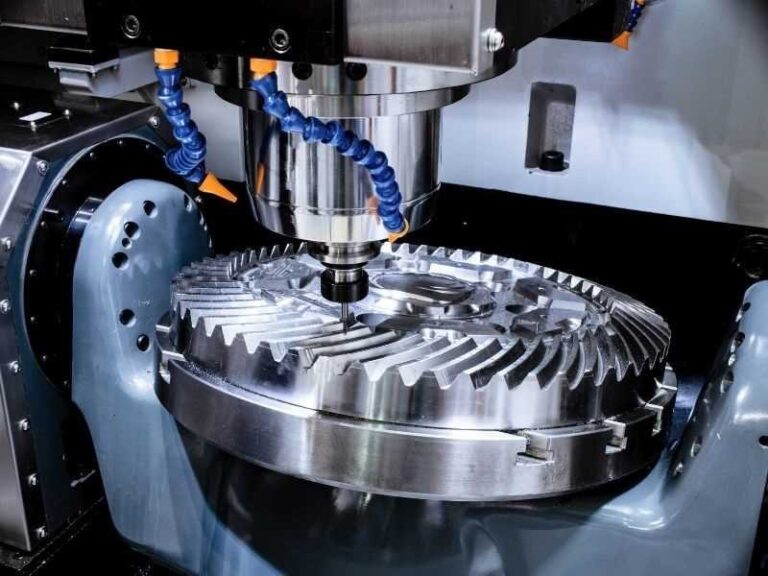
Why stainless is harder to hold than other metals, and how grade, galling, 17-4PH aging and electropolishing change the size you can hold.
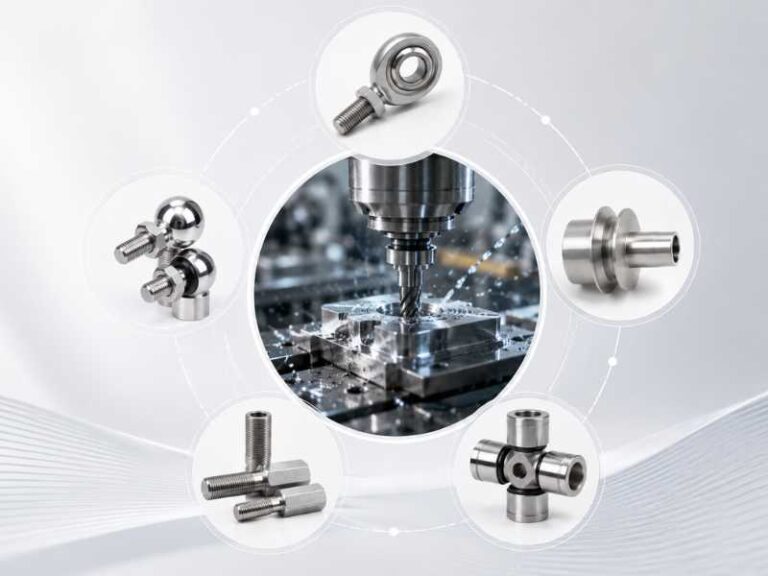
When passivation is worth doing, when it can be skipped, and what goes wrong when the process sequence is off.
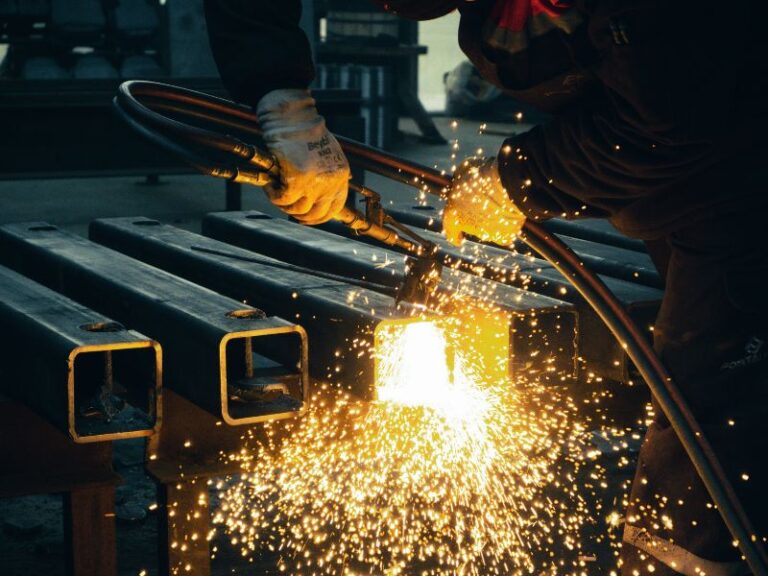
TIG, MIG, Stick, and Flux-Core compared: strength depends on material, joint design, and load, not on process alone.

A stainless steel gauge chart with tolerance and grade factors, because 16 gauge is 0.0625 in and gauge alone can mislead.
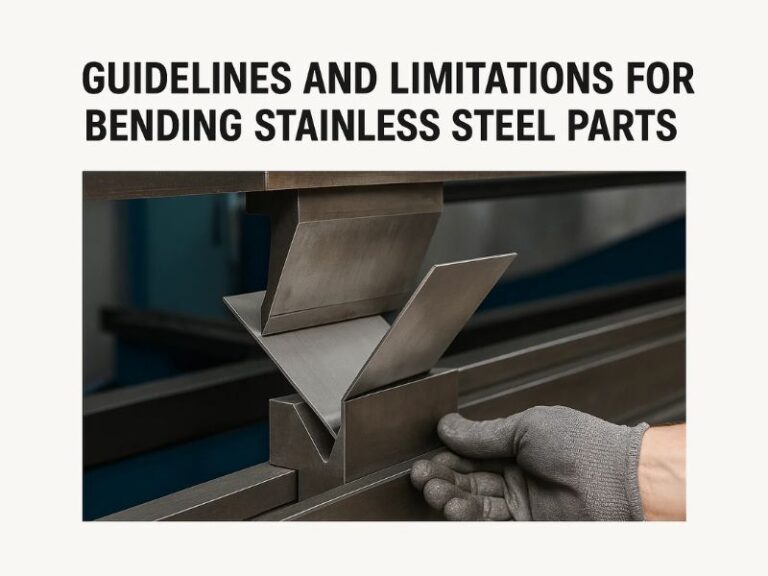
Guidelines for crack-free, precise bends in stainless steel parts, and the limits that decide what can be bent.
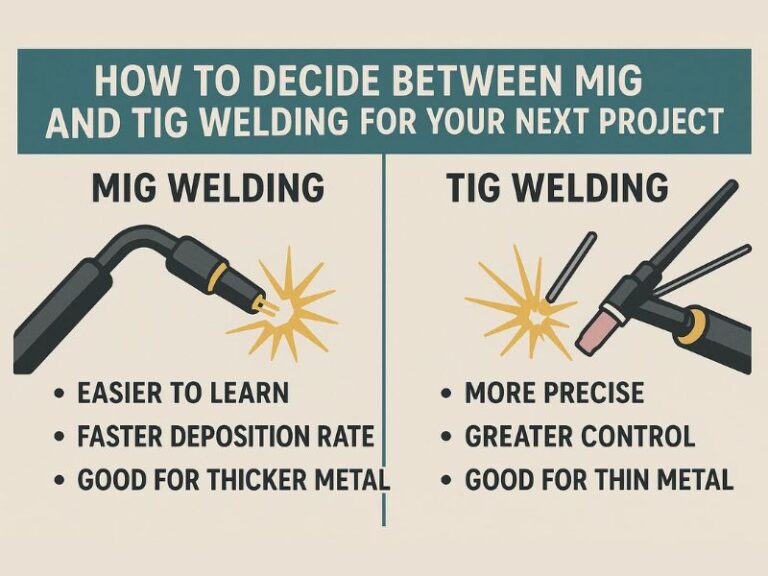
MIG is faster for big jobs and thick metal. TIG is more exact on thin metal and leaves a neater bead.
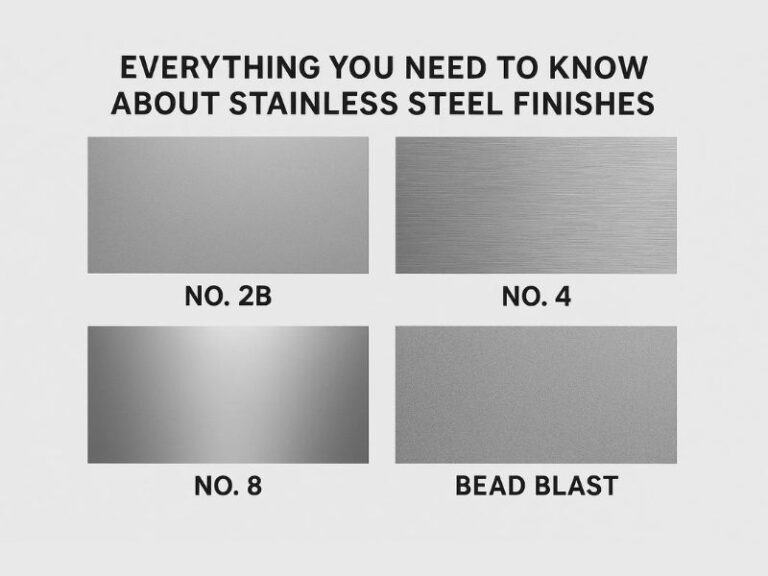
How stainless steel finishes affect corrosion resistance, wear resistance, electrical conductivity, and weldability.
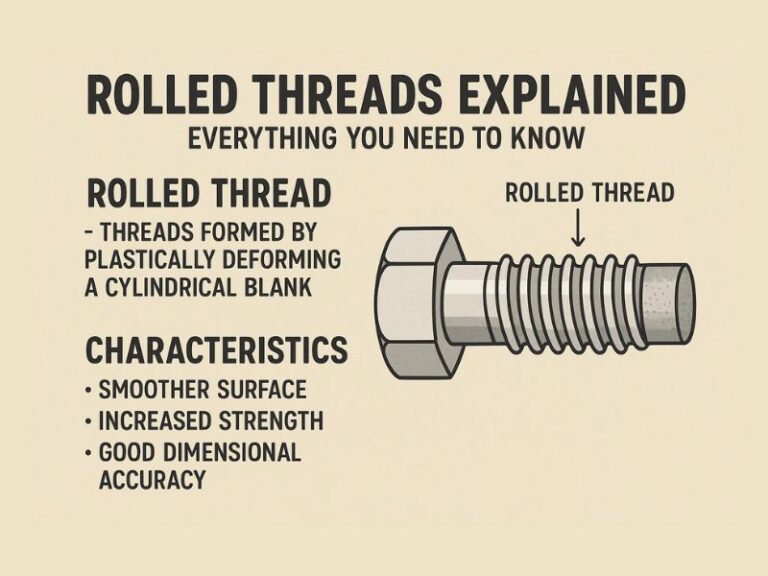
Rolled threads are pressed with a hard die instead of cut, so the metal grain follows the thread shape.

Cutting waste and energy in CNC work through material use, part nesting, fluids, and machine settings.

Why top-10 lists say little about a shop, and what predicts whether a fabricator delivers on your part.
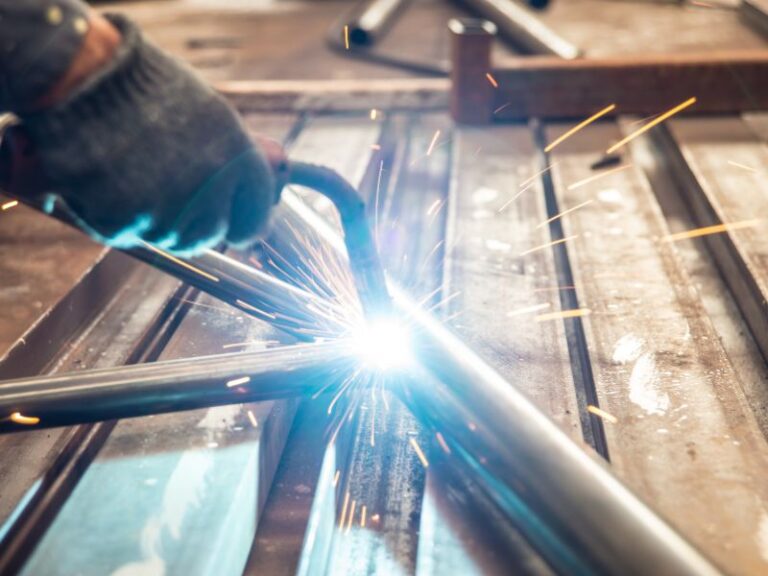
Visual checks first, then ultrasonic and eddy current testing for cracks and hidden flaws in stainless steel welds.
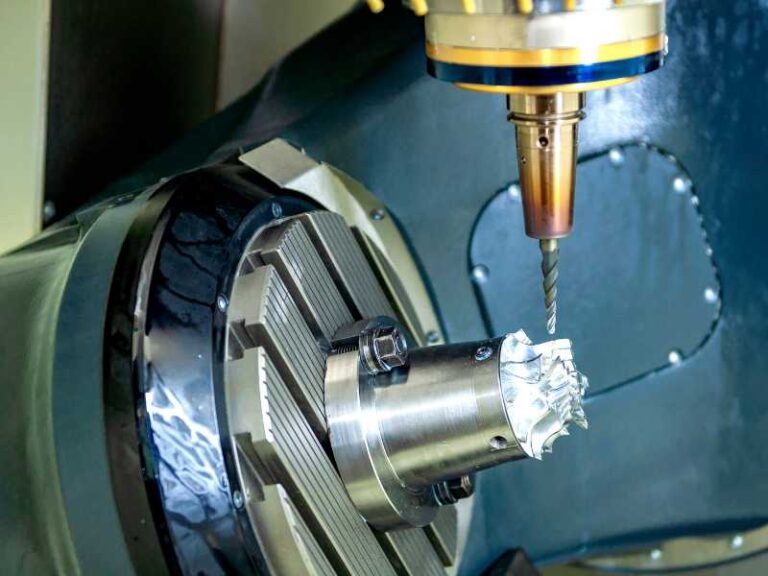
A 5-axis machine moves a tool or part along five axes, though not always all five in one cut.
Causes of wear, play, noise, galling, and corrosion, with the installation and maintenance steps that prevent them.
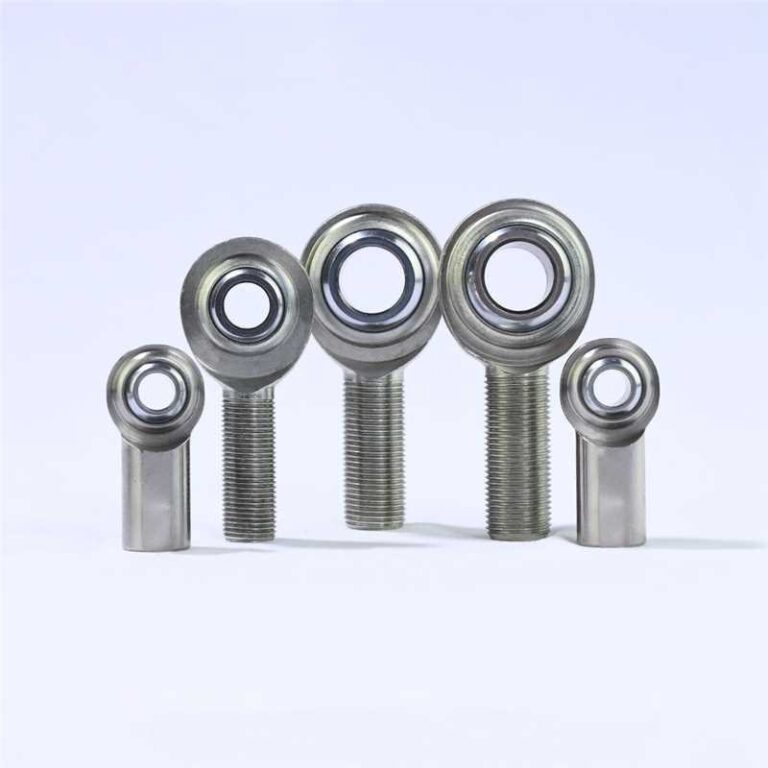
The five ways a rod end fails, how to tell them apart by sign, a repeatable inspection routine, and what to change in the replacement.
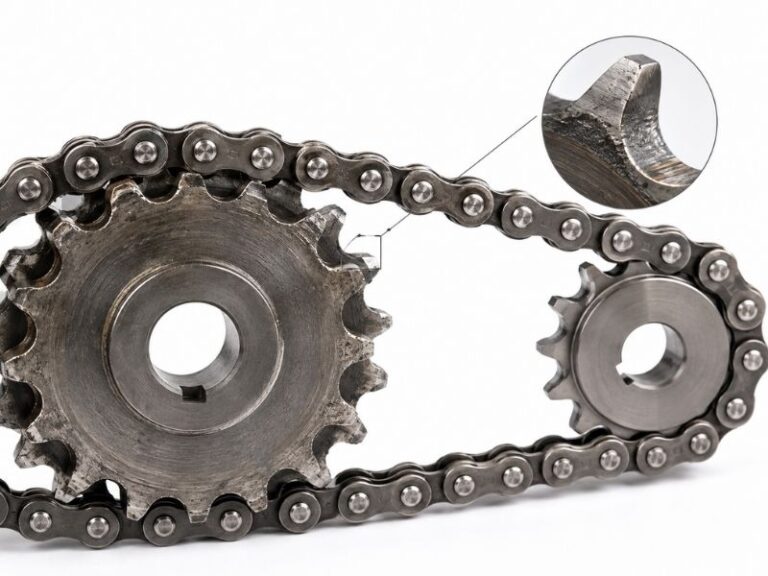
Chain elongation, tooth hardness, lubrication, alignment, and material decide how fast a sprocket wears.
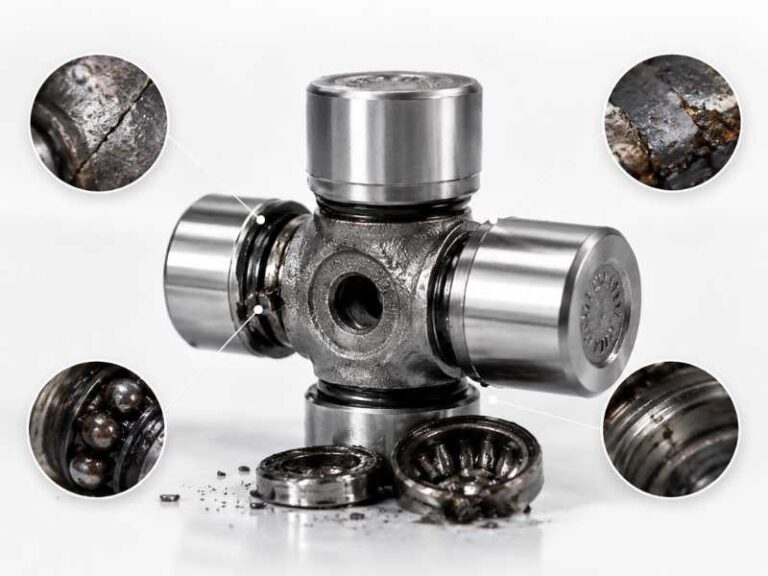
Squeak, clunk, vibration, then driveshaft failure: the sequence a worn universal joint follows.
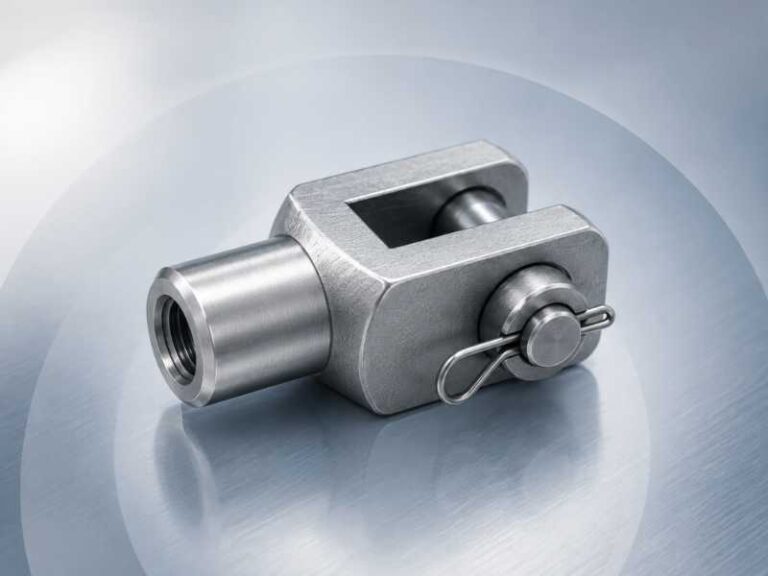
Clevis rod ends rarely fail at the printed rating. They fail along a load path nobody drew on the assembly print.
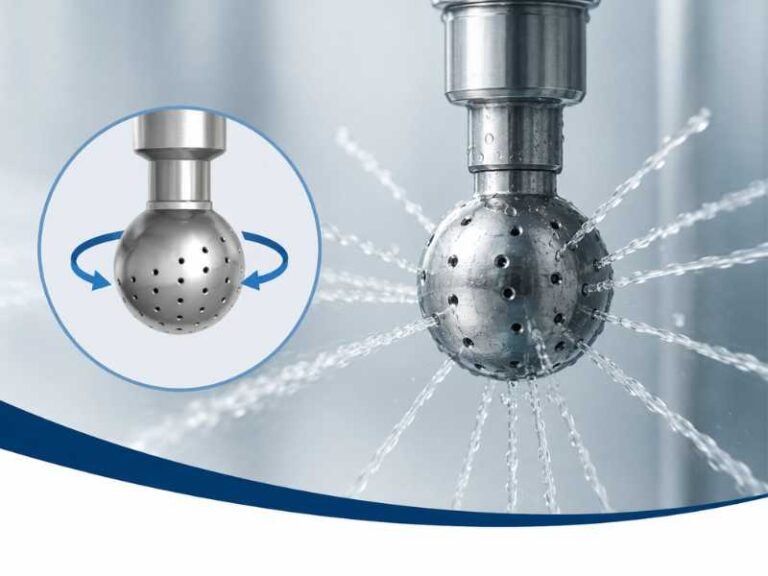
Flow, pressure, orifice geometry, or a worn bearing: how to tell which one stops a rotary spray ball.
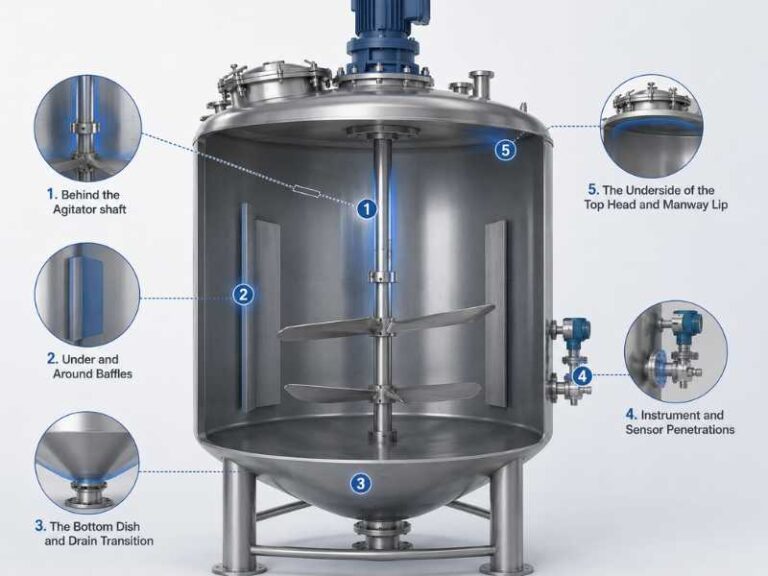
Five tank locations a spray ball tends to miss, such as behind an agitator shaft, and how to find them before a swab test.
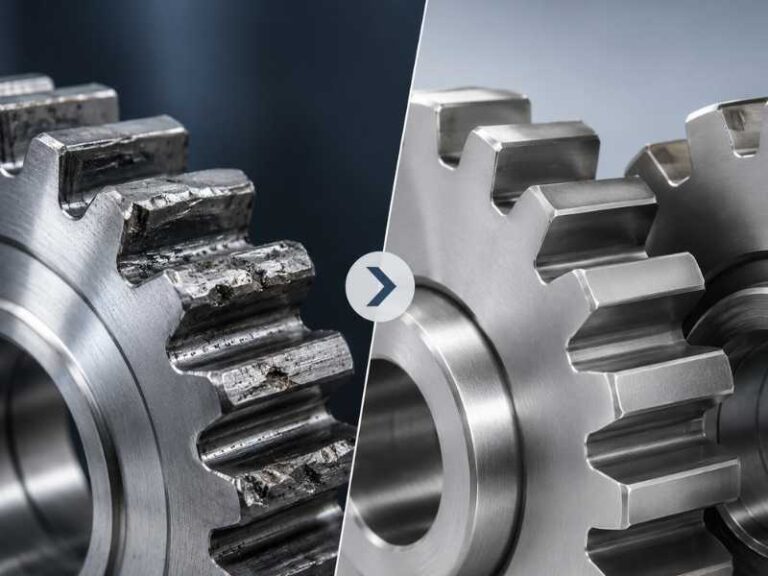
Galling in stainless gears is cold welding, not ordinary wear. Material, surface finish, and lubrication choices reduce it.
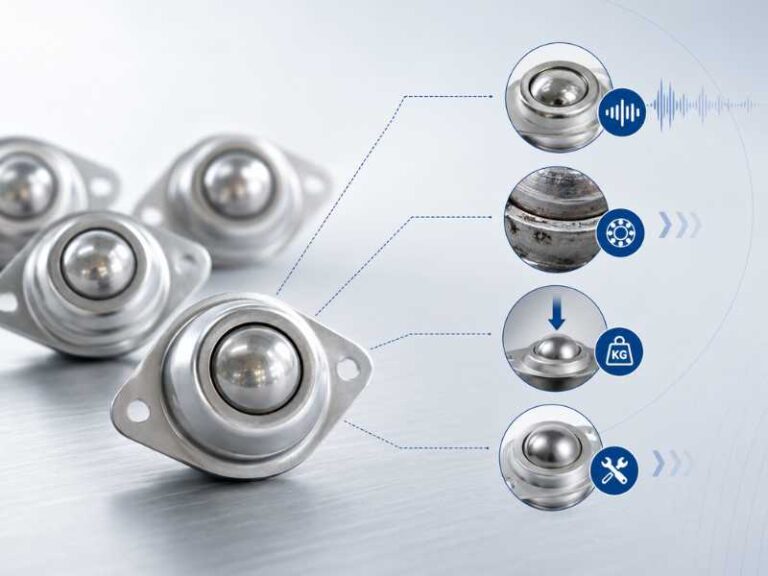
How to read noise, wear patterns, and load issues in a ball transfer unit and correct the real cause.
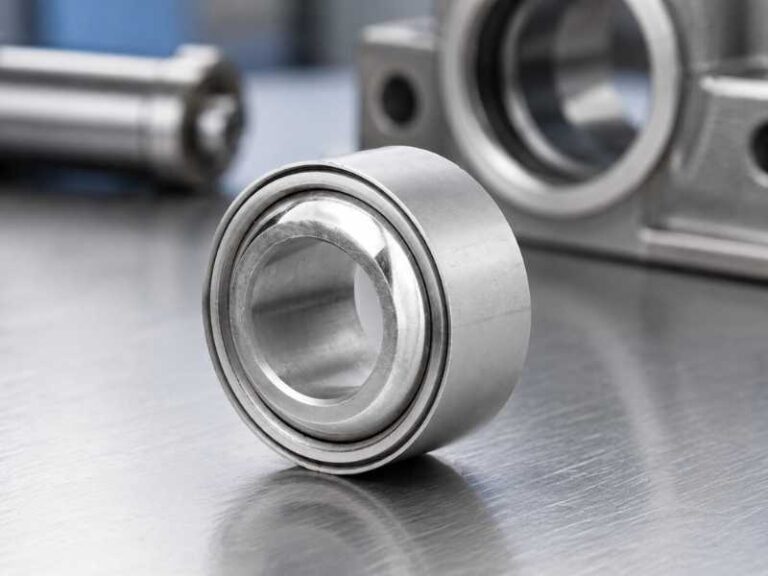
Four root causes of an outer ring spinning in its housing, how to confirm each, and repairs that hold.
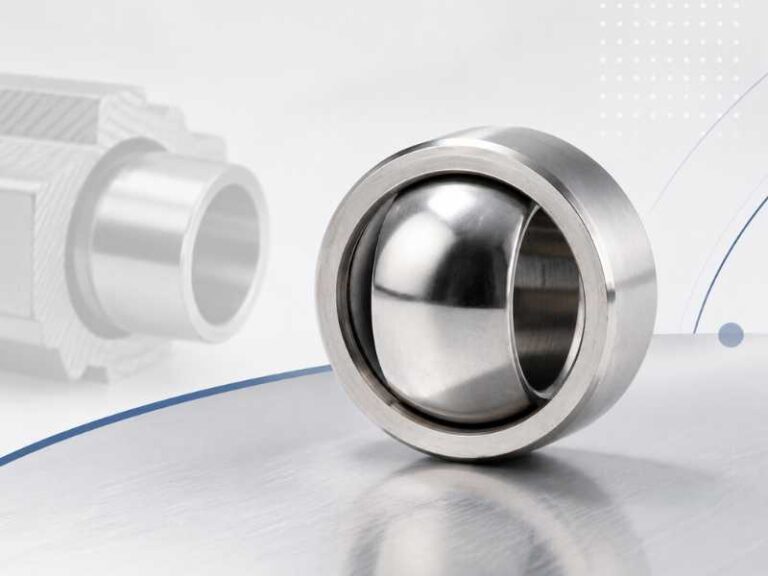
When to press and when to slip a spherical plain bearing, and what changes with an aluminum housing or a PTFE liner.

Knocking, squealing, and play each point to a specific cause in a spherical bearing assembly.
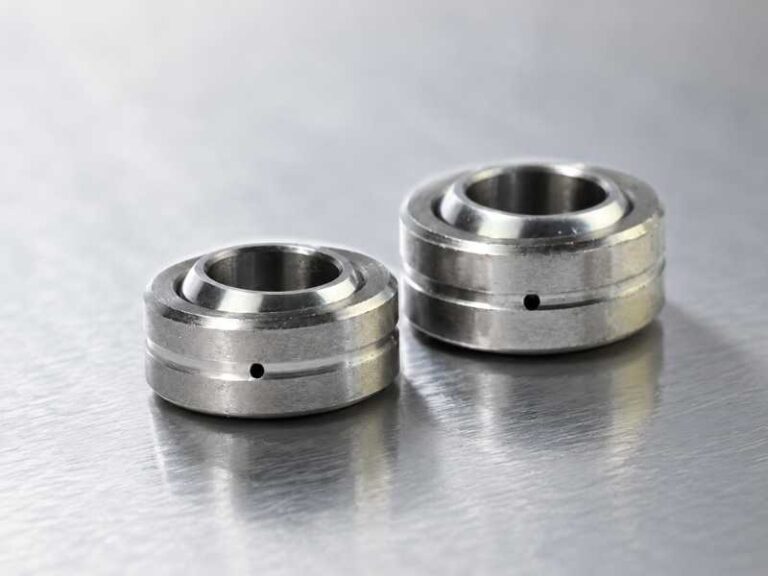
Improper preload, wrong grade, surface contamination, and accumulated misalignment: how to diagnose and prevent each.
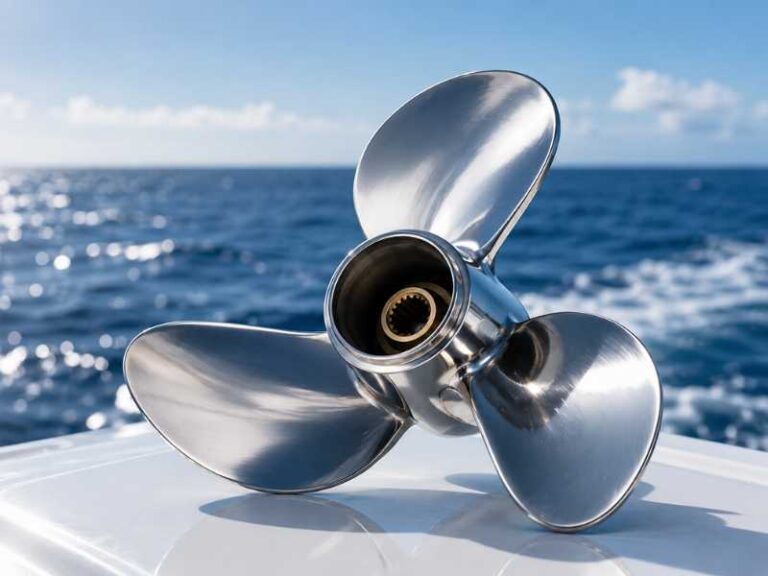
How much extra impact energy a stainless prop passes to the lower unit, and what hub design and pitch change.
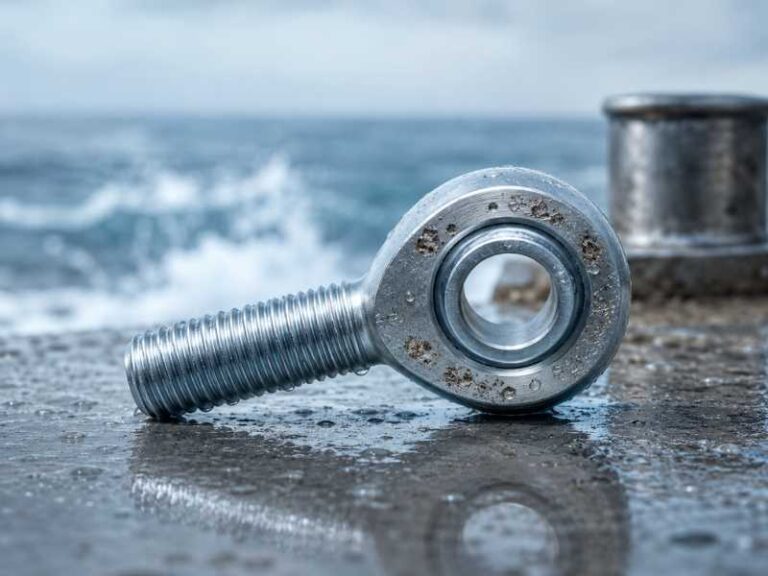
Why 316 rod ends can still pit in saltwater: geometry and surface condition, with the failure sites named.
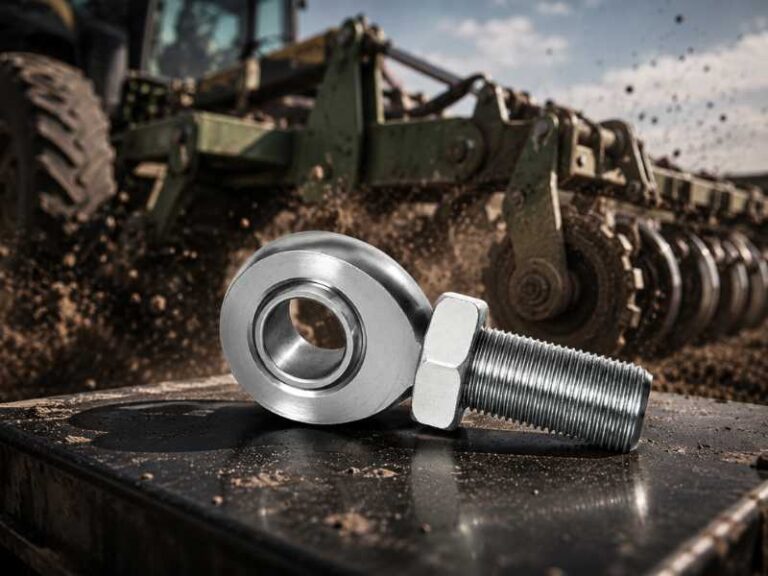
Four damage modes from shock loads, and the static rating rule for shock applications.
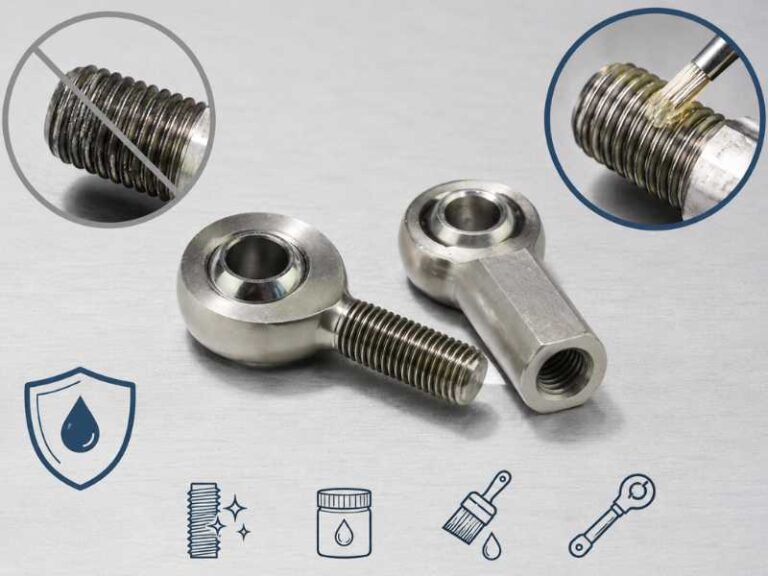
Lubricant, installation speed, and thread fit that keep stainless heim joint threads from galling.

Greasing on a fixed schedule can miss the real failure mechanism of stainless ball joints.
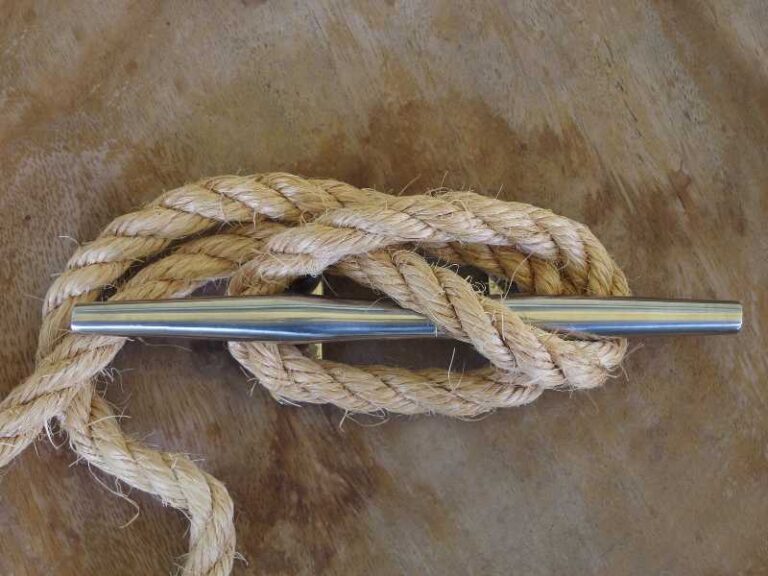
Three distinct causes of a squeaking boat cleat, each needing a different fix.
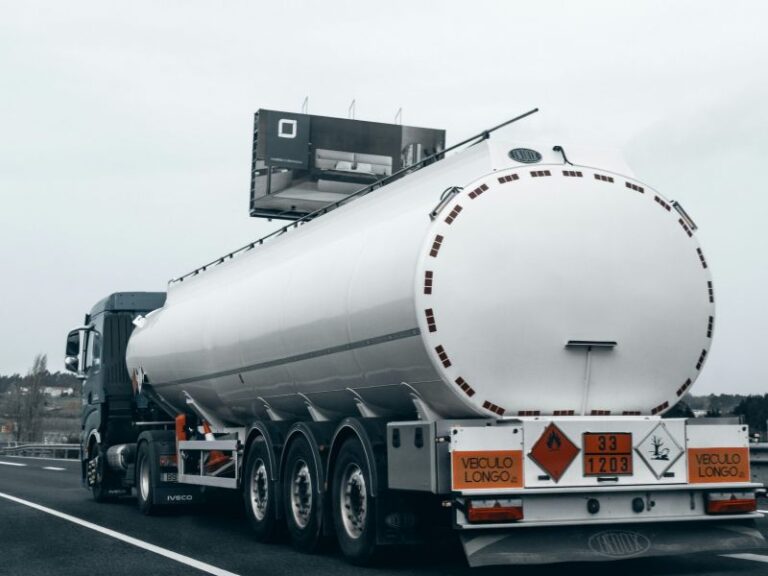
Most failures trace to the linkage hardware, such as clevis joints, ball joint ends, and rod threads.
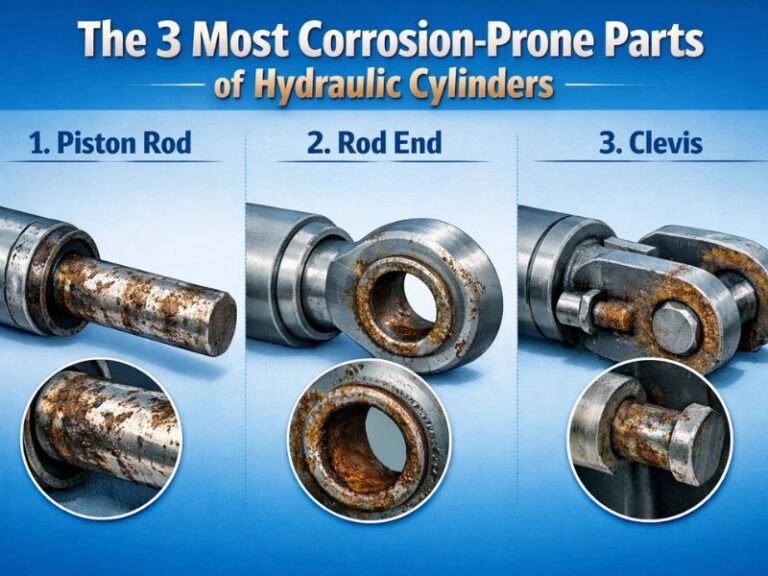
The piston rod, the rod end, and the clevis are the hydraulic cylinder parts most likely to corrode.

Most early wheel bearing failures trace to improper fitting, poor lubrication, or contamination.
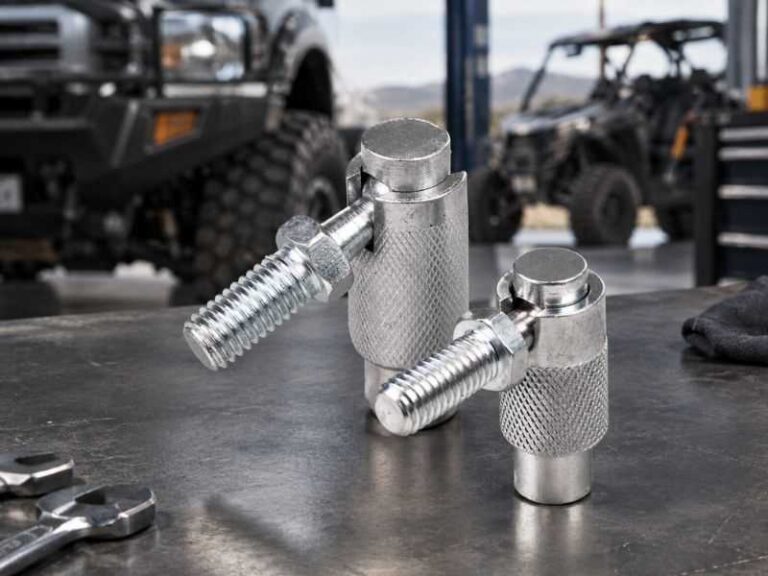
Why the standard steel checklist misleads on stainless ball joints, and what to check on trucks and UTVs.
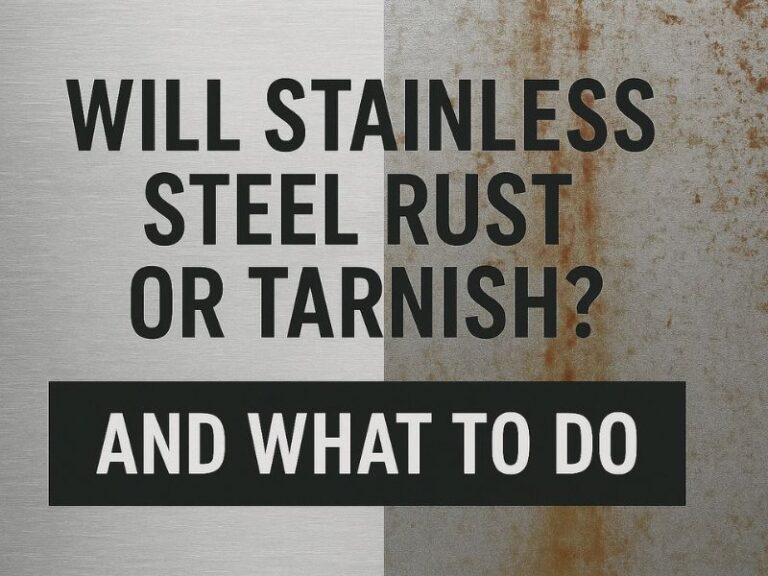
A chromium oxide layer protects stainless steel, but it is not immune. When that layer fails.
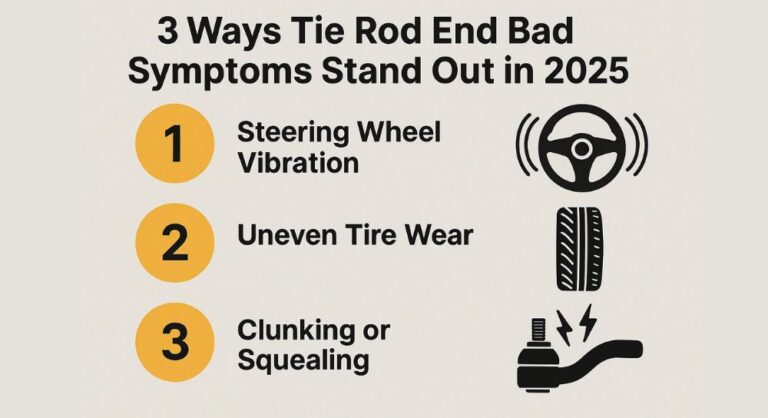
Steering play, uneven tire wear, and clunking noises: the three main signs of a failing tie rod end.
Where stainless steel rod ends, bearings, and clamps are used, from off-road suspension and boats to food lines and hydraulic systems.
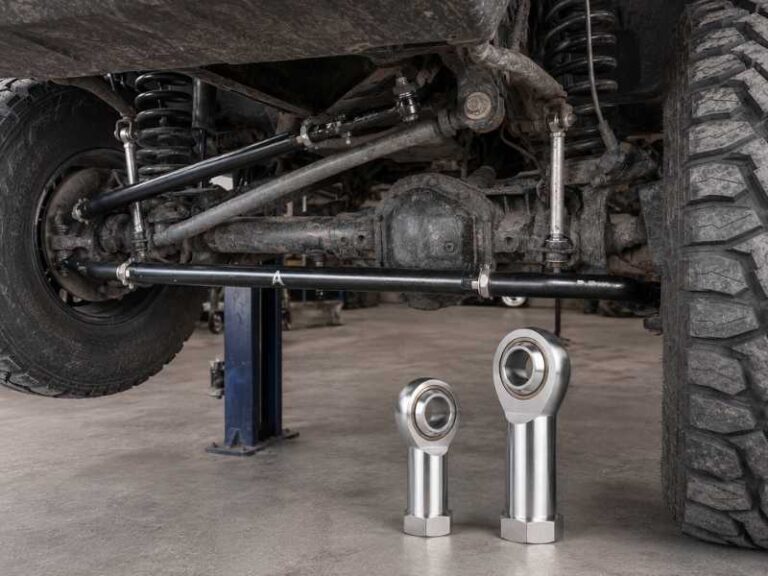
Why factory steering parts are overwhelmed around 37-inch tires, and what heim joint steering changes.
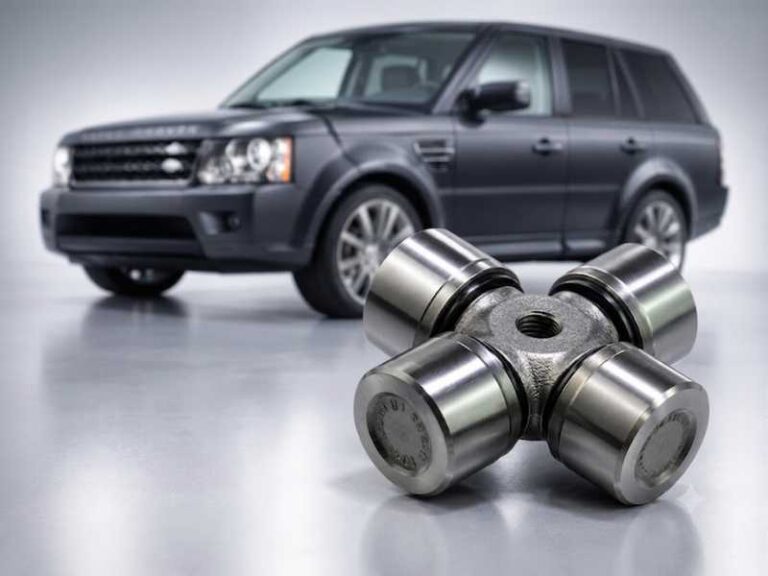
The 2013 Range Rover Sport is an L320, not an L405. The correct drivetrain layout and U-joint count.

Whether heim joints suit a daily-driven Jeep depends on where they are installed and what they replace.
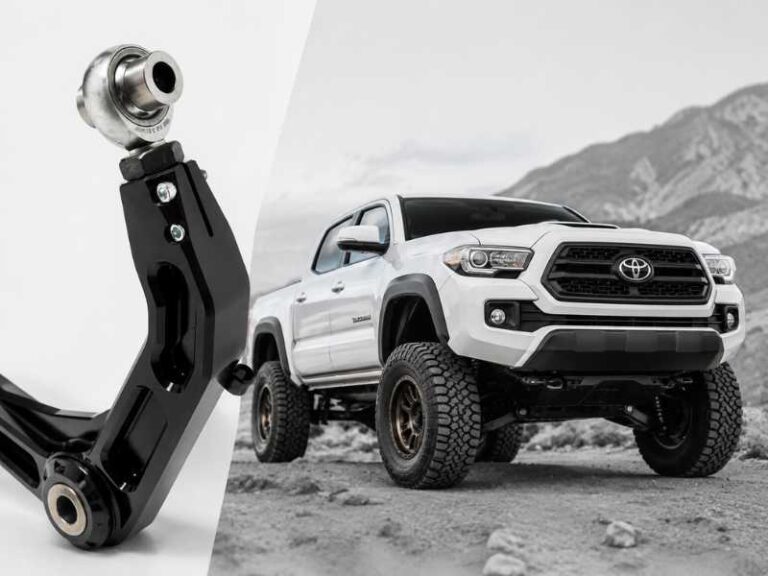
Lifting a Tacoma without new upper control arms fixes ride height but breaks the geometry. What adjustable heim UCAs correct.

Why FSAE teams choose spherical bearings over rod ends at A-arm joints, and the spec decisions that affect a season.
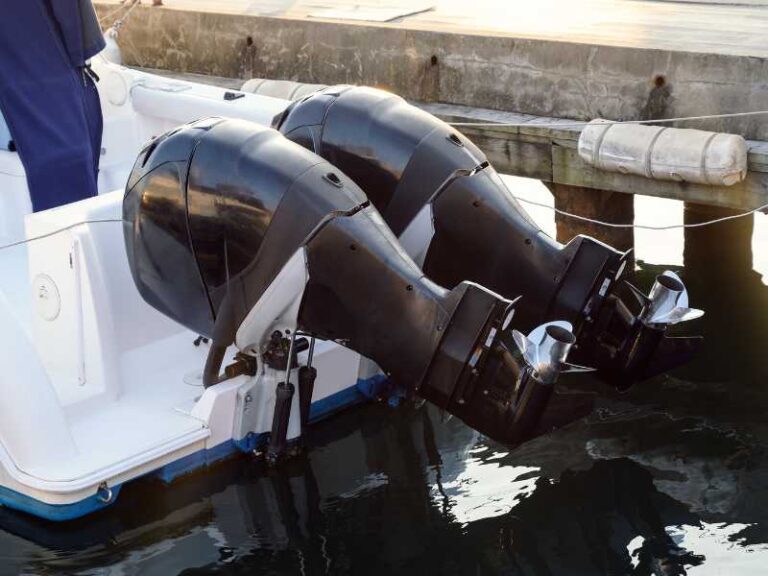
Whether a stainless steel prop earns its price on a 50HP outboard, including the risk of a prop strike.
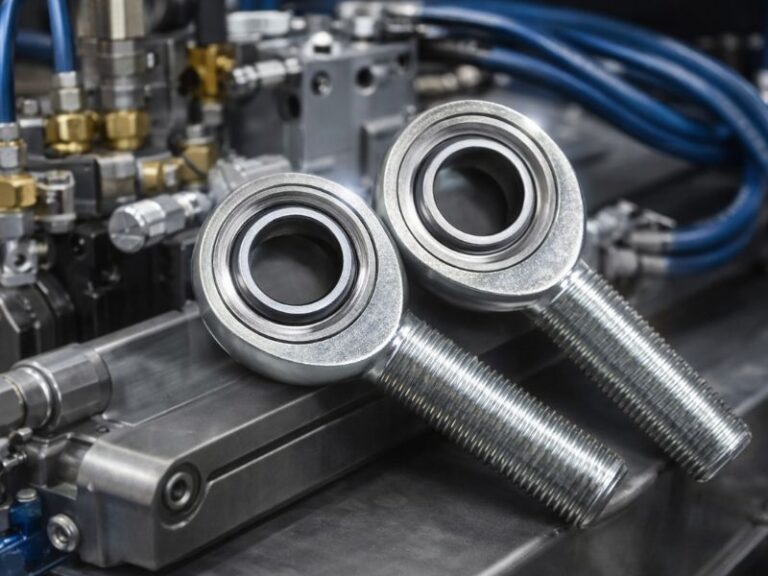
Where self-lubricating rod ends pay off in hydraulic systems, in contamination and remote locations, and where they fall short.

Why a cheap clamp can become a contamination source, and how FDA and 3-A sanitary standards bear on the choice.
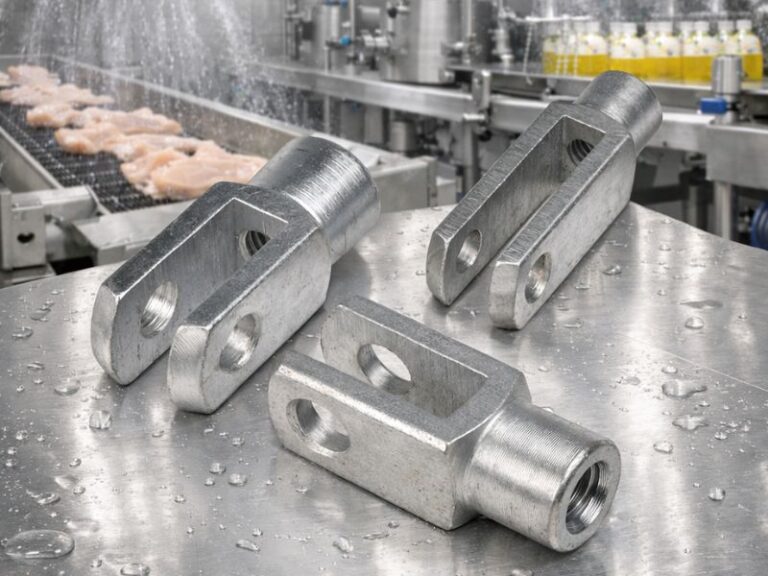
How threaded grooves and seal gaps trap residue in food lines, and what stainless clevis rod ends change.

Why automotive hose clamps corrode within months in saltwater, and what marine clamps need to be.
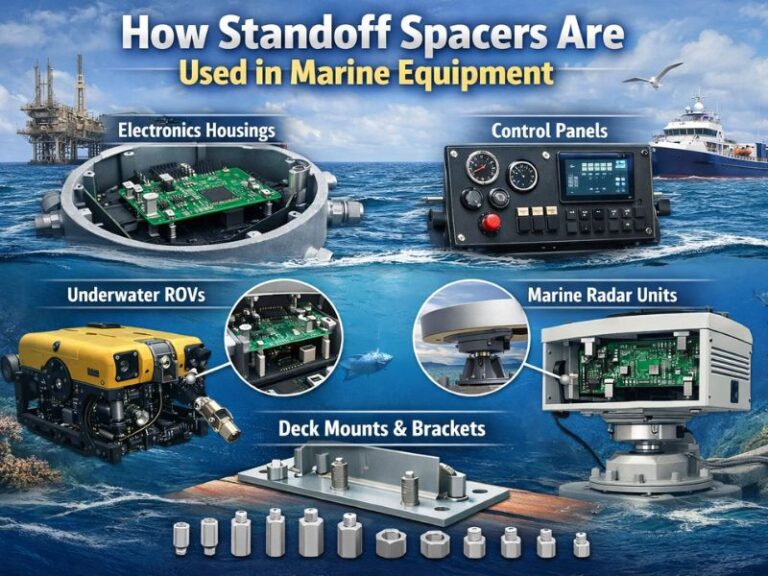
Standoff spacers set controlled clearances for enclosures, panels, and structural parts on boats.

How ball transfer units let products turn, rotate, and divert on a food line without bottlenecks.
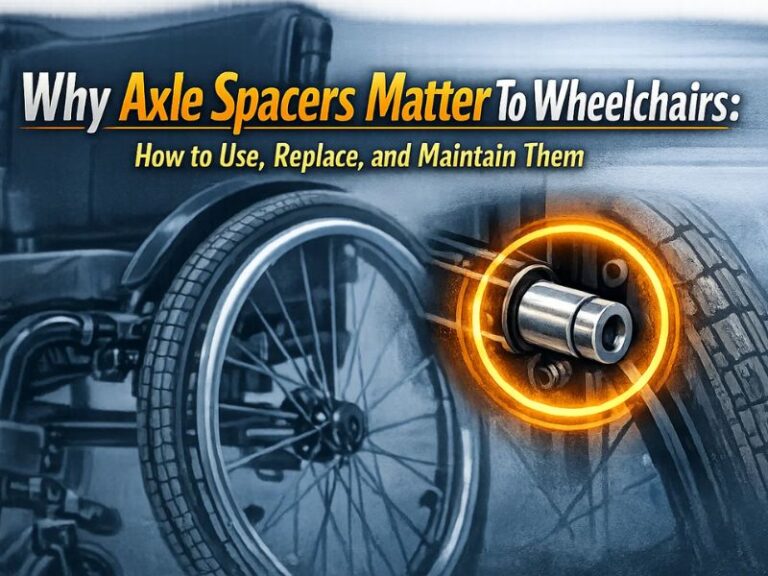
An axle spacer sets position and clearance, not weight support. Wrong length shows up as wobble.
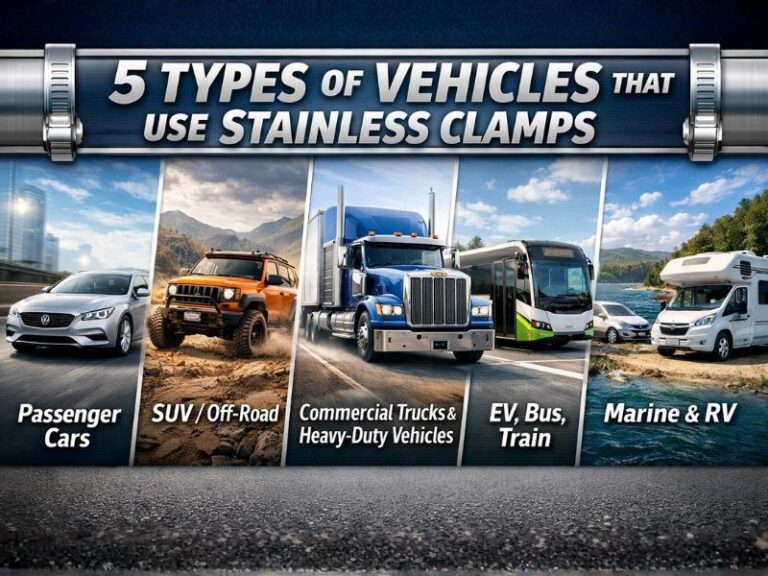
Exhaust systems, turbo piping, racing, and other vehicle uses, with the clamp style each one favors.

Why stainless heim joints suit off-road vehicles exposed to sand, dust, mud, and salt spray.
Plain-language introductions to what a part is, how it works, and how to use it.
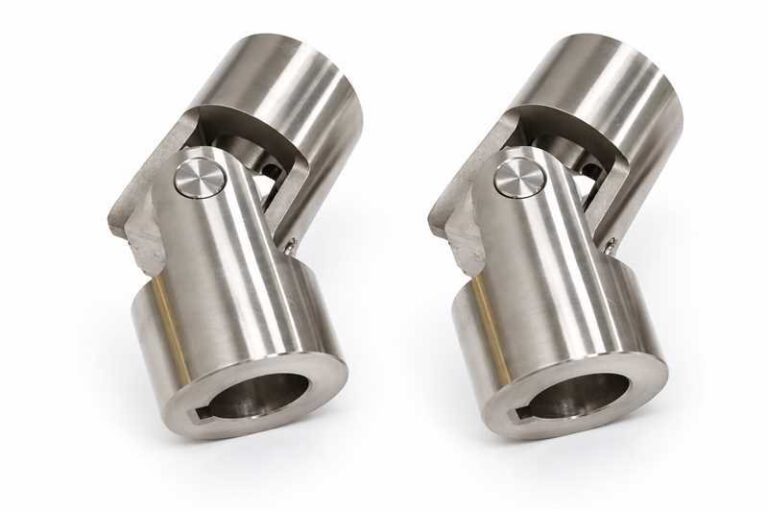
Why a universal joint shakes at twice shaft speed, how working angle, unequal angles and yoke phasing set the swing, and a five-step check before you replace it.
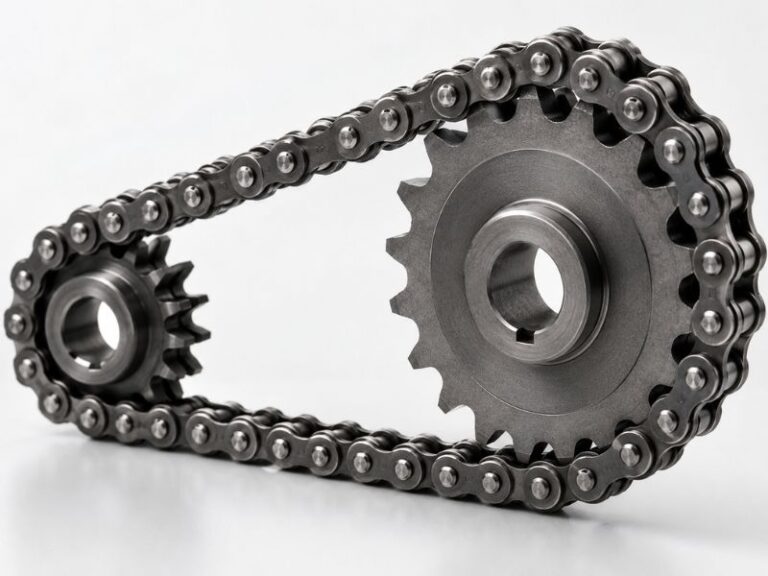
How a chain and sprocket system transmits power with no slip and a constant speed ratio, before you select parts.
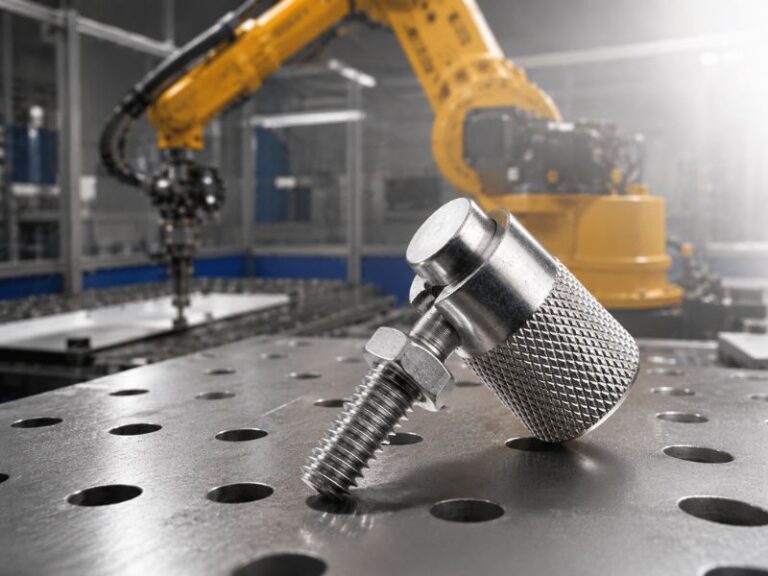
Where stainless steel ball joints stay functional after months of corrosion, contamination, or washdown, and how to pick the grade.
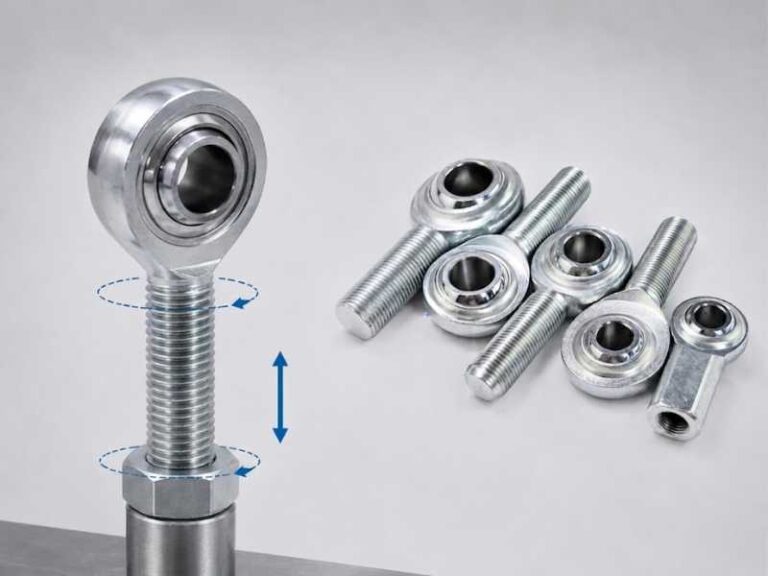
How right-hand and left-hand threads change linkage length when the tube turns, and why the adjustment can drift.
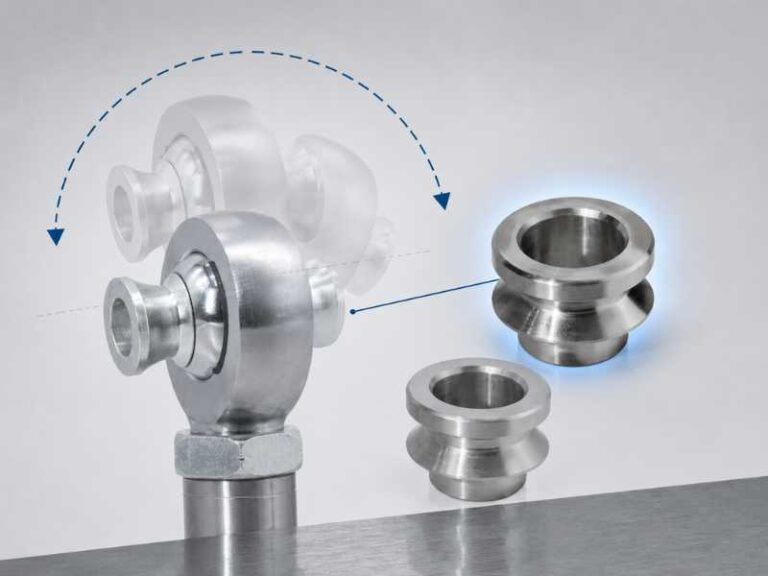
A standard rod end gives about 12 to 18 degrees of angular travel. Misalignment spacers extend that to 30 degrees or more.
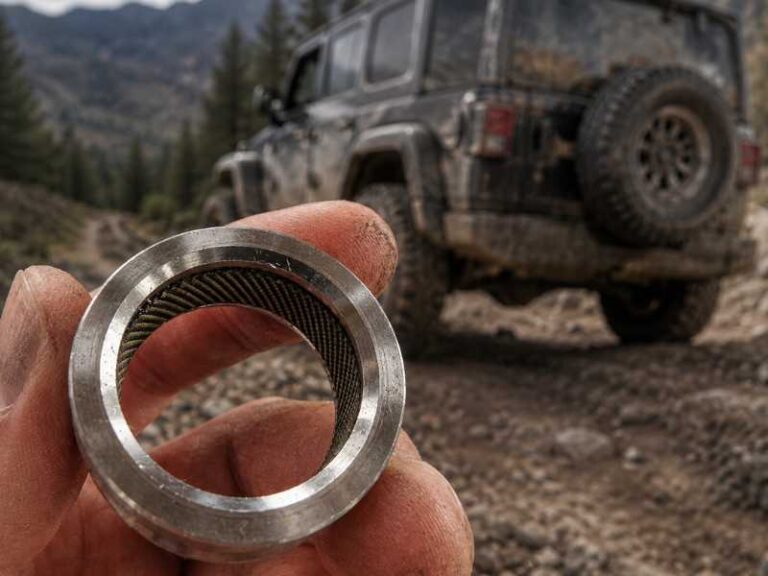
How PTFE transfer films remove grease starvation and relubrication, and the PV limit that marks where they stop.

How backing plate material and size decide whether a boat cleat holds under load or pulls through the deck.
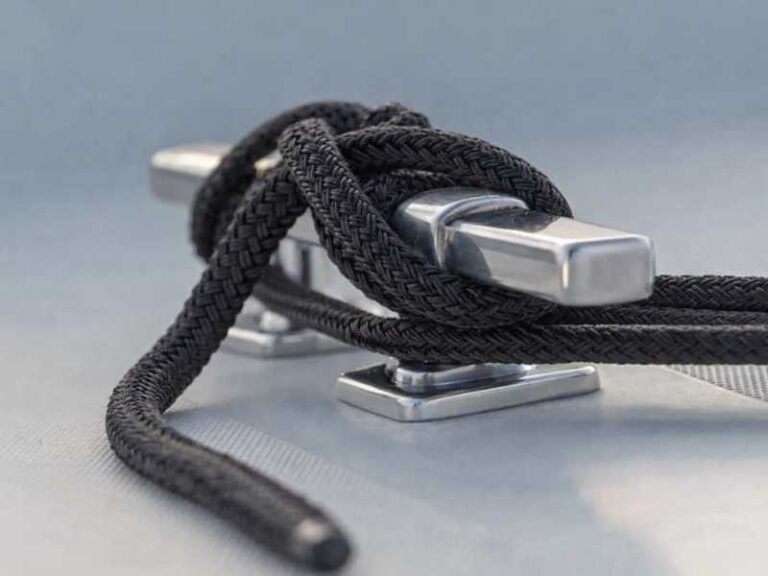
Cleat types, grades, sizing, and installation, including why 316 is the minimum for saltwater.
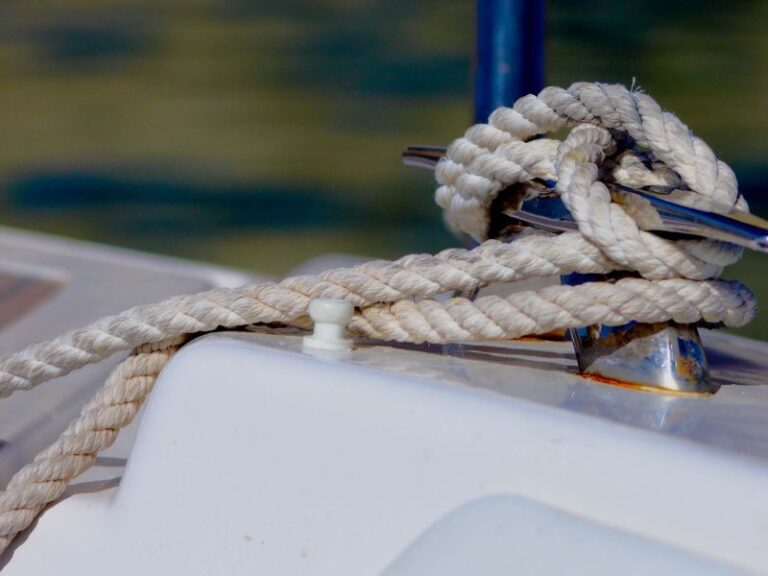
The standard cleat hitch, the quick-release, and the heavy-load technique, with cleat sizing notes.
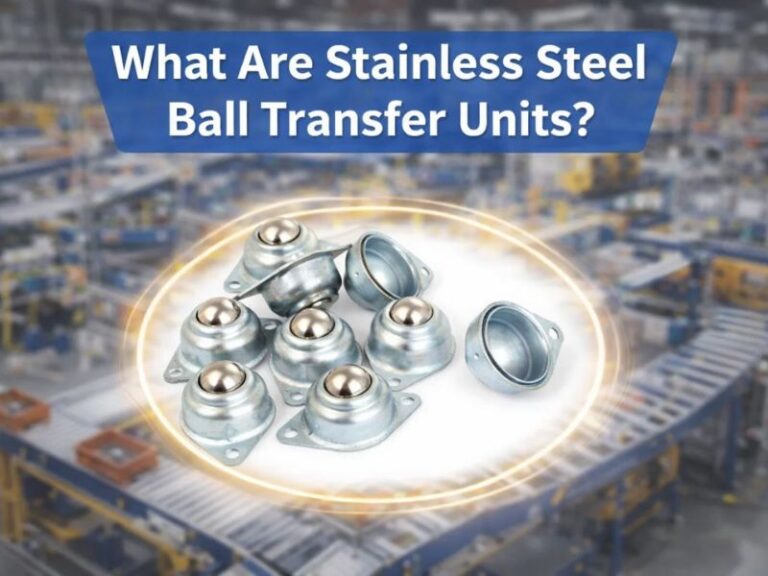
Where stainless ball transfer units are used for multi-directional handling in corrosive and hygienic settings.
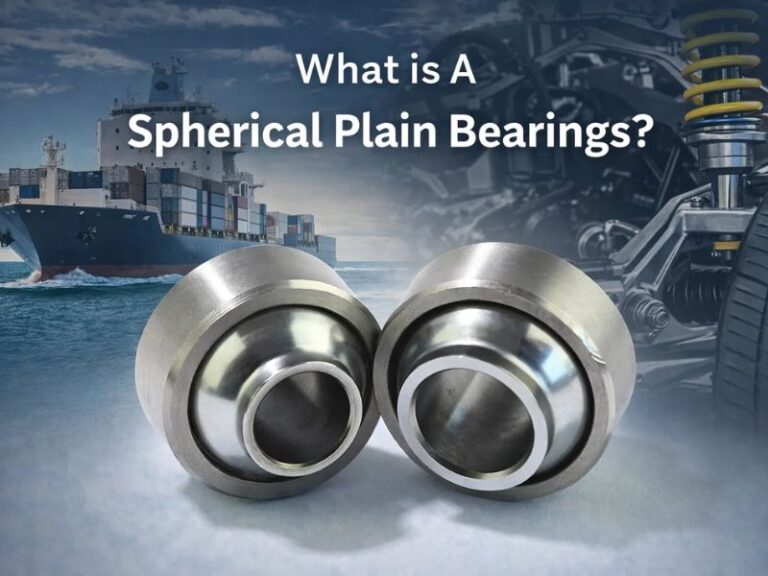
How a spherical plain bearing works as a ball-and-socket joint, its main types, and how to choose.
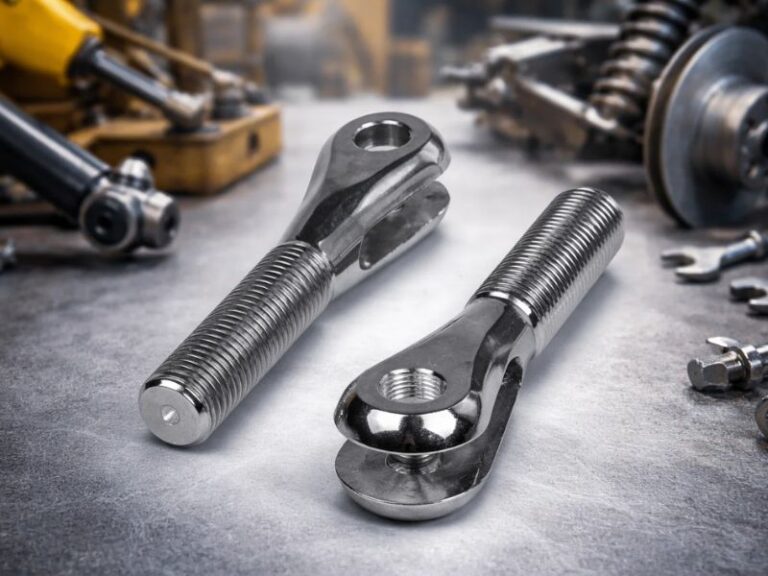
How a U-shaped clevis, a pin, and a mating part form a joint that holds the parts together and still lets them pivot.
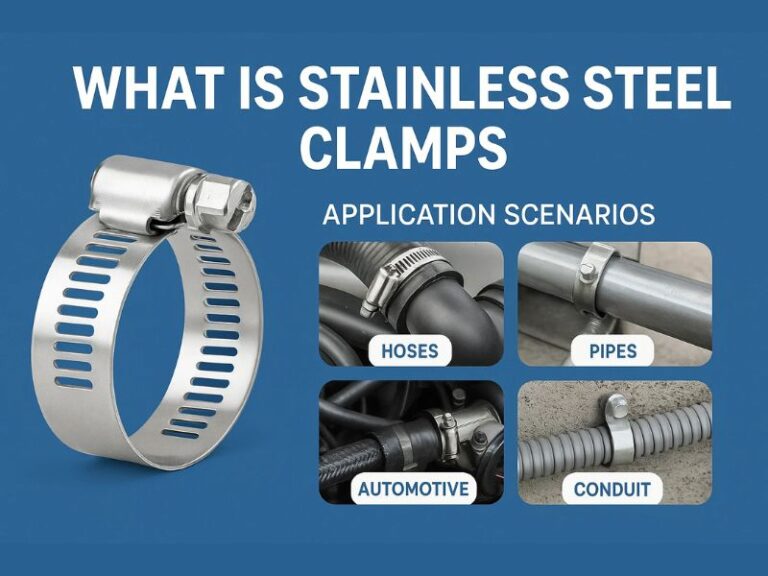
Lightweight and heavy-duty stainless clamps, and the leakage and pressure-loss failures they prevent.
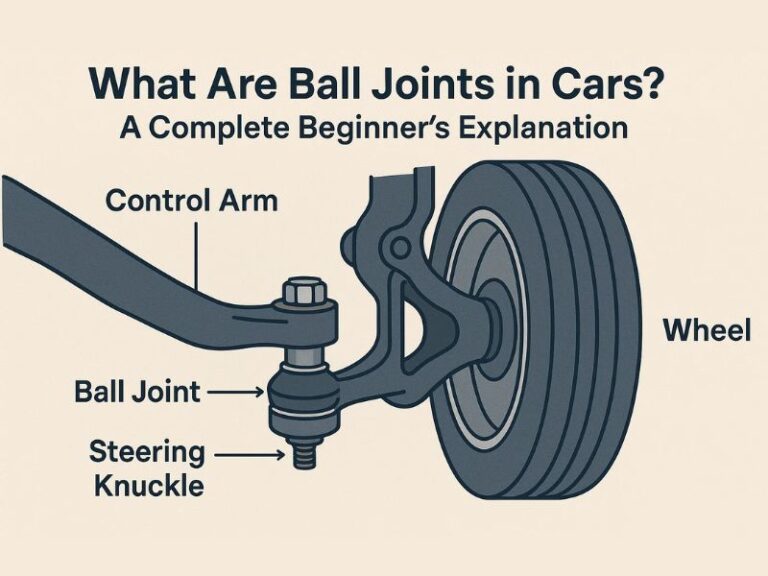
A ball joint is a ball-and-socket link in the suspension. What it does and what a bad one feels like.
Each knowledge base groups short, question-led answers by topic for one product family.
Send the drawing, grade, quantity, and working conditions to our engineers. A quote typically follows within 24 hours.