Drive & Conveying

Stainless Steel Pulleys

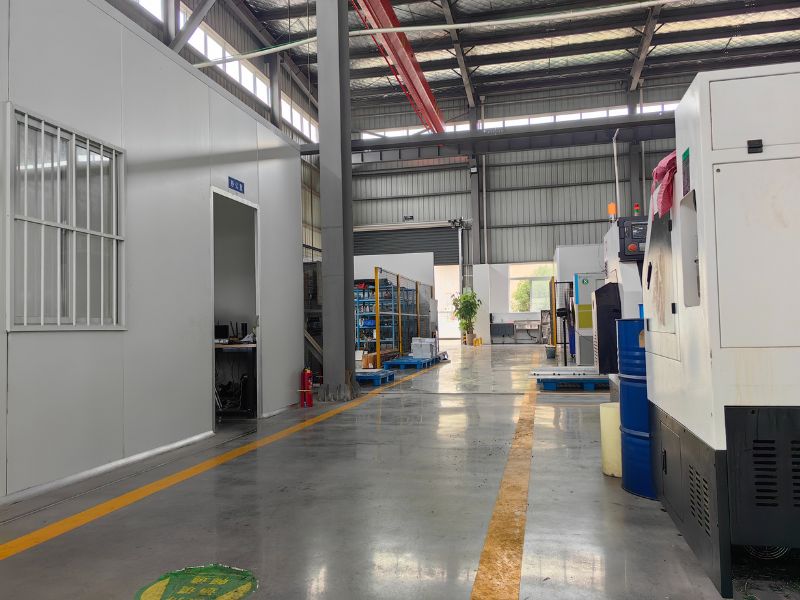
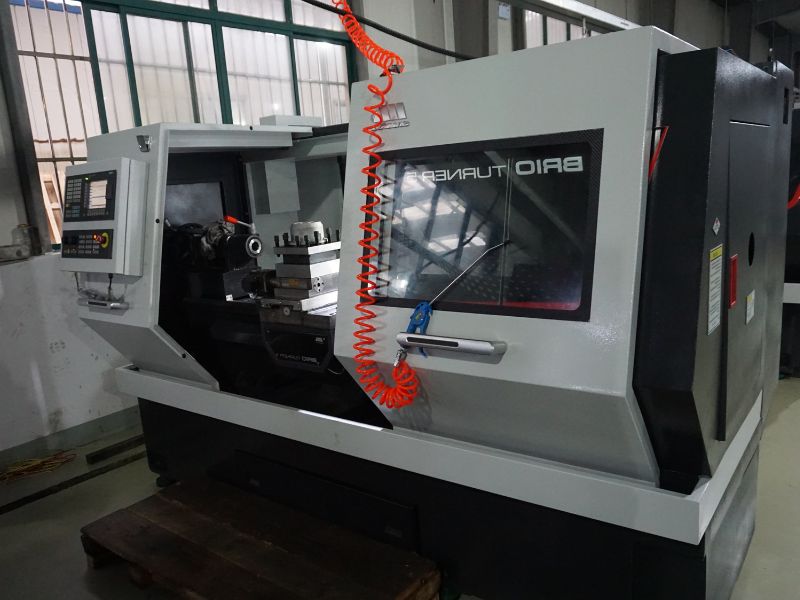
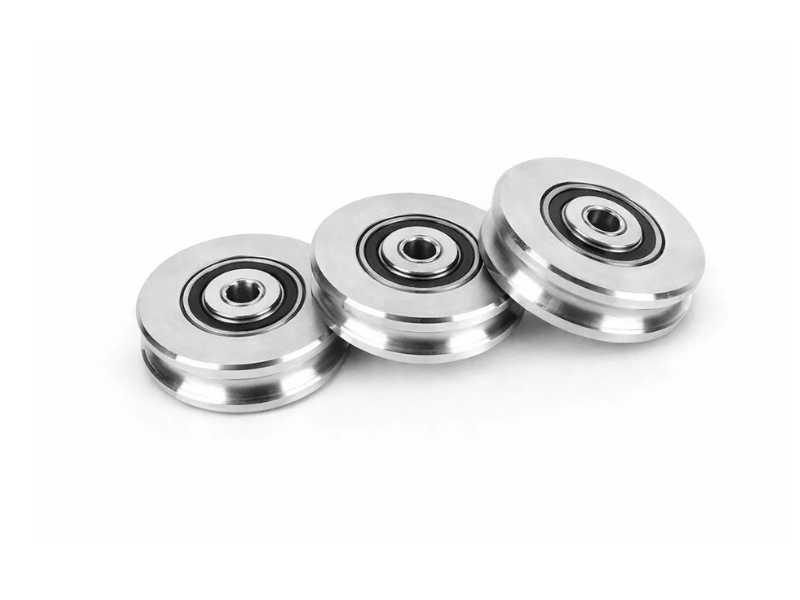
Profab Machine CNC machines 304 and 316L stainless steel pulleys for timing drives, V-belt drives, food-grade conveyors, and marine rigging. We make custom outside diameters, bores, keyways, tooth profiles, and finishes, from a single prototype to a production run.

  • Timing, V-Belt & Sheave
  • HTD, GT2 & GT3 Profiles
  • 304 & 316L
  • Custom Bore & Keyway
View All Types
Stainless steel pulleys
Product Overview

What Are Stainless Steel Pulleys?

A pulley is a grooved or toothed wheel that carries a belt, rope, or cable, and it either transmits motion or redirects a load. A timing pulley has teeth for a toothed belt, a V-belt pulley has angled grooves that grip by friction, and a sheave block guides a rope or wire.

Stainless steel is chosen where washdown, salt, or chemicals would corrode aluminium or carbon steel, and where the drive must also stay clean.

Timing Pulley V-Belt Pulley Sheave Block
Product Range

Types of Stainless Steel Pulleys

The pulley type determines the belt or rope it mates with, the tooth or groove geometry, and whether it transmits synchronous motion, transmits power by friction, or redirects a load. A mismatched type wears quickly and can cause belt skip or rope fatigue, so choose the type first and then the size.

Stainless steel single pulley

Single Pulley

Compact Machined Groove

A stainless steel single pulley redirects a rope or cable for light-to-medium lifting and routing. Send the working load for a review. We machine the groove radius to about 0.53 times the rope diameter, which gives the rope a bearing surface and avoids pinching. It suits food plants and pharmaceutical areas that want an easy-to-clean single pulley.

Stainless steel double pulley

Double Pulley

Block and Tackle

Two sheaves in one stainless steel double pulley housing give mechanical advantage and reduce the force needed to lift. The sheaves turn independently, and the housing is available in 316L for chemical and marine areas. Send the rope size and the working load so we can review the design.

Stainless steel V-belt pulley

V-Belt Pulley

SPZ SPA SPB SPC

Angled flanks grip the belt by friction as tension rises. We machine SPZ, SPA, SPB, and SPC grooves, and we work to the ISO 4183 groove form on your drawing. It suits industrial drives in washdown and corrosive areas.

Stainless steel swivel pulley

Swivel Pulley

360° Eye Marine 316L

A swivel eye lets the pulley turn as the load direction changes, so the rope is less likely to twist. We make it in 316L for marine, offshore, and outdoor rigging.

Timing Pulley Pitch Reference

Common Synchronous Belt Profiles for Timing Pulleys

Belt pitch and tooth profile are two independent specifications. A 5 mm pitch pulley exists in both HTD and GT profile geometries, and the two are not interchangeable. Specify both pitch and profile when you order a timing pulley.

ProfilePitchTooth ShapeTypical Use
MXL2.032 mm (0.080 in)TrapezoidalLight instruments and small equipment
GT22 mmCurvilinearServo and precision automation
HTD 3M3 mmRounded HTDLight robotics and conveyors
GT33 mmCurvilinearRobotics and medical devices
HTD 5M5 mmRounded HTDGeneral servo and packaging
HTD 8M8 mmRounded HTDHigh-torque drives and conveyors
T55 mmTrapezoidalOffice and light-duty equipment
T1010 mmTrapezoidalGeneral industrial drives
AT5 and AT105 and 10 mmTrapezoidal (higher strength)Precision indexing
CustomPer drawingPer drawingOEM and special drives

GT2 and GT3 profiles are not HTD, because the tooth geometry differs at the root radius and the flank angle. Specify the number of teeth, the pitch, and the profile when you order a timing pulley. For V-belt pulleys, specify the belt profile (SPZ, SPA, SPB, SPC, or A, B, C, D), the pitch diameter, and the number of grooves.

Bore & Keyway Specification Guide

Getting the Bore Right on Stainless Steel Pulleys

A bore that is too loose lets the pulley run out of true and can wear the belt teeth unevenly. Give us the shaft size and fit class with your order.

ItemSpecification
Standard bore toleranceH7 (0 to +0.012 mm for 3 to 6 mm bores, 0 to +0.015 mm for 6 to 10 mm, 0 to +0.018 mm for 10 to 18 mm)
High-precision boreH6 (0 to +0.008 mm for 3 to 6 mm bores, 0 to +0.009 mm for 6 to 10 mm, 0 to +0.011 mm for 10 to 18 mm), on request
KeywayDIN 6885 or ISO 3912, machined
Set screw boreKey plus two set screws
Taper-lock boreTaper-lock bush sizes on request
Custom boreFrom your drawing
RunoutWe check the bore and the face against your drawing before shipping
Material Specification

Choosing the Right Grade

A pulley sold only as "stainless steel" may be 410 (magnetic, low corrosion resistance), 430 (moderate), or 304/316L austenitic. In food and chemical areas the grade has a large effect on pulley life. Name the grade on the order.

304 Stainless

304 is the usual grade for timing and V-belt pulleys in food processing, pharmaceutical packaging, and general industry, where cleaning is periodic and chlorides are absent. It welds well, which suits conveyor pulley drums.

Food & Washdown Standard

316L Stainless

316L is the grade where chlorides are present, such as chloride washdown, coastal and marine installs, chemical drives, and hypochlorite sanitizing. Its 2 to 3% molybdenum gives a PREN of about 24, which helps the bore-to-shaft joint and the keyway, where moisture collects.

Corrosive / Chloride Service

17-4PH

17-4PH is for small timing pulleys under high torque and speed, and for thin sections where 304 or 316L lacks strength. It is available on request in the temper you name, such as H900.

High Strength

Polishing, passivation, and electropolishing are available for stainless steel pulleys when a hygienic surface is required.

Applications

Diverse Applications of Stainless Steel Pulleys

Stainless steel pulleys are chosen where carbon steel or aluminium would corrode, contaminate the product, or fail a hygiene audit. They also suit drives that need dimensions documented to a drawing.

Selection Guide

How to Specify a Stainless Steel Pulley

Work through these points before you request a quote, and send what you know.

FactorWhat to ConfirmWhy It Matters
Pulley typeTiming, V-belt, or rope sheaveThe type decides the groove or tooth form.
Belt or ropeProfile and pitch, belt section, or rope diameterThe groove must match it exactly.
SizeNumber of teeth or pitch diameter, and widthTeeth count sets the ratio.
Bore and keywayBore size, tolerance, keyway, or taper bushThe fit decides runout and key wear.
Grade304, 316L, or 17-4PHThe environment and load set the grade.
FinishAs machined, polished, or electropolishedA hygienic surface may need polishing.
Load and speedTorque, speed, and working loadThey decide the section and whether 17-4PH is needed.
Why Profab

Your Reliable Stainless Steel Pulleys Supplier

01

Direct from the Manufacturer

We CNC machine your stainless steel pulleys ourselves, so you deal directly with the factory. Tiered pricing is available on larger orders.

02

Engineering Support and Sampling

Send a CAD file, a sample, or a drawing with tolerances, and our engineers will review the groove, the bore, and the keyway before cutting metal. Samples are typically ready in about 20 days.

03

Pricing That Scales With Your Order

Pricing is tiered by order quantity, so the price per pulley falls as the quantity rises. We are glad to talk through terms for long-term partnerships.

FAQ

Common Questions

Not seeing your question? Email us at [email protected] and we typically reply same day.

More Questions
What groove radius should I specify on a stainless steel sheave block for my wire rope size?

On a stainless steel sheave block for wire rope, the groove radius should be approximately 0.53 to 0.55 times the rope nominal diameter. This provides adequate rope bearing surface without pinching the outer wires, and a groove radius smaller than 0.53 times concentrates the rope contact onto a small arc, which accelerates fatigue wear and corrosion at the contact zone.

Can you supply a complete pulley with shaft and bearings?

We machine the pulley body, the hub, the bore, and the shaft interfaces to your drawing. Bearings, shafts, and housings can be quoted with the pulley. Tell us the assembly you need and we will confirm what is included.

What bore tolerance do you machine as standard, and when should I specify tighter?

H7 is our usual bore tolerance. It gives a clearance fit on an h6 shaft, so the pulley slides on and is located by the keyway or set screw, and it is correct for most pulley-to-shaft applications. Ask for H6 when the drive needs a tighter fit.

How do I order a timing pulley?

Give the number of teeth, the pitch, and the profile (HTD, GT2, GT3, or trapezoidal), plus the bore, the keyway or set screw, and the width. The teeth are not interchangeable between profiles.

Which grade should I choose for washdown?

304 suits routine washdown without chlorides, and 316L is the choice where hypochlorite, salt, or acid is present. Tell us the cleaning chemistry and we will confirm.

How to Order

From Inquiry to Delivery

1

Send Specs

Send the teeth, pitch, and profile or groove type, plus the bore, keyway, and grade, and a drawing or sample.

2

Respond Within 24 Hours

Our engineers review your pulley request or drawing and send you a specific quote within 24 hours.

3

Production

Standard lead time for pulleys is 30 days. Custom designs are sampled before the full production run.

4

Delivery

We ship pulleys by sea, air, or express courier. A tracking number follows once the order ships.

We support small-batch and prototype runs with no hard minimum order quantity. A first prototype run is typically around 100 pieces.

Get in touch with

Ready to Source Stainless Steel Pulleys?

If you already have drawings, email [email protected] directly and we will quote from them.

[email protected] ↗
Request a Quote

Include the key dimensions, grade, and quantity in your message.

Send Your Inquiry Today