Drive & Conveying

Stainless Steel Sprockets

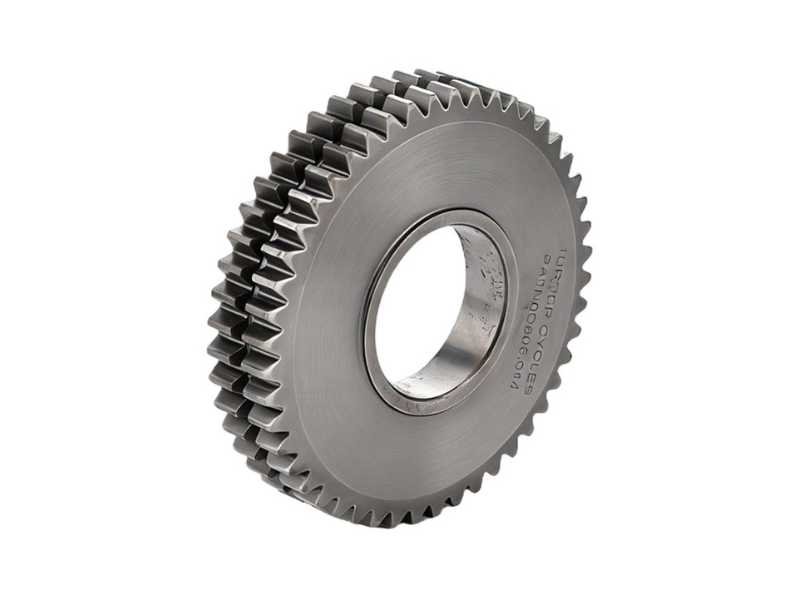
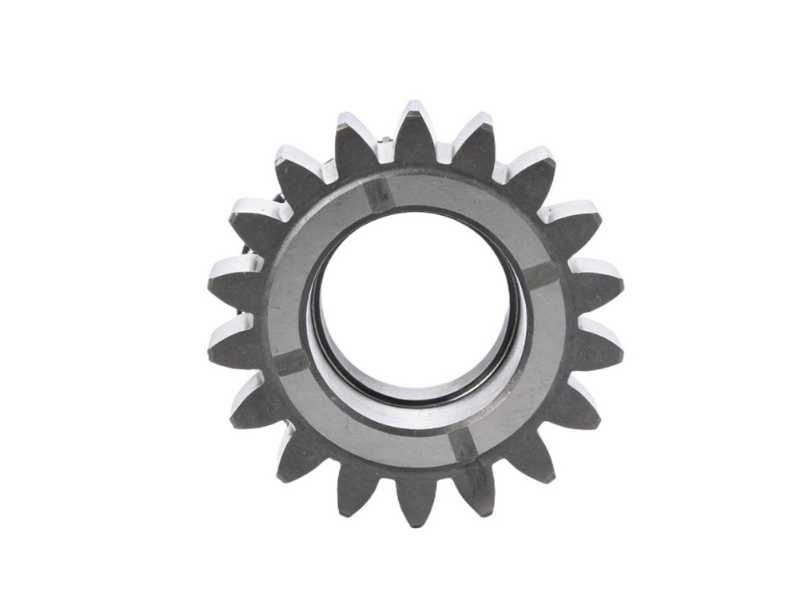
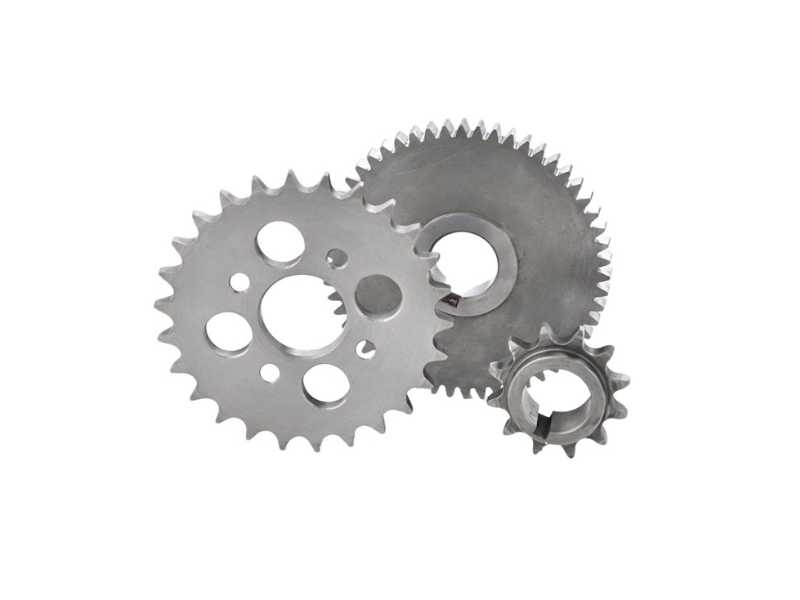
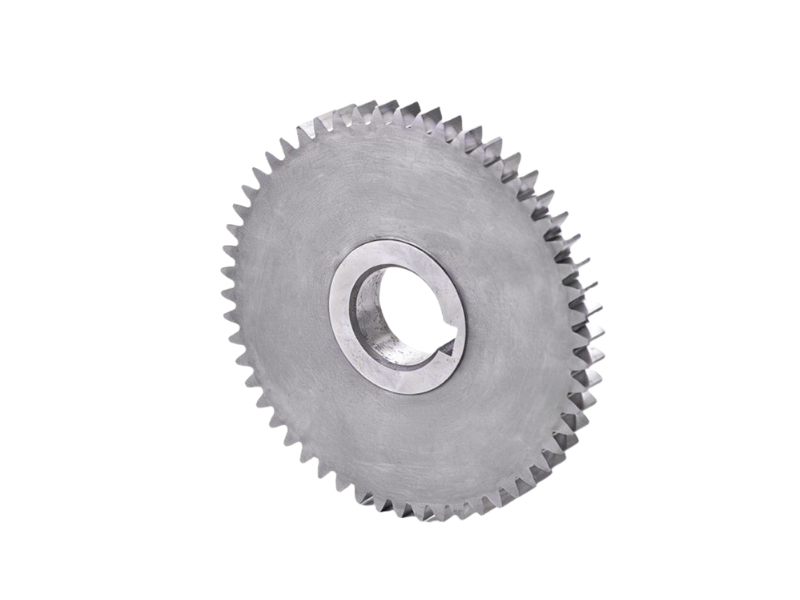
CNC-machined 304 and 316L stainless steel sprockets for food processing, marine, and chemical applications. ANSI and metric BS chain pitches. Pilot bore or finished bore to H7. Custom tooth count and hub geometry accepted.

316 sprockets ss
What is Stainless Steel Sprockets?
Stainless steel sprockets engage roller chain to transmit rotary motion between shafts in conveyor, elevator, and drive systems. In applications where carbon steel sprockets accelerate corrosion, contaminate product, or require frequent replacement, stainless is the engineering answer, not an upgrade, but the correct specification.

Product Range

Types of Stainless Steel Sprockets

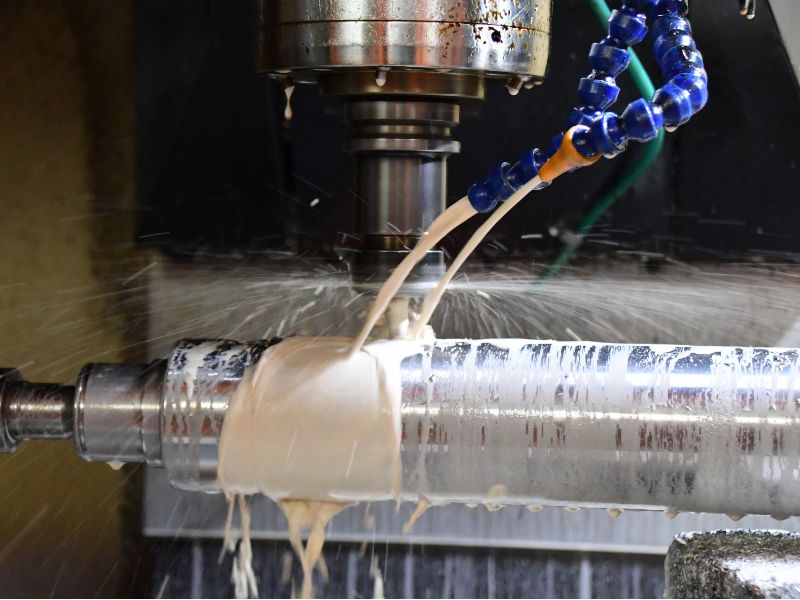
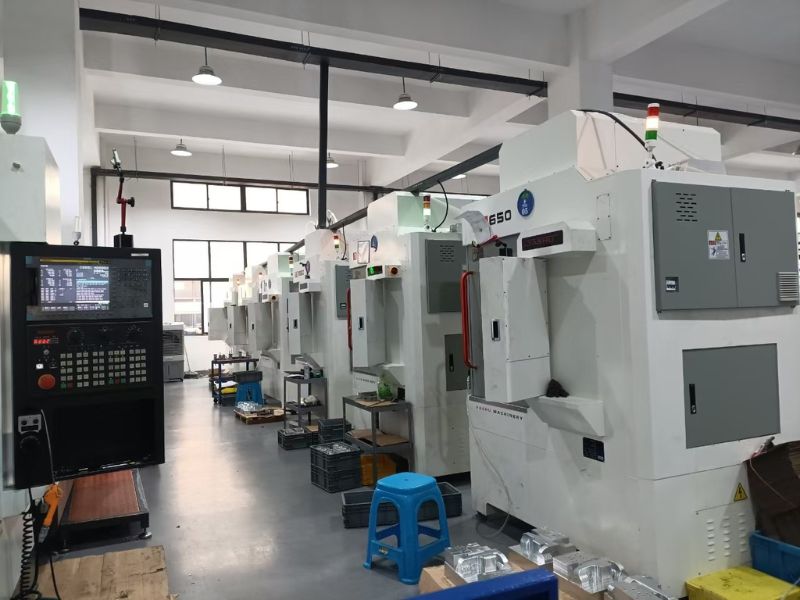
Profab Machine manufactures stainless steel sprockets with bore tolerances to H7 as standard, keyways cut to JS9, and hub lengths configurable to your shaft layout. Custom tooth counts, non-standard pitches, and modified hub geometries are all produced from drawings.

Single Strand Sprockets ss

Single Strand Sprockets

#25 – #120 pitch

A-plate / B-hub

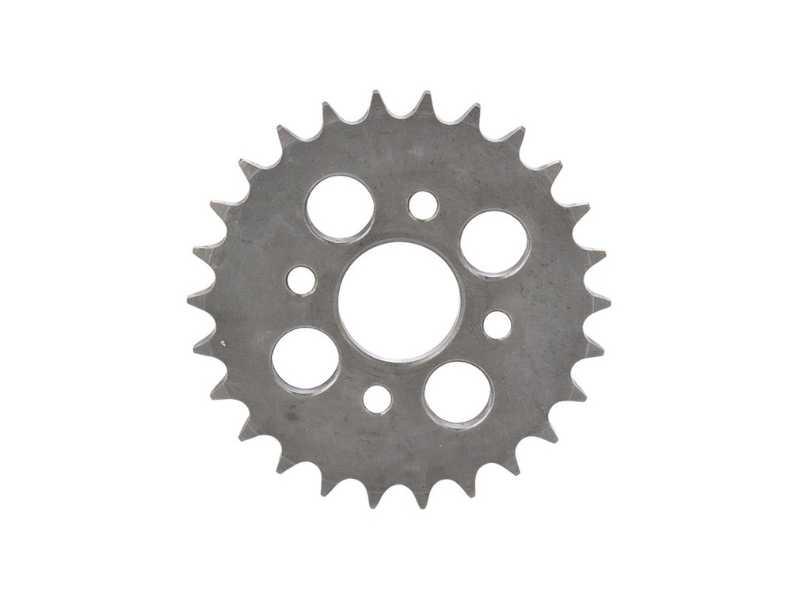
Manufactured to ANSI B29.1 standard pitches: #25 (6.35mm) through #120 (38.1mm). Available as A-plate (no hub) and B-hub (extended hub both sides) styles. Pilot bore standard; finished bore to H7 machined to your shaft diameter with keyway and set screw tap. Tooth counts from 8T to 120T.

Double & Triple Strand Sprockets

Double & Triple Strand Sprockets

Multi-strand

High-torque

Duplex or triplex roller chain at twice or three times the load capacity of an equivalent single strand drive. Specified when drive torque exceeds the capacity of the largest practical single strand combination, or when the design envelope prevents increasing sprocket diameter. Available in ANSI #40-2, #50-2, #60-2 duplex and #40-3, #50-3 triplex, plus ISO 606 duplex metric series.

Idler & Taper-Lock Sprockets

Sealed bearing

Taper-lock

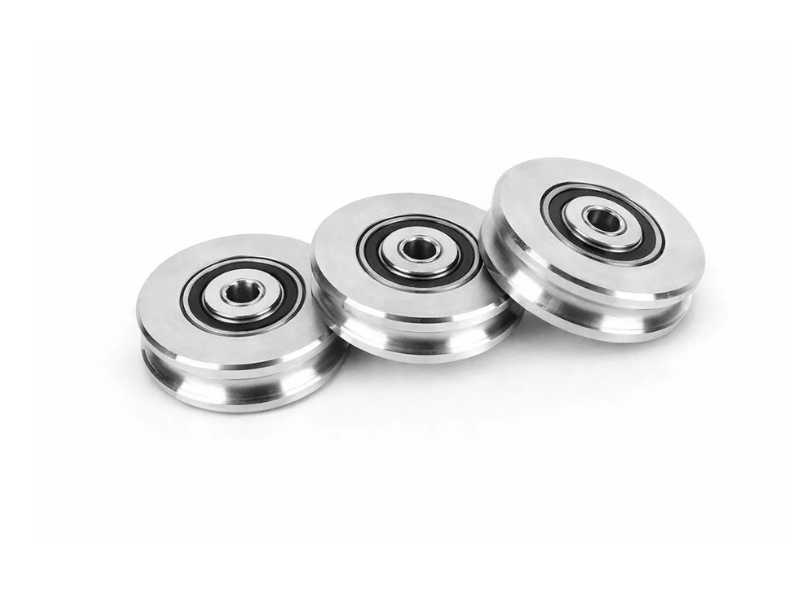
Profab supplies idler sprockets with pre-installed sealed 316L stainless bearings for food-zone and washdown applications where re-greasing is not possible. Taper-lock sprockets use a split taper bushing system (1008, 1210, 1610, 2012, 2517 series) to mount on shafts without keyway machining. The bushing is ordered separately to match your shaft diameter, and the sprocket body accepts any bushing in the series.

double single sprockets ss

Custom-Bore & OEM

H7 bore standard

DIN 6885 keyway

Your drawing, your bore, your hub geometry. Finished bores from 6mm to 150mm, H7 tolerance as standard. Parallel keyway to DIN 6885, Woodruff keyway, cross-drilled set screw positions, and custom flange details all machined in the same CNC operation. DXF, STEP, or dimensional sketch accepted.

ANSI Pitch Reference

Standard ANSI Chain Sizes

All ANSI sizes are produced to ANSI B29.1 tooth profiles. Finished bore and keyway are machined to your shaft specification. For BS metric pitches, specify the chain pitch in mm at enquiry.

* PD = pitch circle diameter at reference tooth count. All sizes available in 304 and 316L.
* Non-standard pitches, double-pitch, and extended-pitch sprockets quoted from drawing.

Bore & Hub Tolerances

Machining Tolerances

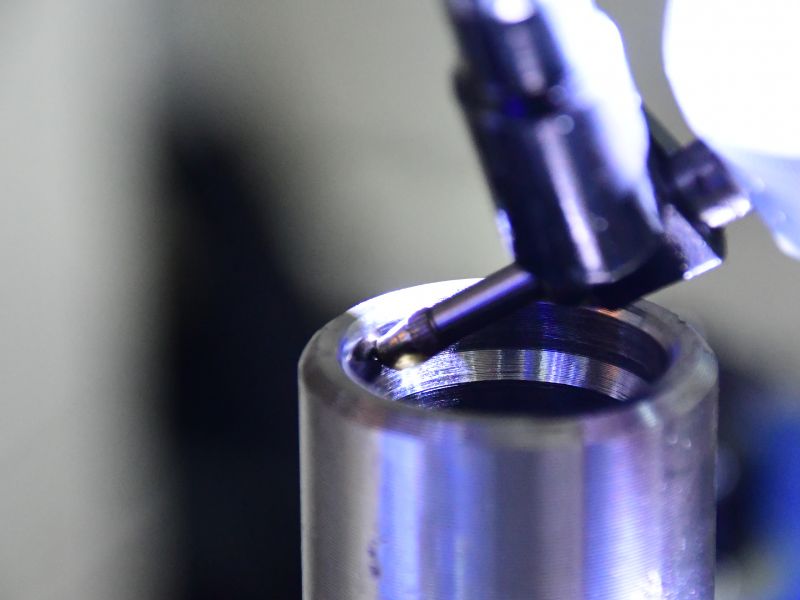
Supplying a pilot bore sprocket that still needs finish-boring on your side is a 1980s workaround. Profab delivers every sprocket with the finished bore, keyway, and set screw already machined, ready to press onto the shaft.

Bore & Hub Specification Reference

Bore diameter range

6 – 150 mm

Bore tolerance standard

H7

Bore tolerance tight-fit

H6 (on request)

Parallel keyway

DIN 6885 · JS9 tolerance

Woodruff keyway

DIN 6888 (on request)

Set screw (grub screw)

M5 – M16 tapped · 90° or 120°

Hub length

Standard or custom

Material Specification

Choosing the Right Grade

Replacing a corroded carbon steel sprocket with a 304 stainless one solves the rust problem. But in a CIP washdown environment running caustic cleaning cycles, or a marine conveyor exposed to salt spray, 304 will pit at the tooth roots within two to three years. Grade selection is not a price decision. It is a maintenance interval decision.

304 Stainless Steel

The standard specification for stainless sprockets in indoor machinery, dry food environments, and non-chemical industrial applications. Excellent machinability allows precise tooth profile and bore tolerances at competitive cost. Not suitable for chloride environments or aggressive CIP

Automation

316L Stainless Steel

The specified grade wherever chloride is present — CIP washdown lines, salt spray, marine conveyors, and chemical process equipment. The 2–3% molybdenum addition raises the Pitting Resistance Equivalent Number to ≥ 24, providing the corrosion resistance that 304 cannot sustain in these environments. Profab XRF-verifies Mo content on every 316L batch.

Marine

17-4PH Stainless

Precipitation-hardened martensitic grade reaching ≥ 1,310 MPa tensile strength in H900 condition. Specified for sprockets where the load requirement exceeds what 304 or 316L can sustain at the required pitch diameter — high-torque conveyors, agricultural drives, and aerospace ground support equipment. Not for continuous seawater immersion.

Aerospace

Applications

Diverse Applications of Stainless Steel Sprockets

Stainless sprockets are not a premium choice. They are the functional specification in any environment where carbon steel corrodes, contaminates product, or fails to meet hygiene standards.

01

Food & Beverage Processing

Food & Beverage Processing

Conveyor drives, filling machine indexers, and packaging line chains all run in environments requiring daily high-pressure hot-water and chemical sanitisation. Profab electropolishes food-contact surfaces to Ra ≤ 0.4 µm on request, eliminating bacterial harborage at the tooth profile.

02

Docks & Marinas

Marine & Offshore

Anchor windlass drives, deck crane slew rings, and engine room auxiliary conveyors operate in continuous salt-spray or periodic seawater immersion. 316L stainless eliminates the galvanic corrosion that occurs when carbon steel sprockets contact aluminium frames or bronze shafting. Passivated finish standard.

03

Chemical Processing

Chemical & Pharmaceutical

Pump drives, reactor agitator chains, and fill-line conveyors in chemical plants and pharma facilities require materials compatible with the process media and cleaning agents. 316L handles dilute acids, alkalis, and chlorinated solvents that attack 304 at grain boundaries. 

04

Automotive Paint & Chassis Lines

Drive systems in automotive paint shops, degreasing chambers, and e-coat lines face constant exposure to alkaline cleaners and high-temperature curing cycles. Conventional steel sprockets often corrode or contaminate high-value finishes within months of operation. Profab stainless steel sprockets maintain precise tooth profiles and surface integrity, eliminating the frequent maintenance stops and chain-skipping issues.

05

Agriculture & Outdoor Equipment

Agriculture & Outdoor Equipment

Irrigation system drives, grain elevator legs, and harvesting equipment operate outdoors in fertiliser dust, mud, and humidity cycles that destroy carbon steel sprockets in one season. 304 stainless provides a practical service life of 5–10+ years in these conditions without painting, plating, or regular replacement. It reduces total drive system cost over the equipment lifecycle.

06

Industrial Robots & Automation

Industrial Automation & Packaging

High-speed indexing conveyors, robotic transfer lines, and automated packaging machines require sprockets with consistent pitch circle geometry and tight bore concentricity to maintain indexing accuracy across millions of cycles. Profab machines the bore and tooth profile in the same CNC clamping. This process holds the pitch circle runout to ≤ 0.05 mm. 

Why Profab

Your Reliable Stainless Steel Sprockets Manufacturer

01

Finished Bore — Ready to Install

Every Profab sprocket is delivered with the finished bore machined to H7, keyway cut to DIN 6885, and set screw tapped and installed. You press it onto the shaft; the drive runs. No secondary machining, no alignment risk from re-chucking.

02

XRF Grade Verification on Every Batch

Profab verifies Mo content on every 316L production batch using XRF spectrometry before machining begins. EN 10204 3.1 material test certificates with heat-number traceability are included on orders requiring documentation.

03

Custom Tooth Count and Geometry from Drawing

Non-standard tooth counts, modified hub dimensions, dual-strand configurations, and custom flange profiles are all possible from a DXF or STEP file. We review every drawing for machinability before quoting and respond within 24 hours.

How to Order

From Inquiry to Delivery

1

2

3

4

Send Specs

Series, thread size, grade, hand, safety catch, quantity. DXF or drawing for custom items.

Respond Within 24 Hours

We will work on the best solution base on your request and send you a specific quote within 24 hours.

Production

7–15 days standard. Samples before full production run on new custom parts. QC report before shipment.

Delivery

Sea, air, or express courier. Material certs and inspection report inside every box. Tracking same day.

FAQ

Common Questions

Not seeing your question? Email us at [email protected] and we typically reply same day.

What is the difference between A-plate and B-hub style?

An A-plate (flat) sprocket has no extended hub. The bore runs through the body of the sprocket disc. A B-hub sprocket has a cylindrical hub extending from one or both faces, providing greater shaft engagement length and improving stability under axial loads. Choose A-plate for applications with limited axial space. Choose B-hub when you need extended shaft engagement for stability or to position the sprocket at a precise point along the shaft without a flanged collar.

Choose 316L for lines that use CIP washdown with caustic soda, acid, or chlorinated sanitisers. Even when dilute, chlorides in these sanitisers cause pitting corrosion on 304. This damage often appears at the tooth roots within one to two years. 316L handles these chemicals with no surface degradation. However, 304 is sufficient and more cost-effective for dry-handling lines that only require manual wipe-downs.

Bore-to-pitch-circle-diameter (PCD) runout means the pitch circle is eccentric to the shaft centerline. As the sprocket rotates, the effective chain wrap varies. It accelerates both chain and sprocket wear. On precision indexing conveyors, eccentricity also causes position errors that accumulate over many cycles. Profab holds bore-to-PCD runout to ≤ 0.05 mm by machining bore and tooth profile in the same CNC clamping. It eliminates the re-chucking eccentricity that causes this problem.

Get in touch with

Ready to Source Stainless Parts?

If you already have the drawings, please send email to [email protected] directly for an instant quote.

Profab

Request a Quote

Send Your Inquiry Today

We Use Cookies

We use cookies to improve your browsing experience and analyze site traffic.