
Stainless Steel Tie Rod Ends
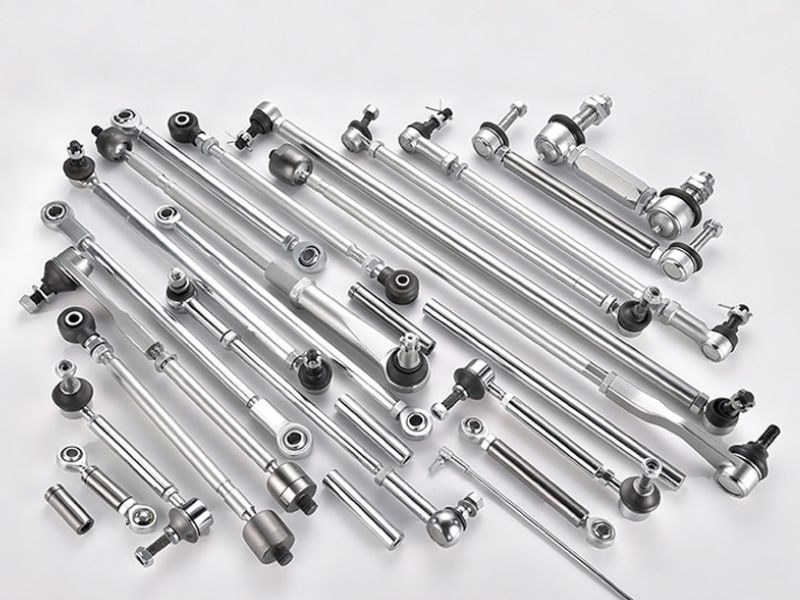
Profab Machine manufactures custom stainless steel tie rod ends in 304, 316L, and 17-4PH. Each assembly pairs rod ends, clevises, or one of each with a right-hand/left-hand threaded rod for length adjustment. We supply complete assemblies or individual components, machined to your drawing, sample, or measurements.
What Is a Stainless Steel Tie Rod End?
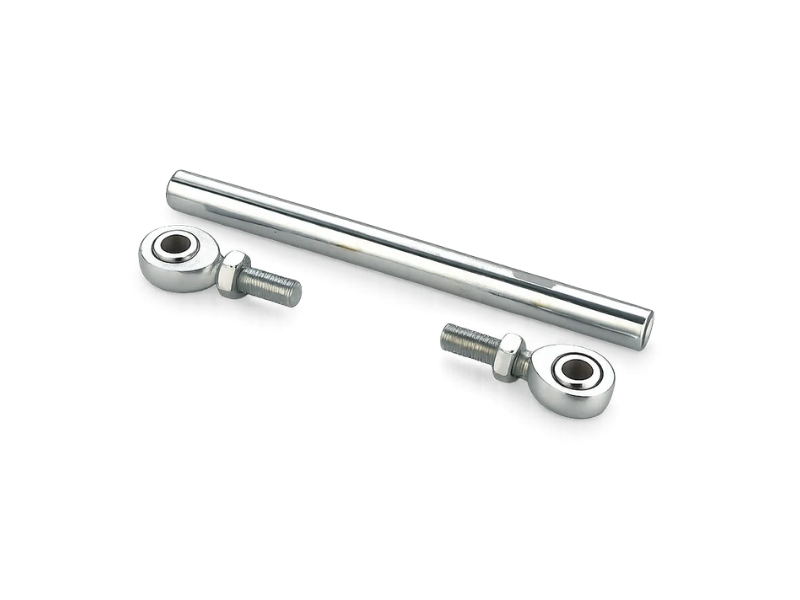
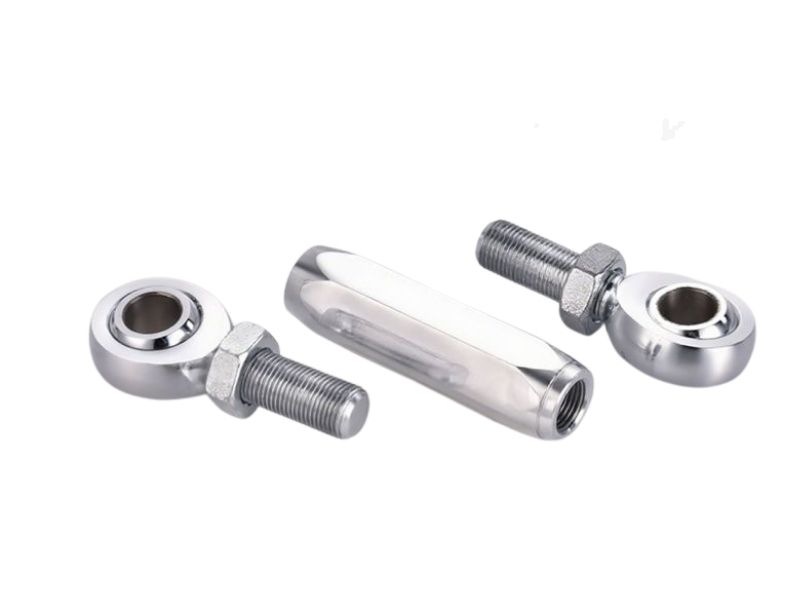
A tie rod end is an adjustable mechanical linkage made of a threaded rod body and an end fitting on each side. The end fittings are commonly rod ends, clevises, or a mix of both. Opposite thread directions at each end let the assembly be shortened or lengthened by rotating the rod body, without disconnecting either end.
Profab tie rod ends are general-purpose mechanical linkages. They are not structural tension bars, and they are not vehicle-specific steering parts sold as direct replacements. Tell us your application and we will confirm the right configuration.
Tie Rod End Configurations
Every configuration below is available as a complete assembly or as individual components. Each one is built to your specification for end type, thread size and hand, rod diameter, and construction.
Rod End to Rod End
- EndsRod end both sides
- ThreadRight-hand one end, left-hand the other
- Best ForAdjustable linkages that must absorb angular misalignment at both ends
Rod End to Clevis (Mixed)
- EndsRod end one side, clevis/fork the other
- ThreadRight-hand one end, left-hand the other
- Best ForOne fixed pin mount and one articulating mount
Clevis to Clevis
- EndsClevis/fork both sides
- ThreadRight-hand one end, left-hand the other
- Best ForPinned mounts at both ends where little angular movement is needed
Bare Threaded Rod
- EndsNone; rod only
- ThreadCut or rolled, single or opposing hand
- Best ForAssemblies where you already have the end hardware
How Tie Rod End Length Is Measured
The length of a tie rod end can be specified four different ways, and mixing them up is a common ordering mistake. Use the definition that matches how your assembly mounts.
| Measurement | Definition | When It's Used |
|---|---|---|
| Cut Length | The raw rod length before end fittings are installed | Internal manufacturing reference, not a mounting dimension |
| Overall Length | End of fitting to end of fitting, assembly fully extended | Shipping/packaging reference; rarely the mounting dimension either |
| Center-to-Center | Center of one end fitting's bore/ball to the center of the other | Rod end and mixed configurations, where it is the mounting dimension |
| Pin-to-Pin | Center of one clevis pin hole to the center of the other | Clevis-to-clevis configurations |
Specify center-to-center or pin-to-pin length with the assembly at the midpoint of its adjustment range. That leaves equal adjustment in both directions after installation. When you order a mixed-end assembly, mark which end carries the left-hand thread.
Choosing the Right Grade
304 Stainless
304 suits dry or intermittently wet environments: indoor machinery, non-coastal agricultural equipment, and general automation. Rod body and end fittings are both 304, so the threaded joints do not form a galvanic couple.
316 / 316L
316L is the correct grade for marine environments and food processing facilities. Use it anywhere the linkage contacts salt water, agricultural chemicals, CIP cleaning agents, or coastal air.
17-4PH Stainless Steel
17-4PH is the right choice when load capacity at a given diameter matters as much as corrosion resistance. It is commonly specified in high-cycle automation and precision actuation.
Tie Rod Ends Solutions By Industries
Stainless tie rod ends set and adjust linkage length in equipment that runs wet, dirty, or corrosive.
Agricultural Machinery
Three-point hitch linkages and steering drag links use 316L assemblies because fertilizer-treated soil corrodes carbon steel quickly.
Marine
Inboard and stern-drive vessels use 316L assemblies on throttle and gear shift control rods and hatch actuation linkages, where continuous salt spray attacks unprotected steel.
Automotive
Lifted trucks and off-road vehicles use 17-4PH and 316L assemblies on steering and suspension links, where mud, water, and abrasive terrain wear and corrode ordinary parts.
Food Processing
Conveyor diverters and valve operating rods in washdown areas use 316L assemblies, with every metal component in food-grade stainless.
Industrial Automation
Robotic arm linkages and pneumatic cylinder connections use 304 and 316L assemblies, where the rod end absorbs angular misalignment.
Where Corroded Tie Rod Ends Fail First
A corroded carbon steel tie rod end rarely fails at the rod body. It usually fails at the thread engagement zone or at the pin or ball contact surface. These tight-clearance spots trap moisture and corrode faster than the exposed rod. 316L's molybdenum content raises the pitting resistance of these surfaces against chloride attack. Where a metal-to-metal rod end is specified, the ball is typically 440C stainless at HRC 58. This hardness resists the same fretting wear that corrosion accelerates in carbon steel parts. Profab assembles rod bodies, end fittings, and jam nuts in matched stainless grades to avoid galvanic cells between dissimilar metals.
Thread Rolling vs. Cut Threads
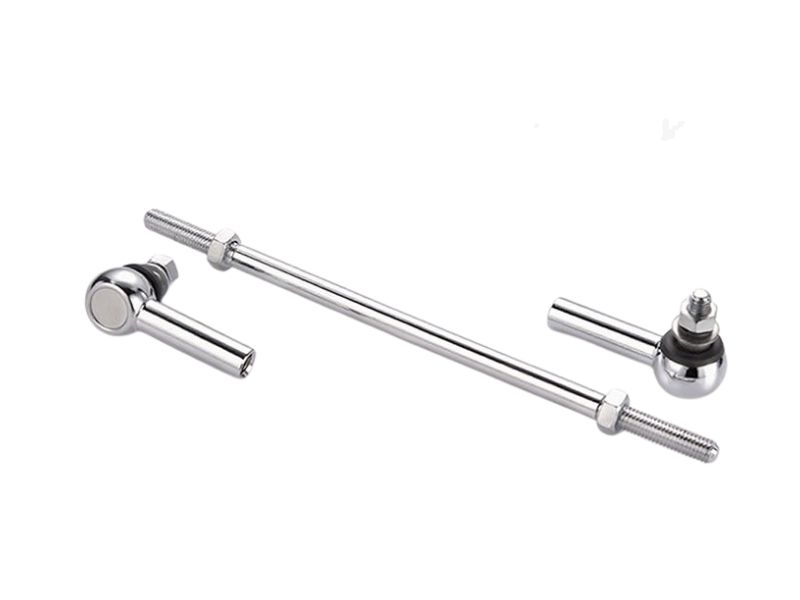
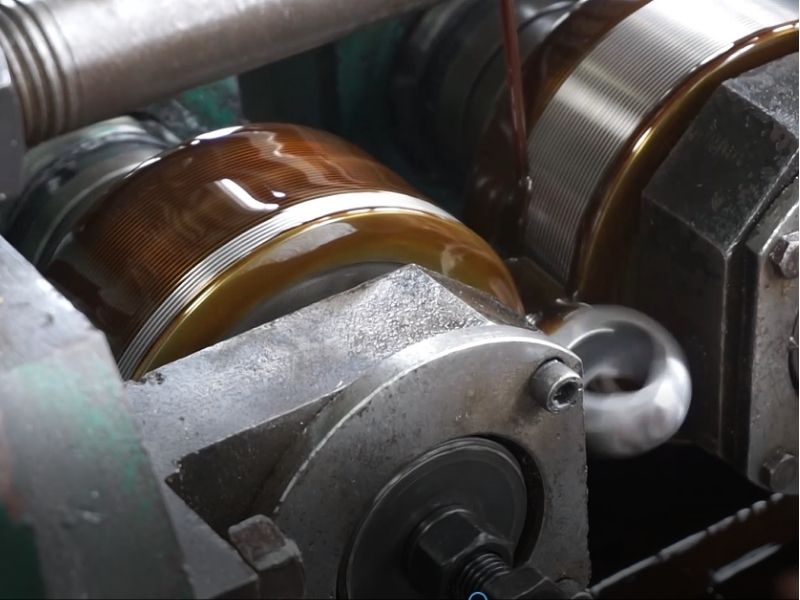
Thread rolling forms the thread by displacing material rather than cutting it away, so the grain structure follows the thread profile instead of being severed by it. This improves fatigue strength at the thread root, the point under the most stress during repeated adjustment. Profab supports both methods: rolled threads for standard sizes in higher-volume runs, and precision-cut threads for pitches or short runs that rolling cannot produce. Either way, stainless threads need anti-seize at installation, since the mating surfaces gall against each other without it. Profab confirms the thread spec and anti-seize requirement in the assembly documentation for every order.
Your Reliable Tie Rod Ends Supplier
Matched Thread Specifications & Pre-Fit Verification
A tie rod end only works when three threaded parts on each side fit together: the rod's external thread, the fitting's internal thread, and the jam nut. A pitch or tolerance mismatch leaves the joint loose or makes it bind. Profab cuts or rolls the threads under one quality-control process and gauge-checks them before assembly and dispatch. Metric, imperial, and mixed formats (metric at one end, imperial at the other) are standard production capabilities.
Matched-Grade Assembly, Not Mixed-Supplier Parts
Buying end fittings from a separate supplier often means mixed stainless grades, such as a 316L rod mated with a 304 end fitting. That mismatch creates a hidden galvanic corrosion cell at the thread joint. Profab supplies the rod, end fittings, and jam nuts as one assembly in a single matched grade from one production run.
Rapid Custom Engineering From Drawing to Production
Catalog assemblies rarely fit specialized OEM geometry, so Profab builds to custom center-to-center dimensions, non-standard end-fitting combinations, custom rod diameters, and special thread pitches. We review your drawing and turn samples around quickly to keep your project on schedule.
Stainless Steel Tie Rod End Kits
Order the rod body, end fittings, and jam nuts together in the same production run. Each component ships in the material grade you specify.
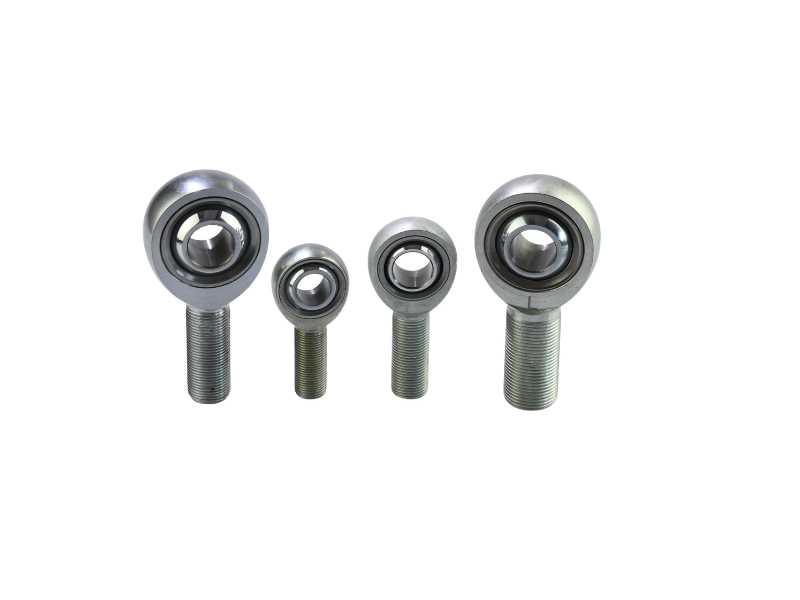
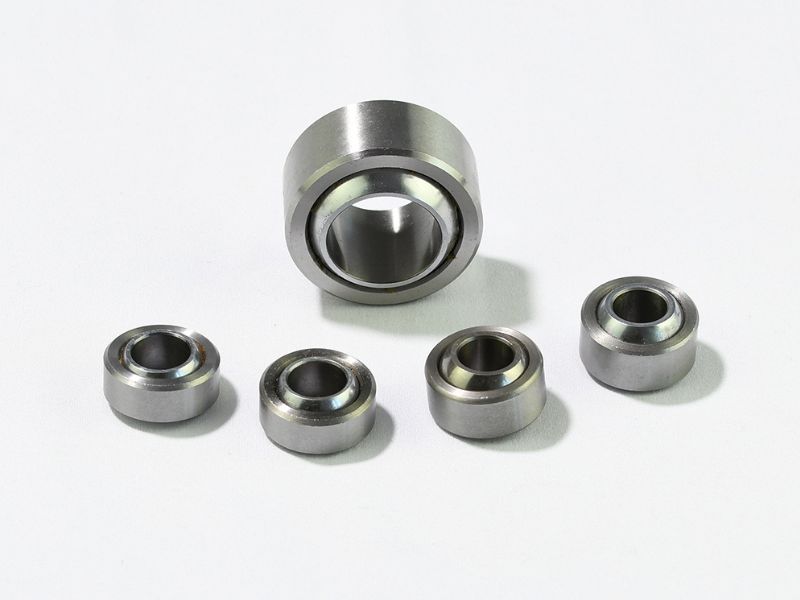
Rod End Bearings
Rod end bearings are available in 304, 316L, or 17-4PH, with male or female thread. PTFE-lined bearings run maintenance-free, and metal-to-metal versions are greasable for high-load cycling. We supply them in matched RH/LH pairs.
Learn More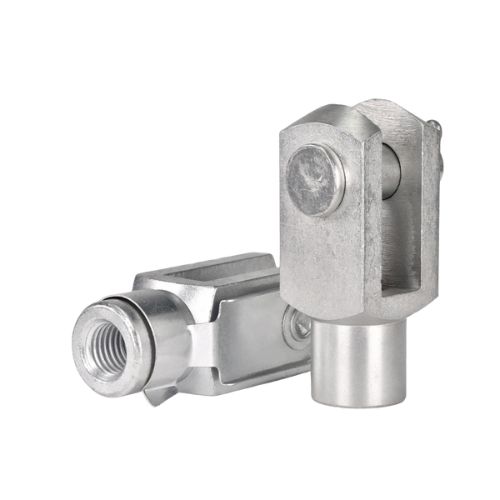
Stainless Steel Clevis
Clevis fittings come in 304 and 316L, with the pin bore sized to the rod diameter and the grip width matched to your bracket. Standard DIN dimensions are available, and non-standard grip widths are machined to drawing.
Learn More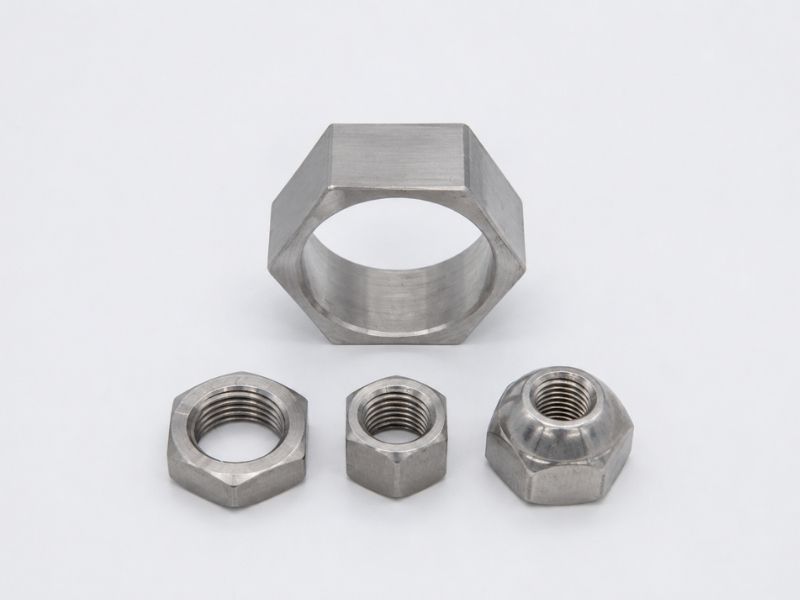
Jam Nuts
316L hex jam nuts, metric or imperial, are supplied in matched pairs per assembly. Stainless jam nuts need lower installation torque than carbon steel to avoid galling. Profab specifies the torque for your thread and grade.
Surface Finish Options
Profab recommends surface finishes based on the stainless alloy, assembly environment, and cleaning requirements.
Passivation
Passivation is a standard finishing step for stainless tie rod ends. It removes free iron from machined surfaces so the chromium oxide passive layer can reform uniformly. This matters most at the rod-to-fitting thread joint, where machining stress can leave reactive surface iron.
Electropolishing (Optional)
Electropolishing removes 20–40 µm of surface material and produces a chromium-enriched, micro-smooth finish. It is available for food processing tie rod ends where external surfaces need to resist bacterial adhesion and cleaning-chemical attack across daily CIP cycles.
PTFE Thread Coating (Optional)
Dry PTFE is applied to the rod thread before the end fittings are assembled, which lowers the galling risk during the first adjustment. It suits assemblies adjusted in the field without anti-seize compound.
Common Questions
Not seeing your question? Email us at [email protected] and we typically reply same day.
Is a stainless steel tie rod end the same as a plain threaded rod?
No. A tie rod end is a complete adjustable linkage assembly: a threaded rod body with an end fitting (rod end, clevis, or a mix) on each side. A plain threaded rod is only the bar, with no end fittings and no built-in adjustment. If you need just the rod end bearing rather than a full assembly, see our Rod End page.
Can you supply an assembly with a rod end on one side and a clevis on the other?
Yes. Mixed end configurations are a standard production option; specify the fitting type, thread size, and bore diameter at each end. The rod body carries a right-hand thread on one side and a left-hand thread on the other, whatever the end fitting type.
Are the end fittings and jam nuts also stainless steel, or only the rod body?
Every metallic component in a Profab tie rod end (rod body, end fittings, and jam nuts) is supplied in the specified stainless grade. Mixed-grade assemblies (for example, a 316L rod with 304 end fittings) are not supplied as standard because of the galvanic coupling they create in wet environments.
How do I choose the right stainless steel tie rod end?
Start with the end fitting type at each side, the thread size and direction, and how length is measured (center-to-center or pin-to-pin). Then match load, misalignment angle, material, and operating environment to the application. For steering and suspension links, also check that the mounting geometry and available articulation let the assembly move through its full range without binding.
From Inquiry to Delivery
Send Specs
Send the configuration, end types, thread size and hand, length, and grade, plus a drawing or sample.
Respond Within 24 Hours
Our engineers review your tie rod end request or drawing and send you a specific quote within 24 hours.
Production
Standard lead time for tie rod ends is 30 days. Custom designs are sampled before the full production run.
Delivery
We ship tie rod ends by sea, air, or express courier. A tracking number follows once the order ships.
We support small-batch and prototype runs with no hard minimum order quantity. A first prototype run is typically around 100 pieces.
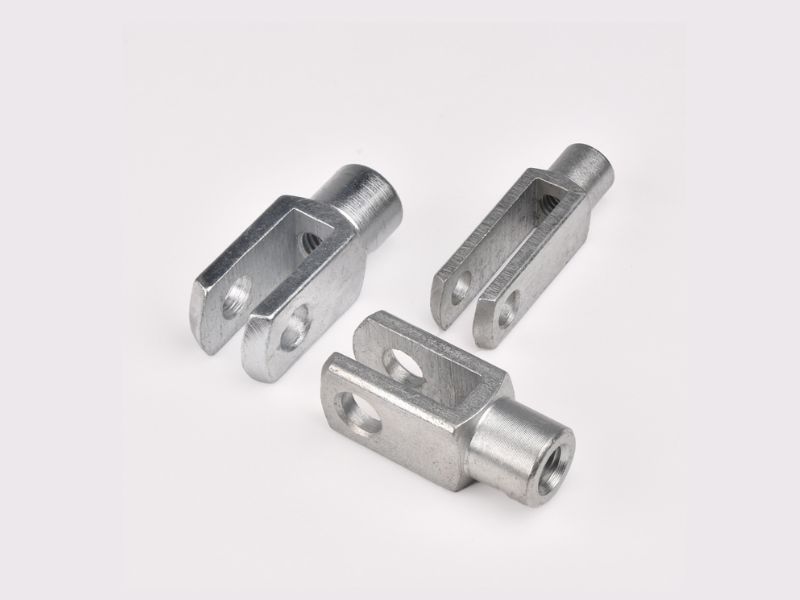
Often Ordered Together


Ready to Source Stainless Steel Tie Rod Ends?
If you already have drawings, email [email protected] directly and we will quote from them.
[email protected] ↗