Marine Hardware
Stainless Steel Propellers
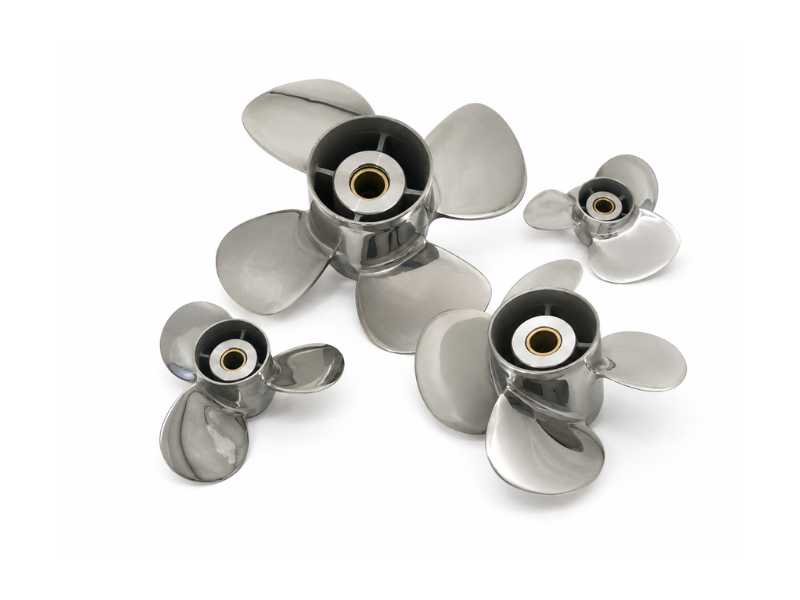
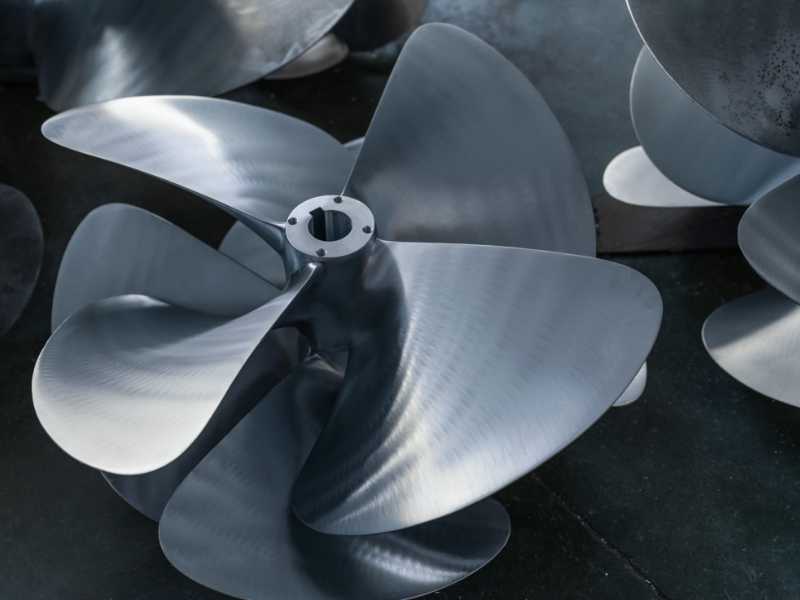
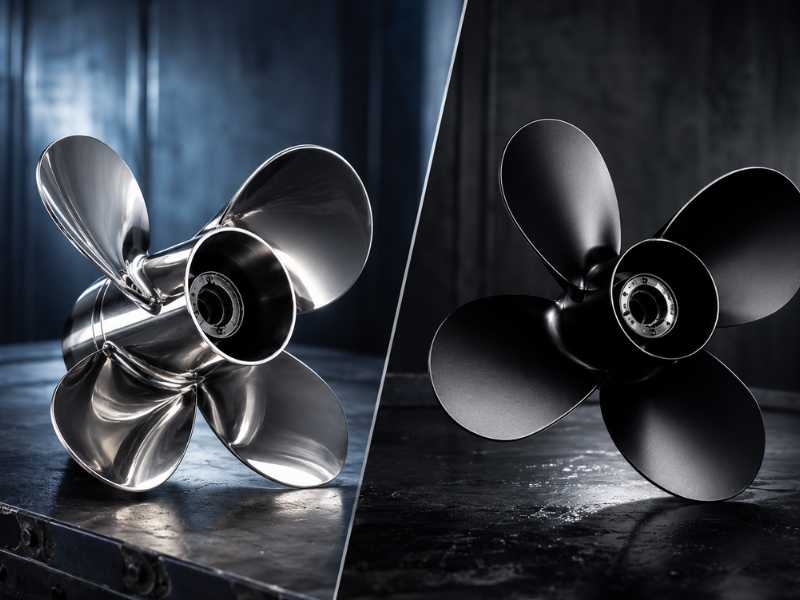
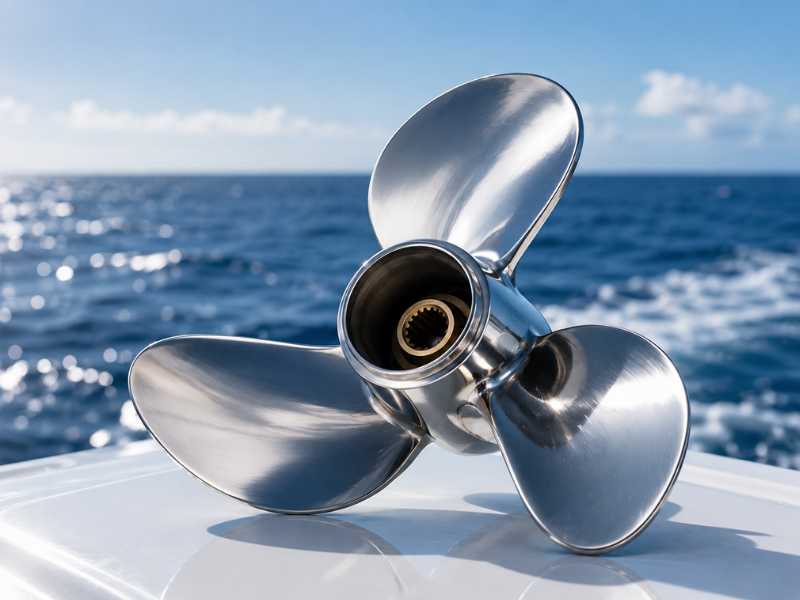
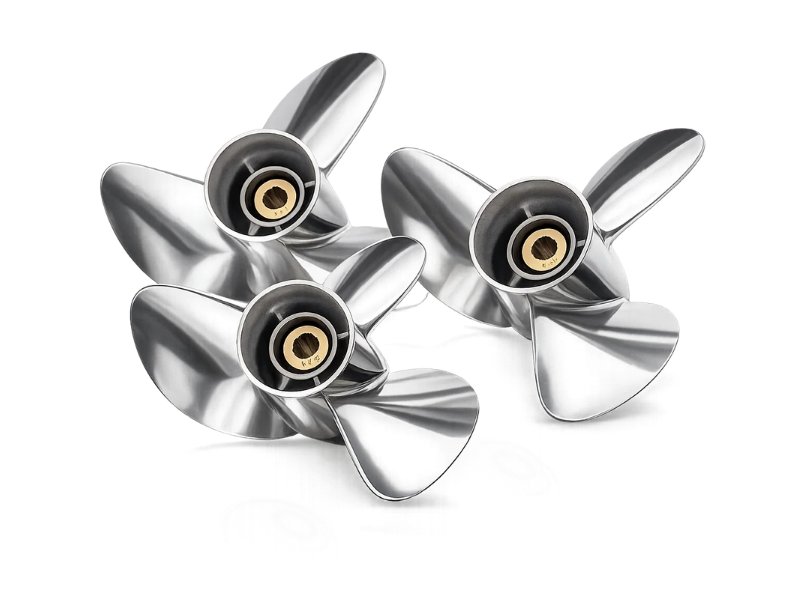
Investment-cast 316L stainless steel propellers for outboard, sterndrive, shaft-drive, and commercial marine applications. 3-blade and 4-blade standard; custom pitch, diameter, and OEM geometry accepted.
- ISO 9001 Certified
- Custom OEM Solutions
- Fast Global Shipping
- Technical Support


Product Range
Types of Stainless Steel Propellers
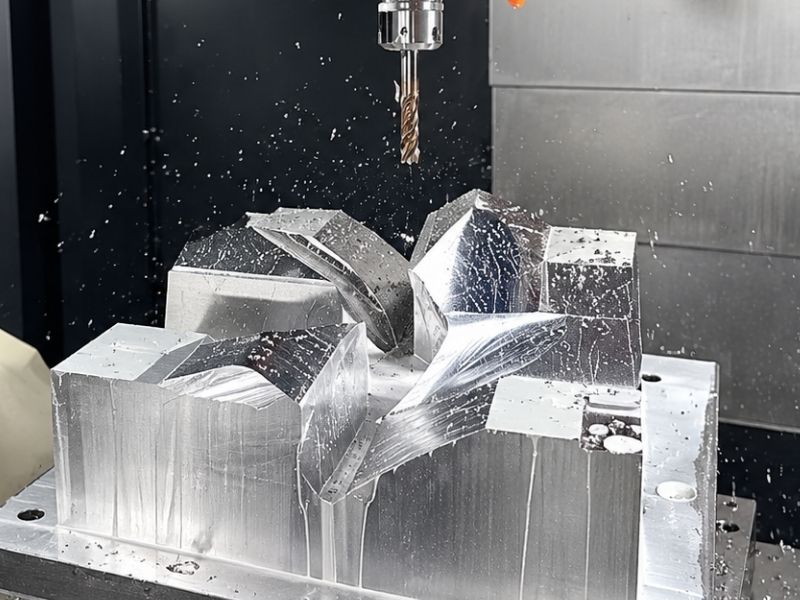
Profab Machine produces 316L stainless steel propellers using the lost-wax investment casting process. The same method is used by leading global propeller manufacturers. Then, we CNC-machine the bore, keyway, and tapered hub to your exact shaft specification. Every propeller is statically balanced to ISO 484 Class S before dispatch.


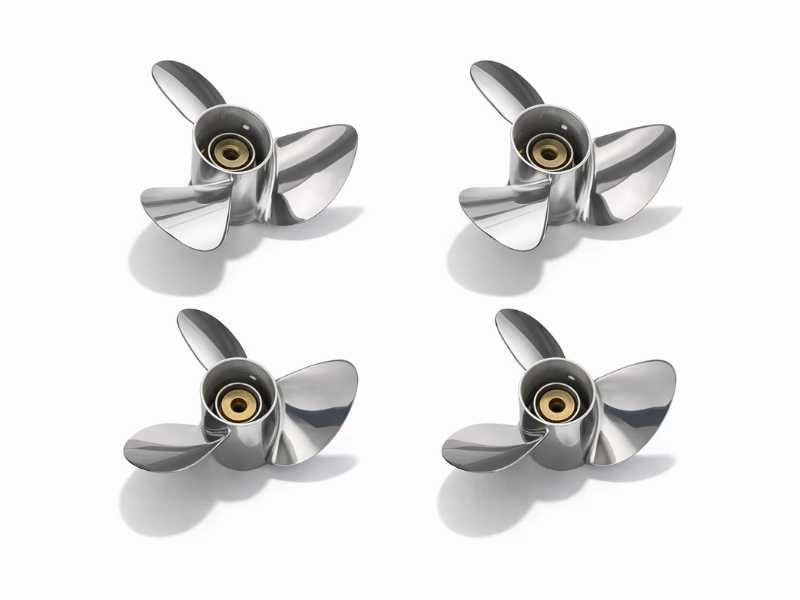
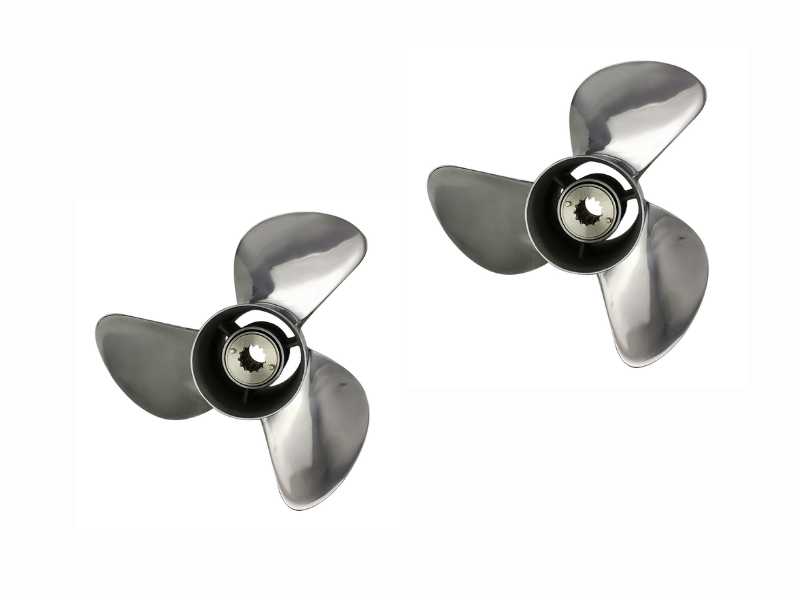
3 Blade Propellers
Up to ~300 HP
Outboard · sterndrive
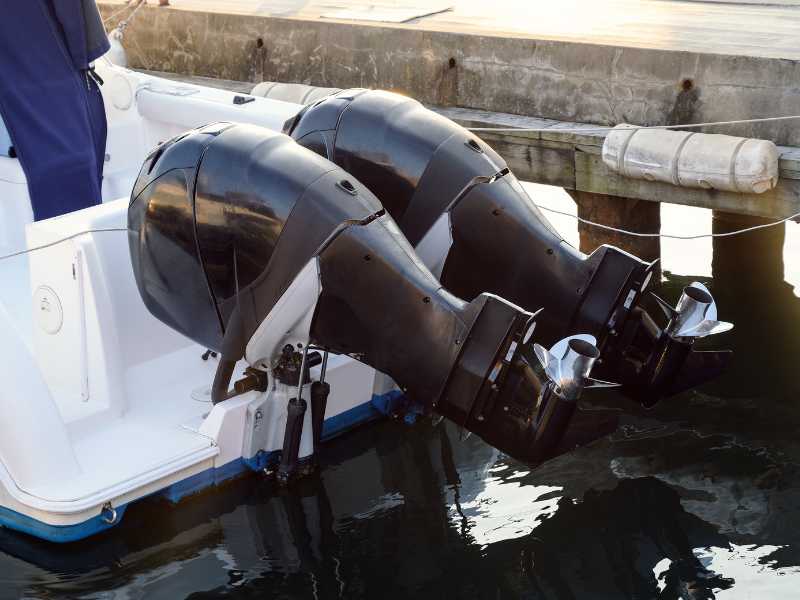
Three blades remain the dominant configuration for outboard and sterndrive applications — they provide the best balance of top-end speed, fuel efficiency, and reduced drag at planing speeds. 316L investment cast to your pitch-diameter combination. Hub bore, taper, and keyway machined to your engine’s shaft specification. Suitable for sport, fishing, and commercial tender applications up to approximately 300 hp.


4 Blade Propellers
Low vibration
Heavy load
A fourth blade reduces pitch-per-blade to achieve the same total thrust — lowering cavitation risk and reducing vibration on heavier-loaded or deeper-draft hulls. The preferred choice for pontoon boats, heavy cruisers, loaded tenders, and any vessel where bow lift and smoothness at mid-range RPM matter more than peak top speed. Also specified where 3-blade cavitation is causing hull vibration.


Custom Propellers
Per drawing
High pressure Shaft-drive
Shaft-drive propellers for inboard engines, twin-screw commercial workboats, fishing vessels, and custom watercraft require bore tapers, keyways, and blade geometries not found in any catalogue. Profab manufactures from your drawing or existing propeller sample. Diameter, pitch, blade section profile, rake angle, cup, shaft taper, and bore tolerance are all machined to specification. Delivered balanced and ready to install.
Pressure Class Reference
Diameter, Blade Count & Propulsion Type
The combinations below reflect the most commonly requested configurations. All can be modified — blade count, pitch, and bore are specified at enquiry. Dimensions outside this range are produced from drawing.
| Engine Power Range | Typical Diameter Range | Typical Pitch Range | Spline / Bore Options |
|---|---|---|---|
| 15 – 60 HP (Mid-Range) | 10" – 12" (254 – 305 mm) | 9" – 15" (228 – 381 mm) | 10 to 13-Spline / Interchangeable Hub |
| 60 – 200 HP (High-Power) | 13" – 14.5" (330 – 368 mm) | 15" – 21" (381 – 533 mm) | 15-Spline / Removable Hub Systems |
| 200 – 450+ HP & Sterndrive | 14.5" – 16" (368 – 406 mm) | 17" – 23"+ (431 – 584 mm) | Heavy-Duty 15-Spline / Solid Hub Options |
| Custom Commercial & Inboard | Up to 30" (Up to 762 mm) | Customized per Hull Specs | Tapered Keyway Bore / Custom Spline |
Pitch & Diameter Selection Guide
How to Select the Right Propeller
The right combination of diameter and pitch determines whether your engine operates within its rated RPM range at full throttle. Running too high in pitch loads the engine short of its target RPM; too low and it over-revs. If you are replacing an existing propeller, send us the current prop markings — diameter × pitch are stamped on most hubs.
Pitch & Bore Information Checklist
Current prop markings
e.g. 14 × 19 (dia × pitch)
Engine full-throttle RPM
Target within rated range
Shaft taper
e.g. 1:10 or 1:16 (SAE)
Shaft bore diameter
Measured at large end
Keyway dimensions
Width × depth
Rotation
RH or LH
Blade count
3 (speed) or 4 (load / smoothness)
Material Specification
Choosing the Right Grade
The material and the manufacturing process are equally critical. A propeller cast from the wrong alloy or with internal voids will fail under load or corrode at the blade roots — regardless of how well the geometry was designed.
Marine-Grade 316L
The specified alloy for propellers operating in salt water, brackish water, or any environment with chloride exposure. The 2–3% molybdenum content raises the Pitting Resistance Equivalent Number (PREN) to ≥ 24 — providing the corrosion resistance that austenitic 304 cannot deliver at the blade roots, where geometry changes concentrate stress and surface area simultaneously. Profab XRF-verifies Mo content on every batch.
Grade 316L · Standard
Investment Cast — No Welds, No Voids
Lost-wax investment casting builds the entire propeller as a single pour — hub, blades, and leading edges in one piece with no welds, no parting lines crossing blade surfaces, and no heat-affected zones. The ceramic shell process produces consistent wall thickness and internal grain structure throughout the blade. Post-cast CNC machining finishes the bore, shaft taper, and keyway to precise dimensions.
Construction
Mirror Polish — More Than Aesthetic
Surface roughness on a propeller blade directly affects drag. The boundary layer separates earlier on a rough surface, increasing turbulence, reducing thrust, and increasing fuel consumption. Profab polishes all blade surfaces to Ra ≤ 0.4 µm mirror standard. The same finish specification is used by performance propeller manufacturers. The finish also eliminates surface micro-defects that initiate pitting corrosion in salt water.
Surface Finish
Applications
Diverse Applications of Stainless Steel Propellers
Stainless steel propellers are specified where precision blade geometry, long service life, and consistent thrust output matter more than initial cost — whether on a performance sport boat or a working commercial vessel.
01


Performance Sport & Fishing Boats
A stainless propeller’s resistance to blade deflection under high-torque acceleration directly improves the hole shot. The torque that flexes an aluminium blade reduces its effective pitch, clipping the initial thrust. At running speed, consistent pitch geometry maintains the fuel efficiency the propeller was designed for. 3-blade 316L is the standard specification for sport and offshore fishing applications from 80 hp upward.
02


Sailboat Auxiliary Drives
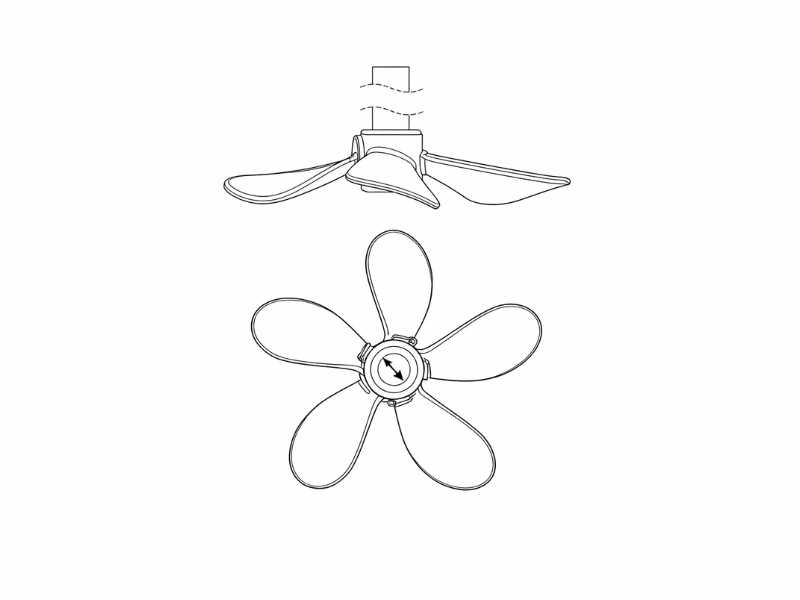
Saildrive and shaft-drive propellers on ocean-cruising sailboats spend long periods fully submerged. They demand 316L as the minimum specification. 3-blade folding and fixed-pitch designs are most common; diameter and pitch are constrained by keel clearance and the low-RPM characteristics of diesel auxiliaries. Custom bore and shaft taper machining is essential as no two saildrive configurations are identical.
03


Pontoon, Cruiser & Heavy-Load Hulls
Heavy-loaded hulls like pontoons, cruisers, and loaded tenders draw more torque at lower RPM than light planing hulls. The additional blade area of a 4-blade propeller distributes this load more evenly, reducing cavitation and the stern vibration that transfers into the hull. 316L’s rigidity means the blade geometry that was specified actually operates through the engine’s working RPM range, not a deflected approximation of it.
04


Commercial Workboats & Patrol Vessels
Commercial fishing vessels, pilot boats, patrol craft, and harbour tugs require shaft-drive propellers matched precisely to shaft dimensions and designed for continuous high-load operation. EN 10204 3.1 material test certificates are required by many classification societies and vessel operators. They are available on all commercial propeller orders. Left-hand propellers for twin-screw applications are produced to the same specification as right-hand.
05


OEM Boat Builders
Boat manufacturers and OEM drivetrain assemblers often need propellers that are not available in any catalogue. They often customize a proprietary shaft taper, a specific performance envelope, or a blade geometry developed in-house. Profab produces OEM propellers in volume from approved drawings, maintaining consistent blade geometry, surface finish, and balance from unit to unit across production runs.
06


Industrial Water Propulsion
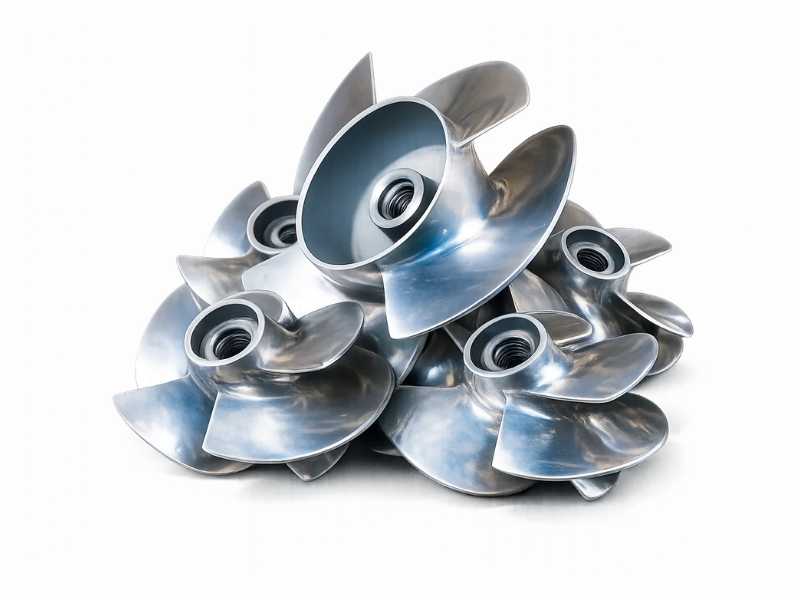
Aeration systems, water treatment mixers, marine heat exchangers, and industrial waterjet applications all drive fluid with rotating impeller or propeller geometries operating continuously in corrosive water conditions. 316L stainless maintains geometric accuracy and surface finish in these environments indefinitely. It is unlike bronze alternatives that corrode at varying rates depending on the chemical composition of the process water.
Why Profab
Your Reliable Propellers
01
316L XRF-Verified — Not Just Claimed
We verify 316L molybdenum content on every production batch using portable XRF spectrometry before any casting begins. Molybdenum is confirmed at 2.0–3.0%. Material test certificates to EN 10204 3.1 standard are available for commercial and offshore projects requiring documented alloy traceability. The grade you specify is the grade you receive, with analytical data to confirm it.
02
Bore and Taper Machined to Your Shaft
Catalogue propellers come bored to standard tapers (SAE 1:10 or 1:16). If you need a metric bore, an unusual taper ratio, a custom keyway width, or a specific bore-to-face perpendicularity, you cannot achieve this by reaming a standard propeller. Profab machines bore and taper after casting, ensuring concentricity between the bore centerline and the pitch circle of the blades.
03
Custom Geometry from Your Drawing or Sample
If you have an existing propeller that performs correctly, send it as a sample. If you have engineering drawings, send the CAD file. Profab reverse-engineers or works directly from documentation to produce a casting pattern that replicates the blade profile, pitch, rake, and cup geometry you specify. This is the only reliable way to replicate a working propeller, not scaling from a catalogue entry that approximates your dimensions.


How to Order
From Inquiry to Delivery
1
2
3
4
Send Specs
Provide your required parameters, including propeller type, Diameter, Pitch, Blade Count, Spline, Stainless Steel Grade, and Quantity.
Respond Within 24 Hours
We will work on the best solution base on your request and send you a specific quote within 24 hours.
Production
7–15 days standard. Samples before full production run on new custom parts. QC report before shipment.
Delivery
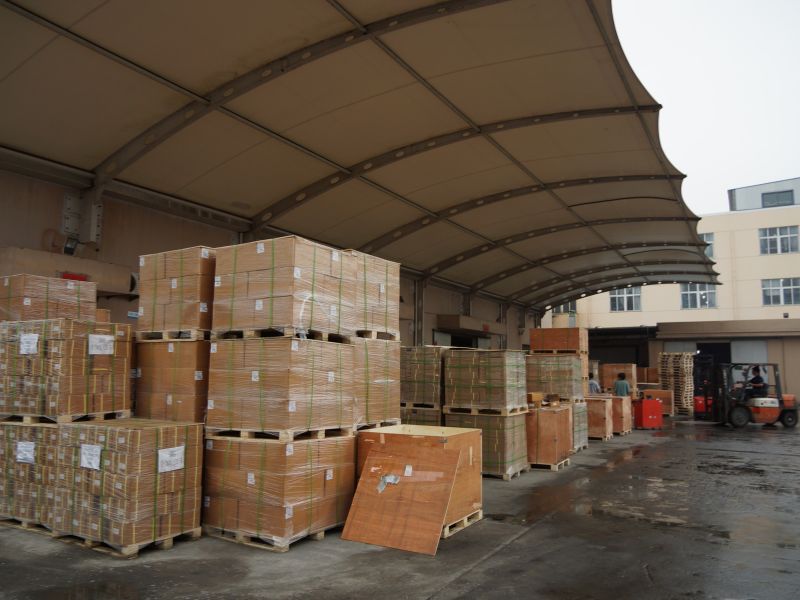
Sea, air, or express courier. Material certs and inspection report inside every box. Tracking same day.
FAQ
Common Questions
Not seeing your question? Email us at [email protected] and we typically reply same day.
What manufacturing standards do your propellers follow?
For high-speed outboard and sterndrive applications, we utilize computer-controlled dynamic balancing to simulate real-world operating conditions. For custom commercial inboard propellers, we inspect and certify geometric tolerances in strict accordance with ISO 484 Class S (Special) protocols.
What is ISO 484 balancing and why does it matter?
ISO 484 is the international standard for marine propeller manufacturing accuracy and balance. Class S (Special) is the tightest classification. It specifies maximum permissible blade pitch deviation, section thickness tolerances, and static balance limits. An unbalanced propeller creates a cyclic radial force on the shaft at every revolution. At 3,000 RPM, that is 50 cyclic loads per second transmitted into the shaft bearings, stern gland, and hull. Over time this causes stern gland wear, shaft bearing failure, and hull vibration that fatigues structural joints.
Related Products
Often Ordered Together


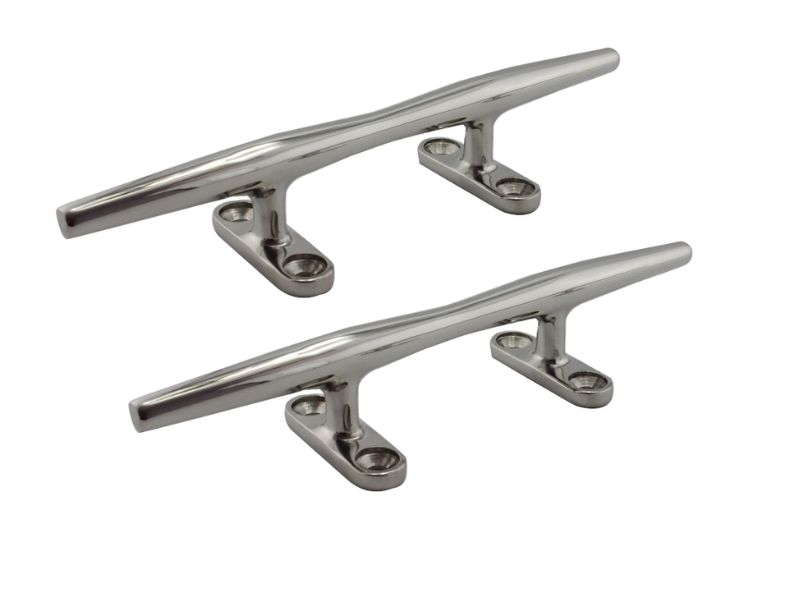
Stainless Steel Deck Filler
Get in touch with
Ready to Source Stainless Parts?
If you already have the drawings, please send email to [email protected] directly for an instant quote.
Profab
Request a Quote