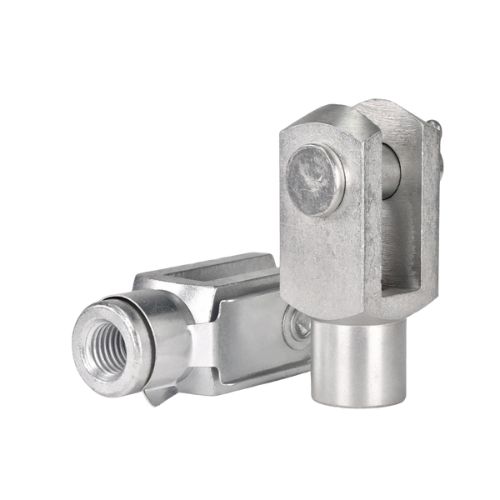
Clevis
A rod clevis threads onto the piston rod and pins the cylinder to its load, to DIN 71752, ISO 8140, or your drawing.
View product →

A cylinder is only as durable as the clevis, rod end, and pin at its ends, and plated steel there rusts first in salt spray and washdown. Profab machines stainless steel rod clevises, rod ends, cylinder-eye spherical bearings, pins, and threaded parts in 316L and 17-4PH to DIN 71752, ISO 8140, or your drawing. We make the cylinder parts, not the cylinder.
Open a product page for sizes and grades, or send a drawing for a part not listed.
A rod clevis threads onto the piston rod and pins the cylinder to its load, to DIN 71752, ISO 8140, or your drawing.
View product →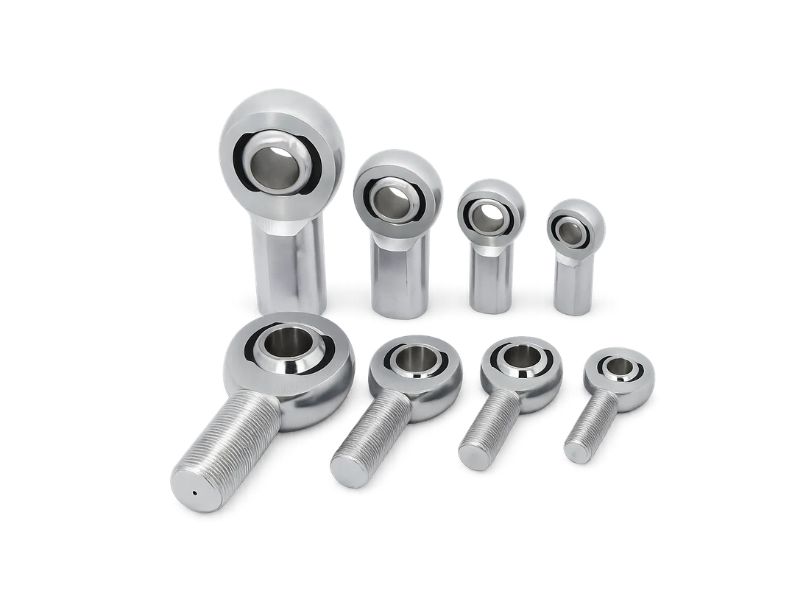
Rod ends connect a cylinder rod to a link that swings, and absorb misalignment between the two.
View product →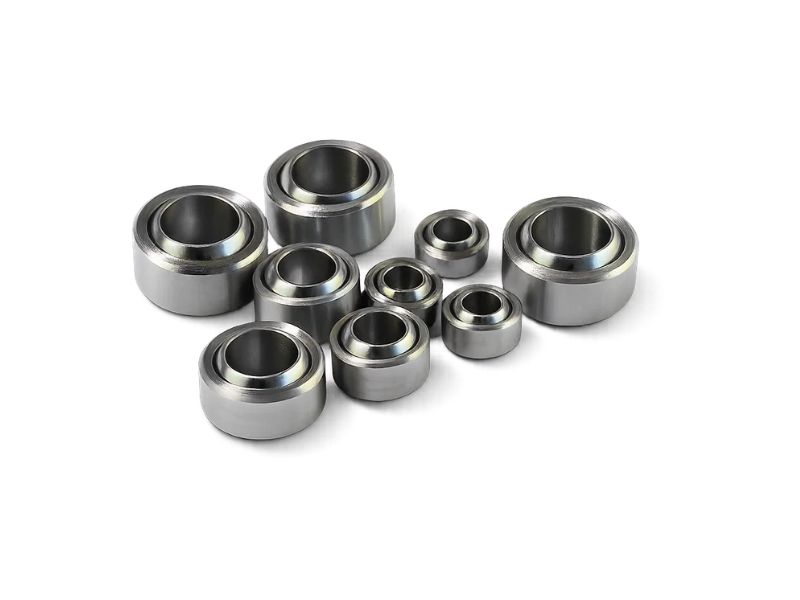
Spherical bearings sit in cylinder eyes and clevis mounts where the cylinder swings through an arc.
View product →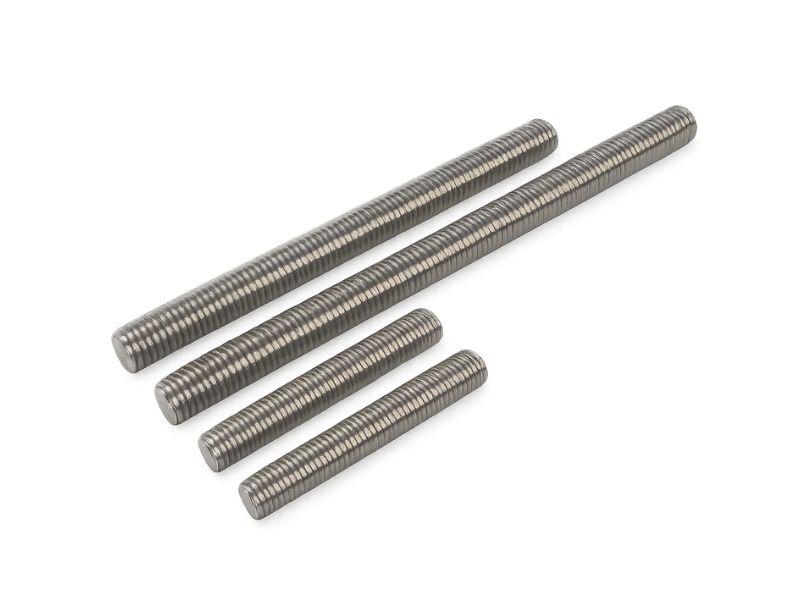
Threaded rod and matched nuts adjust and lock the length of a link at the rod end.
View product →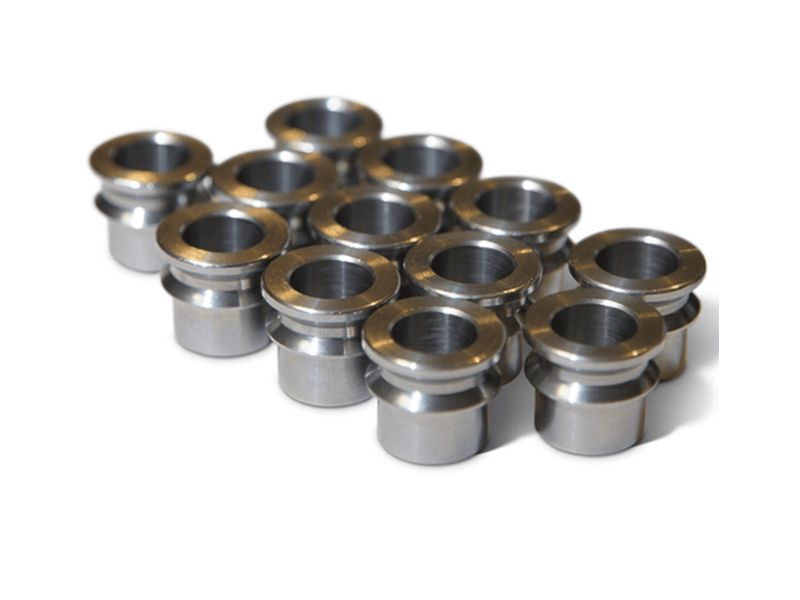
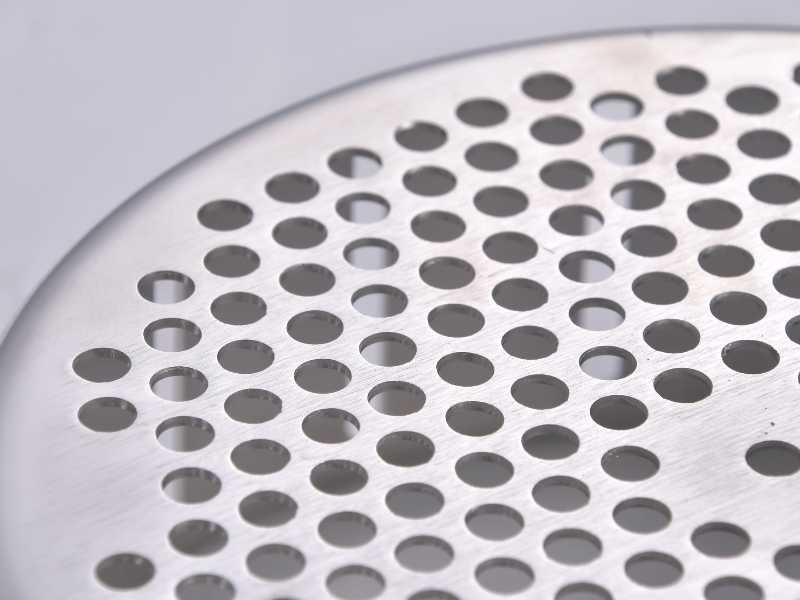
When no listed part fits, we make it to your drawing, including pins and special fork ends.
View product →Match the grade to the salt, chemicals, and moisture the cylinder sees and the load it carries.
Grade 304 suits pneumatic cylinders and hydraulic units in dry or mildly damp indoor service. It costs less than 316L, so it is the right pick where salt and chemicals do not reach the part.
Molybdenum gives 316L better resistance to chlorides than 304. Choose 316L for clevises, rod ends, and pins in salt spray, seawater, and washdown with cleaning chemicals.
Heat treatment hardens 17-4PH, so a clevis or pin carries more load than in 316L. Its pitting resistance is lower, so check the exposure before choosing it for a wet position.
| Grade | Where it fits | Watch For |
|---|---|---|
| 304 | Dry indoor pneumatic and hydraulic cylinders | Salt spray and chloride washdown |
| 316L | Offshore, marine, and washdown cylinders | The first choice when salt or chemicals reach the part |
| 17-4PH | Highly loaded clevises and pins | Lower pitting resistance than 316L; confirm the exposure |
The final grade depends on your drawing, the load, and the exposure. Send the details and we confirm the grade at quotation.
Corrosion, fit, and mixed metals each shorten the life of a cylinder joint.
Plated steel loses its coating at the pin bore under repeated swing and washdown, and the bare steel rusts. A solid stainless clevis has no thin layer to chip away, so the bore stays smooth.
A clevis must match the cylinder rod thread, the fork width, and the pin diameter. DIN 71752 and ISO 8140 fix those sizes, and we cut H9 pin bores and 6H threads where the standard calls for them.
A carbon steel pin in a stainless clevis sets up galvanic corrosion in wet service. We supply the clevis body and matched pin in the same grade, as a set or separately.
A cylinder connects to its load through a few parts at each end. Find the position, then open the product page.
| Position on the Cylinder | Typical Parts | First Check |
|---|---|---|
| Rod End, Threaded onto the Piston Rod | Rod clevis with female thread | Thread, fork width, and pin bore |
| Rod End with a Swinging Link | Rod end or spherical rod end | Misalignment angle and construction |
| Cylinder Eye or Base Mount | Spherical bearing in the eye | Bore, width, and liner |
| Pivot Pin Through the Clevis or Eye | Matched pin, same grade as the body | Diameter, fit, and retainer |
| Length Adjustment at the Rod | Threaded rod and hex nuts | Pitch, hand, and grade |
Each service puts different stress on the same few parts. Find yours, then open the product page.
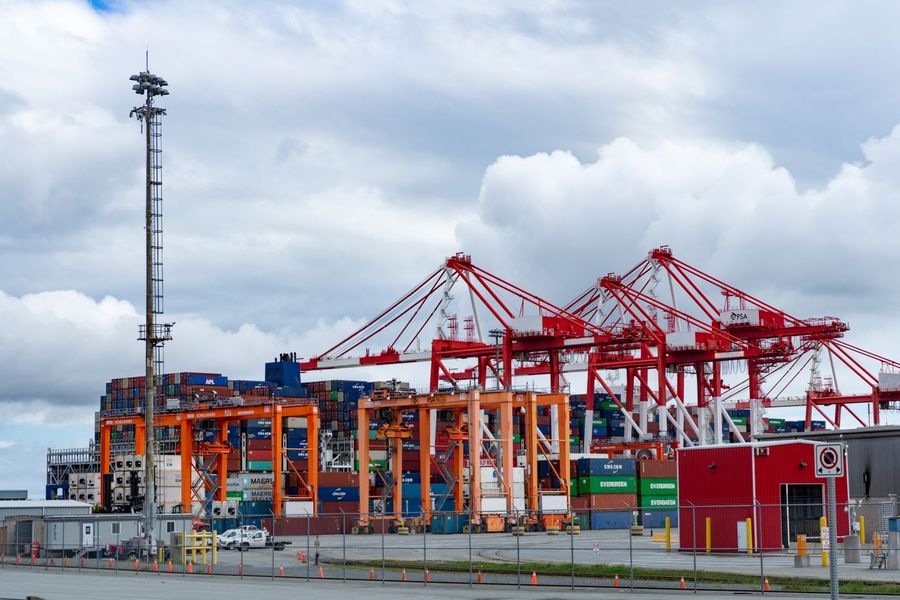
Cranes, winches, and deck machinery on platforms and vessels run in salt spray, where plated end fittings fail early. 316L clevises, rod ends, and pins keep the cylinder joints free in that exposure.
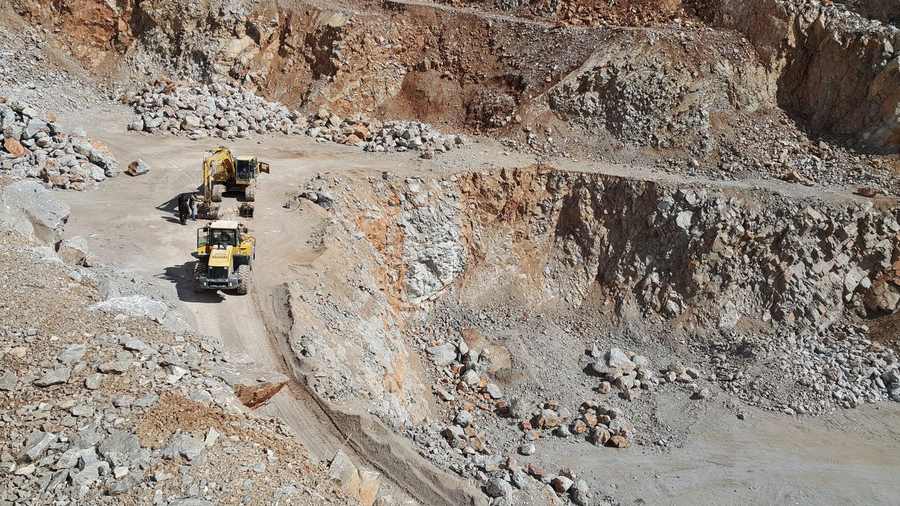
Loaders, excavators, and other mobile machines swing their cylinders through dirt, water, and shock. Spherical bearings sit in the cylinder eyes and loader linkages, and clevises carry the rod ends.
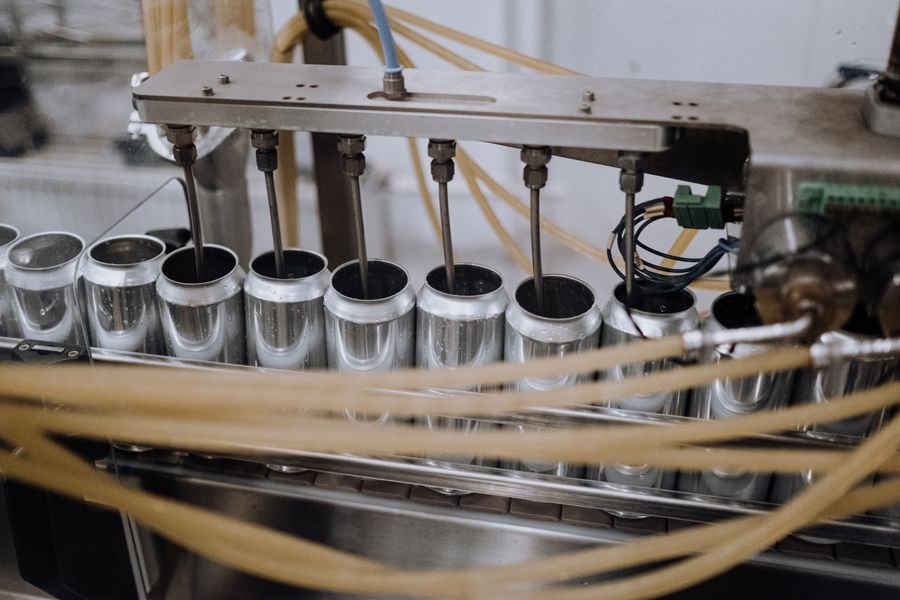
Pneumatic and hydraulic cylinders on filling and packaging lines face hot cleaning chemicals every shift. Stainless rod ends and clevises resist the washdown that strips plating.
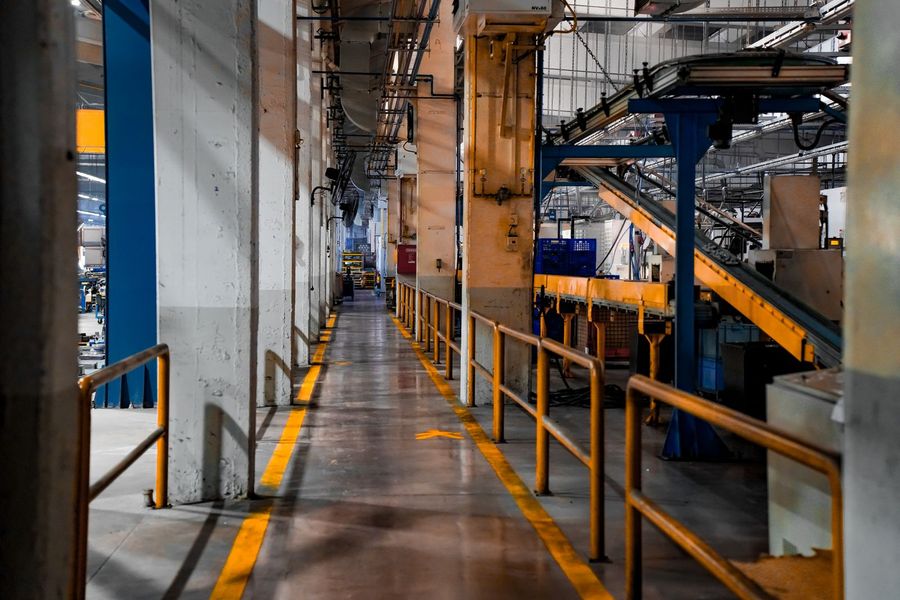
Pneumatic cylinders on automated lines use ISO 8140 style rod clevises, and stainless versions suit damp or washed areas. We also machine special fork ends to your drawing.
Three routes cover most cylinder parts. Each links to its page.

We mill clevis forks, slots, and multi-face parts to your drawing. 5-axis machining is available on request when a part needs it.
View CNC Parts →
Clevis pins, threaded shanks, bushings, and spacers are turned from your drawing or sample.
View CNC Turning Parts →
Parts that stay in view or in wash areas can be mirror polished, and passivation is available for harsh sites.
View Mirror Polishing →Four steps take an order from drawing to shipment.
Send a drawing, a worn part, or a sample with the details in the checklist below.
Engineering reviews the grade, standard, and fit, then issues the quotation.
Sample parts are made for your approval before production starts.
Production follows the approved sample. Finished parts then ship by sea, air, or express courier.
A cylinder that waits on one part stops a machine. These are the problems we are set up to remove.
Cylinder end parts are often ordered to repair or upgrade a unit already in service. Each point below answers one of those problems.
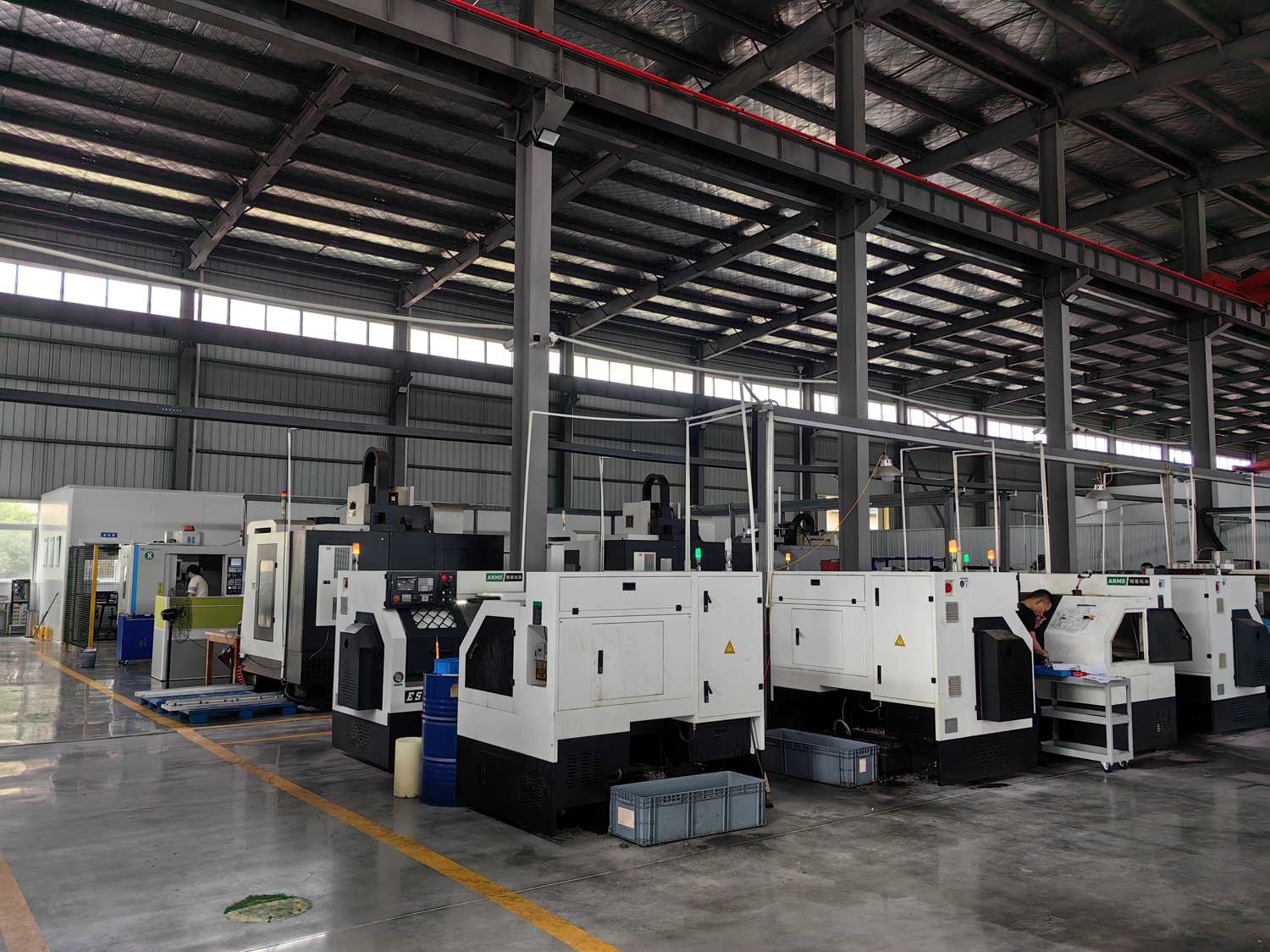
Accepted formats are DXF, DWG, STEP, IGES, and dimensioned PDF drawings, or a physical sample.
Send a drawing, a photo of the worn part, or a sample with the details below.
We check grade, standard, and fit against your exposure, then quote.
These short answers cover the first engineering and purchasing questions.
No. We make the parts that attach to a cylinder, such as rod clevises, rod ends, spherical bearings for cylinder eyes, pins, threaded rod, nuts, spacers, and bushings, not the cylinder itself. Send a drawing or a worn part and we match it.
We machine rod clevises to DIN 71752 and ISO 8140 dimensions, or to your drawing. DIN 71752 sizes are named by inside width and slot length, such as G10x20. Tell us the size, thread, and pin diameter, and we confirm the dimensions when we quote.
Salt spray, washdown water, and cleaning chemicals wear plating off a clevis or rod end, and the exposed steel then rusts at the pin bore and thread. A solid stainless part has no thin plating layer to chip, so the joint keeps moving and can be serviced.
Choose 316L for parts in salt spray or seawater, because its molybdenum resists chlorides better than 304. 17-4PH suits highly loaded clevises and pins where the exposure is milder. Use the same grade for the body and the pin to avoid mixed-metal corrosion.
Yes. Send the worn part or a photo with the thread, pin bore, and fork width measurements. If you only have a sample and no drawing, we can reverse-engineer it for an additional fee.
Quantities vary by product, and small-batch runs are accepted with no hard minimum. Prototype runs typically start around 100 pieces. Samples take about 20 days and standard production about 30 days.
Send the drawing, standard, grade, exposure, and quantity for a quotation.