XM / XF Series
- DesignInjection Molded
- ThreadMale and Female, LH and RH
- RaceNylon and Glass Fiber Reinforced
- Material304 Housing & 440C Ball (Optional 316 / 17-4PH)
Precision-machined stainless steel rod ends for articulating linkage motion — pivoting and misalignment, not continuous high-speed rotation. With more than 20 years of experience serving OEM and industrial brand customers, we support customization of size, thread, and models. Select from metal-to-metal, bronze-race, and PTFE-lined maintenance-free rod ends.
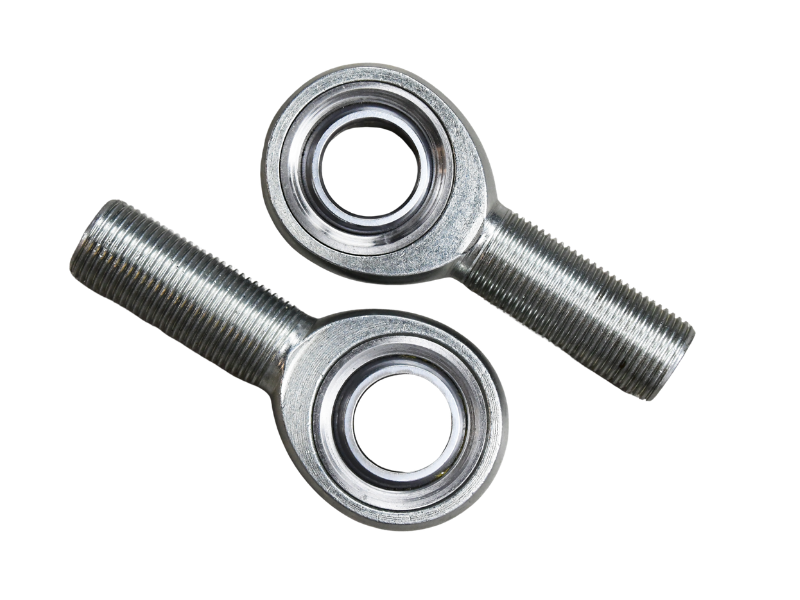
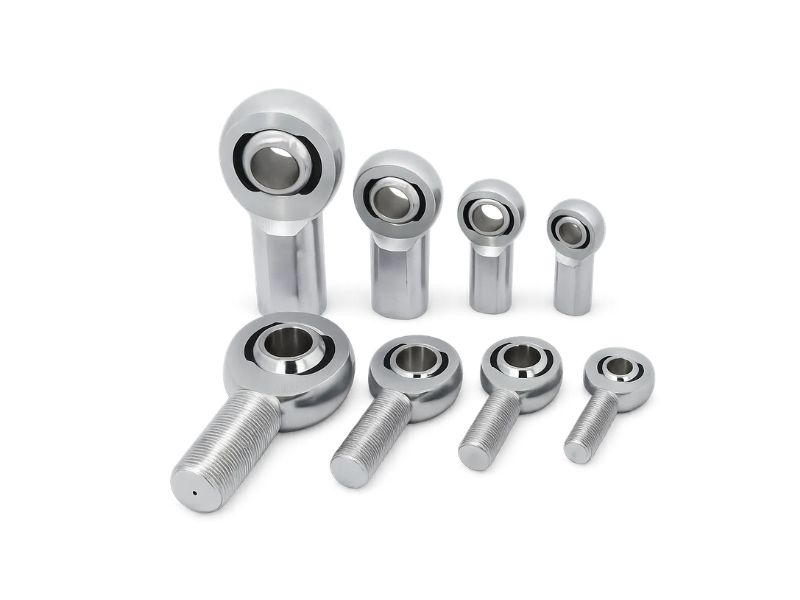
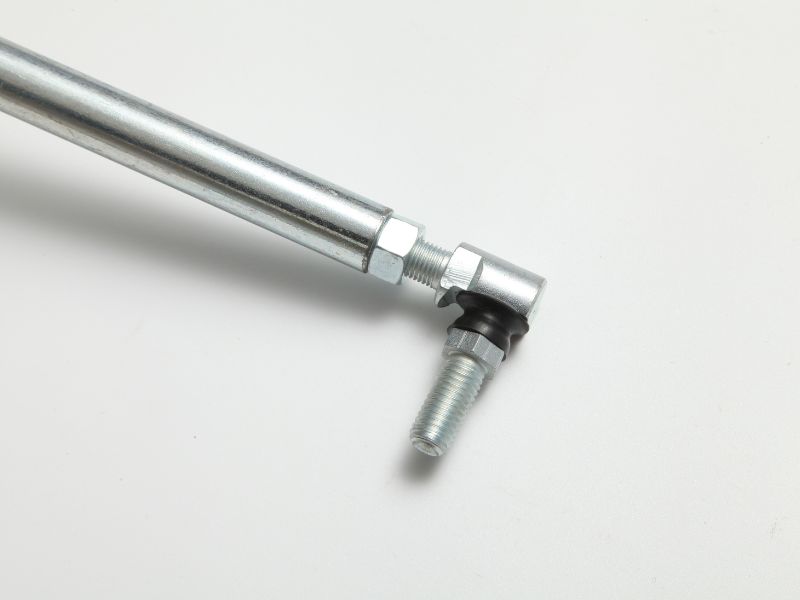
A stainless steel rod end (also called a rod-end bearing, heim joint, or spherical rod end) is a mechanical linkage component that contains a spherical bearing housed in a threaded body. One side is threaded (male or female) so it can be mounted into a rod or linkage; the spherical bearing allows angular misalignment and pivoting.
A rod end is an articulating linkage joint, not a high-speed rotary bearing. It is built for oscillating motion and angular misalignment within its rated angle. Continuous full-speed rotation is outside its intended use. Tell us your motion type and load direction and we'll confirm the right series.
Profab offers multiple models of ss rod ends: XM/XF, CM/CF, JMX/JFX, and SATK/SITK. Each model is designed with a specific race construction and maintenance profile to meet diverse application needs. We supply standard and custom stainless steel rod ends for different load, thread, and environmental requirements.
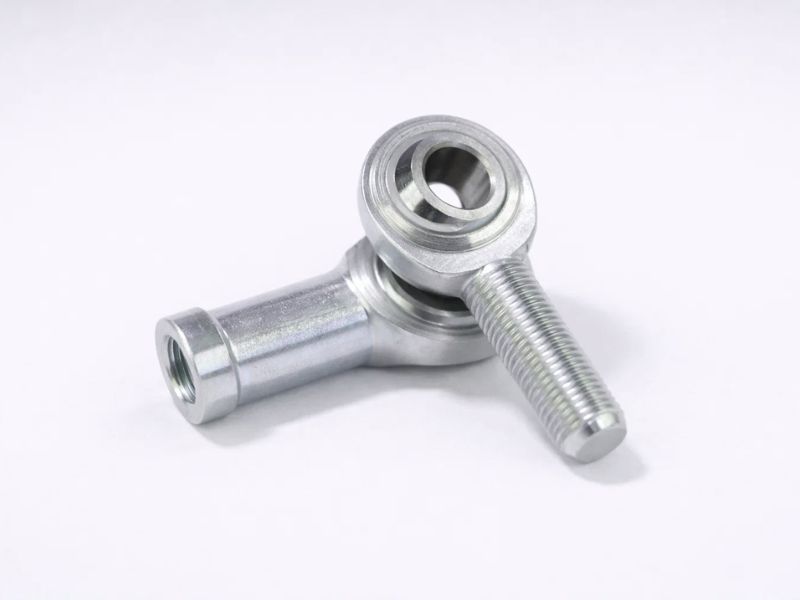
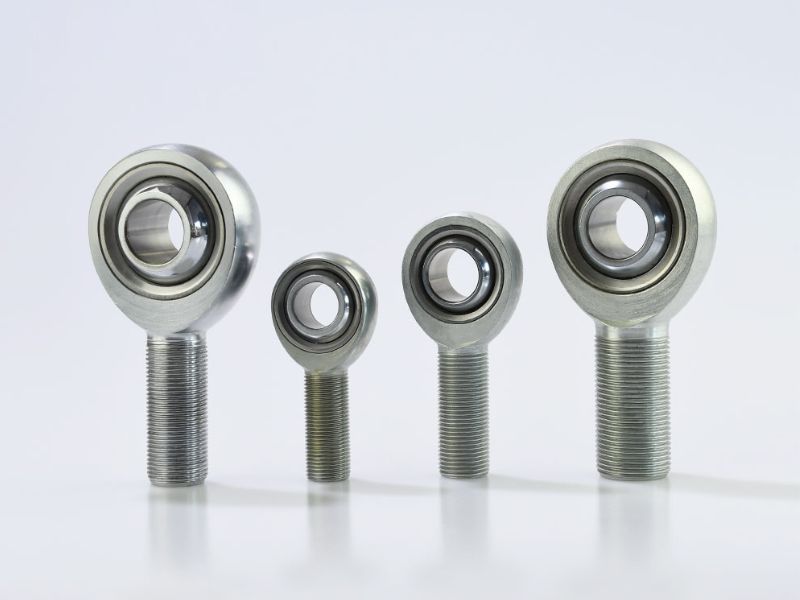
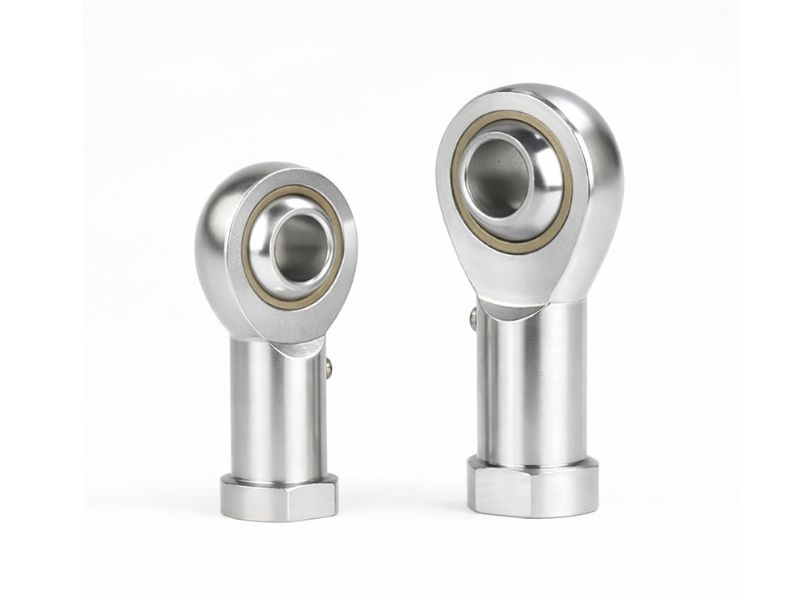
The first decision is construction and maintenance profile, not thread size. Start here, then confirm bore, thread, and material.
| Requirement | Recommended Series |
|---|---|
| Maintenance-free, washdown or outdoor duty, dirt/contamination exposure | JMX / JFX (PTFE-lined) |
| General-purpose linkage, standard duty, cost-effective | CM / CF (metal-to-metal, no liner) |
| Higher load with periodic lubrication, bronze race durability | SATK / SITK (bronze race) |
| Cost-sensitive, lighter-duty linkage, dry/indoor use | XM / XF (injection-molded race) |
| Adjustment without disconnecting the linkage | Any series with left-hand thread + linkage adjuster |
| Angular travel exceeds the standard housing clearance | Any series + high-misalignment spacer |
Not recommended for wet, washdown, or high-humidity environments: XM/XF's nylon and glass-fiber race is moisture-absorbent — prolonged water exposure can cause the race to swell and change bearing clearance. Choose JMX/JFX (PTFE-lined) or a metal-race series (CM/CF, SATK/SITK) for wet-duty applications instead.
Not sure which series fits? Send your load, motion type, environment, and mounting geometry in the quote form and we'll recommend a series.
The housing material is what you're really specifying when you order. Wrong grade is the most common reason rod ends fail prematurely in corrosive environments. 440C is the standard ball material across our series, chosen for hardness and wear resistance; alternative ball materials can be specified for highly corrosive or marine applications.
General-purpose grade. Good resistance to humidity, mild chemicals, and food-safe cleaning agents. Use this for indoor machinery, agricultural equipment, and dry-run automation.
Food Automation IndoorThe molybdenum content of 316L provides better resistance to chloride-induced pitting and crevice corrosion than 304. Often preferred for marine, salt-spray, and chloride-rich environments.
Marine Chemical PumpsPrecipitation-hardened grade. After H900 heat treatment, tensile strength reaches ~1,310 MPa — significantly stronger than 316. Used where load rating, not cost, is the primary constraint, such as high-cycle or high-load linkages.
High-Load High-CycleCustom stainless steel rod end solutions designed around specific application requirements. Material, dimensions, threads, bearing design, and surface finish can be tailored to your needs.
Exhaust bypass valve linkages see constant heat cycling and vibration. Stainless rod ends hold their fit where plated hardware would seize or corrode from underbody spray.
Belt guide linkages, stoppers, and indexing arms cycle constantly in a washdown environment. Stainless rod ends resist the corrosion that would otherwise bind the linkage.
Metering system and section control linkages cycle constantly through dust and fertilizer residue. Sealed or PTFE-lined rod ends keep articulation smooth despite the contamination.
Filling nozzle lifting and guide rail linkages run through repeated washdown. 316L rod ends hold dimensional stability across CIP cycles where the linkage geometry matters most.
Side shell door linkages take direct salt spray and constant flexing. 316L rod ends resist the pitting and seizure that end a plated linkage's service life in a single season.
The spherical joint connecting a position sensor to its linkage needs low-friction, low-backlash articulation to keep the reading accurate as the mechanism moves.
Build a complete rod end system with precision-machined accessories manufactured to the same quality standards as your rod ends. Every component below is available in matching 304 or 316L stainless, machined to your rod end's material grade — no hunting for matching hardware from three different suppliers.
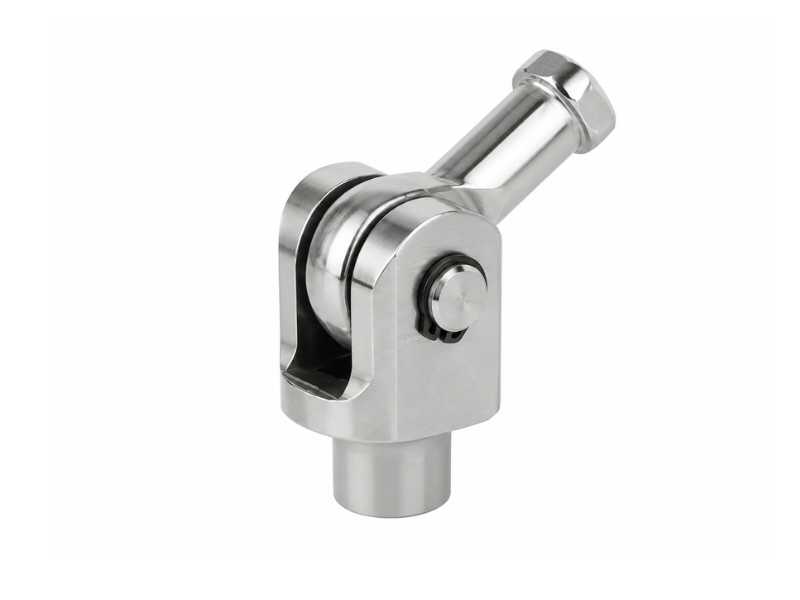
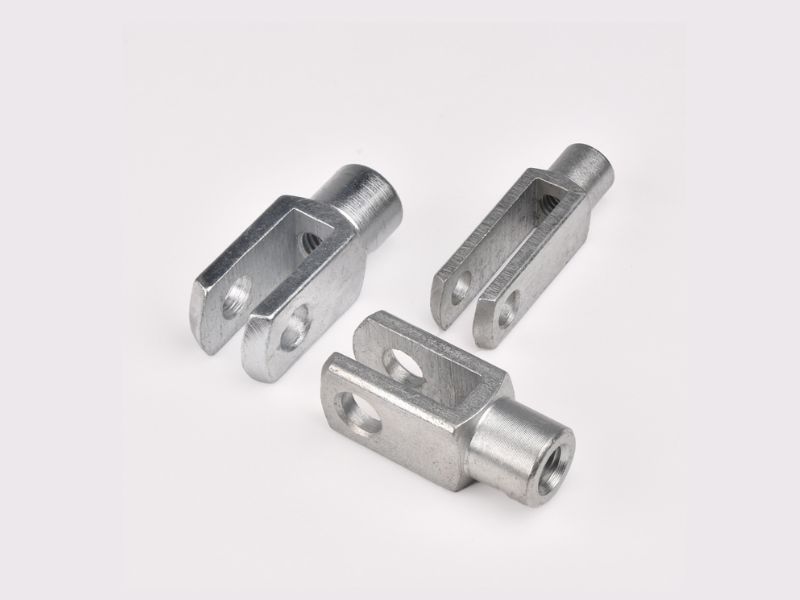
The clevis provides a secure pin connection, while the rod end accommodates angular movement and minor misalignment.
Learn More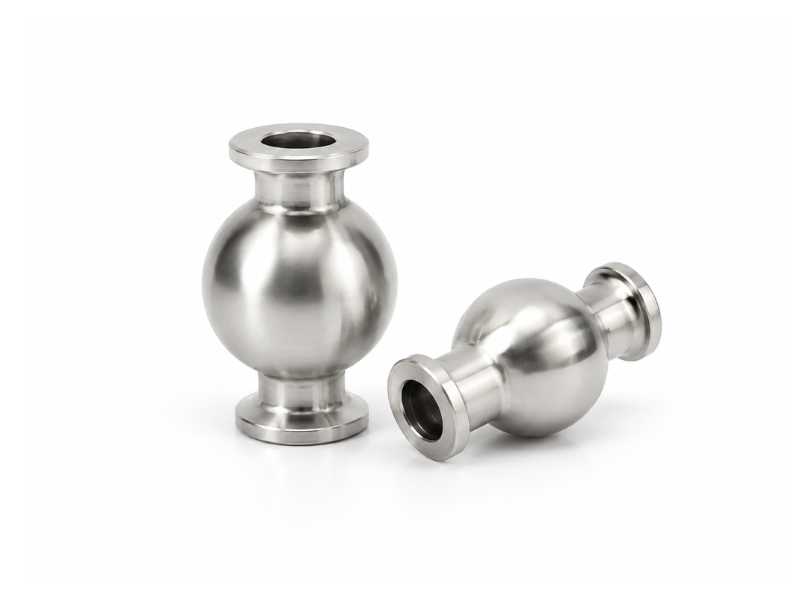
Extends axial width to increase angular travel before the housing body contacts the bracket. Custom thicknesses and step-down bores on request.
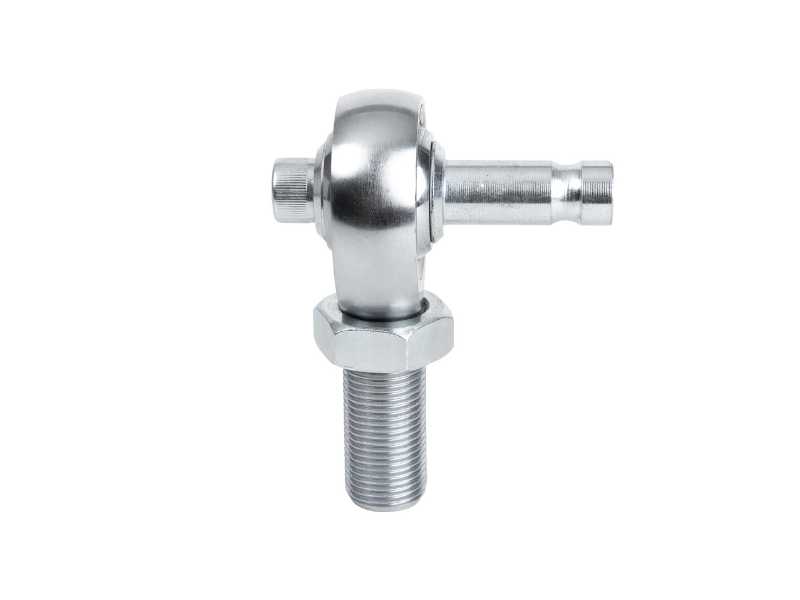
No separate bolt needed. This configuration shortens the overall linkage stack height.
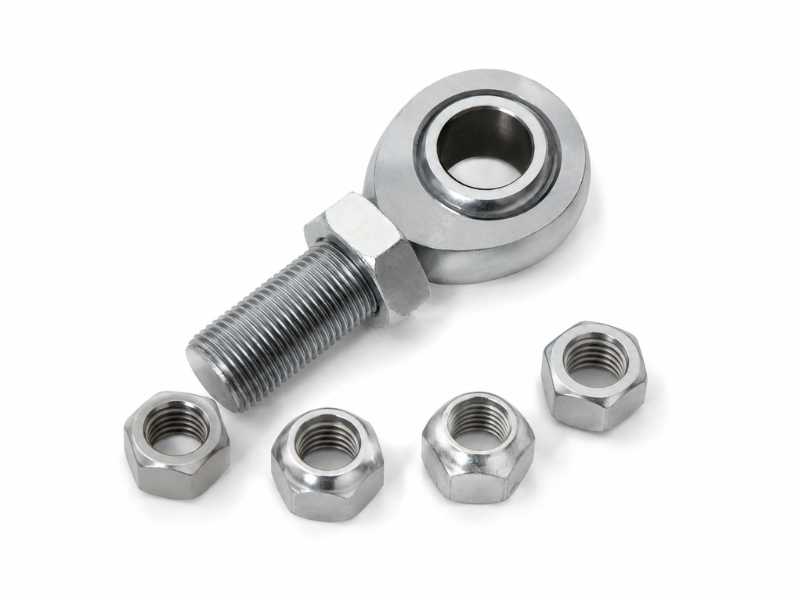
Matched thread specifications help maintain proper fit and reduce installation problems. Anti-galling measures such as suitable thread fit, surface finish, and lubrication can be specified for stainless assemblies.
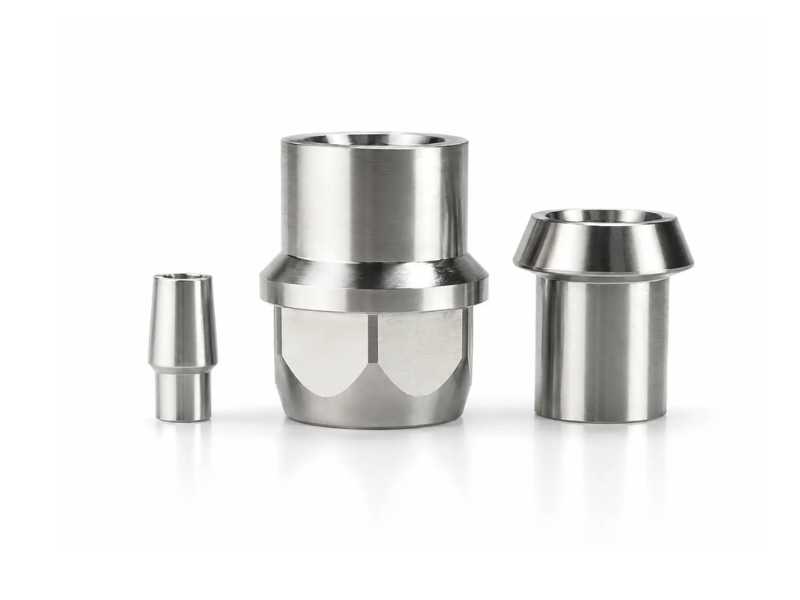
Weld chamfer cut before threading. Thread chased after machining so it runs true to the bung axis. Your rod end screws straight in with no angular runout.
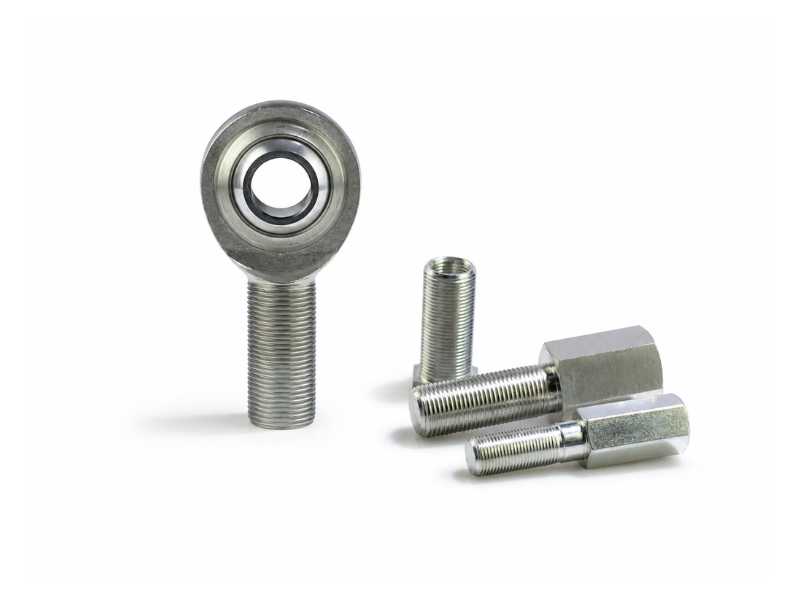
Hexagonal bar stock with opposing left-hand and right-hand threads at each end. Rotate the hex bar to extend or retract your linkage without disconnecting either end.
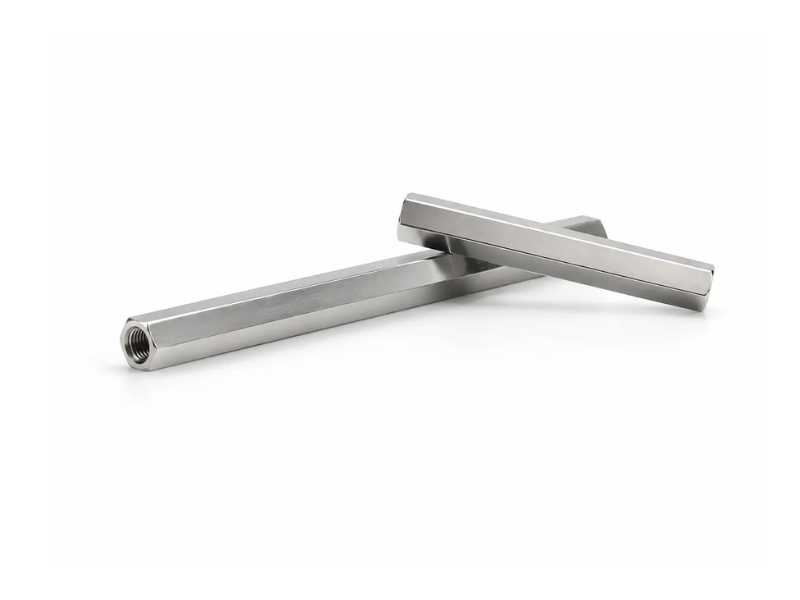
Standard on steering tie rods and adjustable control linkages. Custom lengths and thread combinations to your drawing.
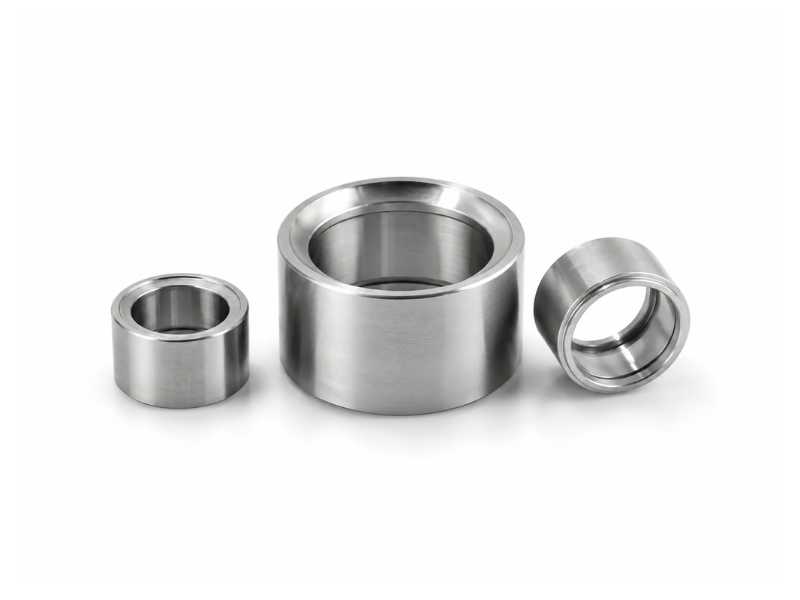
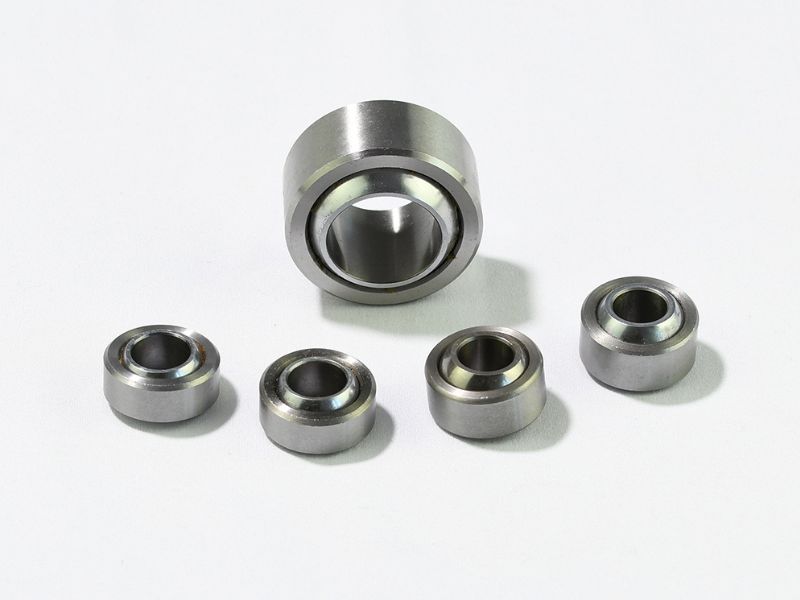
A housing cup that retains a spherical bearing inside your control arm or linkage plate. The cup bore is precision-bored to press-fit the bearing with the correct interference.
Unlike many mechanical components, rod ends combine moving contact surfaces, exposed threads, and constant articulation within a single assembly. This makes them especially vulnerable to corrosion, contamination, and surface wear over time. In many cases, rod end failures begin not with overload, but with environmental damage that increases friction, restricts movement, and accelerates bearing wear. Stainless steel addresses these issues at the material level: the naturally formed passive layer on 304 and 316 helps resist rust, moisture intrusion, and chemical attack even under repeated movement or minor surface abrasion.
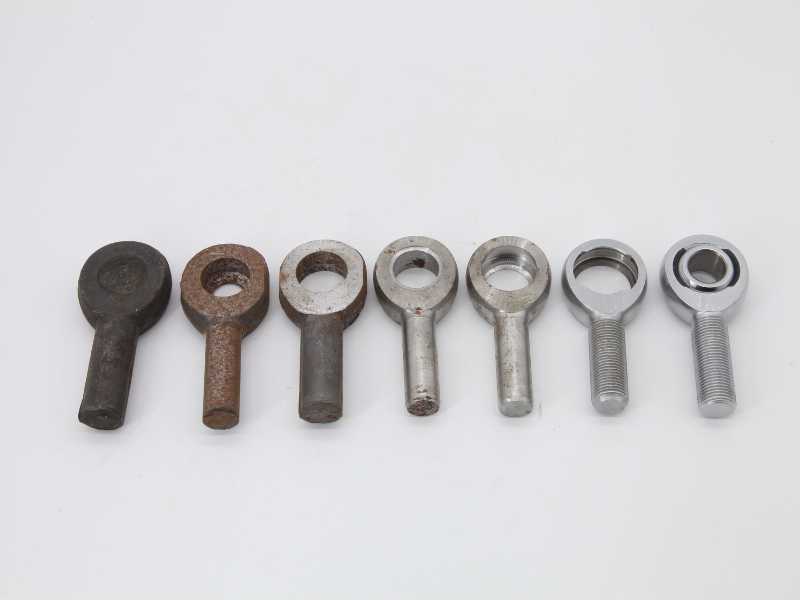
In marine environments, stainless steel heim joints perform well against salt spray, humidity, and brackish water, helping reduce rust, pitting, and seizure in steering linkages and actuators. In food processing equipment, stainless steel rod ends can be specified for washdown environments when the material, liner, lubricant, and surface finish are selected for the cleaning conditions. They help minimize surface damage where contamination can start and support cleaner operation in hygiene-sensitive areas.
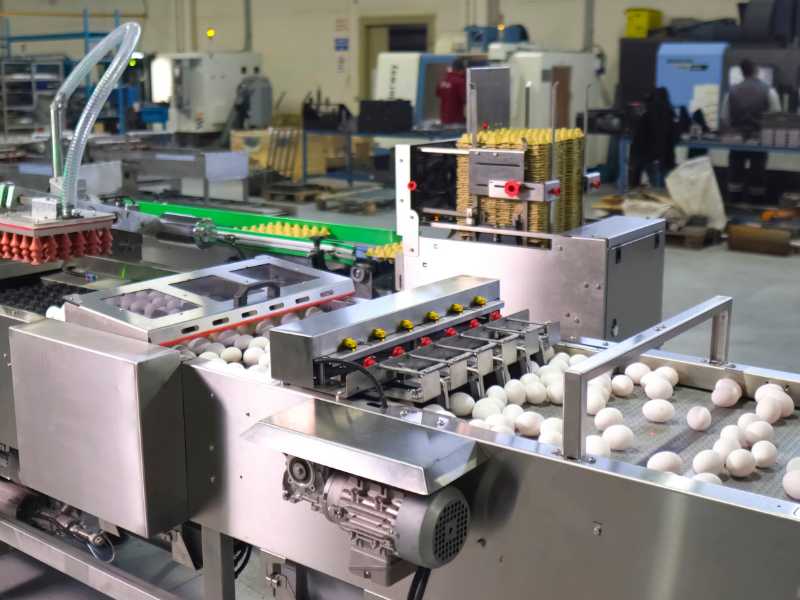
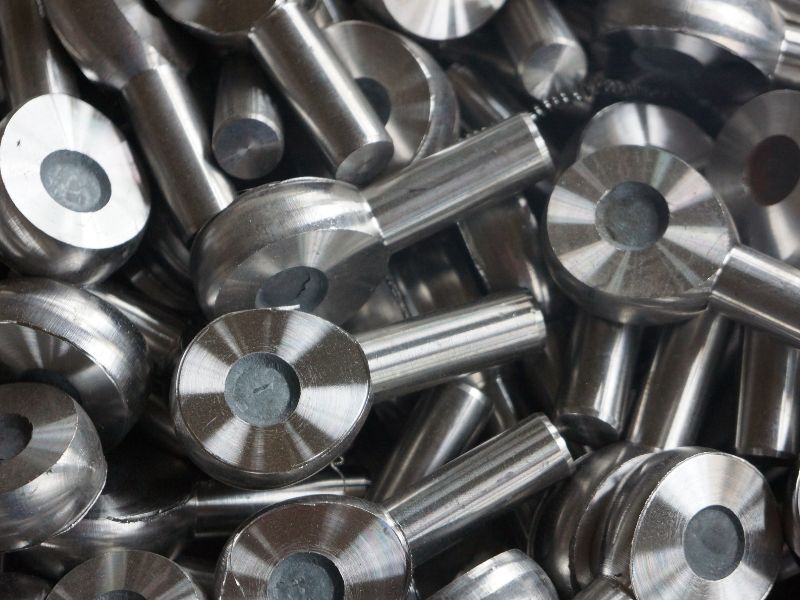
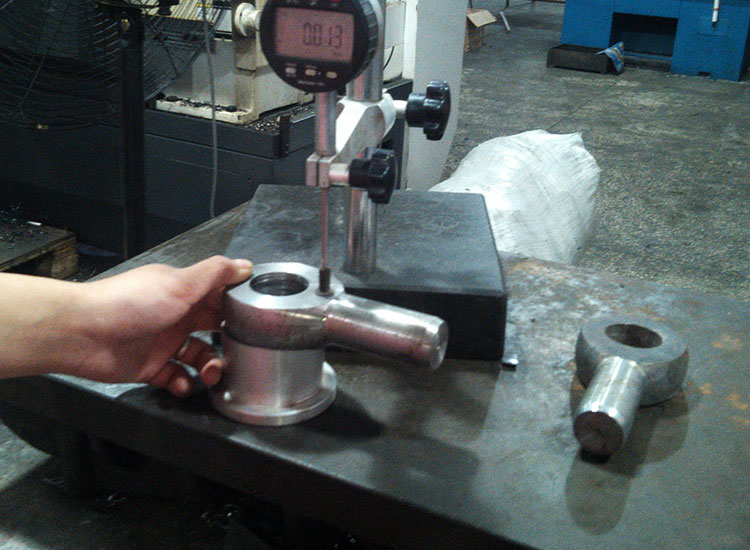
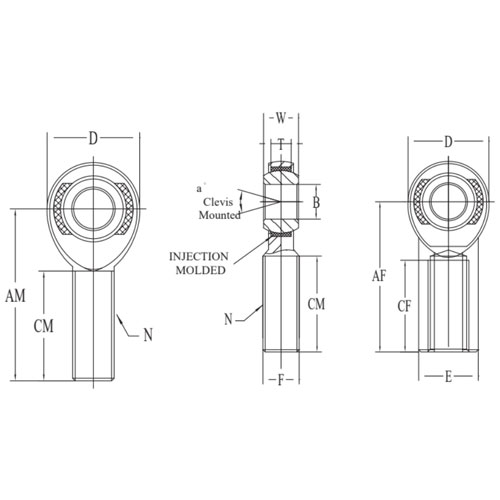
All rod ends are manufactured to exacting critical dimensions, tolerances, and thread types (left/right, metric/imperial), for direct, trouble-free integration into your assembly.
Our stainless steel rod ends are designed for long-term reliable operation in extreme conditions. Premium stainless grades are available depending on your environment — high humidity, chemical exposure, or salt water.
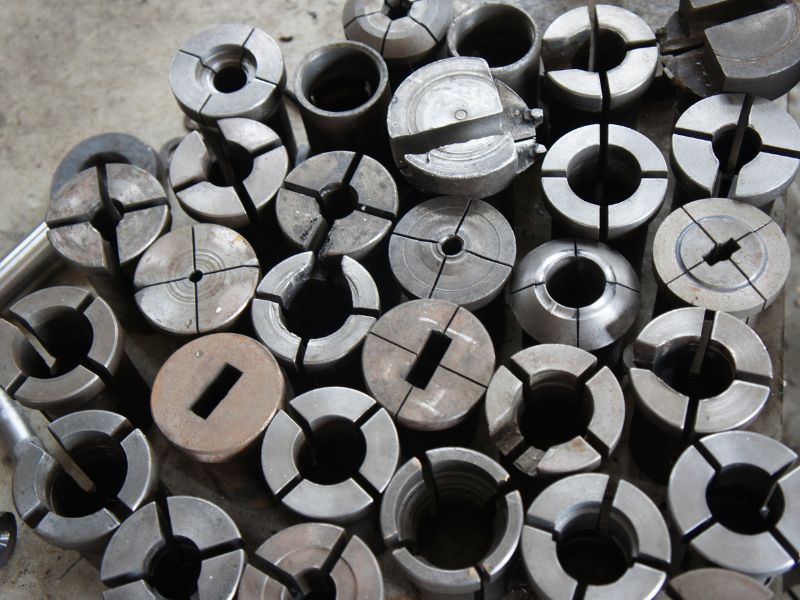
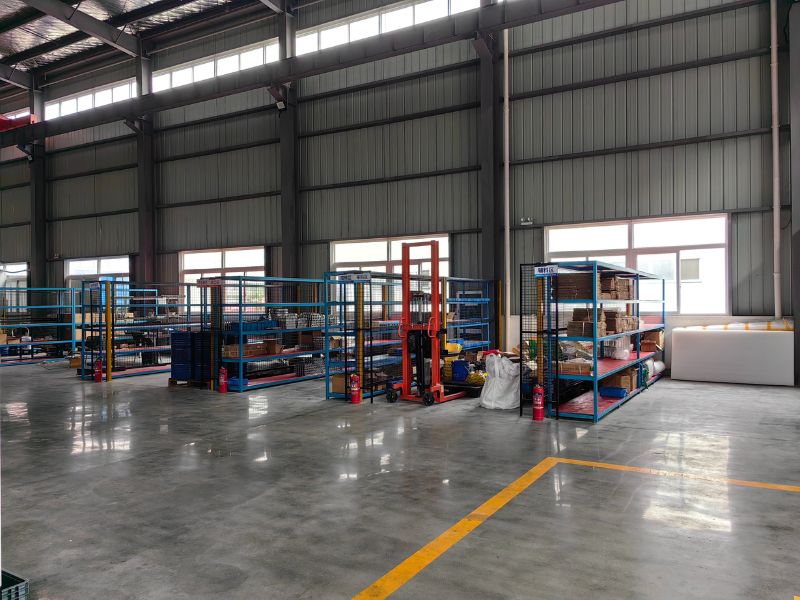
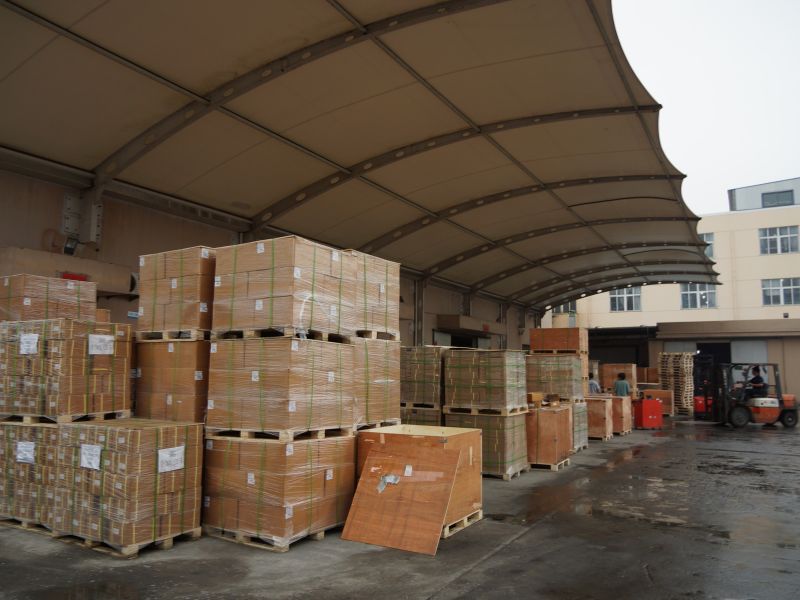
Our team provides full-cycle support, from prototyping to mass production to shipping. We optimize every detail to improve performance, simplify manufacturing, and support standard and custom specifications.
| Thread (mm) | Bore (mm) | Thread (Inch) | Bore (Inch) |
|---|---|---|---|
| M5*0.8 | 5 | 10-32 | 0.1900 |
| M6*1.0 | 6 | 1/4-28 | 0.1900 |
| M8*1.25 | 8 | 1/4-28 | 0.2500 |
| M10*1.5 | 10 | 5/16-24 | 0.2500 |
| M10*1.25 | 10 | 5/16-24 | 0.3125 |
| M12*1.75 | 12 | 3/8-24 | 0.3125 |
| M12*1.25 | 12 | 3/8-24 | 0.3750 |
| M12*1.5 | 12 | 7/16-20 | 0.3750 |
| M14*2.0 | 14 | 7/16-20 | 0.4375 |
| M16*1.5 | 16 | 5/8-18 | 0.5000 |
| M18*1.5 | 18 | 3/4-16 | 0.5000 |
| M20*1.5 | 20 | 5/8-18 | 0.6250 |
| M24*2.0 | 24 | 3/4-16 | 0.6250 |
| M30*2.0 | 30 | 3/4-16 | 0.7500 |
| M36*2.0 | 36 | 7/8-14 | 0.7500 |
| M42*2.0 | 42 | 7/8-14 | 0.8750 |
| M48*2.0 | 48 | 1 1/4-12 | 1.0000 |
| Custom | Custom | 1-14 | 1.0000 |
| — | — | 1-12 | 1.0000 |
| — | — | 1 1/4-12 | 1.2500 |
| — | — | 1 1/2-12 | 1.2500 |
| — | — | 1 1/2-12 | 1.5000 |
| — | — | 1 3/4-12 | 1.5000 |
| — | — | 1 3/4-12 | 1.7500 |
| — | — | 2-12 | 2.0000 |
| Custom | Custom | Custom | Custom |
Not seeing your question? Email us at [email protected] and we typically reply same day.
Rod ends are built for oscillating, articulating linkage motion — pivoting and angular misalignment within the rated angle. They are not designed as high-speed rotary bearings. If your application needs continuous full-speed rotation, tell us and we'll help identify the right component for that motion type.
We routinely supply 304, 316, and 316L. Tell us your environment and load requirement and we'll confirm the right grade for your application.
Please provide the maximum static/dynamic load, mounting geometry (swing angle), shaft diameter, and frequency of use. We'll help match the right series and configuration to your application.
Yes. For applications requiring low friction or low maintenance, we offer variants with polymer bushings or PTFE-lined races to reduce the frequency of lubrication maintenance.
Series, thread size, bore, grade, hand, quantity. DXF or drawing for custom items.
We will work based on your request and send you a specific quote within 24 hours.
30 days standard. Samples before full production run on new custom parts.
Sea, air, or express courier.
No hard minimum order quantity, small-batch and prototype runs supported, typically around 100 pieces for a first prototype run.
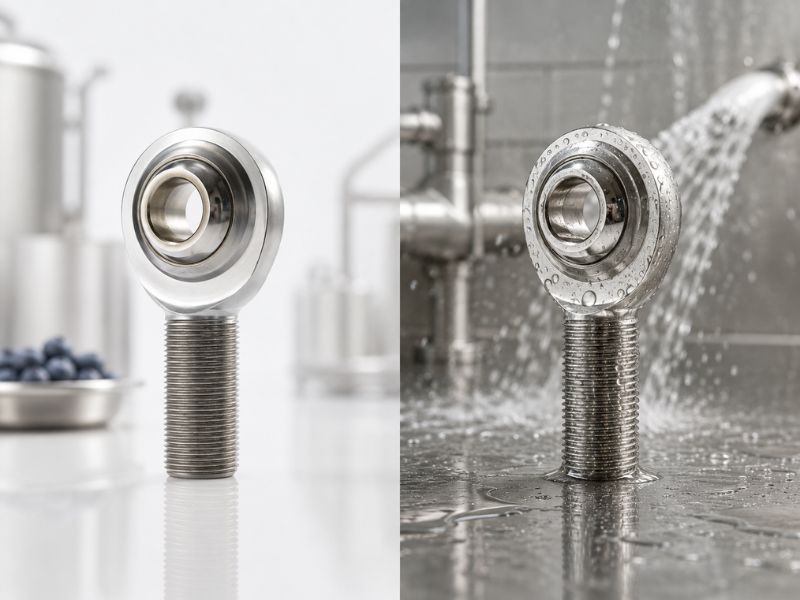
A rod end listed as food grade may only mean the lubricant is NSF H1 certified. One listed as washdown rated may only mean it passed an IP65 spray test. Here's how to read the specs correctly.
Read More »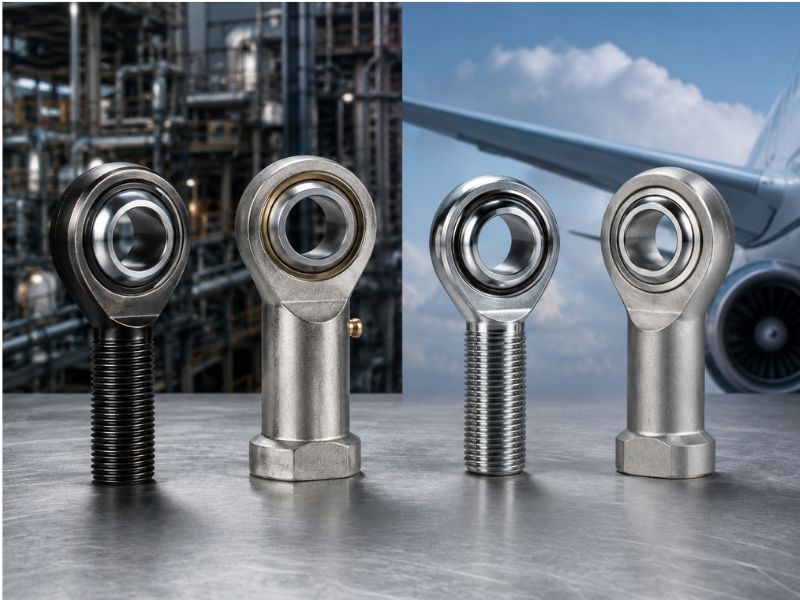
The difference between an industrial rod end and an aerospace-grade rod end isn't just price. Here's how to tell which one your application actually needs.
Read More »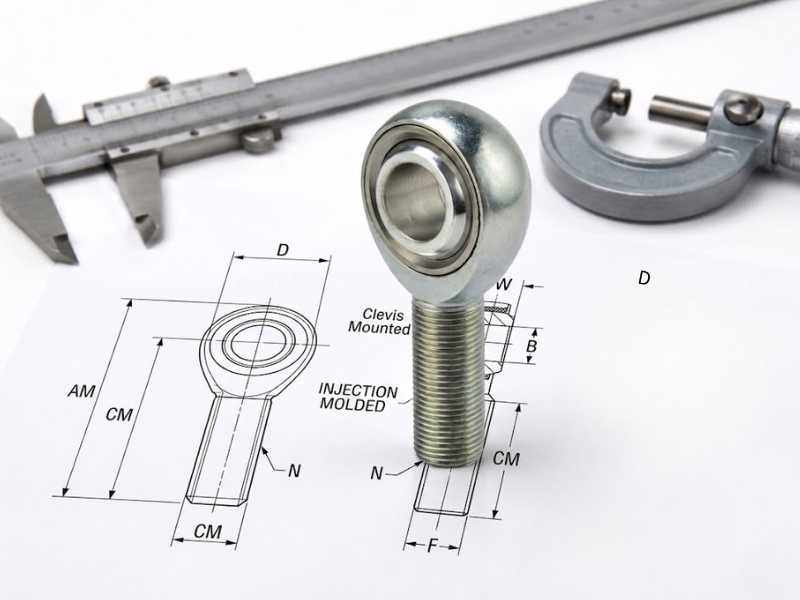
Thread size alone does not define a rod end. Bore diameter, body width, housing OD, shank length, and misalignment angle all matter. Here's how to measure each one.
Read More »If you already have the drawings, please send email to [email protected] directly for an instant quote.
[email protected] ↗