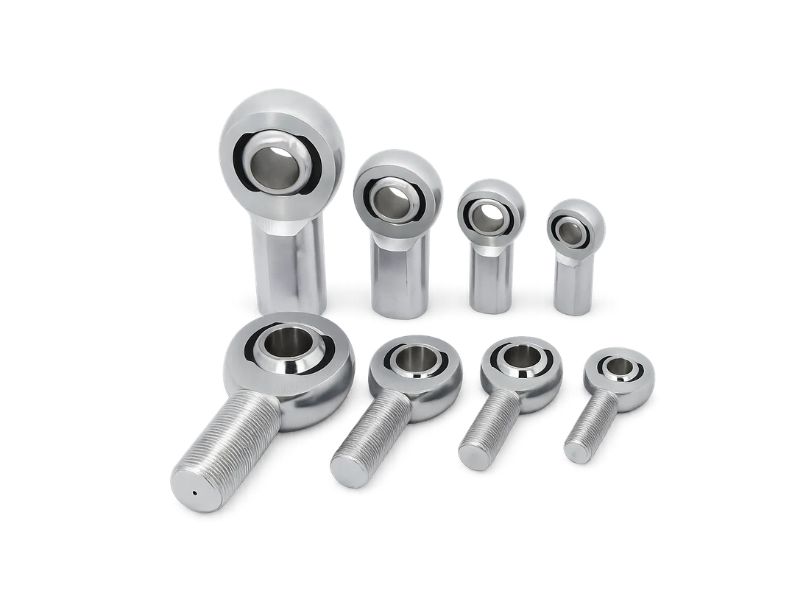
Rod Ends
Rod ends and heim joints join a tracker actuator or linkage arm to its frame. Each joint then swings through its own angle.
View product →
Profab machines stainless steel parts for solar racking and trackers from your drawing, sample, or worn part. Grades are 304, 316L, and 17-4PH. The range covers rod ends, spherical bearings, bushings, spacers, threaded rod, and tube clamps for tracker pivots and mounting frames. Site salt, aluminum contact, and daily movement decide the grade and the design.

Open a product page for sizes and grades, or send a drawing for a part not listed.
Rod ends and heim joints join a tracker actuator or linkage arm to its frame. Each joint then swings through its own angle.
View product →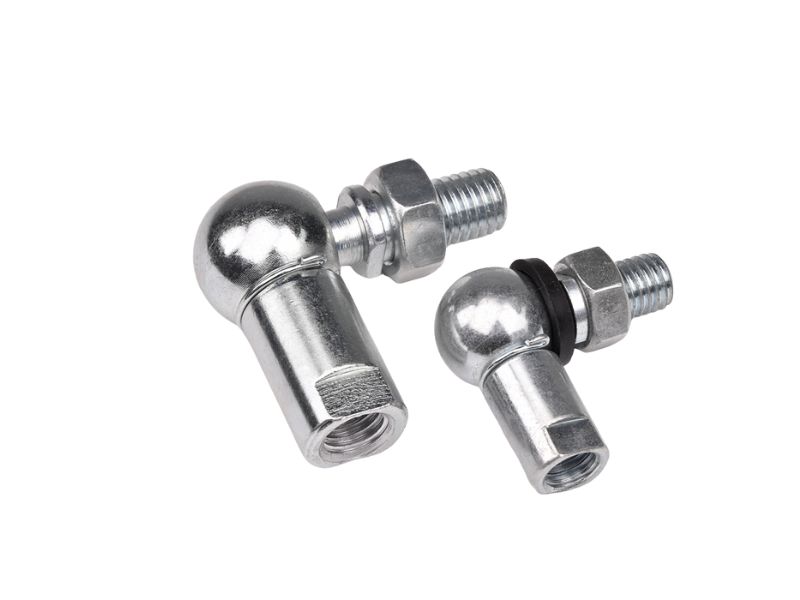
Ball joints let a linkage arm move in more than one plane as the frame shifts.
View product →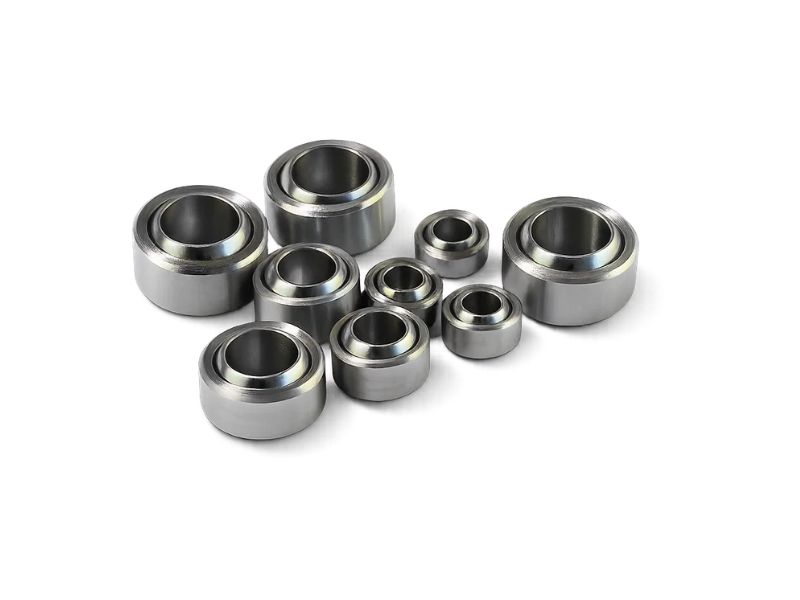
Spherical bearings sit in tracker pivots, where a tube or arm must turn while the posts are slightly out of line.
View product →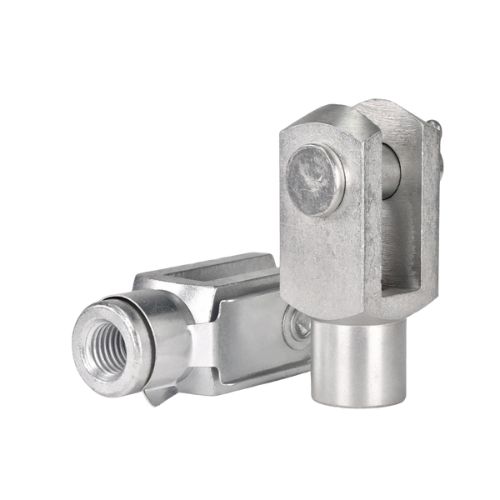
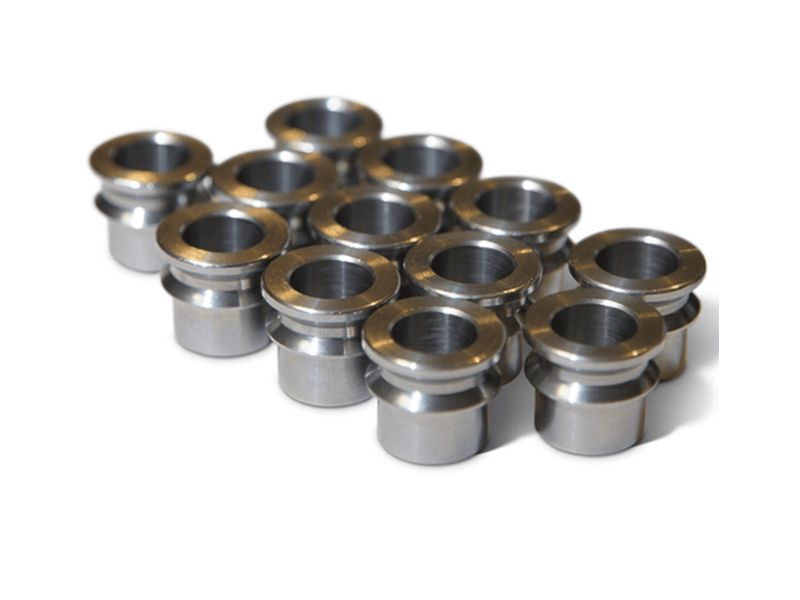
Plain and flanged bushings line pivot bores that turn every day. The metal sleeve then takes the wear in place of the bore.
View product →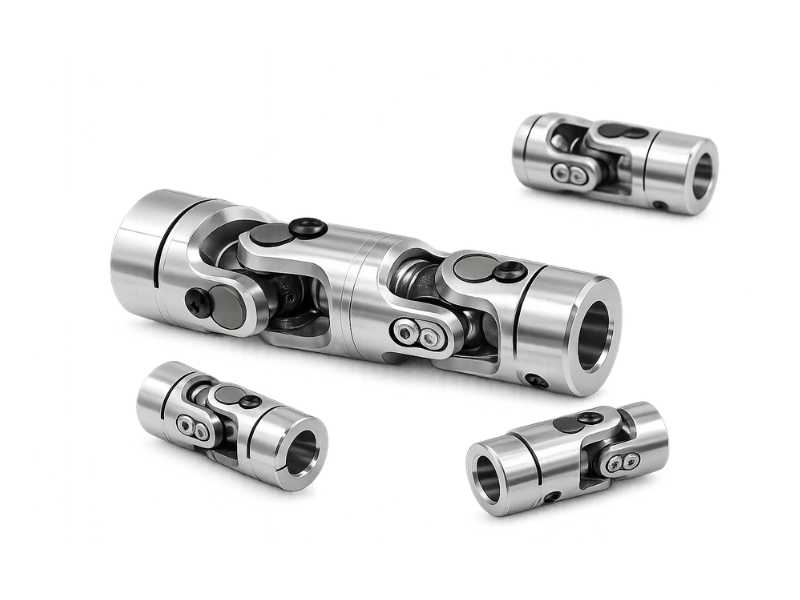
On layouts that link rows with a drive shaft, universal joints carry torque across the small angle between rows.
View product →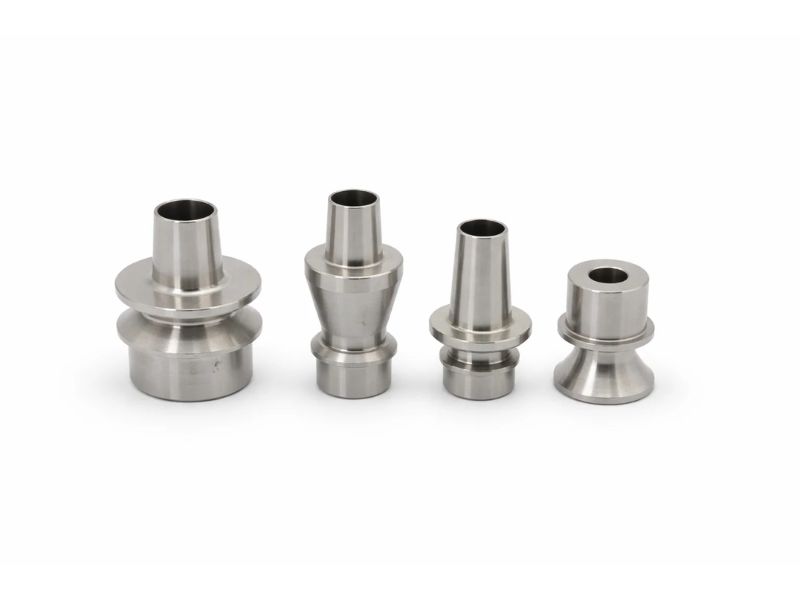
Spacers and standoffs set the gap at rail brackets, junction boxes, and sensor mounts.
View product →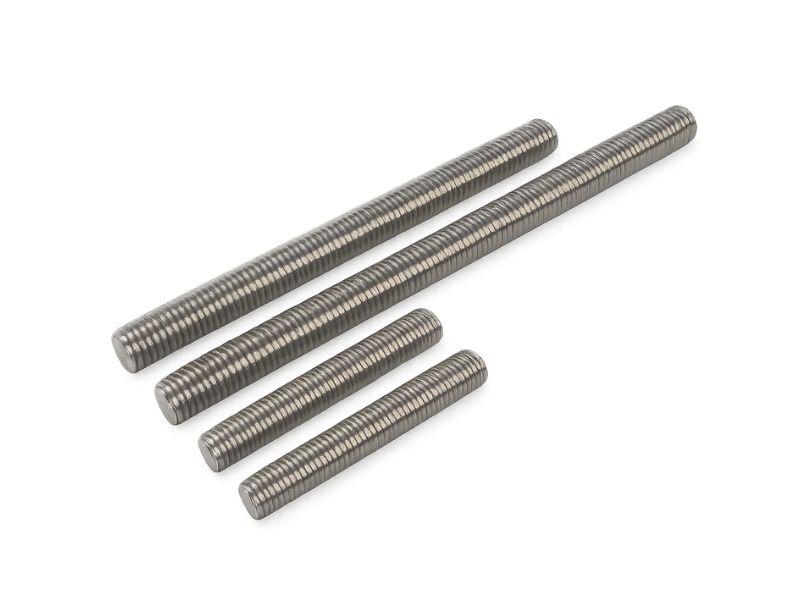
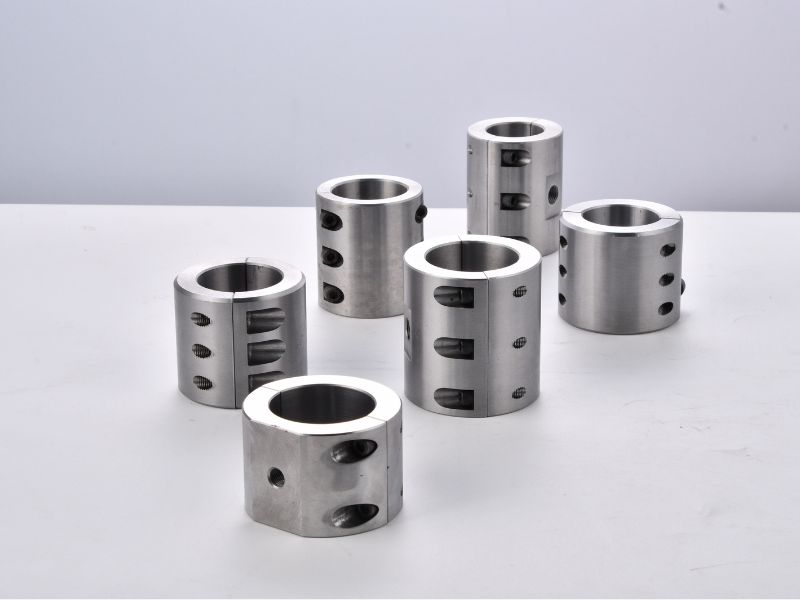
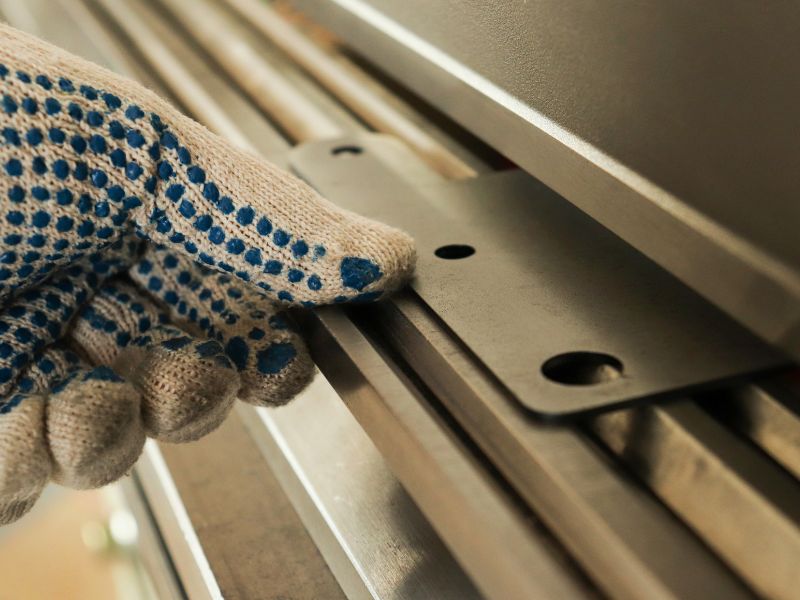
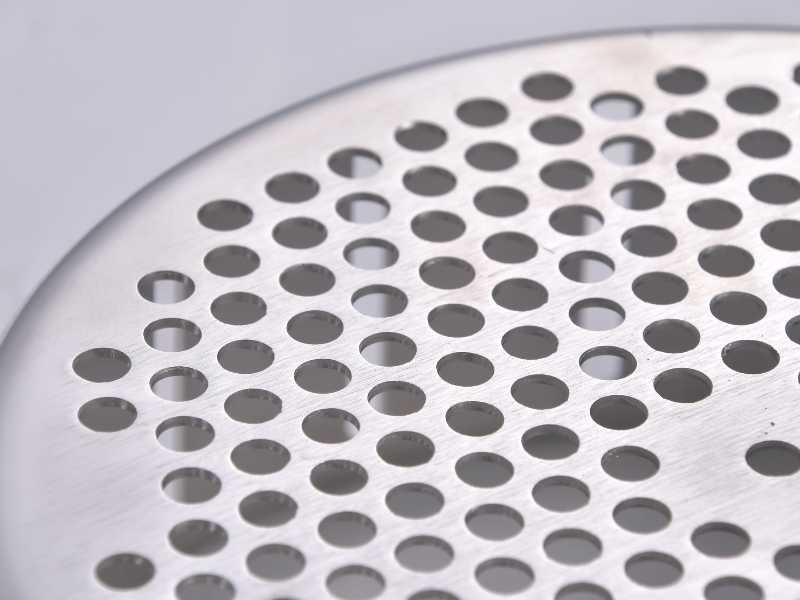
Custom CNC parts are made to your drawing when no listed product fits.
View product →Match the grade to the salt at the site, the metals the part touches, and how much it moves.
Grade 304 suits racking hardware, spacers, and brackets at inland sites with low chloride exposure. It costs less than 316L, so it fits whenever no coast, salt road, or chemical plant sits nearby.
Molybdenum gives 316L better pitting and crevice resistance than 304. That makes it the safer pick near the coast, on floating arrays, and at sites where soil or dust carries salt. Choose 316L when the part is welded after machining.
Heat treatment hardens 17-4PH, so pivot pins and shafts resist wear better than in 304 or 316L. Its pitting resistance is lower than 316L, which is why it stays out of standing salt water. For outdoor pins, ask for a tempered condition such as H1025.
Duplex 2205 has more than twice the yield strength of 316L, with better resistance to chloride stress corrosion cracking. It is available on request for stressed parts at coastal sites.
| Grade | Minimum yield strength | Pitting resistance (PREN, typical) | Typical solar use |
|---|---|---|---|
| 304 | 205 MPa | 18 to 20 | Racking hardware, spacers, and brackets at inland sites |
| 316L | 170 MPa | 24 to 26 | Coastal and floating sites, salty soil, and welded assemblies |
| 17-4PH (H1025) | 1000 MPa | Lower than 316L | Pivot pins and shafts, kept out of standing salt water |
| Duplex 2205 (on request) | 450 MPa | 34 to 36 | Stressed parts at coastal sites |
Values are typical for annealed 304, 316L, and 2205 plate and for 17-4PH in the H1025 condition, given for comparison. The final grade depends on your drawing and your site conditions.
Most failures start at an aluminum contact, a salty crevice, a loose thread, or a worn pivot bore.
In a wet joint, aluminum corrodes where it touches stainless steel. A small aluminum part against a large stainless one corrodes fastest. A polymer washer or sleeve between them breaks the contact. Show that washer on your drawing.
Salt spray leaves chlorides under washers, in thread roots, and in joint gaps. Pitting starts in those crevices, so a shape that drains helps. 316L also resists that pitting better than 304.
Aluminum rails expand more than stainless steel fasteners each day, so joint preload changes with temperature. Vibration then works a loosened thread free, which is why the lock nut and preload method belong on your drawing.
A tracker pivot turns every day. If the bore is out of line, it wears faster. UV does not harm stainless steel, but it ages plastic washers and bushings. Where the pivot takes the wear, ask for a metal sleeve.
Start from where the part sits in the structure, then take the grade from the fourth column.
| Mounting type | Parts that sit there | What goes wrong | Grade to quote first | Design check |
|---|---|---|---|---|
| Fixed-tilt ground mount | Threaded rod, spacers, tube clamps, brackets | Aluminum rails corrode where stainless touches them. Base plates sit near wet soil | 304 inland, 316L near the coast or in salty soil | Isolation at aluminum contact and the mating metals on the drawing |
| Single-axis tracker pivots | Spherical bearings, bushings, pivot pins | Daily turning wears the bore. Misalignment loads the pin | 17-4PH pins in H1025, with 316L sleeves at coastal sites | Metal sleeve in the bore and the misalignment angle on the drawing |
| Tracker linkage and drive | Rod ends, ball joints, clevis, universal joints | Threads loosen with vibration and daily cycling | 316L ends and clevis, 17-4PH for pins | Lock nut, preload method, and thread lubricant on the drawing |
| Rooftop and C&I | Brackets, spacers, threaded rod | Aluminum rail contact and water ponding at brackets | 304 inland, 316L near the coast or industrial exhaust | Isolation washer and a bracket shape that drains |
| Floating and coastal | Brackets, clevis, tube clamps, threaded rod | Salt spray and constant wet crevices | 316L, with Duplex 2205 on request for stressed parts | Crevice-free joints and passivation after welding |
This table gives no wind load, snow load, or life figures, because those belong to your structural design. We review the grade with you once we have the mounting type and the site.
Each structure puts different parts in the salt, the wet joint, or the daily movement. Find yours, then open the product page.

Fixed-tilt racking stands on posts and base plates in wet soil, with aluminum rails across the top. Threaded rod, spacers, tube clamps, and brackets brace and join that frame. The rail metal and the soil type set the grade.

A single-axis tracker turns each row at pivots on the posts, driven through an actuator linkage. Spherical bearings and bushings sit in the pivots, while rod ends, clevis fittings, and ball joints sit in the linkage. Send the pin diameter and the misalignment angle with your inquiry.
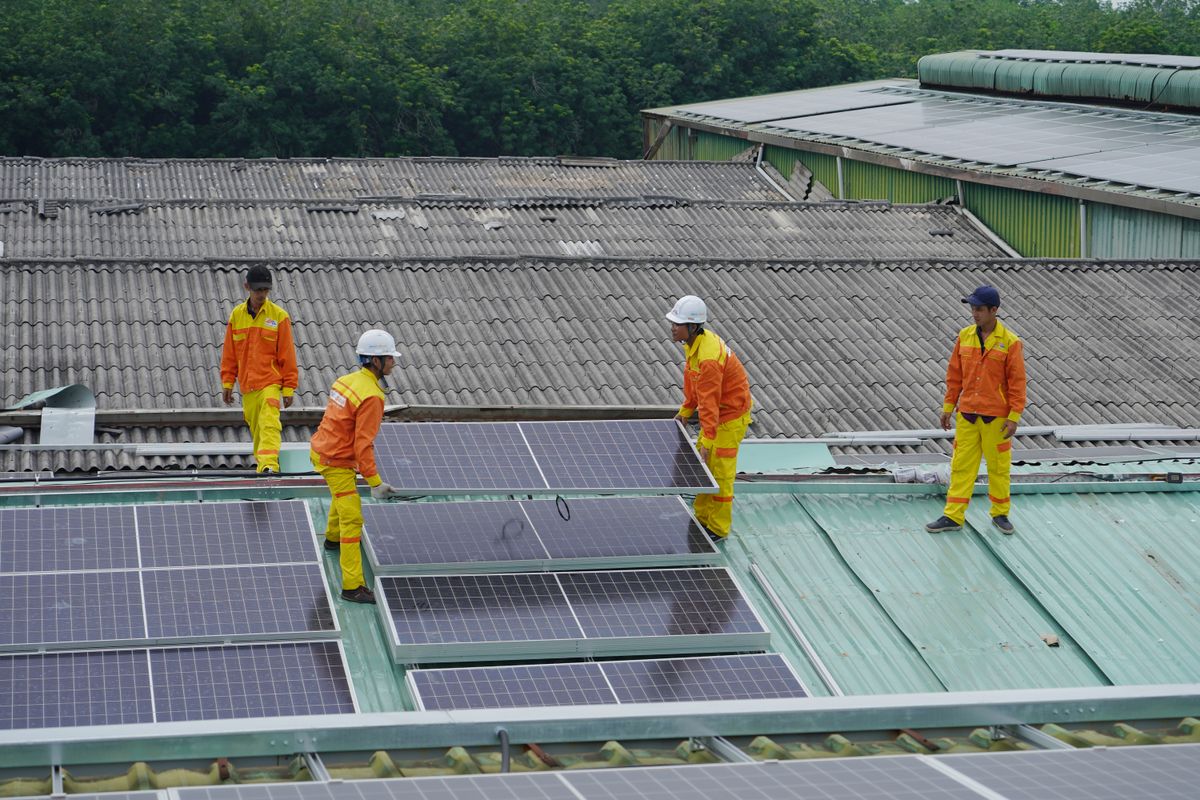
Rooftop and carport arrays hang their rails from brackets that sit close to wet roof surfaces. Sheet metal brackets, spacers, and threaded rod hold the rails off the structure.
Floating arrays and coastal farms see salt spray, splash, and wet crevices at every joint. Clevis fittings, tube clamps, threaded rod, and spherical bearings join the frame and the float connections. Against that salt, 316L is the first grade to quote.
Three routes cover most solar hardware. Each links to its product page.

We mill brackets, housings, and multi-face parts to your drawing, with tolerances typically held to ±0.01 mm. 5-axis machining is available on request when a part needs it.
View CNC Parts →
Spacers, bushings, pins, shafts, and rod end bodies are turned to your drawing or sample.
View CNC Turning Parts →We stamp and bend brackets and plates to your drawing.
View Sheet Metal Parts →Four steps take an order from drawing to shipment.
Send a drawing, a sample, or a worn part with the details in the checklist below.
Engineering reviews the grade, geometry, and site conditions, then issues the quotation.
Sample parts are made for your approval before production starts.
Production follows the approved sample. Finished parts then ship by sea, air, or express courier.
Tracker makers and EPC fabricators order small, mixed, drawing-based orders. These are the ways we make that easier.
Tracker makers and EPC fabricators order straight from the factory that cuts the metal.

A tracker or racking frame rarely needs one part, so one order can cover the pivots, the linkage, and the supports together.
Send a drawing, a sample, or a worn part with the details below.
Include as many of these details as you have.
We check grade, geometry, and finish against your site, then quote.
These short answers cover the first engineering and purchasing questions.
316L resists chloride pitting better than 304, so it is the grade near the coast, on floating arrays, and where soil or dust carries salt. The site and the mating metals set the final choice.
They can, but in a wet joint the aluminum corrodes faster at the contact point. A polymer washer or sleeve between the two breaks that contact. List both metals on your drawing.
Yes. We measure a corroded rod end, bushing, or spacer and quote a copy. The structure and the position of the part let us check the fit.
17-4PH is a regular grade for pivot pins and shafts. For outdoor use, a tempered condition such as H1025 is the one to ask for. Duplex 2205 is available on request for stressed parts at coastal sites.
Use different grades for the bolt and the nut, add thread lubricant, and tighten slowly. We machine the parts in whichever grades your drawing calls out.
We offer passivation, electropolishing, blackening, and shot blasting as services for parts that need them. Other finishes are available on request. Name the finish in the inquiry so it is priced into the quotation.
Send the drawing, grade, site, and quantity for a quotation.