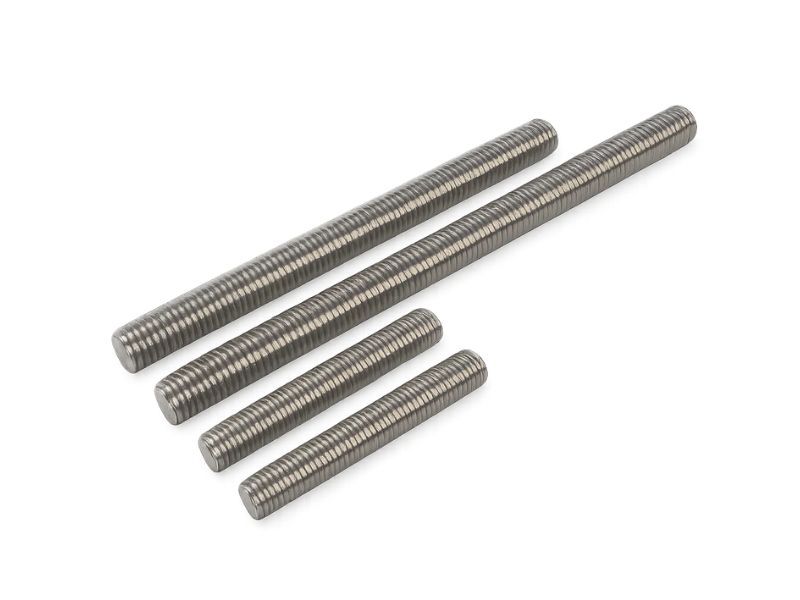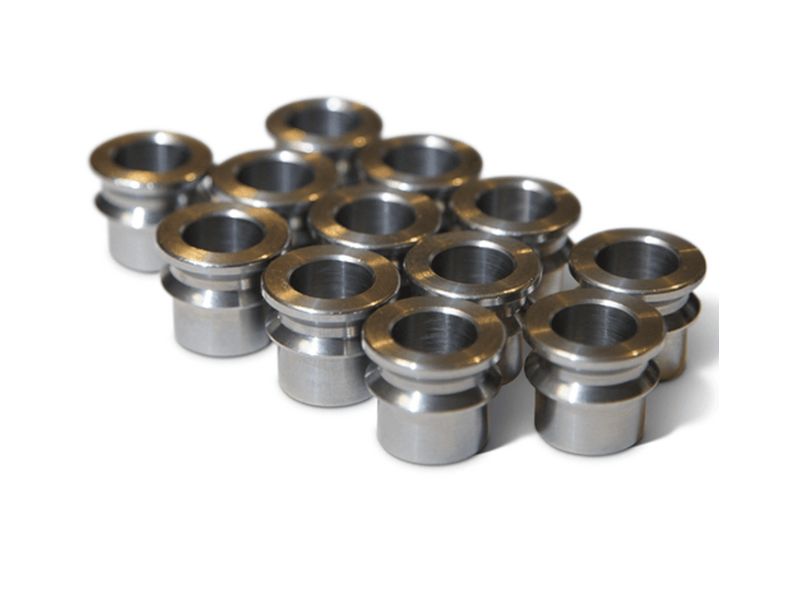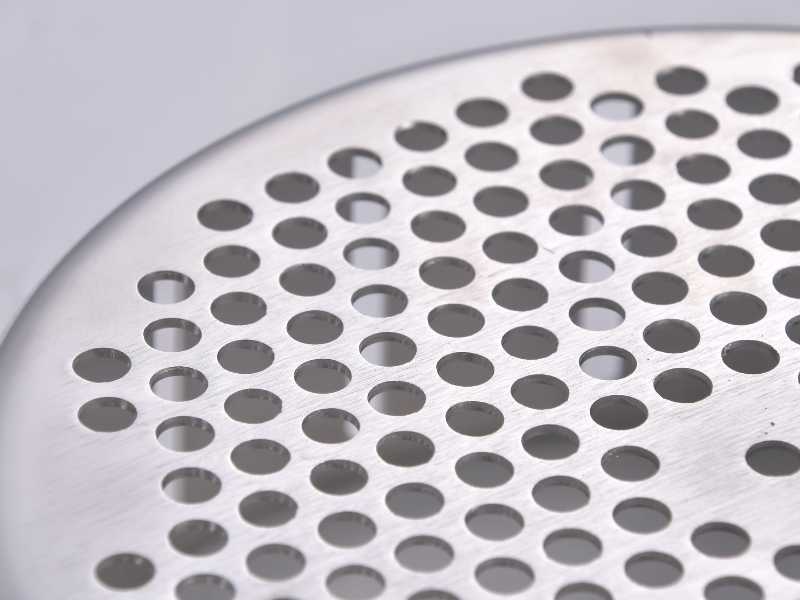
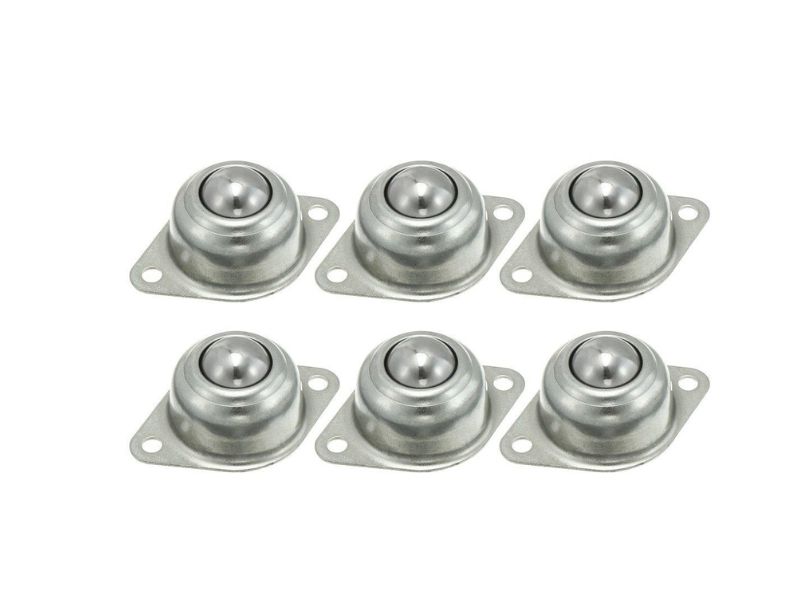
Mounting & Spacing

Stainless Steel Ball Transfer Units

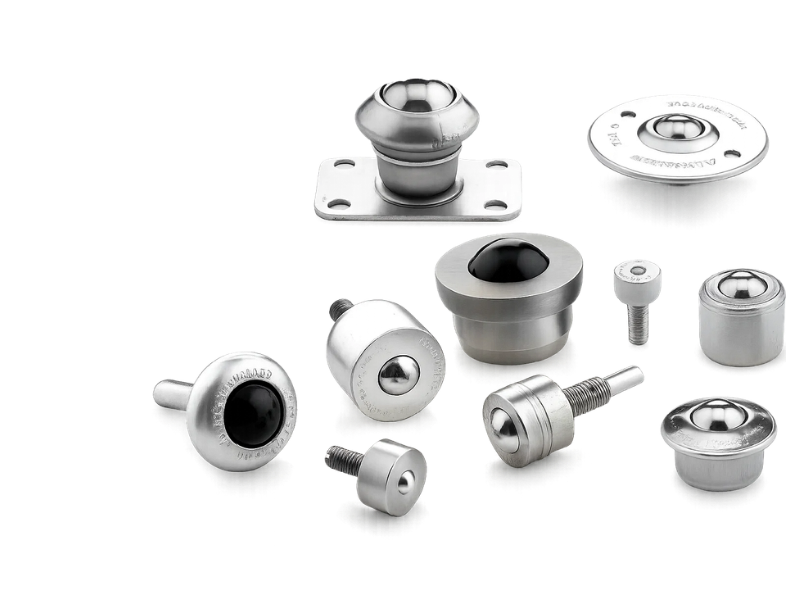
Profab Machine makes stainless steel ball transfer units to your drawing or sample, including non-standard sizes and mounting styles. Our engineers review the ball diameter, mounting, load, and environment before production. We stay in touch from the first quote to final delivery.

  • Flange, Stud & Recessed Mount
  • Spring Loaded & Low Profile
  • 304, 316L & 17-4PH
  • Made to Drawing or Sample
View All Types
Stainless steel ball transfer units
Product Overview

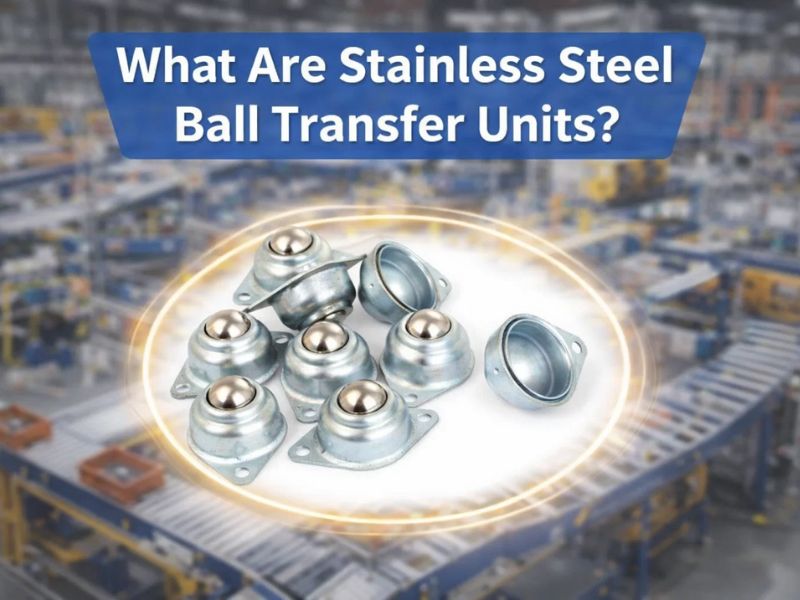
What Are Stainless Steel Ball Transfer Units?

A ball transfer unit is a load ball held in a housing on smaller support balls, so a package, pallet, or workpiece can move in any direction across it. It is a single load-bearing component, not a conveyor. It differs from a shaft bearing because it supports a load from below and rolls in any direction.

Stainless steel is used where wash water, chemicals, or salt would corrode carbon steel ball transfer units. Specify a ball transfer unit by ball diameter, body size, mounting style, load, working direction, and grade.

Multi-Directional Washdown Ready Made to Drawing
Product Range

Types of Stainless Steel Ball Transfer Units

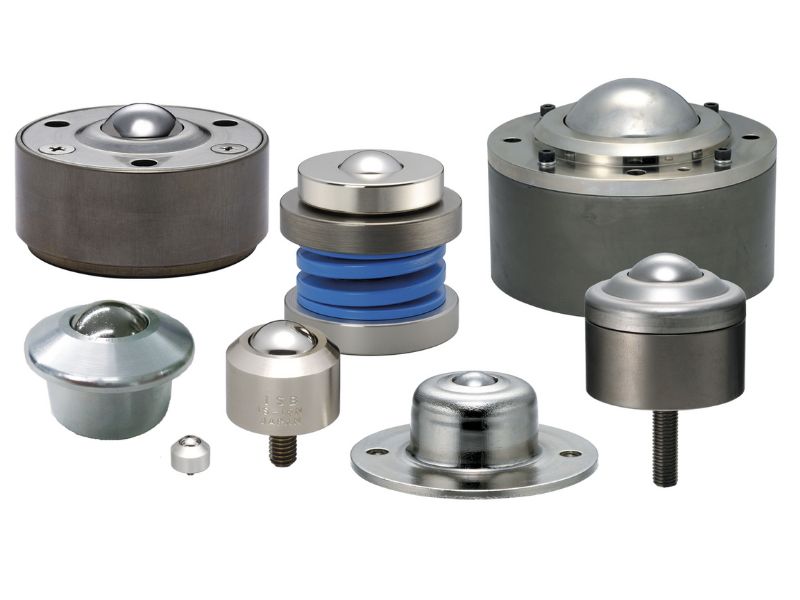
Profab Machine makes stainless ball transfer units in the families below, and each one is built to your load, mounting space, and environment. Send a drawing, a sample, or a part number, and we will quote from it.

Stainless steel ball transfer unit, all stainless type

All Stainless Steel Ball Transfer Units

304 / 316L Washdown

In all stainless steel ball transfer units the housing and the load ball are stainless steel in 304 or 316L, so they suit food, pharmaceutical, chemical, and marine equipment where a carbon steel ball transfer unit would corrode. Tell us if the support balls and spring must be stainless as well.

Stainless ball transfer unit with carbon steel housing

Stainless Ball, Carbon Steel Housing Ball Transfer Units

General Industrial Lower Cost

A ball transfer unit with a stainless load ball in a carbon steel housing costs less and suits dry general industrial handling, where the housing is not exposed to water or chemicals.

Heavy duty stainless ball transfer unit

Heavy Duty Ball Transfer Units

Machined Body Impact Loads

A reinforced housing lets heavy duty ball transfer units carry heavy loads and impact, as in mold handling and aircraft tooling.

Spring loaded stainless ball transfer unit

Spring Loaded Ball Transfer Units

Shock Absorbing Return Action

The built-in spring of a spring loaded ball transfer unit absorbs shock and returns the ball to height, which suits positioning and buffering stations.

Miniature stainless ball transfer unit

Miniature Ball Transfer Units

Compact Cleanroom

The small body of a miniature ball transfer unit fits tight spaces and clean areas. Miniature ball transfer units are common in electronics and precision handling.

Embedded recessed mount stainless ball transfer unit

Embedded / Recessed Ball Transfer Units

Flush Mount Automation

A recessed ball transfer unit sits flush with the surface, so it fits into automation tables and stations without raising the product.

Flange mounted stainless ball transfer unit

Flange Mounted Ball Transfer Units

Bolt-Down Modular Conveyors

The flange of a flange mounted ball transfer unit bolts straight onto heavy bases and modular conveyors.

Low profile stainless ball transfer unit

Low Profile Ball Transfer Units

Short Height Restricted Space

A low profile ball transfer unit has a short body, so it works where height is limited and the product still needs to roll freely.

Part Comparison

Ball Transfer Unit, Ball Bearing, Ball Caster, or Roller Conveyor?

Ball Transfer Unit or Ball Bearing

A ball transfer unit holds a large load ball that supports a product from below and rolls in any direction. A ball bearing supports a shaft or a ring and turns in one plane, so it does not replace a ball transfer unit.

Ball Caster or Roller Conveyor

A ball caster is a ball held in a housing and mounted under equipment so the equipment rolls on it. A roller conveyor uses cylindrical rollers that move product in one direction. Choose a ball transfer unit when the load must be turned or moved in several directions.

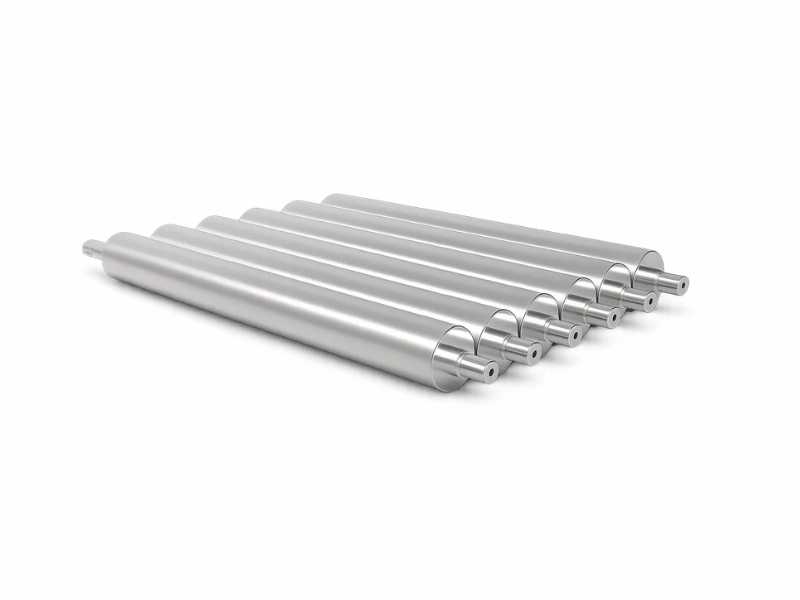
See our roller conveyors for one-direction conveying.

Size Guide

Typical Ball Transfer Unit Sizes & Load Ratings

The table shows typical ball sizes and ratings for stainless flange ball transfer units. Your drawing sets the exact dimensions of the ball transfer unit.

Ball DiameterInchTypical Ball-Up LoadTypical Ball-Down Load
15.8 mm5/8 inabout 12 kgabout 6 kg
19 mm3/4 inabout 25 kgabout 10 kg
25.4 mm1 inabout 55 kgabout 25 kg
31.7 mm1 1/4 inabout 125 kgabout 55 kg
39.7 mm1 9/16 inabout 140 kgabout 60 kg
50.8 mm2 inabout 250 kgabout 100 kg

Typical ratings for stainless flange ball transfer units, taken from published manufacturer catalogs and rounded, for reference only. Capacity depends on the model, the housing, and the working direction, so confirm the rating for your ball transfer unit before ordering.

Material Specification

Choosing the Right Grade

304 Stainless

304 stainless steel ball transfer units suit indoor machinery, automation, and dry to mildly humid areas, and they handle routine cleaning chemicals. Avoid them in continuous salt spray and chloride-heavy washdown.

Food Automation Indoor

316L Stainless

316L stainless steel ball transfer units are the standard choice for marine, chemical, and food equipment cleaned with CIP chemistry. The 2 to 3% molybdenum in 316L protects against chloride pitting far better than 304 does.

Marine Chemical Washdown

17-4PH

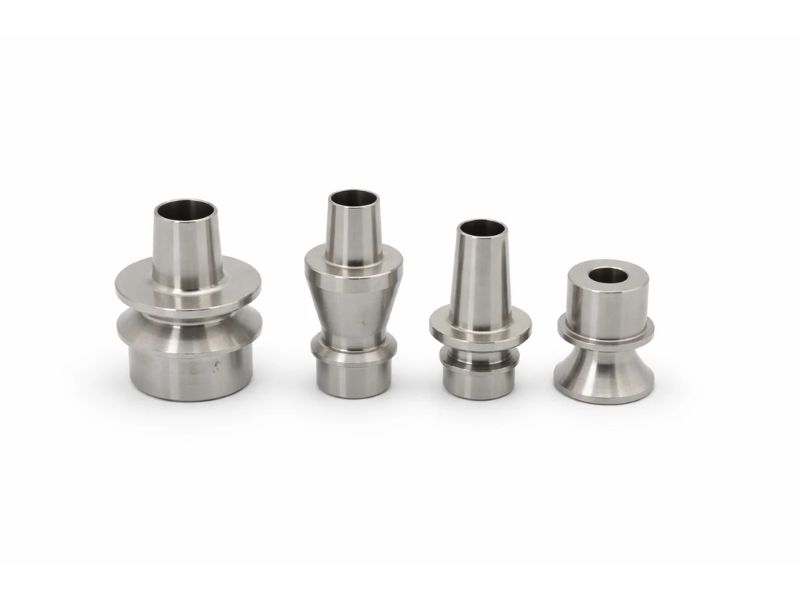
17-4PH is a precipitation-hardened grade that reaches about 1,310 MPa tensile strength in H900 condition. We use it for ball transfer unit housings, seats, or other parts where hardness and strength govern. It is available on request.

High Load Wear Parts
Applications

Stainless Steel Ball Transfer Units By Industry

Stainless steel ball transfer units belong at the points of a line where a load must turn or slide in any direction and the surface meets water, chemicals, or frequent cleaning. Each application below names the station where the ball transfer units are fitted.

Ball Transfer Units for Logistics & Sortation

If your station needs smooth, multi-directional movement, Profab stainless ball transfer units are a good choice. They suit wet, chemical, food processing, and medical areas. Typical uses include:

  • Production and assembly lines use ball transfer units to slide a workpiece sideways between stations.
  • Packaging and picking systems use ball transfer units so cartons turn and shift by hand.
  • Inspection benches use ball transfer units to position a part under the gauge.
  • Pallet and crate stations use heavy duty ball transfer units as rolling supports.
  • Robot end-of-line platforms use ball transfer units to let an operator nudge a pallet into the robot reach.
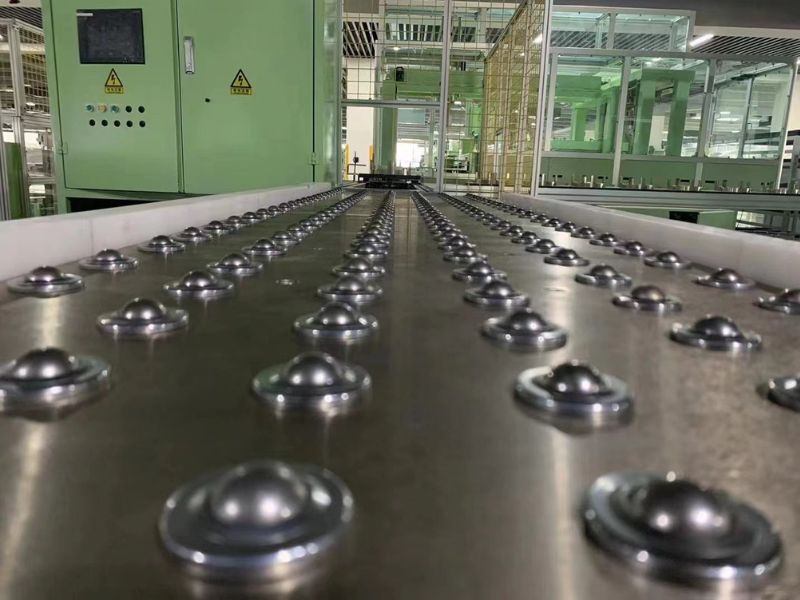
Stainless steel ball transfer units on a conveyor table

Optimizing Ball Transfer Units to Prevent Failures

Ball transfer units usually fail because point loads, duty cycles, or contamination were underestimated. A lightweight housing can deform under a concentrated load, which makes the ball turn unevenly and raises friction. Too little ball support wears the ball transfer unit faster and can end in jamming.

We review your real operating conditions with you and recommend the ball diameter, the support layout, and the housing thickness that suit the load.

Stainless steel ball transfer units for material handling
Selection Guide

How to Specify Stainless Steel Ball Transfer Units

Work through these points before you request a quote, and send what you know.

FactorWhat to ConfirmWhy It Matters
Ball and body sizeLoad ball diameter, body diameter, and overall heightThese set the rating and decide whether the ball transfer unit fits your hole or frame.
MountingFlange, stud, or press-fit, with hole size or threadThe mounting style decides the dimensions and how the ball transfer unit is removed.
LoadLoad per ball transfer unit, shock load, and the number of active ball transfer unitsA table rarely loads every ball transfer unit equally.
OrientationBall-up, ball-down, or angledCapacity of a ball transfer unit changes with the working direction.
Environment and sealWashdown, dust, salt, chemicals, and temperatureContamination and cleaning chemistry decide the seal and the grade of the ball transfer unit.
Material304, 316L, or 17-4PH, and which parts must be stainless"All stainless" must name which parts of the ball transfer unit are stainless: the housing, the load ball, and the support balls.
Special featuresSpring, low profile, recessed, or non-marking ballThese change the height and the load path of the ball transfer unit.
Why Profab

Your Reliable Ball Transfer Units Supplier

01

Direct from the Manufacturer

We CNC machine your ball transfer unit parts ourselves, so you deal directly with the factory. Tiered pricing is available on larger orders.

02

Engineering Support and Sampling

Send a CAD file, a sample, or a drawing, and our engineers will review the ball diameter, the mounting, and the load before cutting metal. For new custom ball transfer units we make a sample first. Samples are typically ready in about 20 days.

03

Pricing That Scales With Your Order

Ball transfer unit pricing is tiered by order quantity. We are glad to talk through terms for long-term partnerships.

FAQ

Common Questions

Not seeing your question? Email us at [email protected] and we typically reply same day.

More Questions
How are stainless ball transfer units mounted?

The common styles are flange mount, stud mount, and press-fit or recessed mount. Each one needs different dimensions from you. Send the mounting style with the panel hole or stud thread, and we will confirm the fit against your drawing or sample.

Does the capacity of a ball transfer unit change with orientation?

Yes. A ball transfer unit that carries a given load ball-up can carry less ball-down or at an angle. Shock and side loads are harder on it than a smooth load. Tell us the working direction and the load footprint, and we will review the ball transfer unit against them.

How many ball transfer units does a table need?

A common rule is to divide the load weight by 3 for the maximum load on any one ball. Set the ball transfer unit spacing at no more than the narrowest dimension of the load divided by 3.5, so the load rests on at least three ball transfer units. A ball transfer unit rating does not validate a whole table, so send us the load and the frame and we will review how many ball transfer units the table needs.

Is stainless steel enough for a wet or hygienic area?

Stainless steel resists rust, but wear and contamination depend on the seal, the ball support, and how you clean. Tell us the cleaning method and the environment, and we will recommend 304 or 316L and the ball transfer unit style.

What should I send to quote a custom or replacement ball transfer unit?

Send a part number, a sample, or a drawing, or list the ball diameter, body diameter and height, mounting style, load, working direction, and quantity. Photos of the worn ball transfer unit help.

How to Order

From Inquiry to Delivery

1

Send Specs

Send the ball diameter, mounting style, load, working direction, grade, and quantity, plus a drawing or sample.

2

Respond Within 24 Hours

Our engineers review your ball transfer unit request or drawing and send you a specific quote within 24 hours.

3

Production

Standard lead time for ball transfer units is 30 days. Custom designs are sampled before the full production run.

4

Delivery

We ship ball transfer units by sea, air, or express courier. A tracking number follows once the order ships.

We support small-batch and prototype runs with no hard minimum order quantity. A first prototype run is typically around 100 pieces.

Blog

Ball Transfer Units Knowledge Base

Common ball transfer unit problems

Common Ball Transfer Unit Problems: Noise, Wear, Load Issues, and Fixes

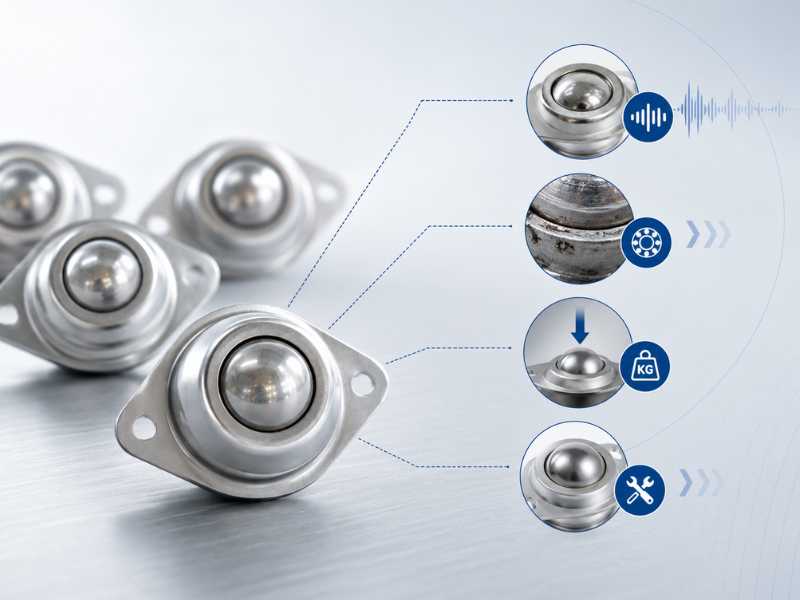
Most ball transfer unit failures trace back to identifiable causes at installation or in the operating environment, and this guide shows how to read the symptoms.

Read More »
Ball transfer units in food processing

How Ball Transfers Improve Efficiency in Food Processing Systems

Ball transfer units let goods glide in any direction, which prevents bottlenecks and keeps food lines moving.

Read More »
What stainless ball transfer units are used for

What are Stainless Steel Ball Transfer Units Used For?

Stainless steel ball transfer units are used for multi-directional material handling in corrosive, hygienic, and high-load environments.

Read More »
Get in touch with

Ready to Source Stainless Steel Ball Transfer Units?

If you already have drawings, email [email protected] directly and we will quote from them.

[email protected] ↗
Request a Quote

Include the key dimensions, grade, and quantity in your message.

Send Your Inquiry Today