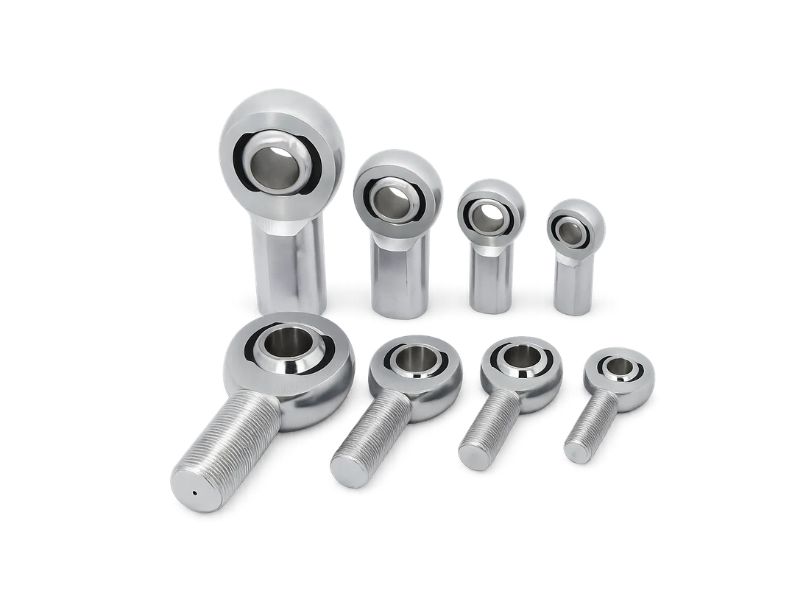
Rod Ends
Rod ends join an actuator or a pushrod to a lever on ground equipment, test rigs, and UAV linkages.
View product →
Profab machines stainless steel rod ends, spherical bearings, clevis fittings, and support parts for aircraft ground equipment, test rigs, and MRO tooling. Parts are made from your drawing, sample, or worn part. Grades are 304, 316L, and 17-4PH. We serve the equipment around the aircraft and linkage prototypes, but we do not supply flight-certified hardware.

Open a product page for sizes and grades, or send a drawing for a part not listed.
Rod ends join an actuator or a pushrod to a lever on ground equipment, test rigs, and UAV linkages.
View product →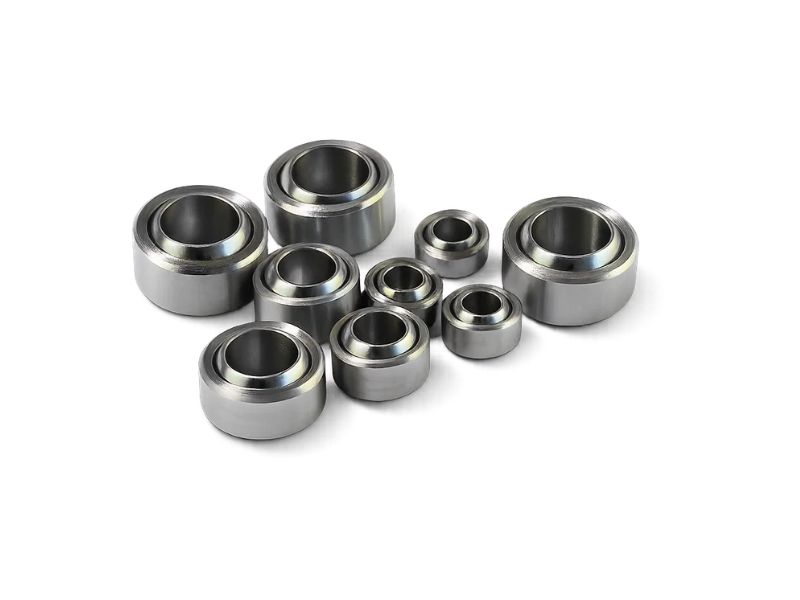
Spherical bearings sit in pivots, where a link must swing while the mounts are slightly out of line.
View product →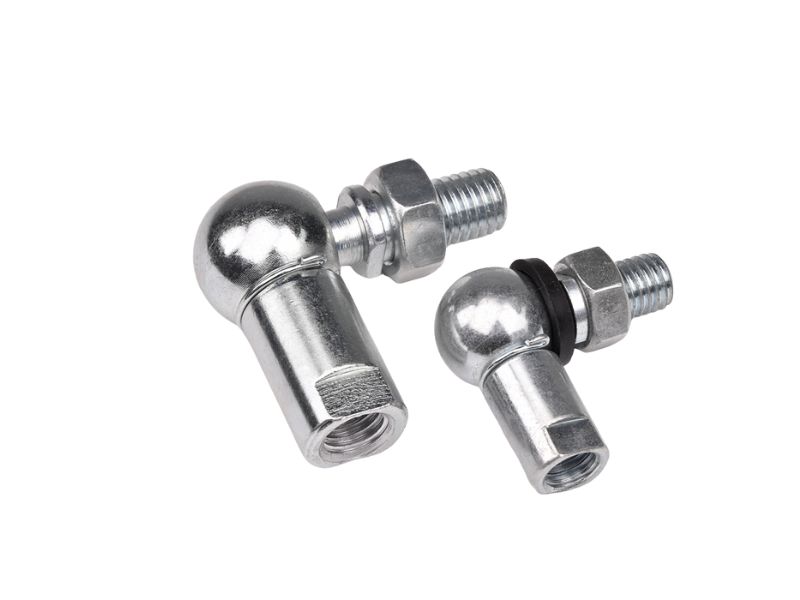
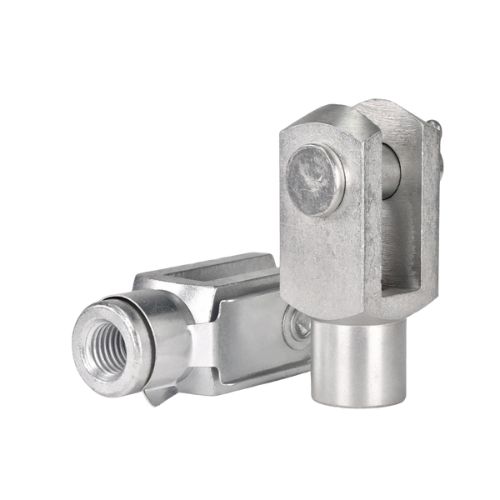
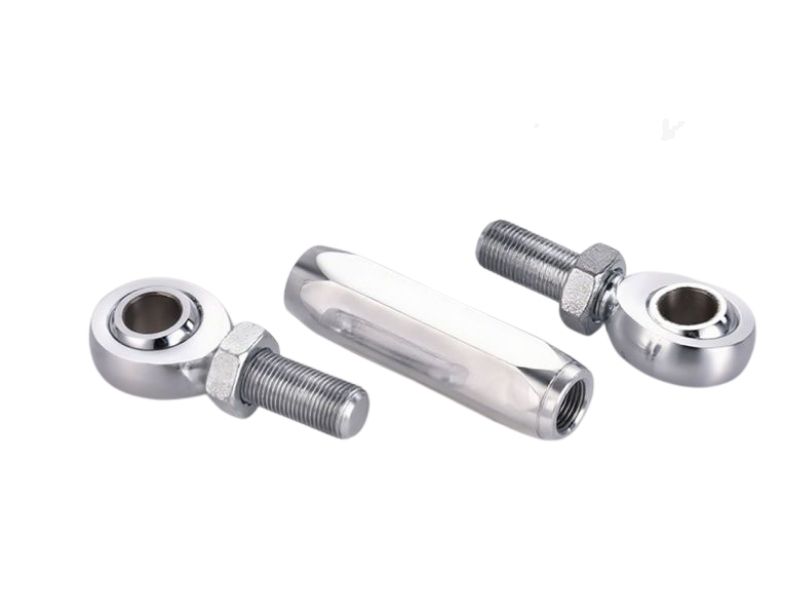
Tie rods give an adjustable-length link for stand legs, rig struts, and pushrods.
View product →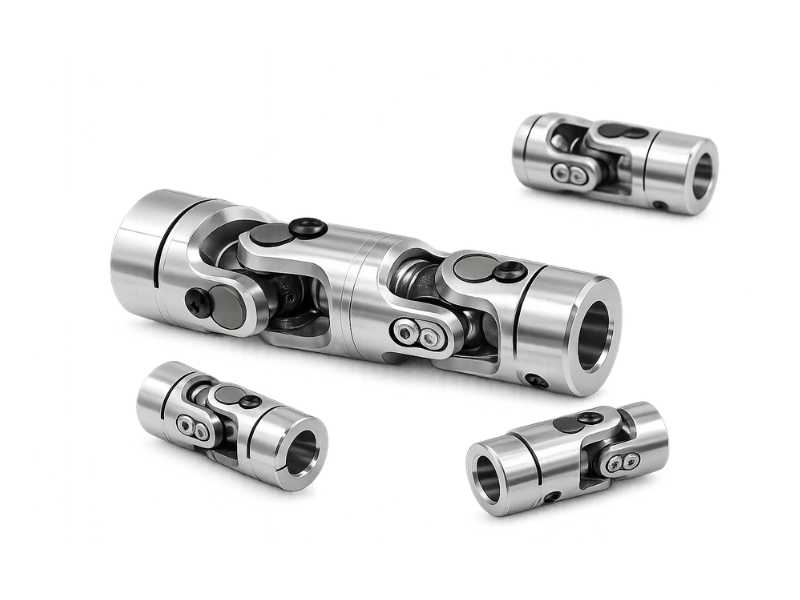
Universal joints carry torque across an angle on test-rig drive lines.
View product →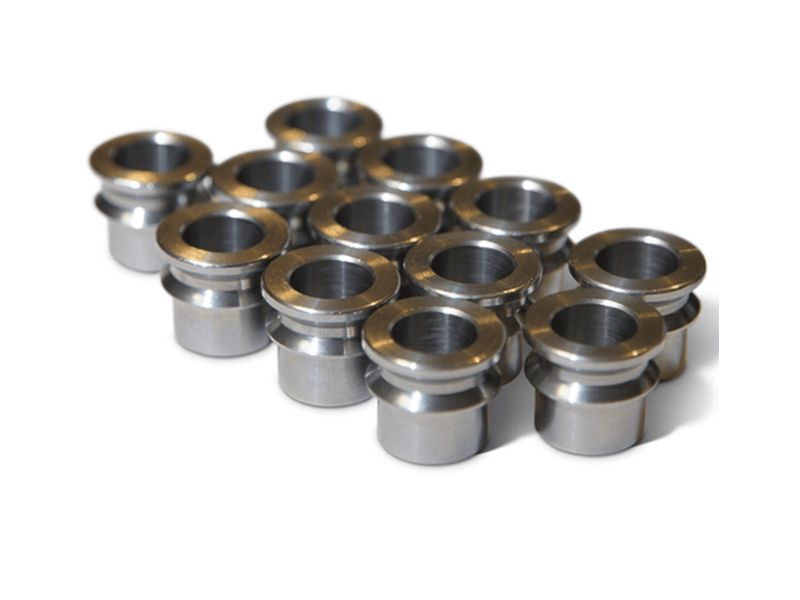
Plain and flanged bushings line the pivot bores on carts, stands, and fixtures. That way the metal sleeve takes the wear.
View product →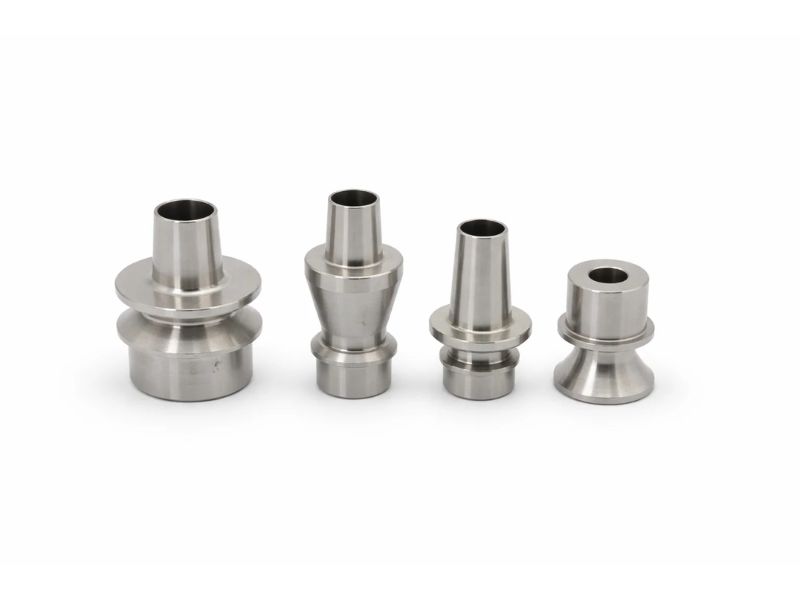
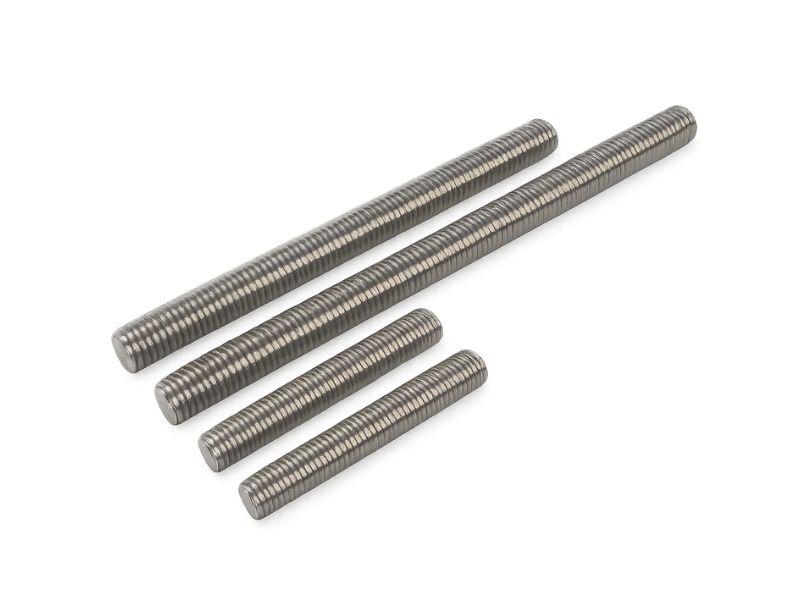
Threaded rod is cut to length for braces, hangers, and height-adjust studs.
View product →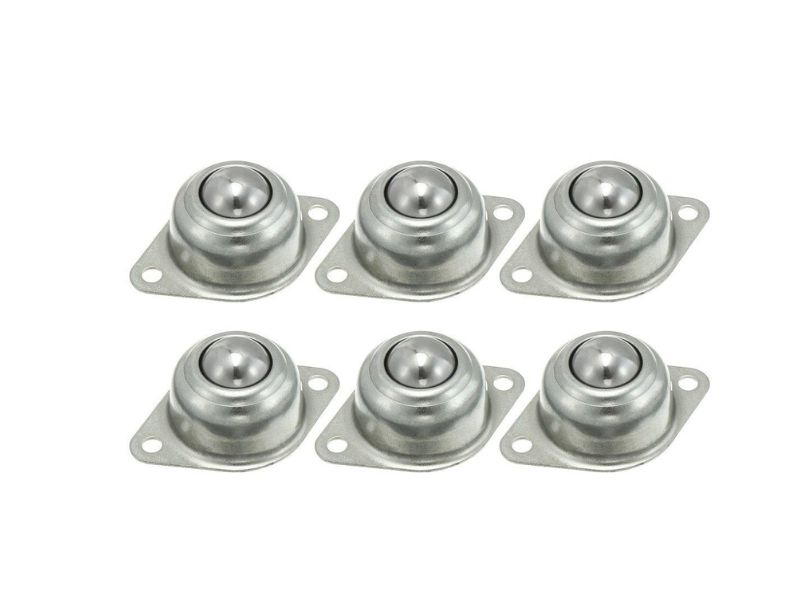
Ball transfer units let cargo and baggage loads roll in any direction on loader decks and transfer tables.
View product →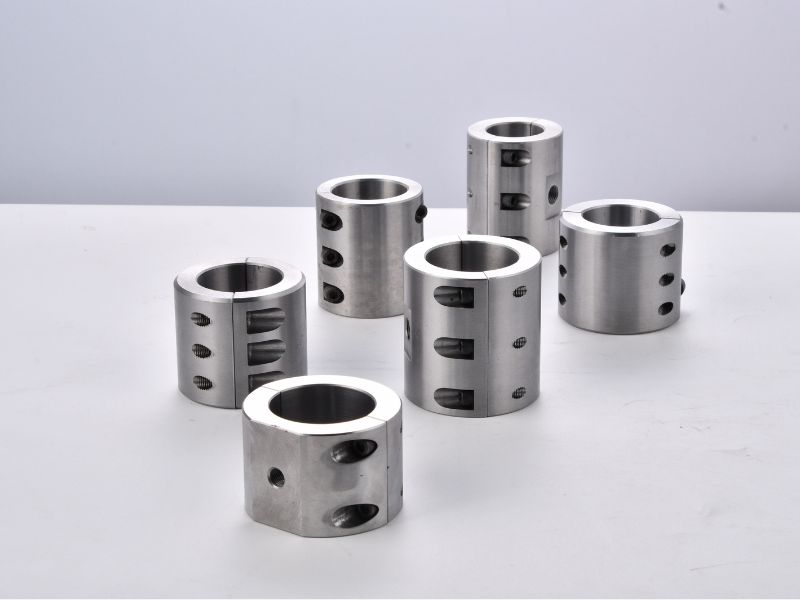
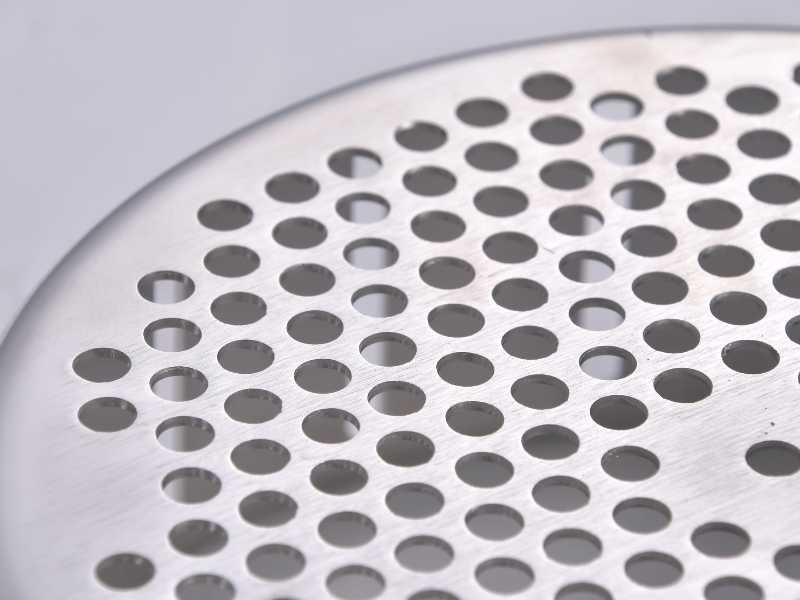
Custom CNC parts are made to your drawing when no listed product fits.
View product →Match the grade to the load the part carries, the weather and fluids around it, and the metals it touches.
Grade 304 suits fixtures, spacers, and brackets on hangar and shop equipment with low chloride exposure. It costs less than 316L, so it is the sensible pick when the part stays indoors and clear of wash fluids.
Molybdenum gives 316L better pitting and crevice resistance than 304. That makes it the safer pick on ramp equipment, near wash areas, and at coastal airfields. Choose 316L when the part is welded after machining.
Heat treatment makes 17-4PH about six times as strong in yield as annealed 316L, which lets pins and link bodies be smaller. Ask for the H1025 condition, because the harder H900 condition is more prone to stress corrosion cracking and hydrogen embrittlement.
15-5PH has similar corrosion resistance to 17-4PH with better toughness across the grain. It is available on request for larger sections. A286 and nickel alloys such as Inconel are available too.
| Grade | Minimum yield strength | Pitting resistance (PREN, typical) | Typical use |
|---|---|---|---|
| 304 | 205 MPa | 18 to 20 | Fixtures, spacers, and brackets on indoor equipment |
| 316L | 170 MPa | 24 to 26 | Ramp, wash-area, and coastal equipment, plus welded frames |
| 17-4PH (H1025) | 1000 MPa | Lower than 316L | Pins, link bodies, and shafts, kept out of standing wet joints |
Values are typical for annealed 304 and 316L plate and for 17-4PH in the H1025 condition, given for comparison. The final grade depends on your drawing and the conditions around the part.
Most failures start at a notch, a loose thread, an aluminum contact, a hardened part exposed to hydrogen, extra weight, or a worn pivot.
Repeated push and pull starts cracks at thread roots, shoulder corners, and cross holes. A larger radius at each corner spreads that stress. We machine the radius as drawn.
When vibration works a thread loose, the joint loses preload and wears faster. A lock nut, a thread locker, or a lockwire hole holds the thread. We machine cross-drilled holes for lockwire or cotter pins to your drawing.
In a wet joint, aluminum corrodes where it touches stainless steel. A polymer washer or sleeve, or a sealant, between them breaks the contact. List both metals in your inquiry.
High-strength 17-4PH in the H900 condition can crack under stress when hydrogen enters it. Electroplating adds hydrogen, so ask for H1025 and passivation instead of plating.
Stainless steel is about three times as dense as aluminum. A stronger grade does not make the part stiffer, but it lets a 17-4PH pin or link be smaller. On drone builds, keep stainless steel to pins, ends, and hardware.
A pivot that swings through a small angle fretts its bore, a wear that misalignment speeds up. A metal sleeve in the bore takes that wear instead.
Start from how the part carries its load, then quote the grade in the fourth column.
| Load path | Parts that carry it | What goes wrong | Grade to quote first | Design check |
|---|---|---|---|---|
| Axial push-pull link | Rod ends, tie rods, clevis fittings | Cracks at thread roots, threads loosened by vibration | 17-4PH H1025 for ends and bodies, 316L where the link stays wet | Thread root radius, lock nut or lockwire hole, and the end-to-end length on the drawing |
| Pin in shear | Clevis fittings, custom pins | Cracks at shoulder corners, a pin that wears its bore | 17-4PH H1025, inside a 316L sleeve outdoors | Fillet radius, pin-to-bore fit, and the cotter-pin hole on the drawing |
| Misaligned pivot | Spherical bearings, ball joints, bushings | A fretted seat, a shank loaded by misalignment | 316L for wet service, 17-4PH for the pin | Misalignment angle and a metal sleeve in the bore |
| Clamped joint | Spacers, threaded rod, brackets | Lost preload, aluminum that corrodes where it touches stainless steel | 304 indoors, 316L outdoors | Isolation at the aluminum contact, preload method, and locking |
| Point load on a rolling deck | Ball transfer units, custom plates | Dirt and wear build up in the ball seat | 304 in the hangar, 316L on the ramp | Mounting orientation and the unit count per deck on the drawing |
This table gives no load rating or life figure, because those belong to your design. Send the load path and the equipment so we can review the grade with you.
Pick the equipment you build or service, then open the product page. We make parts for the equipment around the aircraft, while flight hardware stays with an aerospace-approved supplier.
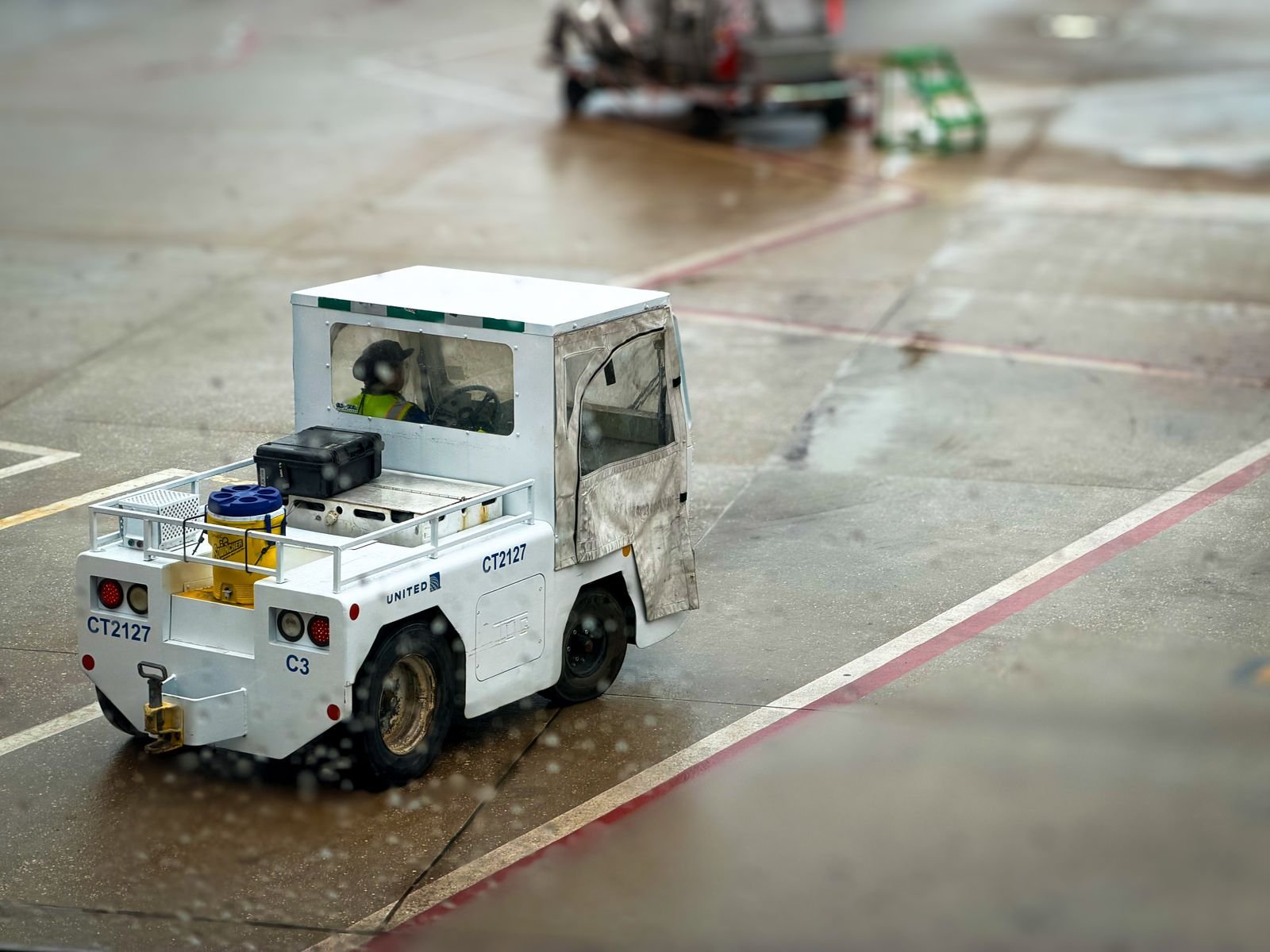
Cargo loaders, baggage carts, and maintenance stands sit on the ramp in rain, wash fluids, and de-icing spray. Ball transfer units roll the cargo on loader decks. Bushings and clevis fittings sit in the stand pivots.
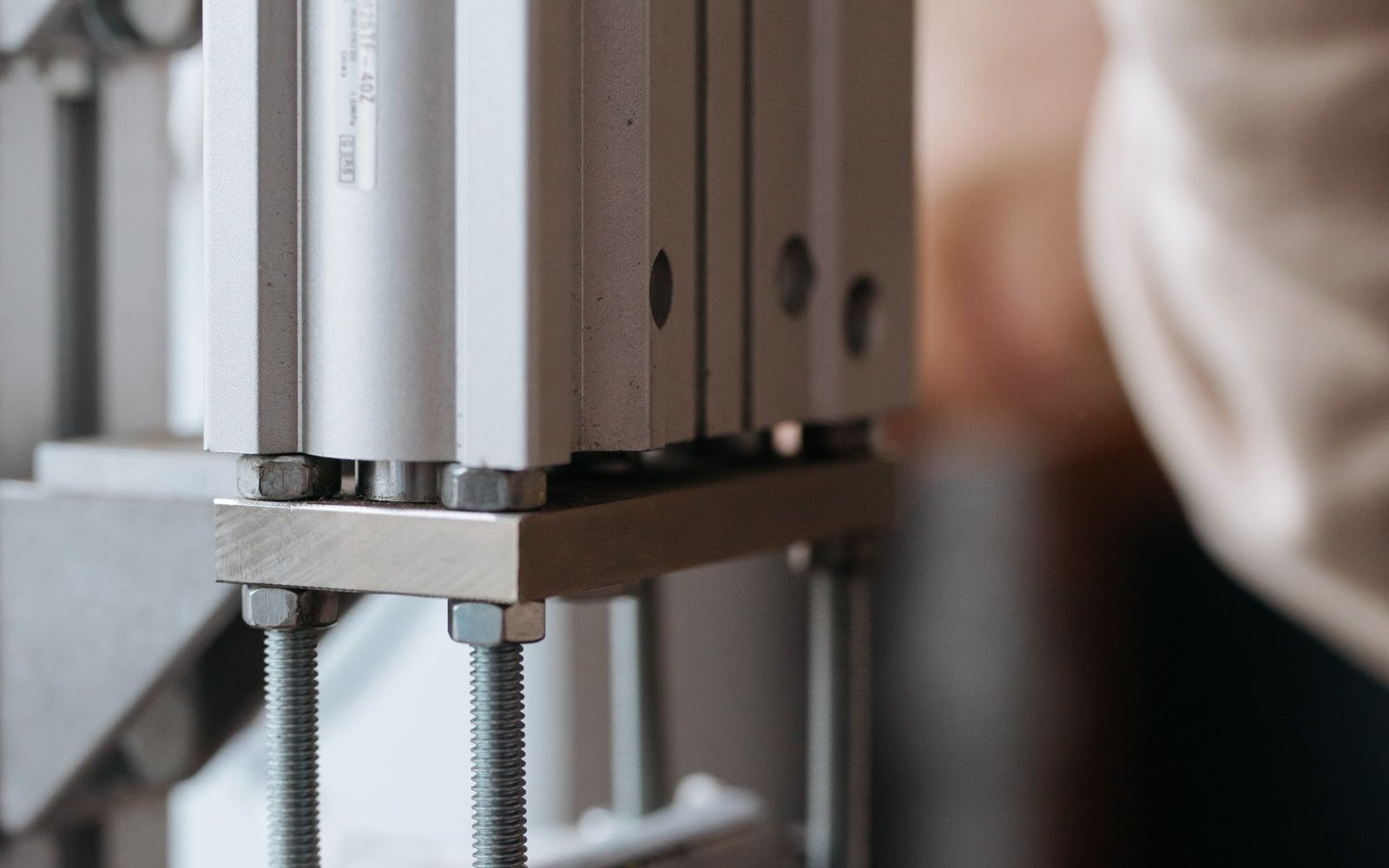
A linkage on ground and test equipment joins an actuator to a lever through a pushrod and its pivots. Rod ends, tie rods, and spherical bearings sit at those joints.
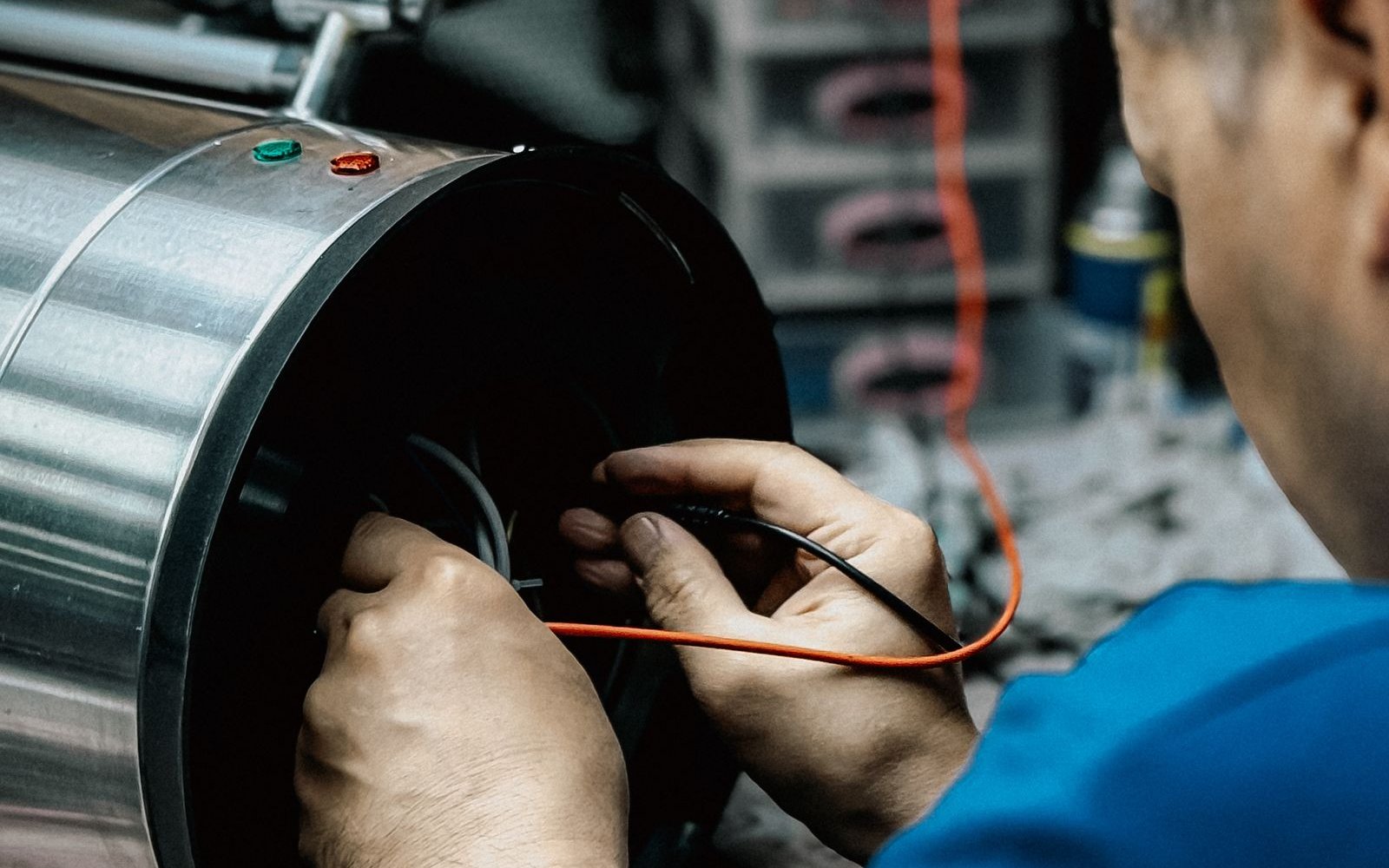
An actuator or bearing test rig holds the unit under test on a frame and drives it through a shaft. Universal joints carry the drive, while spacers, threaded rod, and custom plates set the frame.
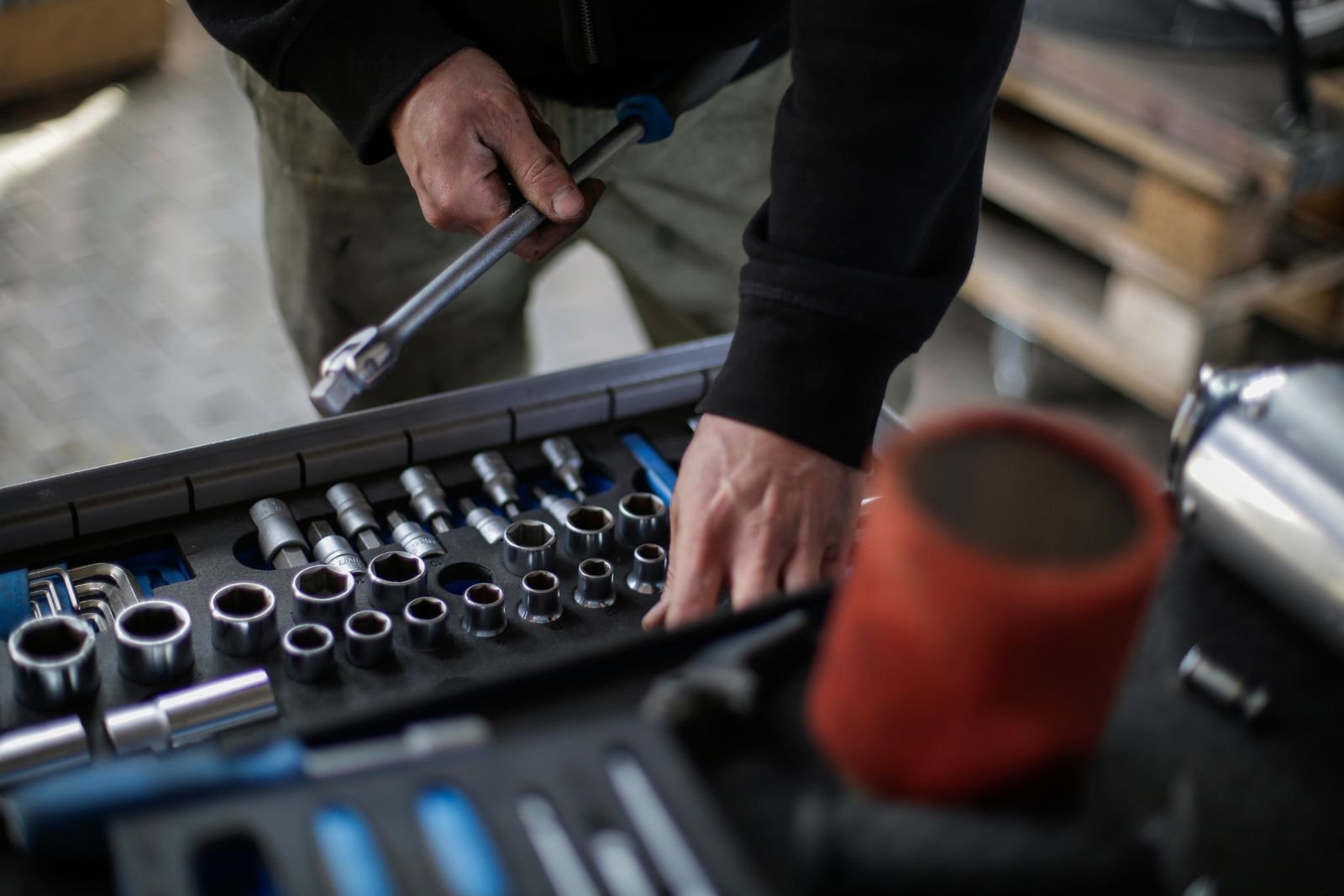
A maintenance shop holds engines, gearboxes, and panels on stands, jigs, and support fixtures. Tooling pins, spacers, and sheet metal brackets are made to the shop's drawing or copied from a worn tool.
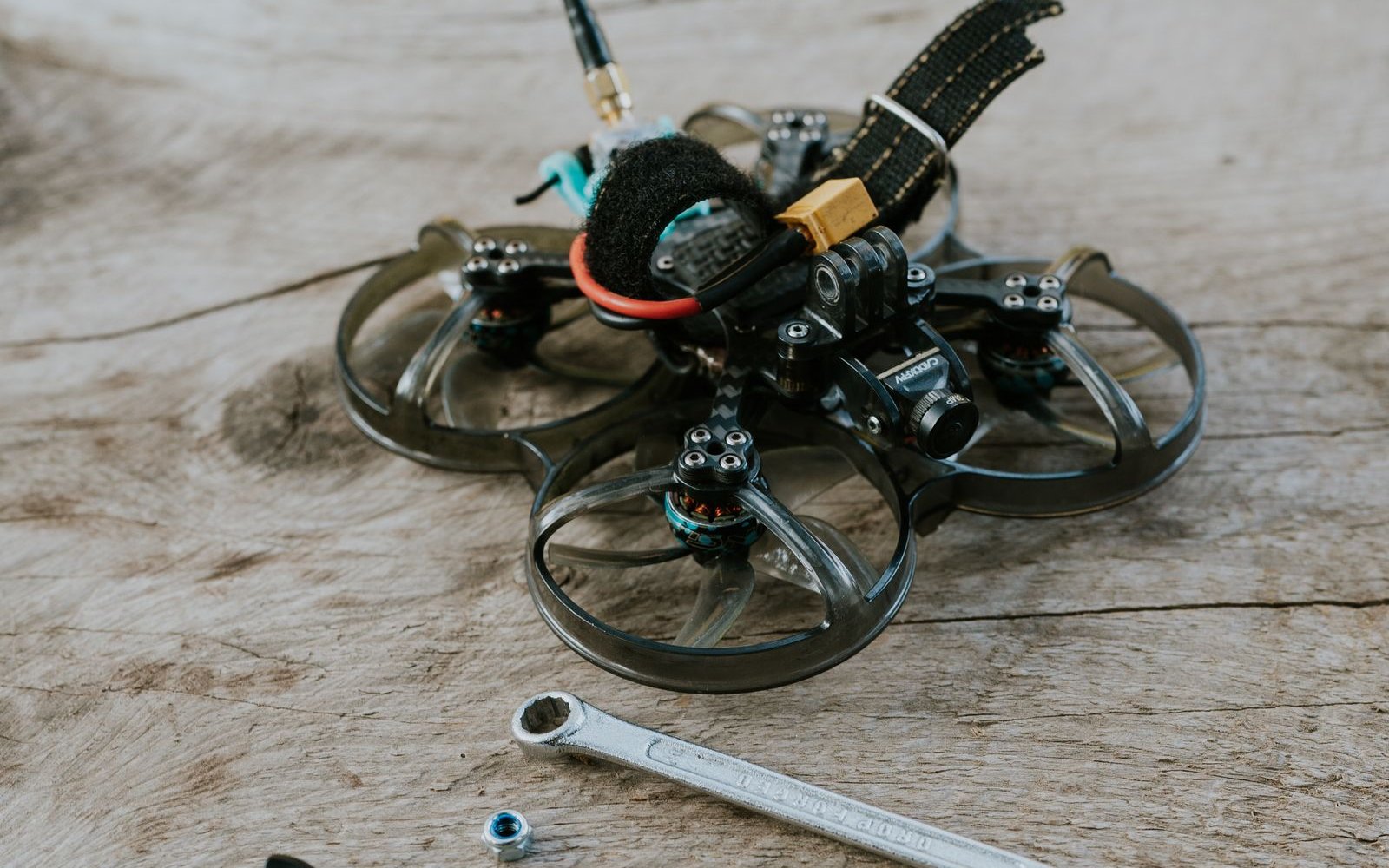
A small drone carries control linkages, gimbal mounts, and motor brackets that are machined to a drawing. Stainless steel adds weight on a small drone, so it suits pins and linkage ends. Brackets can be quoted in a lighter material on request.
Three routes cover most ground and test hardware. Each links to its product page.

We mill brackets, fixture plates, and multi-face parts to your drawing, with tolerances typically held to ±0.01 mm. 5-axis machining is available on request when a part needs it.
View CNC Parts →
Pins, bushings, spacers, and rod end bodies are turned from your drawing or sample.
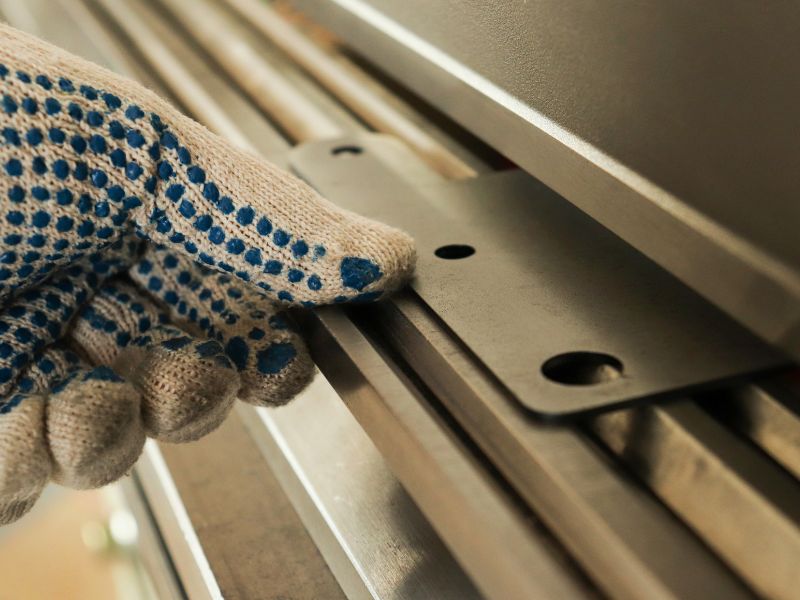
View CNC Turning Parts →We stamp and bend brackets, guards, and plates to your drawing.
View Sheet Metal Parts →Four steps take an order from drawing to shipment.
Send a drawing, a sample, or a worn part with the details in the checklist below.
Engineering reviews the grade, the geometry, and the conditions around the part, then issues the quotation.
Sample parts are made for your approval before production starts.
Production follows the approved sample. Finished parts then ship by sea, air, or express courier.
Equipment builders and MRO shops order small, mixed, drawing-based orders. These are the ways we make that easier.
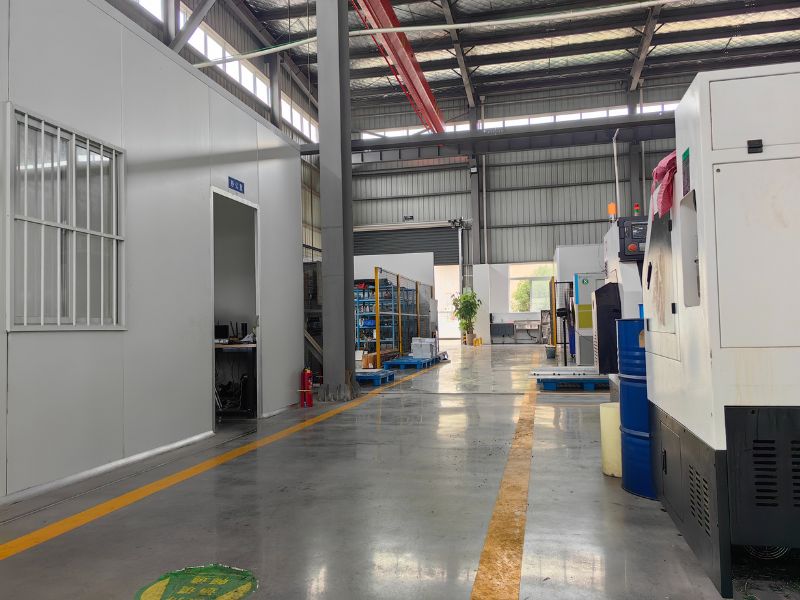
Equipment builders and MRO shops order straight from the factory that cuts the metal.
A stand, a rig, or a linkage rarely needs one part, so one order can cover the joints, the pivots, and the supports together.
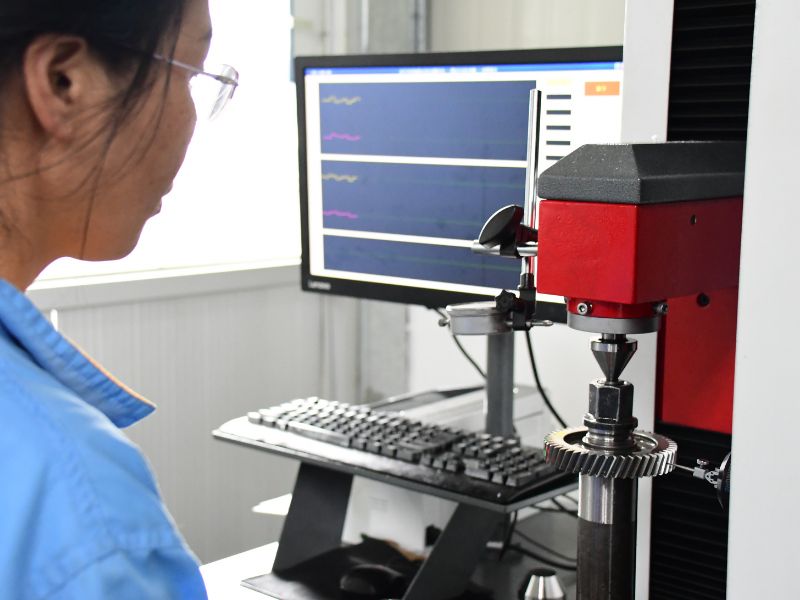
Send a drawing, a sample, or a worn part with the details below.
Include as many of these details as you have.
Grade, geometry, and finish are checked against your equipment before the quotation.
These short answers cover the first engineering and purchasing questions.
No. Profab makes stainless steel parts to your drawing for ground support equipment, test rigs, MRO tooling, and linkage prototypes. Parts that fly need an aerospace-approved supplier. That is why we do not offer them.
Grade 304 suits equipment that stays in the hangar, while 316L suits equipment on the ramp or near wash areas. For pins and link bodies that carry the load, choose 17-4PH in the H1025 condition.
They can, but in a wet joint the aluminum corrodes faster at the contact point. A polymer washer, a sleeve, or a sealant between them isolates the aluminum. List both metals on your drawing.
We recommend H1025 because H900 is more prone to stress corrosion cracking and hydrogen embrittlement. H1025 gives up some strength. Its typical minimum yield of 1000 MPa is still far above the 170 MPa of annealed 316L.
Yes. We measure a worn rod end, clevis, or bushing and quote a copy. The equipment and the position of the part let us check the fit against your drawing.
We offer passivation and electropolishing as services for parts that need them. On high-strength 17-4PH pins, passivation is the better choice than plating, because plating adds hydrogen. List the finish in the inquiry so it is priced into the quotation.
Send the drawing, grade, equipment, and quantity for a quotation.