Seamless Stainless Steel Tube
Seamless tube has no longitudinal seam. Buyers often specify it for lines under pressure or fatigue loading, or where a seam is not acceptable on a machined or polished part.

Profab Machine supplies stainless steel tubes in 304 and 316L, seamless or welded, in round, square, and rectangular sections. We cut each tube to your length. If you have a drawing, we machine the ends to it.
The tube type depends on the shape and on how the tube is made. Round tube comes seamless or welded, while square and rectangular tube is normally welded.
Seamless tube has no longitudinal seam. Buyers often specify it for lines under pressure or fatigue loading, or where a seam is not acceptable on a machined or polished part.

A welded tube is rolled from strip and joined along one longitudinal seam. It costs less than seamless tube, which makes it the usual choice for frames, rails, and general fabrication.

Flat sides let square and rectangular stainless steel tube bolt and weld into frames, guards, and equipment enclosures.

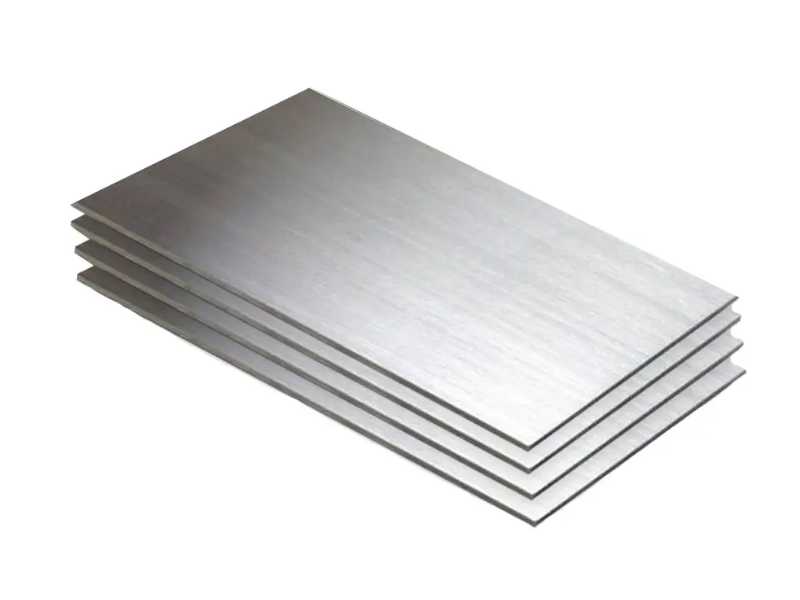
Polished tube is used where the surface is visible or must wipe down easily. Satin and mirror polish are available on request.

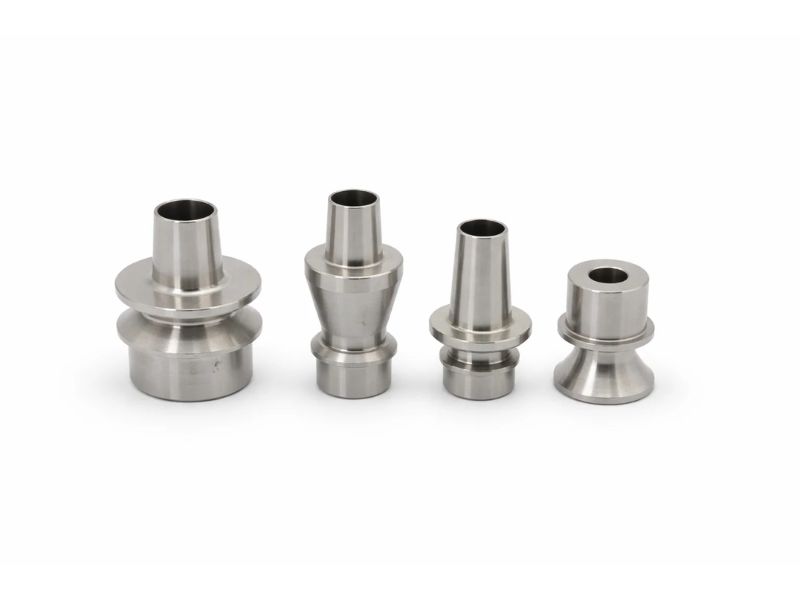
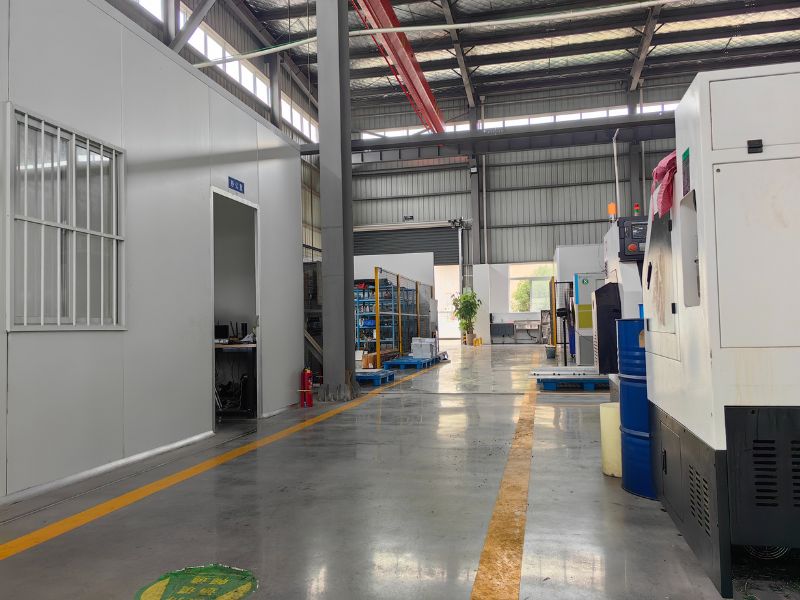
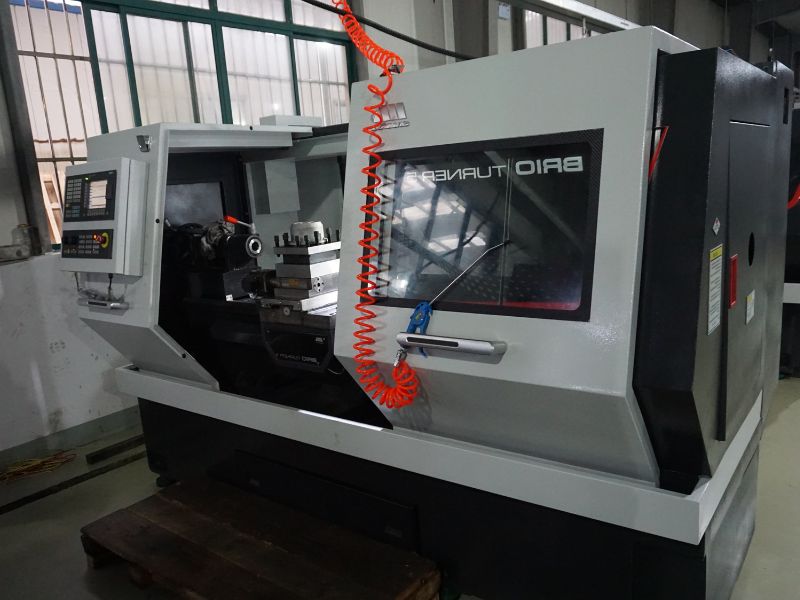
We cut the tube to length, then machine the ends on CNC lathes and mills. The ends matter as much as the length when the tube has to meet another part.
The grade depends on the water, the salt, and the cleaning chemicals around the tube. Profab regularly supplies 304 and 316L, and other grades are available on request.
304 stainless steel tube works for indoor machinery, frames, and dry or mildly humid areas. It costs less than 316L, but it is the wrong choice for continuous salt spray or chloride-heavy washdown.
316L stainless steel tube contains 2 to 3 percent molybdenum, which gives better chloride pitting resistance than 304. Its low carbon content lowers the risk of sensitization in weld heat-affected zones. 316L is the choice for marine, outdoor, and chloride washdown service.
Grade 321 contains titanium, which stabilizes it against sensitization in the 425 to 900 °C range. Grade 321 stainless steel tube is chosen for heat-exchanger and exhaust use. Duplex grades have higher yield strength than 316L, along with better resistance to chloride stress-corrosion cracking.
Tube arrives with a mill finish. The other finishes below change how the surface looks and how easily it cleans.
Mill finish is the surface the tube arrives with. Frames and hidden runs of stainless steel tube are left in this finish, since appearance does not matter there.
Satin polish, available on request, gives the tube a fine directional grain. It is the usual finish for handrails and food equipment, where the surface is seen and wiped down.
Mirror polish, available on request, gives a highly reflective surface with no visible grain. It is used on decorative and display stainless steel tube.
Electropolishing smooths the surface electrochemically. Passivation is a separate step that removes free iron from the surface. We offer both as services when the tube needs a cleaner surface.
Stainless steel tubes are chosen where carbon steel or zinc plating would corrode, or where the surface must stay clean and visible. Each use below names the part of the equipment where the tube sits.
A stainless steel square or rectangular tube forms the frame of a food-line conveyor or an equipment enclosure, because washdown water corrodes carbon steel.
Deck rails and hull fittings are made from 316L stainless steel round tube, because salt spray corrodes carbon steel and 304 over time.
On a chemical process skid, 316L stainless steel tube carries sample and utility lines, where acids and chlorides attack carbon steel.
Stainless steel tube is cut and machined into line sections and fixture frames for aerospace ground equipment, where corrosion and heat rule out carbon steel.
Stainless steel square, rectangular, and round tube forms handrails, columns, and cladding supports, where a satin or mirror finish stays visible.
A polished 316L stainless steel tube connects a tank to a washdown line in a pharmaceutical process area, where a smooth wall is easier to clean.
Check these points before you request a quote.
| Factor | What to Specify | Why It Matters |
|---|---|---|
| Shape | Round, square, or rectangular | The shape decides whether the part is a rail, a frame, or a hollow shaft. |
| Size | Outside diameter, or outside dimensions, and wall thickness | The outside diameter and the wall thickness together define the tube. |
| Construction | Seamless or welded | Construction sets the cost and whether a seam is present. |
| Grade | 304 or 316L, and any other grade you need | A quote needs the exact grade, not only the word stainless. |
| Cut length | Length, tolerance, and sawn or faced ends | A faced end seats squarely, whereas a sawn end leaves a burr. |
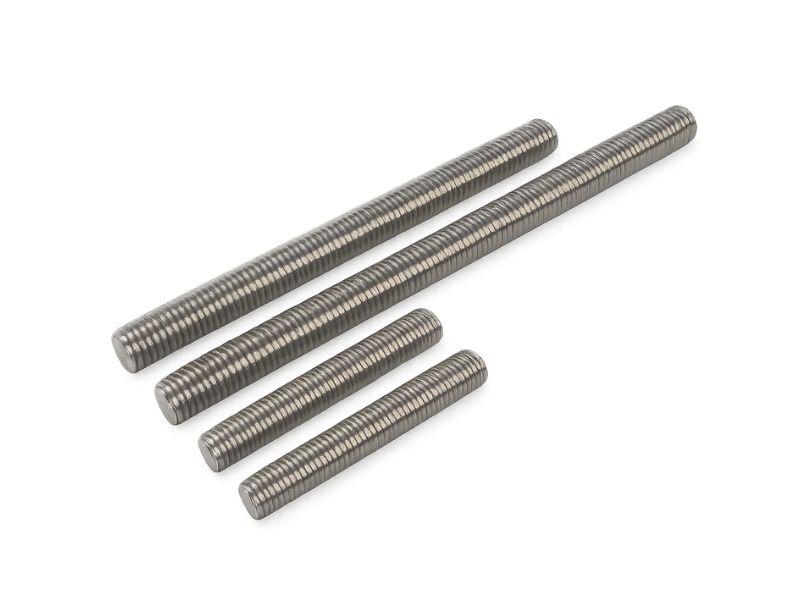
| Ends | Facing, chamfer, thread, or cross holes | Each end detail is taken from your drawing. |
| Finish | Mill finish, satin, mirror, electropolished, or passivated | Mill finish is the default, so any other finish must be stated. |
| Quantity | Pieces or meters, and prototype or production | Prototype and production runs are quoted separately. |
The table below shows common sizes for seamless round tube. Welded tube, square and rectangular tube, and other sizes are quoted from your drawing.
| Grade | Typical Outside Diameter | Typical Wall Thickness |
|---|---|---|
| 304 | 6 to 610 mm | 1 to 10 mm |
| 316L | 6 to 325 mm | 1 to 6 mm |
You deal directly with the factory, because we cut the tube and CNC machine the ends ourselves. Tiered pricing is available on larger orders.
The cut and the machined ends come on one quote and ship together.
Our engineers review the end details and the finish before cutting metal.

A tube is one part of a run. These four pages cover the clamps, fittings, and flanges that go with it.
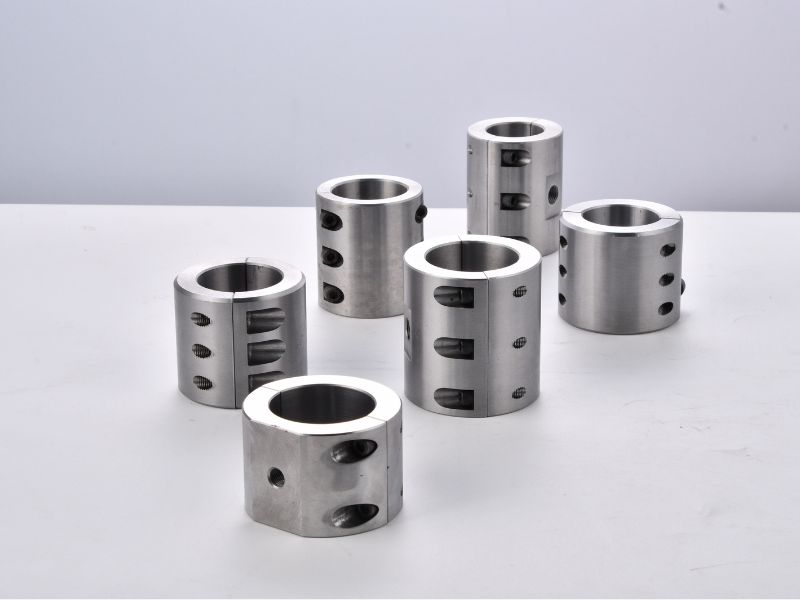
An OD tube clamp holds the tube in place, so the clamp carries the tube instead of the joints.
Learn More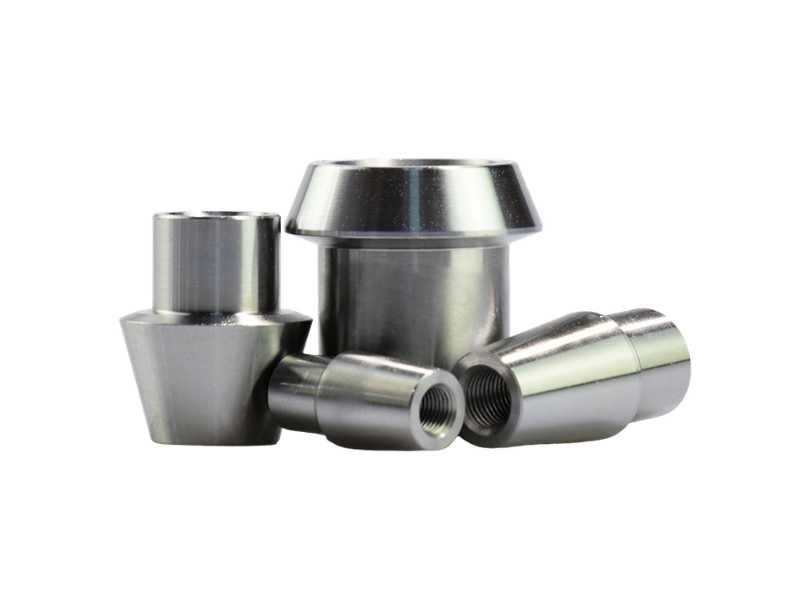
Tube fittings join tube ends of the matching outside diameter.
Learn More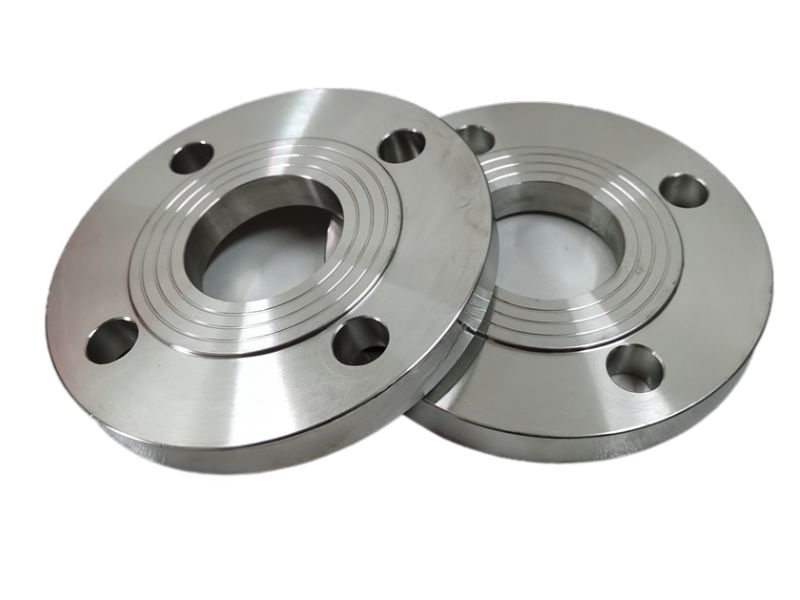
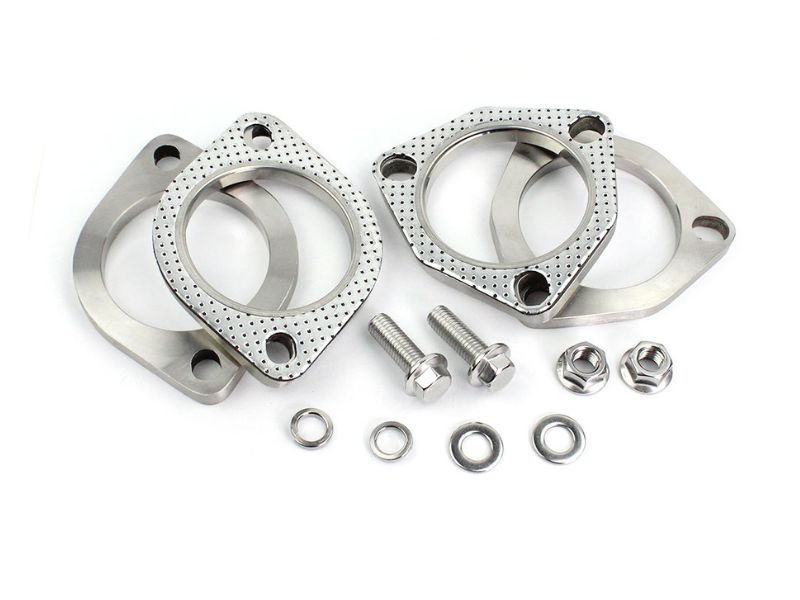
Exhaust tube pairs with a matching exhaust flange, so the joint seats on the same profile.
Learn MoreTube is sized by its actual outside diameter and wall thickness. Pipe is sized by nominal pipe size (NPS) and schedule. The NPS number is not the outside diameter. For example, NPS 1/2 pipe has a 21.3 mm outside diameter, while NPS 2 pipe has 60.3 mm. If your drawing gives an OD and a wall, you need tube.
It depends on the load and on the surface. Pressure, fatigue loading, or a machined or polished part that cannot show a seam points to seamless tube. Otherwise, welded tube costs less.
Yes. Our saws cut the tube to your length. Our CNC lathes and mills then face, chamfer, thread, or cross-drill the ends to your drawing. We accept DXF, DWG, STEP, IGES, and PDF drawings with dimensions.
We supply tube with a mill finish. Satin (#4) and mirror (#8) polish are available on request, and electropolishing and passivation are offered as services.
Send the shape, the outside diameter or outside dimensions, the wall thickness, the grade, the seamless or welded choice, the cut length, the finish, and the quantity. Add a drawing if the ends need machining.
Your quote arrives within 24 hours of your request.
A sample is typically ready in about 20 days.
Standard lead time is 30 days. Your order ships by sea, air, or express courier, with a tracking number.
We set no hard minimum order, so small quantities are fine.
If you already have drawings, email them to [email protected].
[email protected] ↗We use cookies to run this site, to measure how it is used, and to show relevant ads. You can accept all, reject all non-essential cookies, or choose by category. Privacy Policy