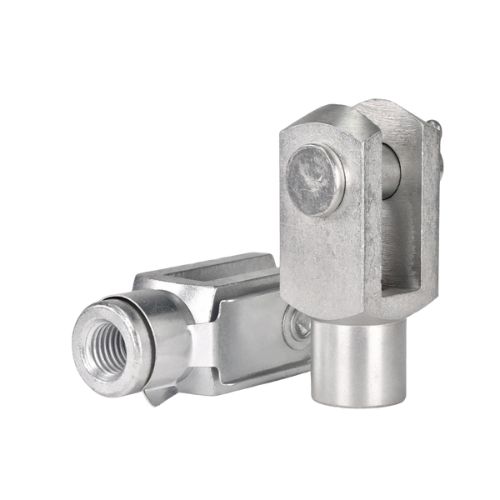
Clevis
A clevis is the forked end that pins a tension rod or cable terminal to a plate, bracket, or glass fitting.
View product →
Cable railings, glass canopies, and facade tension rods stay outdoors for decades, and a rust streak on glass or stone shows from the street. Profab machines stainless steel clevises, pins, threaded rod, nuts, and rod ends in 316L and 17-4PH, with mirror polish or bright machined finish, to your project drawing.
Open a product page for sizes and grades, or send a drawing for a part not listed.
A clevis is the forked end that pins a tension rod or cable terminal to a plate, bracket, or glass fitting.
View product →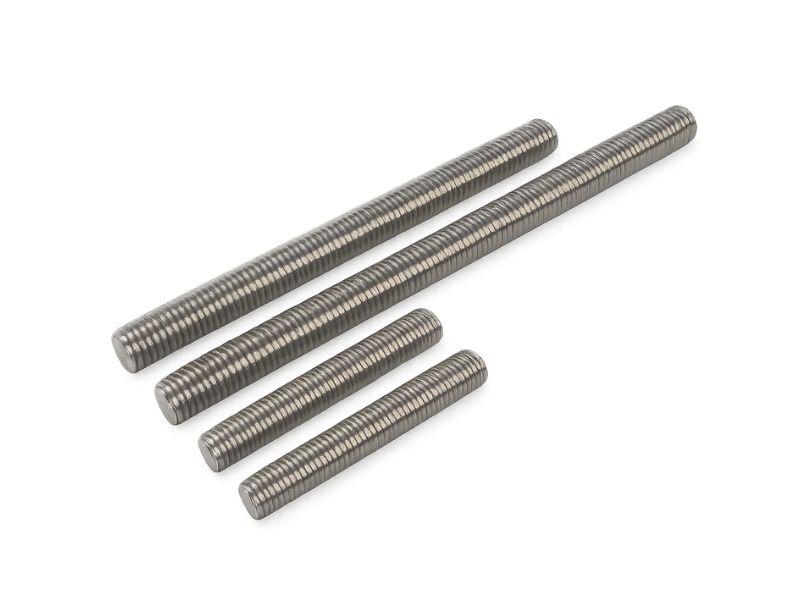
Threaded rod is cut to length and threaded to your pitch for the body of a tension rod.
View product →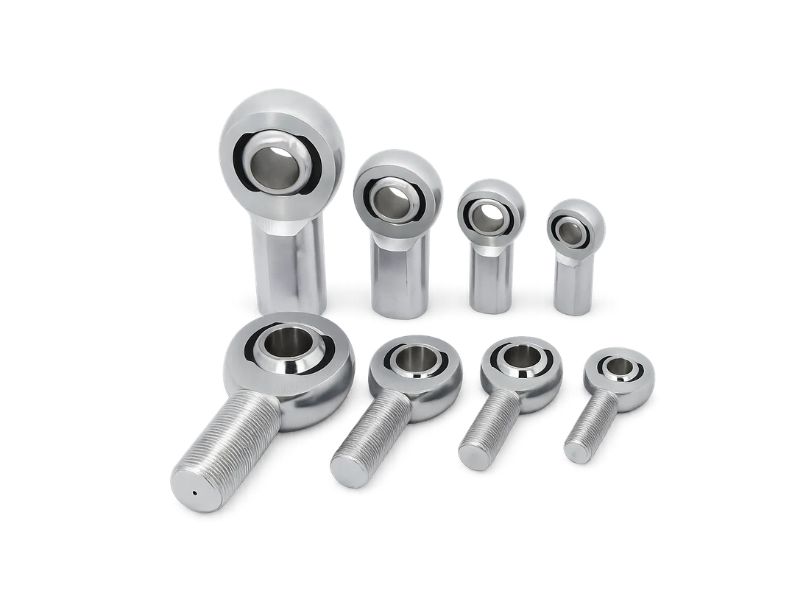
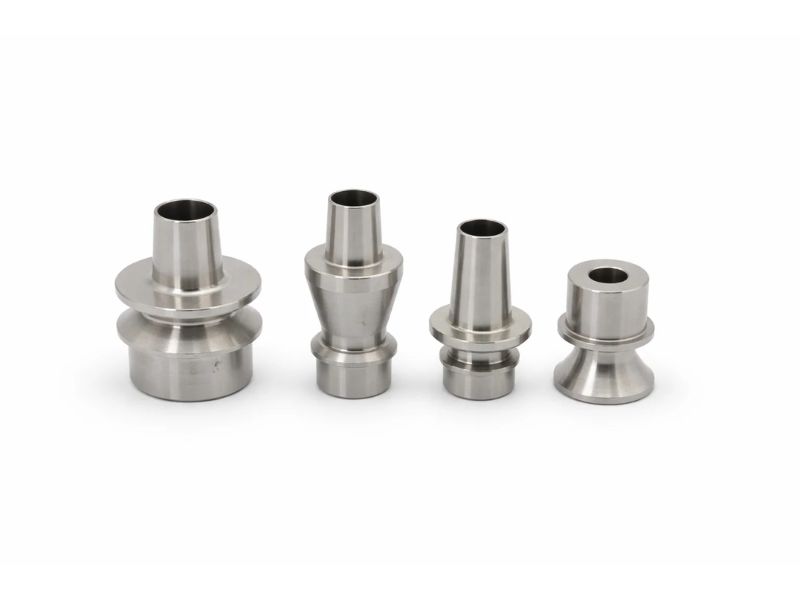
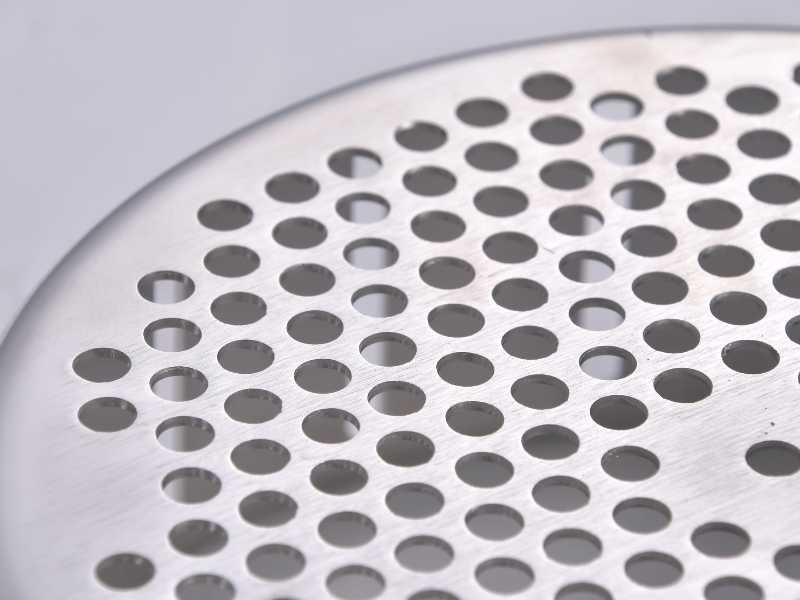
When no listed product fits your fitting, we make the part to your drawing.
View product →Outdoor and visible hardware needs a grade that resists weather and staining, so most architectural parts are 316L.
Grade 304 suits dry interior fittings, such as glass partitions and indoor stair railing. Outdoors and near the coast it is more likely to show tea staining, so it is not our pick for facades.
Molybdenum gives 316L better resistance to chlorides and weather than 304. It is the standard choice for hardware that stays outdoors and must not stain glass or stone.
Heat treatment hardens 17-4PH, so a small clevis or rod carries more load than in 316L. Use it where the load governs, such as long-span tension rods, and check the exposure first.
| Grade | Where It Fits | Watch For |
|---|---|---|
| 304 | Dry interior railing, partitions, and fittings | Staining outdoors and near the coast |
| 316L | Outdoor railing, canopy, and facade hardware | The first choice when the part stays in view |
| 17-4PH | Highly loaded rods, clevises, and pins | Lower pitting resistance than 316L; confirm the exposure |
The final grade depends on your drawing, the load, and the site. Send the project details and we confirm the grade at quotation.
Three things separate hardware that looks right after years from hardware that does not.
A part that rusts at the pin or thread leaves a brown streak on glass, stone, or paint below it. Solid 316L stays clean outdoors, and passivation is available on parts in a harsh setting.
Clevises and rods in view need a consistent surface. Mirror polish and bright machined are the usual choices, and we approve a sample with you before the run so every part matches.
A tension rod is set to its final load on site. Right-hand and left-hand threads on the two ends let it be tensioned in place, and a matching nut locks the setting.
A tension rod or cable railing assembly is a few parts in a line. Find the position, then open the product page.
| Position in the Assembly | Typical parts | First check |
|---|---|---|
| Fork End at the Anchor Plate or Glass Fitting | Clevis and matched pin | Fork width and pin bore against the mating plate |
| Rod Body Between the Two Ends | Threaded rod cut to length | Thread pitch, hand, and the length after tensioning |
| Joint Where the Load Line Changes Angle | Rod ends | Misalignment angle and grade |
| Adjustment and Locking at the End | Hex nuts in a matching grade | Same grade as the rod, to avoid mixed metals |
| Gap Between a Plate and a Fitting | Spacers and bushings | Bore, length, and finish |
Each system loads the same few parts differently. Find yours, then open the product page.
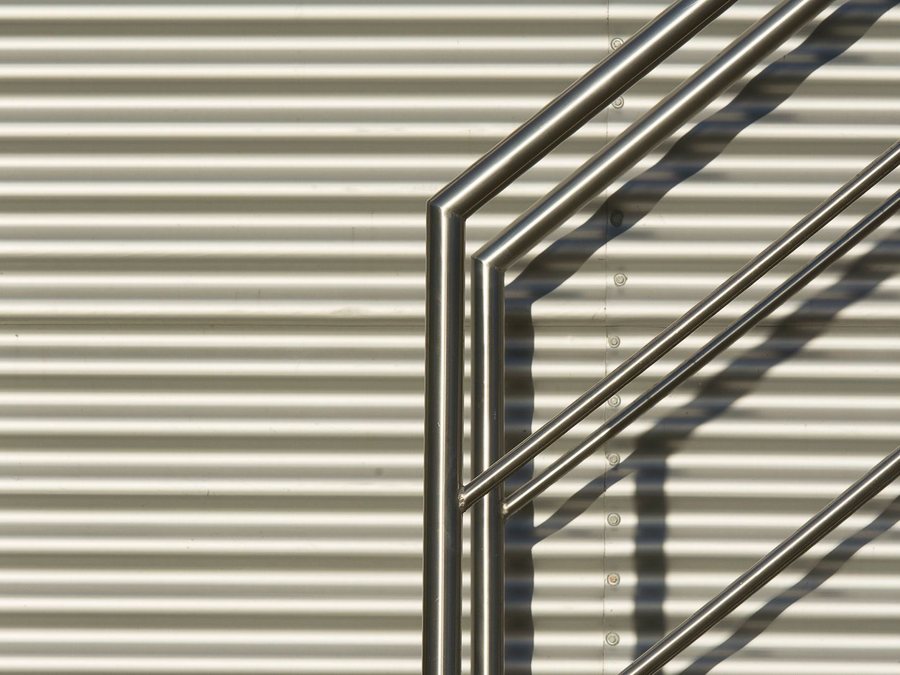
Cable railing posts take a tensioned cable to every infill line, and the terminals carry that tension. Clevises, threaded rod, and nuts form the end connections, and a polished or bright finish keeps them clean in view.
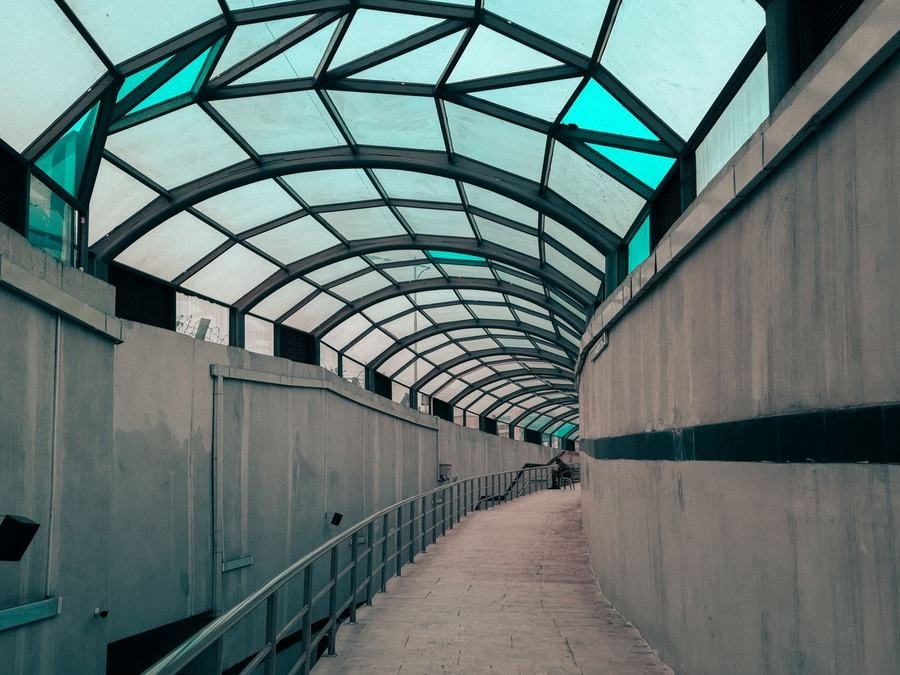
Tension rods hold glass canopies and glass roofs back to the building structure. Each rod ends in a clevis at the bracket, with a threaded body and a nut to set the tension.

Tension rod systems brace glass facades and support point-fixed glazing. We make the connecting hardware of the assembly to the project drawing, not complete spider fittings.
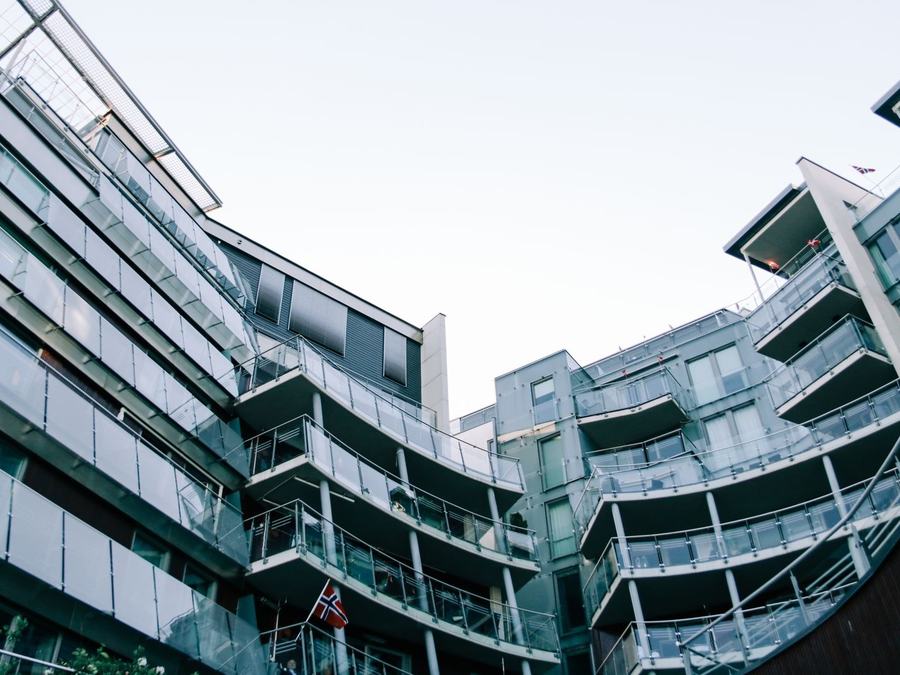
Balustrade systems use stainless rods, spacers, and standoff hardware to hold glass and rails in line. Parts are turned or milled to the drawing in 316L for outdoor balconies.
Three routes cover most architectural hardware. Each links to its page.

Clevis pins, threaded parts, spacers, and bushings are turned from your drawing or sample.
View CNC Turning Parts →
We mill clevis forks, plates, and multi-face parts to your drawing. 5-axis machining is available on request when a part needs it.
View CNC Parts →
Parts that stay in view can be mirror polished or left bright machined, and passivation is available for harsh outdoor sites.
View Mirror Polishing →Four steps take an order from drawing to shipment.
Send a drawing, a sample, or the dimensions of the mating parts with the details in the checklist below.
Engineering reviews the grade, geometry, and finish, then issues the quotation.
Sample parts are made for your approval, including the finish, before production starts.
Production follows the approved sample. Finished parts then ship by sea, air, or express courier.
A late or mismatched fitting holds up a site crew. These are the problems we are set up to remove.
Architectural hardware is ordered against a site programme and is hard to replace once the glass is up. Each point below answers one of those problems.
Accepted formats are DXF, DWG, STEP, IGES, and dimensioned PDF drawings, or a physical sample.
Send a drawing, a photo of the part, or a sample with the details below.
We check grade, geometry, and finish against your drawing, then quote.
These short answers cover the first engineering and purchasing questions.
Yes. We machine clevis bodies, matched pins, threaded rod, nuts, and rod ends to your project drawing, with the fork width, pin bore, and thread cut to suit your system. Send a drawing, a sample, or the dimensions of the mating parts.
Mirror polish and bright machined are the usual choices for visible hardware, and passivation is available where the part sits in a harsh outdoor setting. Tell us which look you need, and we approve a sample with you before the run.
No. We make the connecting hardware of the assembly, such as clevises, pins, threaded rod, nuts, rod ends, and spacers, not complete spider fittings. If your project needs a part that is not listed, send the drawing and we review it.
Choose 316 or 316L for hardware that stays outdoors, because its molybdenum resists chlorides and weather better than 304 and helps avoid rust staining on glass and stone. 304 suits dry interior fittings. 17-4PH suits highly loaded rods and clevises.
Yes. We cut right-hand and left-hand threads, in metric or inch, on clevis shanks and threaded rod, so a rod can be tensioned in place with a turnbuckle-style assembly. State the hand and pitch for each end.
Quantities vary by product, and small-batch runs are accepted with no hard minimum. Prototype runs typically start around 100 pieces. Samples take about 20 days and standard production about 30 days, so plan around your site schedule.
Send the drawing, grade, finish, and quantity for a quotation.