

When Should You Use a Spherical Bearing Instead of a Rod End?
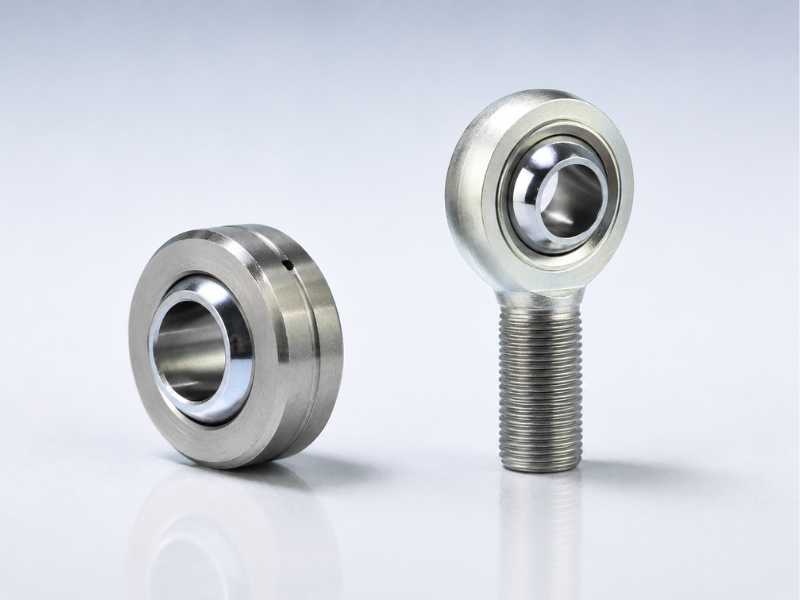
Rod ends and spherical bearings solve different problems. Choosing wrong costs you service life. This guide breaks down the engineering decision by load path, housing type, and misalignment requirements.
Single Shear vs Double Shear Rod End Mounts
Single shear and double shear get explained the same way everywhere: one shear plane versus two. What most guides skip is that a stainless bolt starts with less shear margin than Grade 8, so the mount choice matters more once corrosion resistance is the reason you’re using stainless at all.
What Causes Noise and Play in Spherical Bearing Assemblies?
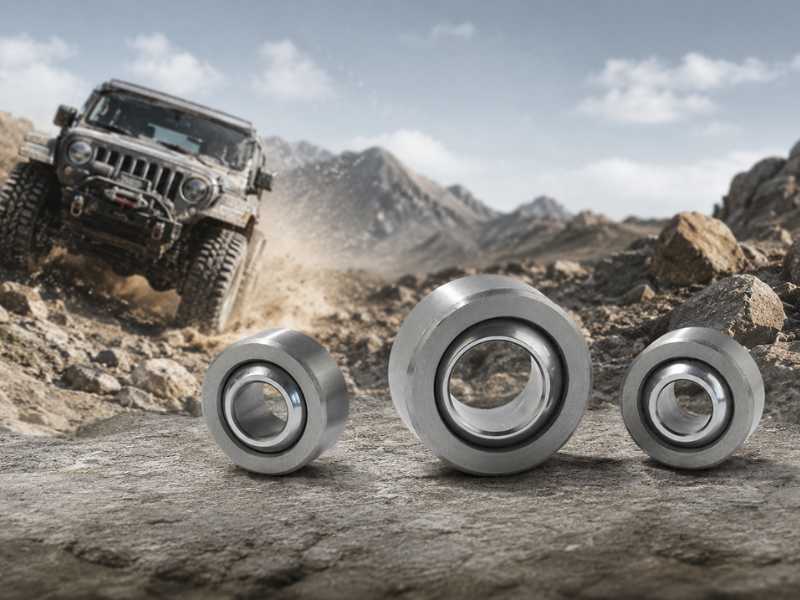
Knocking, squealing, and measurable play in a spherical bearing assembly aren’t random. Each symptom points to a specific cause. Here’s how to read them and decide what to do next.
Common Causes of Failure in Stainless Steel Spherical Bearings
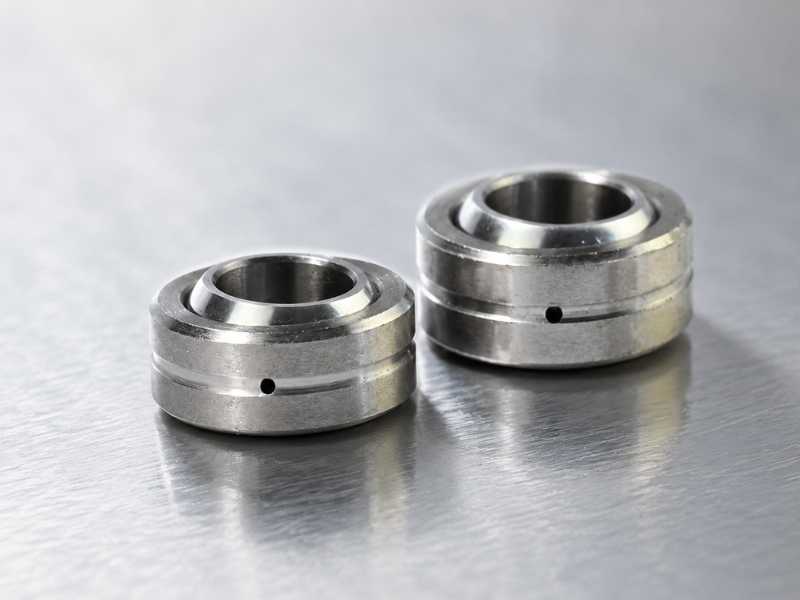
Most spherical bearing failures trace back to four root causes: improper preload, wrong grade selection, surface contamination, and accumulated misalignment. Here’s how to diagnose and prevent each.
Is a Stainless Steel Prop Worth It on a 50HP Outboard?
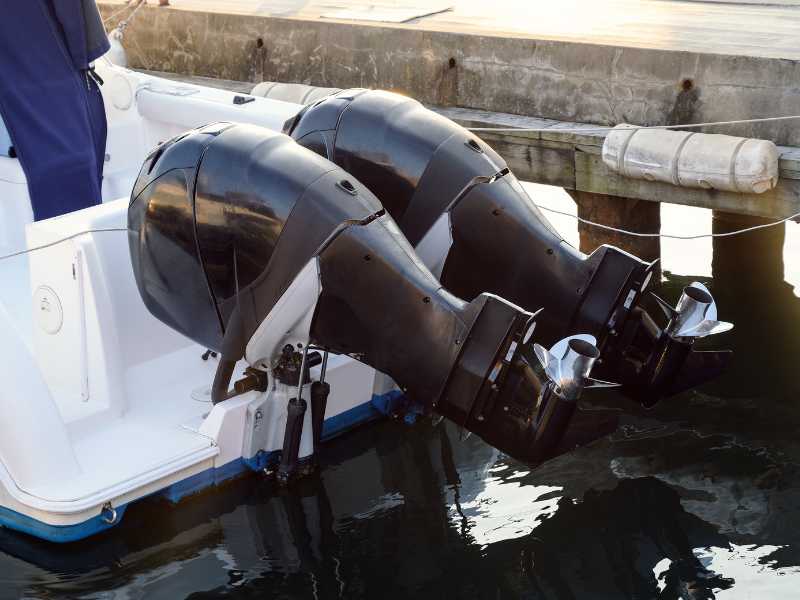
A practical, contrarian look at whether a stainless steel prop earns its price tag on a 50HP outboard, including the prop strike risk.
Stainless Steel vs Aluminum Propeller
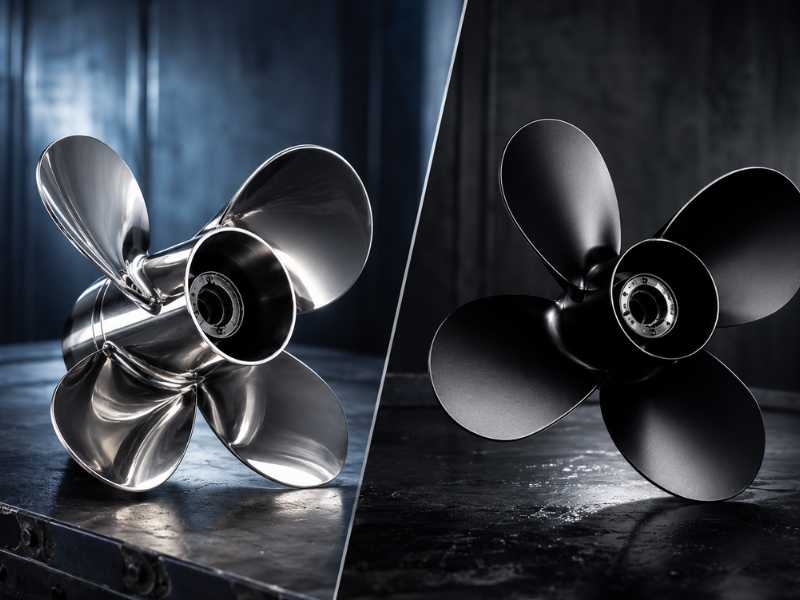
Choosing between an SS prop and aluminum is not just about speed or service life. The real engineering question is which component you want to fail when you hit a rock at 30 knots.
Will Stainless Steel Prop Damage My Lower Unit?
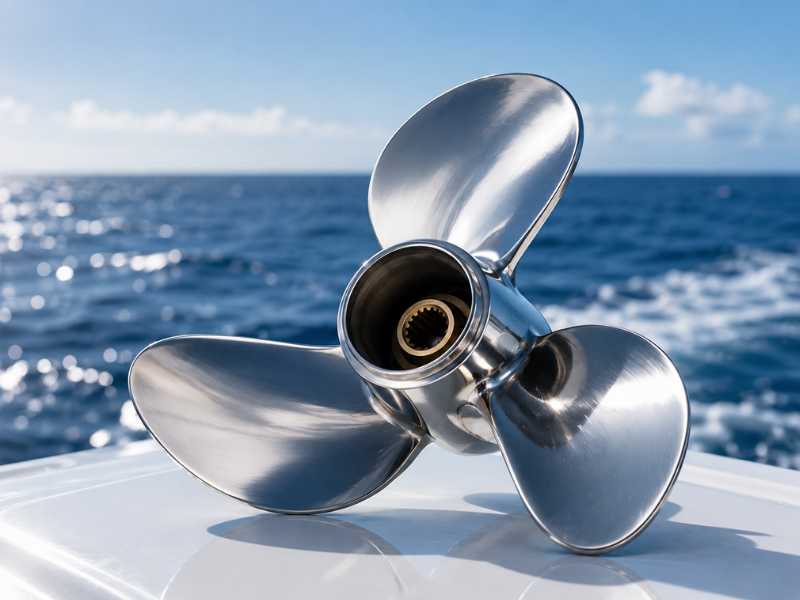
A stainless steel prop transmits more peak impact energy to the lower unit before its hub slips. But modern flo-torq hub designs and proper pitch selection close most of that gap. This article explains the three variables that control whether an impact shears your prop hub or strips your gearcase.
How Are Rod Ends Measured?
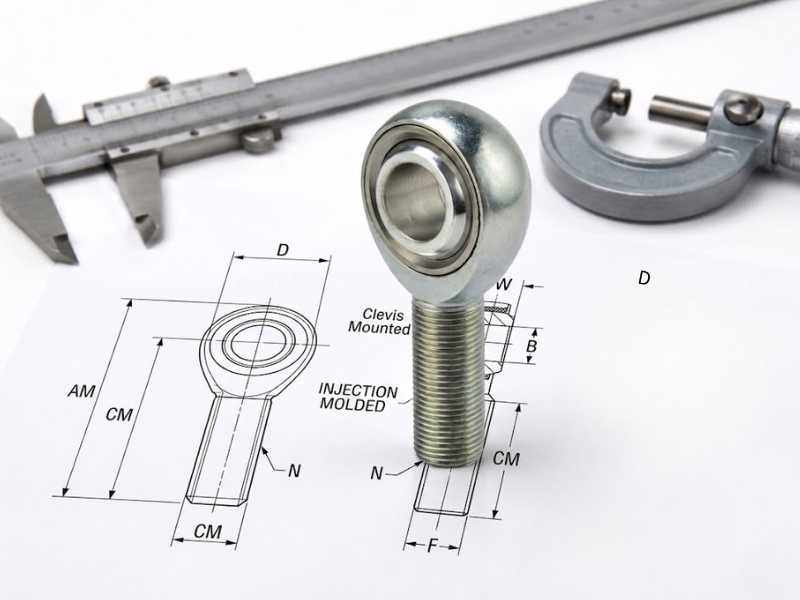
Thread size alone does not define a rod end. Bore diameter, body width, housing OD, shank length, and misalignment angle all matter. Here is how to measure each one and what to do with the numbers.
Pitting Corrosion in Marine Rod Ends
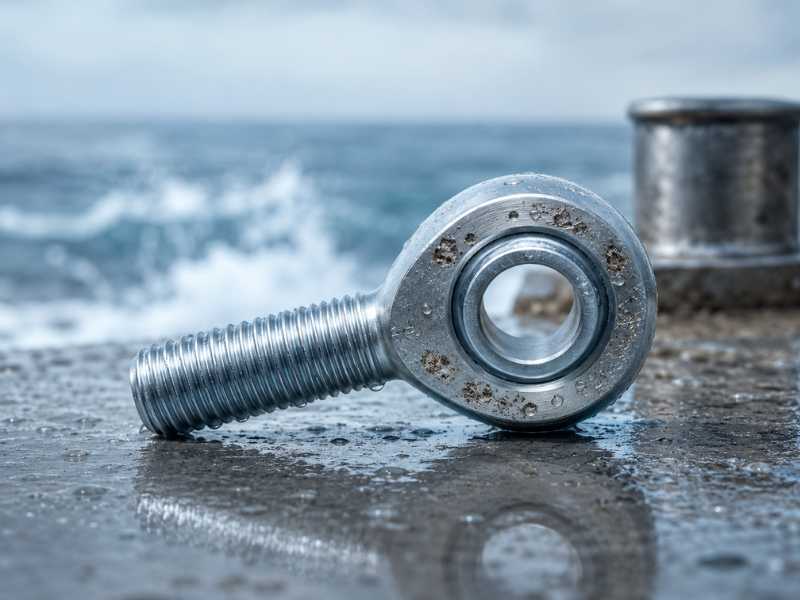
316 stainless rod ends pit in marine service when the geometry, not just the grade, creates the conditions for chloride attack. This guide covers the mechanism, the specific failure sites in a rod end assembly, and the material and surface treatment decisions that prevent it.
How Shock Loads Damage Rod Ends
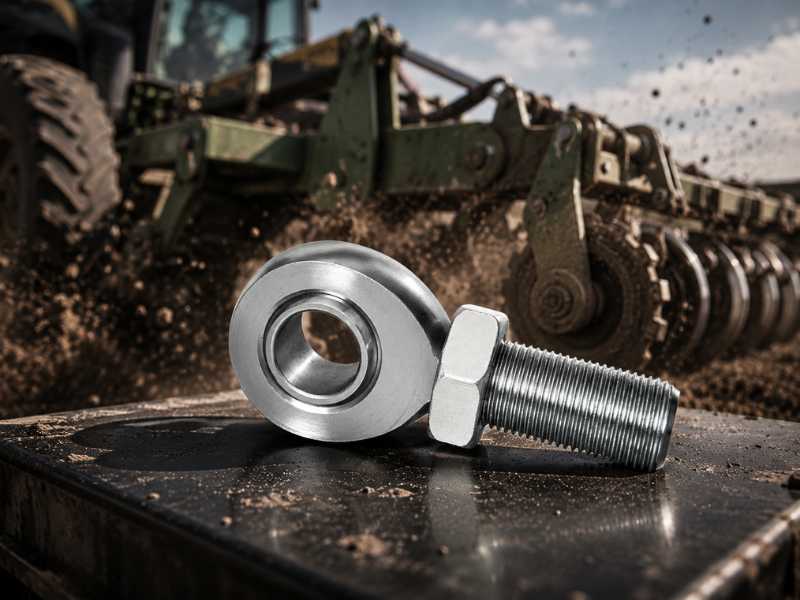
A rod end rated for your nominal load can still fail if shock loads are ignored. This article covers the four damage modes, the static rating rule for shock applications, and the design decisions that determine survival.