

How Opposite Threads on Rod Ends Enable Adjustment
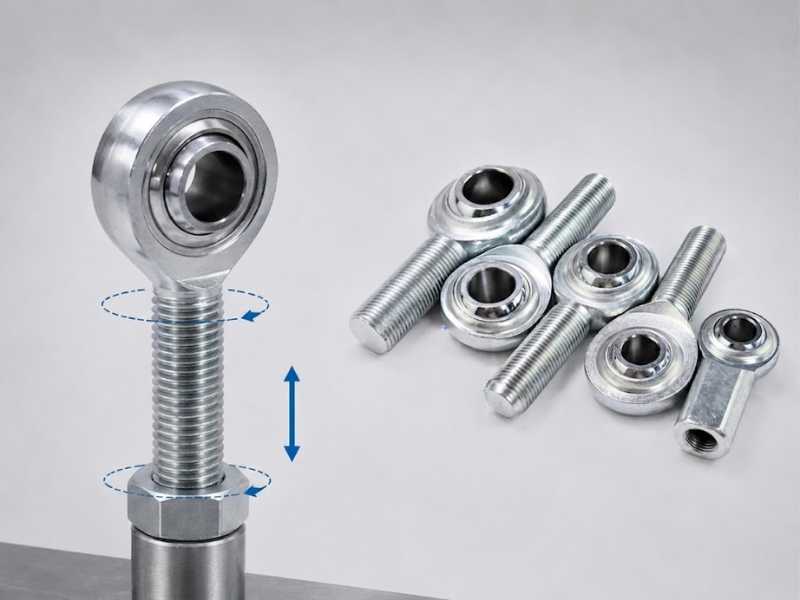
A right-hand and left-hand thread on opposite ends of a rod lets you change linkage length by spinning the tube. Here is the geometry behind it, and the two failure modes that make the adjustment drift in service.
Misalignment Spacers: How They Increase Rod End Travel
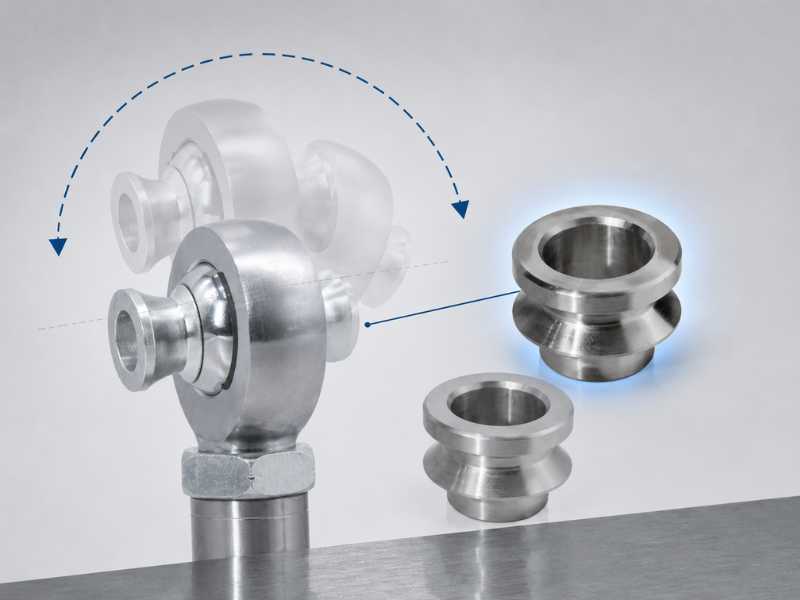
A standard rod end tops out at 12 to 18 degrees of angular travel. Misalignment spacers extend that range to 30 degrees or more by continuing the ball’s spherical radius into the bore.
How to Prevent Thread Galling in Stainless Heim Joints
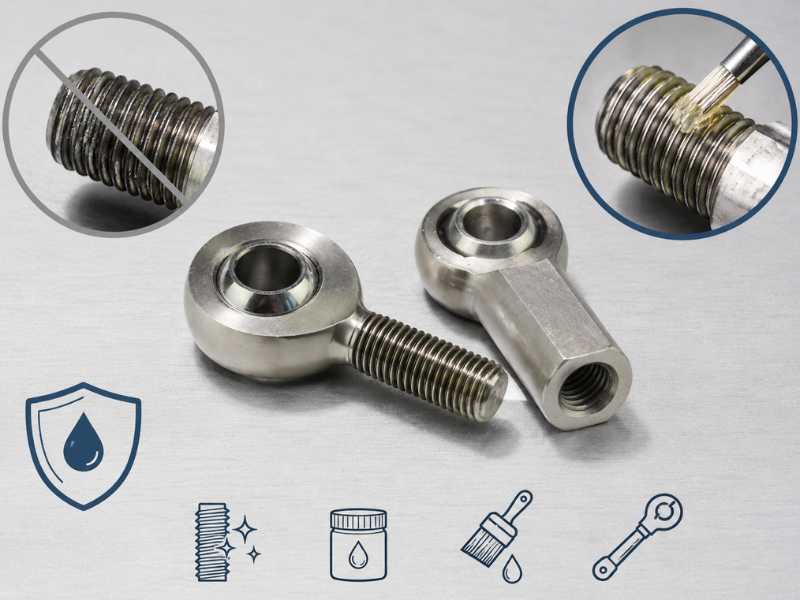
Why Stainless Steel Rod Ends Gall at the Threads and How to Prevent It Through Proper Lubrication, Controlled Installation Speed, and Correct Thread Fit
Types of Turnbuckles: End Fittings, Sizes, and How to Use Them
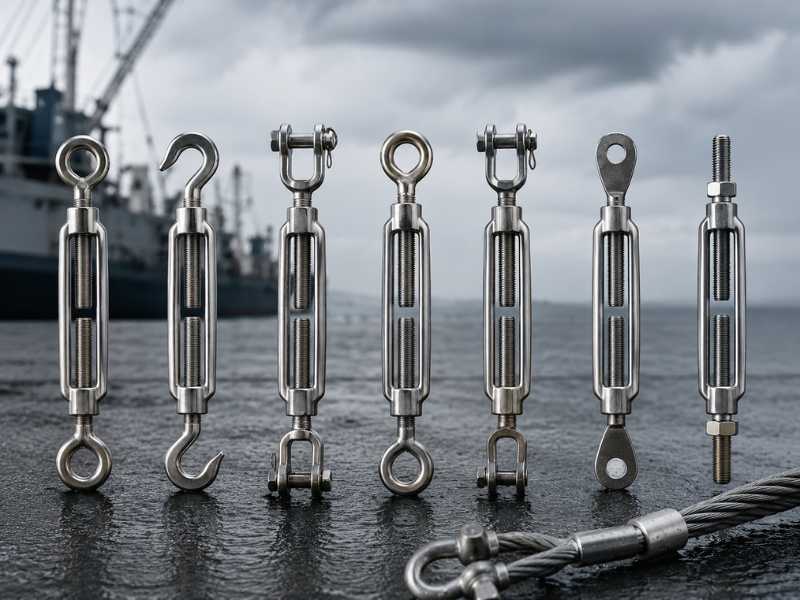
Turnbuckles come in five end-fitting configurations and two body styles, each suited to different connection points and environments. This guide covers how they work, how to size them, and how to install them correctly.
Stainless Steel Gears: Grade, Galling, and Sourcing
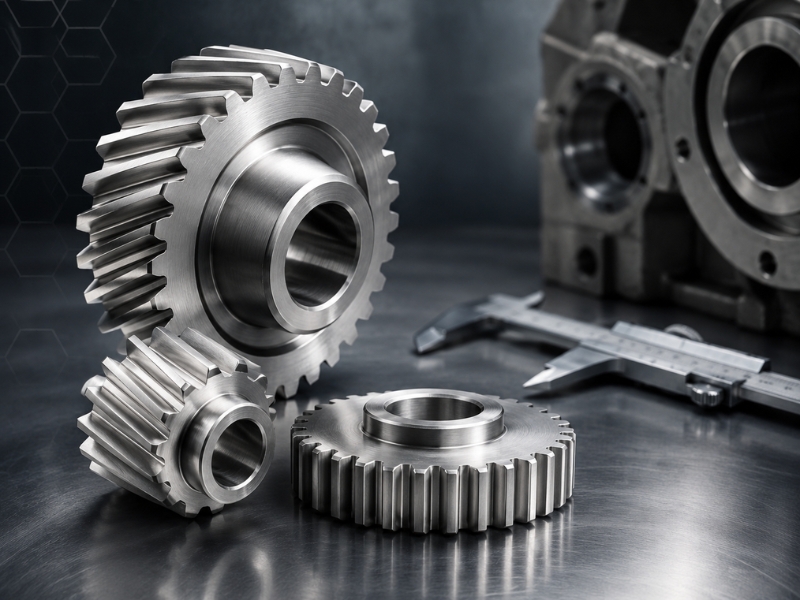
Stainless steel gears outlast carbon steel and brass in corrosive, hygienic, and chemical environments where no other material holds up.
Johnny Joints vs. Heim Joints: The Real Performance Gap
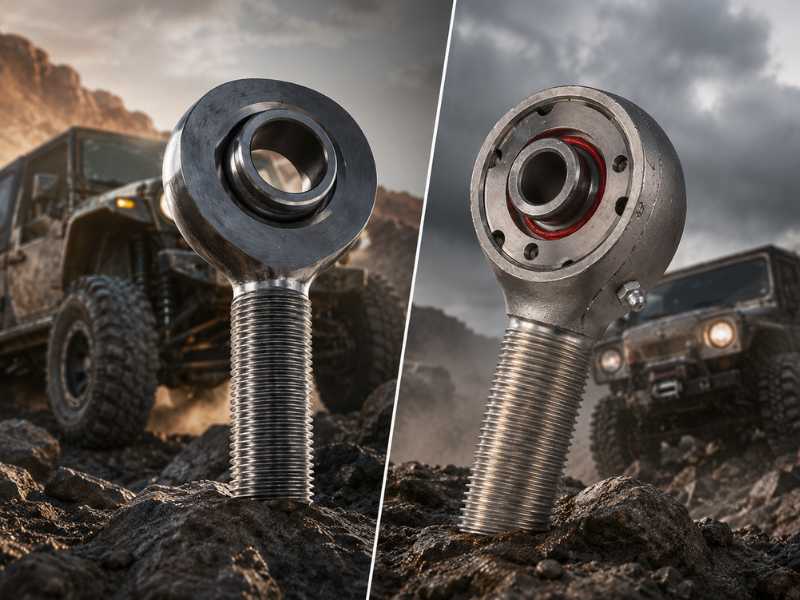
Johnny joints and heim joints both solve the same mechanical problem. The real decision variables are liner material, operating environment, and load certification requirements, not just suspension articulation on a modified Jeep.
17-4 PH or 316? Choosing Your Spherical Bearing by Load
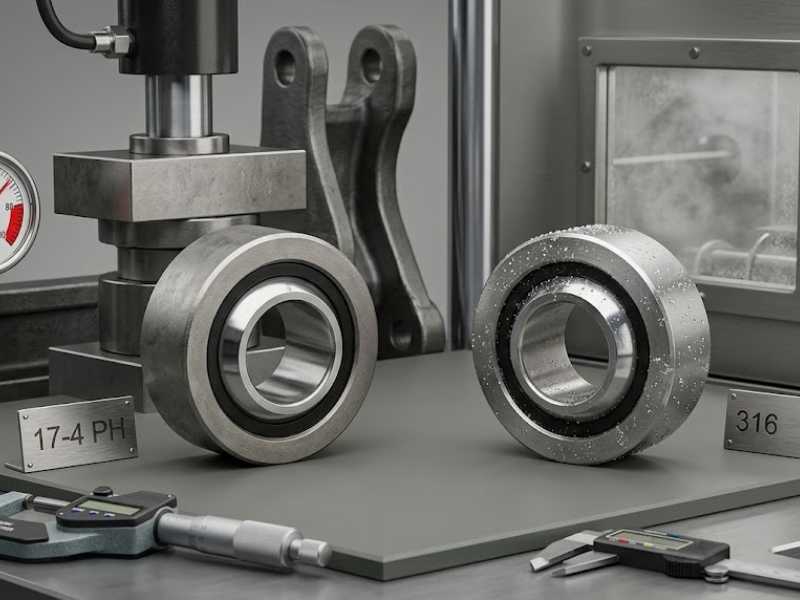
Choosing between 17-4 PH and 316 stainless steel spherical bearings comes down to load, not just corrosion resistance. Here is how to match material grade to application demand.
Why Self-Lubricating Spherical Bearings Last Longer
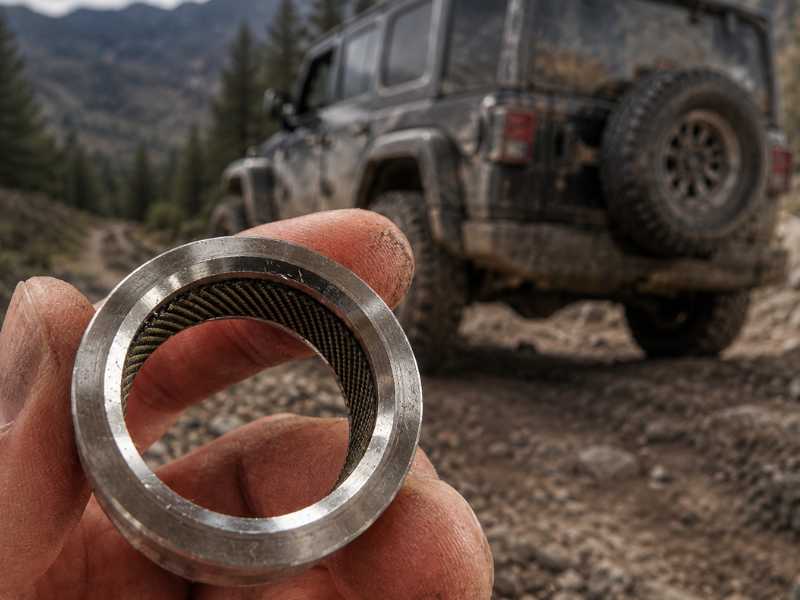
Self-lubricating spherical bearings eliminate grease starvation and relubrication requirements. Learn how PTFE transfer films work, where they outlast greased designs, and the PV limit that defines the boundary.
The Smart Upgrade: Why 2205 Beats 316L on ROI
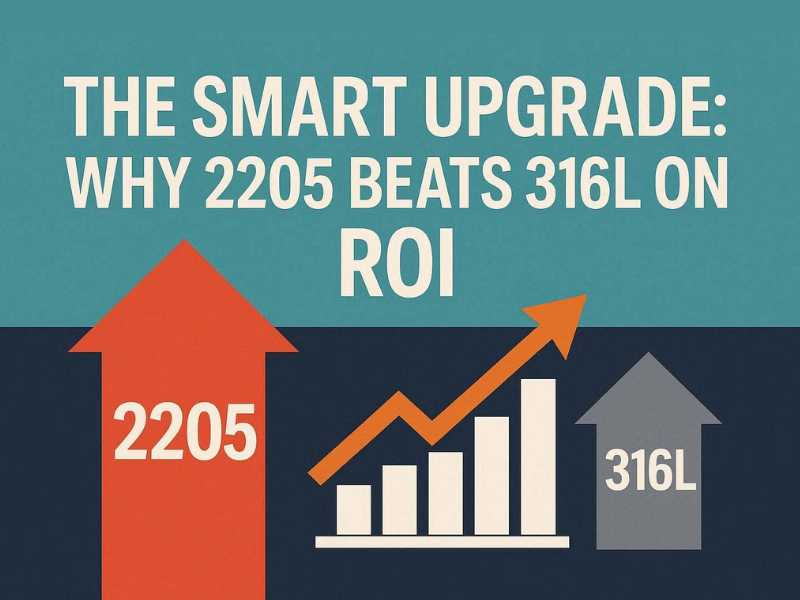
When the full lifecycle is factored in, 2205 duplex stainless steel consistently outperforms 316L on total cost in demanding service environments. Here is the ROI breakdown.
Don’t Let Your 2507 Turn Brittle: The Welding Parameters That Matter
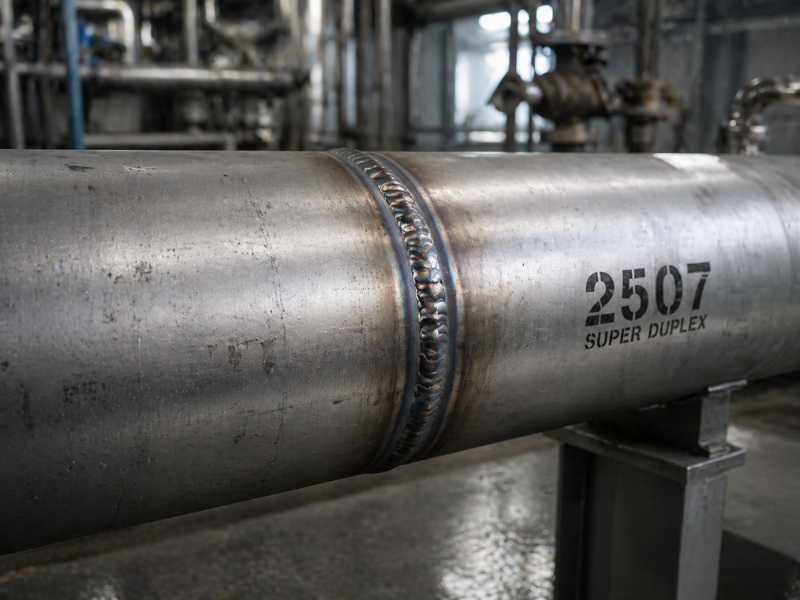
2507 super duplex welds can become brittle from sigma phase precipitation. Learn the heat input, interpass temperature, filler metal, and back purge parameters that prevent it.