

Why Doesn’t My Rotary Spray Ball Rotate?
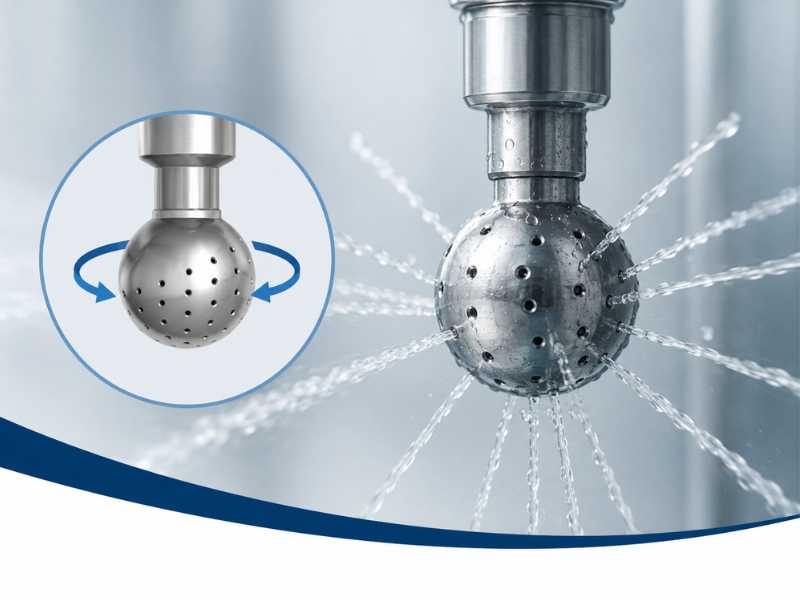
A rotary spray ball that won’t spin is either starved of flow, running at wrong pressure, built with the wrong orifice geometry, or has a bearing that was never going to last. Here’s how to tell which one you’re dealing with.
5 Hidden Shadow Areas That Spray Balls Often Miss
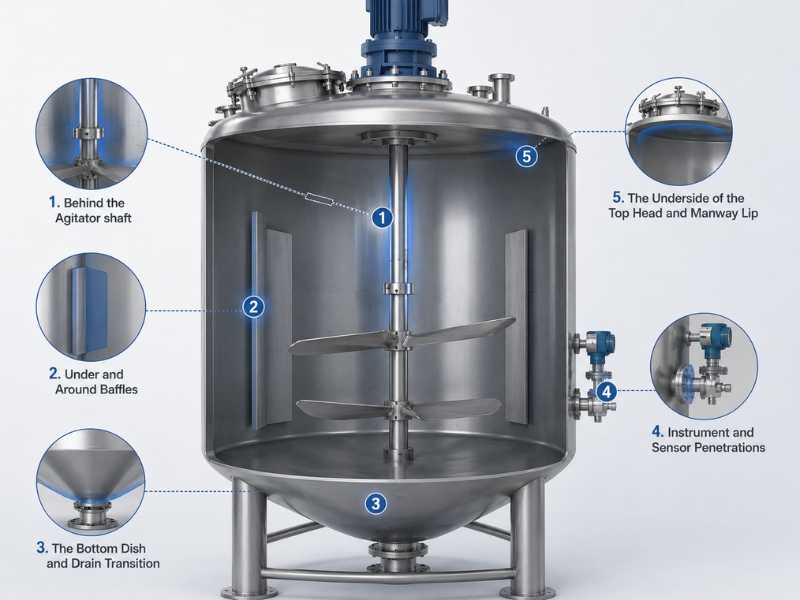
A spray ball spec sheet tells you flow rate and pressure. It doesn’t tell you what’s hiding behind your agitator shaft. Here are the five shadow zones that fail CIP validation most often, and how to find them before a swab test does.
H900 vs H1150: Which 17-4 PH Heat Treatment Should You Choose?
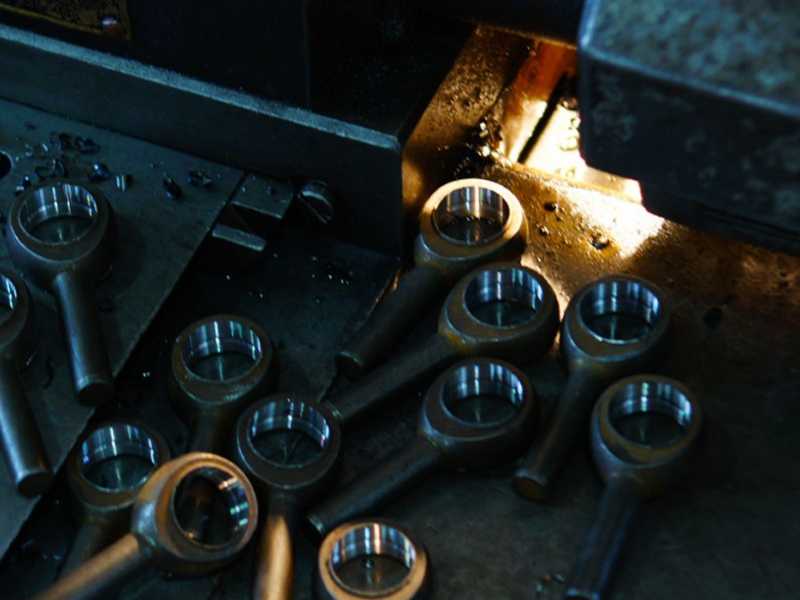
Specifying 17-4PH without naming the heat treat condition is like specifying stainless without naming the grade. H900 and H1150 are not interchangeable. Here’s how to choose based on your actual load, environment, and machining sequence.
Stainless Steel Gear Galling: Reasons And How To Solve Them
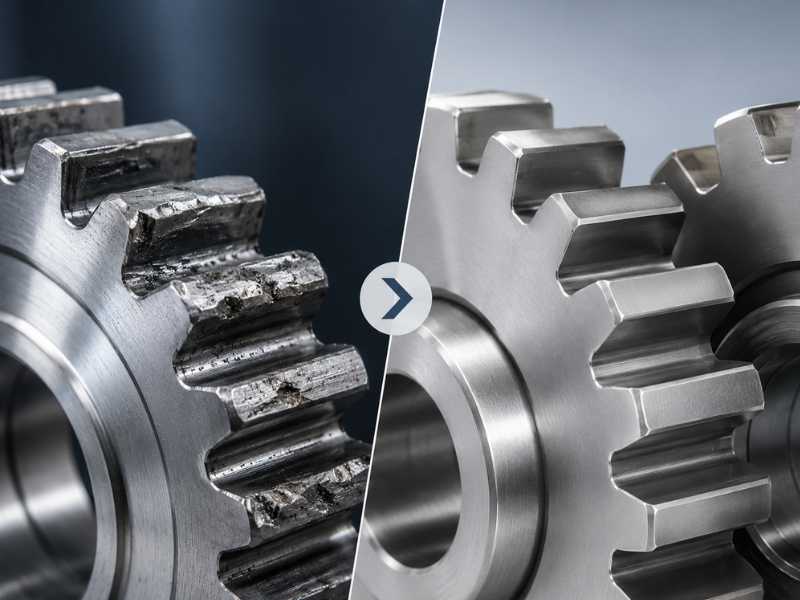
Galling in stainless steel gears is a cold-welding failure rather than ordinary wear. It is crucial to understand why austenitic grades are prone to this issue. Making strategic updates to material selection, surface finish, and lubrication represents the clear difference between a gear set that lasts and one that seizes on first load.
Why Is Stainless Steel Magnetic After Machining?
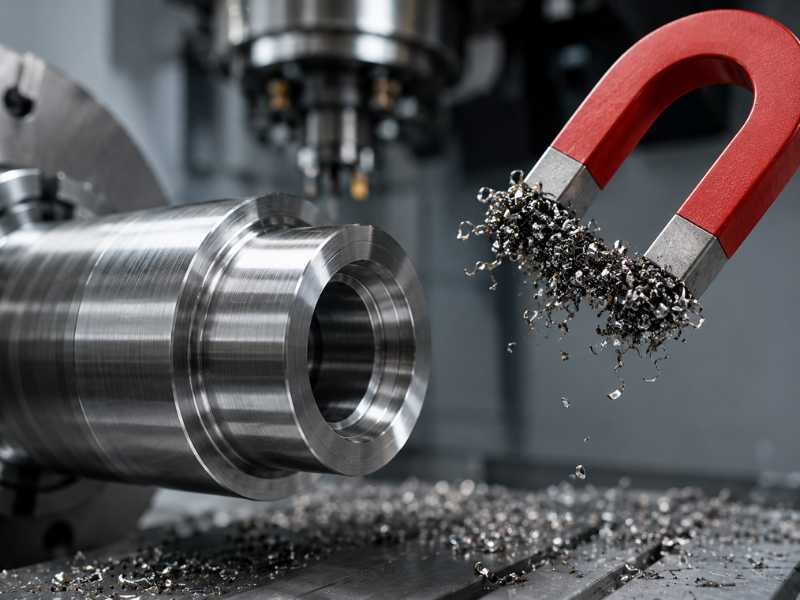
A 316L rod end or spherical bearing that picks up a magnet after machining isn’t defective or mislabeled. It’s experiencing a well-documented microstructural change. Here’s what’s actually happening, when it matters, and when it doesn’t.
Open vs Sealed Spherical Plain Bearings: How to Choose
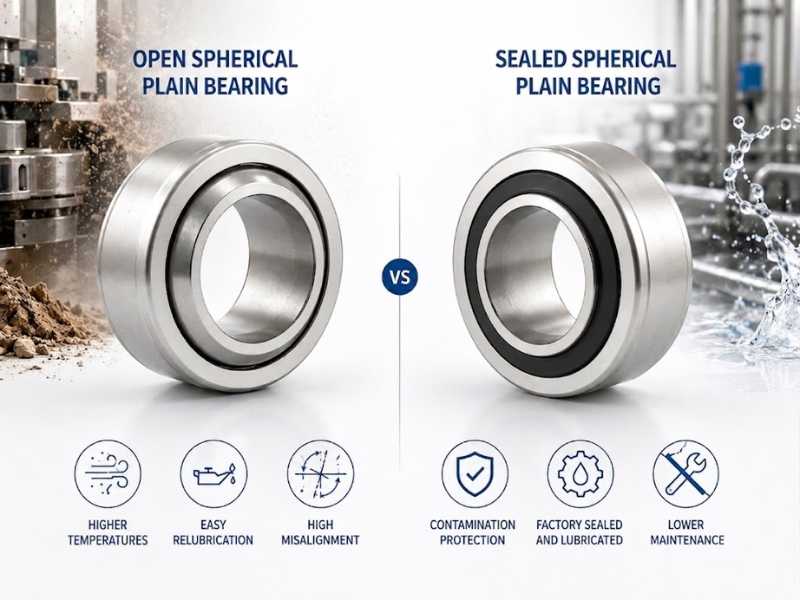
Most content on sealed vs open bearings is written for roller bearings, not spherical plain bearings. The selection logic is different. This guide explains why, and how to make the right call for your application.
Common Ball Transfer Unit Problems: Noise, Wear, Load Issues, and Fixes
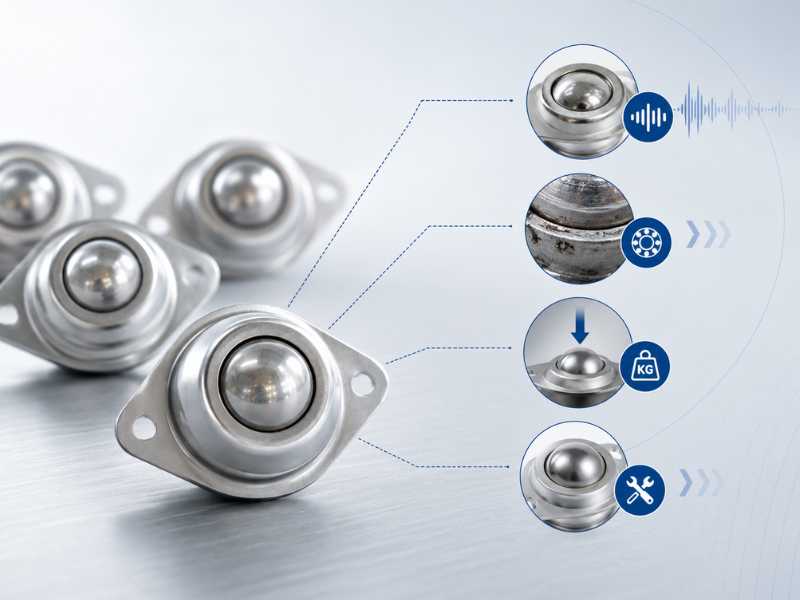
Most ball transfer unit failures aren’t random. Noise, wear patterns, and load issues each trace back to identifiable causes at installation or in the operating environment. Here’s how to read the symptoms and correct the right thing.
Stainless Steel Spherical Plain Bearings in FSAE and Motorsport Suspension
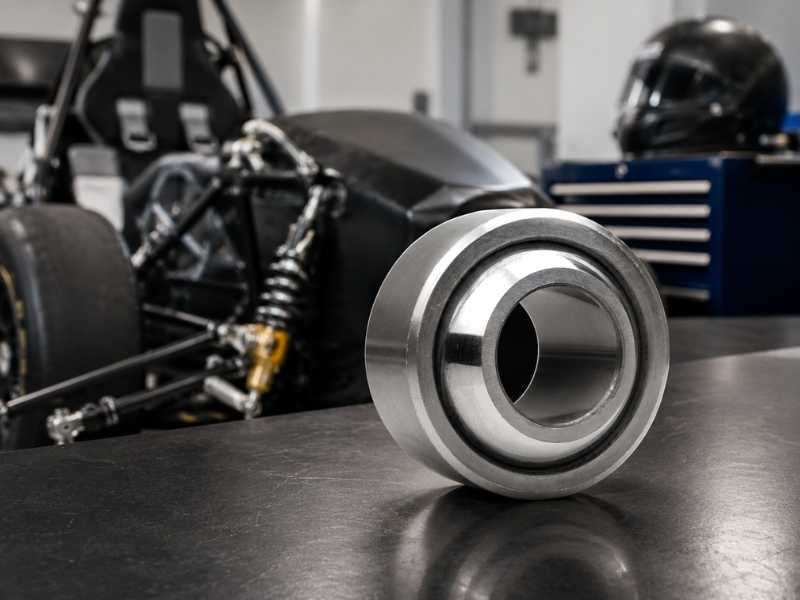
FSAE teams default to spherical bearings over rod ends at A-arm joints for a structural reason, not a cost reason. Here’s the load path logic and the spec decisions that affect a season’s reliability.
Why a Stainless Steel Spherical Plain Bearing Spins in the Housing
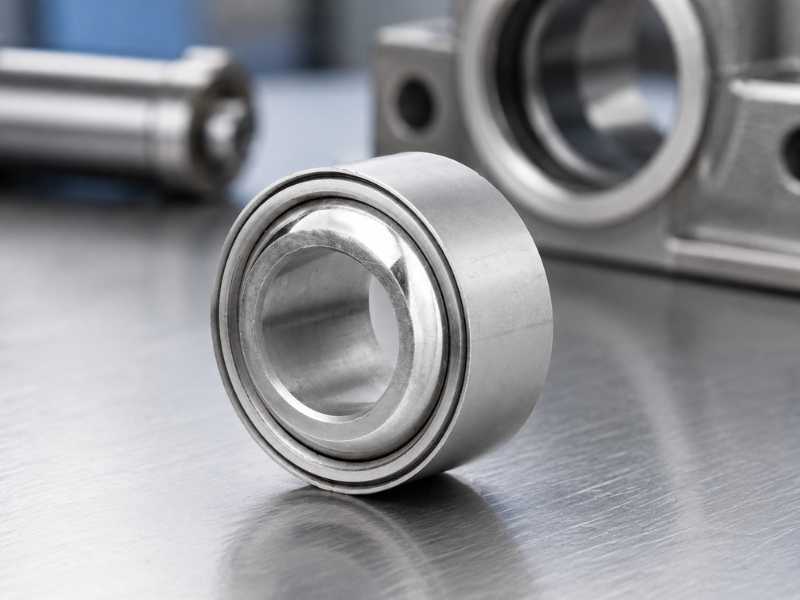
A spinning outer ring destroys a housing bore fast. This guide covers the four root causes behind it, how to confirm the diagnosis, and the repair options that actually hold in stainless assemblies.
Press Fit or Slip Fit? How to Install Stainless Steel Spherical Plain Bearings
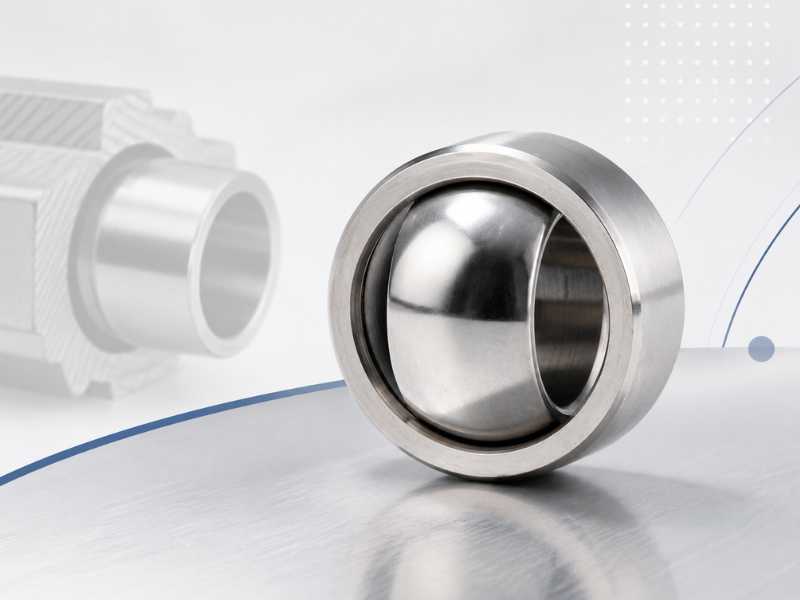
Most spherical bearing failures trace back to the wrong housing fit. This guide breaks down when to press, when to slip, and what changes when your housing is aluminum or your bearing is PTFE-lined.