

Urbanization Is Rewriting Stainless Steel Demand in Emerging Markets
- By Profab Machine /
- June 22, 2026
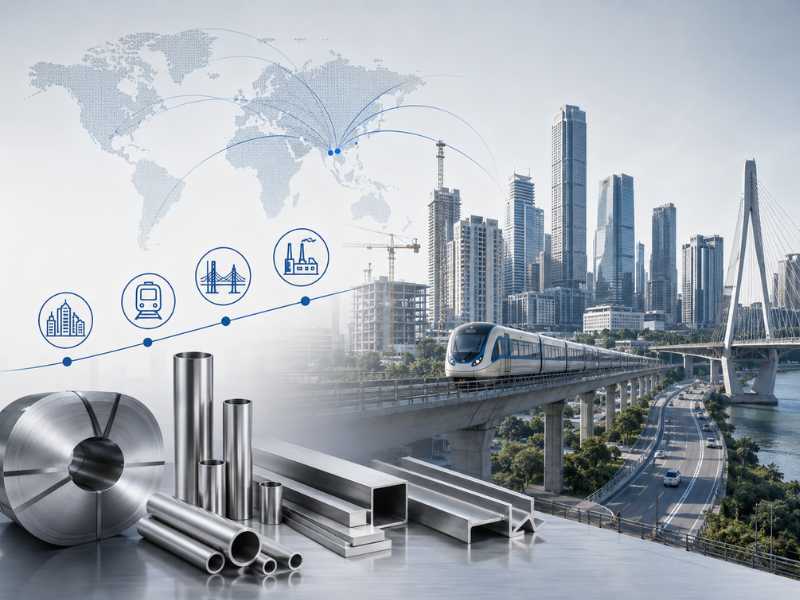
Table of Contents
For most of the past two decades, China set the pace for global stainless steel demand. Its property boom consumed enormous volumes of steel, and its manufacturing base drove downstream consumption of precision components. That story is in its final chapters. Chinese steel demand is still contracting, and the structural drivers of that contraction, the real estate correction and infrastructure saturation in coastal cities, aren’t reversing quickly.
What’s taking its place is a different demand story, spread across India, Southeast Asia, and parts of the Middle East, where urbanization is earlier in its cycle, infrastructure investment is accelerating, and the engineering requirements of the projects underway are pulling stainless steel into applications it didn’t occupy a decade ago.
India: Policy-Mandated Demand, Not Just Growth Forecasts
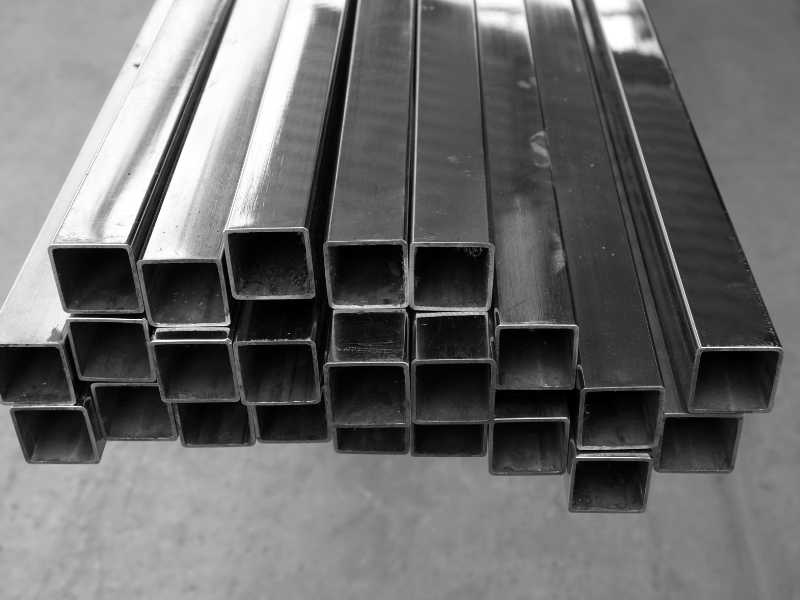
India’s stainless steel consumption trajectory stands out because part of it is now regulatory, not just demand-driven. The Ministry of Road Transport and Highways has issued guidance that allows or encourages stainless steel rebar in coastal environments, under IS 16651:2017, where long design life is a priority for infrastructure exposed to corrosion. Mumbai, Chennai, and Kochi metro rail projects are among the early adopters. Stainless steel rebars are also being considered more often in seismic and durability-sensitive applications alongside GFRP composites, reflecting the broader move toward longer-life infrastructure standards.
These aren’t optional specifications driven by lifecycle cost analysis. They’re building codes and project standards. That distinction matters for demand forecasting because regulatory demand is far more stable than discretionary demand.
The broader pipeline is substantial. India’s National Infrastructure Pipeline allocates significant capital across railways, highways, ports, metro rail, and water infrastructure through 2030. Bharatmala Phase II highway corridors, the Dedicated Freight Corridor network, Sagarmala port expansion, and metro rail extensions into Tier-2 cities are all active programs with confirmed funding and procurement cycles underway.
Against this backdrop, India’s stainless steel consumption is projected to rise steadily over the next few years, supported by both infrastructure spending and rising per-capita consumption. Per capita consumption remains below the global average, which leaves meaningful room for growth. As the urban population in India’s second and third-tier cities grows, demand for stainless steel in food processing facilities, water treatment plants, hospital equipment, and transport infrastructure tracks directly with the pace of that urbanization.
Southeast Asia: Industrial Expansion and Nickel Integration
Southeast Asia’s stainless steel story runs on two parallel tracks.
The first is infrastructure-led demand. Vietnam, Indonesia, Thailand, and Malaysia are all running significant public infrastructure programs, ranging from industrial park development and port expansion to road and rail modernization. Trade data shows the stainless steel pipe category recording strong year-over-year growth in export value in 2025, classified as a high-growth, high-performance segment in regional trade flows. The demand behind those numbers is real, and it’s tied to project cycles that won’t complete for years.
The second track is supply-side disruption. Indonesia’s Tsingshan operations have built vertically integrated stainless production around domestic nickel ore, driving production costs meaningfully below global averages and making Indonesian-origin coil highly competitive across ASEAN. Asia-Pacific accounted for the majority of global stainless steel volume in 2025 and continues to expand, with Indonesia’s cost position reinforcing regional supply concentration. For buyers sourcing commodity grades in ASEAN markets, this changes the landed cost calculation relative to importing from elsewhere.
The food processing sector across Southeast Asia adds another layer. As regional income levels rise and food safety standards tighten under alignment with international frameworks, processing facilities are upgrading to hygienic stainless steel equipment at a pace that mirrors what happened in China fifteen years ago. This creates sustained demand for 316L in food-contact applications across a geography that runs from Vietnam’s expanding seafood processing industry to Thailand’s industrial food export sector.
What the Shift Means for Precision Component Demand
Infrastructure and construction volumes tend to dominate the stainless steel headlines. The volume numbers are in flat products, rebar, and structural sections. But large infrastructure projects generate downstream demand for precision components that often goes untracked in the aggregate data.
Railway and metro rail systems require actuator linkages, signal equipment housings, and maintenance hardware in corrosion-resistant grades. Coastal infrastructure built to long design-life standards specifies components that can meet that lifespan requirement. Port equipment operating in salt spray environments defaults to 316L for anything that cycles under load. Water treatment plants designed for a multi-decade service life need linkage hardware and valve components that won’t require replacement every five years.
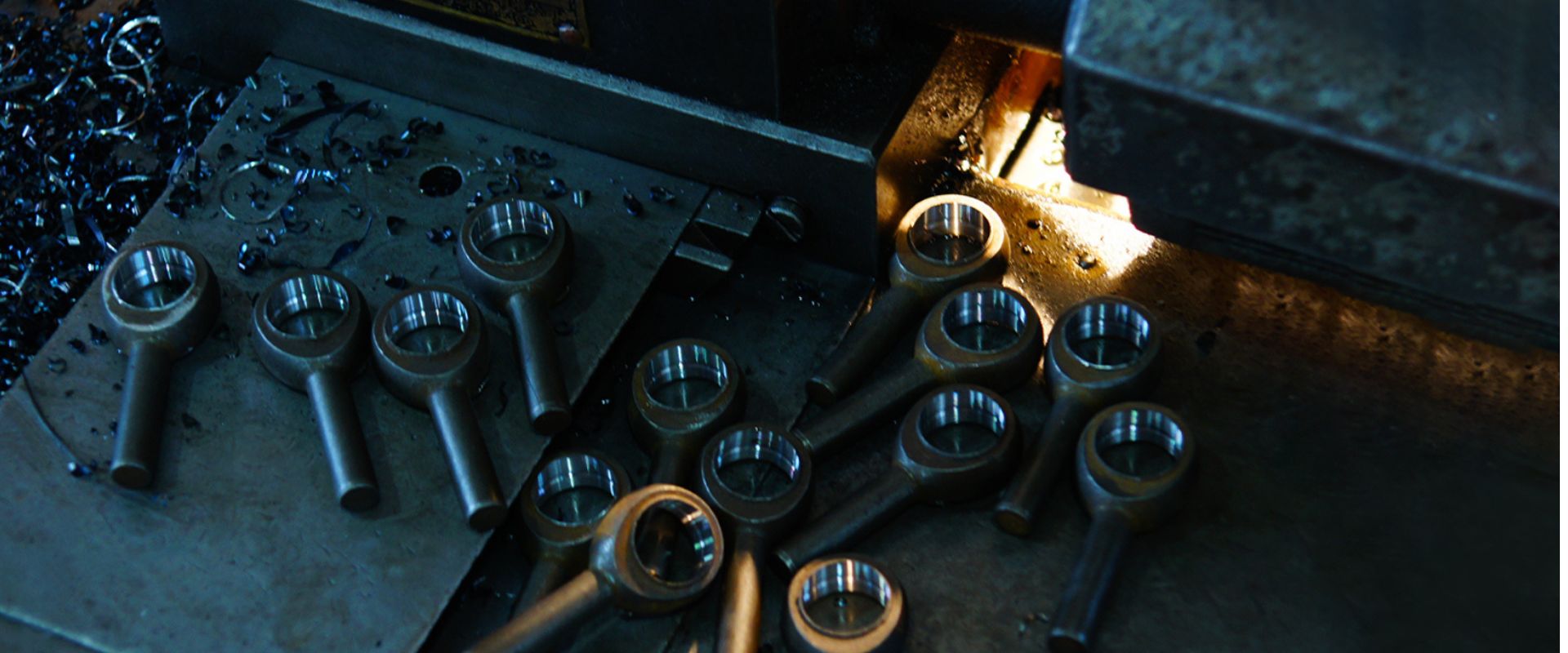
This is where stainless steel rod ends, spherical bearings, and precision CNC components enter the picture. As project specifications in India and Southeast Asia become more demanding, the grade and tolerance requirements on hardware components follow. A contractor building coastal infrastructure in Chennai or a food processing plant in Ho Chi Minh City faces the same material selection questions as a buyer in Hamburg or Los Angeles, and increasingly they’re arriving at the same answers.
The Procurement Implication
Demand growth in emerging markets doesn’t translate immediately or uniformly into easier sourcing for the buyers in those markets. A few dynamics are worth tracking.
Grade availability is uneven. Standard 304 in sheet and bar form is well-supplied across Asian markets. 316L in precision bar and rod form, 17-4PH, and duplex grades have tighter availability and longer lead times regardless of headline production figures. Projects specifying these grades for structural or equipment applications should plan procurement earlier in the project cycle than standard grades would require.
Local standards are evolving. India’s stainless rebar requirements and the BIS certification framework for imported stainless steel products create compliance requirements that weren’t in place five years ago. Buyers sourcing for Indian infrastructure projects need to verify material certifications against current BIS requirements, not just ASTM or EN equivalents.
China’s export positioning matters. China faces moderating domestic uptake as its property sector declines, and mills are pivoting exports toward tariff-light regions such as Southeast Asia and Africa. That redirection of Chinese stainless export volume into ASEAN markets affects competitive pricing on commodity grades, but it doesn’t address the quality-tier and lead time gaps on specialty grades and precision-machined components.
Final Takeaway
The geography of stainless steel demand is shifting. China’s dominance is stable in production volume but shrinking in incremental demand growth. India and Southeast Asia are taking over that incremental role, driven by urbanization timelines that are structurally earlier in their cycle and infrastructure commitments that are policy-backed rather than speculative.
For buyers and suppliers of precision stainless steel components, the practical implication is that the customer base for products specified to marine, food-processing, and infrastructure standards is expanding geographically. The engineering questions are the same. The procurement context is different.
References
- WorldStainless: Stainless steel melt shop production Q1 2026 — worldstainless.org
- India Investment Grid: National Infrastructure Pipeline — indiainvestmentgrid.gov.in
- Mordor Intelligence: Stainless Steel Market 2026–2031 — mordorintelligence.com
- Ministry of Road Transport and Highways, India: Circular on Stainless Steel Rebar (IS 16651:2017)
- Construction World India: Bridge Safety Monitoring Policy 2024 — constructionworld.in
- IndexBox: Steel Market Forecast 2026–2035 — indexbox.io

Symptoms of a Bad Universal Joint

Are Heim Joints Worth It on a Daily Driven Jeep

Why Lifted Tacomas Need Adjustable Heim UCAs
The Hidden Loads That Break Clevis Rod Ends

When Should Stainless Steel Be Passivated?

Why Doesn’t My Rotary Spray Ball Rotate?

Subscribe to receive technical updates, product insights, and stainless steel engineering knowledge from Profab Machine.