

Benefits of Stainless Steel Pulleys Over Carbon Steel
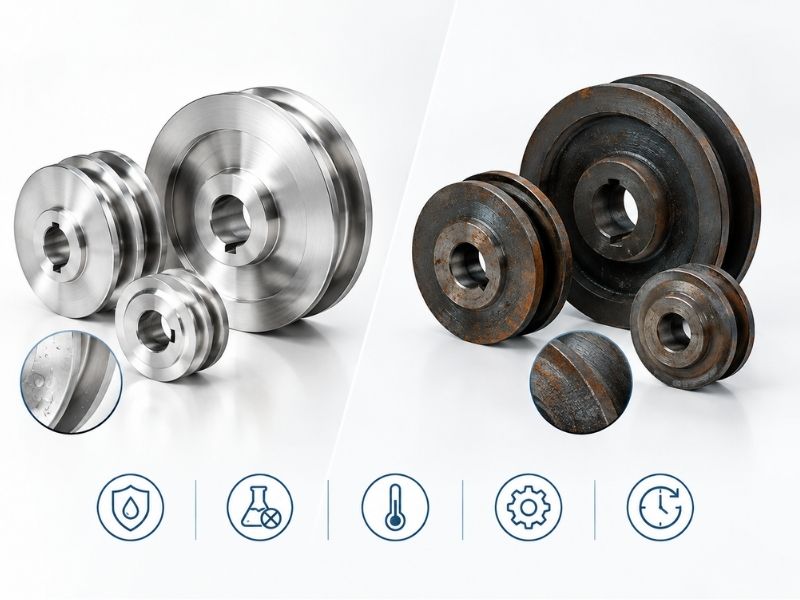
The case for stainless steel pulleys isn’t about corrosion resistance in the abstract. It’s about what happens to a carbon steel pulley groove after six months of washdown, and what that groove condition does to belt or rope life. Here’s the specific failure sequence and where stainless interrupts it.
How to Choose a Pulley: A Practical Selection Guide
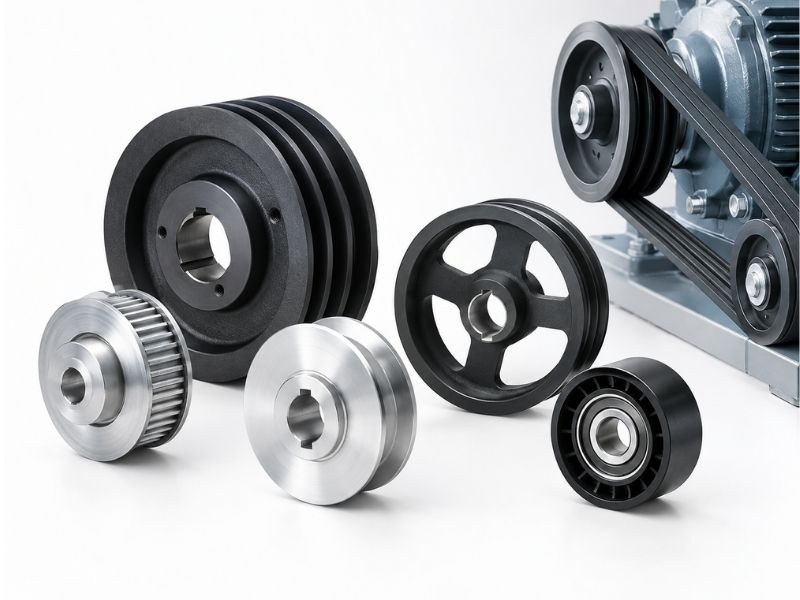
Most pulley selection mistakes happen when engineers jump to diameter before confirming the medium type, or specify the groove without checking the D/d ratio. Here’s the correct sequence and what each decision actually controls.
Tube OD vs Nominal Pipe Size: Why the Clamp Size Can Be Wrong
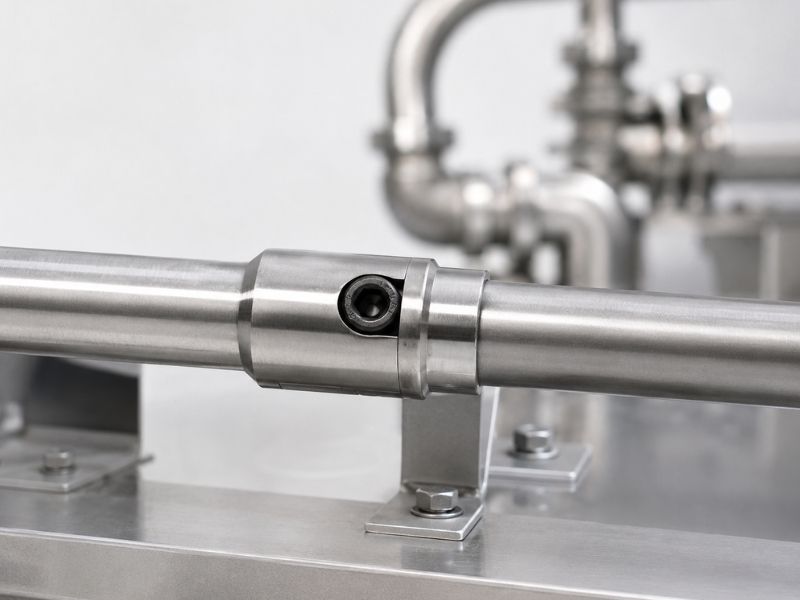
The clamp arrives, the installation crew tries to fit it on a 1-inch nominal pipe, and it won’t close. The problem isn’t a manufacturing defect. A 1-inch pipe has an OD of 1.315 inches, and the clamp was sized for a 1-inch tube with a true 1.000-inch OD. Here’s how this confusion happens and how to stop it before the order goes in.
How to Choose a Tube Clamp by Tube OD and Wall Thickness
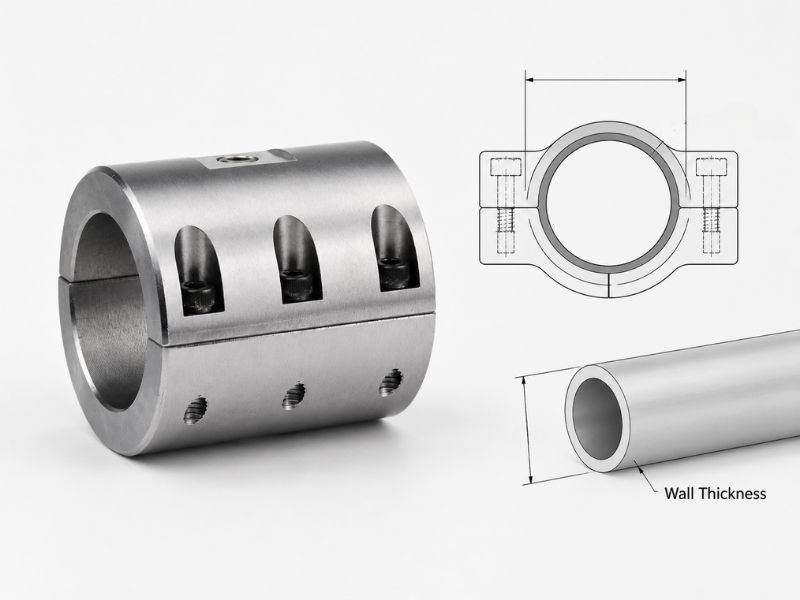
Most clamp selection guides stop at OD. Wall thickness is the second dimension that determines whether a clamp holds correctly or crushes a thin-wall tube under installation torque. Here’s how to read both and choose accordingly.
Why Do Sprockets Wear Faster Than Chains
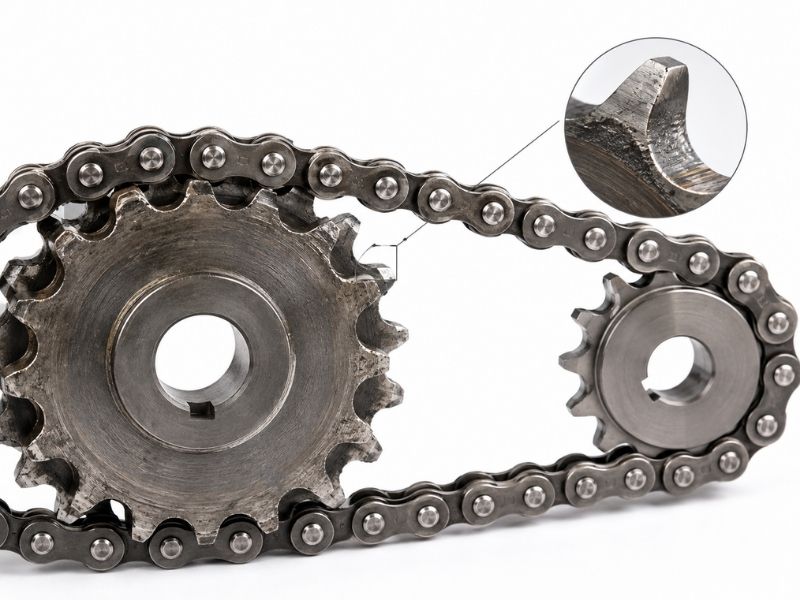
Small sprockets see more tooth-contact cycles than large sprockets, but chain elongation, tooth hardness, lubrication, alignment, and material choice decide the real wear rate.
Chain and Sprocket Systems Explained
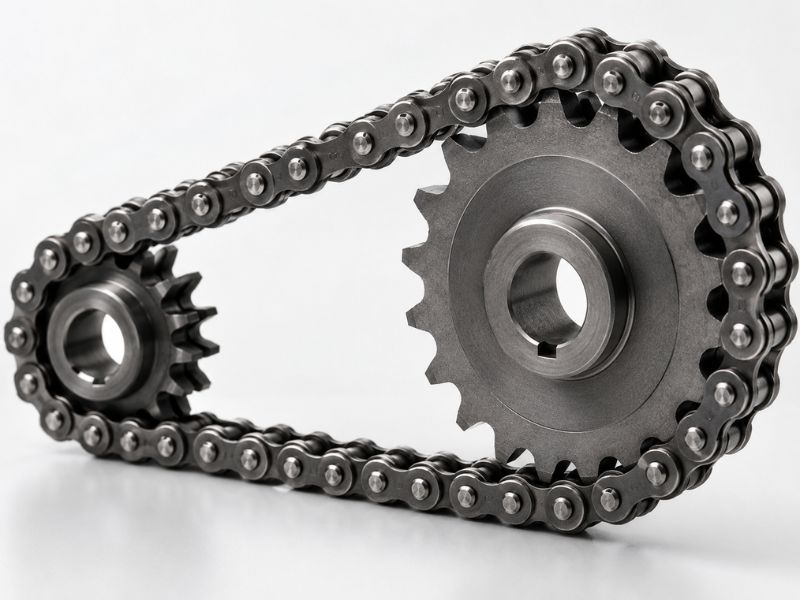
A chain and sprocket system transmits rotational power between two shafts using positive mechanical engagement. No slip, constant speed ratio, high torque capacity. Here’s everything you need to understand the system before selecting components for it.
Food Grade vs. Washdown Rated Rod Ends
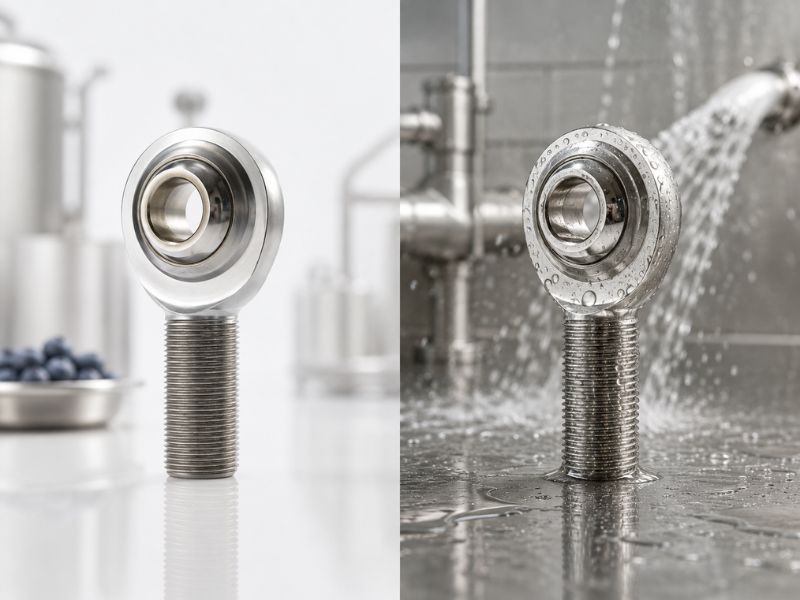
A rod end listed as food grade may only mean the lubricant is NSF H1 certified. One listed as washdown rated may only mean it passed an IP65 spray test. Neither label tells the full story. Here’s how to read the specs correctly.
How to Match a Stainless Steel Sprocket to Your Chain
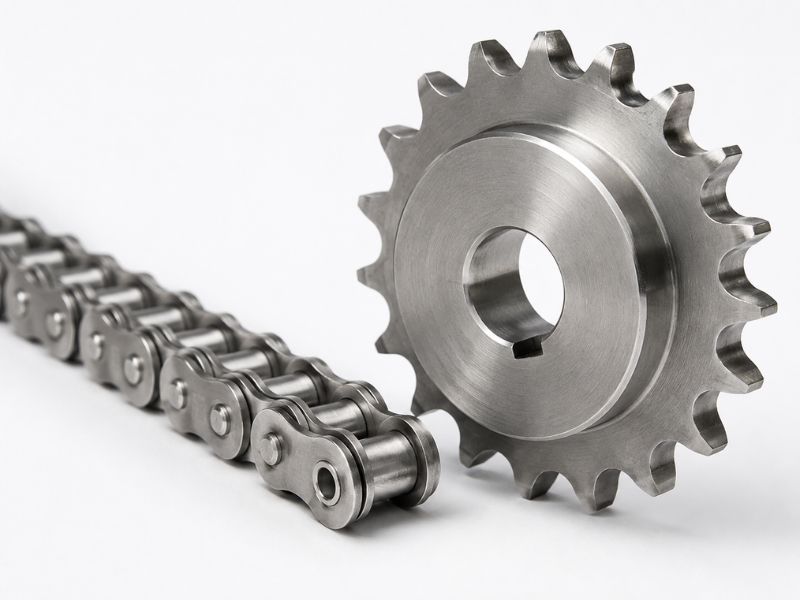
Pitch is the first check, not the only one. An ANSI #40 and an ISO 08B chain both have 12.7mm pitch, but their roller diameters are different enough that they won’t run cleanly on the same sprocket. Here’s every dimension you actually need to confirm before ordering.
Industrial vs Aerospace Rod Ends: Key Differences and When to Use Each
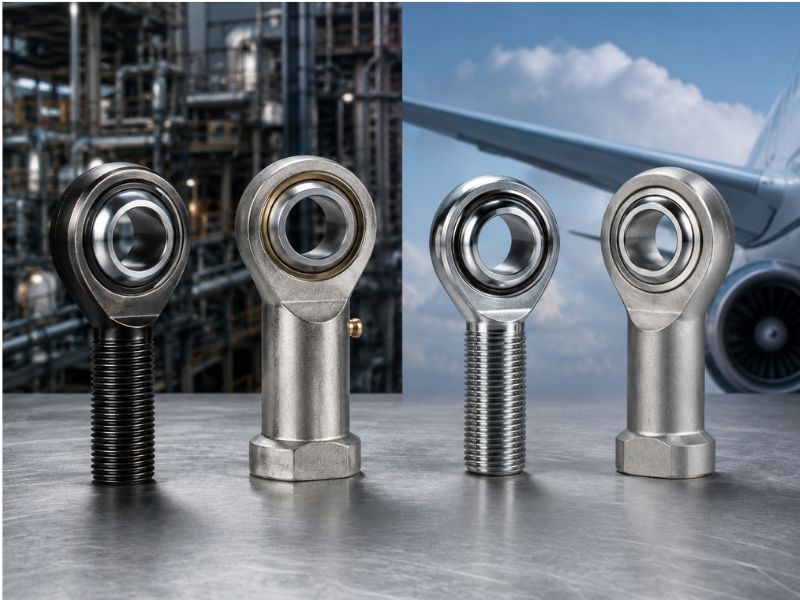
The difference between an industrial rod end and an aerospace-grade rod end isn’t just price. It’s tolerance stack-up, liner construction, traceability documentation, and which failure mode is acceptable. Here’s how to tell which one your application actually needs.
PTFE-Lined vs. Greasable Heim Joints: Which Fails First After Water Crossings?
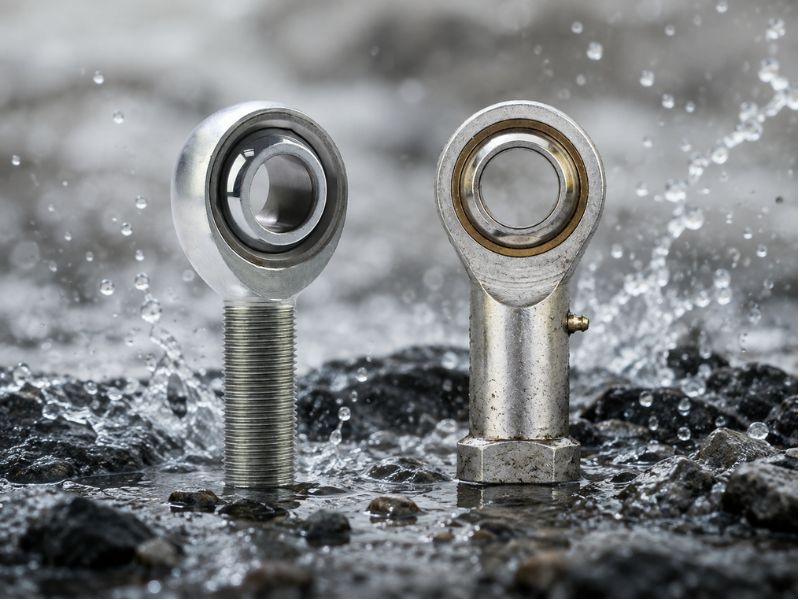
The forum debate about PTFE vs greasable heim joints usually ignores the specific failure mechanism that water crossings trigger. Here’s what actually happens inside each joint type after you drive through water, and which one survives longer when maintenance is realistic rather than ideal.