

Motion & Linkage
Stainless Steel Heim Joints
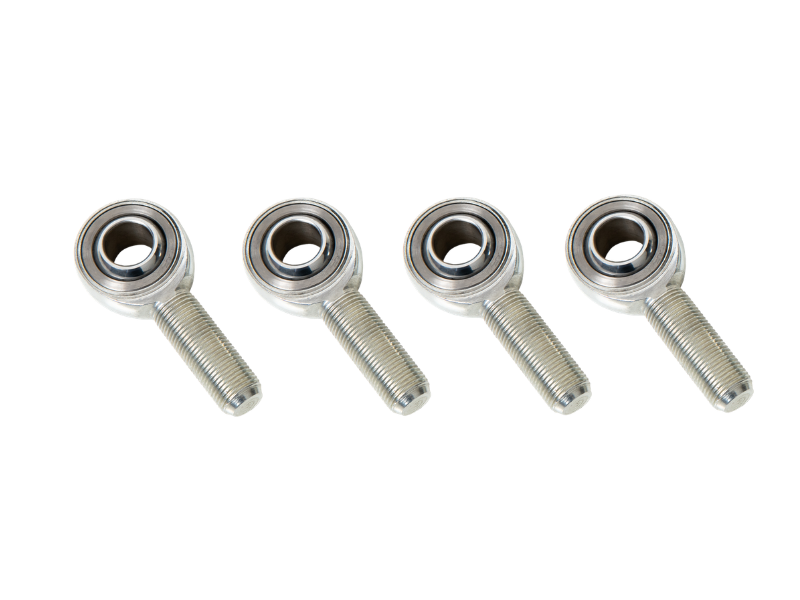
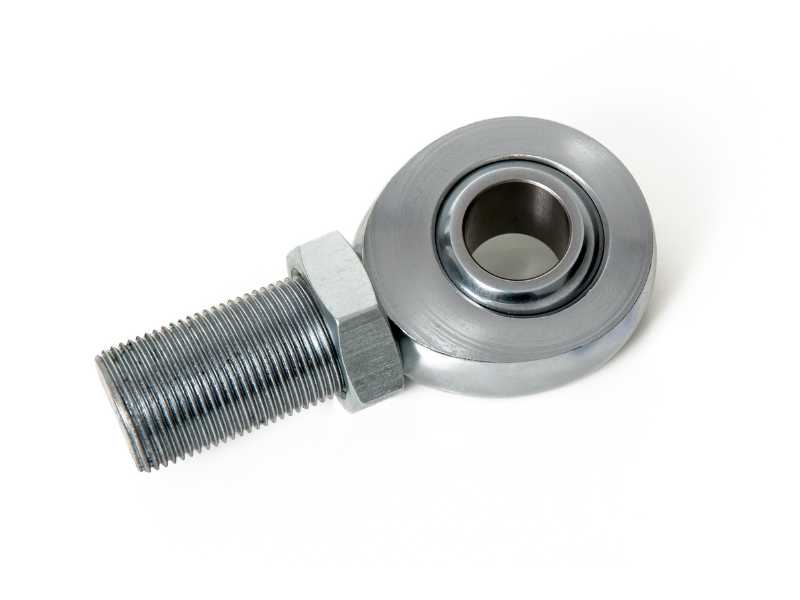
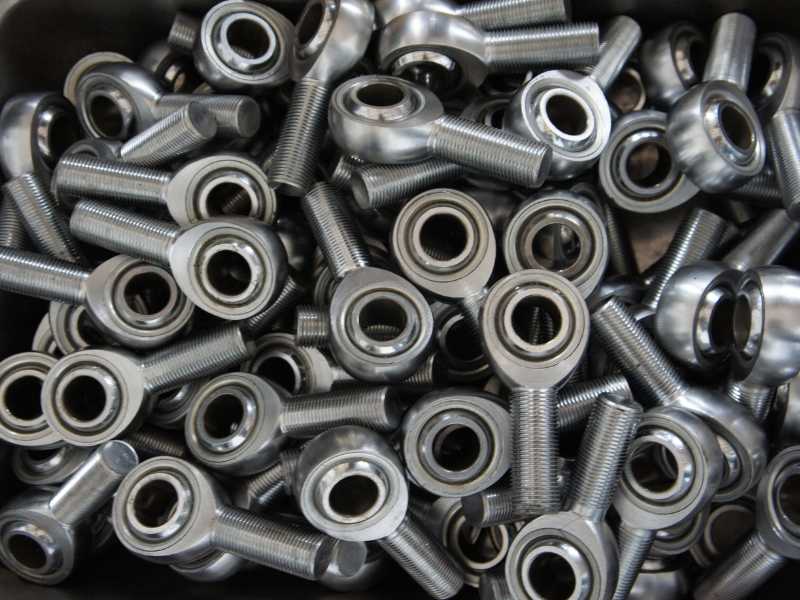
Profab Machine manufactures stainless steel heim joints for suspension, steering, control arms, track bars, and custom linkage systems. Available in multiple materials, thread standards, bore sizes, and surface finishes, our heim joints are built for demanding automotive, industrial, marine, and off-road applications.
Whether you need prototype quantities or high-volume OEM production, we provide flexible manufacturing, consistent quality, and custom engineering support for every project.
- 304 / 316L / 17-4 PH
- Male & Female
- Metric & Inch
- PTFE & Metal-to-Metal
Product Range
Types of Stainless Steel Heim Joint Bearings
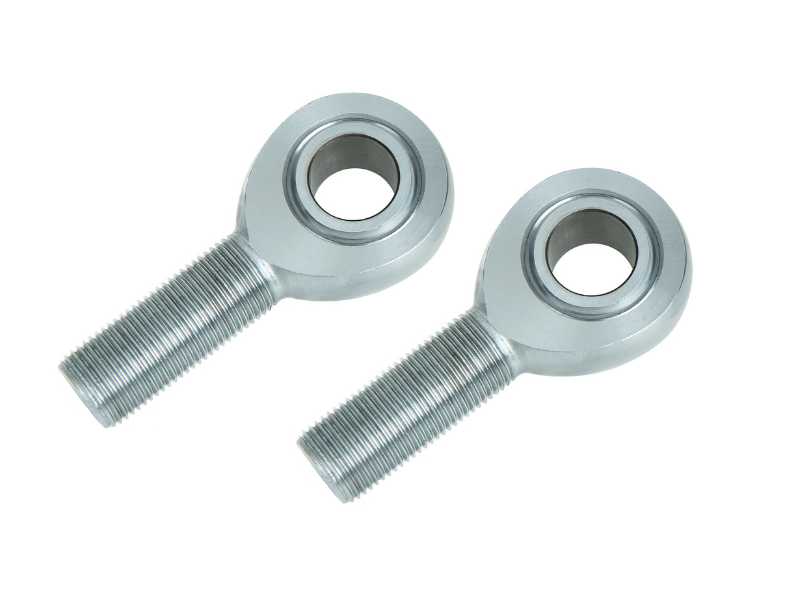
Male Heim Joints
- External thread · UNF & Metric · Studded shank
- Screws into tube bung or threaded bracket
- Longer thread engagement for adjustment range
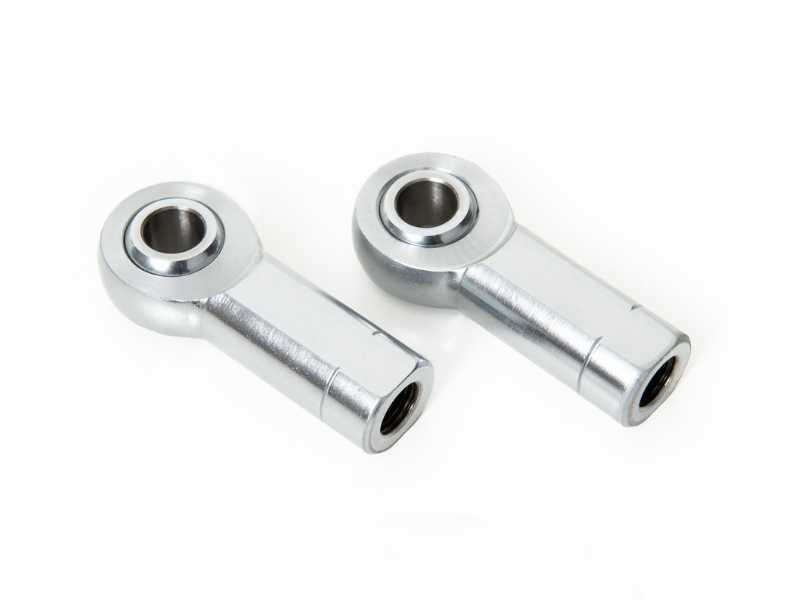
Female Heim Joints
- Internal thread · UNF & Metric · Compact body
- Accepts external threaded rod or stud
- Use where installation space is tight
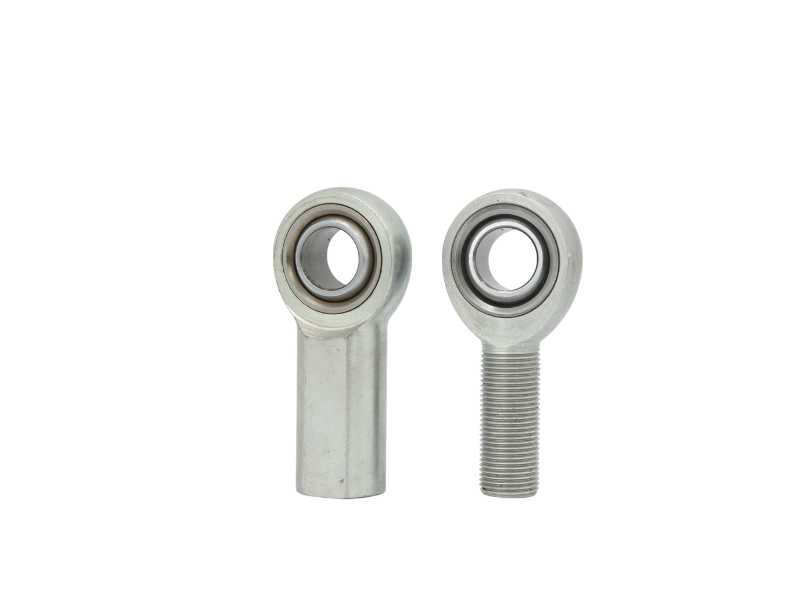
PTFE Lined Heim Joints
- Self-lubricating liner · No grease required
- Low-friction film transfers to ball during run-in
- Low maintenance · Clean operation
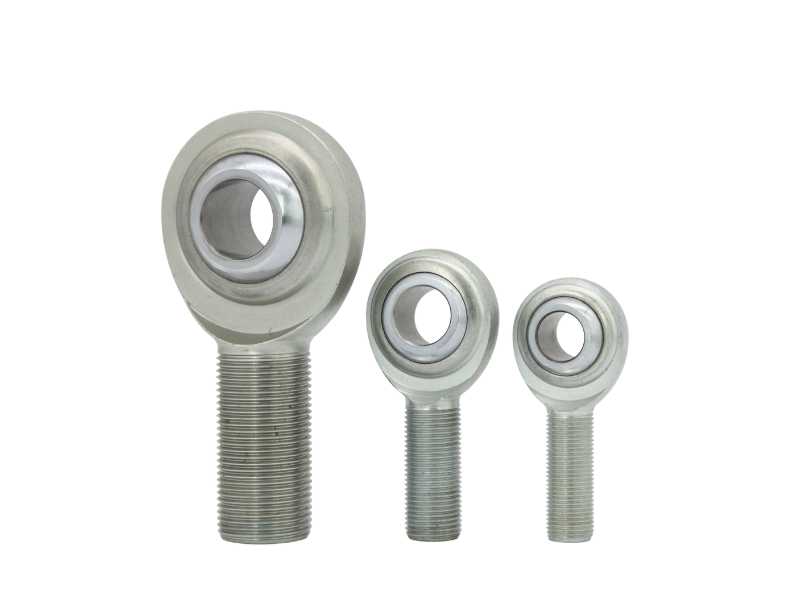
Metal to Metal Heim Joints
- Steel-on-steel or steel-on-bronze contact
- Higher static load than lined joints at same bore size
- Tolerates shock and impact loading
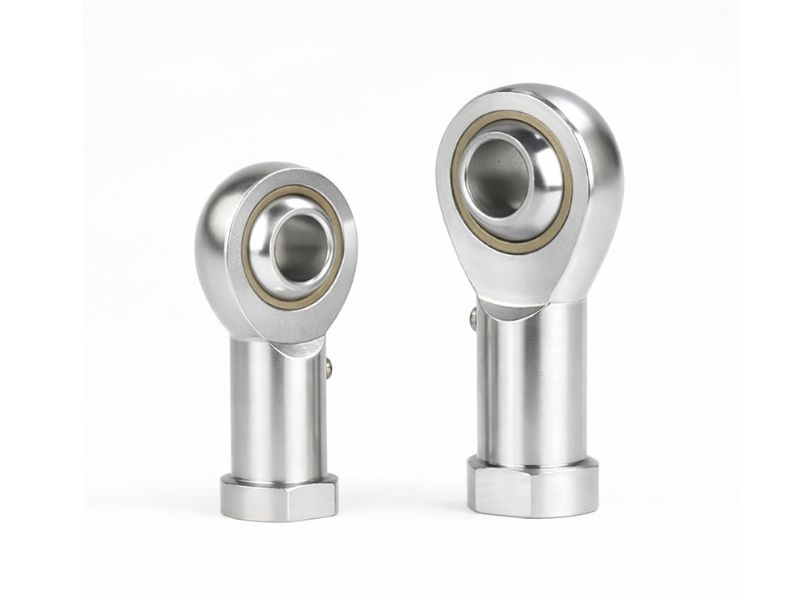
Greasable Heim Joints
- Zerk fitting on housing body
- Pump fresh grease to flush mud, grit and water
- For off-road, 4-link, tractor — anywhere contamination enters the joint
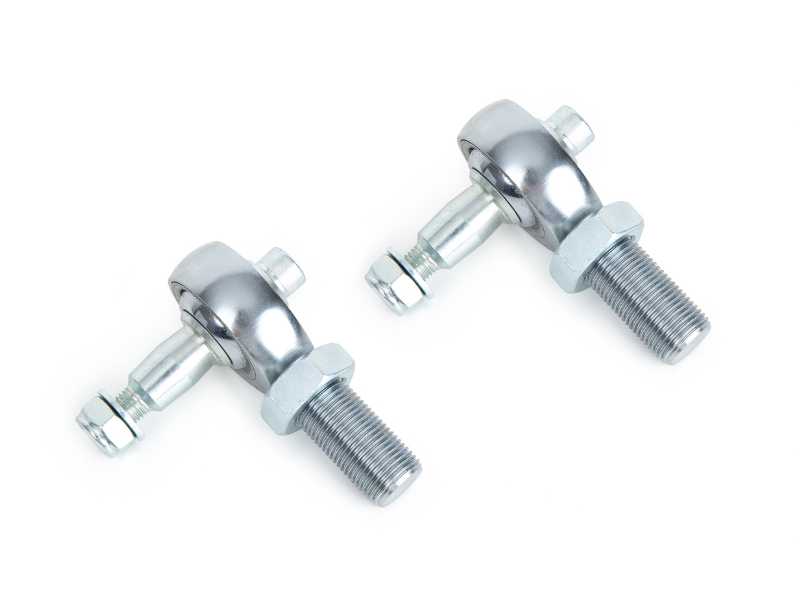
Sealed Heim Joints
- Integral lip seals on both housing faces
- Retains lubricant · Blocks road grit and moisture
- Longer service interval than unsealed joints on street-driven vehicles
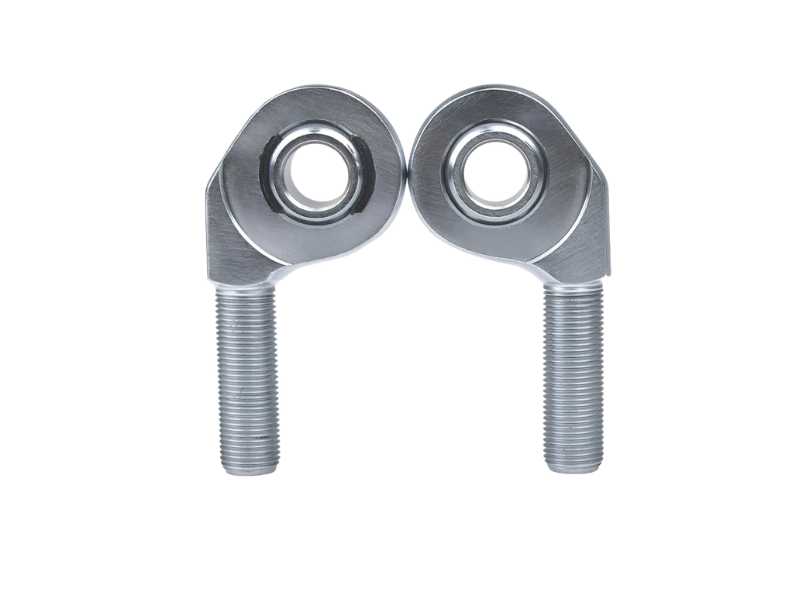
Offset Heim Joint
- Offset ball bore · Clears bracket interference
- Mounting plane shifted from housing centerline
- Sealed or greasable · RH/LH
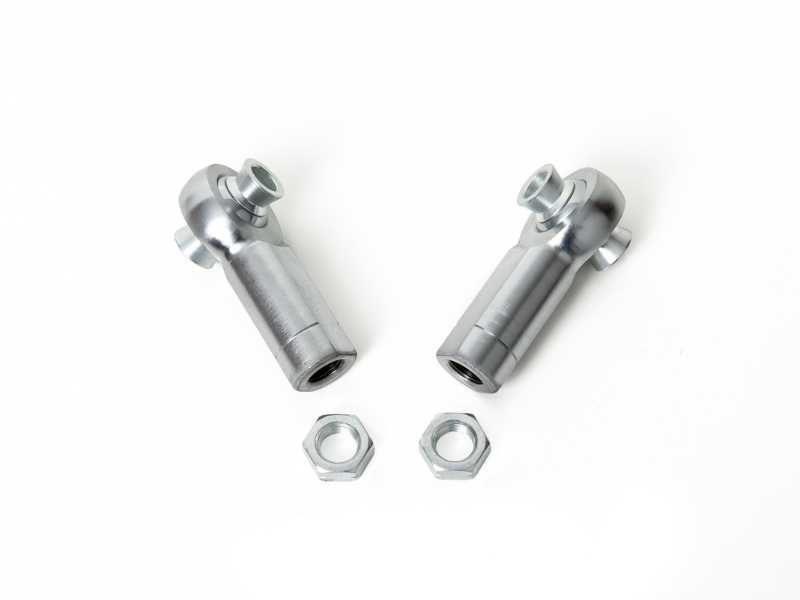
High Misalignment Heim Joints
- 25°+ angular range · Larger ball-to-housing ratio
- For lifted suspension and triangulated 4-links
- Where standard joint runs out of angle
Material Specification
Choosing the Right Grade
The housing material is what you’re really specifying when you order. The ball is always 440C. Below is a quick reference — wrong grade is the most common reason rod ends fail prematurely in corrosive environments.
304 Stainless
General-purpose grade. Good resistance to humidity, mild chemicals, and food-safe cleaning agents. Use this for indoor machinery, agricultural equipment, and dry-run automation.
Food · Automation · Indoor
316 / 316L
Molybdenum addition gives 316L roughly 3× better chloride resistance than 304. Required for marine applications, salt-spray environments, offshore, and food-grade lines with CIP chemical cleaning.
Marine · Chemical · Pumps
17-4PH
Precipitation-hardened grade. After H900 heat treatment, tensile strength reaches ~1310 MPa — significantly stronger than 316. Used in motorsport, aerospace, and high-cycle fatigue applications where load ratings matter more than cost.
Aerospace · Motorsport · Hi-load
440C Stainless Ball — Standard on All Series
440C is a martensitic stainless with hardness up to HRC 58 after heat treatment. It is the industry standard for rod end balls because it combines adequate corrosion resistance with the hardness needed to withstand Hertzian contact stress in the socket. All Profab rod ends use 440C balls unless specifically requested otherwise.
Why Racing and Off-Road Builds Upgrade to Stainless Steel Heim Joints
High-performance suspension systems demand more than strength alone. Racing and off-road vehicles rely on heim joints because they provide precise articulation, accurate suspension geometry, and easy adjustment for steering and chassis tuning. They are widely used in control arms, track bars, four-link suspensions, and steering systems where consistent movement and alignment are critical.
For vehicles exposed to mud, water, and road salt, stainless steel becomes a practical upgrade. Compared with standard carbon steel components, stainless steel heim joints offer improved corrosion resistance, helping reduce rust-related wear and maintain reliable operation in demanding outdoor environments.
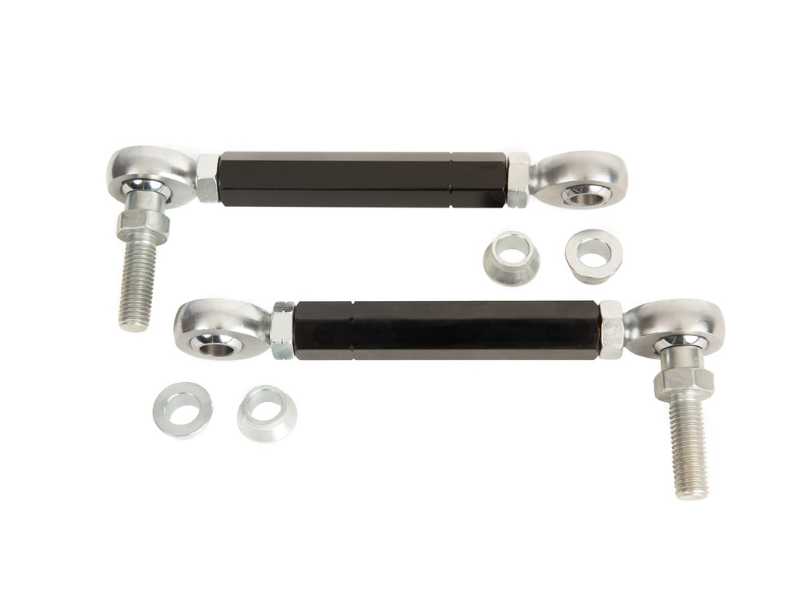
Applications Across Steering, Suspension, and Custom Fabrication
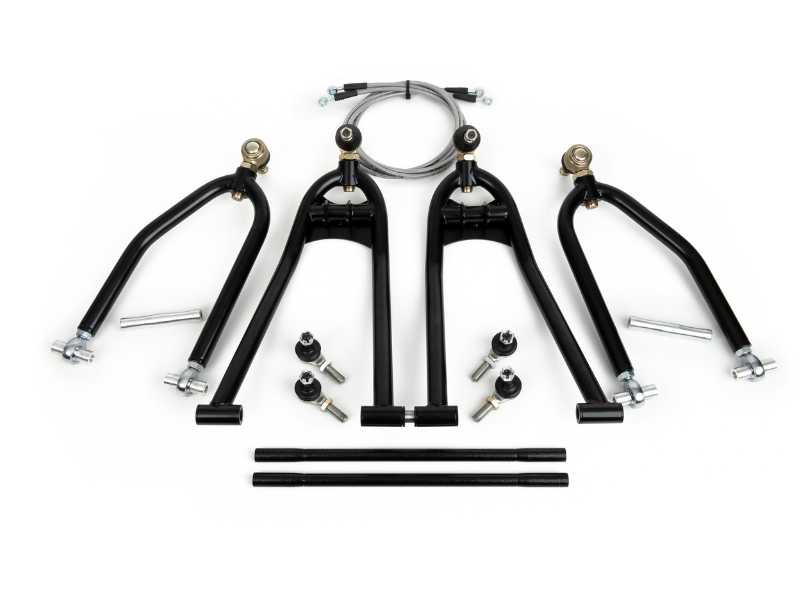
Heim joints are used throughout modern performance and custom vehicle builds. In steering systems, they help deliver accurate steering response and allow precise alignment adjustments. In suspension systems, they are commonly installed on control arms, four-link suspensions, traction bars, and adjustable linkages to improve articulation and simplify chassis setup.
Beyond racing, stainless steel heim joints are also used in Jeep builds, UTVs, ATVs, rock crawlers, agricultural equipment, and custom fabrication projects where adjustable linkage and corrosion resistance are required. Profab Machine supports custom thread sizes, bore dimensions, and application-specific designs for OEM and aftermarket manufacturers.
Why Profab
Your Reliable Heim Joints Supplier
01
Custom Heim Joints Beyond Standard Catalog
Unlike distributors that only offer limited off-the-shelf sizes, Profab manufactures custom heim joints based on your exact requirements. We support customized solutions including different thread standards, bore sizes, shank lengths, body designs, surface finishes and stainless steel grades.
02
Precision CNC Machining for Consistent Performance
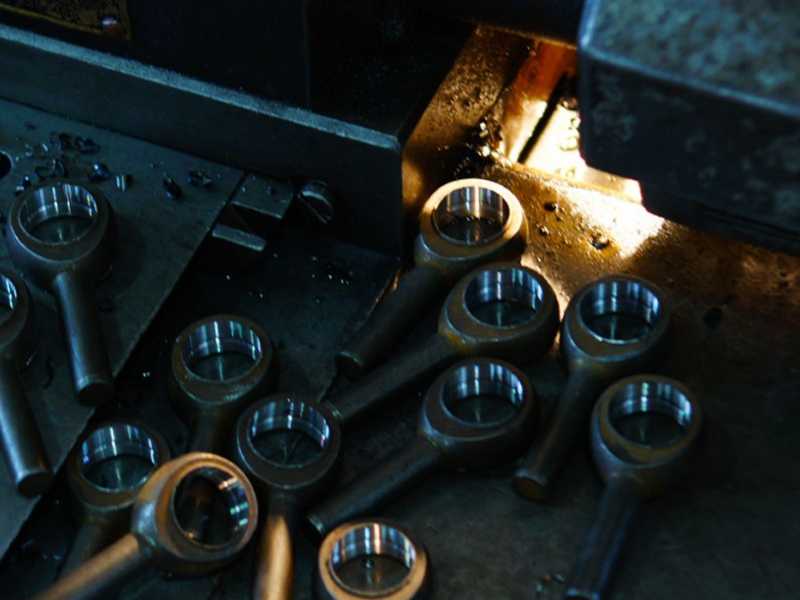
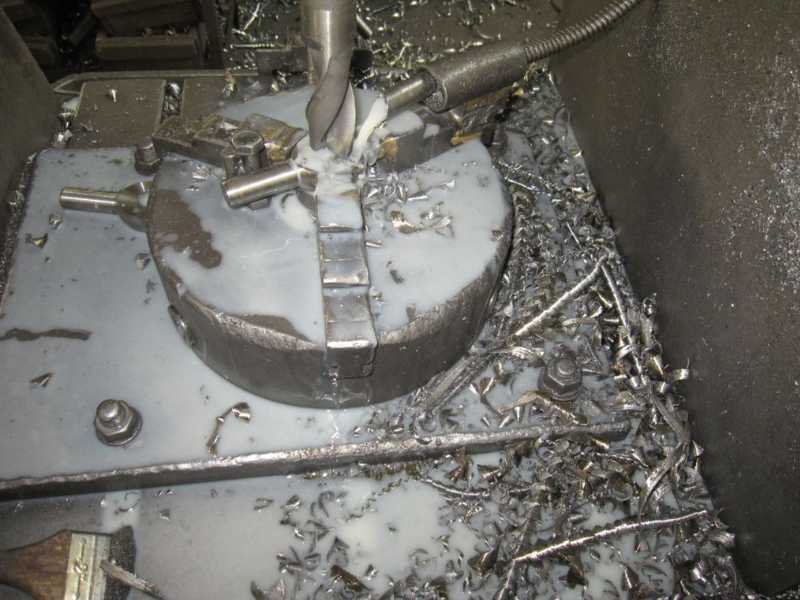
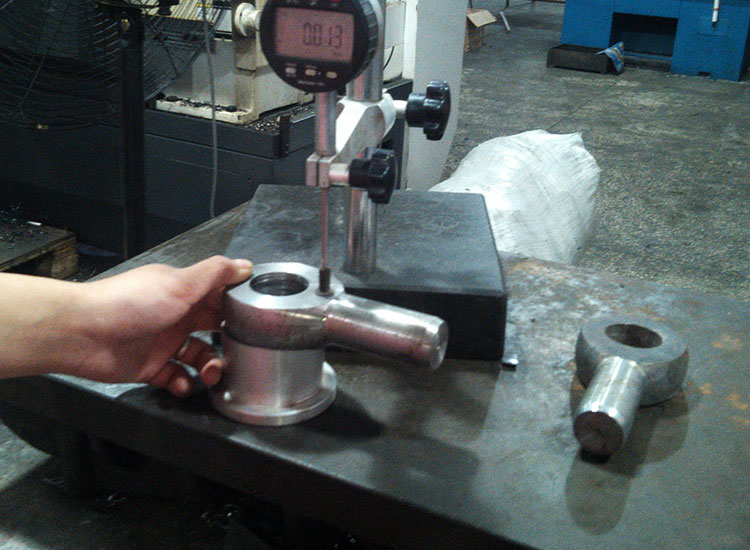
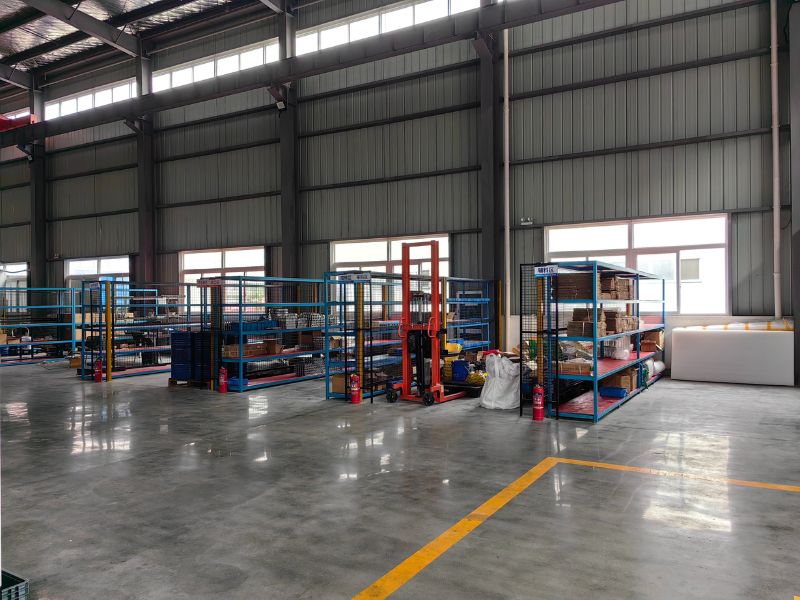
Our CNC machining capabilities allow strict control over critical dimensions such as thread accuracy, spherical alignment, bore tolerance, and overall geometry. Every component is manufactured according to technical drawings and inspected to ensure consistent fit, smooth movement, and reliable performance in demanding applications.
03
Direct Manufacturer, Not Just a Distributor
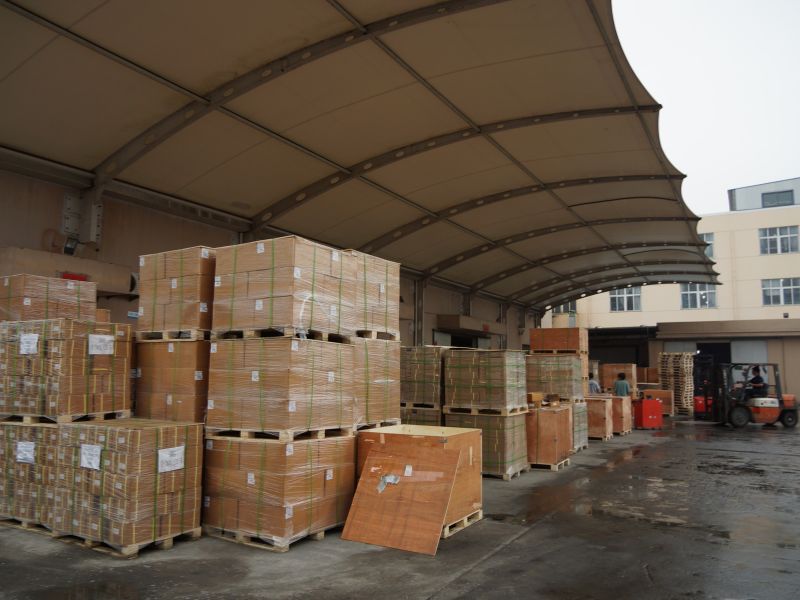
Working directly with a manufacturer gives you more control over product design, materials, quality, and cost. Unlike resellers limited by standard inventory, Profab provides direct customization support and manufacturing expertise to create heim joints that match your exact specifications.
Build a Complete System
Heim Joint Kits & Hardware
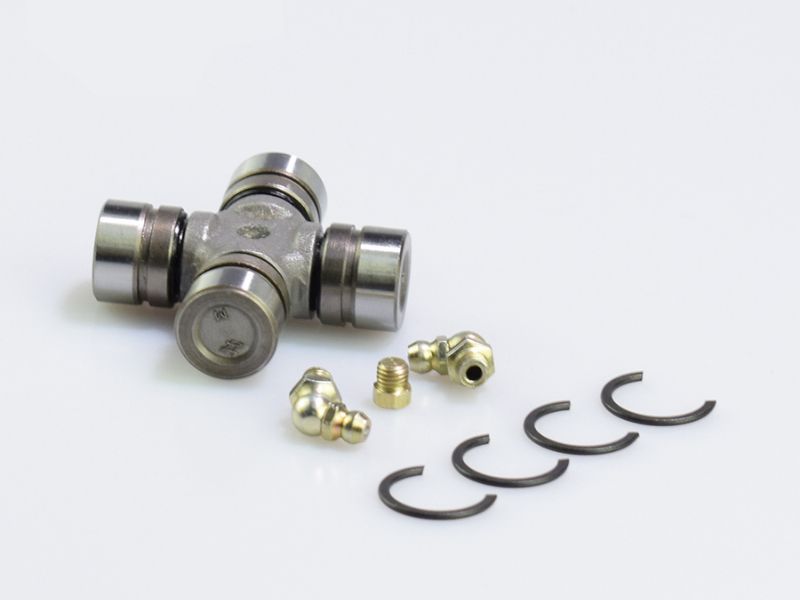
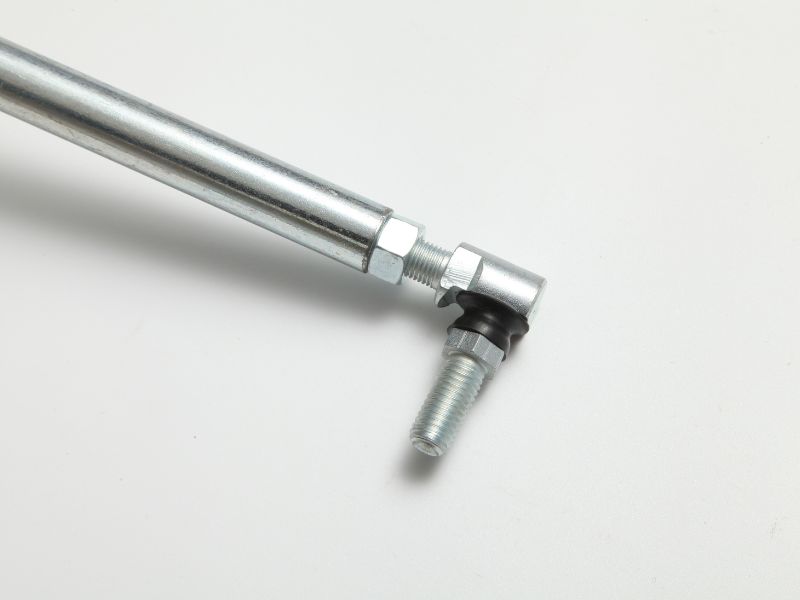
Profab provides more than individual heim joints. We can also manufacture related components such as high-misalignment spacers, adapters, jam nuts, bungs and linkage adjusters, helping customers simplify sourcing and achieve a complete linkage assembly from one reliable supplier.
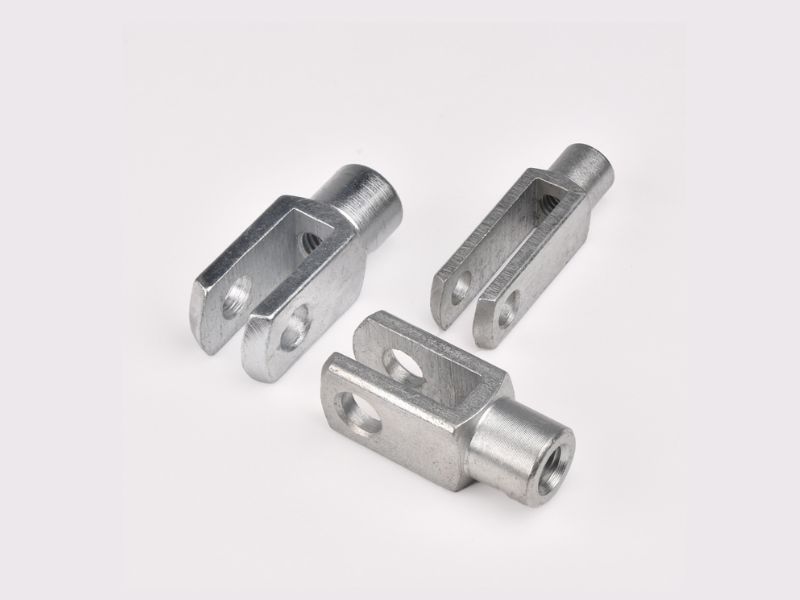
Clevis Joints For Heim Joint
High Misalignment Spacers
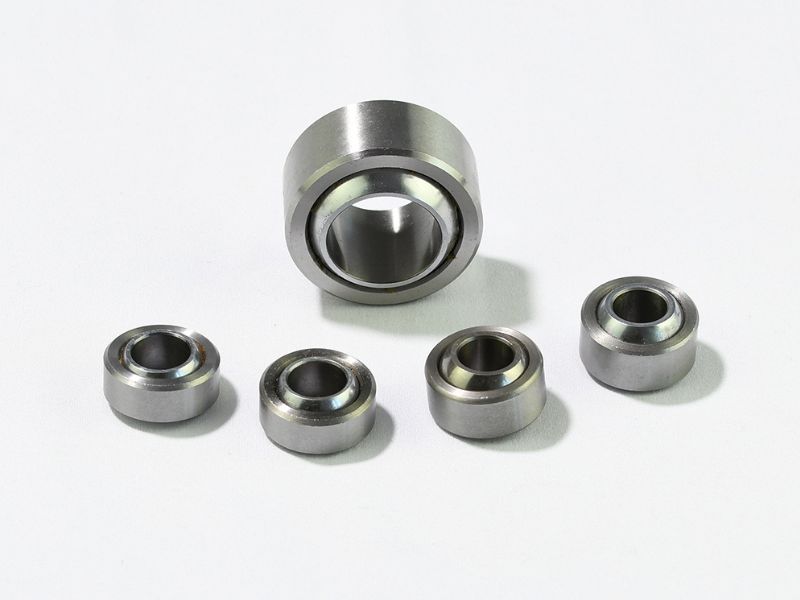
Heim Joint Bushings
Jam Nuts
Heim Joint Bungs
Linkage Adjuster
Turnbuckle Hex Bar
Uniball Cups
FAQ
Common Questions
Not seeing your question? Email us at [email protected] and we typically reply same day.
What stainless steel grades do you offer? Can you provide Material Test Certificate (MTC)?
We routinely provide 304, 316, 17-4, 2205, and other grades. We can provide Material Test Certificate (MTC) and proof of chemical composition upon request.
Are Heim joints suitable for high-load applications?
Some Heim joints are designed for high static or dynamic loads. Selection should be based on the rated load, load direction, mounting arrangement, misalignment angle and required service life.
How long do Heim joints last?
Service life depends on load, motion frequency, contamination, lubrication, misalignment, installation quality and product design. Regular inspection is recommended, especially in safety-critical or high-vibration applications.
Related Products
Often Ordered Together

Selection Guide
How to Select a Stainless Steel Heim Joint
Thread & Bore
Decide male or female. Measure your existing thread size and bore diameter. Determine right hand, left hand, or one of each for an adjustable link.
Material Grade
Match the grade to your environment. 304 for general industrial use. 316L for marine, coastal, or chloride exposure. 17-4 PH where strength matters most.
Liner Type
PTFE lined for frequent motion and no maintenance access. Metal to metal for high static loads and shock loading. Check rated load values for your size.
Misalignment & Fit
Compare your required angular movement against the rated misalignment angle. Verify mounting width matches your bracket. Add a spacer if needed.
BLOG
Heim Joint Knowledge Base
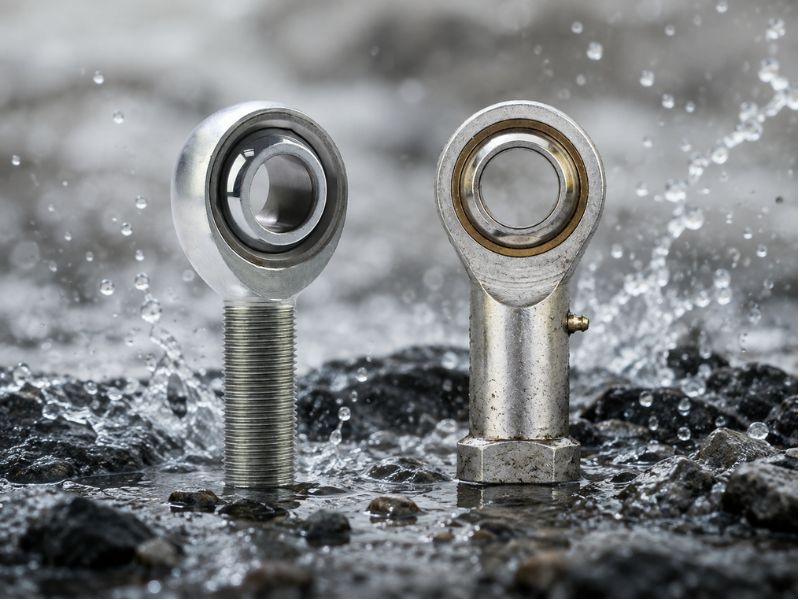
PTFE-Lined vs. Greasable Heim Joints: Which Fails First After Water Crossings?
The forum debate about PTFE vs greasable heim joints usually ignores the specific failure mechanism that water crossings trigger. Here’s what actually happens inside each joint type after you drive through water, and which one survives longer when maintenance is realistic rather than ideal.
Heim Joint Steering: Why Bigger Tires Demand the Upgrade
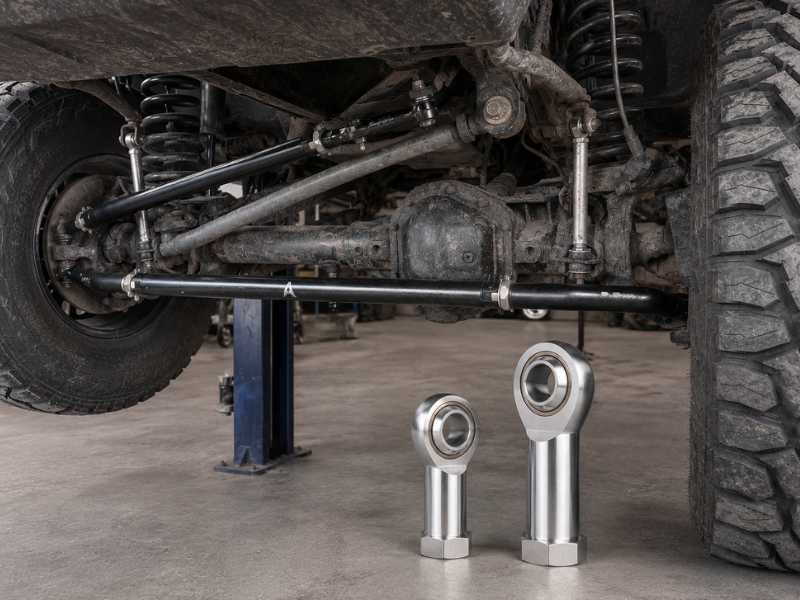
The 37-inch mark isn’t arbitrary. It’s where tire weight, scrub radius, and steering geometry combine to overwhelm what factory steering components were designed for. Here’s what’s actually happening and why heim joints fix it.
Are Heim Joints Worth It on a Daily Driven Jeep
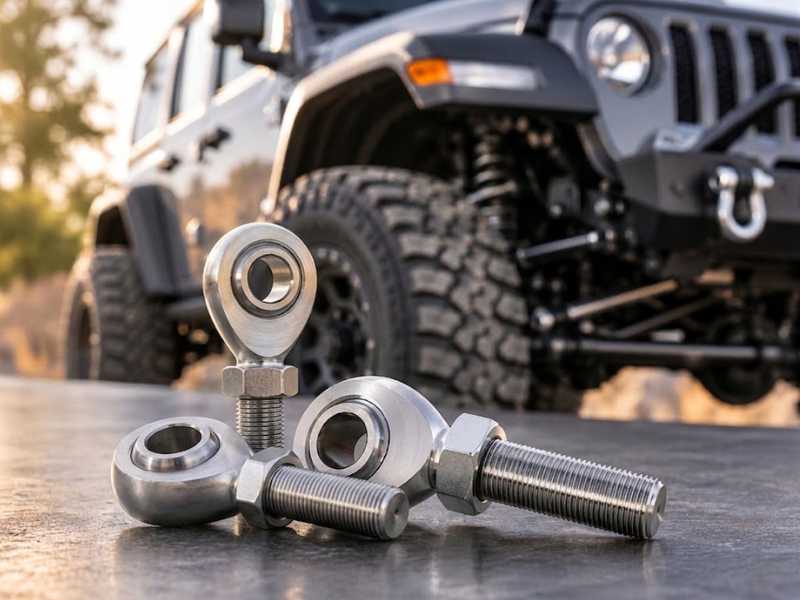
The off-road forums say heims are great for trails and bad for daily driving. That’s too simple. Whether heim joints are worth it on a daily driven Jeep depends on where they’re installed and what the alternative actually is.”Are Heim Joints Worth It on a Daily Driven Jeep?
Factory Direct
Ready to Source Stainless Parts?
If you already have the drawings, please send email to [email protected] directly for an instant quote.
Profab
Request a Quote