

Stainless Welded Tubing vs Seamless Tubing: The Complete Comparison Guide
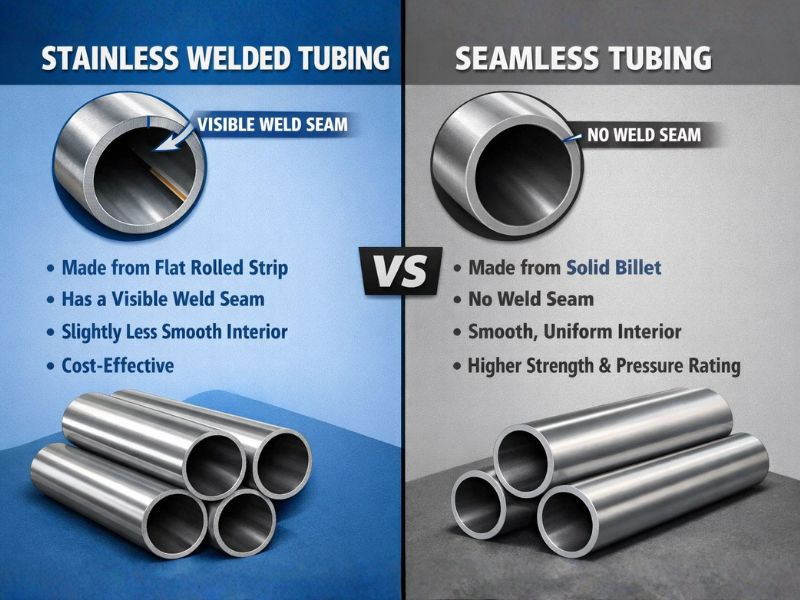
Understanding these differences helps engineers and buyers select the right tubing for reliability, compliance, and total lifecycle cost.
Advantages of Maintenance-Free Rod Ends in Hydraulic Applications
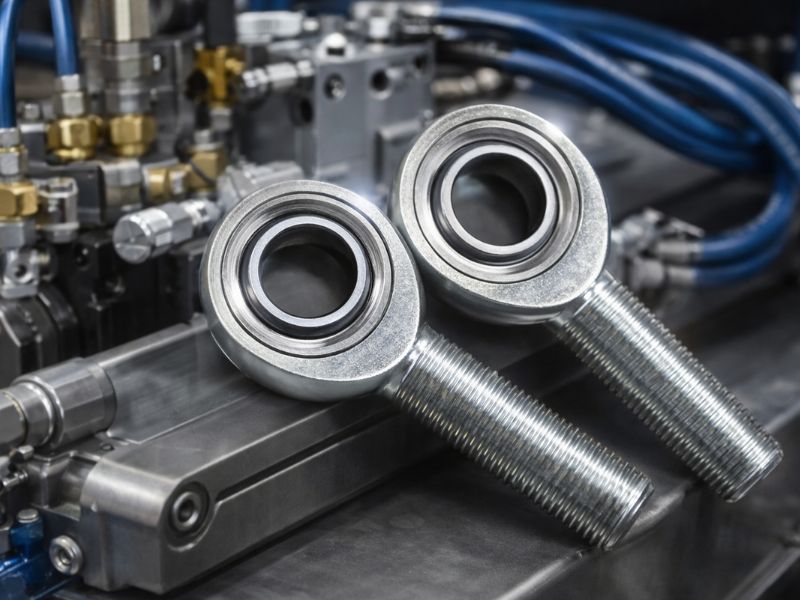
Maintenance-free rod ends solve problems in contaminated environments and remote locations where scheduled lubrication proves impractical. Engineering analysis reveals when they create value and where they fail.
Can Stainless Steel Clamps Be Used in Food Processing?
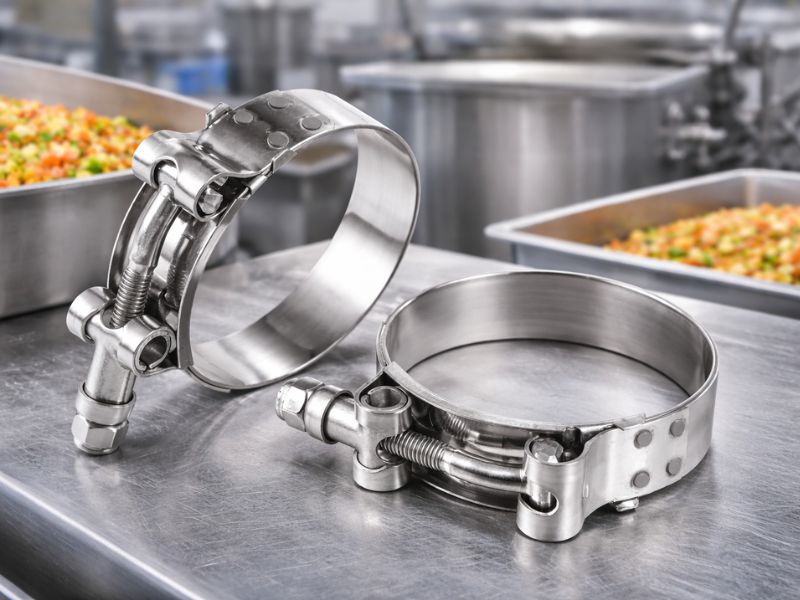
A $5 clamp can trigger a million-dollar recall. Don’t let hardware be your weakest link. Learn how to navigate FDA and 3-A sanitary standards to ensure your production line stays pathogen-free.
Shackle or Clevis? Complete Comparison from Design to Application
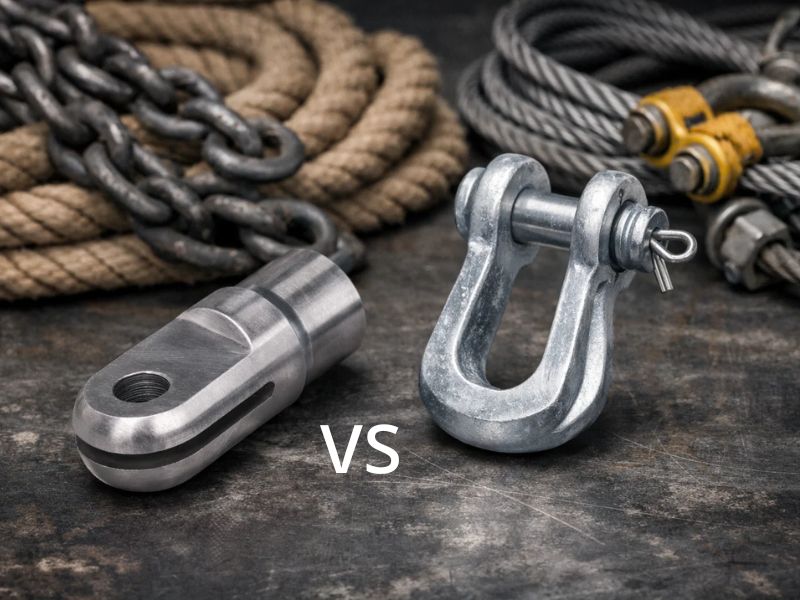
While they look similar, shackles and clevises have fundamental differences in grain flow, load ratings, and side-loading tolerance. Discover which connector is right for your rigging or industrial application.
Forged vs. Machined Stainless Clevis Rod Ends
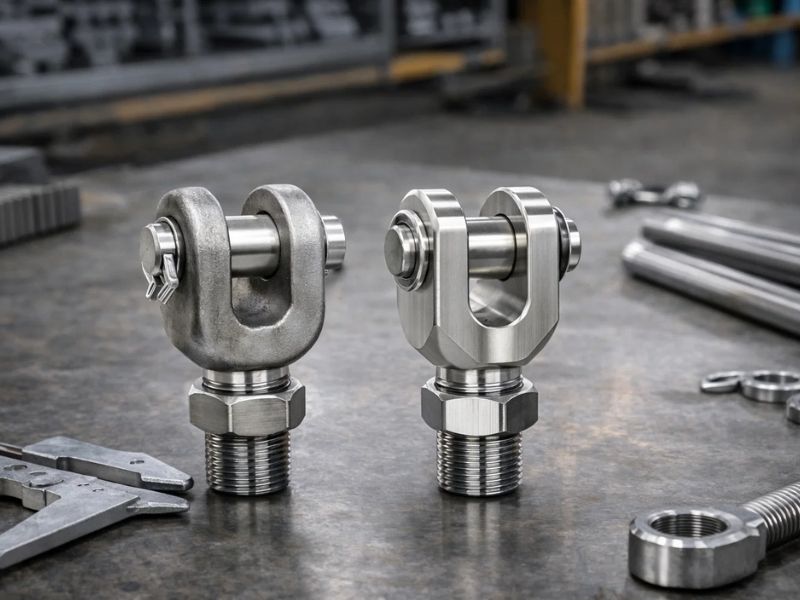
Choosing the right stainless clevis rod end involves more than just price. We dive into the fatigue testing, grain flow, and ROI of forged versus CNC-machined parts.
How Stainless Clevis Support Washdown Requirements in Food Processing Lines
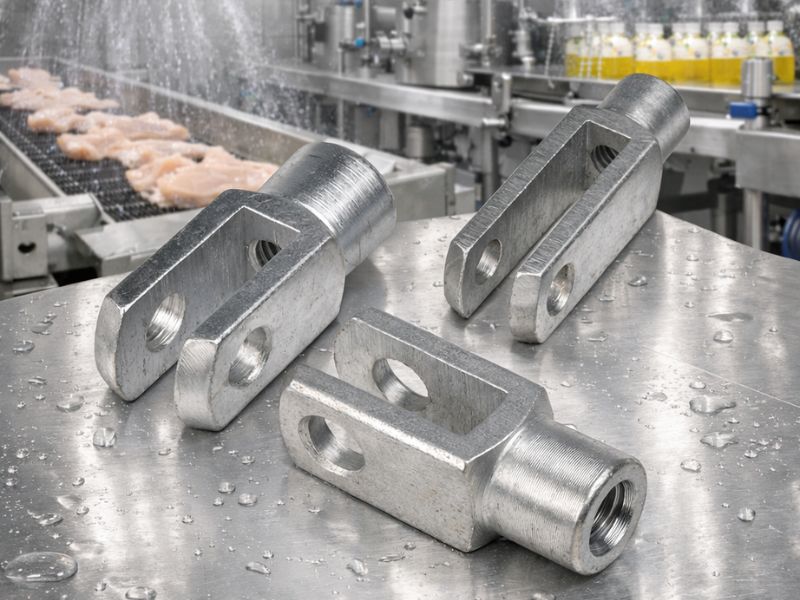
Is your equipment harboring bacteria? Discover how food-grade stainless clevis rod ends prevent microbial growth and withstand aggressive CIP cleaning cycles.
Can You Use Automotive Hose Clamps on a Boat?
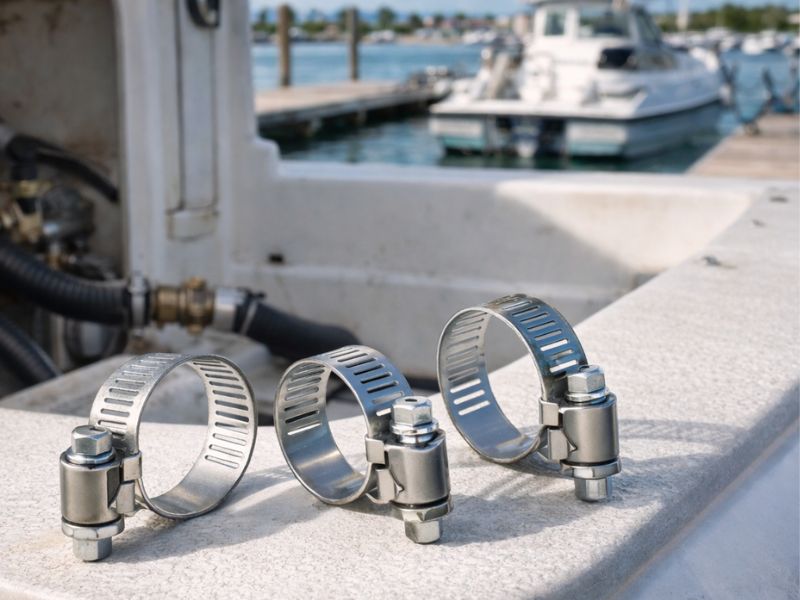
Automotive hose clamps may look identical to marine versions, but in saltwater they corrode within months. Learn why 316 stainless, ABYC-compliant “all stainless” clamps are critical to prevent fuel leaks, engine failure, fires, and catastrophic flooding.
Load Capacity Considerations For Clevis Rod Ends In Construction Machinery
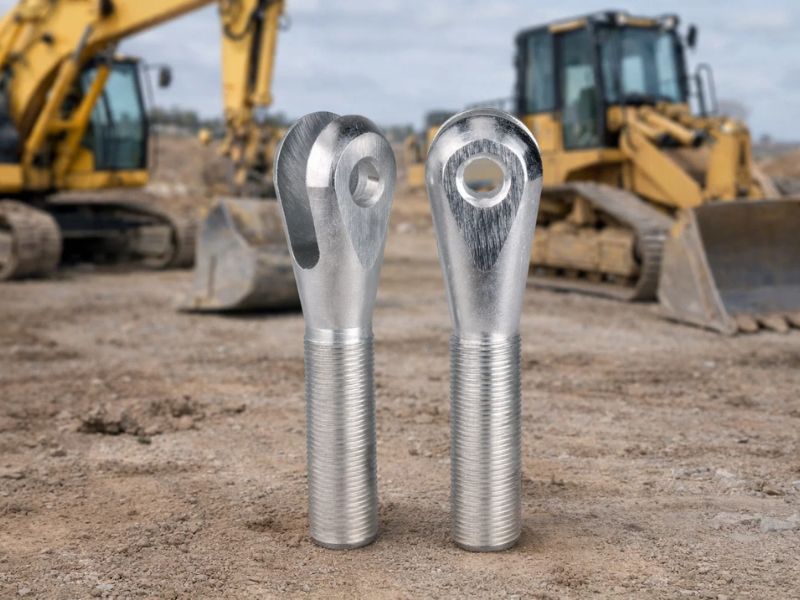
Construction machinery clevis rod ends must account for 2-5x impact multipliers, double-shear configurations offering 1.8-2x capacity advantage, with safety factors ≥2.5 for static and ≥1.5-2.0 for dynamic loading.
How Standoff Spacers Are Used in Marine Equipment
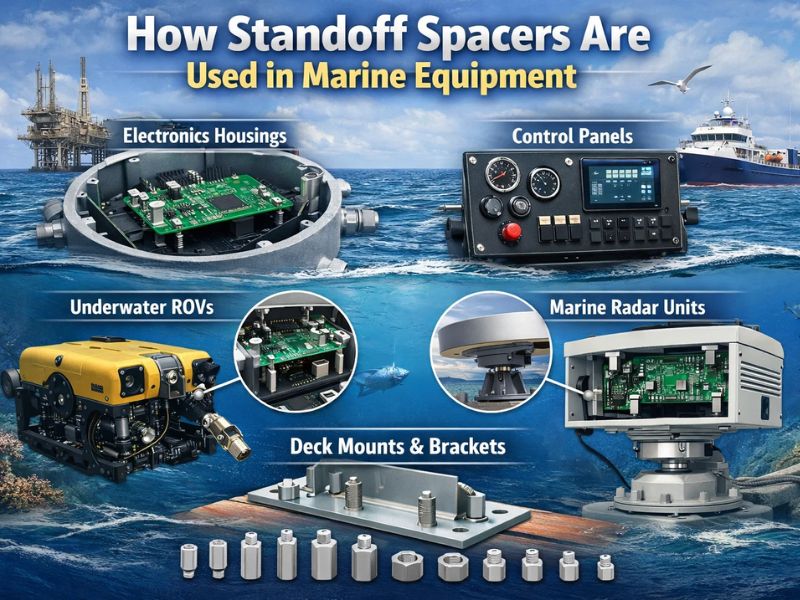
Standoff spacers are widely used in marine equipment to create controlled clearances for mounting electrical enclosures, panels, and structural components.
How Ball Transfers Improve Efficiency in Food Processing Systems

Ball transfers let goods glide effortlessly in any direction, preventing bottlenecks, and making food lines faster and safer.