

Motion & Linkage
Stainless Steel Clevis
As an experienced stainless steel clevis manufacturer, Profab is committed to bringing you durable, exclusive, high-quality stainless steel products. Our ss clevis provide reliable and long-lasting performance for your equipment and projects.
- ISO 9001 Certified
- Custom OEM Solutions
- Fast Global Shipping
- Technical Support
Product Range
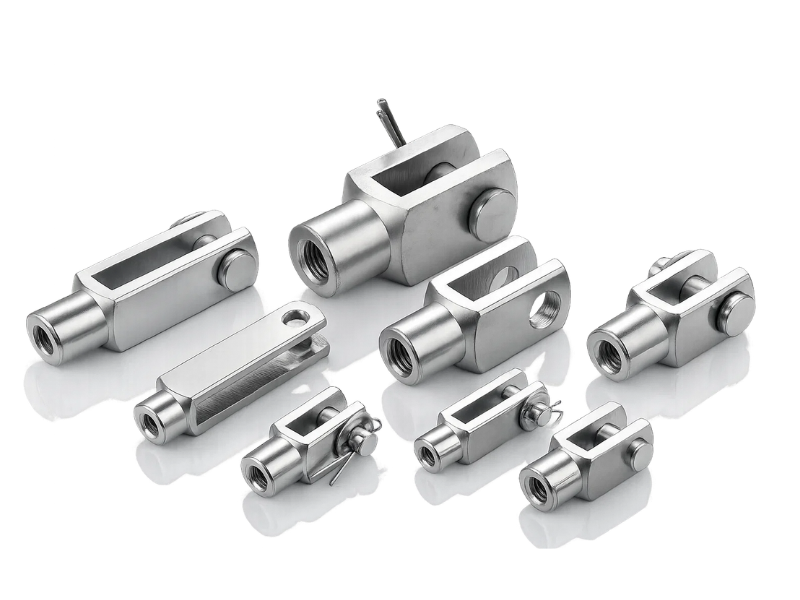
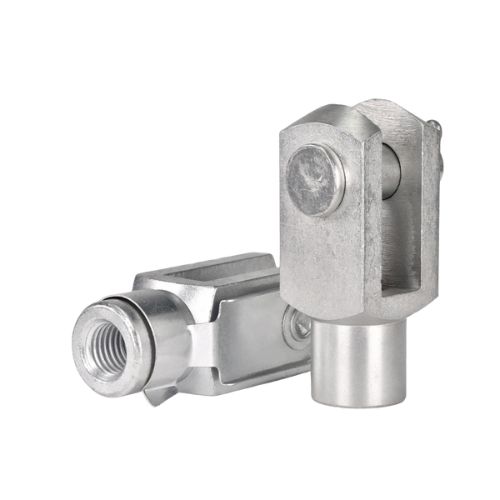
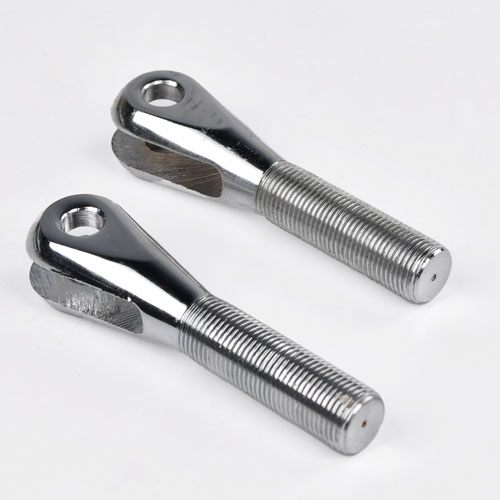
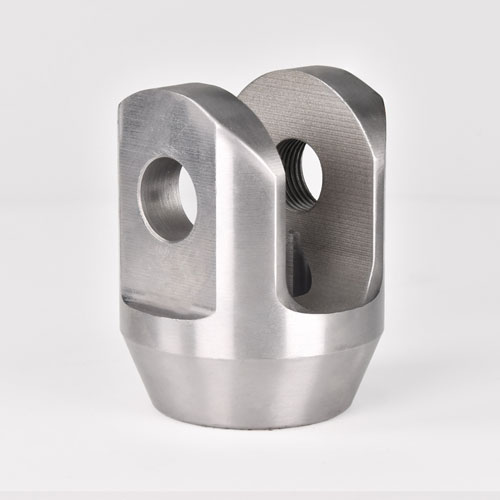
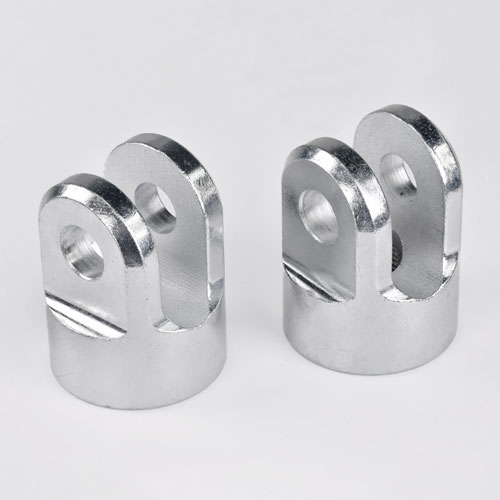
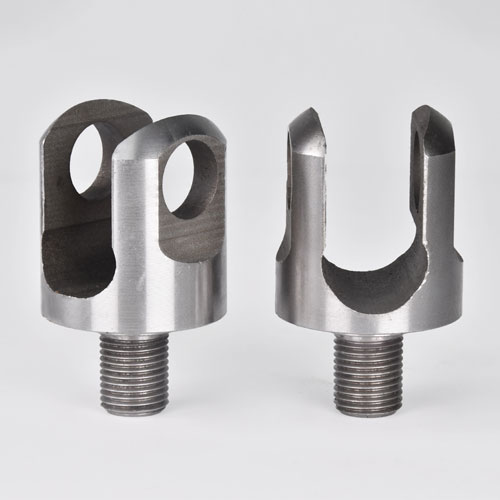
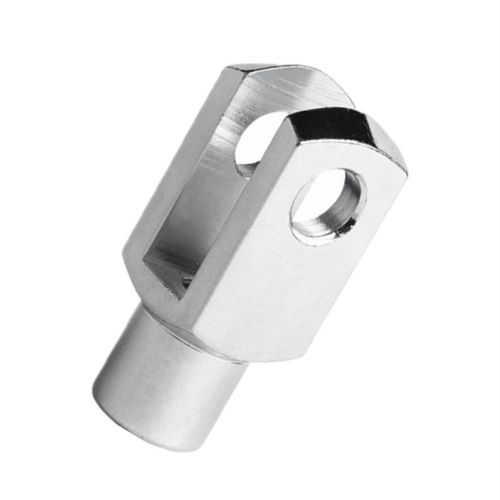
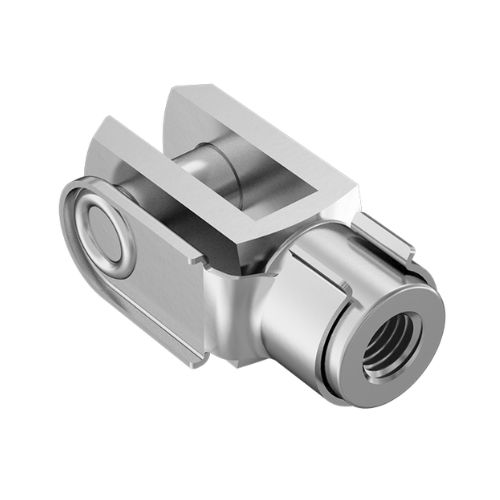
Types of Stainless Steel Clevis Joints
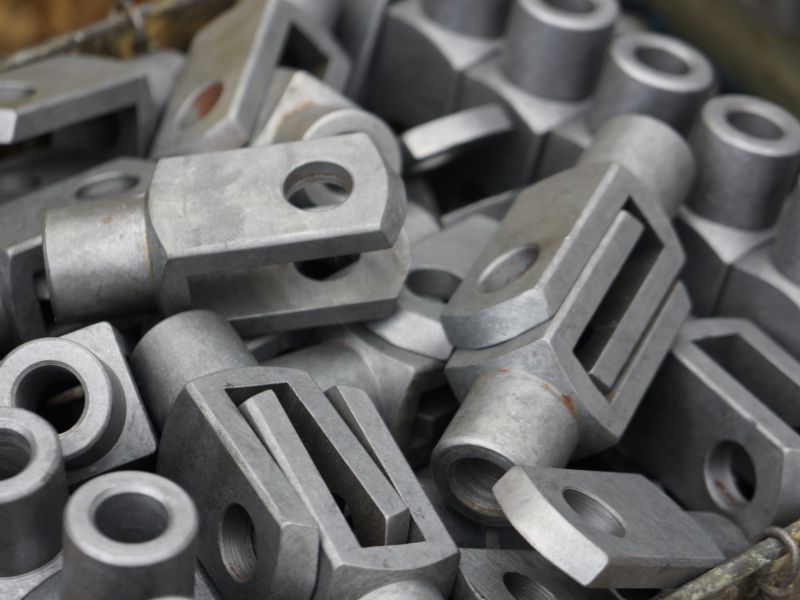
Profab offers a wide range of ss clevis, including 304/316 stainless steel as standard, with 17-4PH available as an optional material. Our products come in both inch and metric sizes, and are available in male or female configurations. We also provide custom services tailored to your specific needs, including adjustments to pin size, fork width, and thread configuration.
Material Specification
Choosing the Right Grade
304 Stainless
General-purpose grade. Good resistance to humidity, mild chemicals, and food-safe cleaning agents. Use this for indoor machinery, agricultural equipment, and dry-run automation.
Food · Automation · Indoor
316 / 316L
Molybdenum addition gives 316L roughly 3× better chloride resistance than 304. Required for marine applications, salt-spray environments, offshore, and food-grade lines with CIP chemical cleaning.
Marine · Chemical · Pumps
17-4PH
Precipitation-hardened grade. After H900 heat treatment, tensile strength reaches ~1310 MPa — significantly stronger than 316. Used in motorsport, aerospace, and high-cycle fatigue applications where load ratings matter more than cost.
Aerospace · Motorsport · Hi-load
Applications
Where Stainless Steel Clevis Joints Are Used
Stainless steel clevises are versatile connection components widely used across industrial applications. Rather than acting as a simple connector, clevis joints play a key role in load transfer, motion control, and structural stability across demanding operating environments. They are essential in engineered resistance systems such as tie rod assemblies and support brackets.
01
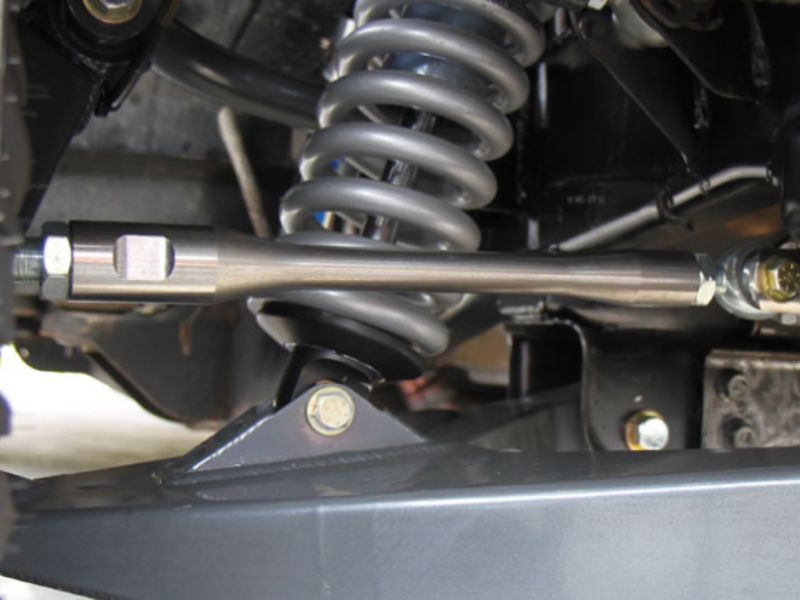
Structural Tension Rods & Canopy Systems
Glass canopies, steel roof structures, and architectural cable facades all use stainless clevis joints at both ends of the tension rod assembly. The clevis provides the pivot axis that allows the rod to transfer pure axial load to the bracket without bending moment — when the anchor point and rod are not perfectly co-axial, a rigid connection bends the rod.
02
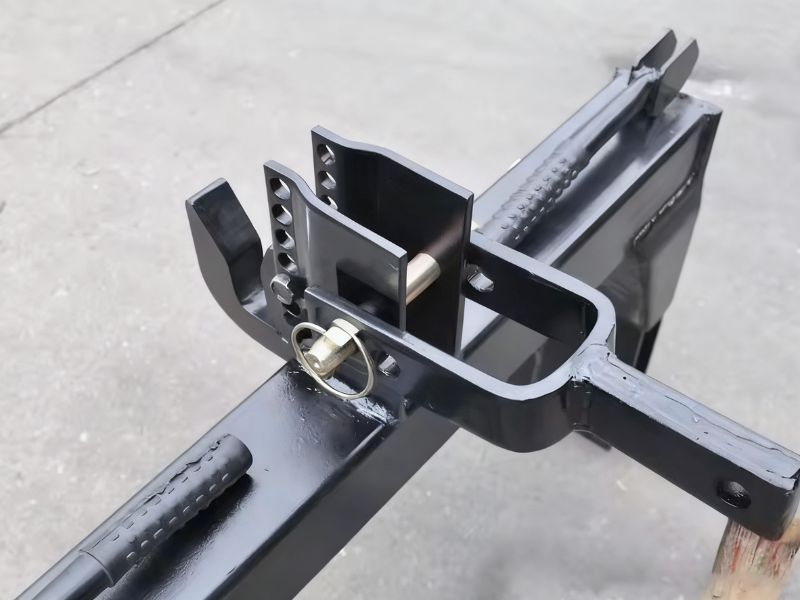
Cable Railing & Balustrade Systems
Deck rails, stair balustrades, and pedestrian bridge barriers use clevis joints at the terminal ends of tensioned wire rope runs, where the rope must connect to a post fitting or bracket at a defined angle. The clevis pin allows the fitting to pivot as the cable is tensioned, preventing the end fitting from twisting the rope strands and reducing the breaking load at the connection.
03
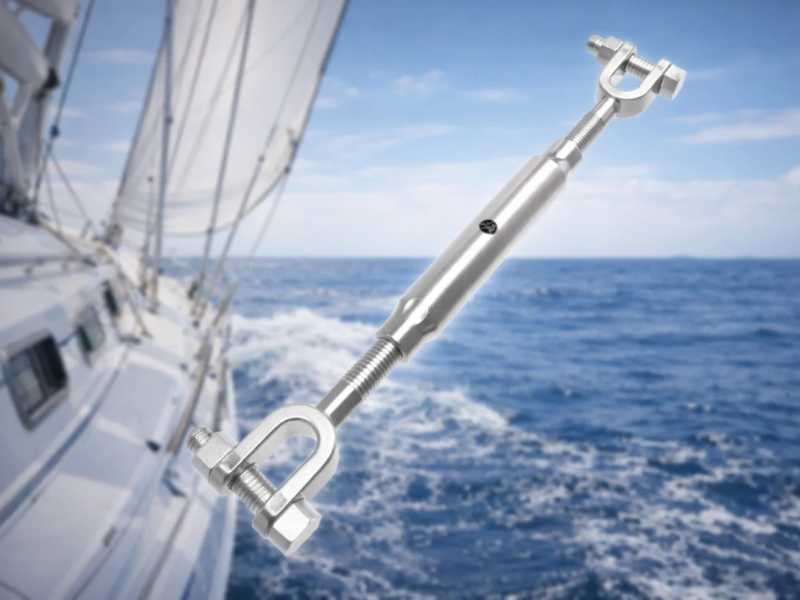
Marine Rigging & Boom Control
Standing rigging on sailboats, crane wire terminations on commercial vessels, and cargo net attachment points on ro-ro ships all use stainless clevis joints as the connecting link between wire rope terminals and chainplates, mast tangs, or structural brackets. The clevis fork accepts a pin through the attachment point, allowing the rigging to rotate in-plane without loading the fitting in bending.
04
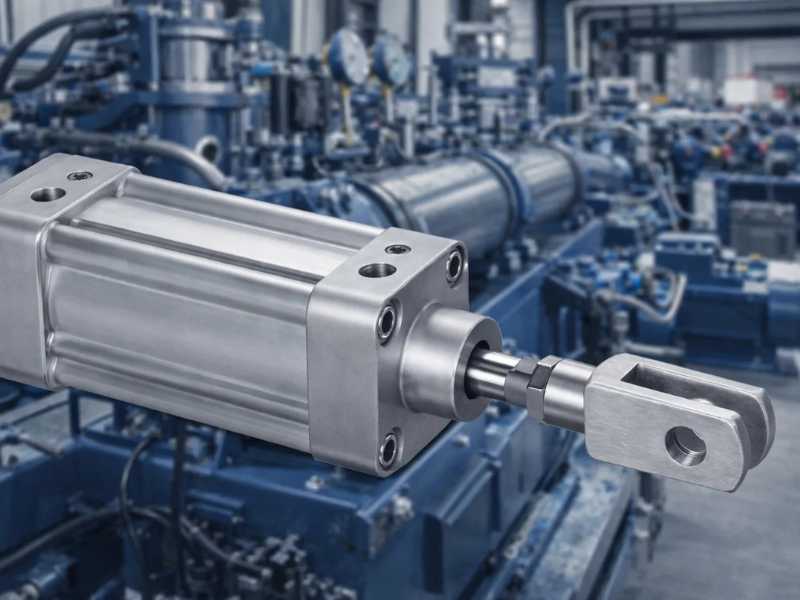
Actuator & Cylinder Linkages
Linear actuators, hydraulic cylinders, and pneumatic drives all require a clevis joint at the rod end to connect the moving rod to the driven component — a bracket, lever arm, or linkage plate. The clevis allows the cylinder to swing slightly as the driven member travels through its arc, preventing the transverse load that would bend the cylinder rod and damage the gland seal.
05
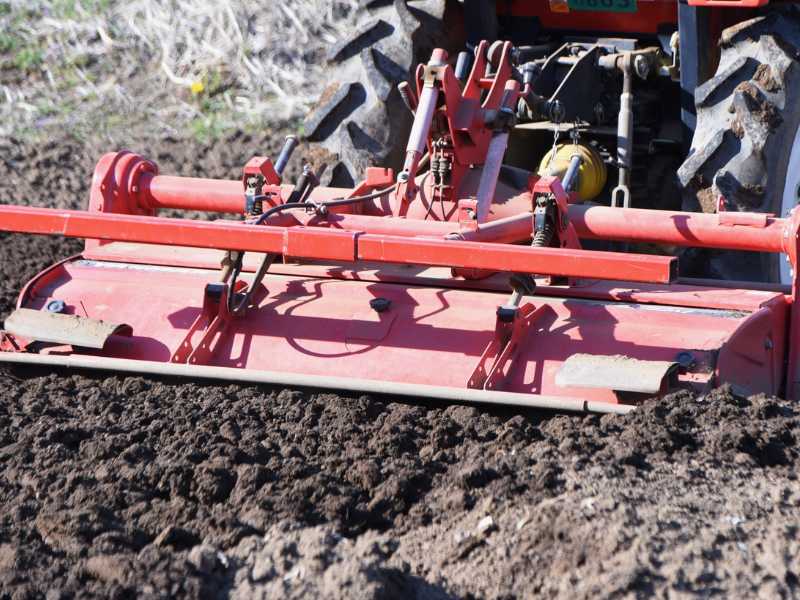
Agricultural & Industrial Machinery
Linkage systems on ploughing equipment, harvester header frames, and conveyor discharge gates use clevis joints wherever a rigid rod must connect two components that move relative to each other during operation. In agricultural environments, the combination of soil abrasion, fertiliser and pesticide chemical exposure, and outdoor weathering eliminates zinc-plated and painted hardware within one season.
06
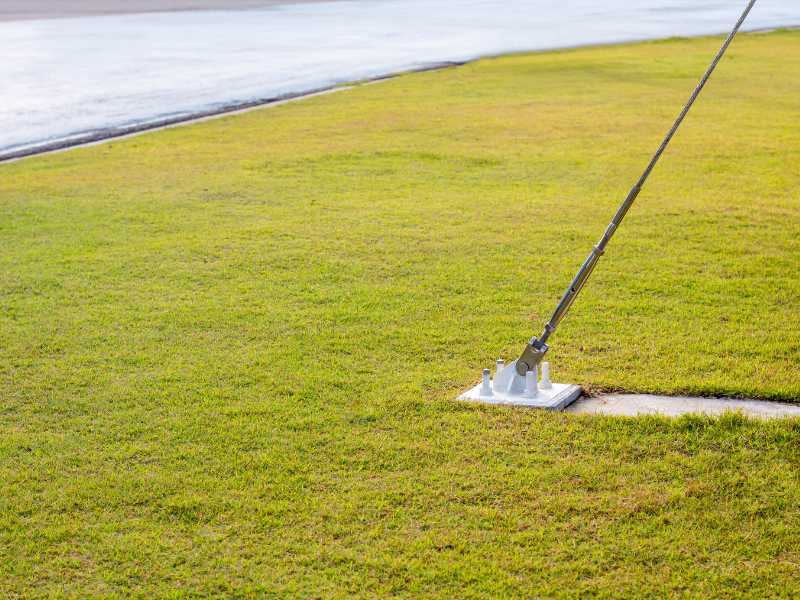
Facade Tensioning & Point-Fixed Glazing
Glass facades, ETFE cushion roof structures, and architectural mesh screens use stainless clevis joints as the terminal connection between the tensioning rod and the building structure’s embedded anchor plate. The pin connection allows a small amount of rotation as the facade responds to thermal expansion and wind load, preventing the stress concentrations that would crack a welded or rigid connection over the building’s design life.
Why Profab
Your Reliable Stainless Steel Clevis Supplier
01
Precision Machining Ensures a Secure Connection
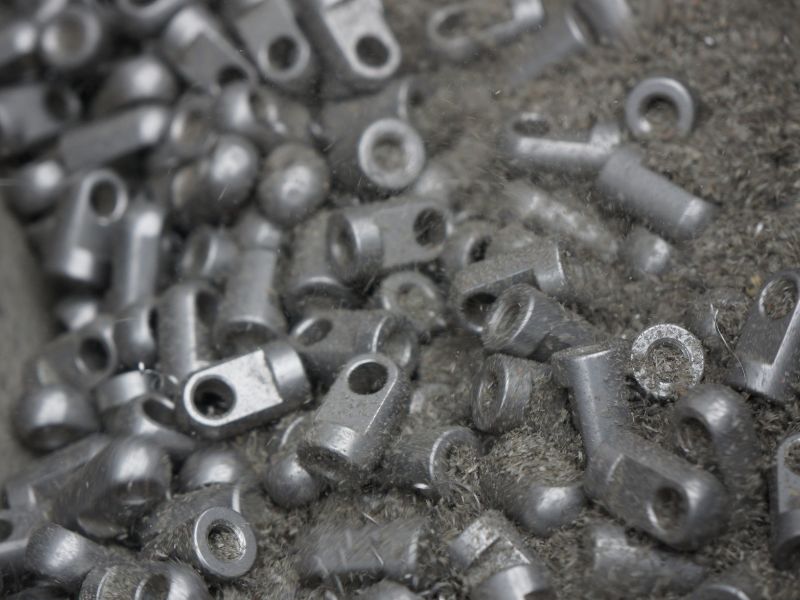
Each clevis is CNC machined with pin holes and fork heads of precise dimensions to ensure a tight and reliable fit with the motion system. Compatibility and consistency of different batches are guaranteed.
02
High-strength Stainless Steel Material
Our stainless steel clevis joint normally is available in 304 or 316 stainless steel to withstand tension, vibration and corrosive media, making it an ideal choice for marine, chemical or food-grade environments.
03
Flexible Customization to Meet OEM Customer Needs
We support non-standard sizes, threads or design features to meet your specific application needs. Profab Machine can help you efficiently build or improve your project.

Technical Reference
Certifications & Videos


Related Products
Often Ordered Together


How to Order
From Inquiry to Delivery
1
2
3
4
Send Specs
Series, thread size, grade, hand, safety catch, quantity. DXF or drawing for custom items.
Respond Within 24 Hours
We will work on the best solution base on your request and send you a specific quote within 24 hours.
Production
7–15 days standard. Samples before full production run on new custom parts. QC report before shipment.
Delivery
Sea, air, or express courier. Material certs and inspection report inside every box. Tracking same day.
FAQ
Common Questions
Not seeing your question? Email us at [email protected] and we typically reply same day.
Can you customize clevis dimensions, pin diameters, and thread patterns?
Yes. Profab can customize clevis width, eye thickness, pin diameter, and thread style. Our ss clevis is ideal for bespoke machinery and OEM integrations.
BLOG
Clevis Joints Knowledge Base
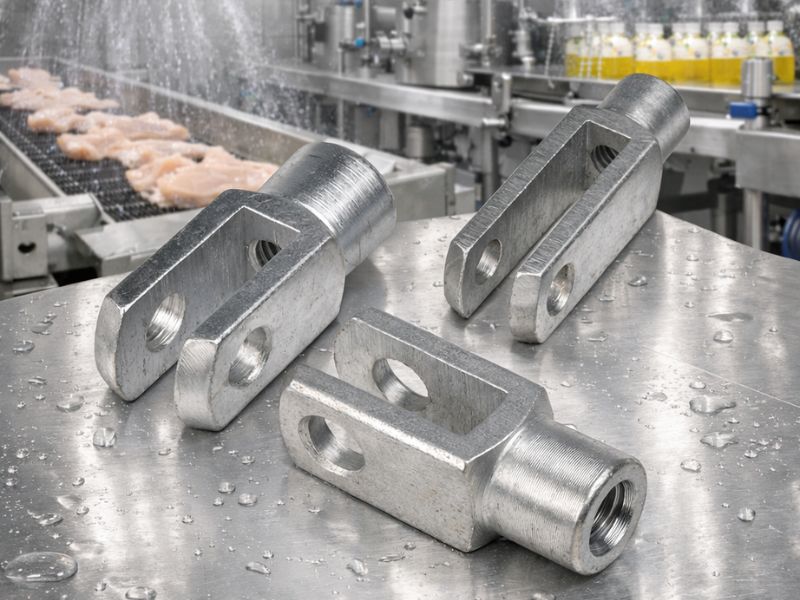
How Stainless Clevis Support Washdown Requirements in Food Processing Lines
Is your equipment harboring bacteria? Discover how food-grade stainless clevis rod ends prevent microbial growth and withstand aggressive CIP cleaning cycles.
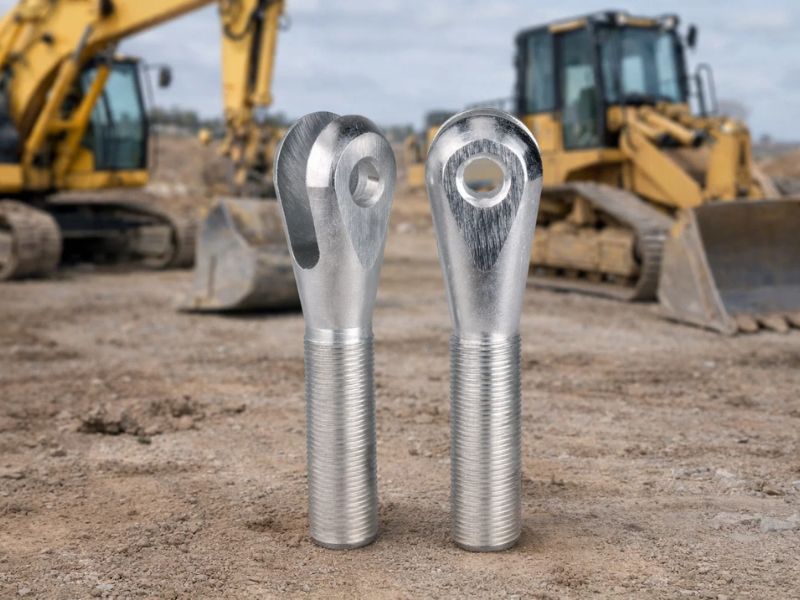
Load Capacity Considerations For Clevis Rod Ends In Construction Machinery
Construction machinery clevis rod ends must account for 2-5x impact multipliers, double-shear configurations offering 1.8-2x capacity advantage, with safety factors ≥2.5 for static and ≥1.5-2.0 for dynamic loading.
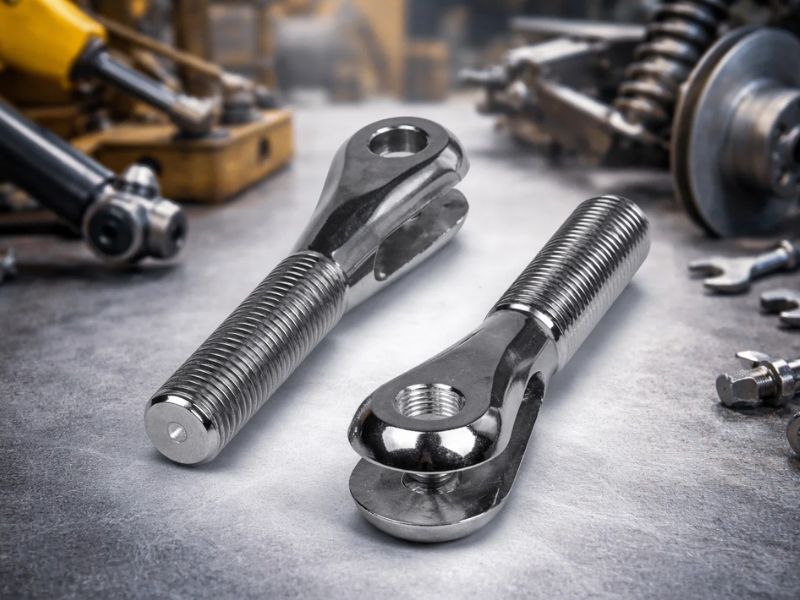
What Is A Clevis Joint And How Does It Work
Clevis joint uses a U-shaped clevis, a pin, and a mating part. The holes in the clevis line up with the hole in the mating part. The pin goes through all the holes and keeps everything together, but still lets the parts move.
Get in touch with
Ready to Source Stainless Parts?
If you already have the drawings, please send email to [email protected] directly for an instant quote.
Profab
Request a Quote