

Motion & Linkage
Stainless Steel Ball Joint Linkage
Profab Machine is a trusted manufacturer and supplier of stainless steel ball joint linkage. Our ball joint linkage are engineered with premium-grade stainless steel sourced from certified suppliers. They ensure long-lasting performance and corrosion resistance in even the harshest environments. Whether you need smooth motion, high load capacity, or long service life, our products are built to deliver.
- ISO 9001 Certified
- Custom OEM Solutions
- Fast Global Shipping
- Technical Support
Product Range
Types of Stainless Steel Ball Transfer Units
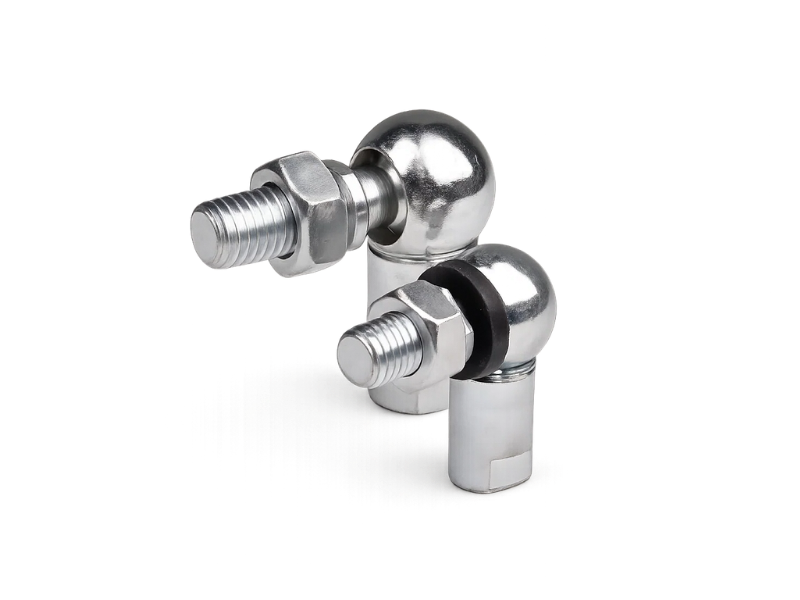
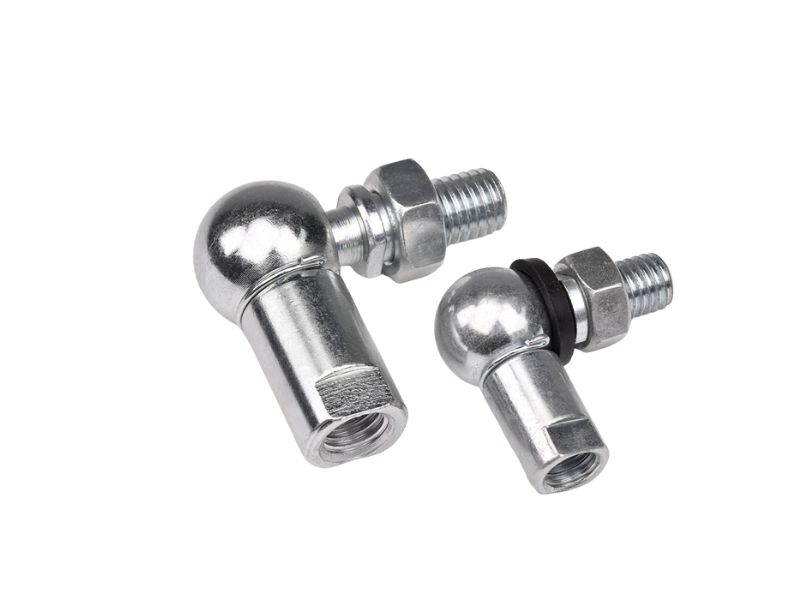
Stainless steel ball joint linkages come in models like QD, ES, QI, CS. These models feature various ball socket types and sizes, providing flexible, durable connections for multiple industries. Profab offers comprehensive customization services. Our SS ball joints can be customized in terms of surface treatment, material, and packaging.
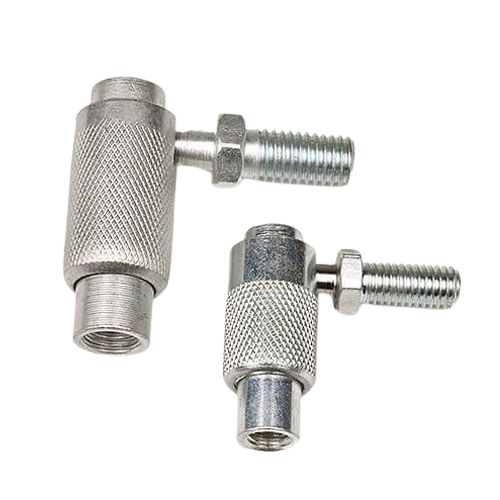
QD Series
| Design | Quick Release with Spring |
| Stud | Thread Stud |
| Thread | Left / Right Hand |
| Material | 304 / 316/ 440C (Optional 316 / 17-4PH) |
| Surface | Custom Finishing Available |
| Size | 10-32, 1/4-28, 5/16-24, 3/8-24, 1/2-20, Custom |
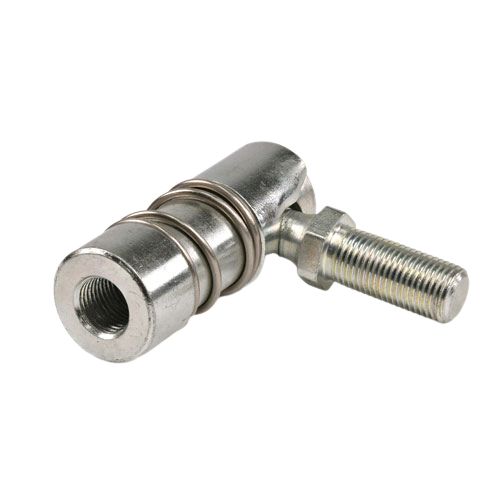
ES Series
| Design | Staked with Rubber |
| Stud | Thread Stud |
| Thread | Left / Right Hand |
| Material | 304 / 316/ 440C (Optional 316 / 17-4PH) |
| Surface | Custom Finishing Available |
| Size | 10-32, 1/4-28, 5/16-24, 3/8-24, 7/16-20,1/2-20, 5/8-18, Custom |
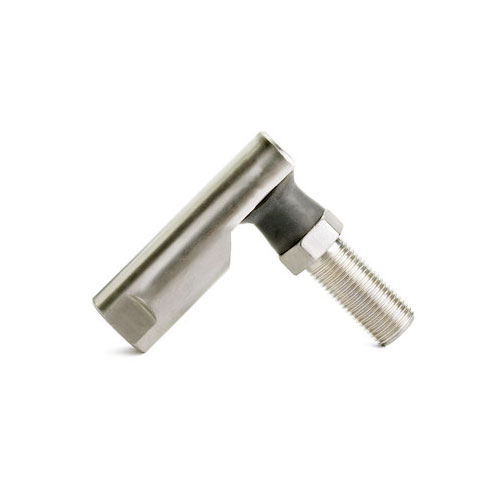
QI Series
| Design | Quick Connection with Spring |
| Stud | Thread Stud |
| Thread | Left / Right Hand |
| Material | 304 / 316/ 440C (Optional 316 / 17-4PH) |
| Surface | Custom Finishing Available |
| Size | 10-32, 1/4-28, 5/16-24, 3/8-24, 1/2-20, Custom |
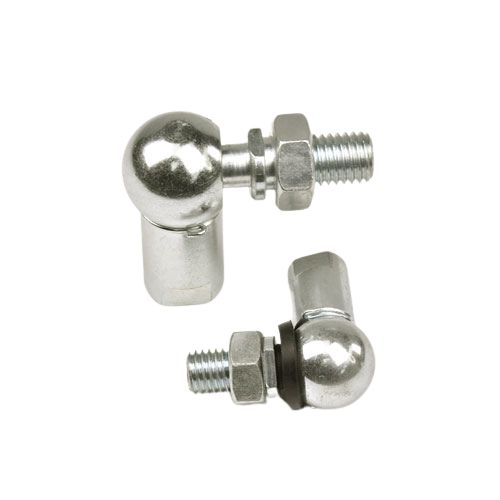
CS Series
| Design | Metric Ball Joint Linkage |
| Stud | Thread Stud (Sealing Cap Optional) |
| Thread | Left / Right Hand |
| Material | 304 / 316/ 440C (Optional 316 / 17-4PH) |
| Surface | Custom Finishing Available |
| Size | M5, M6, M8, M10, M12, M14, M16, Custom |
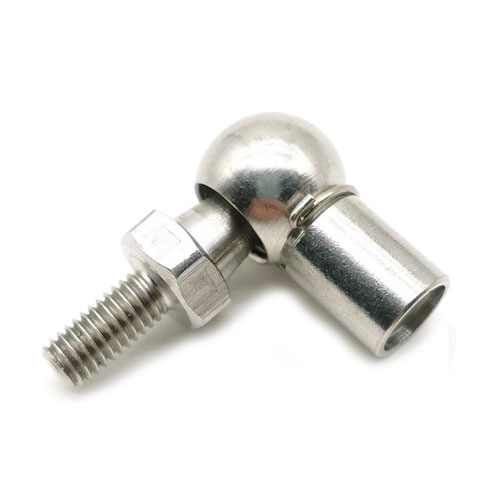
Swivel Ball Joint
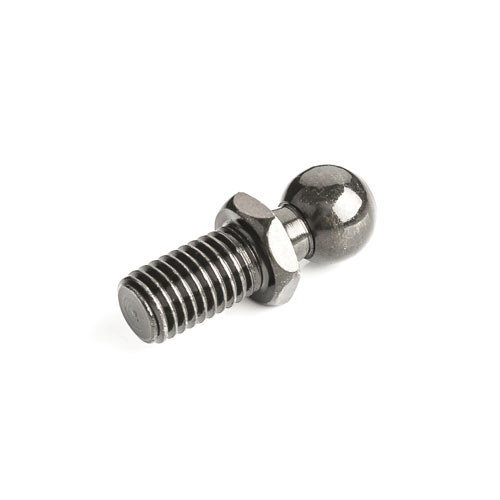
Angle Ball Joints
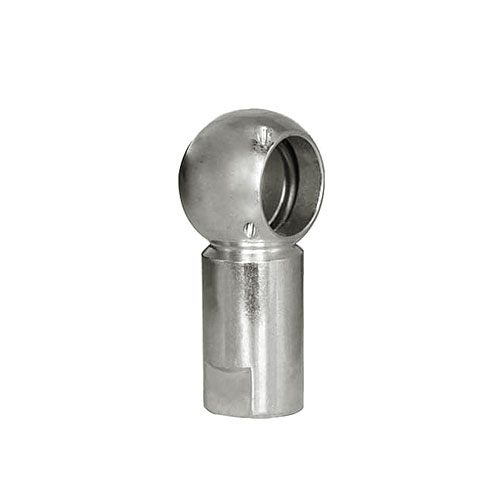
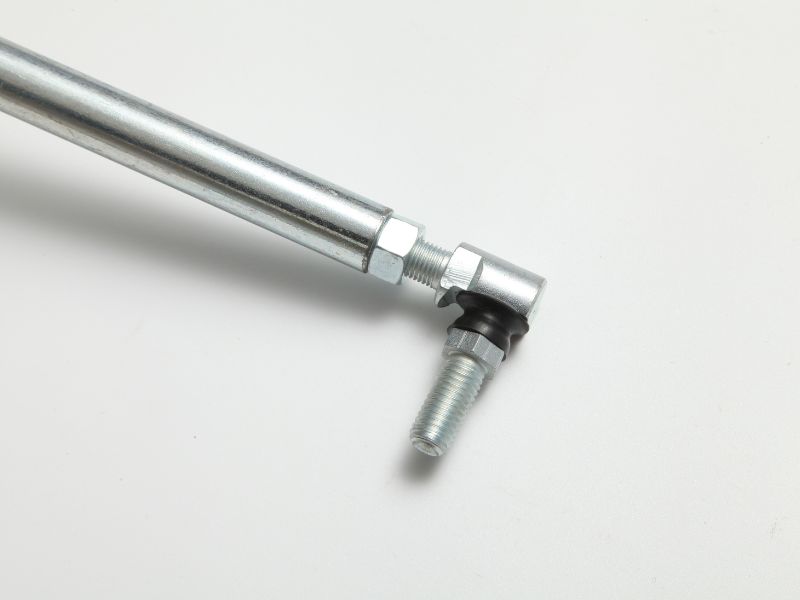
Rod End Ball Joint
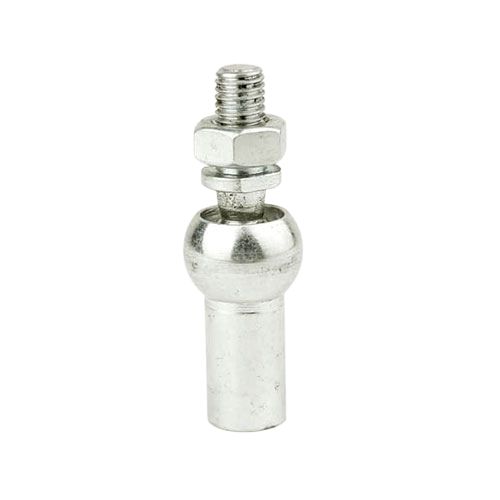
Axial Ball Joints
Selection Guide
Which Model Is Right for Your Application?
| Requirement | Recommended Model |
|---|---|
| Frequent tool-free disconnection needed | QD (Quick Release) |
| Outdoor / marine / dusty environment | ES (Rubber-Sealed) |
| DIN 71802 metric compliance required | QI (DIN standard form) |
| Pin-through clevis connection | CS (Fork / Clevis) |
| Food zone, CIP washdown | QI + sealing cap, 316L |
| High-cycle automotive / motorsport | QD or CS in 17-4PH |
| Salt spray / marine corrosion | Any series in 316L |
| Aerospace, extreme strength | CS or QD in 17-4PH H900 |
* Not sure which model fits your assembly? Describe the load direction, disconnect frequency, and environment in the quote form — we will recommend the right series.
Safety Catch Clip — When to Specify
Per DIN 71802, ball joints are available with or without a safety catch clip. Without clip: swivel angle ±18°, ball can be disconnected by pulling beyond the snap-ring retention force. With clip: swivel angle limited to ±15°, but retention force is greatly increased and the ball cannot disengage under vibration. Always specify the safety catch for applications subject to vibration, shock loads, or reverse loading where unintended disconnection would be a safety risk.
Left-Hand Thread — When and Why
Left-hand (LH) thread ball joints are used in turnbuckle-style assemblies where one end must unthread as the other tightens, allowing length adjustment without disconnecting either end. They are also used in right-hand rotation systems where vibration would loosen a standard RH thread. All four series are available in LH thread. Specify at time of order — same pricing and lead time as RH.
Material Specification
Choosing the Right Grade
304 Stainless
Standard grade for indoor machinery, automation, and dry or mildly humid environments. Good resistance to cleaning chemicals. Cost-effective for high-volume orders. Not suitable for continuous salt spray or chloride-heavy process environments.
Food · Automation · Indoor
316 / 316L
Marine and food-grade standard. 2–3% molybdenum addition raises chloride pitting resistance significantly above 304. Required for outdoor, marine, offshore, and food equipment with CIP chemical cleaning. Especially 316 stainless steel has excellent resistance to corrosive saltwater effects.
Marine · Chemical · Pumps
17-4PH
Precipitation-hardened martensitic grade. ≥ 1,310 MPa tensile strength in H900 condition — significantly stronger than 316 at equivalent cross-section. Specified for ball joints in motorsport, aerospace, and high-cycle fatigue applications where load ratings are the primary constraint.
Aerospace · Motorsport · Hi-load
Applications
Diverse Applications of Stainless Steel Ball Joints
High-load design, exceptional corrosion resistance, and smooth low-friction movement — engineered to reduce mechanical failures and extend equipment life across industries.
01
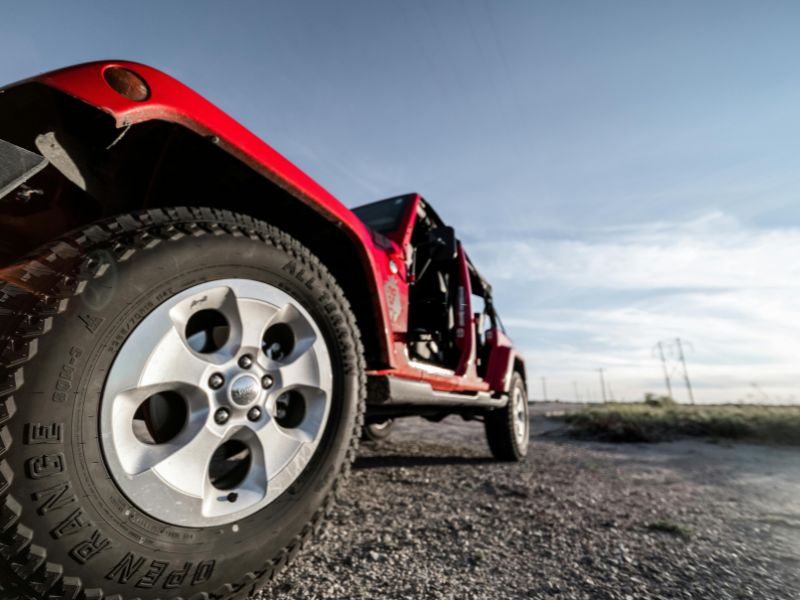
Automotive & Motorsport
High-load design handles automotive suspension and steering impacts. Resists road salt, mud, and harsh underbody environments. Dynamic impact resistance without corrosion that accelerates on zinc-plated steel joints.
02
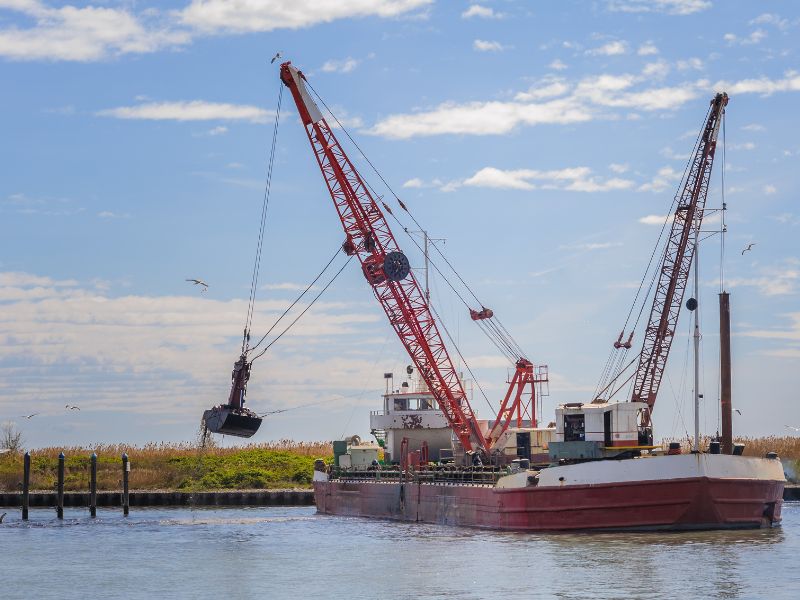
Marine & Offshore
316L construction provides exceptional corrosion resistance for marine hatch hinges, steering linkages, and deck machinery. Self-lubricating ball movement reduces maintenance in sealed marine assemblies.
03

Industrial Robots & Automation
Smooth, low-friction movement for industrial robot joints, pneumatic gripper linkages, and end-effector pivots. 440C ball resists fretting wear in high-cycle robotic applications. Profab works directly with brands to create integrated linkage systems.
04
Aerospace & Defence
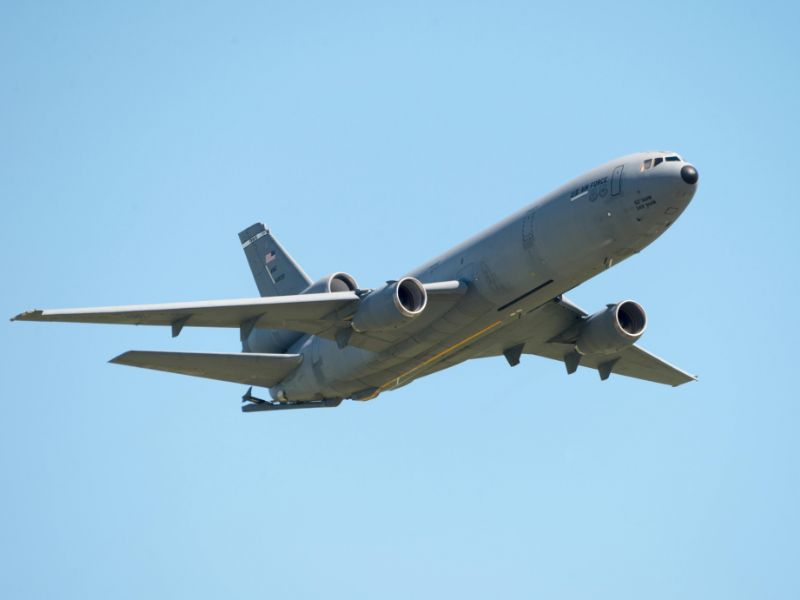
Dust-proof sealing for secure aerospace control surface connections and actuator linkages. 17-4PH option provides the tensile strength required for structural linkage at reduced weight. Documentation meets aerospace requirements.
05

Solar & Renewable Energy
Resilience to extreme heat and cold for solar tracking systems and panel tilt mechanisms. Operating range –40°C to +200°C handles outdoor temperature cycles. Stainless outperforms galvanised alternatives in UV and weather exposure.
06

Medical Equipment
High-precision tolerances for fine-angle adjustments in medical imaging arms and surgical tables. Mirror-polished 316L meets hygienic surface requirements. Electropolished finish reduces bacterial adhesion in sterilisation-critical environments.
Why Profab
Your Reliable Ball Joint Supplier
01
Hardened Surfaces & Wear Engineering
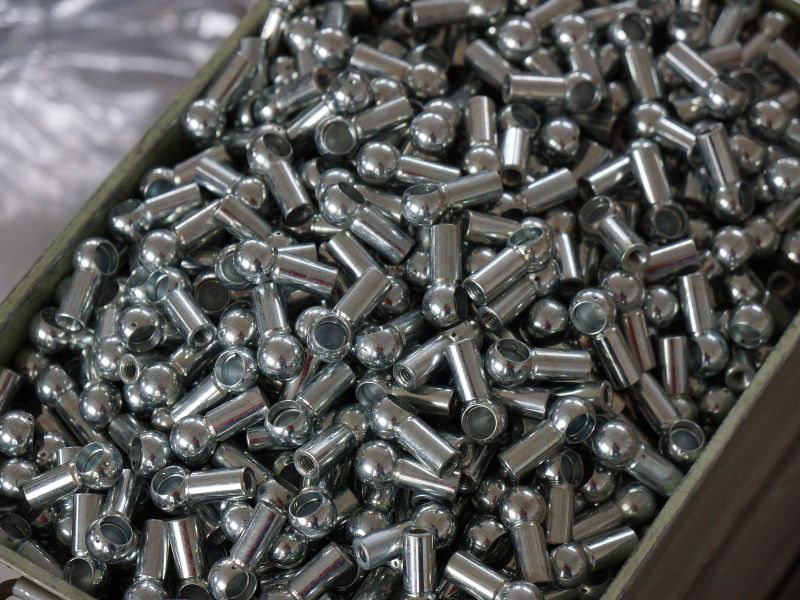
Our stainless steel ball joint linkages are engineered with hardened surfaces to significantly reduce wear in high-frequency applications. The 440C ball is hardened to HRC 58 and ground to a precise spherical radius for consistent, predictable friction characteristics across the service life of the joint.
02
Fast Sampling for OEM Integration
Profab Machine works closely with brands to create linkage systems that integrate directly into their equipment. Whether it’s a CAD file, material conversion, or specific tolerance requirement, we quickly provide samples and expert feedback to accelerate your product development.
03
XRF Grade Verification + Material Certs
All 316L and 17-4PH material lots are verified by XRF spectrometry before production begins. Molybdenum content in 316L is confirmed at 2.0–3.0%. Material test certificates to EN 10204 3.1 are available for offshore and classification society projects.
04
The More You Order, the More You Save
We are the original manufacturer — eliminate all unnecessary middlemen. Profab provides tiered pricing at 100, 500, and 1,000+ quantities with every quote. Flexible terms for long-term OEM partnerships.
Technical Reference
Thread Sizes & Dimensions
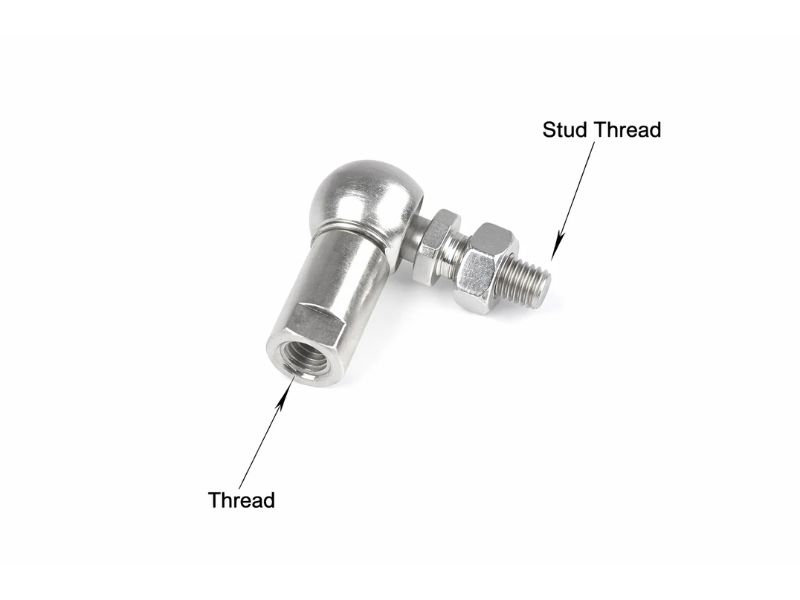
| Thread (mm) | Stud Thread (mm) | Thread (inch) | Stud Thread (inch) |
|---|---|---|---|
| M5x0.8 | M5x0.8 | 10-32-2B | 10-32-2A |
| M6*1.0 | M6*1.0 | 1/4-28-2B | 1/4-28-2A |
| M8*1.25 | M8*1.25 | 5/16-24-2B | 5/16-24-2A |
| M10*1.5 | M10*1.5 | 3/8-24-2B | 3/8-24-2A |
| M12*1.75 | M12*1.75 | 7/16-20-2B | 7/16-20-2A |
| M14*1.5 | 14*1.5 | 1/2-20-2B | 1/2-20-2A |
| M14*2.0 | M14*2.0 | 5/8-18-2B | 5/8-18-2A |
| M16*1.75 | M16*1.75 | Custom | Custom |
| Custom | Custom |
FAQ
Common Questions
Not seeing your question? Email us at [email protected] and we typically reply same day.
How do your ball joints perform in extreme temperatures and environments?
Built with 304/316 stainless steel and optional high‑temp seals, our ball joints operate from –40 °C to +200 °C. They’re corrosion‑resistant against salt spray, chemicals, and moisture—ideal for marine, off‑road, and industrial settings.
What factors do you consider when selecting stainless steel ball joints?
When selecting ball joints, you should consider the following factors: load carrying capacity, permissible swing angle, sealing and dustproof performance, whether or not lubrication is required, working temperature and corrosive environment, and installation method.
How To Lubricate Ball Joints?
- Clean the Zerk Fitting
Use a rag to wipe all dirt, crusty grease, and road grime off the Zerk fitting.
- Attach the Grease Gun
Push the grease gun coupler onto the Zerk fitting. You should feel it “snap” or lock into place. If it feels loose, the grease might squirt out the sides instead of going inside.
- Pump the Grease
Slowly pump the handle, stop as soon as you see the boot begin to swell or “fatten up.”
- Clean Up
Pull the coupler off, wipe away any excess grease from the fitting and the boot.
Related Products
Often Ordered Together

How to Order
From Inquiry to Delivery
1
2
3
4
Send Specs
Series, thread size, grade, hand, safety catch, quantity. DXF or drawing for custom items.
Respond Within 24 Hours
We will work on the best solution base on your request and send you a specific quote within 24 hours.
Production
7–15 days standard. Samples before full production run on new custom parts. QC report before shipment.
Delivery
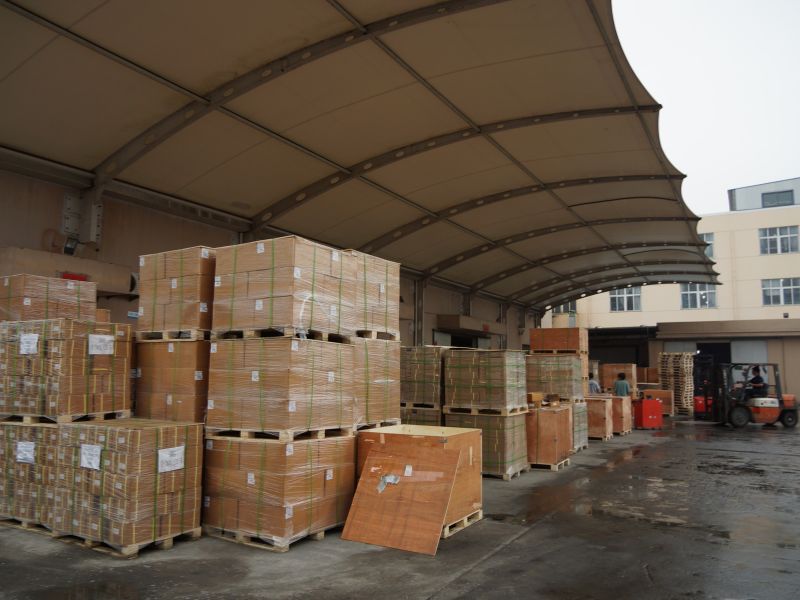
Sea, air, or express courier. Material certs and inspection report inside every box. Tracking same day.
BLOG
Ball Joints Knowledge Base
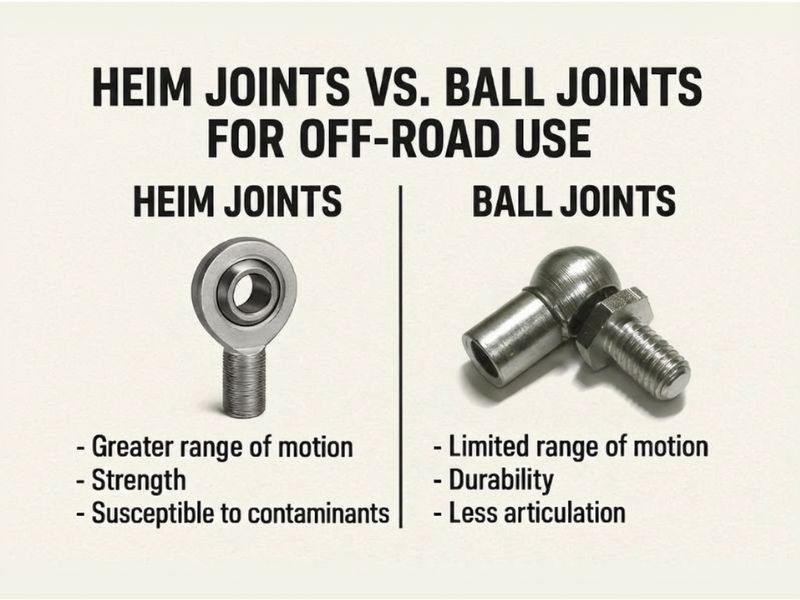
Comparing Heim Joints and Ball Joints for Off-Road Use
Discover which joint is better for your project and why choosing the right type matters for performance and durability.
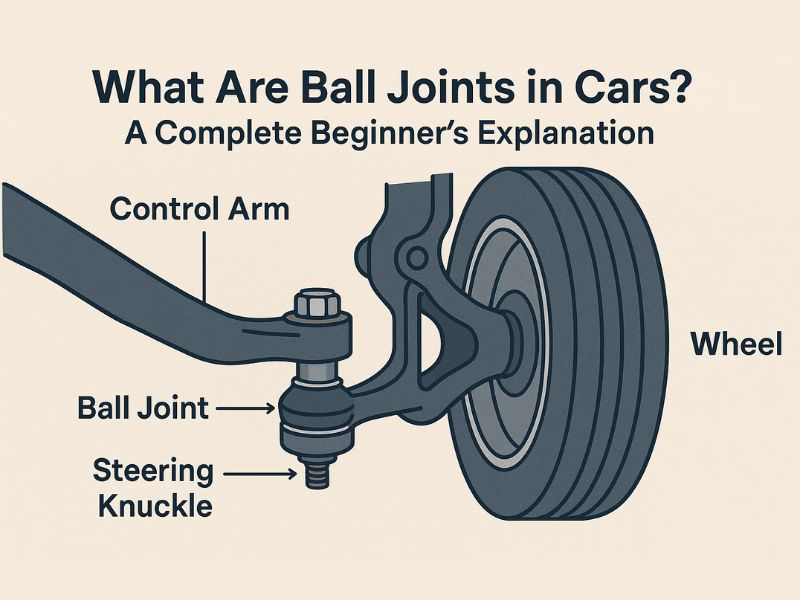
What Are Ball Joints in Cars? A Complete Beginner’s Explanation
A ball joint is a pivotal ball-and-socket joint, much like the human hip or shoulder joint. Its design allows for multi-directional movement while securely connecting parts of the car’s suspension system.
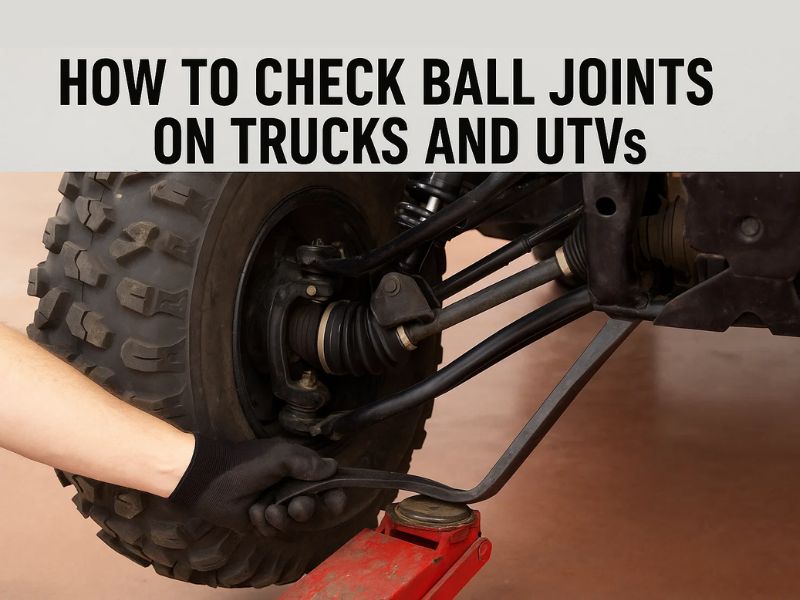
How to Check Ball Joints on Trucks and UTVs
You can learn how to check ball joints on trucks and UTVs by looking for movement, damage, or unusual wear. Checking often keeps your vehicle safe and functioning properly.
Get in touch with
Ready to Source Stainless Parts?
If you already have the drawings, please send email to [email protected] directly for an instant quote.
Profab
Request a Quote