Marine Raw-Water and Wet Exhaust
All-316 builds on seawater intake and wet exhaust hose, where the screw, housing, and band all face salt spray.

304 and 316 stainless steel worm gear clamps in standard, heavy-duty, and non-perforated lined constructions. Band widths of 8, 12.7, and 14.2 mm cover hose sizes from 6 to 311 mm, and the full material build is stated on every order.
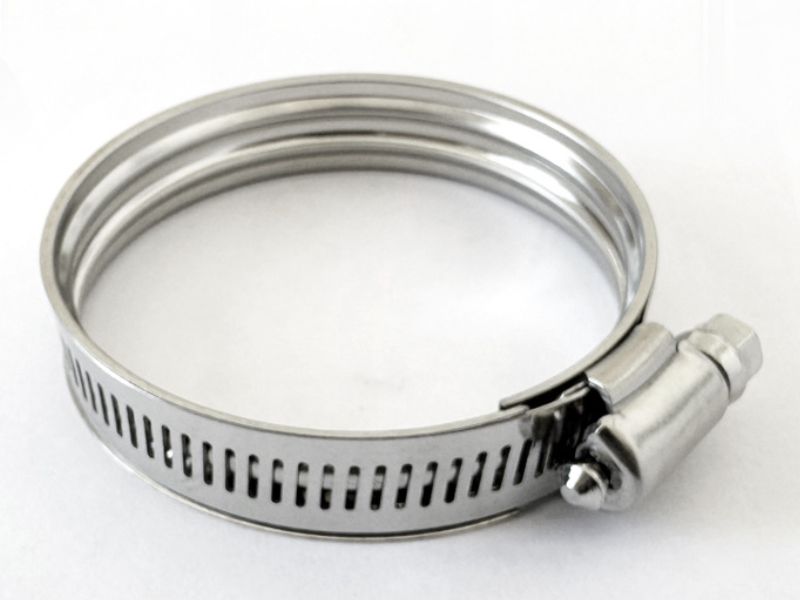
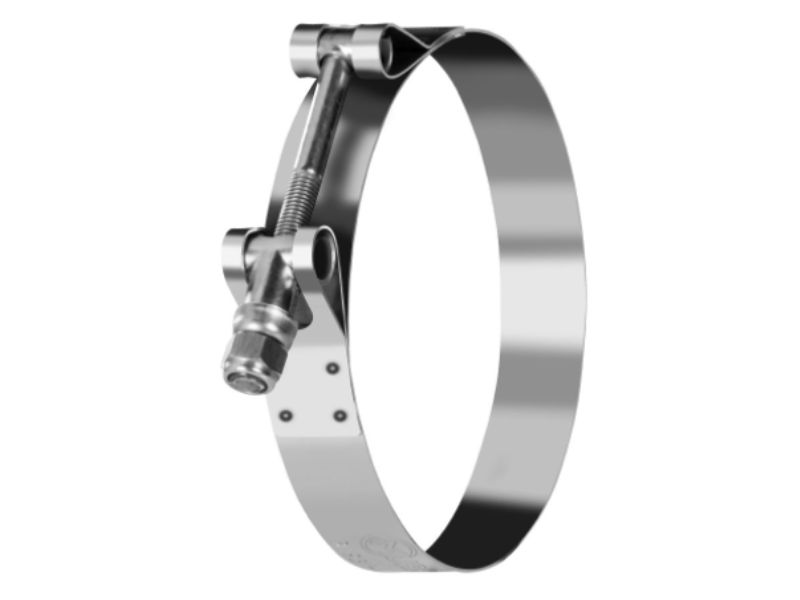
A worm gear clamp tightens a stainless band around a hose with a captive screw. The screw thread engages slots stamped into the band, and turning the screw shortens the band so the hose compresses against the fitting shank underneath.
The stamped slots are also the weak point. They tear soft hose and they strip under over-torque. We build non-perforated and lined bands for exactly that reason, and we state the screw grade on every order, because a clamp is only as stainless as its worst part.
Standard SAE sizes with the clamp range in inches and millimeters. Smaller sizes and other band widths are made to your drawing.
| SAE Size | Clamp Range (in) | Range (mm) | Band Width |
|---|---|---|---|
| 8 | 7/16 to 1 | 11 to 25 | 12.7 mm (1/2") |
| 16 | 13/16 to 1-1/2 | 21 to 38 | 12.7 mm (1/2") |
| 24 | 1 to 2 | 25 to 51 | 12.7 mm (1/2") |
| 40 | 2 to 3 | 51 to 76 | 12.7 mm (1/2") |
| 60 | 3-1/4 to 4-1/4 | 83 to 108 | 12.7 mm (1/2") |
| 104 | 4-1/8 to 7 | 105 to 178 | 14.2 mm (9/16") |
| 152 | 7-1/8 to 10 | 181 to 254 | 14.2 mm (9/16") |
| 188 | 9-3/8 to 12-1/4 | 238 to 311 | 14.2 mm (9/16") |
Install the hose first, then measure. The fitting shank stretches the hose OD, and that installed OD is the number the clamp must cover, not the hose OD when it sits loose on the bench.
Pick a size where the installed OD lands in the middle third of the range. At the maximum, the band overlap runs short. At the minimum, the tail runs long and catches cables and clothing.
Band width does the protecting. Soft hose squeezes into the slots of a narrow band, so move up to the 14.2 mm non-perforated band instead of tightening a narrow one harder.
Band, housing, and screw grades are confirmed for each order, and the full material mix is written on the packing list. If the screw is 410, the list says 410, so you know what the batch contains before it lands on your dock.
Slot burrs can cut into soft hose. We deburr the slots and roll the band edges so the band does not chew the hose, and lined bands cover the drive section where it sits against soft rubber. We deburr the slots and roll the band edges so the band does not chew the hose, and lined bands cover the drive section where it sits against soft rubber.
We publish the install torque for each SAE size, 25 to 45 in·lb for standard bands and up to 90 in·lb for the heavy-duty build. A stripped band fails quietly, so we state the ceiling.
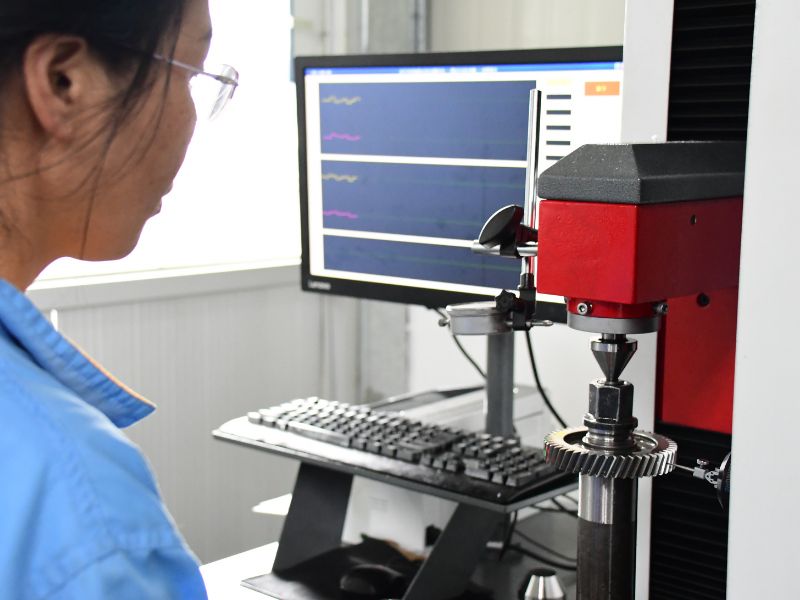
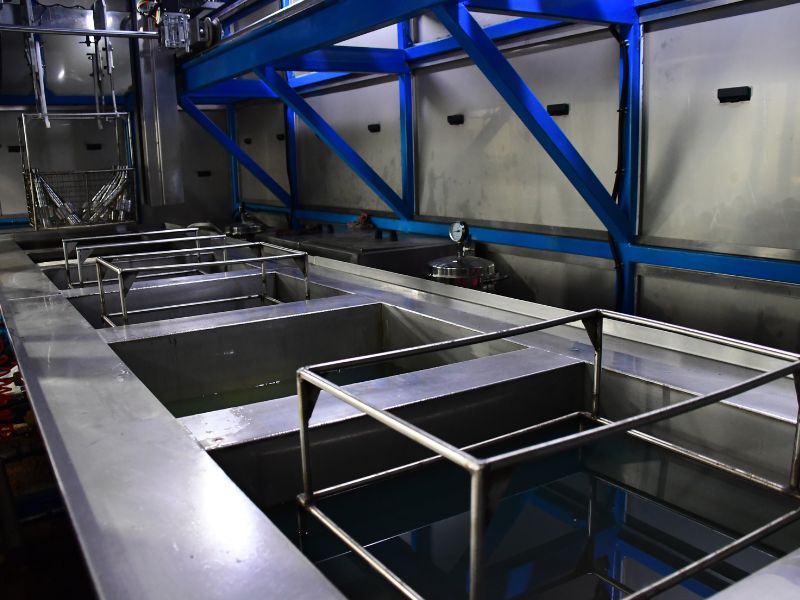
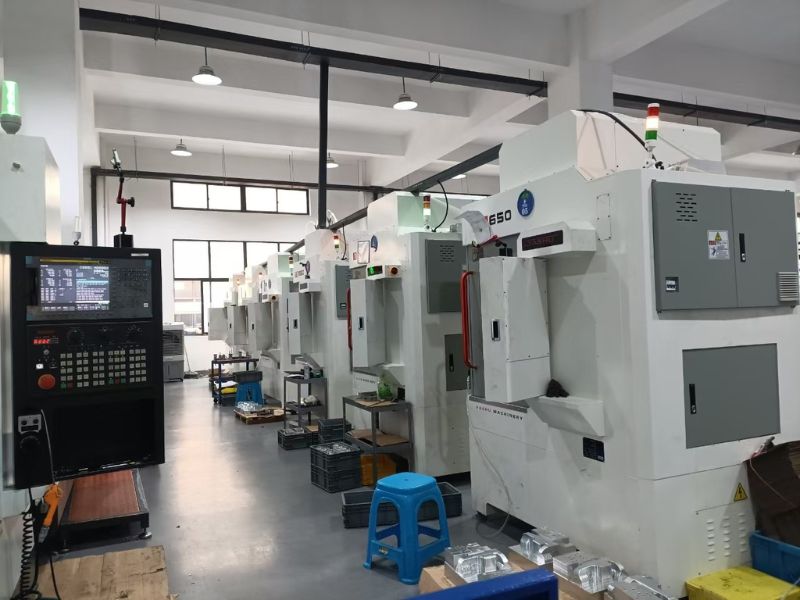
The band wraps the hose over the fitting shank. The housing sits on the band with the screw captive inside.
The screw thread bites the slots stamped into the band tail.
Turning the screw draws the band shorter. The housing holds the screw in place while the tail walks through it.
The band compresses the hose onto the shank. Pressure runs highest near the housing, and wide or lined bands spread it around the joint.
All-316 builds on seawater intake and wet exhaust hose, where the screw, housing, and band all face salt spray.
Standard 304 clamps on coolant hose for stationary engines, generator sets, and compressor packages.
304 clamps with rolled edges on diesel and fuel oil transfer hose.
All-316 non-perforated clamps on transfer hose that sees CIP washdown chemicals.
316 non-perforated builds on purified water and utility transfer hose.
304 clamps for fresh water. Move to 316 for bore water with dissolved salts.
All-316 builds for the chlorinated air around dosing lines and pump connections.
Standard 304 clamps on workshop air drops. Keep the pressure low, because this is not a hydraulic fitting.
Only with a non-perforated or lined band. Silicone squeezes up through the slots of a standard band, and the sharp slot edges shear the cover. Use the lined band with rolled edges, run lower torque, and check the joint again after the first heat cycle.
25 to 45 in·lb covers most standard bands, and the heavy-duty build takes up to 90 in·lb on larger sizes. Drive with a screwdriver or a torque limiter. A ratchet can strip the slots in one pull, and a stripped band fails quietly.
The band is 316 but the screw is probably 410. That is the standard marine economy build. The band survives salt spray, while the screw rusts first and stains the joint even though the band still looks new. Specify an all-316 build, with band, housing, and screw in the same grade.
If you already have drawings, email them to [email protected].
[email protected] ↗We use cookies to run this site, to measure how it is used, and to show relevant ads. You can accept all, reject all non-essential cookies, or choose by category. Privacy Policy