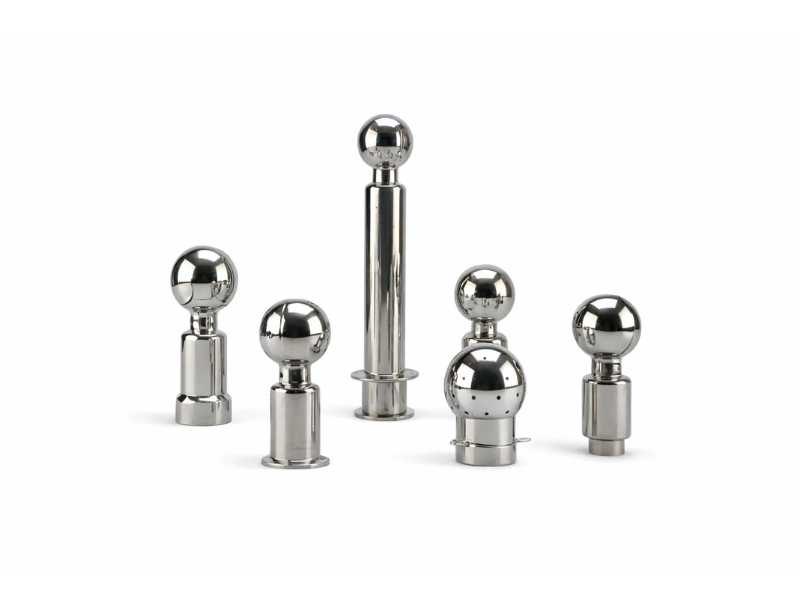
Spray Balls
Static and rotating spray balls wash the inside of tanks with cleaning liquid.
View product →
Food line buyers need a grade that matches how close the part sits to the product and which cleaner reaches it. Profab machines stainless steel parts in 304 and 316L from your drawing or sample, including spray balls, clamps, tube fittings, conveyor parts, and linkage joints. We can also copy a worn part for replacement.
Open a product page for sizes and grades, or send a drawing for a part not listed.
Static and rotating spray balls wash the inside of tanks with cleaning liquid.
View product →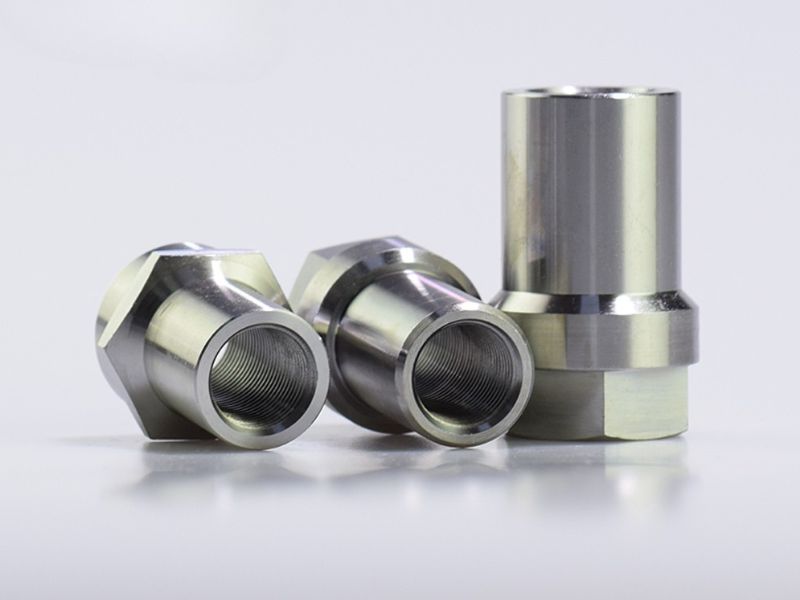
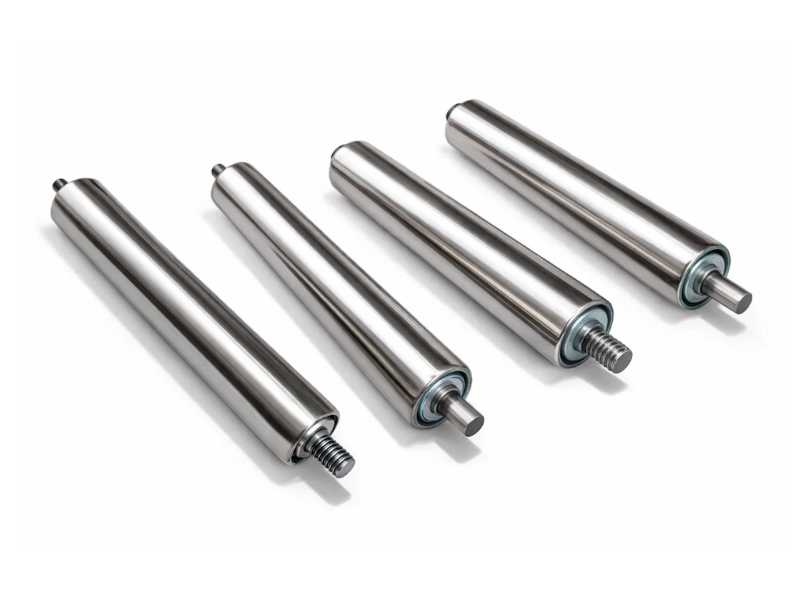
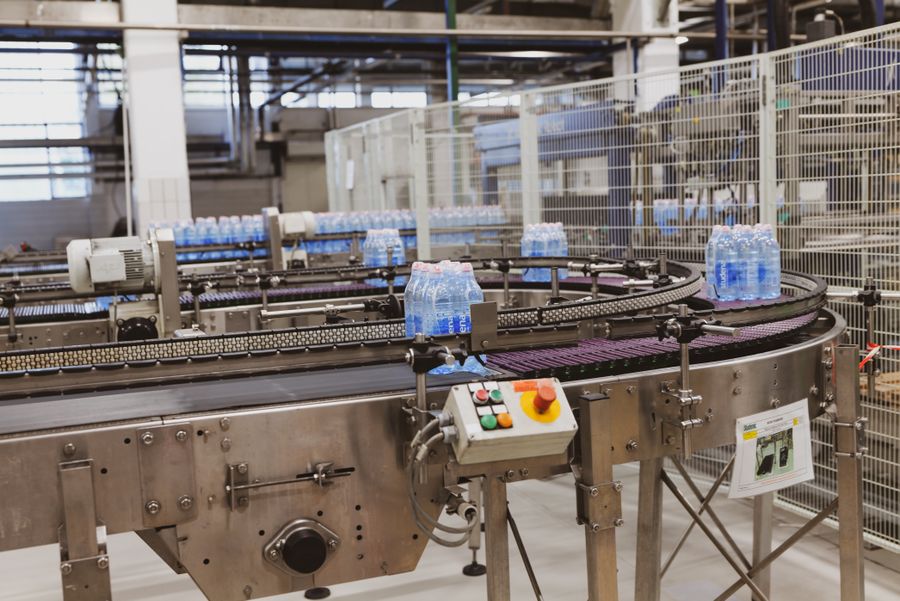
Rollers, axles, and short frame sections are built to your width and pitch.
View product →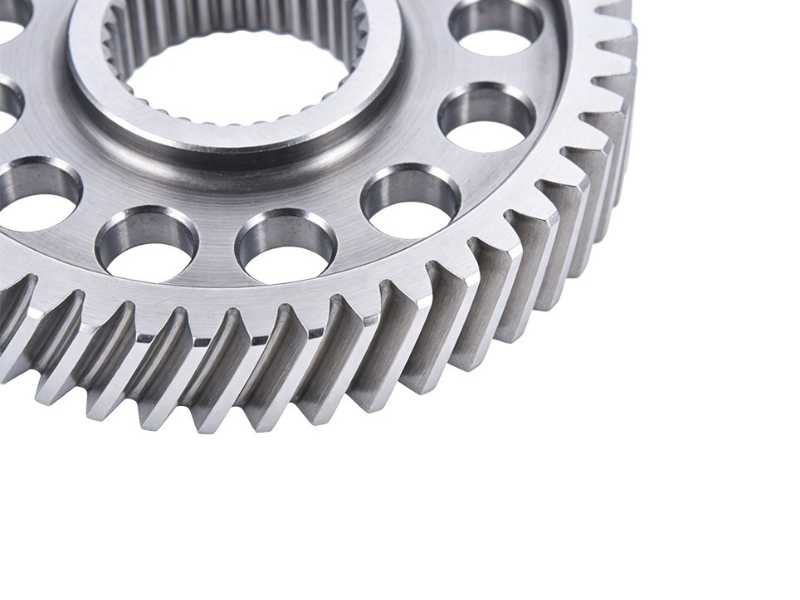
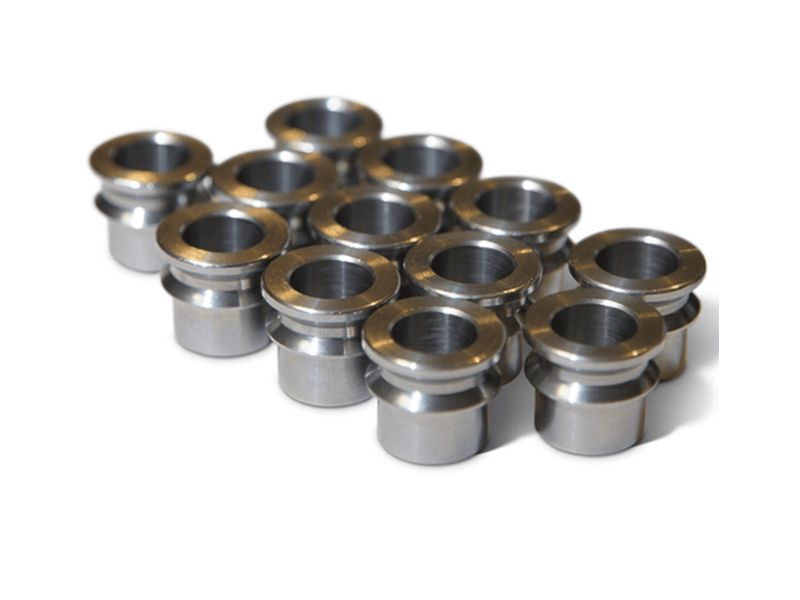
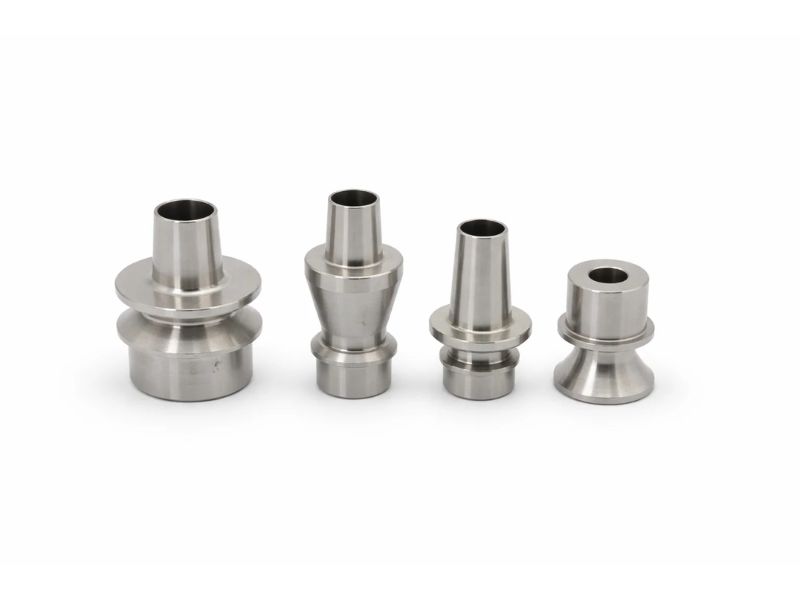
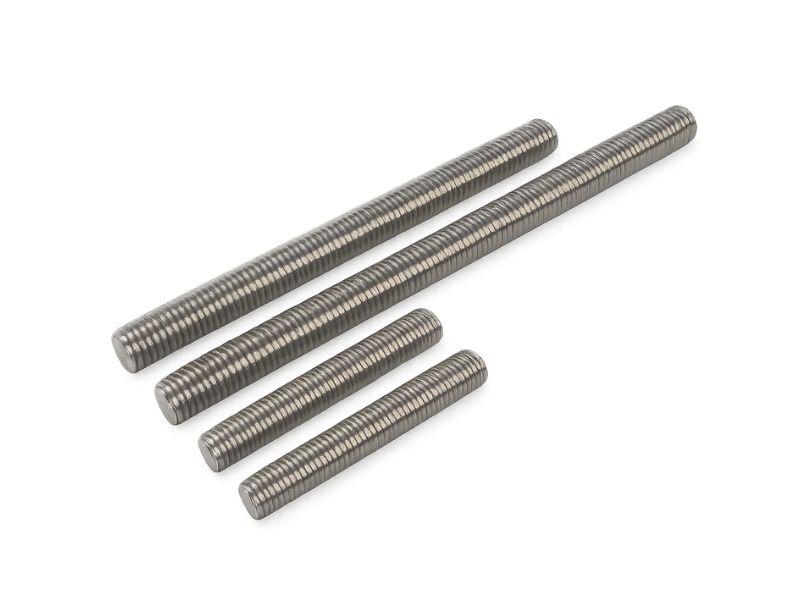
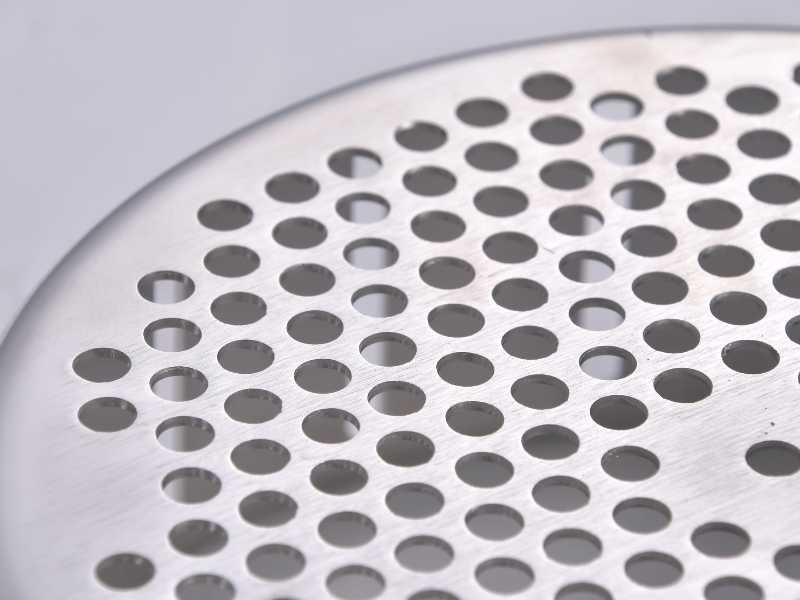
Match the grade to the cleaner, the salt, and the rinse routine the part will see.
Grade 304 suits frames, brackets, and conveyor parts where cleaners are mild and chloride exposure is low. Because 304 costs less than 316L, it is the right pick when salt and chlorine sanitizers are not in the wash routine.
Molybdenum gives 316L better pitting and crevice resistance than 304. That makes it the safer pick where chlorine-based sanitizers, brine, or hot caustic and acid cleaners reach the part. Choose 316L when the part is welded after machining.
Heat treatment hardens 17-4PH, so a small part carries far more load than in 304 or 316L. Because its pitting resistance is lower than 316L, use it for drive parts in dry or enclosed areas.
| Grade | Minimum yield strength | Pitting resistance (PREN, typical) | Typical food-line use |
|---|---|---|---|
| 304 | 205 MPa | 18 to 20 | Frames and conveyor parts, dry or mild duty |
| 316L | 170 MPa | 24 to 26 | Washdown, brine, and chlorine-based cleaners |
| 17-4PH (H900) | 1170 MPa | Lower than 316L | Drive and linkage parts in dry or enclosed areas |
Values are typical for annealed 304 and 316L plate and for 17-4PH in the H900 condition, given for comparison. The final grade depends on your drawing and cleaning duty.
Most cleaning problems begin at a thread, a gap, or a rough edge, not in the bar.
Residue and wash water collect in tight gaps, under washers, and in exposed threads. Pitting starts in the same gaps, so fewer joints and capped or sealed threads give the cleaner less to reach.
Sharp internal corners and burrs hold soil that a wash cycle can miss. Radii and broken edges remove those traps, so we machine them as the drawing specifies. The drawing should also state the finish you need.
Chlorine-based sanitizers, brine, and hot caustic or acid cleaners attack 304 sooner than 316L, especially when they dry on the surface. A thorough rinse after each cycle lowers that risk, even on 316L.
Start with how close the part sits to open product, then check the cleaning routine.
| Position on the line | Typical parts | First check |
|---|---|---|
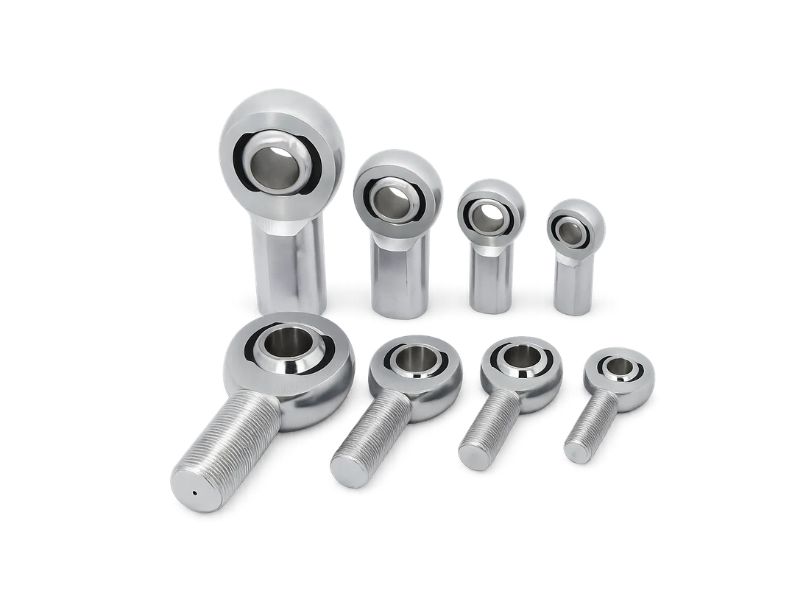
| Near open product | PTFE-lined rod ends and bushings, spray balls, clamps | Run dry, with no grease near the product |
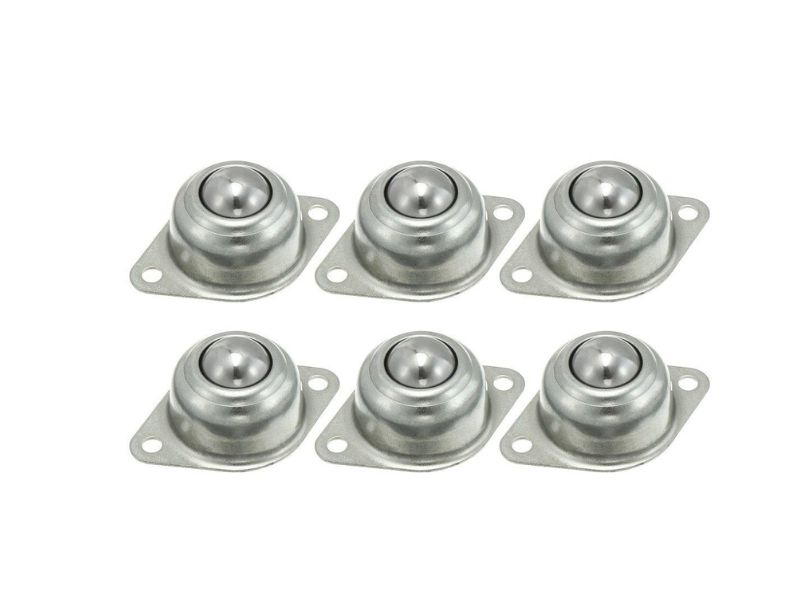
| Washdown zone | Spacers, ball transfer units, roller conveyors, threaded rod | Grade against the cleaner, and no exposed threads |
| Enclosed drive housing | Gears, sprockets, pulleys, greasable joints | Dry or sealed area, so 17-4PH is an option |
Each line puts different parts near the product. Find yours, then open the product page.
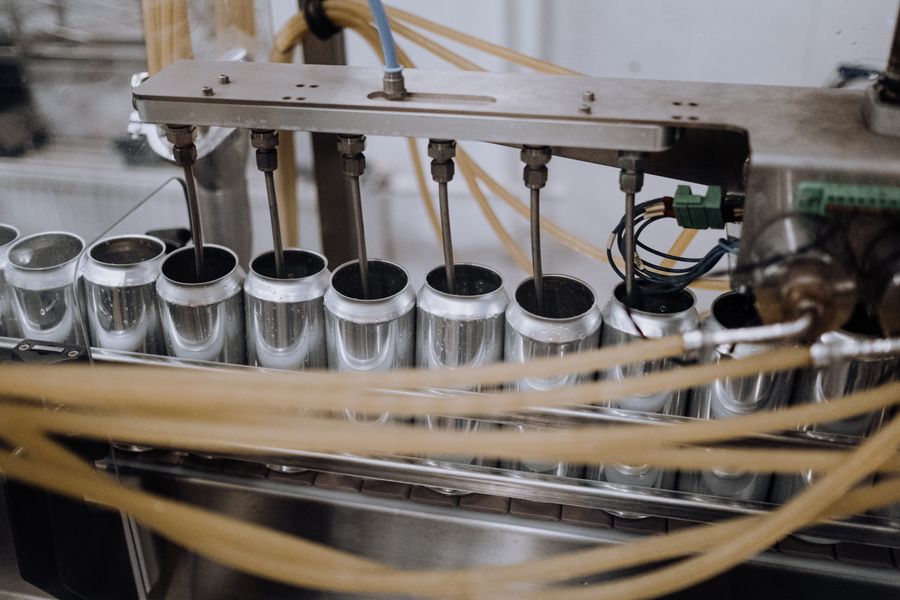
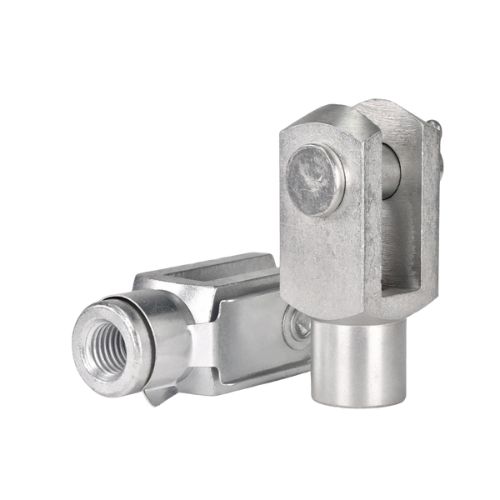
Nozzle lift linkages and dosing pistons on filling machines cycle thousands of times per shift between CIP runs. Rod ends, clevis fittings, and spacers sit at those joints. Ball transfer units carry the packages on the conveyor.
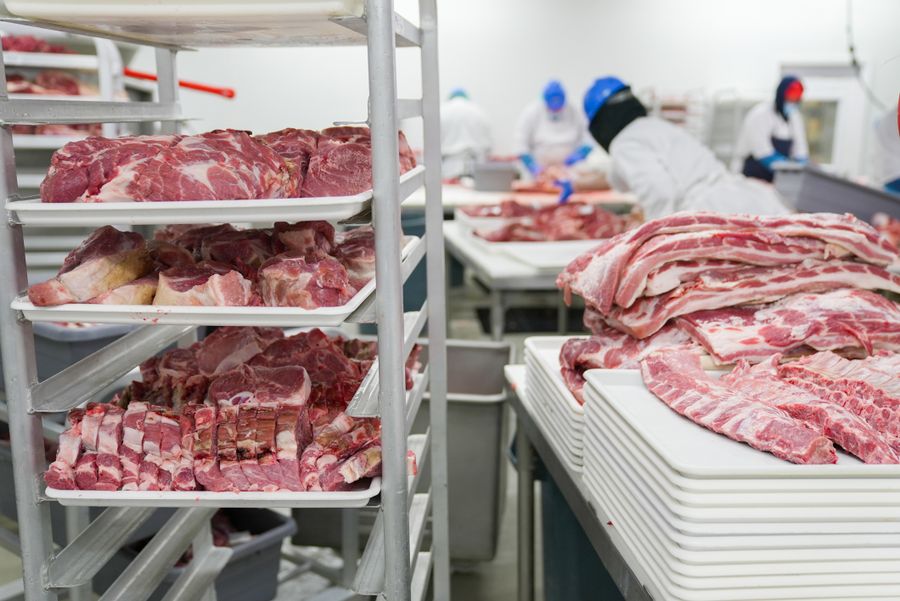
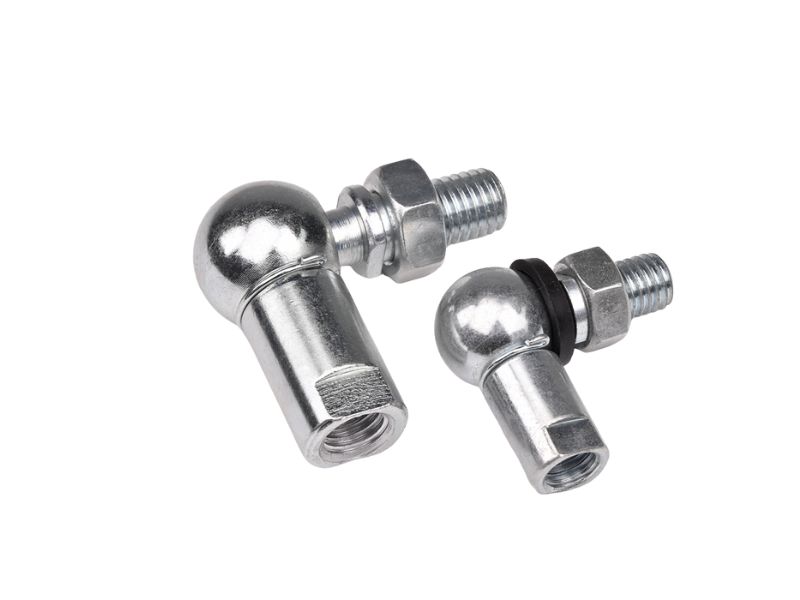
An egg baling machine moves its baling arm, clamping cylinders, and metering gates through daily washdown. Rod ends, ball joints, spacers, and bushings go at those pivots. The same parts serve meat and vegetable washing lines.
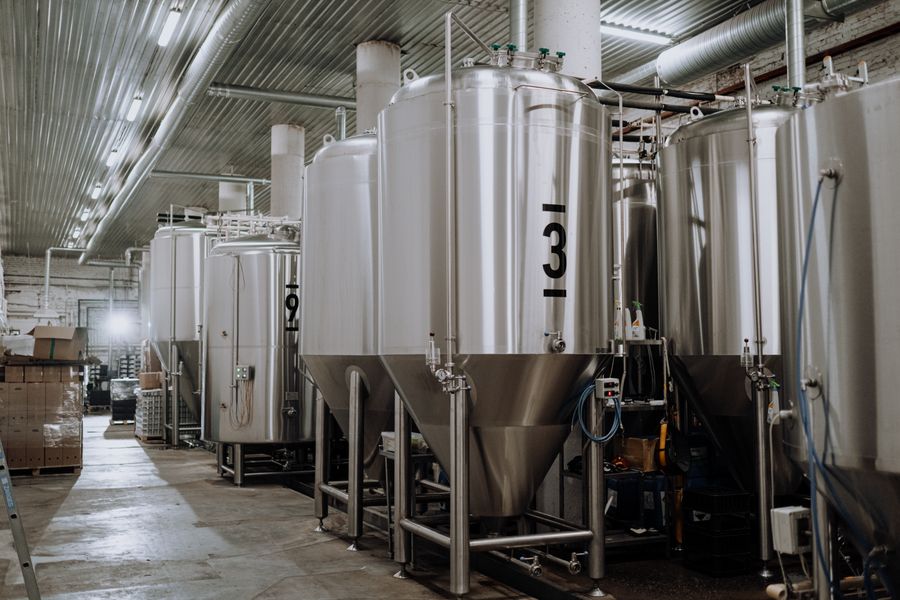
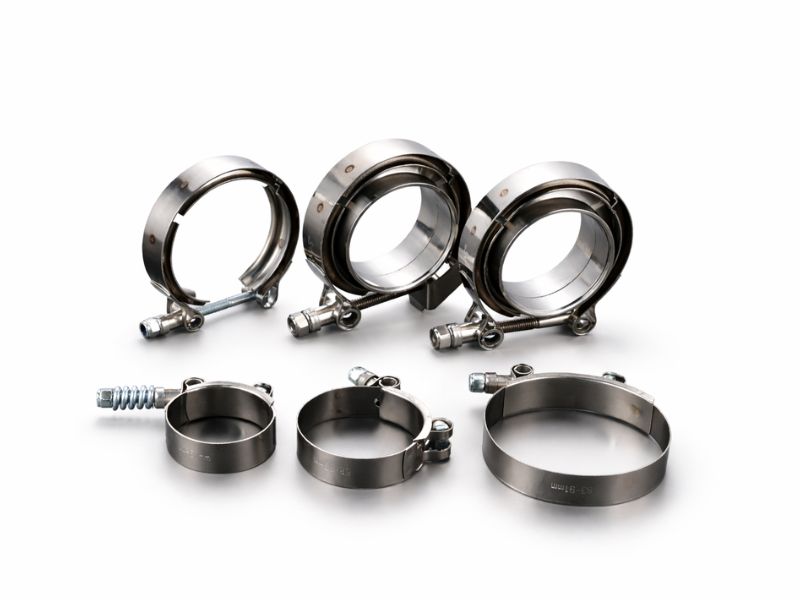
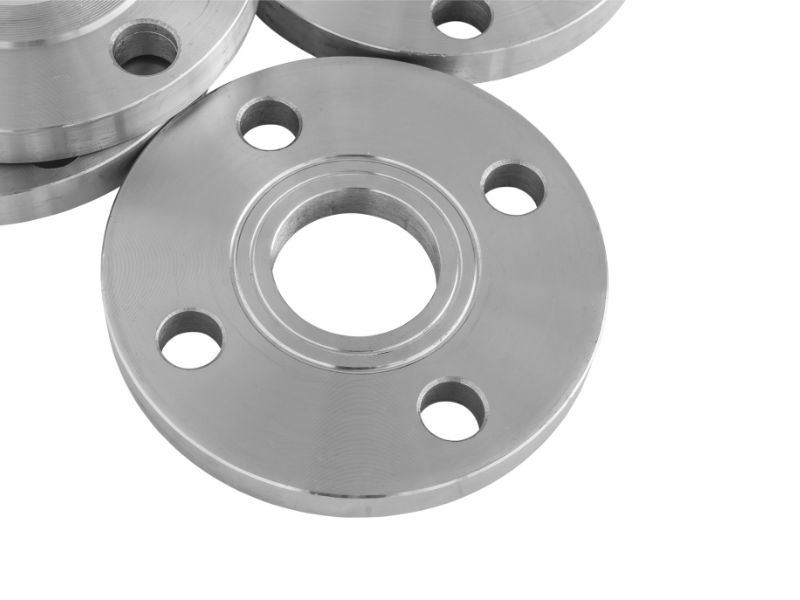
Spray balls clean the inside of tanks, while clamps and flanges hold the pipe and hose joints together. Tube fittings join the lines to tanks and pumps. Custom parts are machined to your drawing.
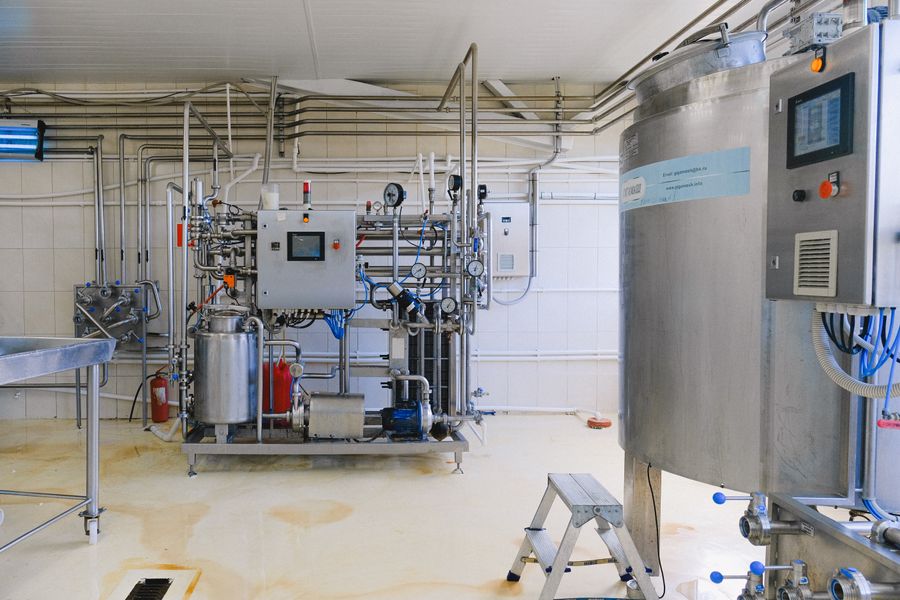
Supplement and pharmaceutical production lines use the same filling, conveying, and piping parts as food lines. Give the grade and the finish your line requires when you send the drawing.
Three routes cover most food-line parts. Each links to its product page.

We mill housings, brackets, and multi-face parts to your drawing. 5-axis machining is available on request when a part needs it.
View CNC Parts →
Spacers, bushings, pins, shafts, and fittings are turned from your drawing or sample.
View CNC Turning Parts →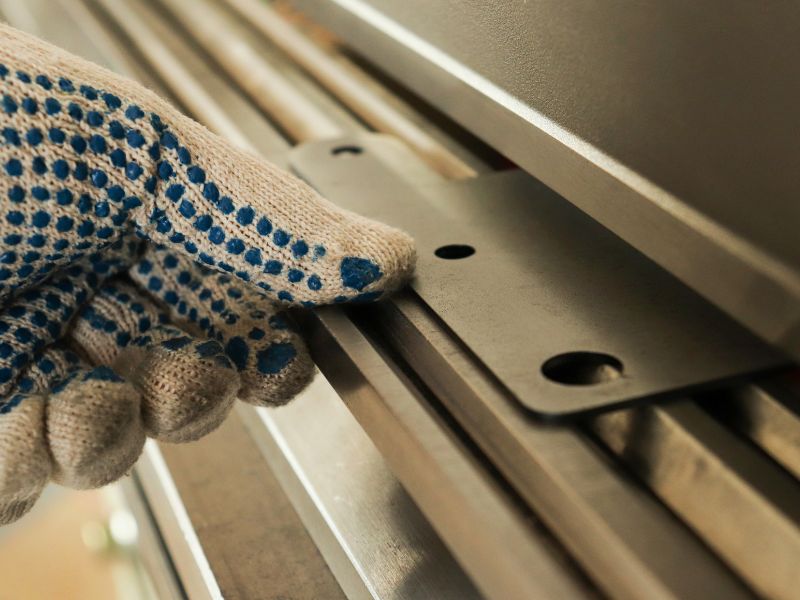
We stamp and bend brackets and plates from your drawing.
View Sheet Metal Parts →Four steps take an order from drawing to shipment.
Send a drawing or a physical sample with the details in the checklist below.
Engineering reviews the grade, geometry, and cleaning duty, then issues the quotation.
Sample parts are made for your approval before production starts.
Production follows the approved sample. Finished parts then ship by sea, air, or express courier.
Food machine builders buy small, repeat, drawing-based parts. These are the ways we make that easier.
A filling or packaging machine uses dozens of small stainless parts, and each one needs a drawing, a grade, and a lead time. Profab makes them in one place, so a change to a drawing goes to the people cutting the metal.
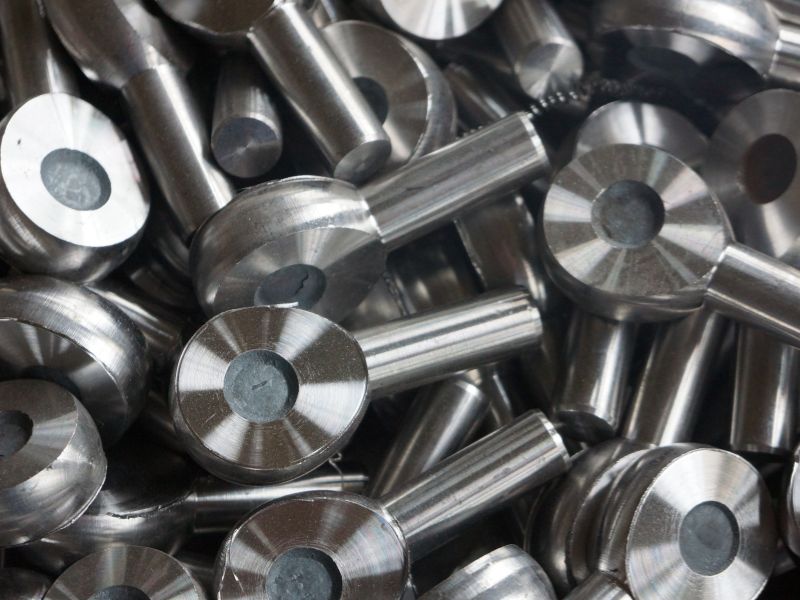
A joint on a washdown line is cleaned every shift and cannot take grease near the product. We choose the grade and the joint type with that routine in mind.
Accepted formats are DXF, DWG, STEP, IGES, and dimensioned PDF drawings, or a physical sample.
Send a drawing, a photo of the worn part, or a physical sample with the details below.
We check grade, geometry, and finish against your cleaning duty, then quote.
These short answers cover the first engineering and purchasing questions.
Chlorine sanitizers, brine, and hot caustic or acid cleaners can pit 304, so 316L is the safer choice there. Even 316L can pit if sanitizer dries on it, which is why the rinse after each cycle matters. In the inquiry, state the cleaner, the temperature, and the rinse step, because they decide whether 316L is enough.
We machine radii, edge breaks, and thread details as the drawing specifies. A crevice-free joint also depends on the mating parts and the seals. For that reason, treat our edge and thread work as design advice, not as a guarantee of a crevice-free joint.
Yes, the same drawing can be quoted in both grades, so you can compare the price of each. Other stainless grades are available on request.
Quantities vary by product, but small-batch custom runs are accepted with no hard minimum. Prototype runs typically start around 100 pieces.
Yes, we offer TIG/MIG welding, electropolishing, and passivation as services for parts that need them. Other finishes are available on request.
Material certificates are available on request. Tell us the grade and the standard your project names when you send the inquiry.
Send the drawing, grade, cleaning routine, and quantity for a quotation.