Flow Control & Piping

Stainless Steel Exhaust Flanges

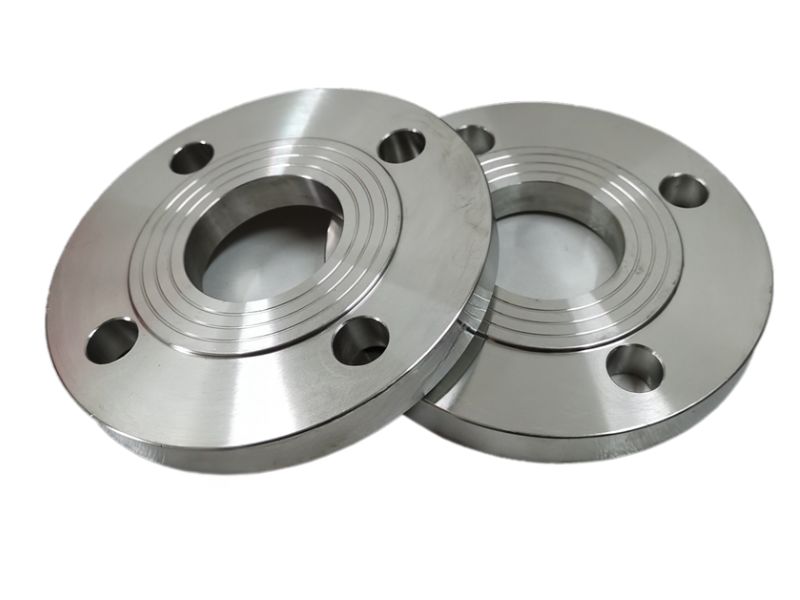
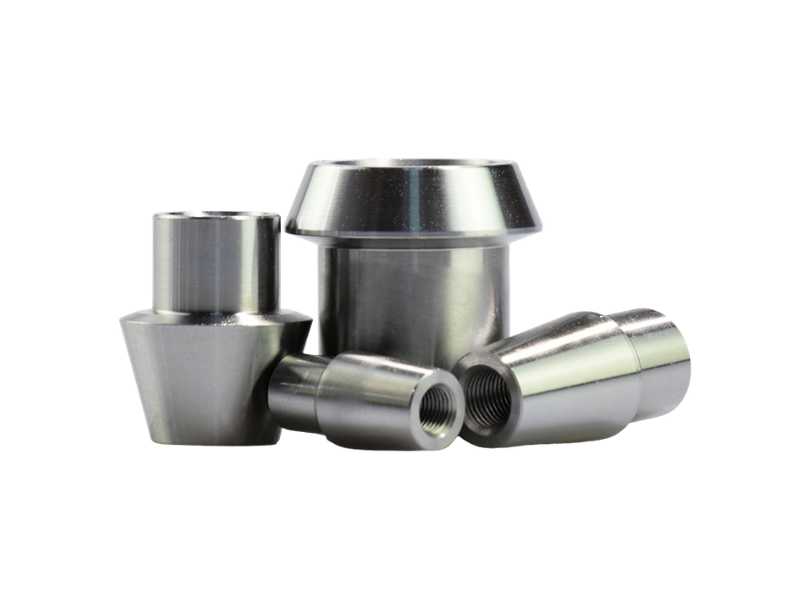
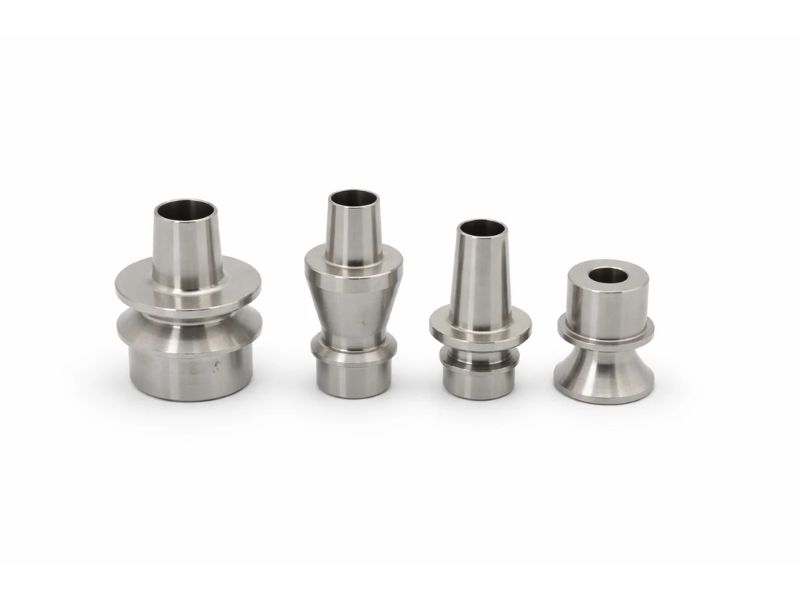
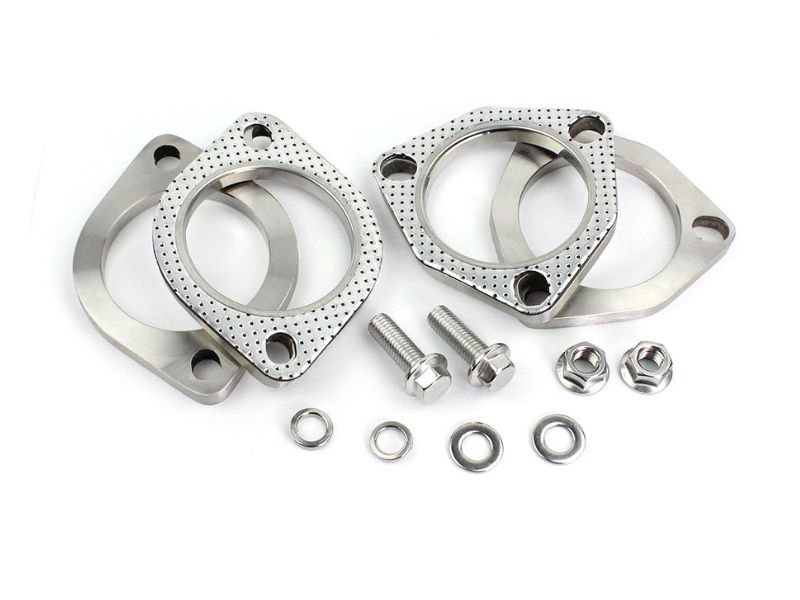
Profab Machine makes stainless steel exhaust flanges by CNC machining for headers, turbo outlets, downpipes, and V-band joints. We make custom port shapes, bolt patterns, and plate thicknesses for non-standard and rare engines, working from your drawing or sample. Send the drawing, the sample, or the OEM or turbo part number. We will confirm the flange before quoting.

  • Header, Turbo & V-Band
  • 2-, 3- & 4-Bolt Patterns
  • Made to Drawing or Sample
  • 304 & 316L Stainless
View All Types
Stainless steel exhaust flanges machined to drawing
Stainless steel exhaust flanges
Product Overview

What Are Stainless Steel Exhaust Flanges?

A stainless steel exhaust flange is a machined plate or ring that bolts or clamps two exhaust pipe sections together. The flange also holds the gasket or sealing face between them. The flange sits at joints such as the cylinder head to header, the turbo outlet to downpipe, and the catalytic converter to the pipe.

The port shape, bolt pattern, and thickness of a flange have to match the mating part. For that reason we machine each flange to your drawing or sample. Stainless steel also resists rust and scaling at these hot, wet joints better than mild steel does.

Port, Bolt Pattern & Thickness to Drawing Sealing Face for Gasket or V-Band 304 & 316L for Wet and Salty Joints Exhaust Temperature Reviewed
Product Range

Types of Stainless Steel Exhaust Flanges

The mating part decides the flange, so choose the joint first, then the size and the grade. A flange with the right bolt count but the wrong port shape will not seal.

Stainless Steel Header Flanges

Engine Head Multi-Port

A header flange bolts the primary tubes to the cylinder head. Its port shapes, port spacing, and bolt holes must match the head. We machine the plate to your drawing or sample. The drawing also sets the plate thickness, because a thin plate can warp under weld heat.
Stainless Steel Turbo Flanges

T3 T4 Drawing-Based

A turbo outlet flange joins the turbine housing to the downpipe. Its bolt spacing, open or divided passage, and counterbore follow the turbo maker's drawing. We machine the flange from that drawing or from a sample, because a flange sold only as T3 or T4 may not match every turbo.

Stainless Steel V-Band Flanges

Male and Female Pairs

A V-band exhaust flange is turned and machined as a matched male and female pair that a stainless steel V-band clamp holds together. The flange profile has to match the clamp. We need the clamp model or a profile drawing with the pipe size.

Stainless Steel Downpipe and Converter Flanges

2-, 3- & 4-Bolt

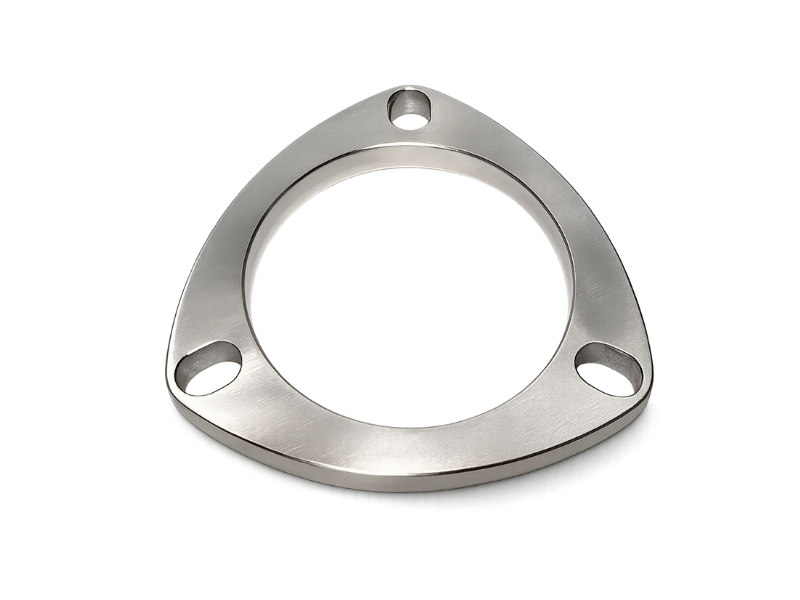
These two-, three-, and four-bolt flanges join the downpipe, catalytic converter, flex pipe, and muffler. We machine them to the hole spacing, port shape, and gasket outline of your sample or OEM part. The replacement then bolts up and seats the same gasket.

Material Specification

Choosing the Right Grade

A flange sold only as "stainless steel" may be an unknown grade. The grade, the exhaust temperature, and the salt exposure decide how long the joint lasts. For that reason, name the grade on the order.

304 Stainless

304 is the usual grade for exhaust flanges on cars, trucks, and generators. In those uses the joint sees heat, moisture, and engine-bay wear, but not salt. 304 machines well and welds readily to 304 tube.

Standard Exhaust Grade

316L Stainless

316L suits flanges in coastal, marine, and road-salt service, because its 2 to 3% molybdenum resists chloride pitting. However, 316L is not a higher-temperature upgrade over 304. Because of this, we review the exhaust temperature before we choose the grade.

Salt and Marine

321 and Other Grades

Some turbo and race exhausts run hotter than 304 or 316L suit. Other stainless grades, such as 321, are available on request. If you give us the peak exhaust temperature and the duty cycle, we will review the grade with you.

On Request

Polishing and passivation are available on request when a flange needs a cleaner surface.

Applications

Diverse Applications of Stainless Steel Exhaust Flanges

Stainless steel exhaust flanges are used at the bolted joints along an exhaust line, from the engine head to the tailpipe. Each joint needs a flange cut to its own port shape and bolt pattern. Stainless steel also keeps that flange from rusting at wet, salty joints.

Selection Guide

How to Specify a Stainless Steel Exhaust Flange

Work through these points before you request a quote.

FactorWhat to ConfirmWhy It Matters
Flange familyHeader, turbo, V-band, or two-, three-, or four-boltEach family has its own interface.
Mating partEngine head, turbo model, OEM part number, clamp, or a sampleThe mating part sets the port and bolt positions.
Port or borePort shape, bore, and tube outside diameterThe port must line up with the tube without a step.
Bolt patternHole count, hole diameter, and spacing or bolt circleA flange that nearly matches will not bolt up.
ThicknessPlate thicknessA thin plate can warp when it is welded.
Sealing faceGasket outline, counterbore, O-ring groove, or V-band profileThe face decides how the joint seals.
Grade and temperature304, 316L, or another grade, plus the peak exhaust temperatureTemperature and salt exposure set the grade.
FilesDXF, DWG, STEP, IGES, PDF, or a sampleA drawing gives us the exact dimensions to cut.
Why Profab

Your Reliable Stainless Steel Exhaust Flanges Supplier

01

Port and Bolt Pattern to Your Drawing

We CNC mill and turn each stainless steel exhaust flange from plate or bar. The port shape, bolt holes, and thickness follow your head, turbo, or OEM drawing.

02

Matched V-Band Pairs

A V-band flange pair is machined to the clamp profile you send. The male and female flanges therefore seat in the clamp.

03

Grade Reviewed for Exhaust Heat

Tell us the peak exhaust temperature and the salt exposure. We will review 304, 316L, or another grade with you before we cut the flange.

Build a Complete System

Build a Complete Exhaust Joint With Stainless Steel Exhaust Flanges

An exhaust joint also needs a clamp, hangers, and studs. These products cover them.

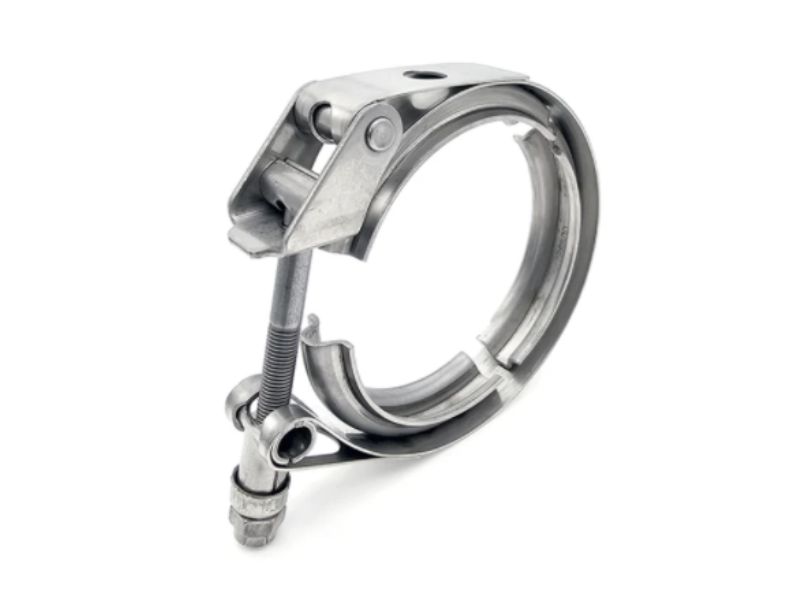
Stainless steel V-band clamps

Stainless Steel V-Band Clamps

A V-band clamp pulls a matched pair of V-band exhaust flanges together to form the joint. Pick the clamp and the flange profile together, because they must match.

Learn More
Stainless steel tube clamps

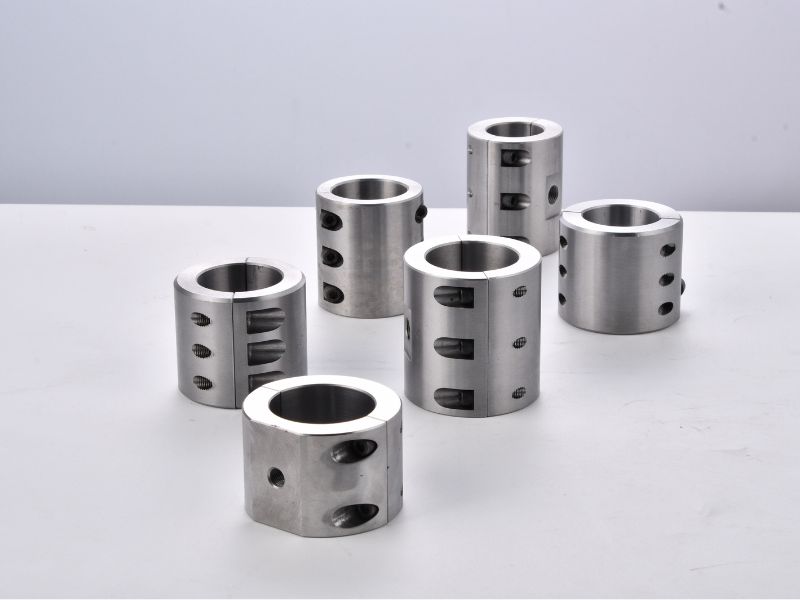
Stainless Steel Tube Clamps

Tube clamps hold the exhaust pipe on its hangers. That keeps the joint from carrying the weight of the pipe.

Learn More
Stainless steel threaded rod

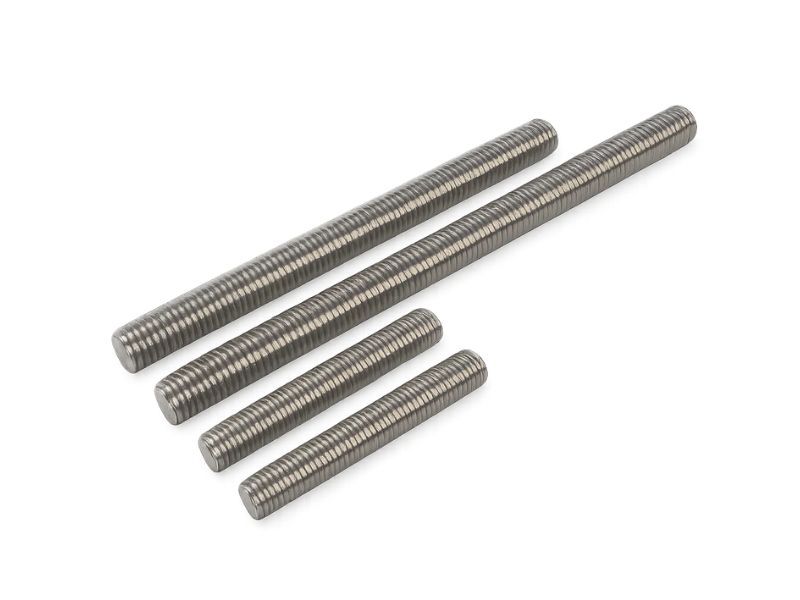
Stainless Steel Threaded Rod

Threaded rod cut to length makes studs for bolted flange joints.

Learn More
FAQ

Common Questions

Not seeing your question? Email us at [email protected] and we typically reply same day.

More Questions
What do you need to quote a stainless steel exhaust flange?

Send a drawing, a sample, or the OEM or turbo part number. If you have none of these, send the port or bore shape, the tube outside diameter, and the bolt count. Also send the hole size and spacing, the plate thickness, and the grade. We accept DXF, DWG, STEP, IGES, or PDF files with dimensions.

Can you make a stainless steel exhaust flange for my turbo or engine?

Yes, we can make the flange when you send the turbo maker's drawing, an engine head drawing, or a sample. We make each flange to the drawing or sample you send. The port and bolt pattern then match your part.

What is the difference between a V-band flange and a V-band clamp?

A V-band flange is the machined ring that fits or welds onto the pipe end. The clamp is the separate band that pulls two flanges together. The flange profile has to match the clamp. Please send the clamp model or a profile drawing with the pipe size.

Should I choose 304 or 316L for an exhaust flange?

304 suits most exhaust joints, while 316L suits coastal, marine, and road-salt exposure. However, 316L is not a higher-temperature upgrade. If you tell us the peak exhaust temperature, we will review the grade with you.

Why does an exhaust flange warp or leak?

A flange can warp when a thin plate is welded to the tubes. A warped sealing face then leaks even with a new gasket. A thicker plate, a flat machined face, and a gasket that matches the face reduce that risk. However, a flange that is already cracked or badly corroded should be replaced.

How to Order

From Inquiry to Delivery

1

Send Specs

Send the drawing, the sample, or the OEM or turbo part number, plus the port shape, bolt pattern, thickness, and grade.

2

Respond Within 24 Hours

Our engineers review your stainless steel exhaust flange request or drawing. You receive a specific quote within 24 hours.

3

Production

Standard lead time for stainless steel exhaust flanges is 30 days. Custom designs are sampled before the full production run.

4

Delivery

We ship stainless steel exhaust flanges by sea, air, or express courier. A tracking number follows once the order ships.

We support small-batch and prototype runs with no hard minimum order quantity. A first prototype run is typically around 100 pieces.

Get in touch with

Ready to Source Stainless Steel Exhaust Flanges?

If you already have drawings, email [email protected] directly and we will quote from them.

[email protected] ↗
Request a Quote

Include the key dimensions, grade, and quantity in your message.

Send Your Inquiry Today