Get A Quote
Marine Hardware

Stainless Steel Propellers

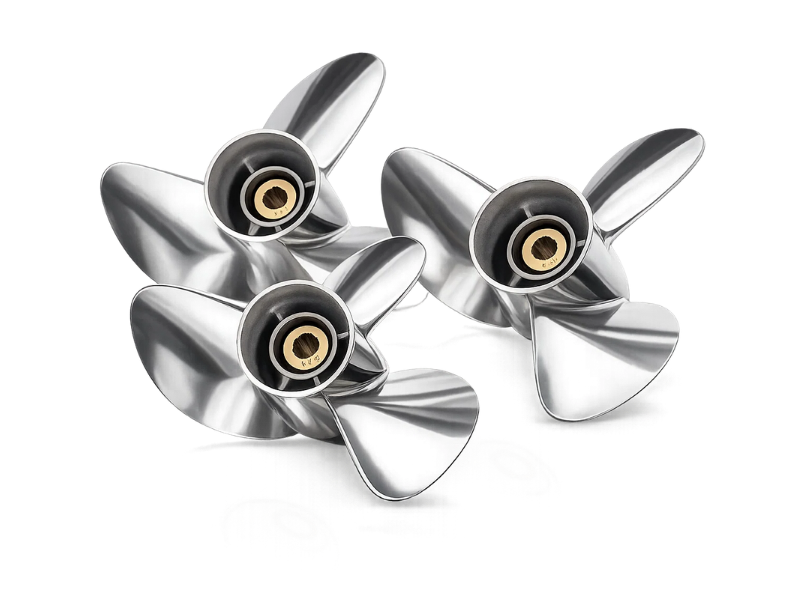
316L stainless steel propellers for outboard, sterndrive, shaft-drive, and commercial marine applications. 3-blade and 4-blade standard; custom pitch, diameter, and OEM geometry accepted.

  • 316L Stainless Steel
  • 3 & 4-Blade Standard
  • Custom Pitch & Diameter
  • Statically Balanced
View All Types
Stainless Steel Propellers Supplier
Stainless Steel Propellers Supplier China
Product Overview

What Is a Stainless Steel Propeller?

A marine propeller converts rotational torque into thrust by accelerating water mass astern. Its efficiency, and its service life, depends on blade geometry holding its designed pitch and cross-section over time. A propeller that deflects, corrodes, or loses surface finish degrades thrust, increases fuel consumption, and introduces vibration that eventually damages shaft seals and gearboxes.

Product Range

Types of Stainless Steel Propellers

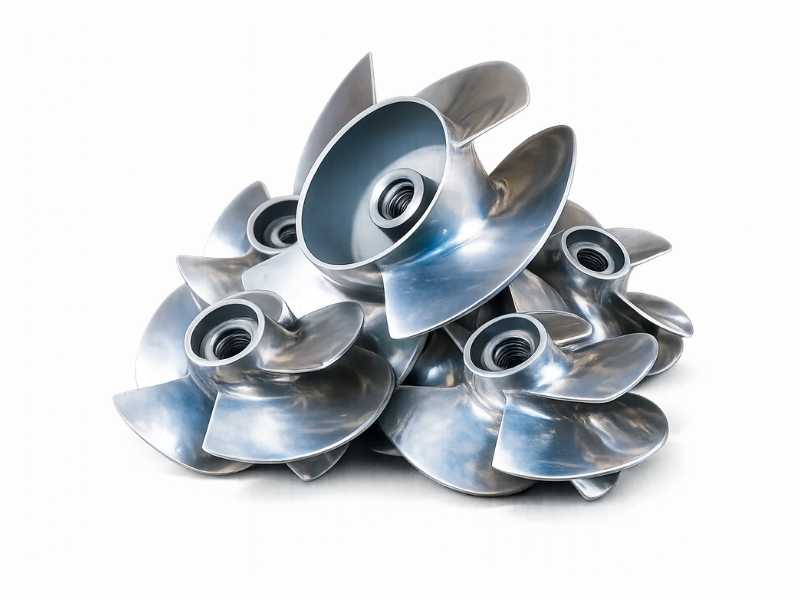
Our 316L stainless steel propellers are one-piece castings made through our production network, the method used by leading global propeller manufacturers. We then CNC-machine the bore, keyway, and tapered hub to your exact shaft specification, and each propeller is statically balanced before dispatch.

3 Blade Outboard Propellers Supplier

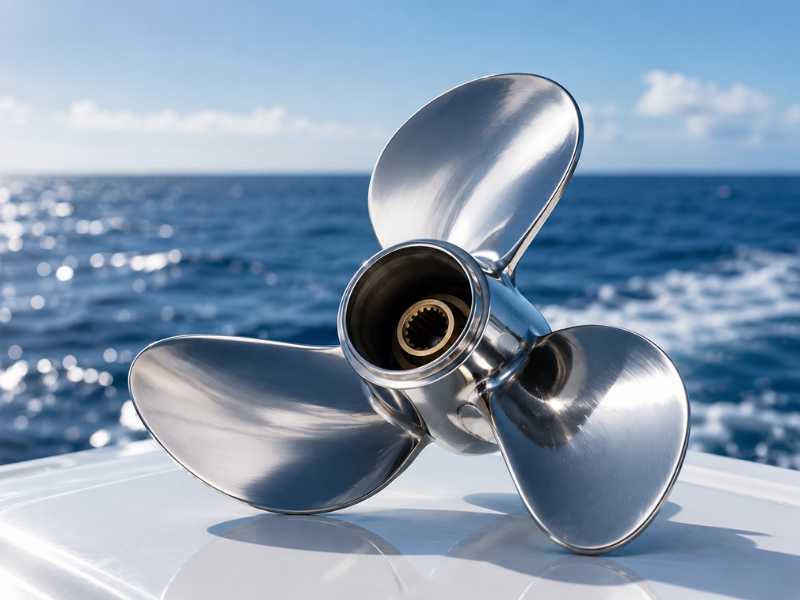
3 Blade Propellers

Up to 300 HP Outboard · Sterndrive

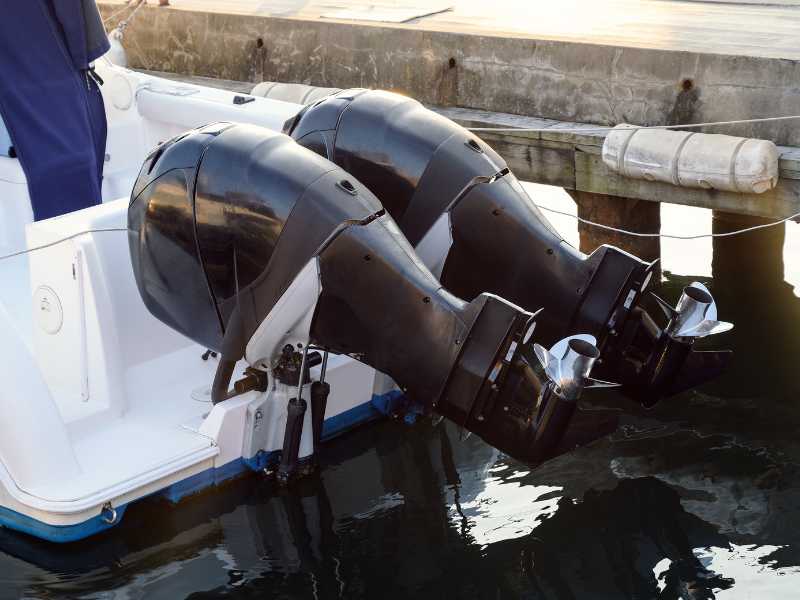
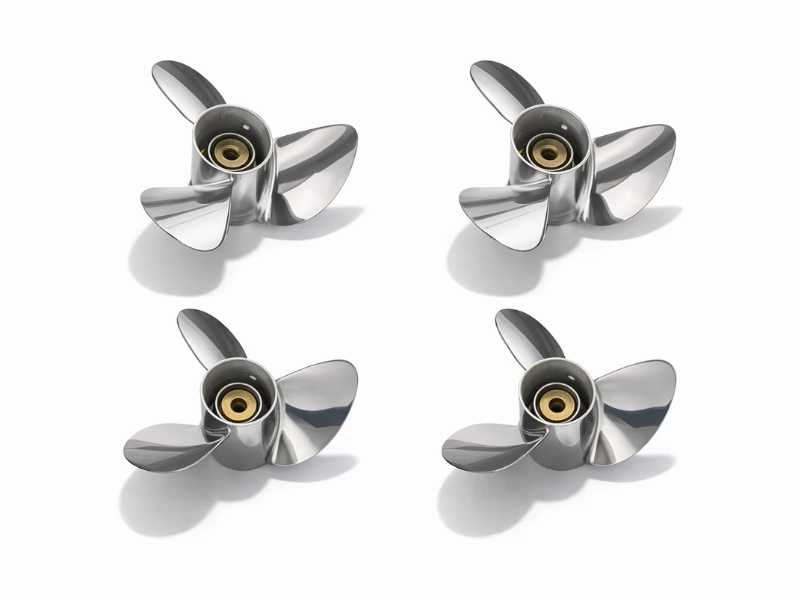
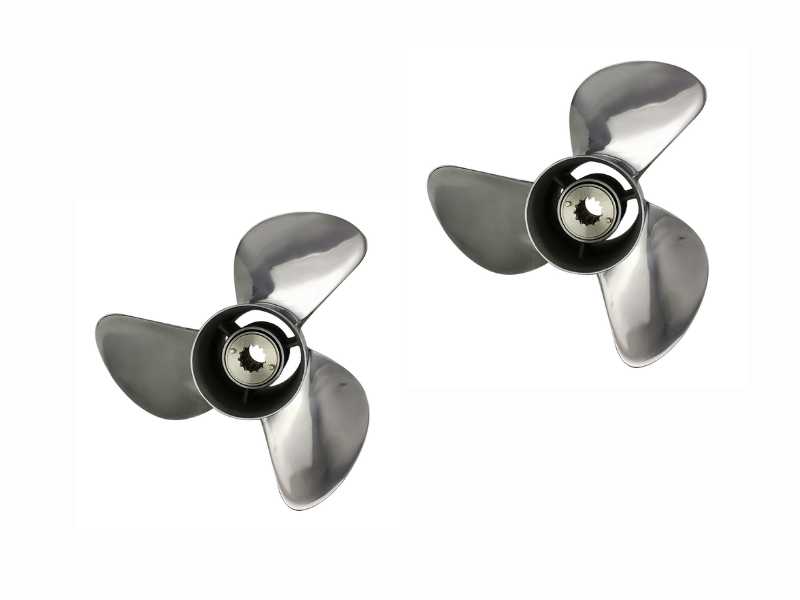
Three blades remain the dominant configuration for outboard and sterndrive applications, giving the best balance of top-end speed, fuel efficiency, and reduced drag at planing speeds. 316L one-piece casting to your pitch-diameter combination, with hub bore, taper, and keyway machined to your engine's shaft specification.
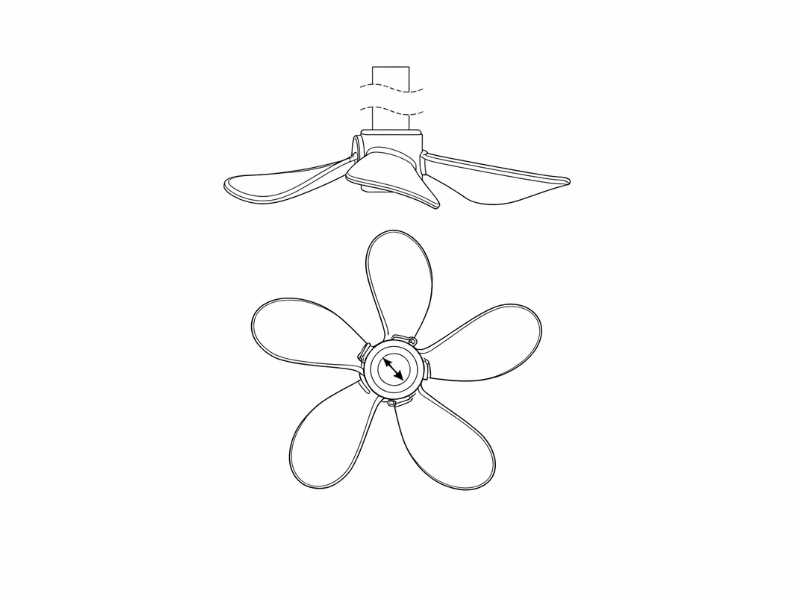
4 Blade Propellers Supplier

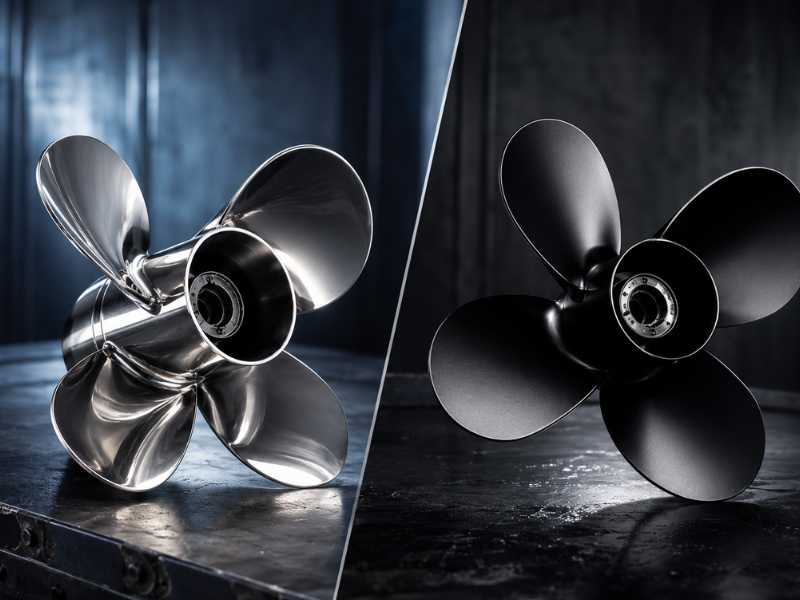
4 Blade Propellers

Low Vibration Heavy Load

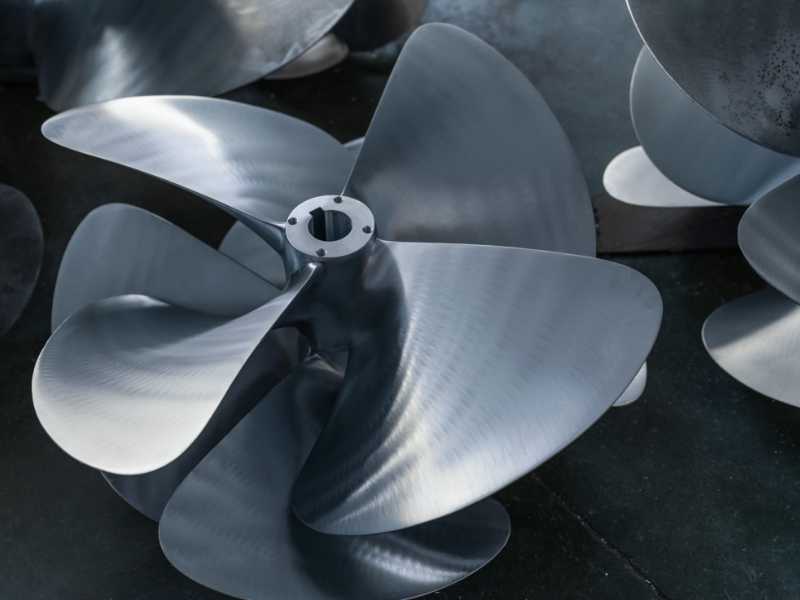
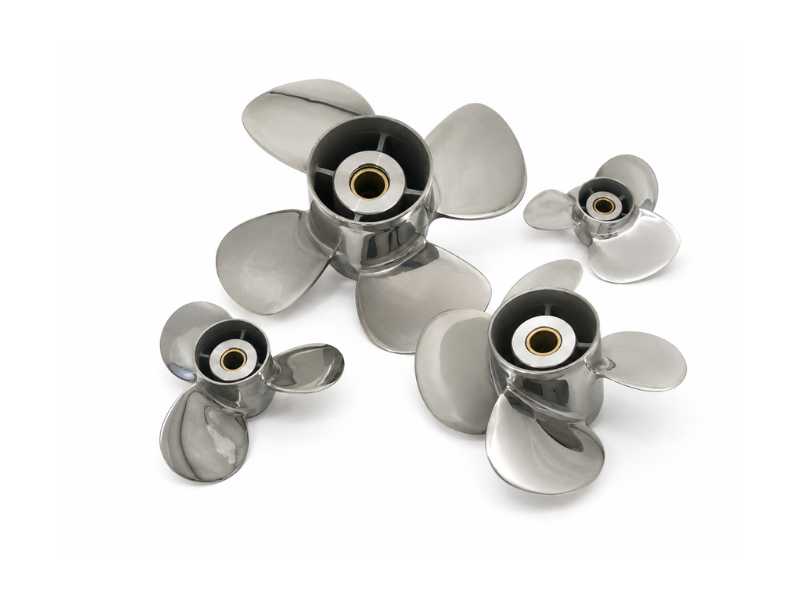
A fourth blade spreads the same thrust over more blade area, which lowers the load on each blade, reduces cavitation risk and cuts vibration on heavier-loaded or deeper-draft hulls, lowering cavitation risk and reducing vibration on heavier-loaded or deeper-draft hulls. Preferred for pontoon boats, heavy cruisers, and loaded tenders where bow lift and smoothness at mid-range RPM matter more than peak top speed.

Custom Propellers Drawing

Custom Propellers

Per Drawing Shaft-Drive

Shaft-drive propellers for inboard engines, twin-screw workboats, and custom watercraft require bore tapers, keyways, and blade geometries not found in any catalogue. Profab manufactures from your drawing or existing propeller sample, delivered balanced and ready to install.

Technical Reference

Diameter, Blade Count & Propulsion Type

The combinations below reflect the most commonly requested configurations. All can be modified — blade count, pitch, and bore are specified at enquiry. Dimensions outside this range are produced from drawing.

Engine Power RangeTypical Diameter RangeTypical Pitch RangeSpline / Bore Options
15–60 HP (Mid-Range)10"–12" (254–305 mm)9"–15" (228–381 mm)13-Spline (varies by engine — confirm at enquiry)
60–200 HP (High-Power)13"–14.5" (330–368 mm)15"–21" (381–533 mm)15-Spline / Removable Hub Systems
200–450+ HP & Sterndrive14.5"–16" (368–406 mm)17"–23"+ (431–584 mm)Heavy-Duty 15-Spline / Solid Hub Options
Custom Commercial & InboardUp to 30" (up to 762 mm)Customized per hull specsTapered Keyway Bore / Custom Spline
Selection Guide

How to Select the Right Propeller

The right combination of diameter and pitch determines whether your engine operates within its rated RPM range at full throttle. Running too high in pitch loads the engine short of its target RPM; too low and it over-revs. If you are replacing an existing propeller, send us the current prop markings — diameter × pitch are stamped on most hubs.

Pitch & Bore Information Checklist

ParameterWhat to CheckSelection Advice
Current prop markingsDiameter × pitch stamped on the hub (e.g. 14 × 19)Use as your baseline when replacing an existing propeller
Engine full-throttle RPMTarget within the engine's rated rangeToo much pitch loads the engine short of target RPM; too little over-revs it
Shaft taper & bore diametere.g. 1:10 or 1:16; bore measured at the large endConfirm against your engine manufacturer's shaft spec before ordering
Keyway dimensions & rotationWidth × depth; RH or LHTwin-screw installations need opposite rotation on each side
Blade count3 for speed, 4 for load and smoothnessChoose 4-blade for heavier, deeper-draft, or vibration-sensitive hulls
Material Specification

Stainless Steel vs. Bronze Propellers

Cast bronze is the other material family buyers weigh against stainless for a marine propeller. The right choice depends on which tradeoff — cost, castability, or corrosion behavior — matters most for your application. Profab supplies propellers in 316L; the comparison below covers why, against the two bronze alloys most buyers are actually considering.

316L Stainless Steel

The 2–3% molybdenum content raises the Pitting Resistance Equivalent Number (PREN) to a typical 24–26, and Resistance comes from the chromium in the alloy, which forms a self-healing passive film on the surface; unlike bronze, there is no patina to maintain. Lower cost to cast in small custom batches than either bronze alloy below, which is why Profab standardizes on 316L rather than offering bronze.

Grade 316L Profab Standard

Nickel-Aluminum Bronze

The standard bronze choice for recreational and mid-size commercial propellers. Strong seawater corrosion and cavitation-erosion resistance, with tensile strength roughly comparable to hardened stainless — but it costs more than manganese bronze and is harder to cast and repair in small custom batches than 316L.

NAB / Nibral Not Offered by Profab

Manganese Bronze

The traditional lower-cost bronze option, easier to polish and repair than nickel-aluminum bronze. Its zinc content is a real liability: manganese bronze is genuinely susceptible to dezincification in saltwater, where zinc leaches out and leaves a porous, weakened blade surface over time.

Lower Cost Not Offered by Profab

Aluminum is a separate comparison — the budget, sacrificial-failure alternative rather than a corrosion-focused choice. See Stainless Steel vs. Aluminum Propeller for that tradeoff.

One-Piece Construction Builds Every Propeller Without Welds

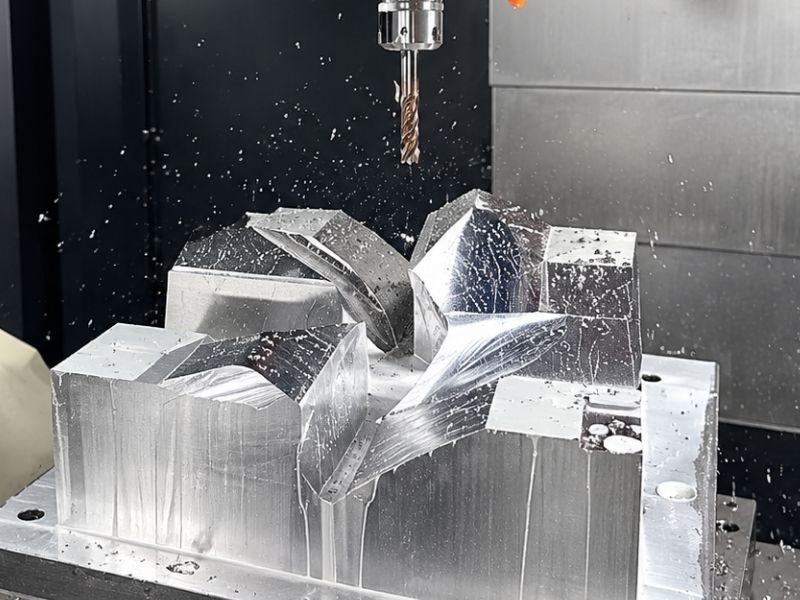
A one-piece casting builds the entire propeller as a single pour: hub, blades, and leading edges in one piece with no welds, no parting lines crossing blade surfaces, and no heat-affected zones. Casting is done through our production network; CNC machining then finishes the bore, shaft taper, and keyway. CNC machining then finishes the bore, shaft taper, and keyway to precise dimensions.

CNC machine cutting a precision multi-cavity mold with coolant spray
Surface Finish

Surface Finish Options

Blade surface finish is not purely cosmetic — it affects drag, corrosion resistance, and how the blade grips at speed. Profab offers two finish tiers depending on your priority.

Standard

Mirror Polish

Surface roughness on a propeller blade directly affects drag — A rough surface raises skin-friction drag, which costs speed and fuel. Profab polishes all blade surfaces to Ra ≤ 0.4 µm mirror standard, which also reduces the surface micro-defects that can initiate pitting corrosion in salt water. The standard choice for top-speed setups and long-term salt-spray resistance.

Budget Option

As-Cast / Satin Finish

A lower-cost option that skips the final polishing pass. Some operators specify Satin or as-cast surfaces are a lower-cost choice where top-end speed and polished appearance matter less than unit cost, and it's a reasonable choice where top-end speed and salt-spray cosmetics matter less than unit cost.

Applications

Propellers Solutions By Industries

Stainless steel propellers are specified where precision blade geometry, long service life, and consistent thrust output matter more than initial cost, whether on a performance sport boat or a working commercial vessel.

Why Profab

Your Reliable Propellers Supplier

01

Consistent 316L Composition, Batch to Batch

Every propeller is made in 316L, so the molybdenum content that gives this grade its chloride resistance doesn't vary batch to batch the way it can with uncontrolled scrap-remelt material. The grade you specify is the grade you receive.

02

Bore and Taper Machined to Your Shaft

Catalogue propellers come bored to standard tapers (commonly 1:10 per ISO 4566 or 1:16 per ISO 8845; 1:12 on some imperial shafts). If you need a metric bore, an unusual taper ratio, or a specific bore-to-face perpendicularity, Profab machines bore and taper after casting, ensuring concentricity between the bore centerline and the pitch circle of the blades.

03

Custom Geometry from Your Drawing or Sample

If you have an existing propeller that performs correctly, send it as a sample. If you have engineering drawings, send the CAD file. Profab reverse-engineers or works directly from documentation to produce a propeller that replicates the blade profile, pitch, rake, and cup geometry you specify.

FAQ

Common Questions

Not seeing your question? Email us at [email protected] and we typically reply same day.

More Questions
How are your propellers balanced?

Each propeller is statically balanced before dispatch. Tell us your shaft speed and application, and we will confirm whether additional balancing is needed.

Do you work to ISO 484?

ISO 484 sets manufacturing tolerances for ship screw propellers, with accuracy classes S (very high), I, II and III chosen by the customer. If your drawing calls for a class, send it with your quote request.

Can I get a propeller made to match my current one?

Yes — send your existing propeller as a physical sample, or provide engineering drawings, and Profab reproduces the blade profile, pitch, rake, and cup geometry from it. This is more reliable than approximating from a catalogue listing.

What information do you need to quote a replacement propeller?

The diameter and pitch stamped on most hubs (e.g. 14 × 19), your engine's full-throttle RPM, shaft taper and bore diameter, keyway dimensions, rotation direction, and blade count. Send what you have and Profab can help confirm the rest.

How to Order

From Inquiry to Delivery

1

Send Specs

Provide your required parameters, including propeller type, diameter, pitch, blade count, spline, stainless steel grade, and quantity.

2

Respond Within 24 Hours

We will work on the best solution based on your request and send you a specific quote within 24 hours.

3

Production

30 days standard. Samples before full production run on new custom parts. QC report before shipment.

4

Delivery

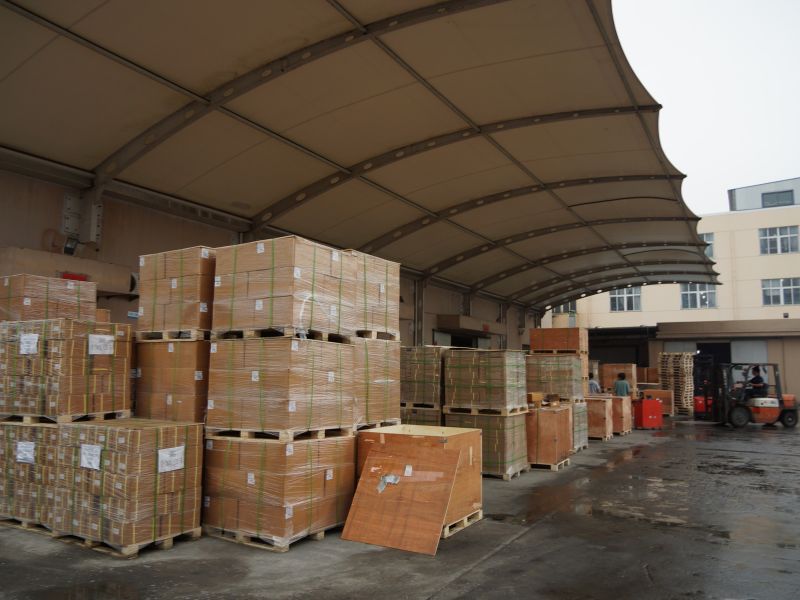
Sea, air, or express courier. Material certs and inspection report inside every box.

Get in touch with

Ready to Source Stainless Steel Propellers?

If you already have the drawings, please send email to [email protected] directly for an instant quote.

[email protected] ↗
Request a Quote

Include propeller type, diameter, pitch, blade count, material, and quantity in your message.