

Drive & Conveying
Stainless Steel Sprockets
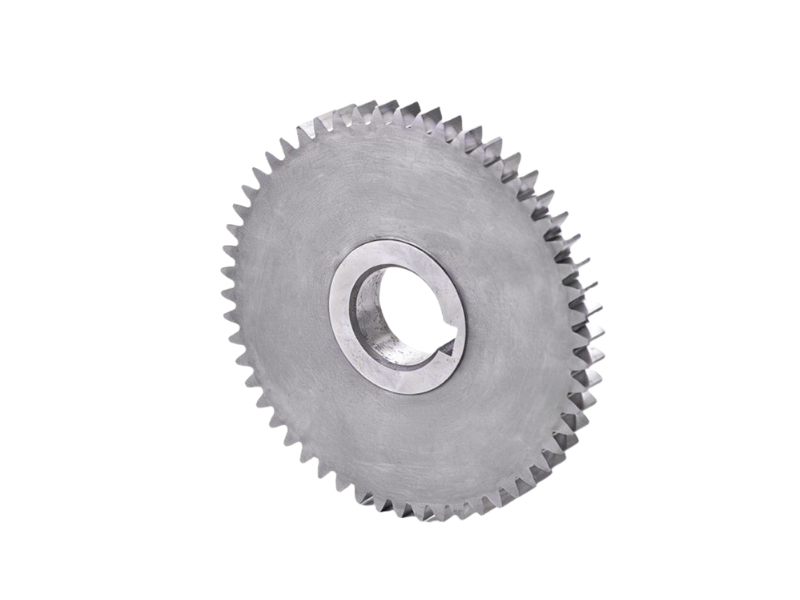
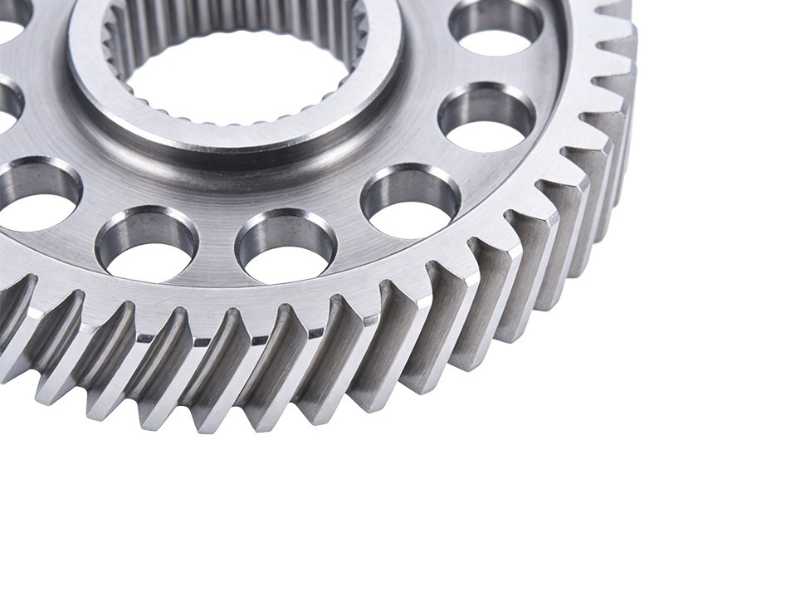
CNC-machined 304 and 316L stainless steel sprockets for food processing, marine, and chemical applications. ANSI and metric BS chain pitches. Pilot bore or finished bore to H7. Custom tooth count and hub geometry accepted.
- ISO 9001 Certified
- Custom One-Stop Solutions
- Fast Global Shipping
- Technical Support
Product Range
Types of Stainless Steel Sprockets
Profab Machine manufactures stainless steel sprockets with bore tolerances to H7 as standard, keyways cut to JS9, and hub lengths configurable to your shaft layout. Custom tooth counts, non-standard pitches, and modified hub geometries are all produced from drawings.
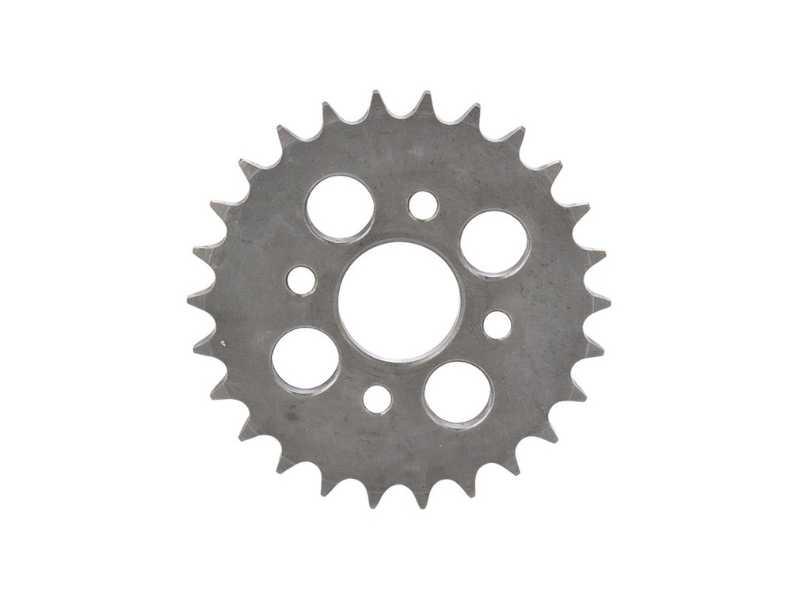
Single Strand Sprockets
#25 – #120 pitch
A-plate / B-hub
Manufactured to ANSI B29.1 standard pitches: #25 (6.35mm) through #120 (38.1mm). Available as A-plate (no hub) and B-hub (extended hub both sides) styles. Pilot bore standard; finished bore to H7 machined to your shaft diameter with keyway and set screw tap. Tooth counts from 8T to 120T.
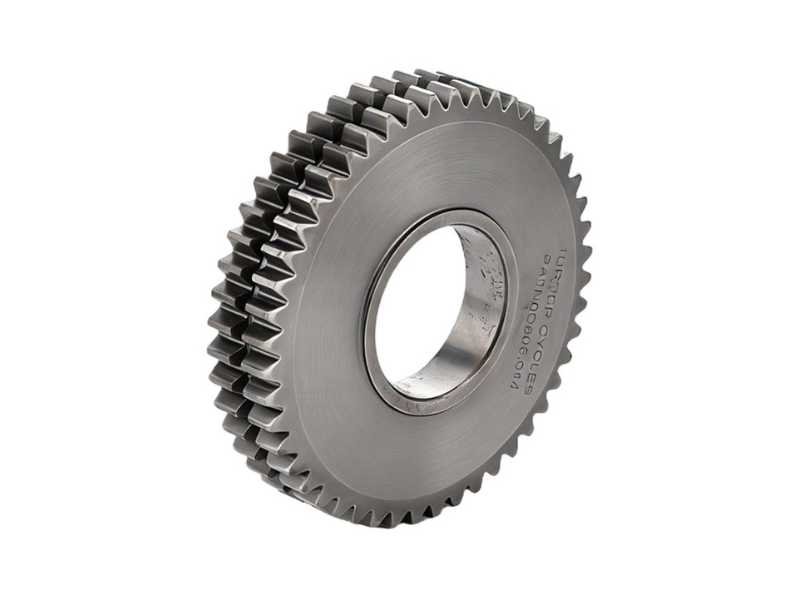
Double & Triple Strand Sprockets
Multi-strand
High-torque
Duplex or triplex roller chain at twice or three times the load capacity of an equivalent single strand drive. Specified when drive torque exceeds the capacity of the largest practical single strand combination, or when the design envelope prevents increasing sprocket diameter. Available in ANSI #40-2, #50-2, #60-2 duplex and #40-3, #50-3 triplex, plus ISO 606 duplex metric series.
Idler & Taper-Lock Sprockets
Sealed bearing
Taper-lock
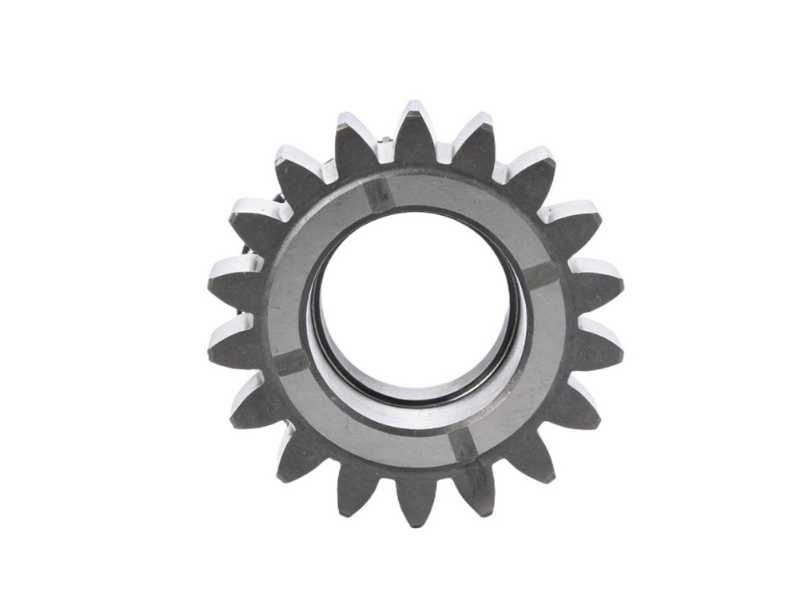
Profab supplies idler sprockets with pre-installed sealed 316L stainless bearings for food-zone and washdown applications where re-greasing is not possible. Taper-lock sprockets use a split taper bushing system (1008, 1210, 1610, 2012, 2517 series) to mount on shafts without keyway machining. The bushing is ordered separately to match your shaft diameter, and the sprocket body accepts any bushing in the series.
Custom-Bore & OEM
H7 bore standard
DIN 6885 keyway
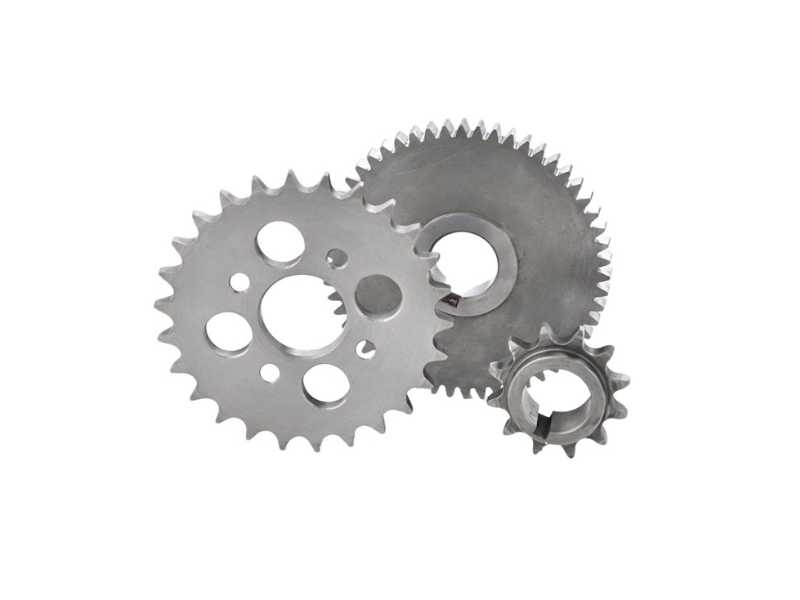
Your drawing, your bore, your hub geometry. Finished bores from 6mm to 150mm, H7 tolerance as standard. Parallel keyway to DIN 6885, Woodruff keyway, cross-drilled set screw positions, and custom flange details all machined in the same CNC operation. DXF, STEP, or dimensional sketch accepted.
ANSI Pitch Reference
Standard ANSI Chain Sizes
All ANSI sizes are produced to ANSI B29.1 tooth profiles. Finished bore and keyway are machined to your shaft specification. For BS metric pitches, specify the chain pitch in mm at enquiry.
| Chain No. | Pitch | Roller Dia. | Tooth Range | PD Range (25T ref.) |
|---|---|---|---|---|
| #25 | 6.35 mm (1/4″) | 3.30 mm | 8–60T | ~51 mm |
| #35 | 9.525 mm (3/8″) | 5.08 mm | 8–80T | ~76 mm |
| #40 | 12.70 mm (1/2″) | 7.92 mm | 8–96T | ~102 mm |
| #50 | 15.875 mm (5/8″) | 10.16 mm | 9–96T | ~127 mm |
| #60 | 19.05 mm (3/4″) | 11.91 mm | 9–96T | ~152 mm |
| #80 | 25.40 mm (1″) | 15.88 mm | 9–96T | ~203 mm |
| #100 | 31.75 mm (1-1/4″) | 19.05 mm | 9–80T | ~254 mm |
| #120 | 38.10 mm (1-1/2″) | 22.23 mm | 9–72T | ~305 mm |
| Custom | Any pitch | Per chain | Custom | Per drawing |
* PD = pitch circle diameter at reference tooth count. All sizes available in 304 and 316L.
* Non-standard pitches, double-pitch, and extended-pitch sprockets quoted from drawing.
Bore & Hub Tolerances
Machining Tolerances
Supplying a pilot bore sprocket that still needs finish-boring on your side is a 1980s workaround. Profab delivers every sprocket with the finished bore, keyway, and set screw already machined, ready to press onto the shaft.
Bore & Hub Specification Reference
Bore diameter range
6 – 150 mm
Bore tolerance standard
H7
Bore tolerance tight-fit
H6 (on request)
Parallel keyway
DIN 6885 · JS9 tolerance
Woodruff keyway
DIN 6888 (on request)
Set screw (grub screw)
M5 – M16 tapped · 90° or 120°
Hub length
Standard or custom
Material Specification
Choosing the Right Grade
Replacing a corroded carbon steel sprocket with a 304 stainless one solves the rust problem. But in a CIP washdown environment running caustic cleaning cycles, or a marine conveyor exposed to salt spray, 304 will pit at the tooth roots within two to three years. Grade selection is not a price decision. It is a maintenance interval decision.
304 Stainless Steel
The standard specification for stainless sprockets in indoor machinery, dry food environments, and non-chemical industrial applications. Excellent machinability allows precise tooth profile and bore tolerances at competitive cost. Not suitable for chloride environments or aggressive CIP
Automation
316L Stainless Steel
The specified grade wherever chloride is present — CIP washdown lines, salt spray, marine conveyors, and chemical process equipment. The 2–3% molybdenum addition raises the Pitting Resistance Equivalent Number to ≥ 24, providing the corrosion resistance that 304 cannot sustain in these environments. Profab XRF-verifies Mo content on every 316L batch.
Marine
17-4PH Stainless
Precipitation-hardened martensitic grade reaching ≥ 1,310 MPa tensile strength in H900 condition. Specified for sprockets where the load requirement exceeds what 304 or 316L can sustain at the required pitch diameter — high-torque conveyors, agricultural drives, and aerospace ground support equipment. Not for continuous seawater immersion.
Aerospace
Applications
Sprockets Solutions By Industries
Stainless chain sprocket configuration matched to each industry’s environment and load. From tooth profile to bore fit, every dimension follows the machine, not a stock catalog.
Food & Beverage Processing
Automotive Paint & Chassis Lines
Agriculture & Outdoor Equipment
Marine & Offshore
Industrial Automation & Packaging
Chemical & Pharmaceutical
Stainless Steel Chain Sprockets That Last the Full Chain Service Life
A carbon steel sprocket in a washdown or marine drive pits at the tooth root within months. Chlorides attack the machined surface where the passive layer is thinnest. The pits crack under chain pull. Teeth break off while the chain still has half its life left. When a tooth fails, the chain jumps, the line stops, and the product on the conveyor is lost. A Profab stainless steel sprocket keeps its tooth profile for the full chain service life. Chain and sprocket wear together as a matched pair. You replace the drive once, not twice. And your maintenance team spends its hours on planned work instead of emergency sprocket swaps.
CNC Machined Tooth Profiles Keep Every Chain Link Engaged
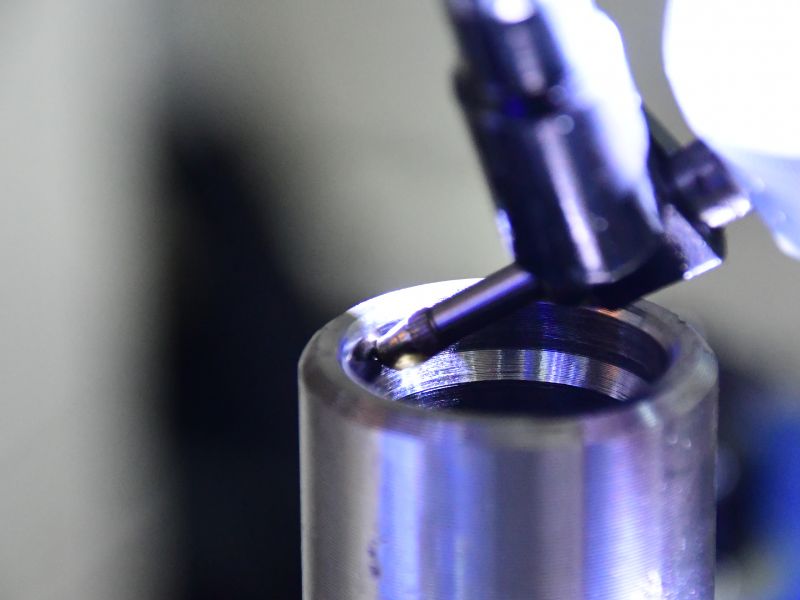
One tooth out of position concentrates chain load where it should not. That tooth wears fast. Every link passing it takes a shock load, and the shock travels back through the chain into every bearing on the drive. Profab cuts every sprocket tooth on CNC and verifies the profile against ANSI B29.1 before packing. Pitch diameter is held to ±0.05 mm. The bore runs true to the pitch circle, finished to H7, so the chain sees steady tension instead of tight-loose oscillation. Your chain runs smooth from the first revolution, not after a break-in period that grinds your new chain into an imperfect sprocket.
Why Profab
Your Reliable Stainless Sprockets Supplier
01
Teeth Machined on CNC, Not Cast
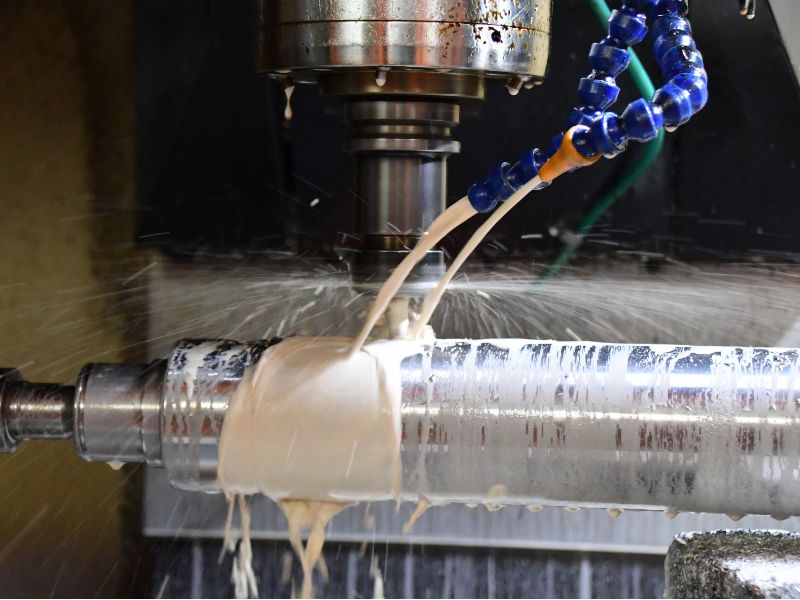
Cast stainless sprockets ship with as-cast tooth profiles and surface porosity at the tooth root. Profab machines teeth from solid stainless bar and plate. The tooth profile follows ANSI B29.1 from the first revolution, not after a break-in period that wears your chain into the sprocket.
02
Matched Chain and Sprocket from One Supplier
Order sprockets with matching stainless roller chain, key stock, and set screws in one shipment. Chain pitch and sprocket profile are verified as a matched pair before packing. No cross-supplier pitch mismatch that shows up as chain climbing on the sprocket under load.
03
Engineers Review Your Drive Layout Before Machining
Send your shaft drawing and drive arrangement. We confirm bore fit, keyway size, hub offset, and tooth count before cutting metal. If the torque suggests a 17-4PH upgrade or a larger hub, we flag it in the quote. Design problems get fixed before parts arrive, not on your assembly bench.
Build a Complete System
Stainless Steel Sprockets Kits
Profab supplies the complete drive set: sprocket, chain, and shaft hardware in matching stainless grades. One order, one shipment, matched pitches and matched materials.
Stainless Steel Roller Chain
Key Stock and Set Screws
Stainless Steel Shaft Collars
Technical Reference
Satinless Sprockets Selection Guide
| Parameter | What to Check | Selection Advice |
|---|---|---|
| Chain Pitch | Must match your chain exactly. ANSI B29.1 or ISO 606. | Verify against chain part number or a sample. ANSI 40 and ISO 08B both run 12.7 mm pitch but the tooth forms do not interchange. |
| Tooth Count | Fewer teeth give more chordal action and higher wear. | 17 teeth minimum for drive sprockets at speed. Idler sprockets can run fewer. More teeth mean a smoother drive. |
| Bore & Keyway | Match shaft diameter and keyway to ANSI B17.1 or DIN 6885. | State the shaft tolerance class on the drawing. We finish the bore to the correct fit or the key seats against the wrong side of the keyway. |
| Hub Style | Type A plate, Type B single hub, Type C double hub. | Type A where space is tight. Type B as standard. Type C for wide chain, multi-strand, or reversing loads. |
| Material Grade | Match the grade to the environment and load. | 304 for general washdown. 316L where chlorides are present. 17-4PH where tooth wear or load governs service life. |
FAQ
Common Questions
Not seeing your question? Email us at [email protected] and we typically reply same day.
What is the difference between a Type A and a Type B sprocket?
An A-plate (flat) sprocket has no extended hub. The bore runs through the body of the sprocket disc. A B-hub sprocket has a cylindrical hub extending from one or both faces, providing greater shaft engagement length and improving stability under axial loads.
Can 304 or 316 stainless sprocket teeth be hardened?
No. Austenitic stainless grades cannot be hardened by heat treatment. If your drive wears teeth faster than chain, select 17-4PH, which reaches HRC 38–42 in H900 condition.
Do you supply sprockets with custom bores?
Yes. Pilot bore, finished bore, keyed, taper, hex, and spline bores. Send the shaft drawing and the tolerance class. Bore is finished to H7 as standard.
Related Products
Often Ordered Together
Get in touch with
Ready to Source Stainless Parts?
If you already have the drawings, please send email to [email protected] directly for an instant quote.
Profab
Request a Quote