

Motion & Linkage
Stainless Steel Tie Rod Ends
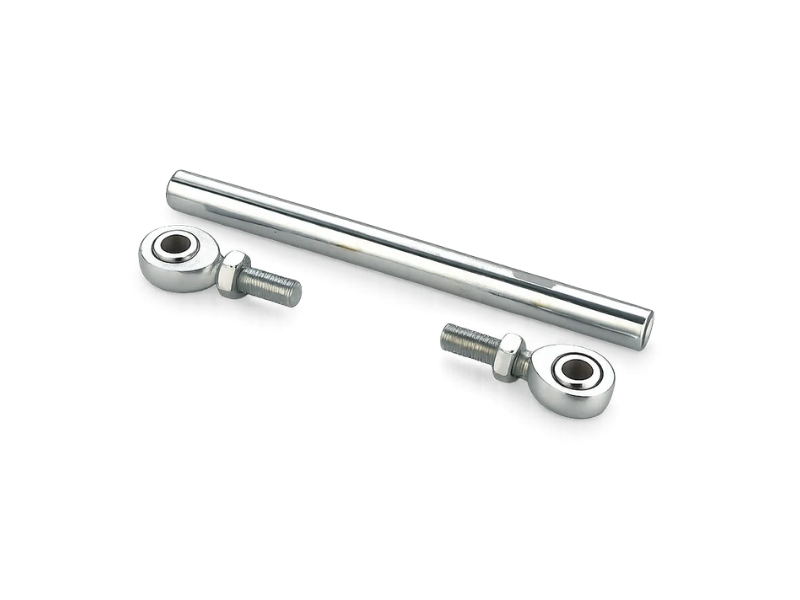
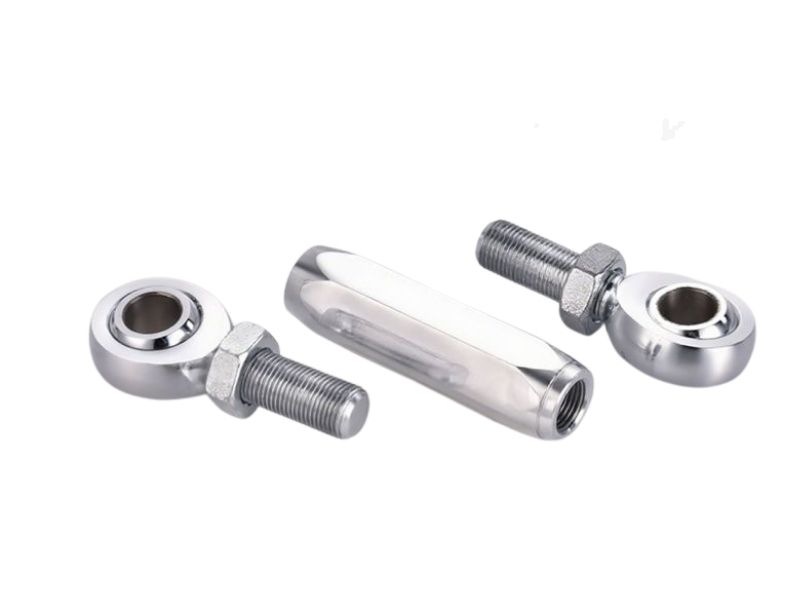
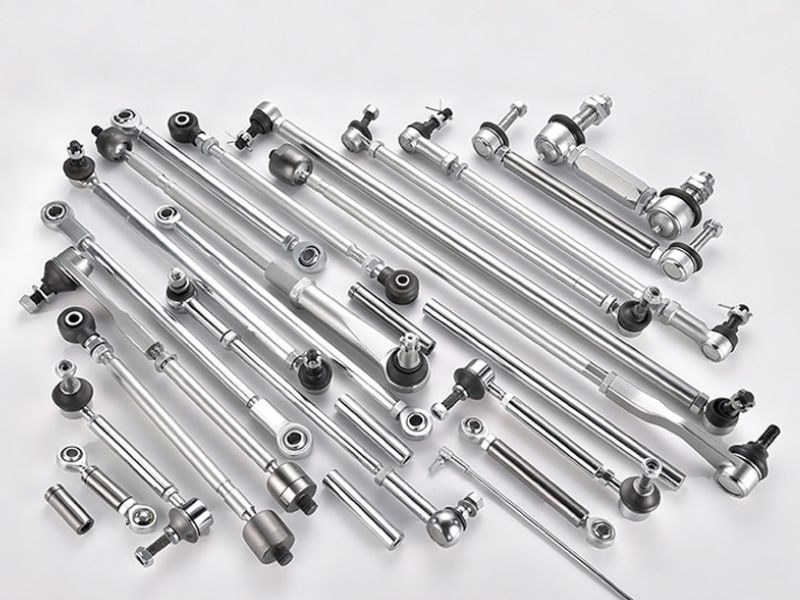
Complete 304 and 316L stainless steel tie rod assemblies with rod end or clevis end fittings. Fixed-length and adjustable configurations with right-hand/left-hand thread combinations. Custom overall length, thread size, tube diameter, and end fitting type manufactured to drawing or sample. Suited to steering linkages, agricultural machinery, marine controls, and industrial push-pull systems.
- ISO 9001 Certified
- Custom OEM Solutions
- Fast Global Shipping
- Technical Support
Material Specification
Choosing the Right Grade
304 Stainless
For tie rod end assemblies in dry or intermittently wet environments: indoor industrial machinery, agricultural equipment in non-coastal regions, light-duty control linkages, and general automation. Both the rod body and end fittings are 304 for material consistency and to avoid galvanic coupling between the threaded joints.
Agricultural Machinery · Indoor Industrial
316 / 316L
The correct grade when the tie rod assembly operates in marine environments, food processing facilities, or any installation where the linkage contacts salt water, agricultural chemicals, CIP cleaning agents, or coastal air.
Marine · Food Processing
17-4PH Stainless Steel
For tie rod assemblies where load capacity at a given overall diameter is the primary constraint alongside corrosion resistance — motorsport, high-cycle automation, precision actuation, and aerospace-adjacent applications.
Motorsport · High-Load Automation
Applications
Tie Rod Ends Solutions By Industries
Stainless steel tie rods play a key role in a wide range of industrial and professional fields thanks to their outstanding performance. They provide structural support, tension adjustment, and reinforcement for various complex projects.
Agricultural Machinery
Marine
Automotive
Food Processing
Industrial Automation
StainlessTie Rod End Assemblies in Corrosive Environments
The failure point on a corroded carbon steel tie rod assembly is rarely the rod body itself. It’s the thread engagement zone where the rod screws into the rod end housing, and the ball socket edge where the ball contacts the housing bore. Both are tight-clearance surfaces that trap moisture and initiate crevice corrosion faster than the exposed rod surface. In a 316L stainless assembly, the molybdenum addition raises the pitting potential of these surfaces above the electrochemical threshold for chloride attack in most operating environments. The ball in a rod end assembly is 440C stainless at HRC 58, which resists fretting wear at the socket contact zone that develops when a softer ball deforms under repeated cycling. Profab assembles rod bodies, rod ends, clevis fittings, jam nuts, and clevis pins in matched 316L to avoid the galvanic cells that form when dissimilar stainless grades contact each other in wet conditions.
Precision Thread Rolling Eliminates Galling & Enhances Fatigue Strength
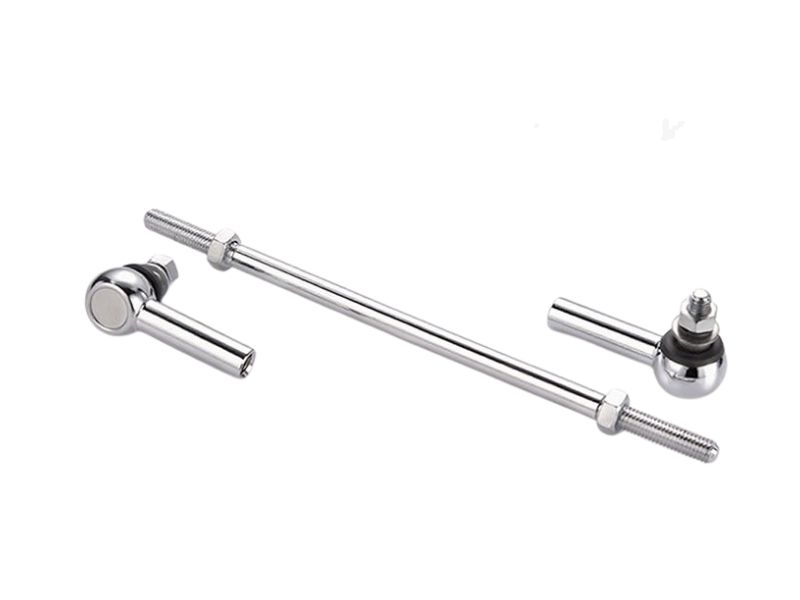
A tie rod assembly uses opposite thread directions at each end to enable length adjustment without disconnecting the linkage. Rotating the rod body clockwise shortens the assembly; counterclockwise lengthens it. This is the same turnbuckle principle applied directly in the rod body. On correctly specified assemblies, the jam nut at each end locks the adjustment after the length is set. The critical point for stainless assemblies is that stainless-to-stainless thread engagement requires anti-seize at installation — austenitic grades gall against each other without it, and a galled thread at the rod-end interface cannot be adjusted without damaging the fitting. Profab supplies matched thread specifications across the rod and fittings and notes the anti-seize requirement in the assembly documentation.
Why Profab
Your Reliable Tie Rod Ends Supplier
01
Matched Thread Specifications & Pre-Fit Verification
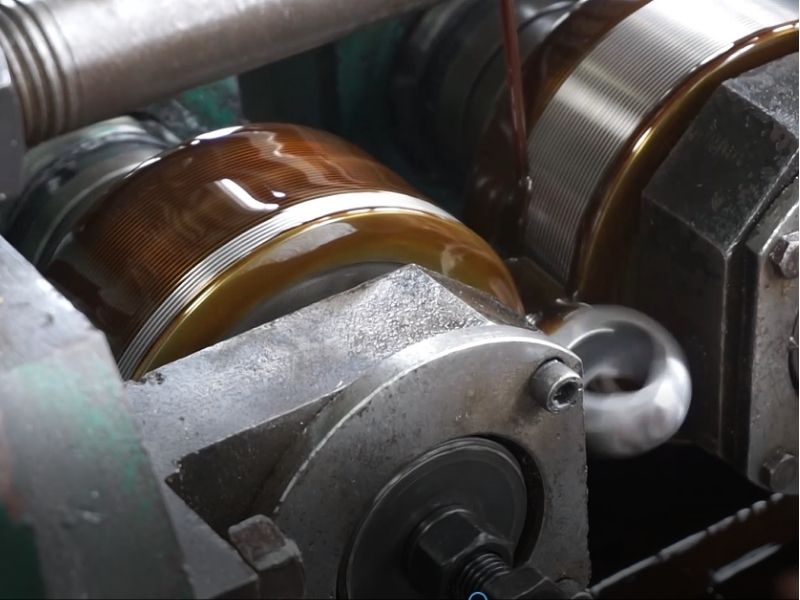
A functional tie rod assembly demands flawless fitment across three components per side: rod external thread, fitting internal thread, and lock jam nut. Pitch or tolerance discrepancies cause thread slop or catastrophic binding. Profab cuts/rolls all threads under unified quality control, performing 100% pre-assembly thread gauge checks prior to dispatch. Metric (M5–M42), Imperial (UNF/UNC), and mixed-thread formats (e.g., Metric one end, UNF on the other) are standard production capabilities.
02
Single Material Heat Traceability
Sub-contracting fittings from third-party suppliers often introduces mixed stainless grades (e.g., a 316L rod mated with a 304 rod end), creating hidden galvanic corrosion cells. Profab supplies complete assemblies under a single BOM with consolidated Material Test Reports detailing exact heat numbers and chemical analysis for every metallic element in the kit.
03
Rapid Custom Engineering from Drawing to Production
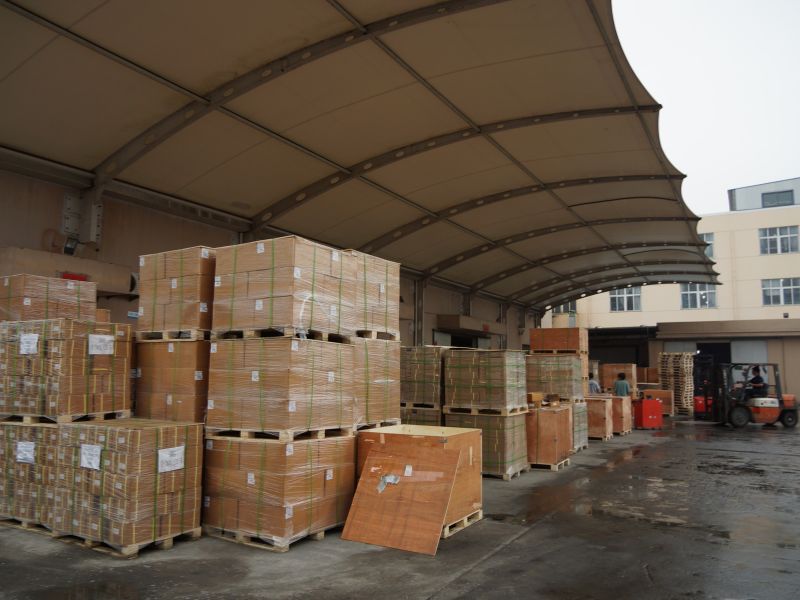
Catalogue assemblies rarely fit specialized OEM geometry. Profab specializes in custom pin-to-pin dimensions, non-standard clevis grip gaps, custom tube wall thicknesses, and special thread pitches without long factory lead times. OEM sample manufacturing and engineering drawing reviews are completed within 24 business hours.
Build a Complete System
Stainless Steel Tie Rod End Kits
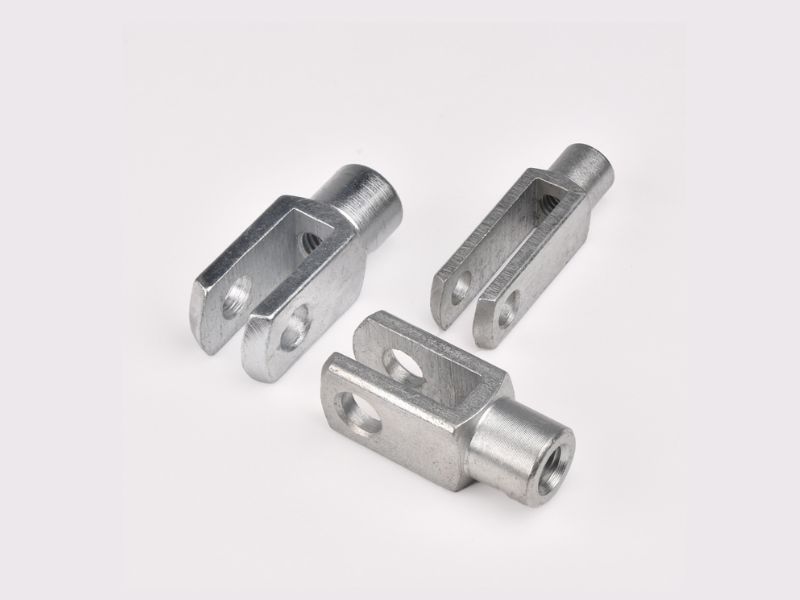
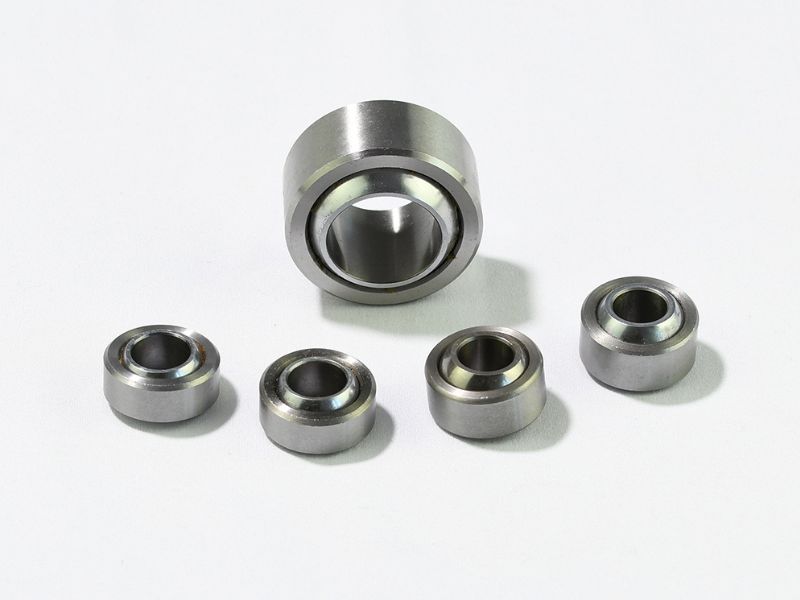
Profab supplies the component set that completes a tie rod end assembly in matched material grade — eliminating the galvanic corrosion and thread mismatch that occur when end hardware comes from separate suppliers.
Rod End Bearings
Stainless Steel Clevis
Jam Nuts
Videos
Tie Rods Display
STANDARD & UPGRADES
Surface Finish Options
Stainless steel tie rod end assemblies from Profab are passivated as standard after all machining and assembly. Passivation is applied to the rod body, threaded sections, and end fitting housings. For applications with higher corrosion demands or appearance requirements, Profab offers additional surface treatment options applied before final assembly.
Passivation (Standard)
Removes free iron from all machined surfaces, including thread roots, ball socket edges, and clevis pin bores. Allows the chromium oxide passive layer to reform uniformly. All 316L assemblies are passivated as standard, particularly important at the rod-to-fitting thread joint where machining stress can leave reactive surface iron.
Electropolishing (Optional)
Removes 20–40 µm of surface material and produces a chromium-enriched, micro-smooth surface. Applied to the rod body and fitting housings before assembly. For food processing tie rod assemblies where external surfaces must resist bacterial adhesion and cleaning chemical attack across daily CIP cycles.
PTFE Thread Coating (Optional)
Dry PTFE applied to the rod thread before the end fittings are assembled. Reduces the galling risk inherent in stainless-to-stainless thread engagement during the first adjustment cycle. Particularly useful for assemblies that will be adjusted in the field without access to anti-seize compound.
FAQ
Common Questions
Not seeing your question? Email us at [email protected] and we typically reply same day.
Can you supply an assembly with a rod end on one side and a clevis on the other?
Yes. Mixed end configurations are a standard production option. Specify the fitting type, thread size, and bore diameter at each end. The rod body has right-hand thread on one side and left-hand on the other regardless of end fitting type.
Are the rod ends and clevis fittings also stainless steel, or only the rod body?
All metallic components in a Profab tie rod end assembly — rod body, end fittings, jam nuts, and clevis pins — are supplied in the specified stainless grade. The assembly certificate covers all components. Mixed-grade assemblies (for example, 316L rod with 304 end fittings) are not supplied as standard because of the galvanic coupling they create in wet environments.
How Do I Choose the Right Stainless Steel Tie Rod End?
Selection should consider thread size and direction, bore diameter, load requirements, misalignment angle, material, liner type, and operating environment. For steering and suspension applications, the mounting geometry and available articulation should also be checked to prevent binding throughout the full range of movement.
Related Products
Often Ordered Together


Get in touch with
Ready to Source Stainless Parts?
If you already have the drawings, please send email to [email protected] directly for an instant quote.
Profab
Request a Quote