
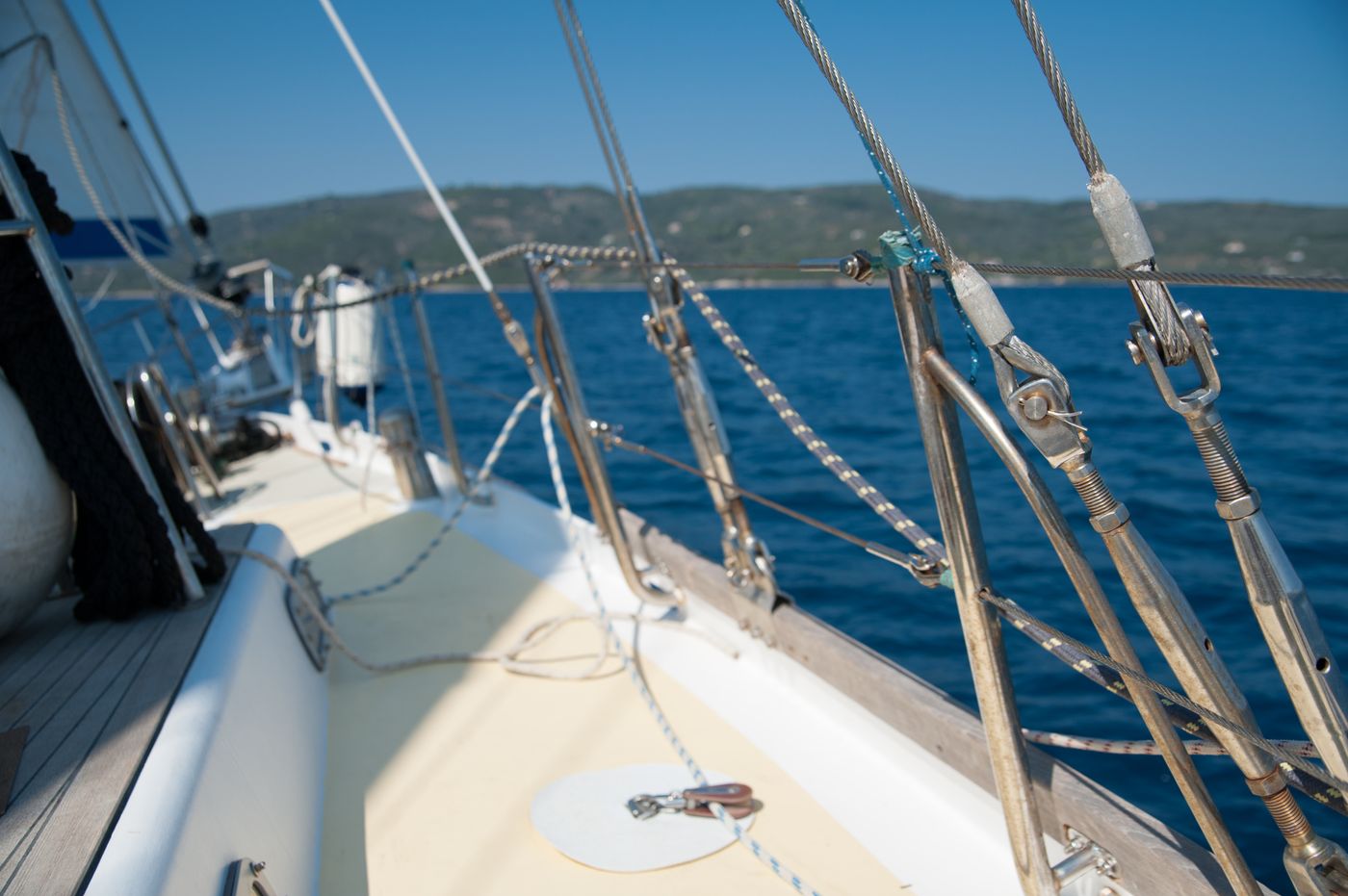

Parts Catalog
Marine Parts Catalog
Open any product page for sizes and grades.
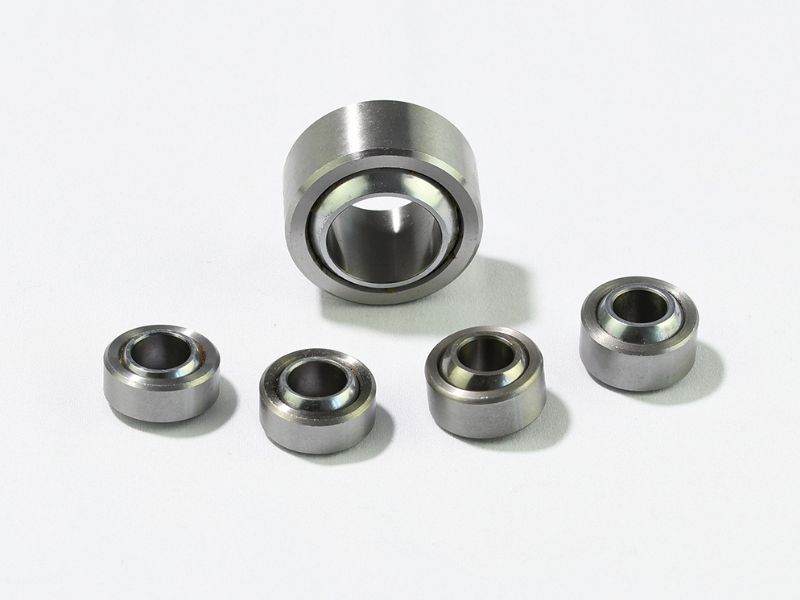
Spherical Bearings
Spherical bearings give a linkage a pivot that tilts as the hull flexes.
View product →
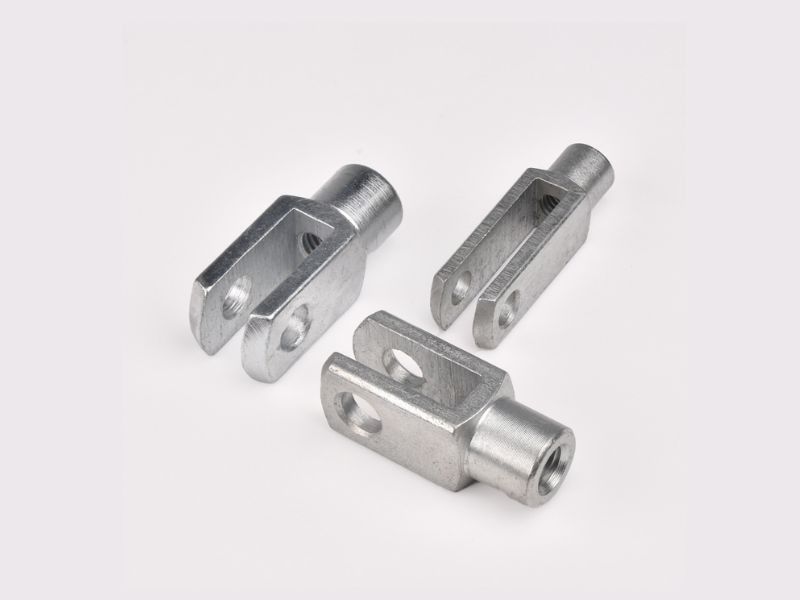
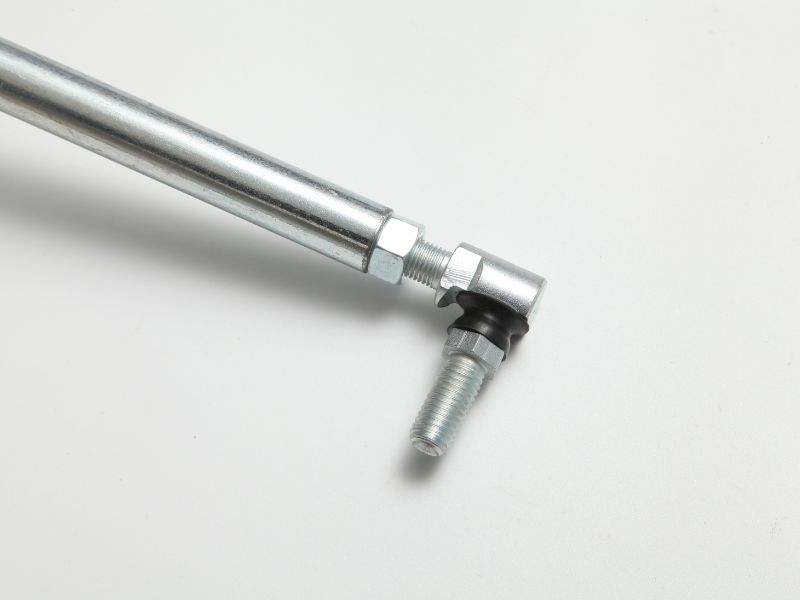
Tie Rod Ends
Tie rod ends are the adjustable end fittings on steering and control linkage.
View product →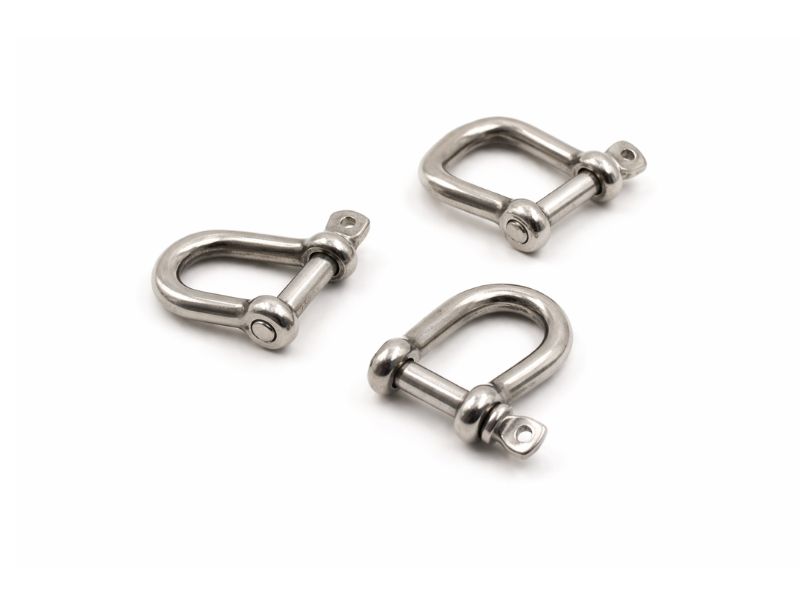
Material Decision
Start With Exposure and Load
Match the grade to where the part sits: in spray, under water, or inside the vessel.
Most specified
316 / 316L
Molybdenum gives 316 and 316L better pitting and crevice resistance than 304. That makes them the starting grades for deck, splash-zone, and atmospheric salt exposure. Choose 316L when the part is welded after machining.
Deck fittings · structural connectors
High-load option
Duplex 2205
Duplex 2205 is available on request for mooring and offshore parts that carry steady load in chloride exposure. Its yield strength is more than twice that of 316L.
Mooring systems · offshore structures
Cost-optimized
304 Stainless
Grade 304 works for interior marine hardware such as cabin fittings, where salt exposure is minimal. Because it costs less than 316, it is the right pick when the part never meets seawater.
Interior hardware · cabin fittings
| Grade | Minimum yield strength | Pitting resistance (PREN, typical) | Typical marine use |
|---|---|---|---|
| 304 | 205 MPa | 18 to 20 | Interior hardware |
| 316L | 170 MPa | 24 to 26 | Deck, splash zone, atmospheric salt |
| Duplex 2205 | 450 MPa | 34 to 36 | Mooring and offshore parts under steady load |
These are typical annealed plate values, given for comparison. The final grade depends on your drawing and exposure.
Design Notes
Where Marine Corrosion Starts
Most failures begin at a joint or a gap, not in the bar. Check these three details on your drawing.
Contact
Mixed Metals
In seawater, stainless steel next to aluminum or carbon steel forms a galvanic pair, which makes the other metal corrode first. Isolating sleeves, washers, or coatings at the joint reduce that risk.
Hulls · brackets · fasteners
Gaps
Crevices and Stagnant Water
Pitting and crevice corrosion start where seawater sits still and runs low in oxygen. Tight gaps under washers, in threads, and behind gaskets trap that water. Open joints and smooth surfaces let it drain.
Threads · washers · clamped joints
Exposure
Spray, Splash, and Immersion
Splash and tidal zones stay wet and salty, which makes them harder on stainless steel than dry deck areas. Parts that stay immersed need their own grade decision (see the FAQ).
Deck · splash zone · immersed
Marine Sectors
Where the Parts Work
Each environment points to a different set of parts. Find yours, then open the product page.
01
Ship Structure & Deck
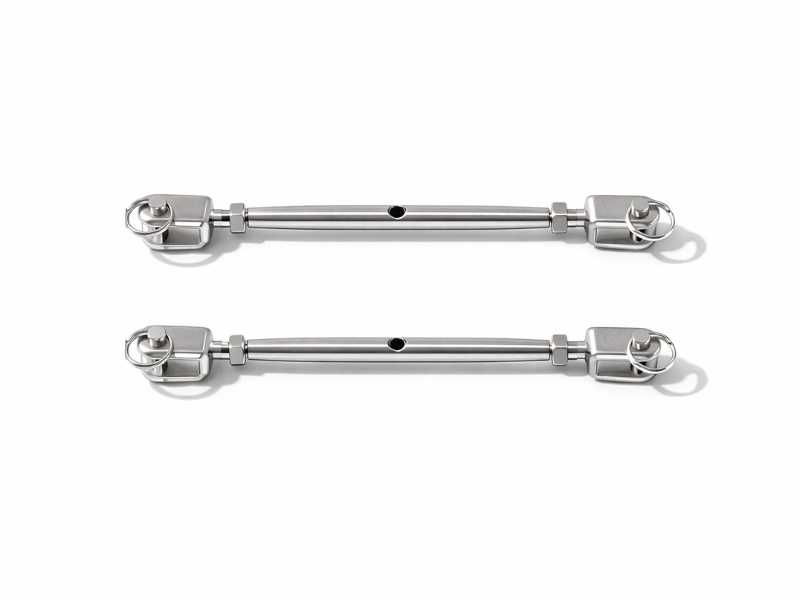
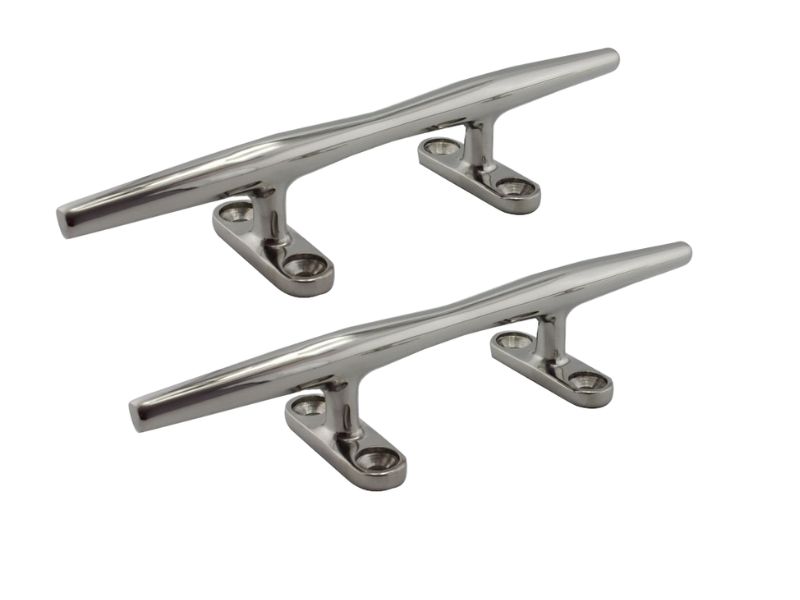
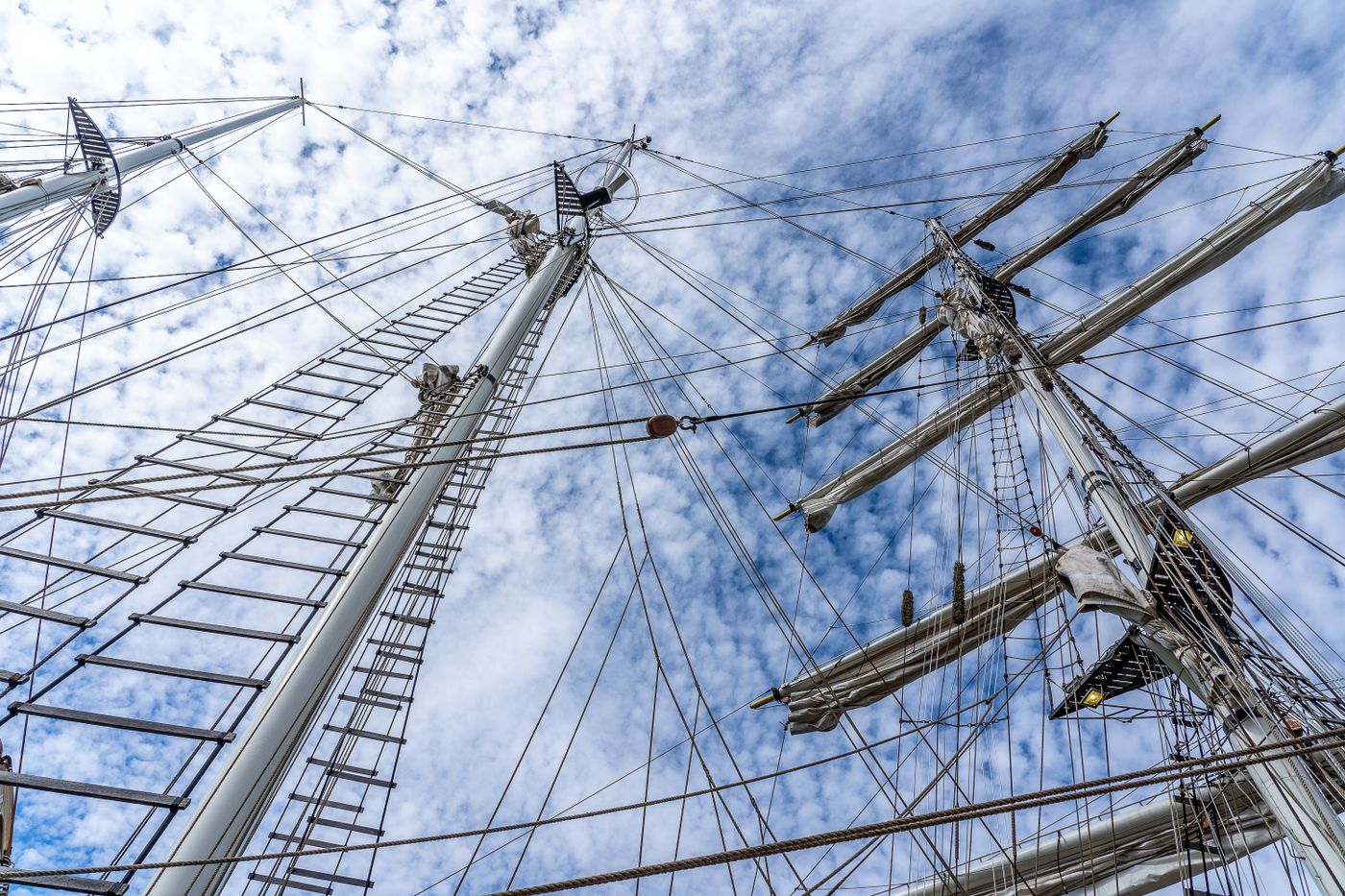
Shackles and turnbuckles join shrouds to chainplates in standing rigging. On deck, boat cleats hold mooring lines. Rod ends carry steering and throttle linkage motion.
02
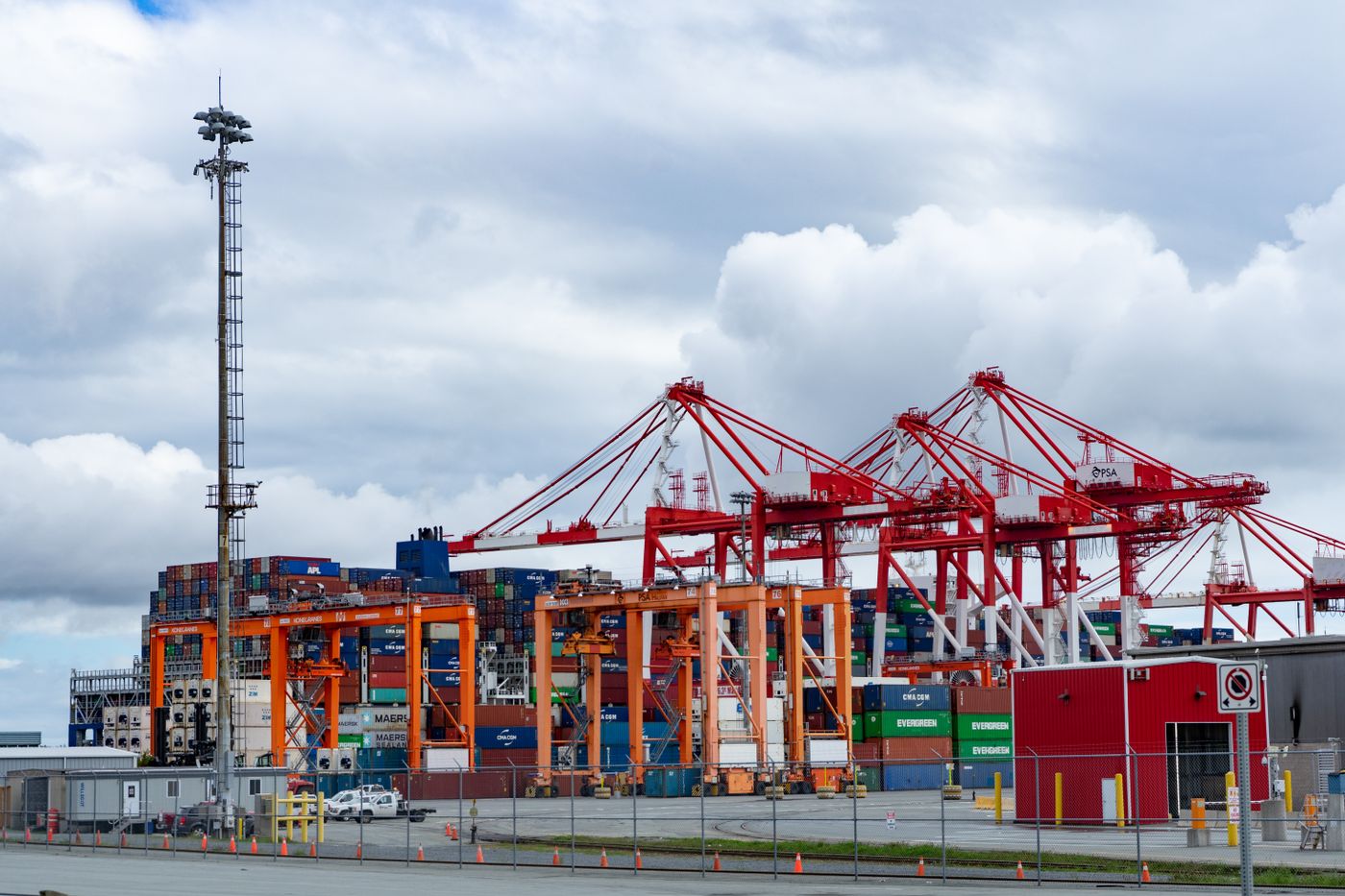
Port Machinery
Cranes and cable tensioning systems load their pivots again and again in salt spray. Spacers, rod ends, and clevis fittings sit at those pivots, where they hold alignment under repeated heavy cycles.
03
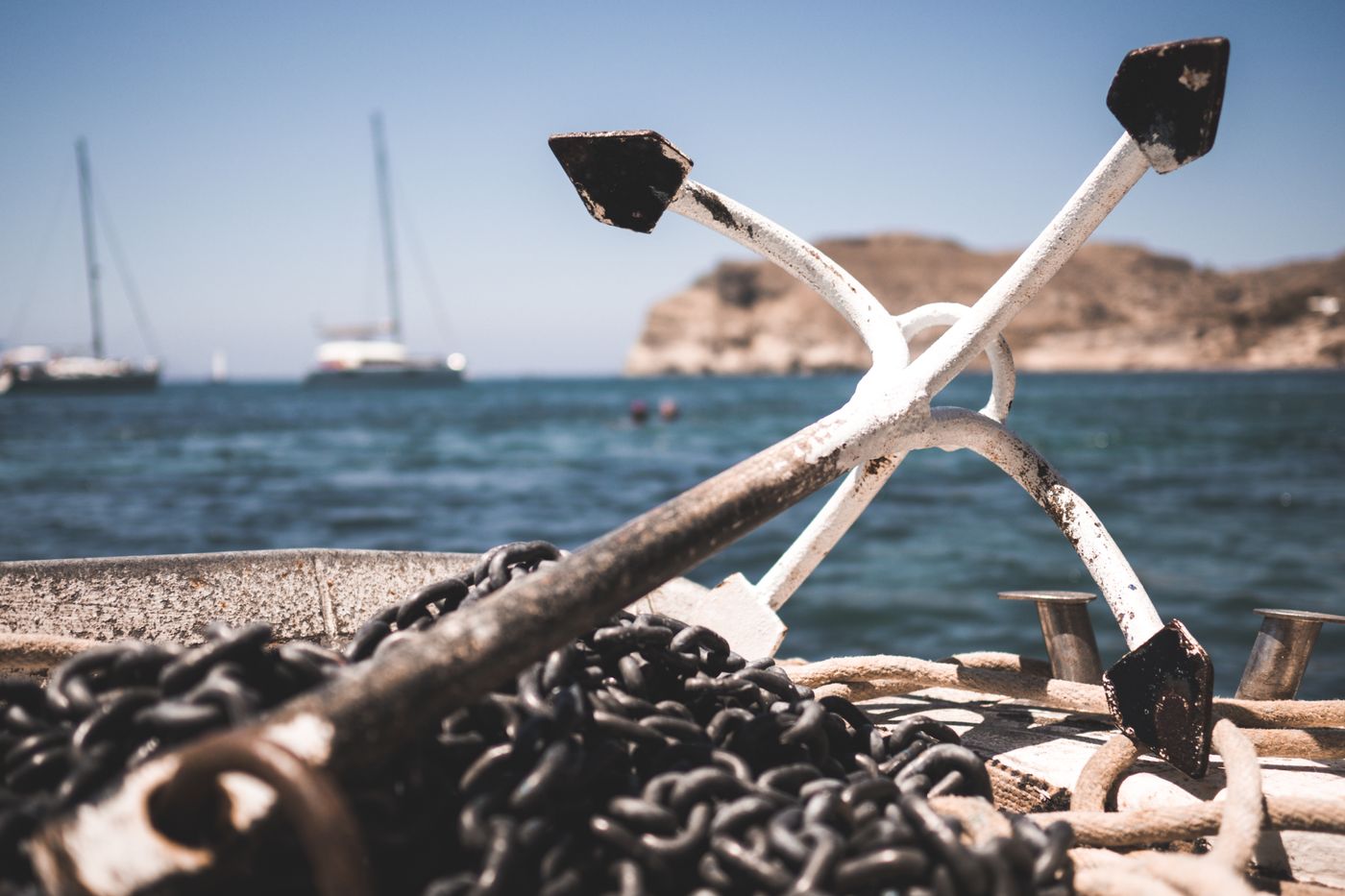
Offshore & Mooring
Bow shackles join anchor chain to the anchor. Safety-pin shackles hold permanent mooring buoy chain. Offshore frames use clevis fittings and custom brackets machined to your drawing.
Manufacturing Route
Build the Part Around the Drawing
Three routes cover most marine parts. Each links to its product page.

01 / CNC MACHINING
Complex Geometry
We mill housings, brackets, linkage parts, and multi-face marine hardware to your drawing or sample. When a part needs it, 5-axis machining is available on request.
View CNC Parts →
02 / CNC TURNING
Round and Threaded Parts
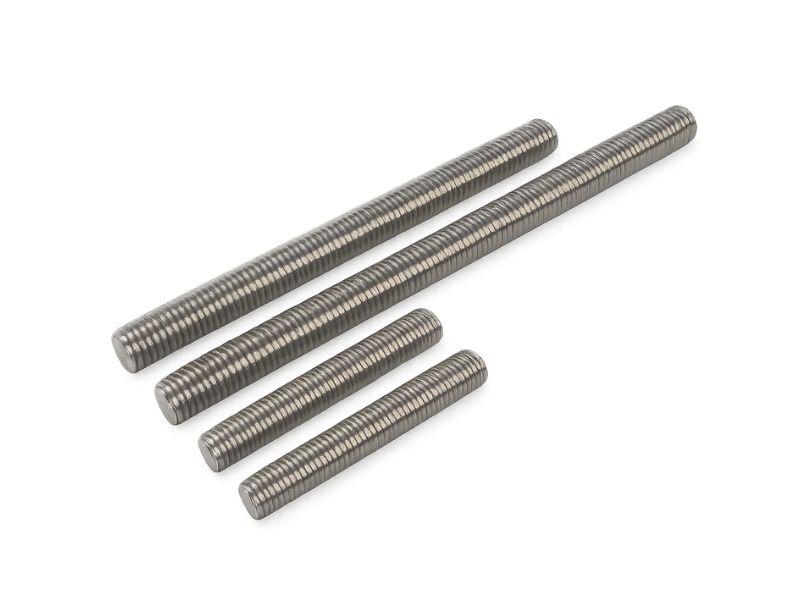
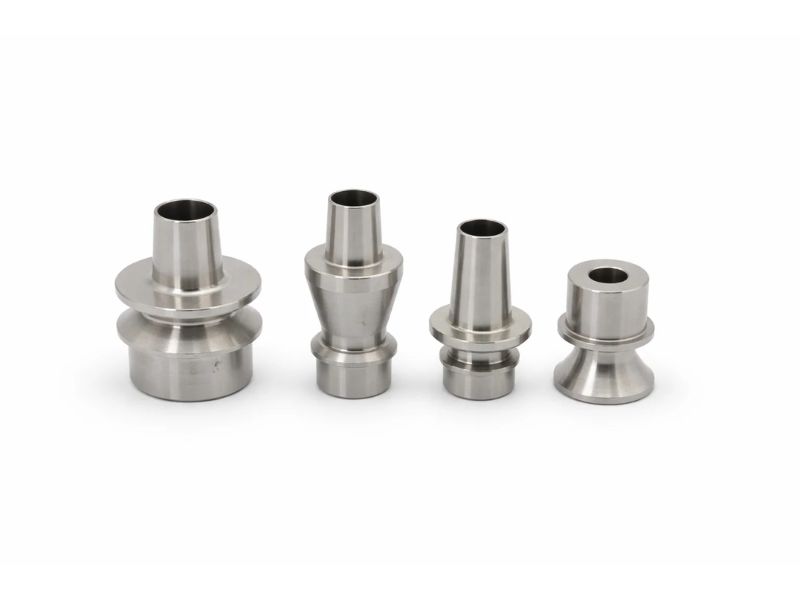
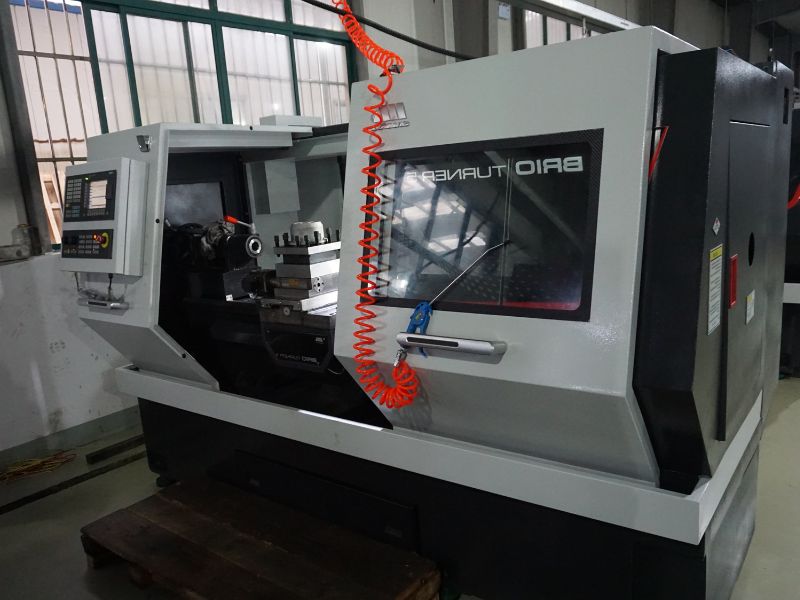
Threaded rod, spacers, pins, shafts, and other round parts are turned to your bore, thread, and shoulder dimensions.
View CNC Turning Parts →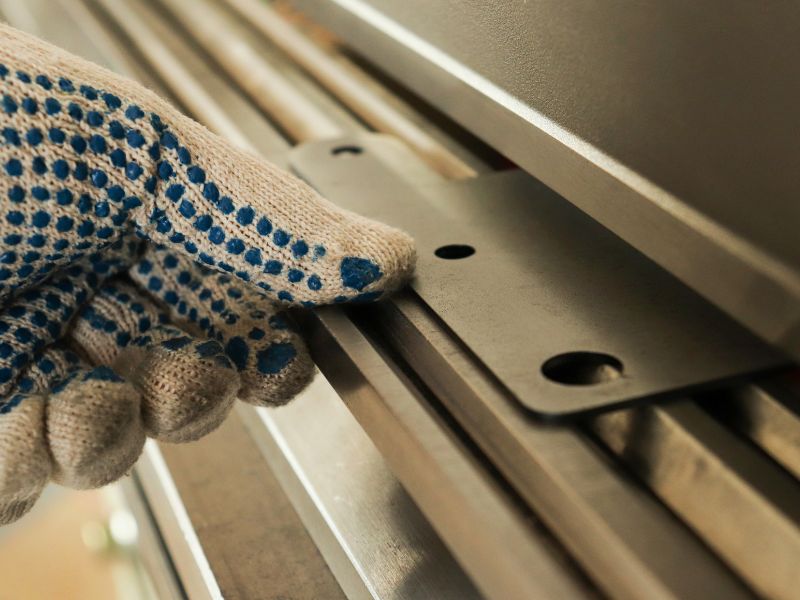
03 / FORMING
Brackets and Structural Parts
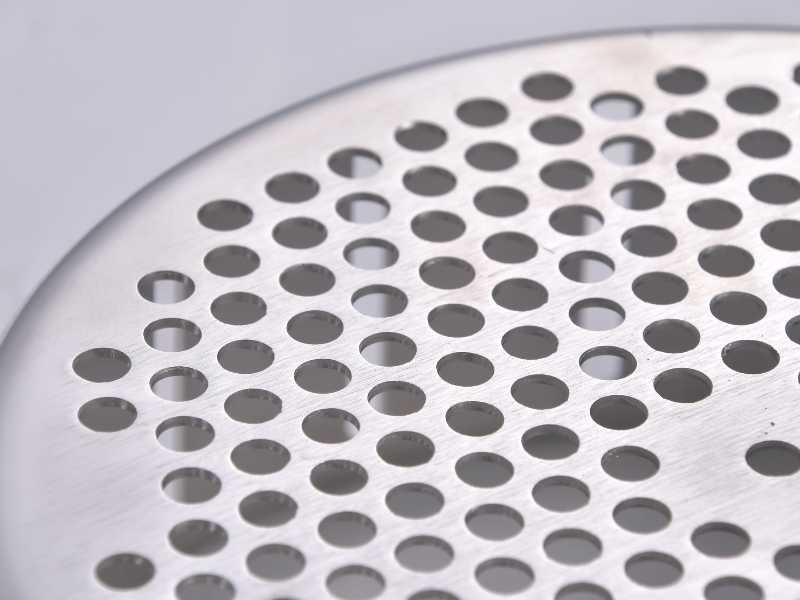
Stamping and bending turn plate into brackets, plates, and enclosures. Welding and finishing services for these parts are available on request.
View Sheet Metal Parts →How It Works
From Drawing to Delivery
Four steps take an order from drawing to shipment.
01
Send the Drawing
Send your drawing or a physical sample with the details listed in the checklist below.
02
Get a Quote
You receive a specific quotation within 24 hours.
03
Approve the Sample
Samples and first articles take about 20 days.
04
Production and Shipping
Standard production takes about 30 days. Finished parts then ship by sea, air, or express courier.
Advantages
Why Marine Teams Choose Profab
Two sets of checks, one on the part and one on the finish.
Why Profab / 01
How we turn a drawing into a production route.
A marine part is easier to quote when the material, the geometry, the mating parts, and the exposure are reviewed together.
- Material-led reviewEach part gets 304, 316/316L, 17-4PH, or a custom grade chosen for its application, rather than stainless picked by name alone.
- Process matched to the partTurning, milling, stamping, and bending are chosen from the geometry of your drawing.
Why Profab / 02
How we review a part for salt service.
Marine hardware should be easy to inspect and replace. The part geometry should also avoid the places where corrosion starts.
- Corrosion-aware detailsCrevices, sharp internal corners, and dissimilar-metal contact are flagged on your drawing because corrosion starts there.
- Finish for the jobElectropolishing and passivation are available for parts that need a cleaner, smoother surface in salt service.
- Small runs and repeat ordersSmall-batch runs and repeat orders are quoted to your drawing, with no hard minimum.
01 / 02
Inquiry Checklist
Give Engineering the Working Conditions
Accepted formats are DXF, DWG, STEP, IGES, and dimensioned PDF drawings, or a physical sample.
Send These Details
Fill in as much of this list as you can.
- Exposure zone: spray, atmospheric, immersed, or interior
- Material grade, or the grades you would accept
- Peak load and type of movement
- Thread, bore, and mating parts
- Finish and cleaning needs
- Quantity and target application
What Happens Next
Send the drawing together with the details in this checklist. The quotation can then cover grade, finish, and quantity.
Procurement FAQ
Questions Before You Source
These short answers cover the first engineering and purchasing questions.
Is 316 stainless enough for parts that stay underwater?
Not always. Stagnant seawater and tight crevices can still cause pitting on 316 and 316L, so permanent immersion needs a separate grade decision. For an immersed part, state the depth, flow, and mating metals in the inquiry so Duplex 2205 can be assessed against them.
Can stainless steel parts be mounted on an aluminum hull or bracket?
Yes, as long as the joint is isolated. Without isolation, the aluminum is the metal that corrodes first.
What quantity can I order?
Quantities vary by product, but small-batch custom runs are accepted with no hard minimum. Prototype runs typically start around 100 pieces.
How long does production take?
Samples and first articles take about 20 days, while standard production takes about 30 days. Custom or complex parts are quoted individually.
Can you provide material certificates?
Material certificates are available on request. Tell us the grade and the standard your project needs when you send the inquiry.
Do you offer welding, electropolishing, or passivation?
Yes, we offer TIG/MIG welding, electropolishing, and passivation as services for parts that need them. Other finishes are available on request.