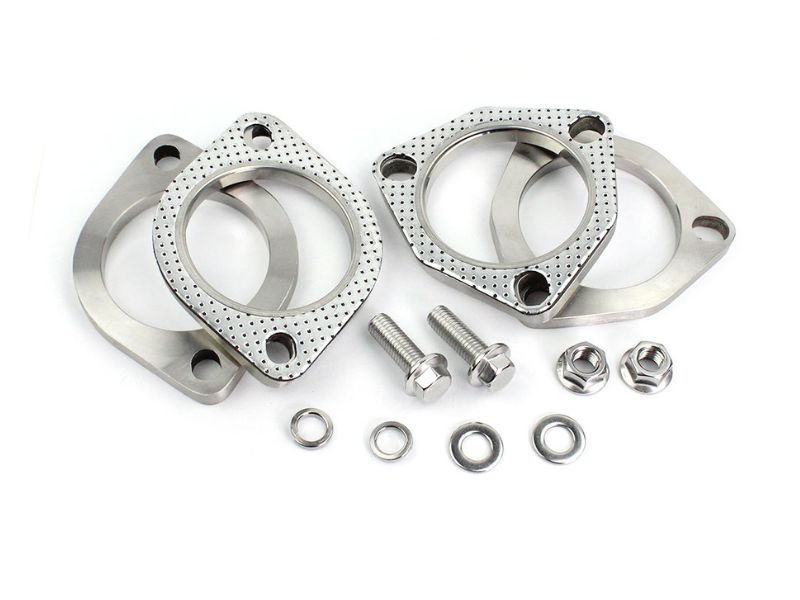
Exhaust Flanges
Header, turbo, and downpipe flanges are machined to your drawing, including matched V-band pairs.
View product →
Profab machines stainless steel parts for vehicles from your drawing, sample, or worn part. Grades are 304 and 316L, with 17-4PH for high-load links. The range covers exhaust flanges, V-band clamps, tie rod ends, rod ends, ball joints, wheel bearings, and universal joints. Heat, road salt, and vibration decide the grade and the design.
Open a product page for sizes and grades, or send a drawing for a part not listed.
Header, turbo, and downpipe flanges are machined to your drawing, including matched V-band pairs.
View product →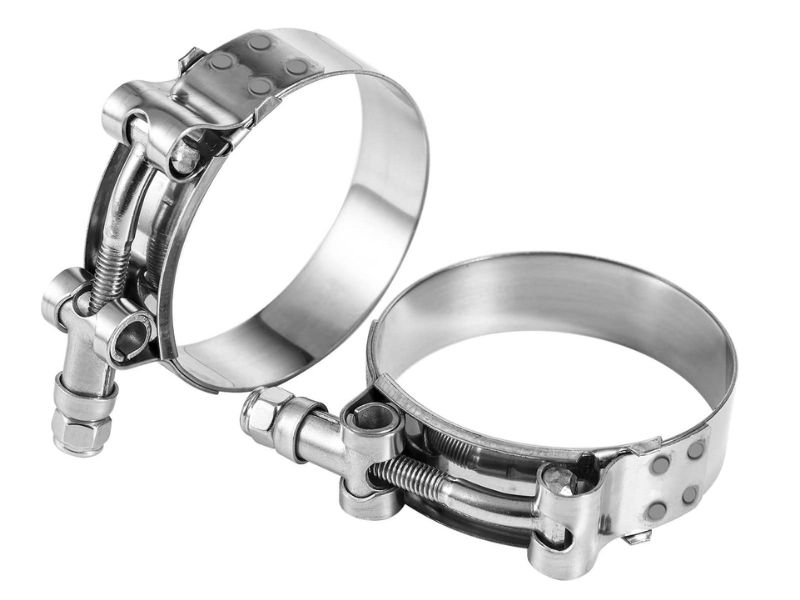
T-bolt and V-band clamps join exhaust and charge-air piping. Sizes follow your drawing.
View product →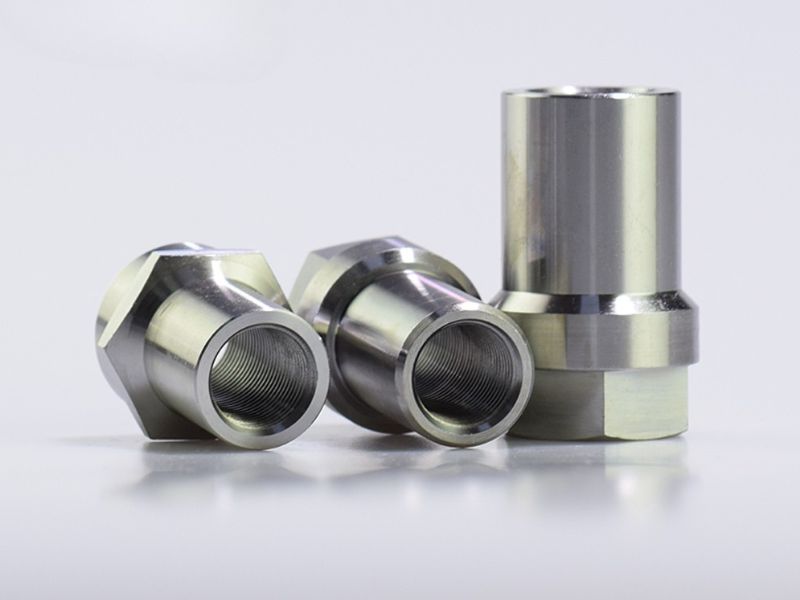
Tube adapters and hose barbs connect intake, coolant, and breather lines. They are turned from your drawing.
View product →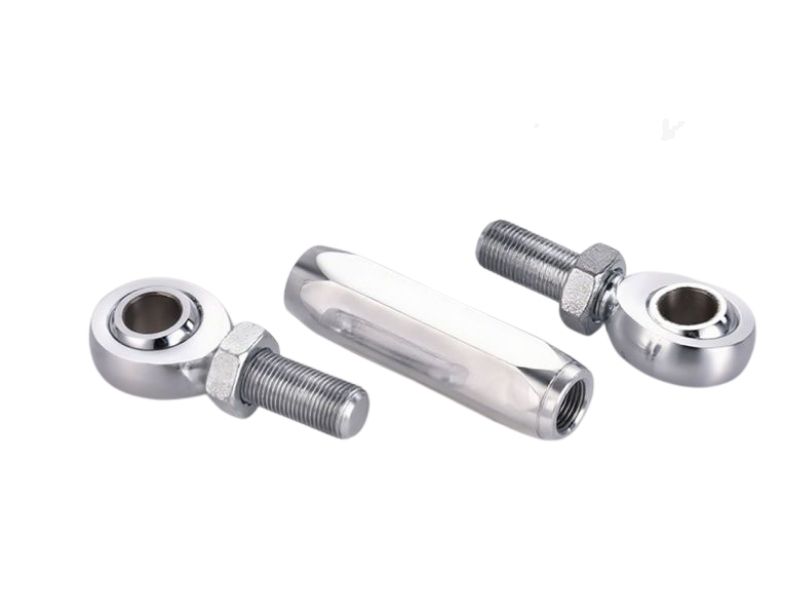
Adjustable tie rod ends have right-hand and left-hand threads, with a rod end or clevis end.
View product →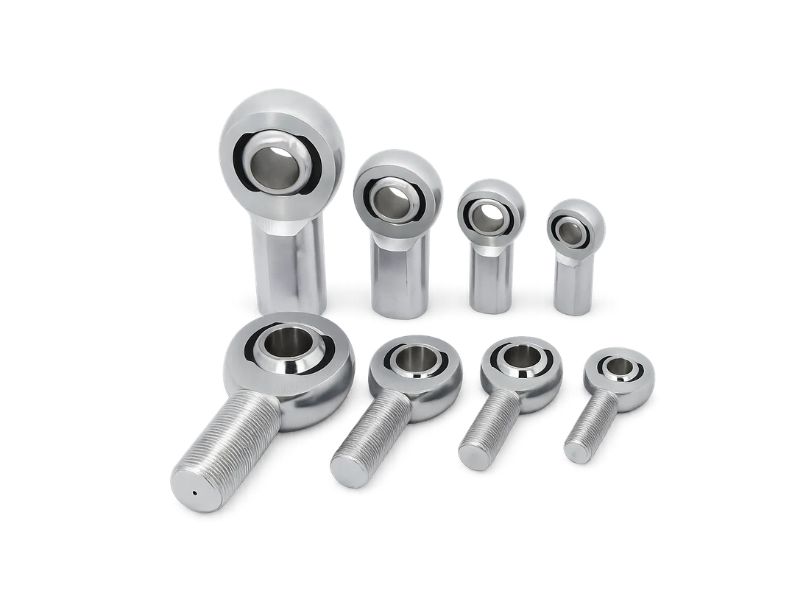
Rod ends and heim joints join steering and suspension links. Each joint swings through its angle.
View product →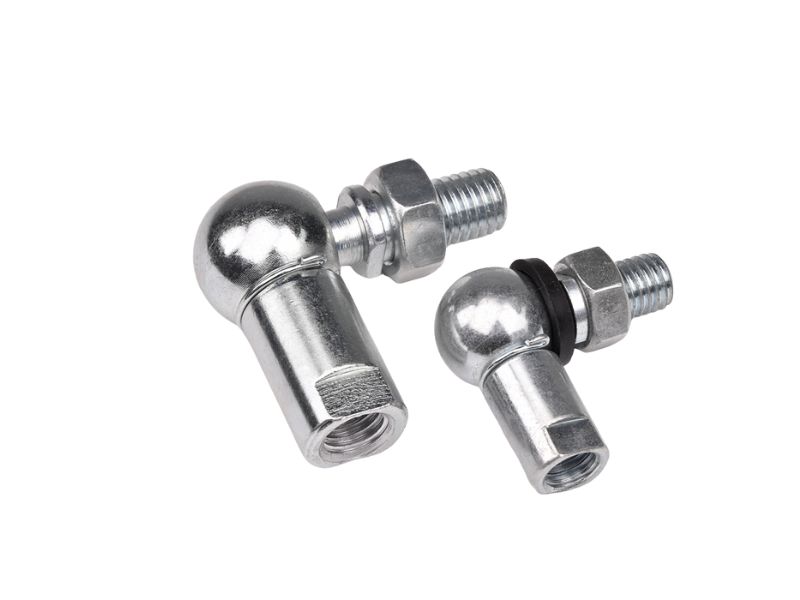
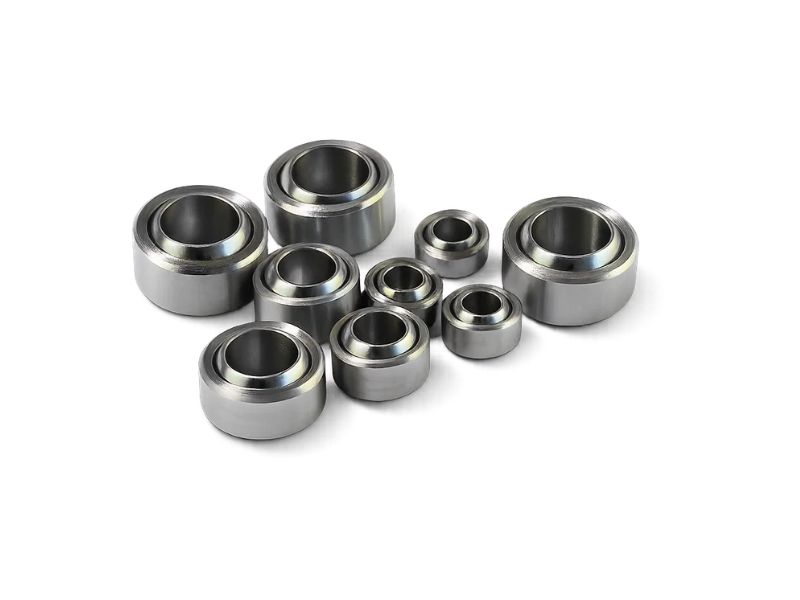
Spherical bearings sit in suspension pivots where a link swings through an arc.
View product →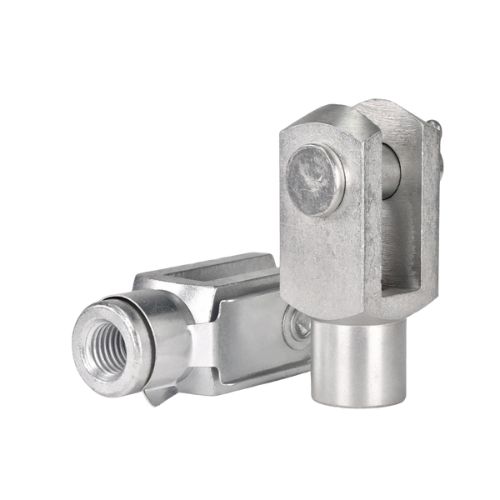
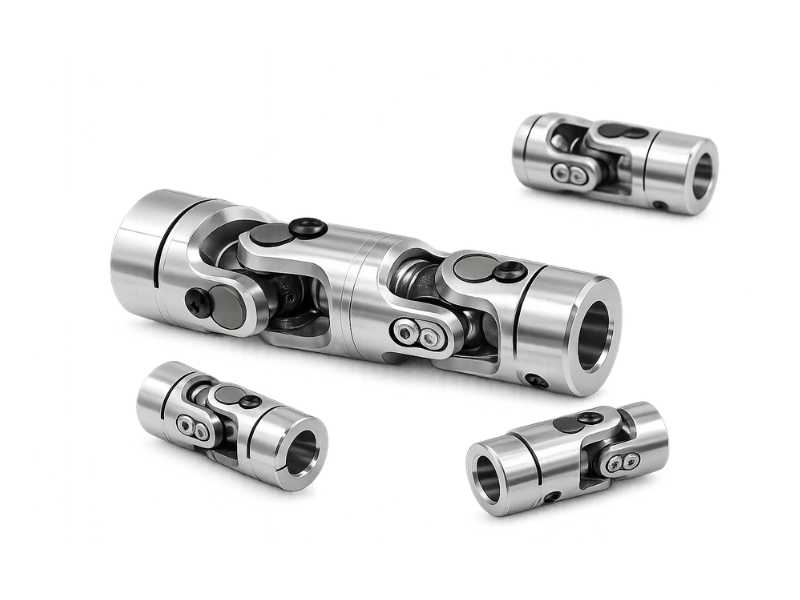
Single, double, and telescopic universal joints carry torque through a bend in a steering or drive shaft.
View product →
Wheel bearings for trailer hubs are made to your drawing or sample. Vehicle hub units are reviewed against the OE number.
View product →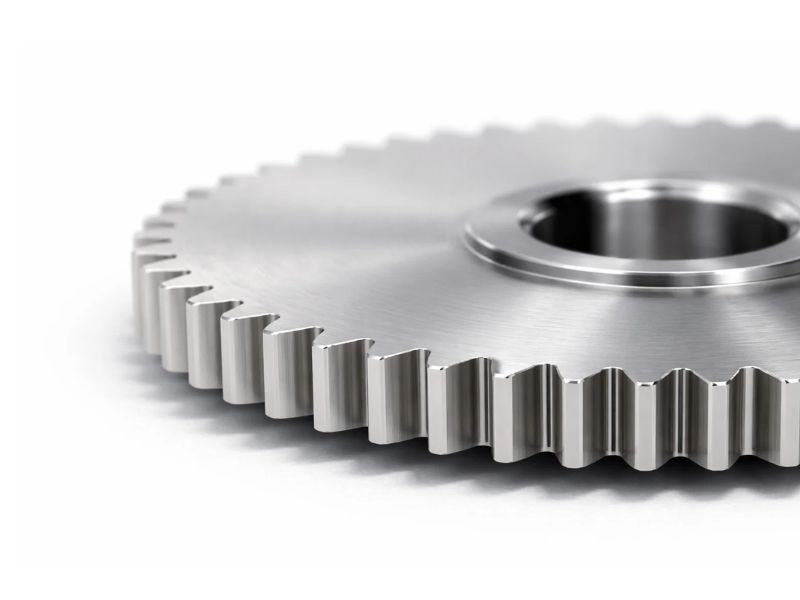
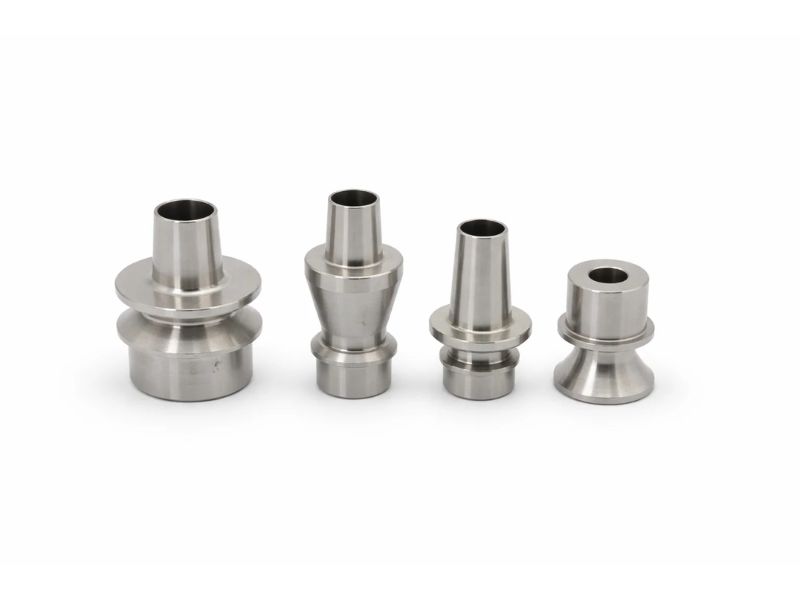
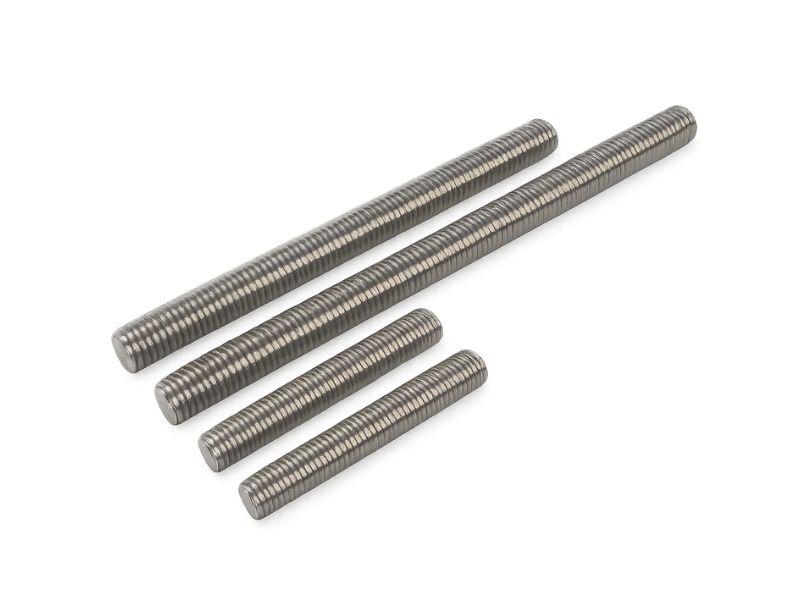
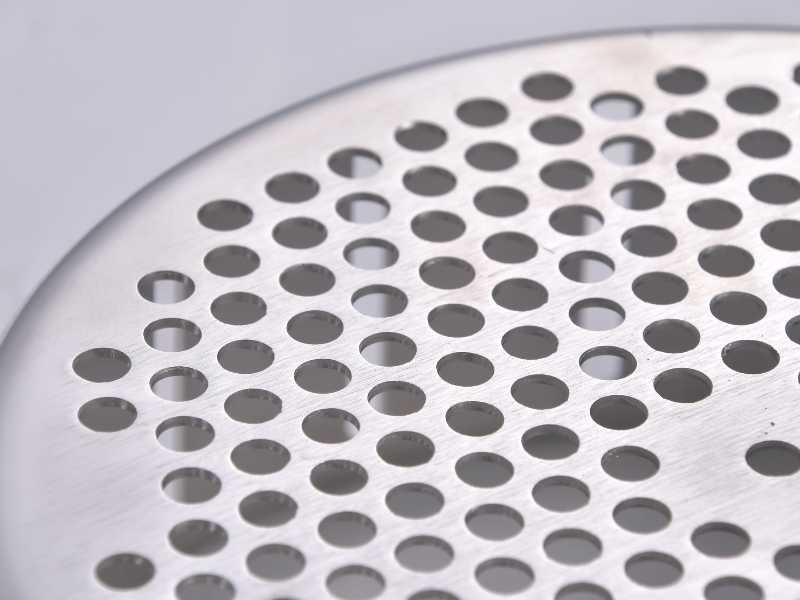
Custom CNC parts are made to your drawing when no listed product fits.
View product →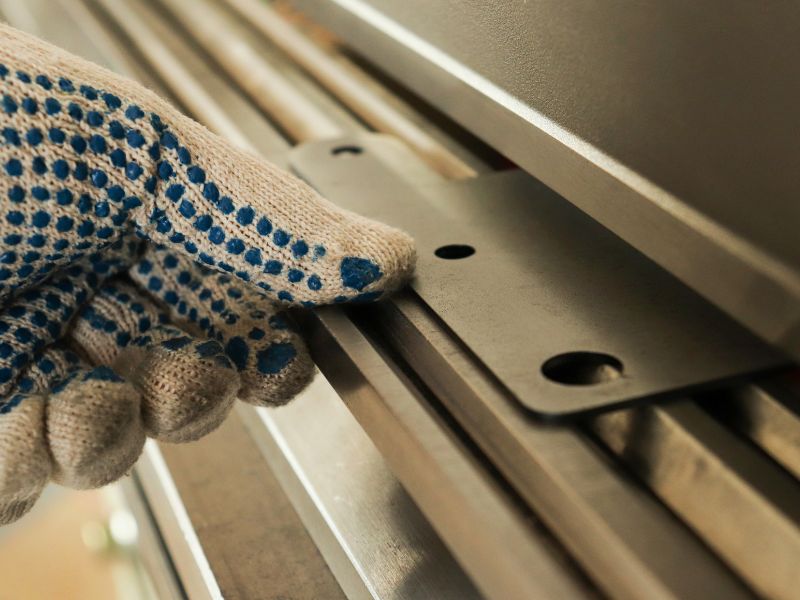
Match the grade to how hot the part runs, how much road salt reaches it, and how much load it carries.
Grade 304 suits exhaust flanges, clamps, and brackets in normal road service where salt exposure is moderate. Because 304 costs less than 316L, it is the sensible pick when the vehicle does not see heavy winter salt or coastal air.
Molybdenum gives 316L better pitting and crevice resistance than 304. That makes it the safer pick for wheel-well hardware and for vehicles used in coastal air or on heavily salted roads. Choose 316L when the part is welded after machining.
Heat treatment hardens 17-4PH, so a small part carries far more load than in 304 or 316L. Because its pitting resistance is lower than 316L, use it for pins, shafts, and link parts rather than exhaust parts.
| Grade | Minimum yield strength | Pitting resistance (PREN, typical) | Typical automotive use |
|---|---|---|---|
| 304 | 205 MPa | 18 to 20 | Exhaust flanges, clamps, and brackets in normal road service |
| 316L | 170 MPa | 24 to 26 | Wheel-well hardware, coastal and heavily salted roads |
| 17-4PH (H900) | 1170 MPa | Lower than 316L | Link pins, shafts, and high-load parts away from the exhaust |
Values are typical for annealed 304 and 316L plate and for 17-4PH in the H900 condition, given for comparison. The final grade depends on your drawing and operating conditions.
Most failures start at a hot flange, a salted crevice, a loose thread, or a dissimilar metal.
Repeated heating and cooling warps thin flanges and can blow out gaskets, especially after the pipe is welded to the flange. Austenitic grades such as 304 also expand more than ferritic grades when heated. For that reason, a thicker flange or a different sealing face can be machined to your drawing.
Road salt leaves chlorides in wheel wells, under washers, and in thread roots. Pitting starts in those crevices, so fewer joints and a shape that rinses clean reduce the risk. Compared with 304, 316L resists that pitting better.
Engine and road vibration loosen threaded joints and load the thread root. Put the thread, the lock nut, and the preload method on your drawing. For rod ends, add the misalignment angle.
In a wet joint, stainless steel is the more noble metal, so the aluminum or plated steel beside it corrodes faster. Isolation washers, coatings, and matched fasteners reduce that effect. List the mating metals in your inquiry.
As exhaust gas moves from the engine to the tailpipe, the heat falls and the condensate rises. That is why the right grade changes along the pipe.
| Position | What the part sees | Grades named in published guidance | Profab route |
|---|---|---|---|
| Header and turbo flange | Highest heat and repeated heating cycles | 304 as the baseline, 321 for sustained high heat | 304 regular, 321 on request |
| Downpipe and mid-pipe joint | Moderate heat and acidic condensate | 304, or 439 as a lower-cost option | 304 regular, 439 on request |
| Muffler and tail section | Low heat, condensate inside, road salt outside | 409 or 439 for cost, 304 or 316L for corrosion | 304 and 316L regular, 409 on request |
Published guidance differs between sources on temperature limits, so this table gives no temperature figures. Send the peak temperature and duty cycle, and we review the grade with you.
Each vehicle puts different parts in the heat, the salt, or the vibration. Find yours, then open the product page.
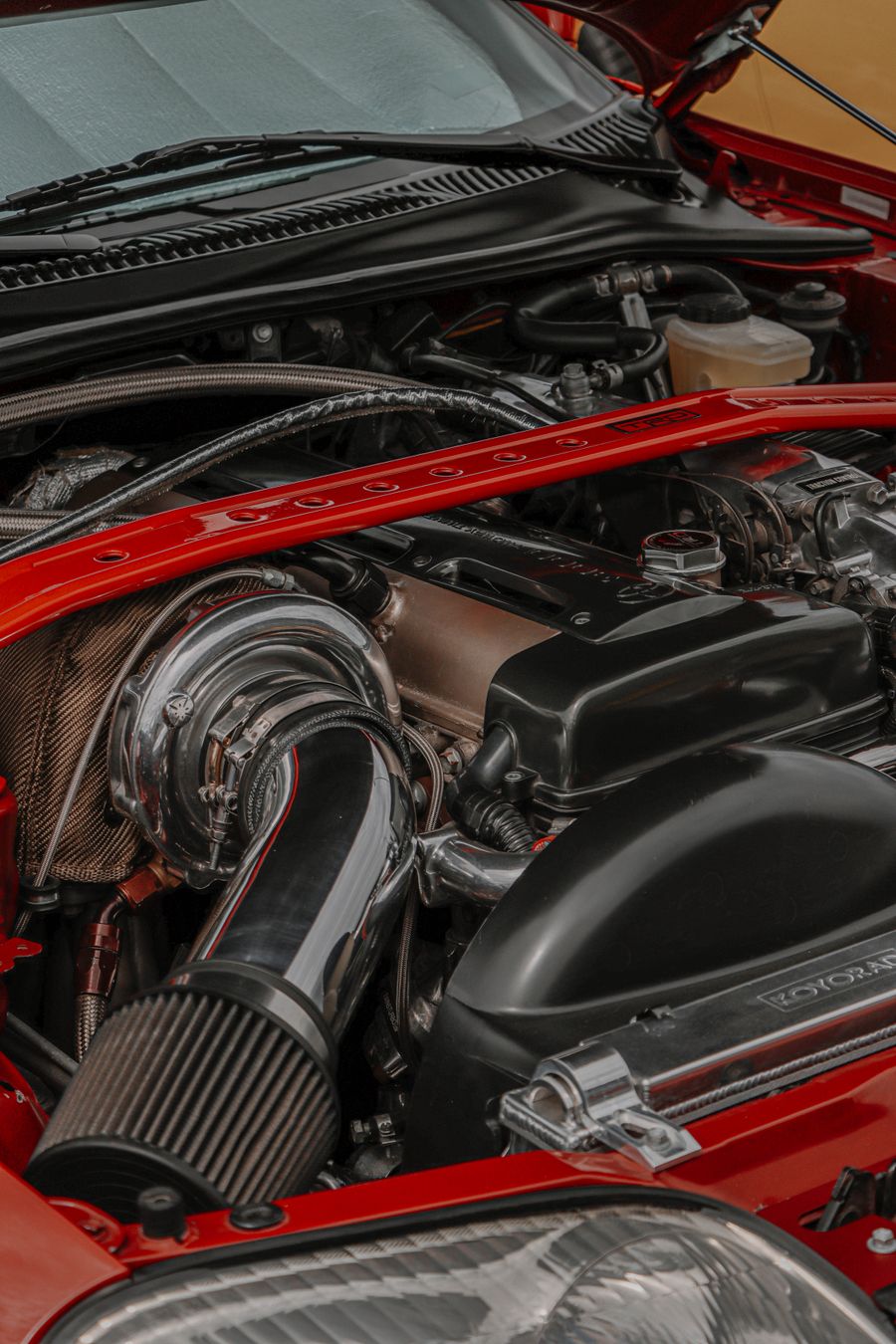
Turbo and exhaust builders need a flange and a V-band joint that match a port, a bolt pattern, and a clamp profile. Exhaust flanges, clamps, and tube fittings are machined to that drawing. Custom linkages on the same build use rod ends.
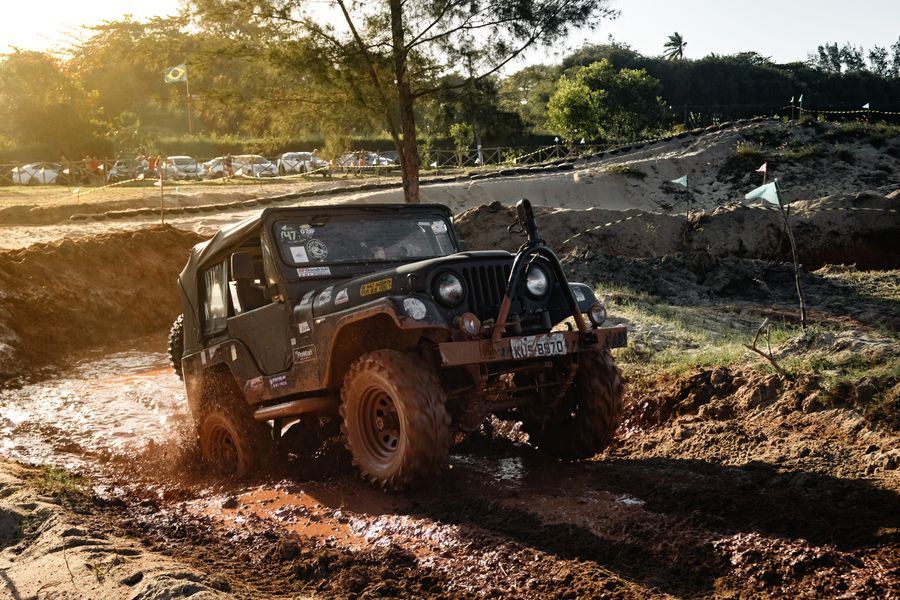
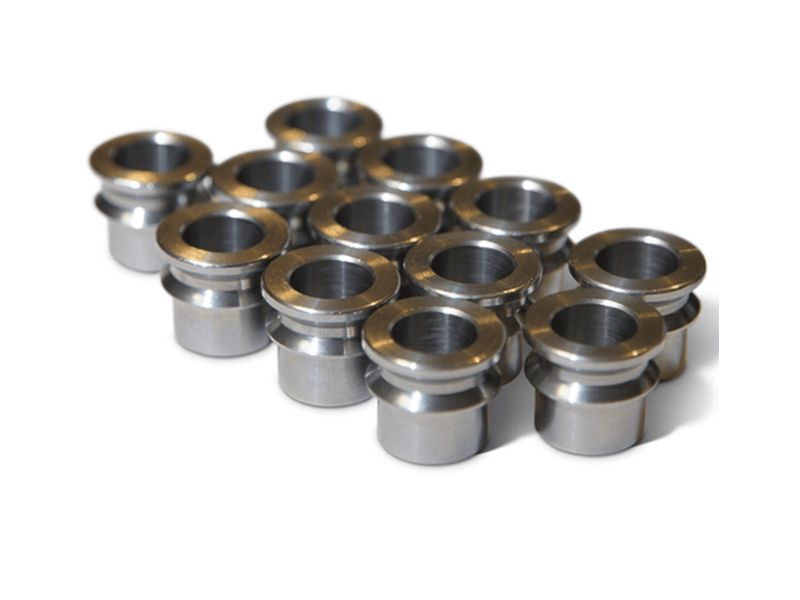
Steering drag links, track bars, and suspension links on lifted and off-road trucks see mud, water, and salt. Tie rod ends, rod ends, bushings, and spacers sit at those joints.
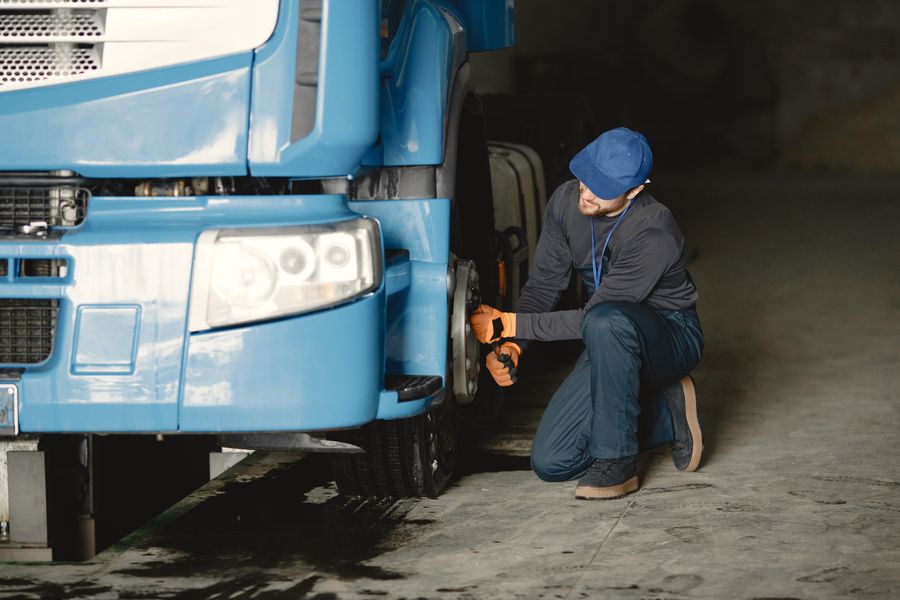
Trailer hub wheel ends and vehicle linkages see road salt and frequent washing. Wheel bearings, clevis fittings, threaded rod, and universal joints are made to your drawing or worn sample.
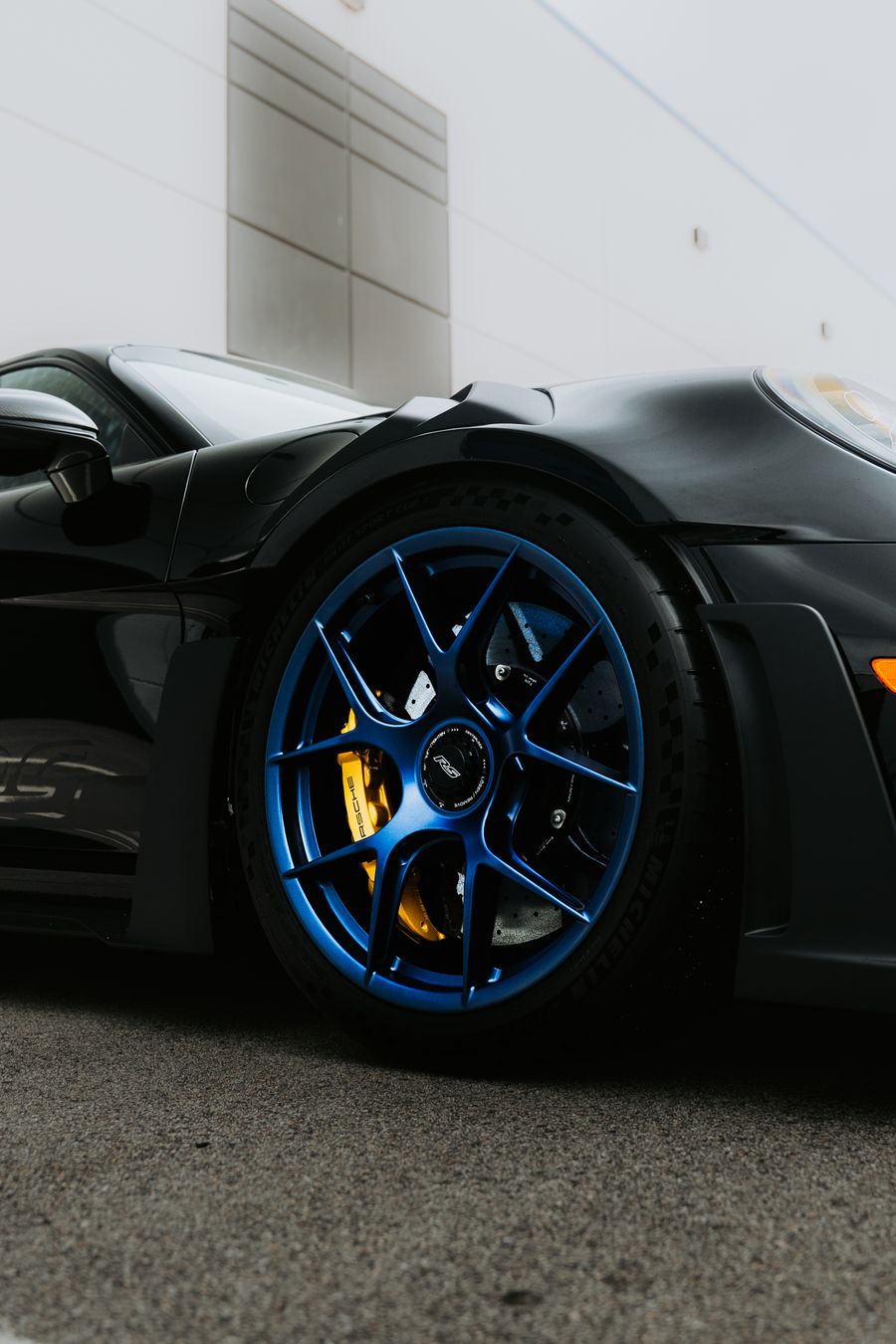
Race car suspensions use rod ends, spherical bearings, and ball joints at pushrod, toe link, and anti-roll bar pivots. Throttle and shifter linkages use the same joints. Each link is built to the car's geometry. Send the center-to-center length and the thread with the inquiry.
Three routes cover most vehicle parts. Each links to its product page.

We mill flanges, housings, and multi-face parts to your drawing, with tolerances typically held to ±0.01 mm. 5-axis machining is available on request when a part needs it.
View CNC Parts →
Spacers, bushings, pins, shafts, and V-band flange rings are turned to your drawing or sample.
View CNC Turning Parts →We stamp and bend brackets and plates to your drawing.
View Sheet Metal Parts →Four steps take an order from drawing to shipment.
Send a drawing, a sample, or a worn part with the details in the checklist below.
Engineering reviews the grade, geometry, and operating conditions, then issues the quotation.
Sample parts are made for your approval before production starts.
Production follows the approved sample. Finished parts then ship by sea, air, or express courier.
Vehicle builders and workshops buy small, mixed, drawing-based orders. These are the ways we make that easier.
Vehicle builders and workshops order straight from the factory that cuts the metal.
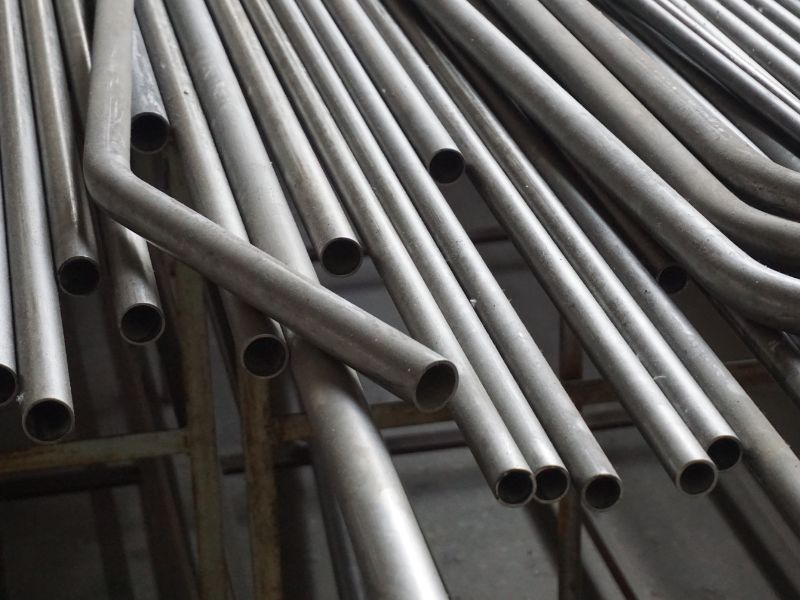
A vehicle build rarely needs one part, so one order can cover the exhaust and the suspension together.
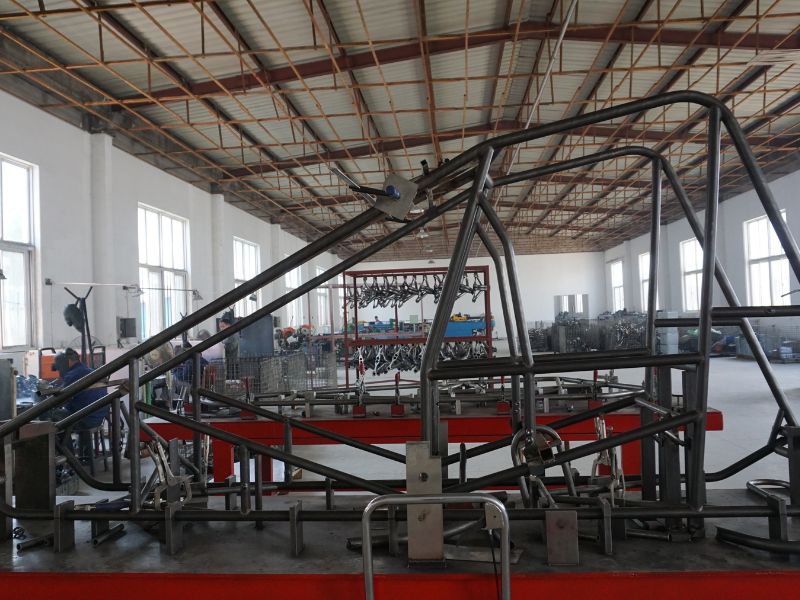
Accepted formats are DXF, DWG, STEP, IGES, and dimensioned PDF drawings, or a sample or worn part.
Include as many of these details as you have, so engineering can check the part against your conditions.
We check grade, geometry, and finish against your operating conditions, then quote.
These short answers cover the first engineering and purchasing questions.
304 resists road salt in normal service, but chlorides can pit it in wheel wells and under washers. 316L resists that pitting better, so it is the grade for coastal vehicles and heavily salted roads. Rinsing the vehicle regularly lowers the risk further.
304 is the regular choice for most exhaust flanges. 316L suits coastal or salted conditions. Hotter positions may call for 321 on request, and the peak temperature and duty cycle decide whether it is needed.
Yes. We measure a corroded flange, tie rod end, or link and quote a copy. The vehicle and the joint position help check the fit against your part.
In a wet joint the aluminum corrodes faster than the stainless steel, because stainless is the more noble metal. Isolation washers and coatings reduce that effect. List the mating metals when you inquire.
We offer passivation and electropolishing as services for parts that need them. Other finishes, such as blackening or shot blasting, are available on request. Name the finish in the inquiry so it is priced into the quotation.
No. Profab machines parts to your drawing or sample, so we do not sell by vehicle model. For a vehicle hub unit or a steering part, send the OE number or a sample, because fit, seal, and load are reviewed against it before quoting.
Send the drawing, grade, operating conditions, and quantity for a quotation.