Smoother, brighter surface
Rough peaks dissolve first, so a machined surface turns smoother and brighter without any buffing wheel. Surface roughness (Ra) can drop by up to 50%, and a smoother surface is easier to wipe clean.

Machined stainless steel can look clean and still carry micro-burrs and rough peaks that a buffing wheel cannot reach. In an electrolyte bath, electropolishing dissolves those high points first, which leaves a smoother, brighter surface. Profab Machine offers stainless steel electropolishing for 304 and 316L parts, with passivation available on request.
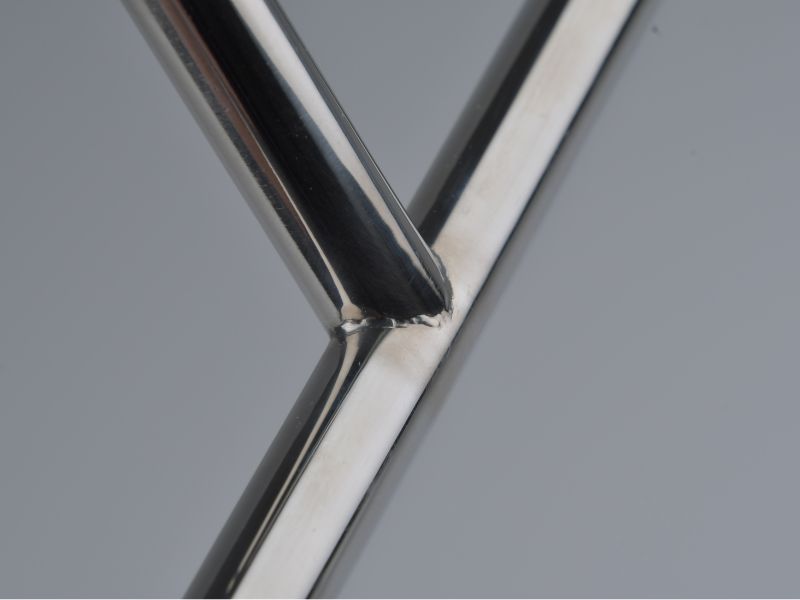
Stainless steel electropolishing is an electrochemical finish that dissolves a thin layer from the surface of a part and takes the microscopic high points first.
The part hangs on a rack as the anode in an acid electrolyte bath, and direct current flows to a cathode. Metal leaves the surface of the part. Current concentrates on peaks and burrs, so those dissolve faster than the valleys and the surface levels.
Only a thin layer is removed, and the amount depends on the bath, the time, and the starting surface. The result is smooth and bright, with no smeared metal and no abrasive left in the surface. It also leaves a chromium-enriched surface, which is the passive layer stainless steel relies on. ASTM B912 is the standard for passivating stainless steel by electropolishing.
The finish suits 304 and 316L. Free-machining grades such as 303 are a poor fit because their sulfur inclusions pit in the bath, so state the grade when you quote.
Electropolishing smooths and brightens a machined surface and softens micro-burrs. The last card lists what it does not fix.
Rough peaks dissolve first, so a machined surface turns smoother and brighter without any buffing wheel. Surface roughness (Ra) can drop by up to 50%, and a smoother surface is easier to wipe clean.
Fine burrs left by machining or cutting dissolve at their tips. Sharp edges round slightly, and larger burrs still need to be removed first.
Current finds recesses, cross holes, and curved shapes that a buffing wheel cannot touch. Deep blind holes and narrow bores get less current, so mark them on the drawing.
The bath removes metal rather than pushing it around. Nothing is rubbed into the surface, and no grit or compound is left behind.
The surface that remains is rich in chromium, the element behind the protective layer on stainless steel. Passivation can follow on request.
Electropolishing does not remove deep scratches, dents, or weld defects, and it cannot make a rough part bright. The finish follows the starting surface.
Electropolishing is the one finish here that smooths by dissolving metal, while mirror polishing wears it away, passivation only cleans it, and blasting roughens it.
| Finish | How it is made | Surface look | Best for | Watch for |
|---|---|---|---|---|
| Electropolished | Electrochemical: a bath dissolves a thin surface layer | Smooth and bright, burrs softened | Parts with recesses, cross holes, and fine burrs after machining | Deep scratches and weld defects stay |
| Mirror polished | Mechanical: graded abrasives, then buffing with compounds | Flat and highly reflective | Visible hardware and decorative faces | Needs reachable surfaces and can leave abrasive in the surface |
| Passivated | Chemical: acid treatment removes free iron | Unchanged | Restoring the protective surface after machining | It does not smooth, brighten, or remove burrs |
| Bead blasted | Glass or ceramic beads in a stream of air | Even matte, no direction | Hiding handling marks and tool lines | Duller look, and it holds dirt more readily |
Electropolishing is often applied after machining and mechanical finishing, and passivation can follow it. State each finish on the drawing so every step is quoted. See Electropolishing vs Passivation for Stainless Steel Parts for the difference in detail.
Current, rack, and control decide the result, and each one shows up in how the part is drawn and quoted.
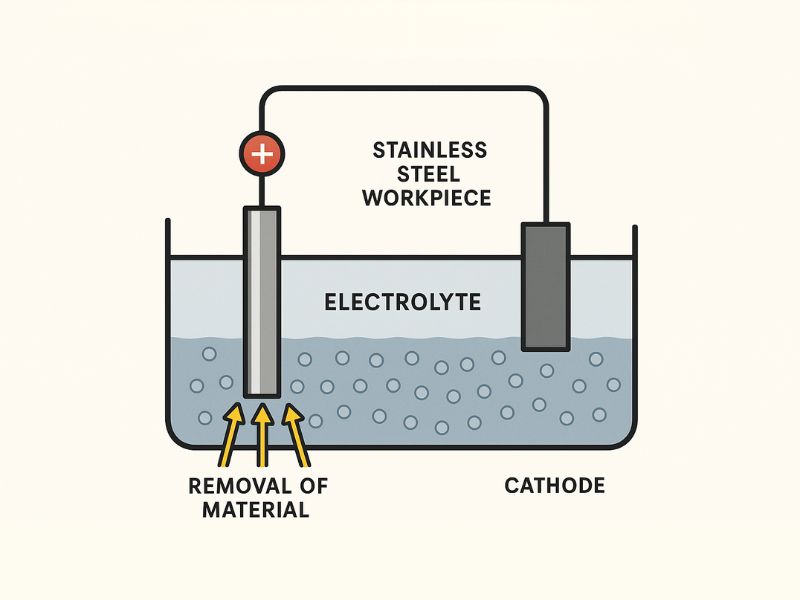
The part sits in the electrolyte opposite a cathode, and current passes between them. Metal leaves the surface of the part, so no coating is added.
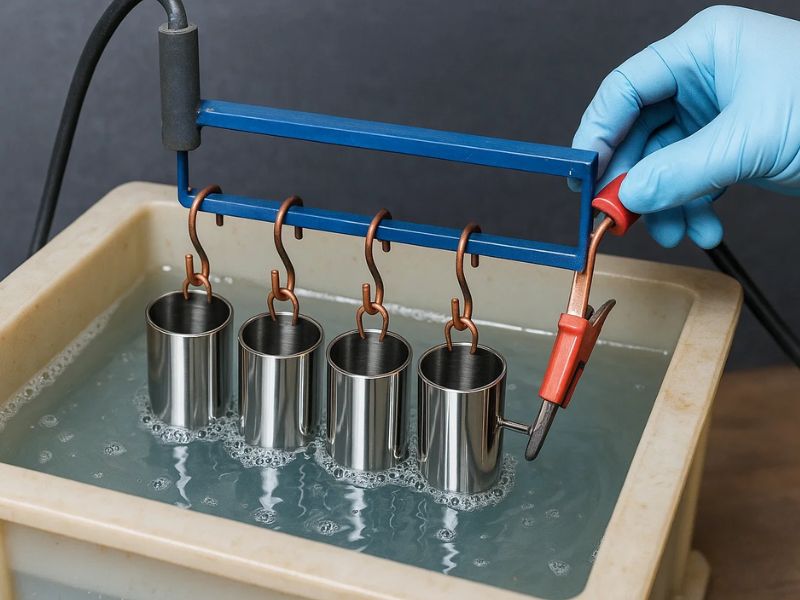
Parts hang from contact hooks that carry the current. Each hook leaves a small unpolished contact mark, so the drawing should name where a mark is acceptable.
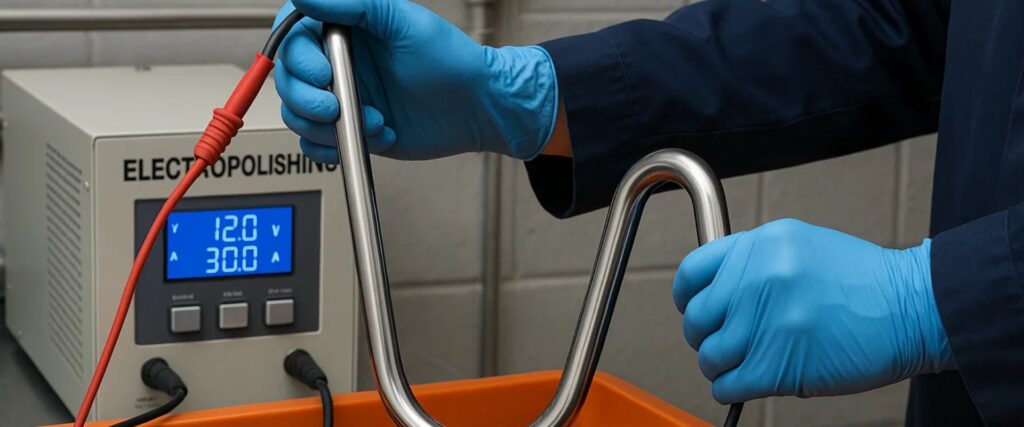
Current, bath temperature, and time set how much is removed and how bright the surface turns. Thin walls and fine edges take a lighter treatment.
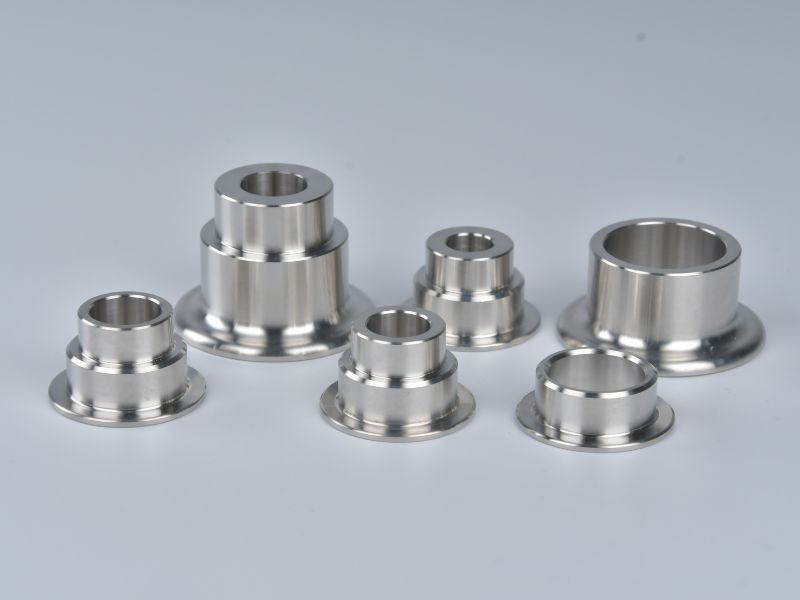
Parts are rinsed and dried after the bath, and passivation is available on request. Slightly rounded edges and rack marks are normal.
Stainless steel rod ends, clamps, fittings, and machined hardware are electropolished when fine burrs or recesses matter, or when parts see wet or marine service.

The body and shank are smoothed on linkages for wet or marine service. The bore and bearing seat are masked or left as machined.
Stainless Steel Rod Ends
Clamp bands and housings lose fine burrs from cutting and forming. The thread is masked when its fit matters.
Stainless Steel Clamps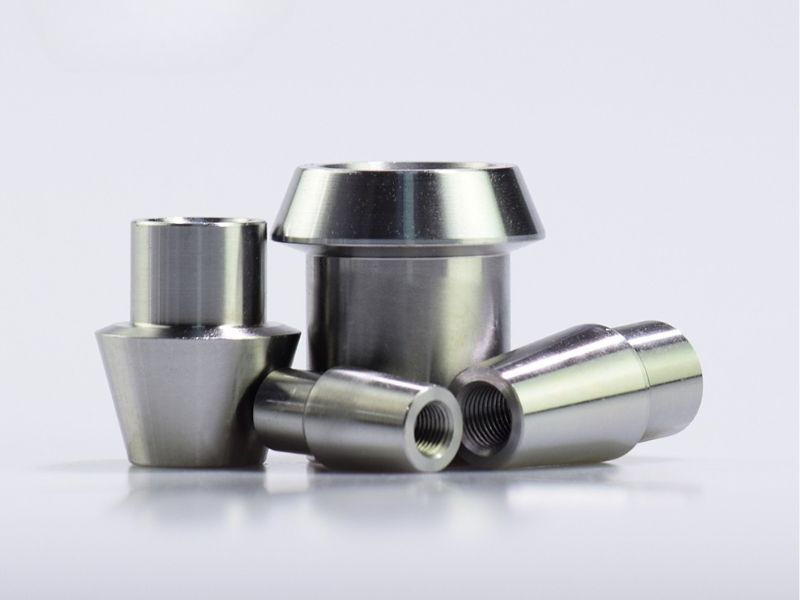
Turned fittings with cross holes and internal steps get a smoother surface than a wheel can give. Sealing faces keep their machined size.
Stainless Steel Tube Fittings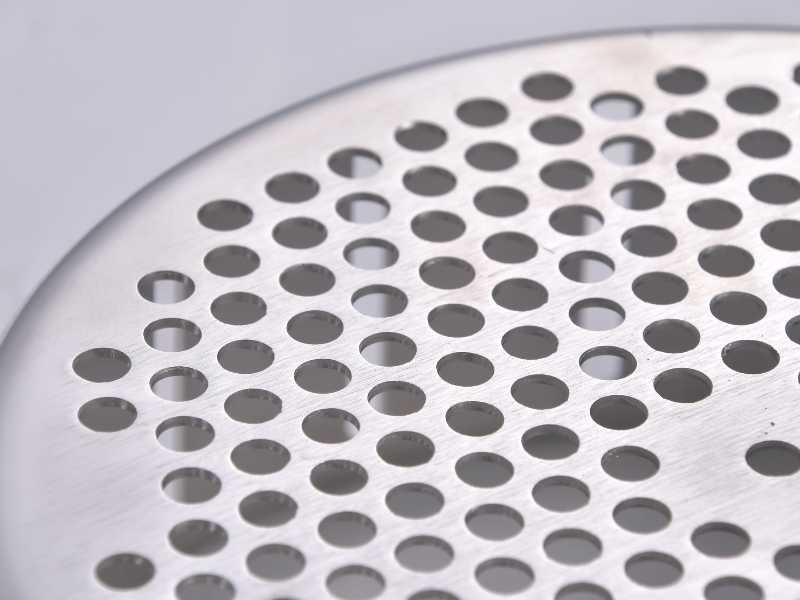
Machined brackets, plates, and hardware with many small holes are smoothed after the last cut. Mating faces stay as machined.
Custom CNC PartsThe bath finishes every surface it reaches, so the drawing decides which surfaces matter and where the rack may touch.
Write electropolish on the drawing with the grade, and mark the visible faces. The bath follows the starting surface, so smooth machining gives a brighter result.
Weld beads, spatter, and heat tint polish at a different rate from the parent metal. Grind them smooth before the bath so they blend in.
The contact point stays unpolished and can mark. Name a spot, such as an internal thread, an end face, or a hidden surface.
Gas and solution must move in and out of hollows. A closed cavity or deep blind hole polishes poorly, so add a vent or drain hole where the design allows.
Threads, press fits, and seal faces can be masked to keep their size. List each one, because masking adds work and cost to small parts.
A thin layer is removed from every exposed surface and sharp edges round slightly. Say whether a toleranced feature is masked or measured after finishing.
Electropolishing comes after the last cut and the last weld, and each step is tagged with where it happens.
An engineer reads the finish note, the grade, the visible faces, and the rack and masking points before the part is quoted.
Parts are machined to size with smooth surfaces and a small radius on visible edges, because the bath follows the surface it starts from.
Parts hang on racks in the electrolyte bath, and current dissolves the high points until the surface is smooth and bright.
Solution is rinsed off and the parts are dried so no residue or water spots stay on the bright surface.
A passivation step can follow the bath when the drawing calls for it.
Parts return to the factory and are checked against the drawing, then packed to protect the finished surface.
Pick the finish by what the part has to do. An electropolished surface is one option among four.
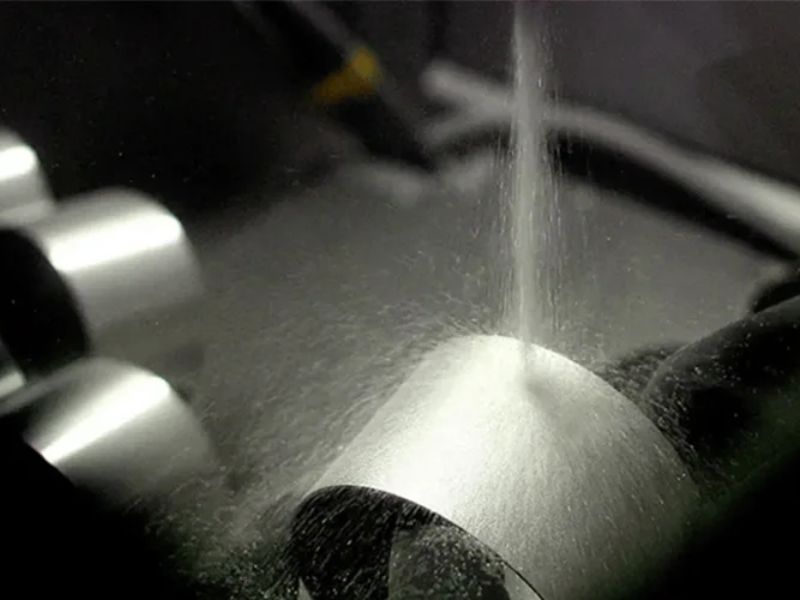
A matte satin surface made by blasting, chosen when low glare and hidden handling marks matter more than a smooth bright surface.
Sandblasted Stainless Steel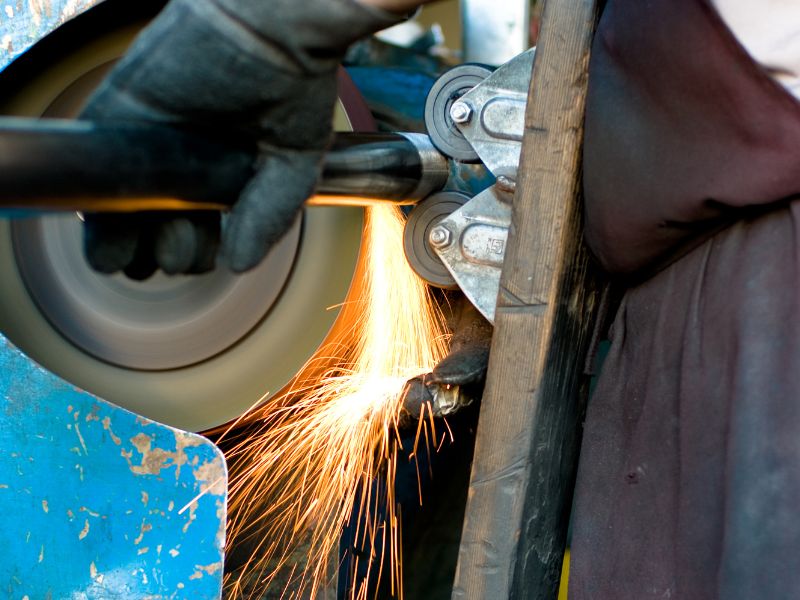
A flat, highly reflective surface made with grit and buffing, chosen for visible faces where the part can be reached by a wheel.
Mirror Polished Stainless Steel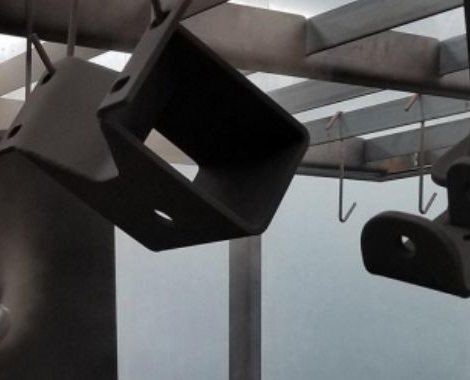
A colored, durable coating over a blasted surface, for parts that should not stay bright.
Stainless Steel Powder CoatingThese six items let an engineer plan the racking, the masking, and passivation before the quote.
The quote then lists the finished faces, the masked features, the rack points, and each step that follows.
Buyers usually ask about what it fixes, how much it removes, and what the part needs before a first order.
It smooths and brightens the surface. The part sits in an electrolyte bath as the anode, current dissolves a thin surface layer, and the high points go first. Micro-burrs and roughness peaks shrink, and the surface is left chromium-enriched. It does not add a coating.
A very thin layer, generally a small fraction of a millimeter, set by the bath, the time, and the starting surface. For most parts the change is negligible, but a tight tolerance on a bore or a thin wall needs attention. Mark those features on the drawing so the removal is planned.
No. Electropolishing levels fine roughness and burrs, not deep scratches, dents, or poor welds. Those marks stay and can even look sharper once the surface is bright. Grind welds smooth and remove deep marks before the bath, and send photos if you are unsure about a surface.
Mirror polishing is mechanical, and electropolishing is electrochemical. A buffing wheel wears the surface with grit and compounds, which can smear metal and leave abrasive behind. A bath dissolves it instead, so there is no contact, and it reaches recesses a wheel cannot. Mirror polishing gives the flatter, more reflective look.
No. Passivation is a chemical treatment that removes free iron and leaves the surface shape unchanged, so it does not smooth or brighten. Electropolishing removes a thin layer electrochemically and leaves a chromium-enriched surface. Passivation can follow on request. Name each finish on the drawing so both are quoted.
304 and 316L respond well. Free-machining grades such as 303 are a poor fit, because the sulfur inclusions that help machining are attacked in the bath and can leave pits. State the grade when you quote. Cast parts and mixed-material assemblies polish unevenly, so tell us if the part is either.
Yes. The rack must touch the part to carry current, and that contact point stays unpolished and can show a small mark. Tell us where a mark is acceptable, such as inside a thread, on an end face, or on a non-visible surface, and the part is racked there.
Yes. The bath follows the surface it starts from, so smooth machining gives a brighter result and heavy tool marks stay visible. Weld beads should be ground smooth, sharp edges should carry a small radius, and enclosed hollows need a vent or drain hole so gas and solution can move.
Mark the faces to electropolish, the rack points, and the features to mask, and attach a sample or a photo of the surface you expect. An engineer reviews the drawing before the quote goes out.
We use cookies to run this site, to measure how it is used, and to show relevant ads. You can accept all, reject all non-essential cookies, or choose by category. Privacy Policy