Bright reflective look
The surface reflects light like a mirror, which suits visible parts on equipment, boats, and fittings.

Mirror polished stainless steel is ground through finer and finer grit until the scratch pattern is gone, then buffed with compounds to a bright, reflective surface. That surface shows every defect underneath. Profab Machine offers mirror polishing for CNC machined stainless steel parts in 304 and 316L, with passivation after polishing.
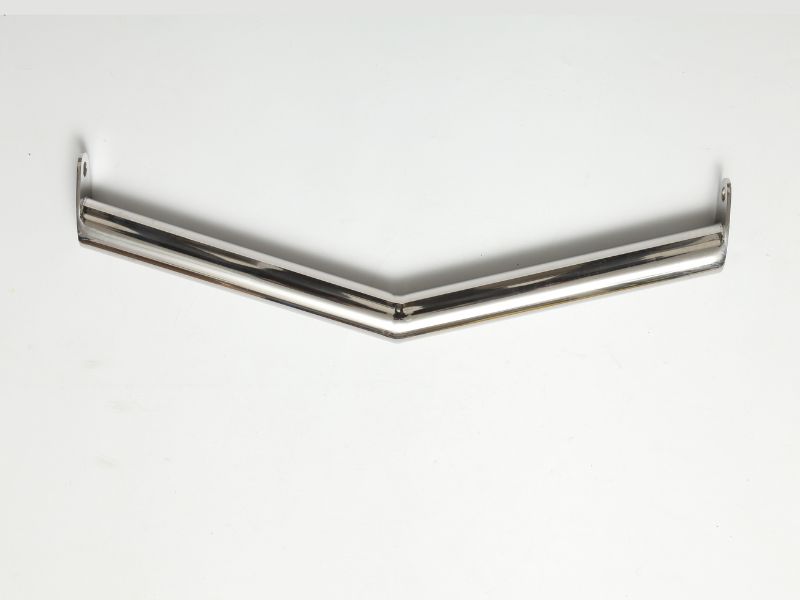
Mirror polished stainless steel is a part whose surface has been ground and buffed until it reflects like a mirror, with no visible grit lines.
The look is commonly called a No. 8 finish or a mirror finish. It is made by working through abrasives from coarse to fine, then buffing with polishing compounds on soft wheels. Each stage removes the scratch left by the one before.
The result is non-directional, so the surface looks the same from any angle, unlike the lines of a brushed finish. It reflects its surroundings, so scratches, weld seams, and tooling marks that a matte finish would hide show up clearly.
The finish suits 304 and 316L alike. For salt water or chlorides, the grade matters more than the polish, so choose 316L.
A mirror finish gives a part a bright, smooth look and a polished feel. It also shows flaws, and the last card lists its limits.
The surface reflects light like a mirror, which suits visible parts on equipment, boats, and fittings.
Handles, grips, and rails lose their tooling lines, so the surface feels smooth in the hand.
Unlike brushed stainless, the finish has no lines, so the look is the same whichever way the part is turned.
You approve a polished sample first, and later batches are matched to that sample.
Passivation after polishing restores the protective surface that grinding and buffing disturb.
Polishing does not add corrosion resistance by itself, fill dents, or hide scratches. Fingerprints and water spots also show more on a mirror surface than on a matte one.
Mirror polishing is a mechanical finish with a reflective surface, while brushed and blasted finishes are matte and electropolishing is electrochemical.
| Finish | How it is made | Surface look | Best for | Watch for |
|---|---|---|---|---|
| Mirror polished | Graded abrasives, then buffing with compounds | Bright, reflective, no lines | Visible hardware, handles, and decorative parts | Shows every scratch, weld mark, and fingerprint |
| Brushed | Abrasive belt or pad worked in one direction | Satin with fine parallel lines | Panels, covers, and handles where glare should stay low | Lines run one way, so they must match across parts |
| Bead blasted | Glass or ceramic beads in a stream of air | Even matte, no direction | Housings and parts that should hide handling marks | Duller look, and it holds dirt more readily than a polished surface |
| Electropolished | Electrochemical: a bath dissolves a thin surface layer | Smooth and bright, less mirror-like than a buffed surface | Parts that need a smooth surface after machining | Does not level deep scratches or heavy weld marks |
Mechanical polishing can be followed by electropolishing on request when a part needs both the look and a smoother surface. Electropolishing is offered as its own finish.
Grit stages remove scratches and buffing stages bring up the shine, so the finish depends on both.
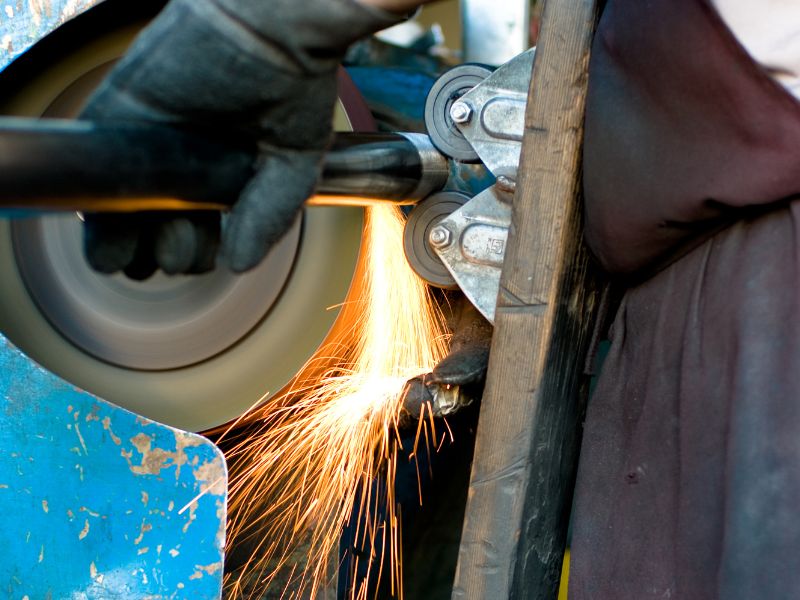
Each grit removes the scratch pattern of the one before, from coarse to fine. A scratch that survives to the buffing stage shows in the mirror, so no stage is skipped.
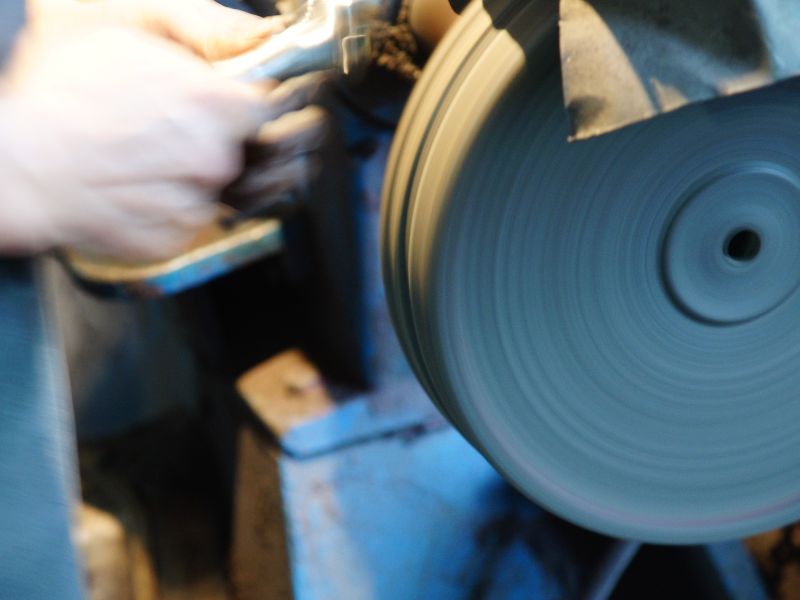
A cutting compound clears the last fine lines, and a finishing compound on a softer wheel brings up the reflection. Thin parts need low heat and light pressure, so give the wall thickness when you quote.
Stainless steel rod ends, boat cleats, shackles, and custom machined parts are polished when the part is seen or handled. Each card says what stays as machined.

The body and shank take a polish on exposed linkages. The bore and bearing seat stay as machined.
Stainless Steel Rod Ends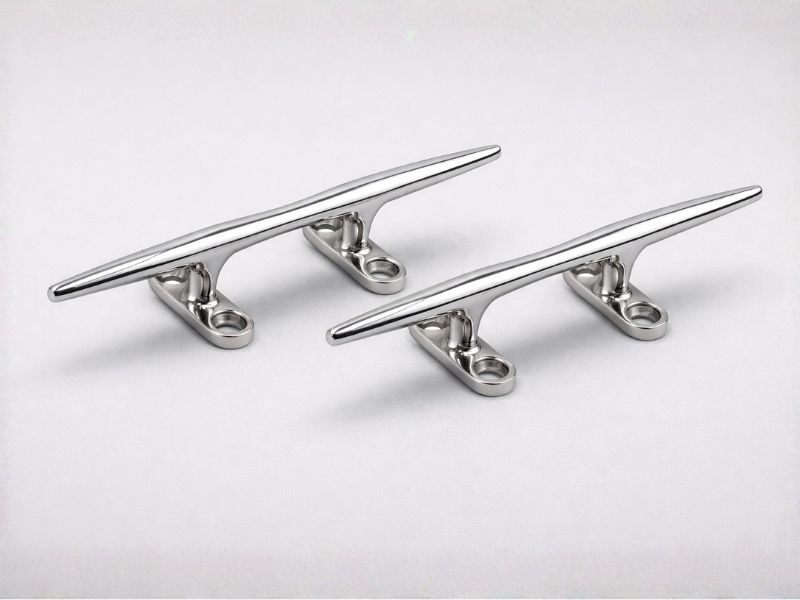
The horn and base are polished on deck hardware that stays in view. Mounting holes keep their machined size.
Stainless Steel Boat Cleats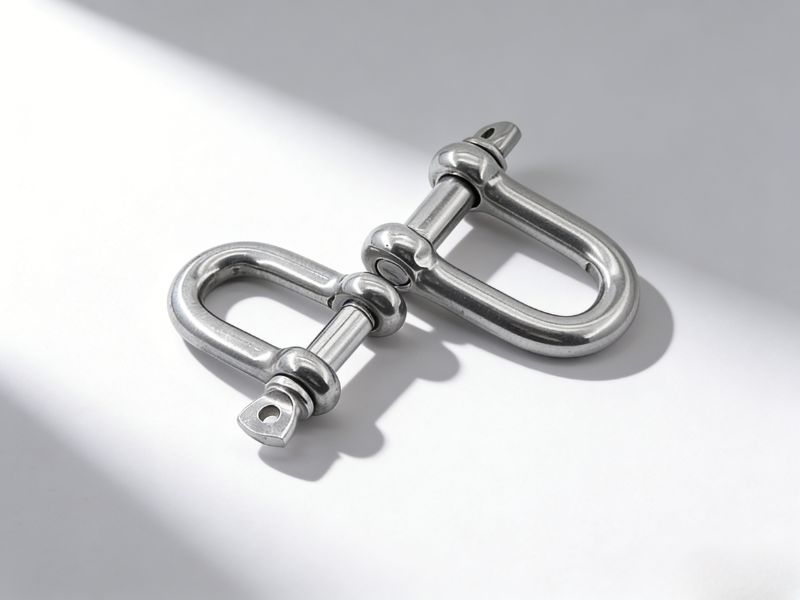
The bow and pin are polished on marine and decorative rigging. The pin thread and bore stay as machined.
Stainless Steel Shackles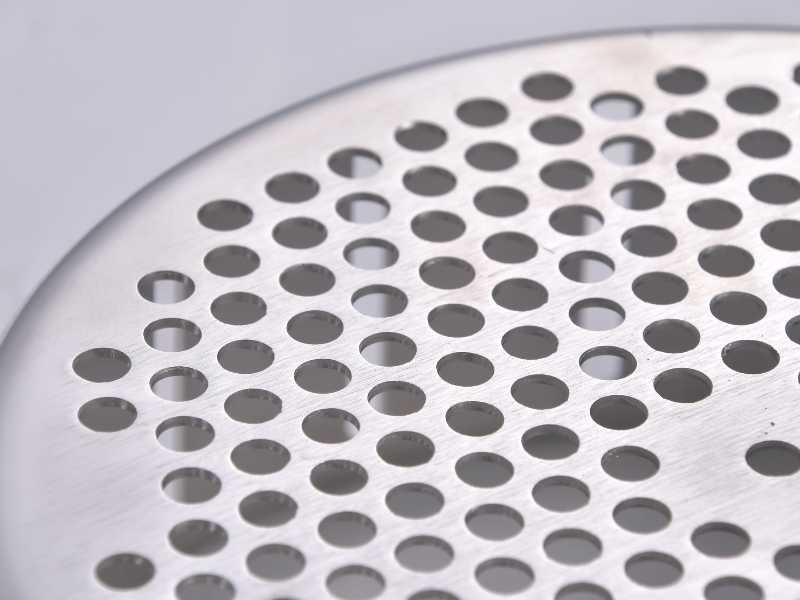
Machined handles, knobs, covers, and trim are polished on their visible faces. Mating faces stay as machined.
Custom CNC PartsA mirror finish shows every defect on the surface, so the part and the drawing have to prepare for it.
Deep tool marks, scratches, and dents survive the grit stages unless they are ground out first. Say which faces are visible so they get the most machining care.
Weld beads, spatter, and heat tint are ground flush before polishing. A weld left raised or pitted shows as a dull line in the mirror.
Sharp edges roll over and thin out under a buffing wheel. A small radius on visible edges polishes evenly, so state it on the drawing.
Grinding and buffing remove a small amount of material. Say whether a toleranced face is polished and measured after, or left as machined.
Bearing seats, threads, seal faces, and press fits are normally left unpolished. Mark each feature that must keep its size.
Reflection and haze depend on the grit sequence and the compound. A polished sample you approve is the reference for every batch.
Polishing comes after the last cut and the last weld, and each step is tagged with where it happens.
An engineer reads the finish note, the visible faces, and your reference sample before the part is quoted.
Parts are machined to size with the visible faces left smooth, because polishing comes after the last cut.
Graded abrasives remove tool marks and weld seams, one finer grit at a time.
Cutting and finishing compounds bring the surface to the mirror of the sample you approved.
Compound residue is cleaned off, and passivation is offered after polishing to restore the corrosion-resistant surface.
Parts return to the factory and are checked against the drawing and your approved sample, then packed to protect the polished faces.
Pick the finish by what the part has to do. A bright mirror surface is one option among four.
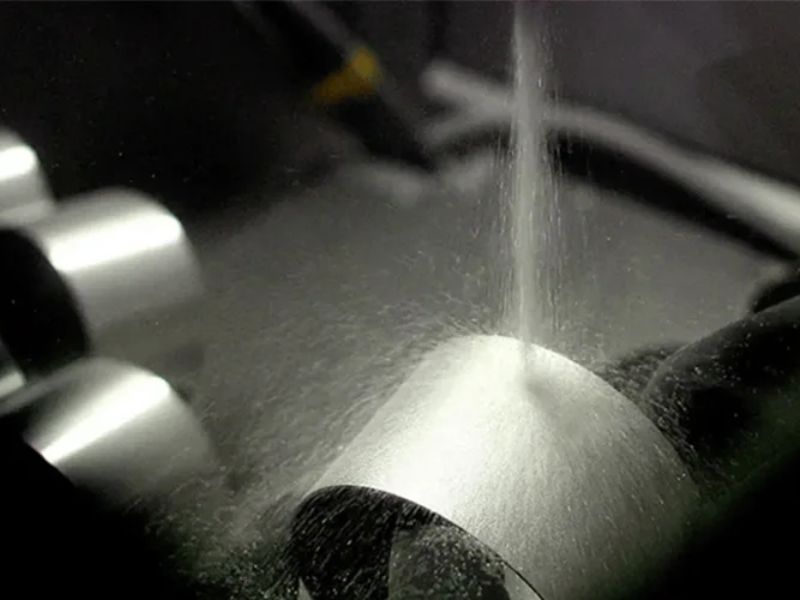
A matte satin surface instead of a reflective one, chosen when glare and handling marks matter.
Sandblasted Stainless Steel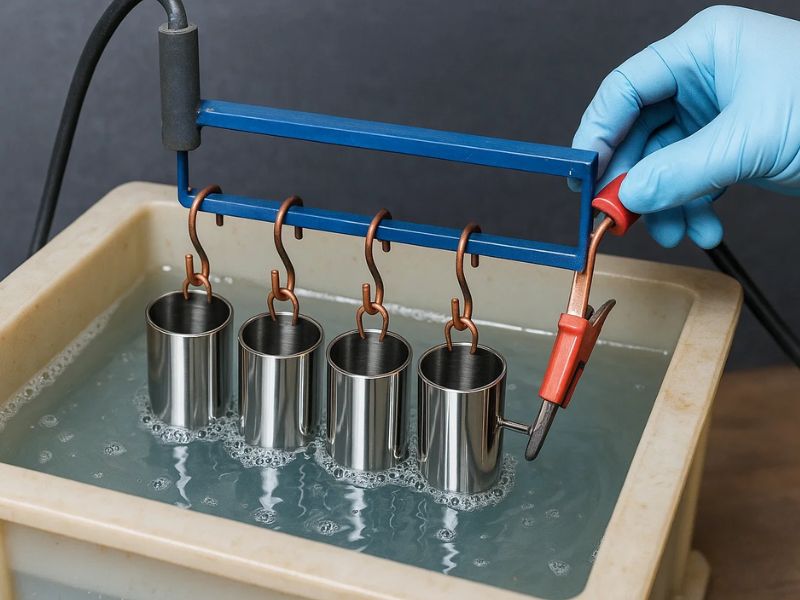
A smooth, bright surface made electrochemically, used where a buffing wheel cannot reach.
Stainless Steel Electropolishing
A colored, durable coating over a blasted surface, for parts that should not stay bright.
Stainless Steel Powder CoatingThese six items let an engineer plan the grit sequence, the buffing, and passivation before the quote.
The quote then lists the polished faces, the features left as machined, and each step that follows.
Buyers usually ask about method, dimensions, passivation, and what the part needs before a first order.
They differ in method. Mirror polishing is mechanical: graded abrasives and buffing compounds wear the surface smooth. Electropolishing is electrochemical: a bath dissolves a thin surface layer. Mirror polishing gives the more reflective look and removes scratches, while electropolishing smooths without lines but does not level deep scratches. Name the finish you want on the drawing.
Close, but not identical. No. 8 is the name buyers use for a bright, non-directional reflective stainless finish, and a mirror polished part aims for that look. The result depends on the grit sequence, the compound, and the part shape, so the polished sample you approve is the reference for the order, not the name alone.
Slightly. Grinding and buffing remove a small amount of material and round sharp edges, so toleranced faces are either left as machined or measured after polishing. Mark those faces on the drawing. Thin sections can warp under heat and pressure, so give the wall thickness when you ask for a quote.
A smooth machined surface, welds ground flush, and no deep scratches. Mirror polish shows every defect, and a scratch that survives the grit stages stays visible in the finish. Edges need a small radius, because sharp edges roll over under a buffing wheel. Tell us which faces are visible so those faces get the most care.
Yes, when corrosion resistance matters. Grinding and buffing can smear the surface and leave traces of iron from tools and compounds. Passivation is offered after polishing through our production network to restore the protective layer. Name it on the drawing so the quote includes it.
Yes. Send a sample part or a photo, and the quote can include a polished sample for your approval. Production batches are then matched to that sample. Reflection and haze depend on the grit sequence, the compound, and the part shape, so the approved sample, not a description, is the reference.
Wipe it with a soft cloth, mild soap, and clean water, then dry it. Avoid steel wool, scouring pads, and bleach, which scratch or attack the surface. Fingerprints and water spots show more on a mirror finish than on a matte one, so drying the part after cleaning keeps the shine.
Yes, when the welds are ground flush first. Weld beads, spatter, and heat tint are dressed down through the grit stages and blended into the surrounding surface. A weld left raised or pitted shows as a dull line in a mirror finish. Photos of the welded area help us advise.
Mark the faces to polish and the features to keep as machined, and attach a sample or a photo of the look you want. An engineer reviews the drawing before the quote goes out.
We use cookies to run this site, to measure how it is used, and to show relevant ads. You can accept all, reject all non-essential cookies, or choose by category. Privacy Policy