Brackets and Angles
Typical features
L, Z, and U shapes with mounting holes or slots in each leg.
Drawing should show
Each bend angle, the inside radius, and the hole positions.
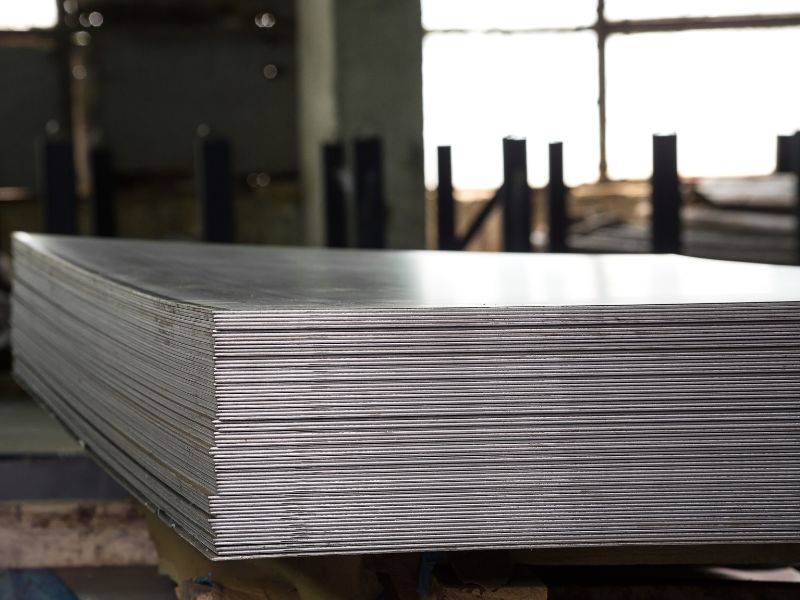
Profab makes stainless steel sheet metal parts to your drawing, flat pattern, or sample. Brackets, channels, panels, covers, and plates are stamped and bent at our factory in Fenghua, Ningbo. Laser cutting, TIG/MIG welding, and surface finishing are services we offer with the order.
Send DXF, DWG, STEP, IGES, or PDF drawings, or a physical sample.
A sheet metal part starts as a flat blank that is cut, stamped, and bent into shape. Each card lists the usual features of a part type and what your drawing should show.
L, Z, and U shapes with mounting holes or slots in each leg.
Each bend angle, the inside radius, and the hole positions.

A diagonal gusset between two legs, often with lightening holes.
The load direction, the gusset shape, and the fixing holes.
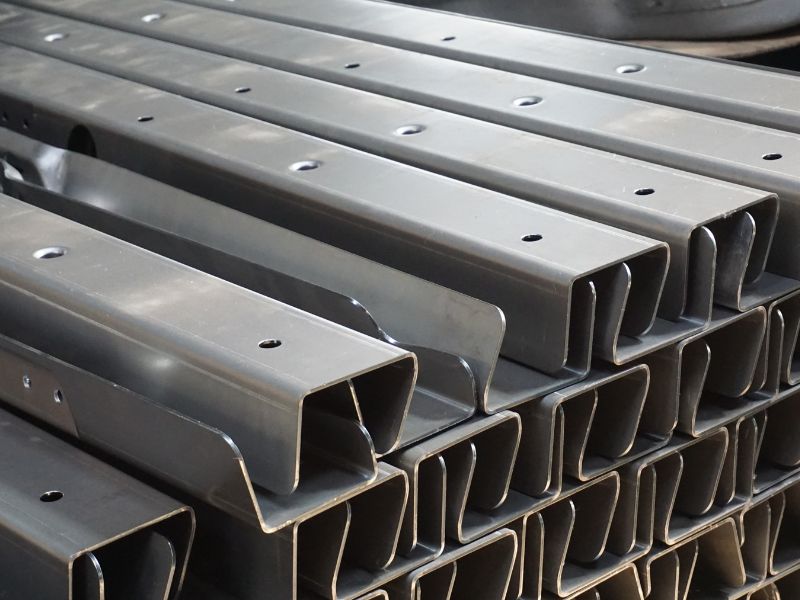
Long U or C sections with a row of holes along the web.
The length, the flange heights, and the hole pitch.
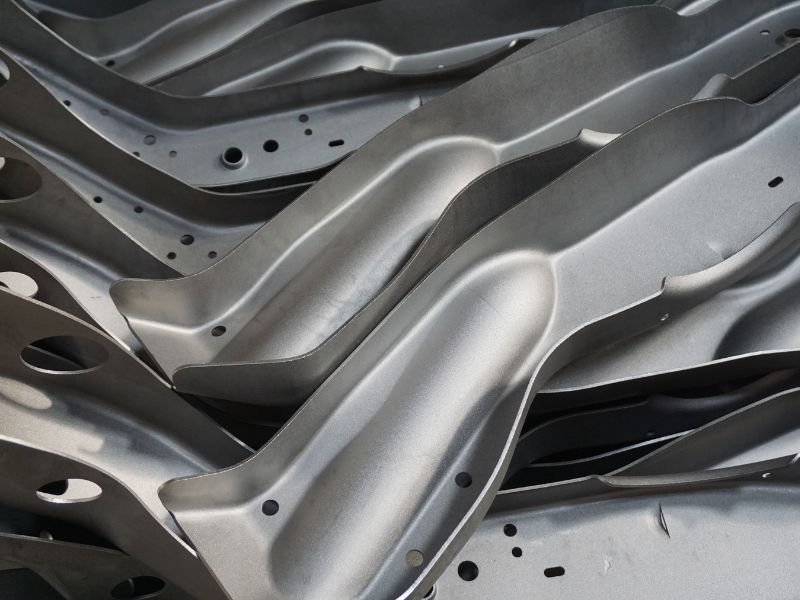
Embossed ribs, formed edges, and punched holes in one blank.
The formed depth, the rib positions, and any flat datum face.
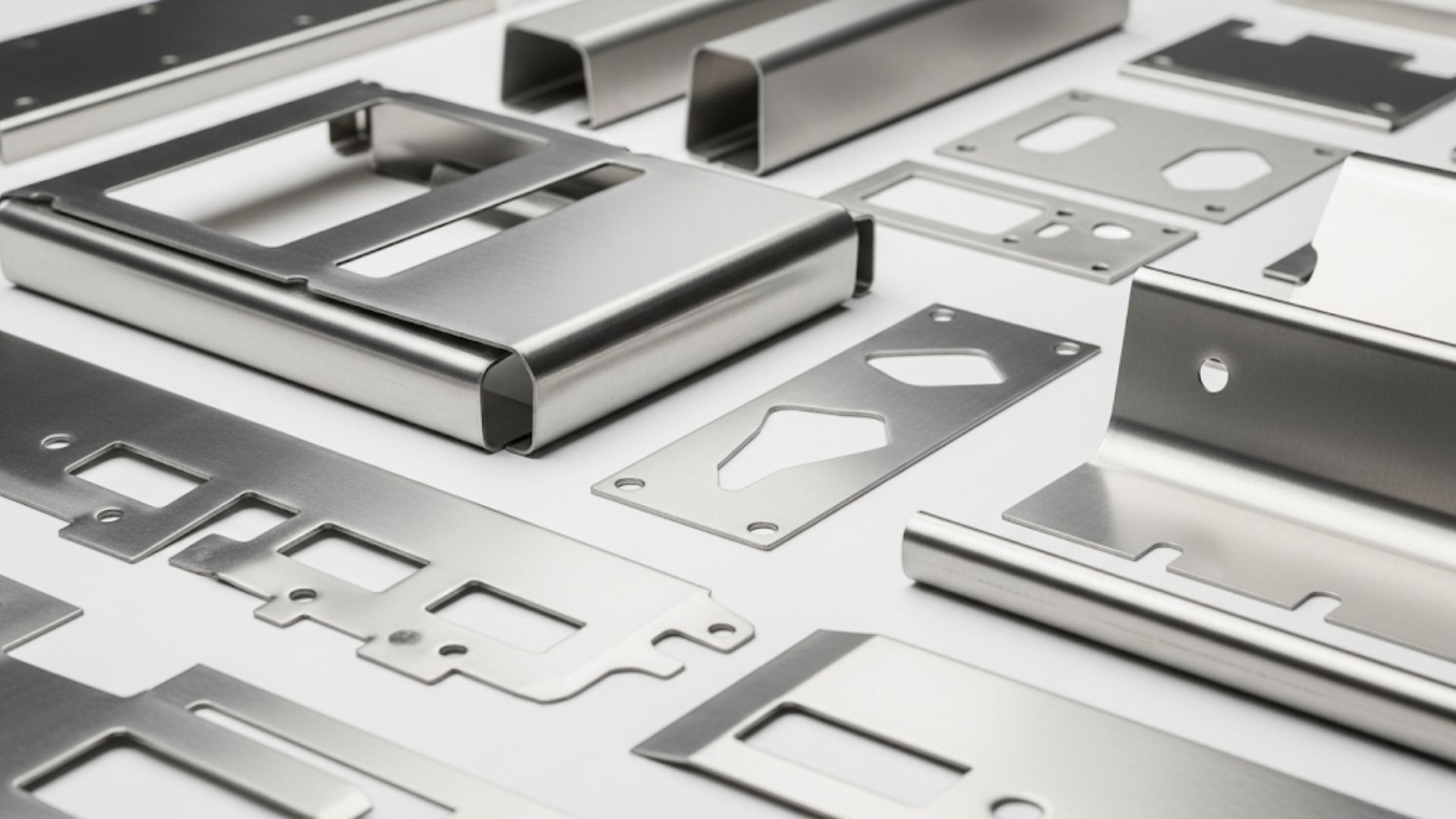
Folded boxes, covers, and access panels with cut-outs for fittings.
The fold order, the seam type, and the visible faces.
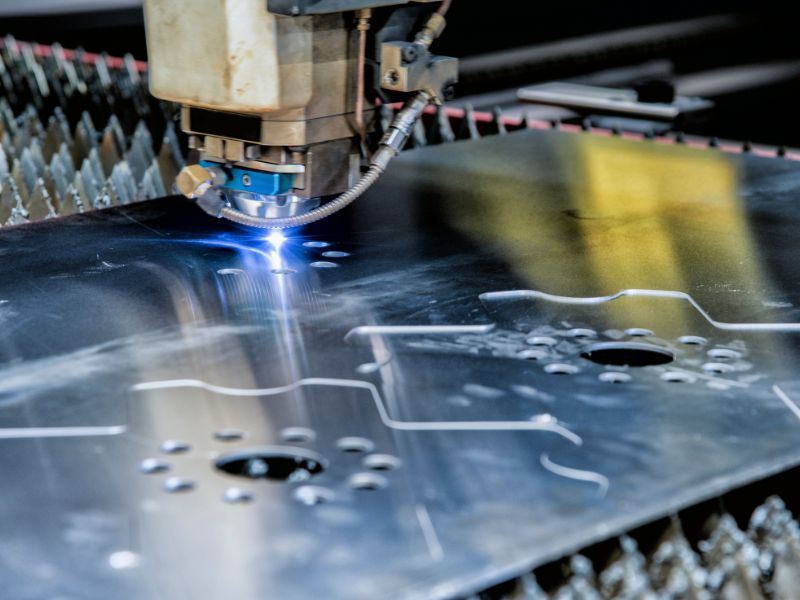
Flat outlines with holes and slots, cut from sheet and left unbent.
The outline, the hole sizes, and the edge or burr requirement.
Tapped holes, bores, and milled faces on a sheet metal part are machined on our CNC machines within the same order.
Solid blocks and housings are covered on our custom CNC parts page. Round and threaded parts have their own CNC turning parts page.
Stamping and bending happen at our factory. Laser cutting and welding are services we offer, and each card states where its step happens.
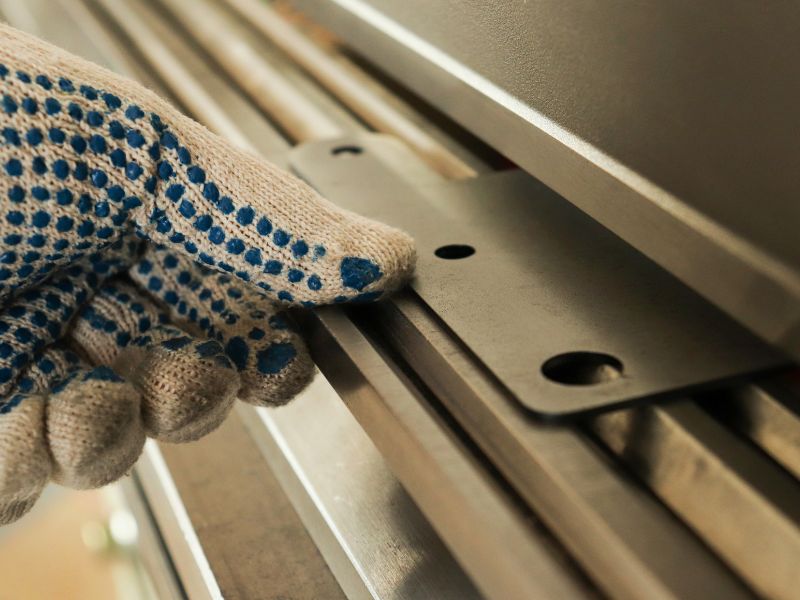
Made at our factory. Holes, slots, and simple outlines are stamped from the blank.
Hole sizes, slot widths, and the burr side.
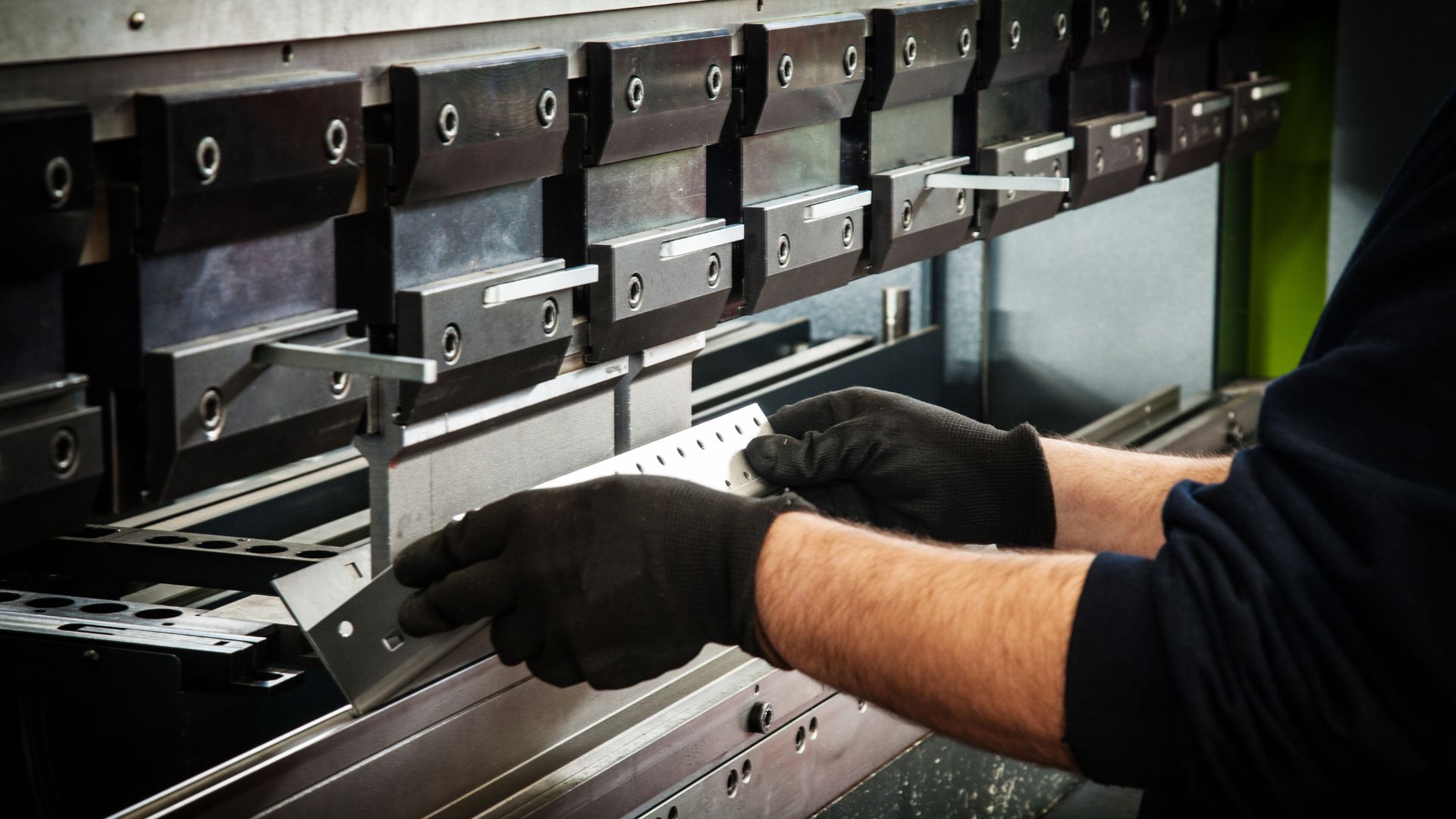
Made at our factory. Each bend is set to allow for the springback of stainless steel.
The angle after springback, the inside radius, and the bend direction.
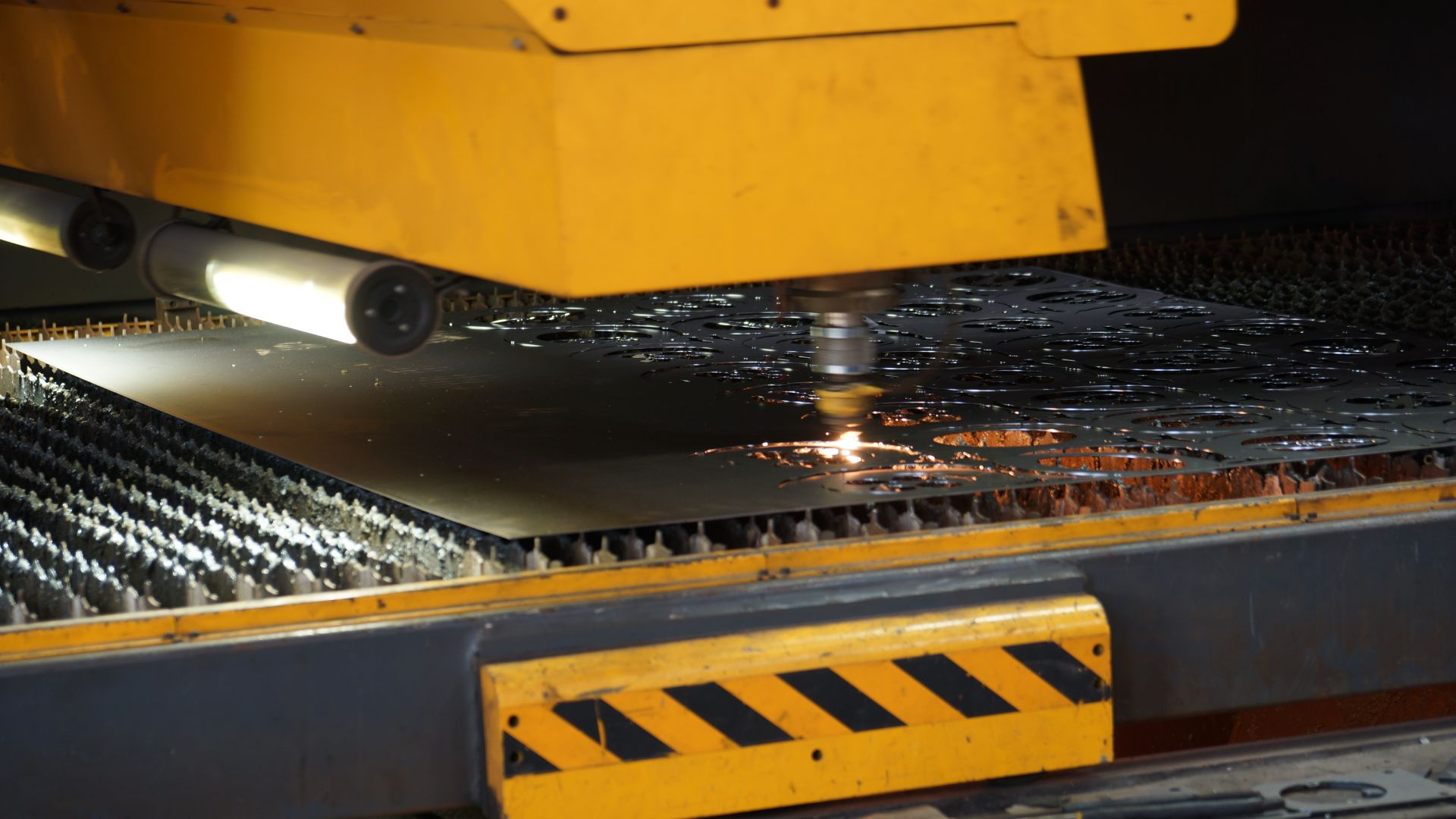
A service we offer, used when an outline is too complex for a stamping die.
A flat pattern DXF with the outline and every cut-out.
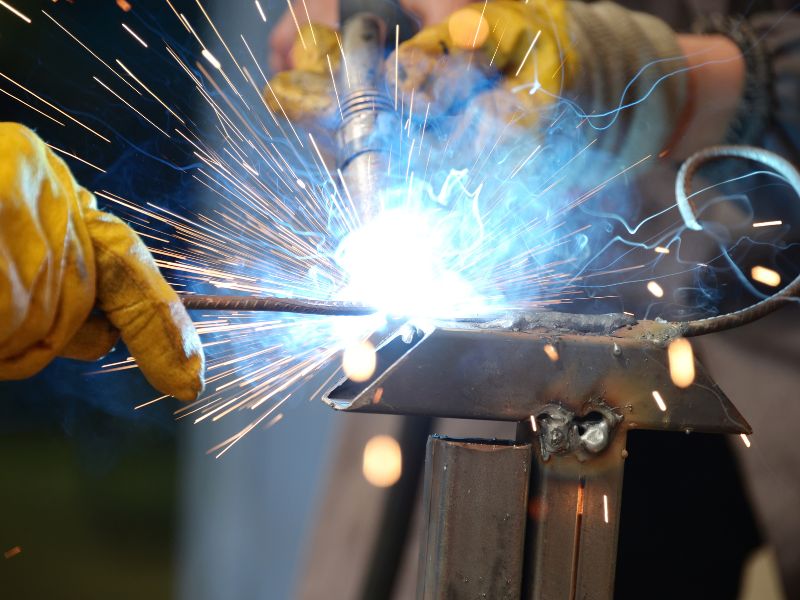
TIG/MIG welding is a service we offer for parts with joined seams.
Each weld marked as a seam, stitch, or spot weld, with its size.
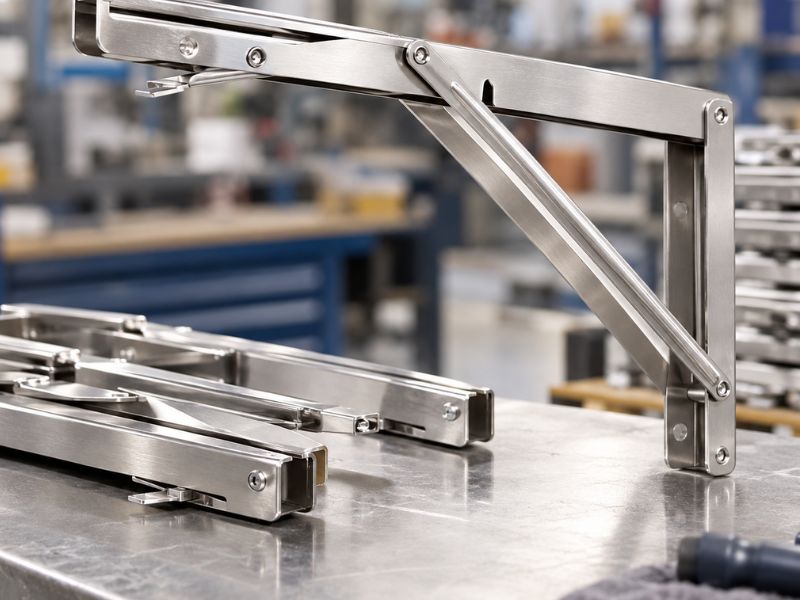
Formed features and machined features are held to different tolerances. Mark the sizes that matter, and we plan the part around them.
What a formed feature can hold depends on the grade, the thickness, and the bend.
Use these values as starting points when you draw a bent stainless part. T is the sheet thickness.
| Feature | Starting point | Why it matters | Put on the drawing |
|---|---|---|---|
| Inside bend radius | At least 1T | A tighter radius can crack or mark the outside of the bend. | The inside radius, the same on every bend |
| Flange length | About 4T or longer | A short flange cannot rest across the die and may slip. | The flange length to the outside face |
| Hole to bend line | At least 2.5T plus the inside radius | A hole closer to the bend stretches into an oval. | The hole position from the bend line |
| Bend relief | A small notch where a bend meets an edge | The notch stops the corner from tearing. | Relief width and depth, or leave it to our review |
| Springback | Allowed for in the bend setup | Stainless steel springs back more than mild steel. | The finished angle after springback |
Swipe to see all columns
These are general starting points for stainless steel, not Profab limits. Final values are confirmed in the quote review.
Send the sheet thickness with the drawing, because every value above scales with it.
Four topics raise most of the questions we ask during quoting. A note on the drawing settles each one early.
Stainless steel hardens as it bends. A part with several bends close together may need a larger radius.
A hole that must sit close to a bend can be punched after bending. Mark it on the drawing, and we plan the order of steps.
Welding leaves a heat tint beside the seam. State whether the welded area must be cleaned or passivated.
A face that touches the tooling can pick up marks during bending. Mark the visible faces, and we plan the bends around them.
Choose the grade by where the part works. The third column says how each one behaves when it is bent.
| Grade | Corrosion resistance | How it forms | Typical sheet metal part |
|---|---|---|---|
| 304 | Good for indoor and fresh-water service | Forms easily, with more springback than mild steel. | Brackets, covers, and frame rails |
| 316L | Better than 304 against chlorides | Forms well. Its low carbon suits parts welded after forming. | Washdown, coastal, and welded parts |
| 17-4PH | Lower than 316L | Not suited to bending in its supplied condition. | Machined pins and bosses fitted to a formed part |
| Other stainless grades (on request) | Depends on grade | Reviewed against your drawing | Quoted from your drawing |
Swipe to see all columns
Ratings are general guidance for comparing grades, not test results.
Sheet thickness and part size are reviewed against your drawing, so send both with the inquiry.
Tell us the finish and which faces are visible. The finish is quoted together with the part.
Passivation removes free iron from the surface after cutting, bending, and welding. It changes the size of the part very little.
Electropolishing gives a smoother, brighter surface. It removes a thin layer, so mention any close-fitting edges.
Blackening gives the part a dark color. Plating is available for hardware that is assembled with carbon steel parts.
Shot blasting gives an even matte surface. Brushed and mirror surfaces are also available on request for visible faces.
Two clips from the Profab YouTube channel. Each one loads when you press play.
 Shelf Brackets →
These product pages cover formed stainless parts and the parts often ordered with them. Each tile opens the product page with its sizes and grades.
Packing is matched to the size of the part and to how its finish must be protected in transit.
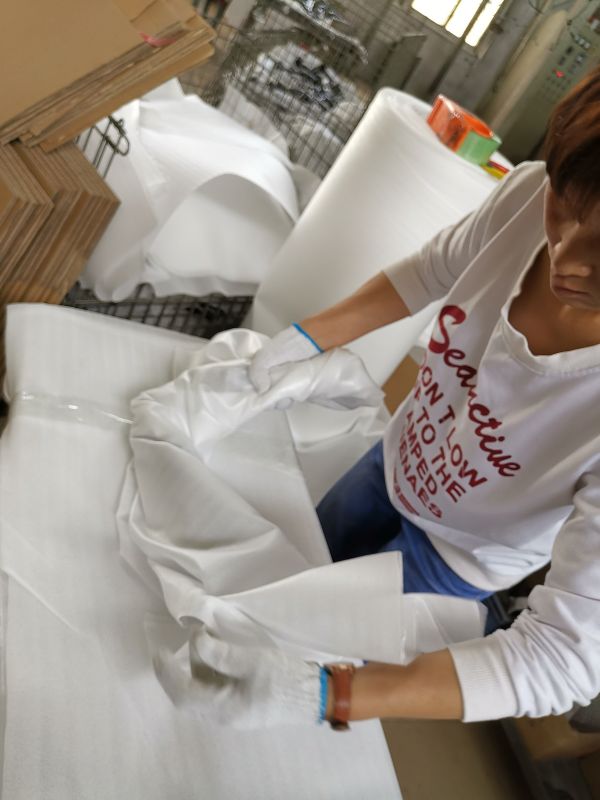
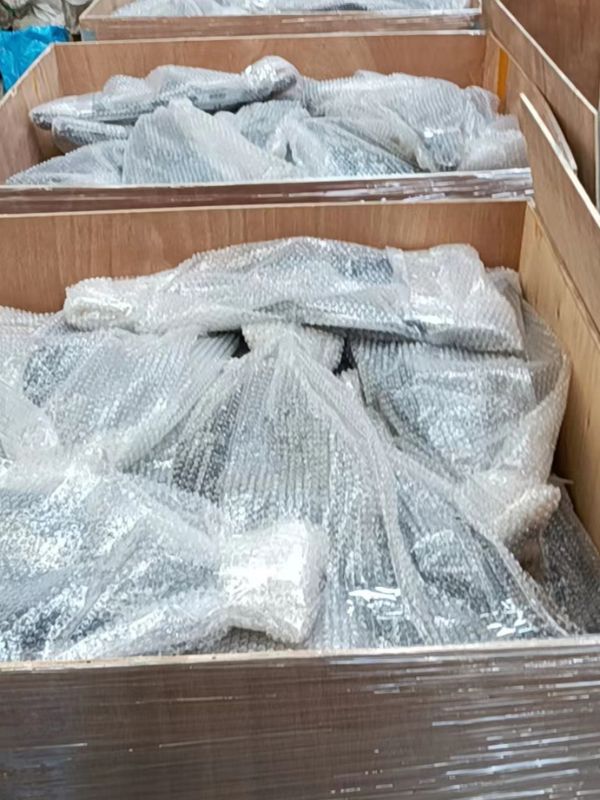
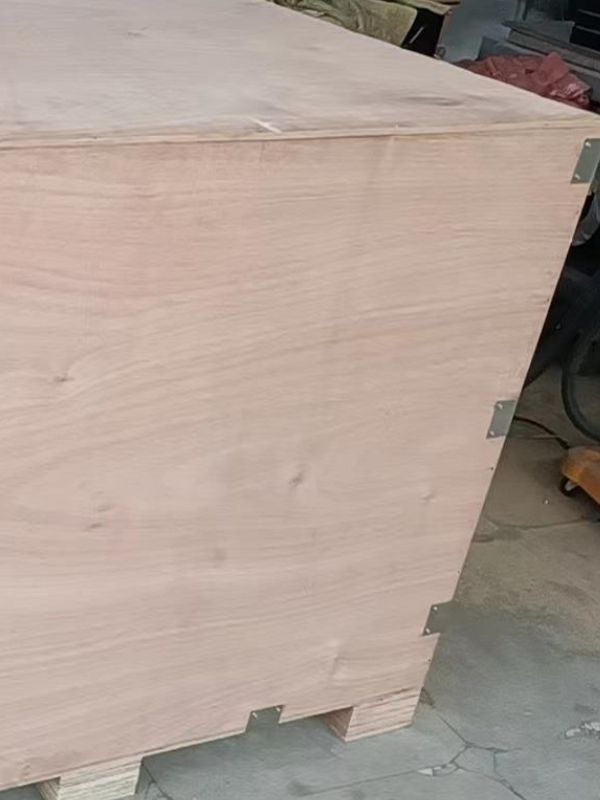
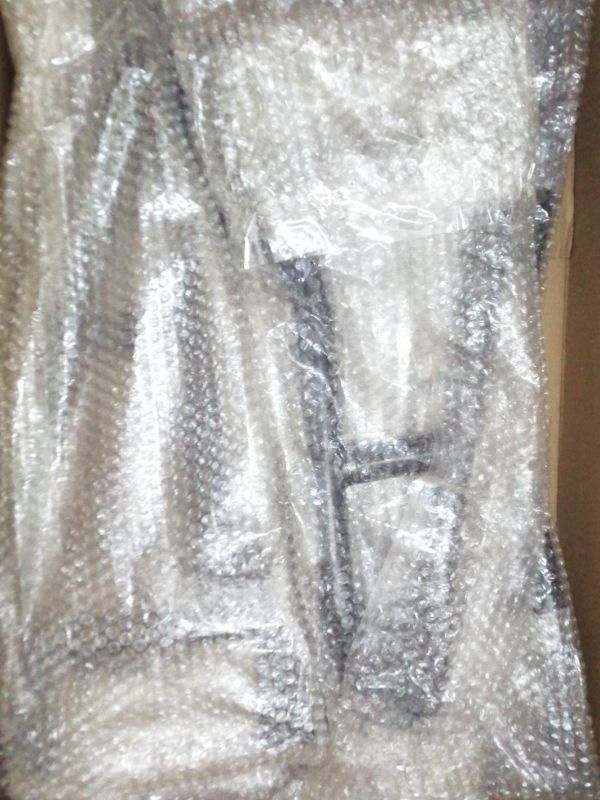
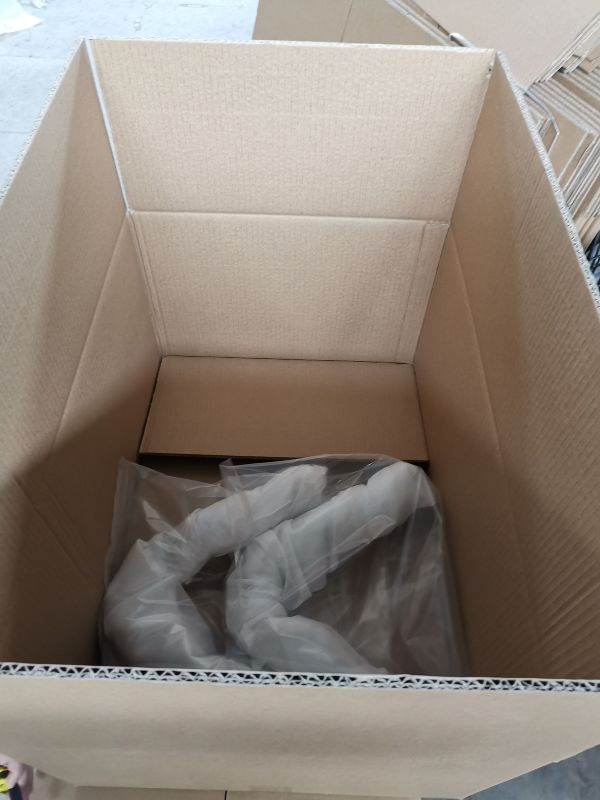
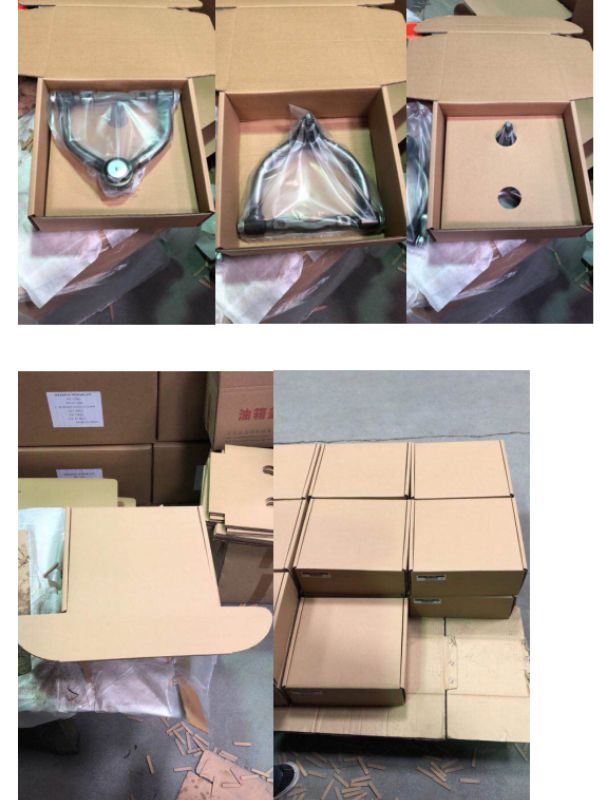
We stamp and bend your parts ourselves, so drawing questions reach the people who set up the presses.
A bent bracket with tapped holes or a bore is finished on our CNC machines. Turned pins and spacers for the same assembly can join the quote.
There is no hard minimum, and prototype runs typically start around 100 pieces. A bent bracket or a damaged cover can be measured and copied in stainless.
Send a drawing, a flat pattern DXF, or a sample. Add the grade, the sheet thickness, the quantity, and the finish.
Engineering checks the bends, the holes near bends, and the corners. We then confirm the flat pattern with you.
The quotation lists each step, including any welding or finish we offer. It can show several quantity tiers.
Sample parts are made for you to check before the full run starts.
The batch follows the approved sample. Parts ship by sea, air, or express courier.
We keep your approved drawing on file. A repeat order then starts from the same revision.
Short answers for engineers and buyers with a sheet metal part to quote.
We stamp, punch, and bend the parts at our factory. Holes, bores, and faces that need machining are cut on our own CNC machines. Laser cutting and TIG/MIG welding are services we offer with the order.
Grade 304 suits dry or mildly wet parts. Grade 316L is the better choice for parts that stay wet, meet salt, or are welded after forming. 17-4PH does not suit bending, so we use it only for machined features.
Machined holes and faces are typically held to ±0.01 mm (about ±0.0004 in) where the drawing calls for it. Formed features depend on the grade, the thickness, and the bend. We confirm them against your drawing in the quotation.
Start with an inside radius of at least one sheet thickness, and use the same radius on every bend. This is a general starting point, and the final value is confirmed in the quote review.
We offer passivation and electropolishing. Blackening, plating, shot blasting, and brushed or mirror surfaces are available on request.
Yes. We measure the sample and draw it for your approval. Mark any area that is bent out of shape or worn.
There is no hard minimum. Prototype runs typically start around 100 pieces, and quantities vary by part.
Email the drawing or the sample details to [email protected]. Engineering reviews them and replies with a quotation.
Email Your Drawing