Rod Ends
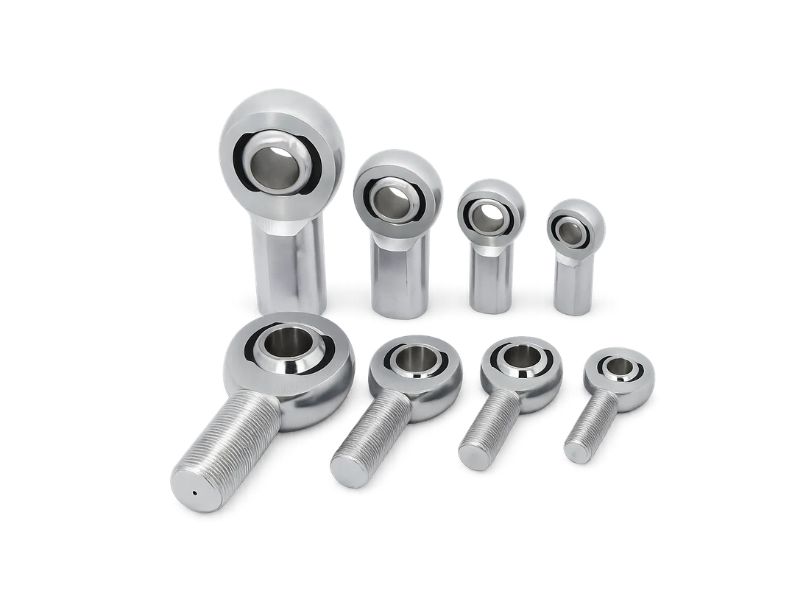
Rod ends and heim joints link an actuator to the moving frame of a bed or lift. The joint swings through its angle there.
View product →
Profab machines stainless steel parts for medical equipment from your drawing, sample, or worn part, in 304, 316L, and 17-4PH. The range covers rod ends, ball joints, bushings, clevis fittings, spacers, and threaded rod for beds, lifts, lab platforms, and mobility frames. Cleaning chemicals, crevices, and mixed metals decide the grade and the design.

Open a product page for sizes and grades, or send a drawing for a part not listed.
Rod ends and heim joints link an actuator to the moving frame of a bed or lift. The joint swings through its angle there.
View product →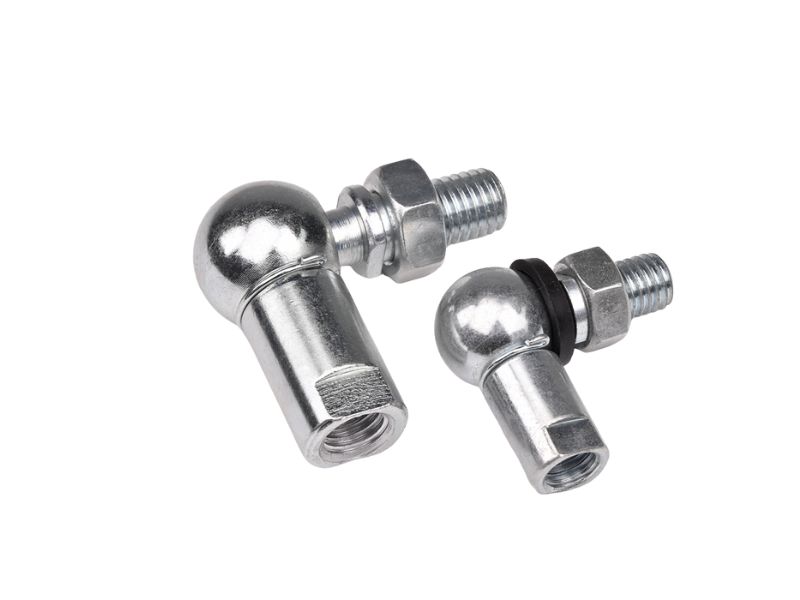
Ball joints let an arm move in more than one plane, as on an adjustable table or equipment arm.
View product →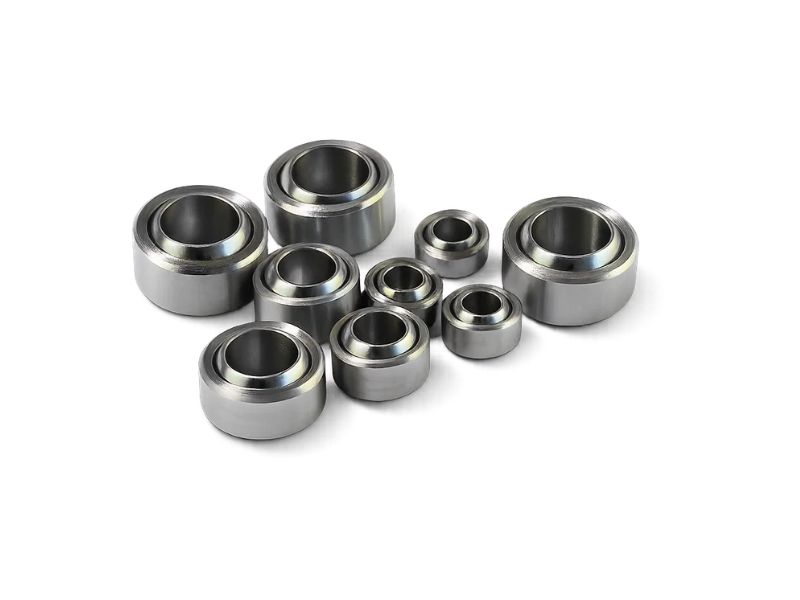
Spherical bearings sit in arm and column pivots, where two parts turn while their axes are slightly out of line.
View product →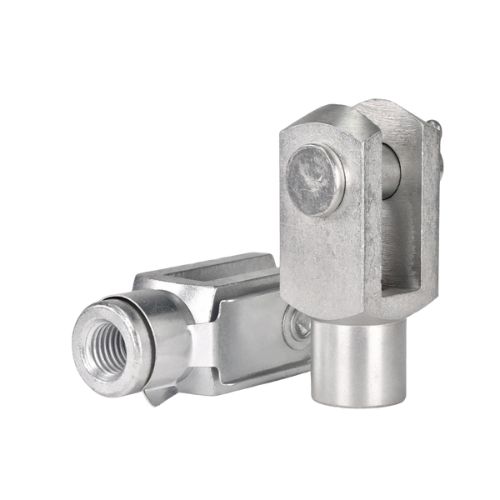
Clevis fittings join a rod to a bracket or lever with a pin, as in a backrest or leg-section linkage.
View product →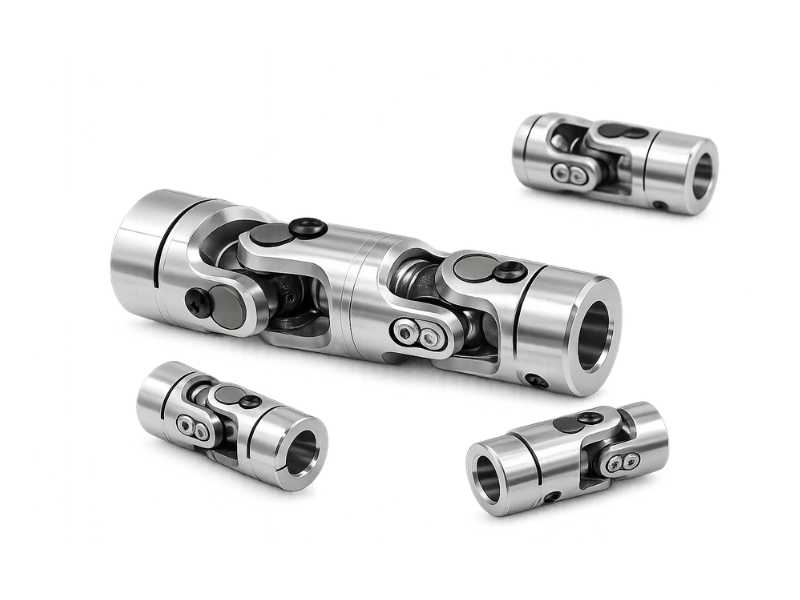
Universal joints carry rotation across an angle in a hand-crank or adjustment shaft.
View product →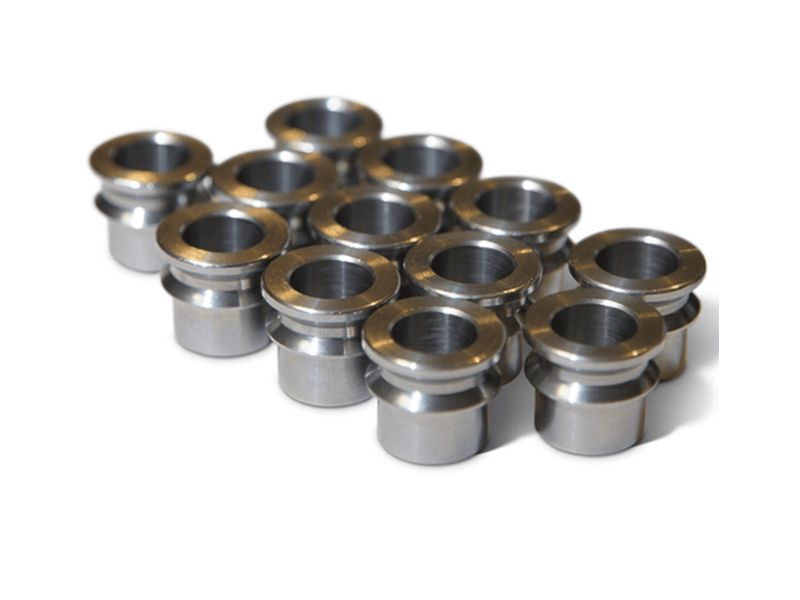
Plain and flanged bushings line pivot bores that move every day. The metal sleeve takes the wear instead of the bore.
View product →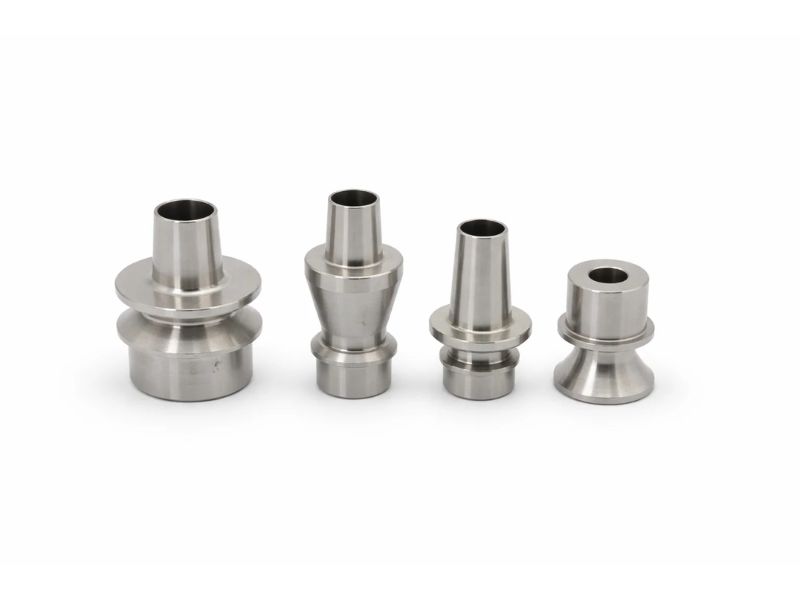
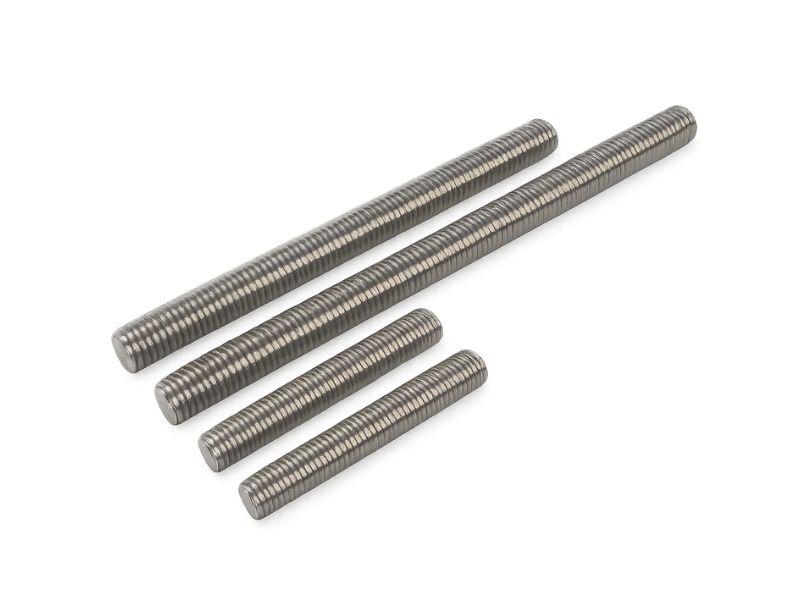
Threaded rod is cut to length for height-adjust columns, braces, and bench frames.
View product →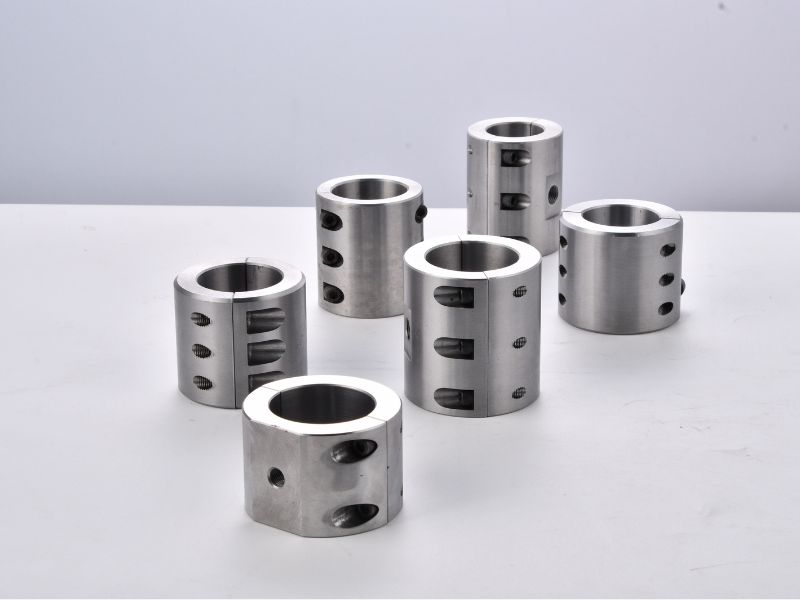

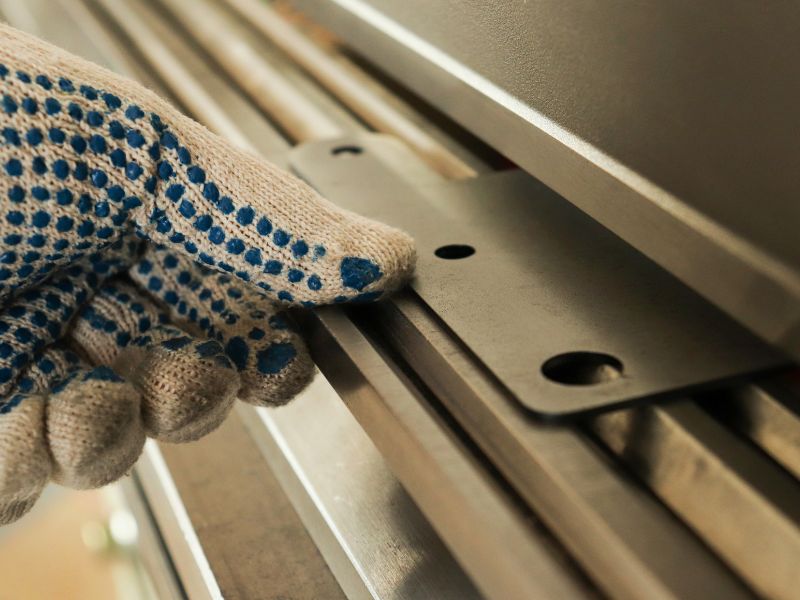

Custom CNC parts, such as handles, knobs, and pins, are made to your drawing when no listed product fits.
View product →Match the grade to the chemicals the part meets, how long it stays wet, and the metals it touches.
Grade 304 suits trolley frames, brackets, spacers, and covers that are wiped down and kept dry between uses. It costs less than 316L. For a part that never sits in saline, reagents, or a chlorine disinfectant, it is the sensible pick.
Molybdenum gives 316L better pitting and crevice resistance than 304. That makes it the safer pick for parts that stay wet, meet saline or lab reagents, or take repeated disinfectant wipes. Choose 316L when the part is welded after machining. Strong chlorine solutions still need checking against the grade.
Heat treatment hardens 17-4PH, which helps pins, shafts, and actuator parts resist wear better than in 304 or 316L. Its pitting and crevice resistance is lower than 316L, so keep it out of standing liquid. Ask for a tempered condition such as H1025.
440C is available on request for a part that needs a hardened wear face. 303 is available on request for dry, turned parts inside a housing. Both resist wet cleaning less well than 316L. We do not suggest either for parts that stay wet.
| Grade | Minimum yield strength | Pitting resistance (PREN, typical) | Typical medical equipment use |
|---|---|---|---|
| 304 | 205 MPa | 18 to 20 | Frames, brackets, and spacers kept dry between wipe-downs |
| 316L | 170 MPa | 24 to 26 | Wet areas, lab parts, and welded assemblies |
| 17-4PH (H1025) | 1000 MPa | Lower than 316L | Pins and actuator shafts kept out of standing liquid |
| 440C and 303 (on request) | Depends on condition | Lower than 316L | Wear faces and dry internal parts |
Values are typical for annealed 304 and 316L plate and for 17-4PH in the H1025 condition, given for comparison. The final grade depends on your drawing and your cleaning method.
Most failures start in a crevice, under a chlorine disinfectant, at a mixed-metal contact, or in a dry joint that galls.
Repeated chlorine wipes can pit both 304 and 316L. The pits start where liquid dries on the surface. Rinse after contact and check the cleaning chemical against the grade. Put the cleaning cycle on your drawing.
Liquid and residue stay in thread roots, blind holes, and tight joints, which is where pitting starts. A shape that drains helps. Passivation after machining also removes loose iron from the surface. We offer passivation as a service.
Aluminum arms and zinc-plated steel parts corrode where they touch stainless steel in a wet joint. A polymer washer or sleeve breaks the contact. List both metals on your drawing.
A sharp edge or burr snags gloves and cloths and holds residue, so state the edge break on your drawing. Stainless steel against stainless steel can gall without grease. To avoid that, pair a hardened 17-4PH pin with a softer bushing and list the pair.
Start from how the equipment is cleaned, then read the grade to quote first in the fourth column.
| Cleaning method | Parts that see it | What goes wrong | Grade to quote first | Design check |
|---|---|---|---|---|
| Alcohol or quaternary wipe | Frames, handles, covers, brackets | Little, apart from residue held in crevices | 304, or 316L where the part stays damp | Smooth edges and no open gaps where residue collects |
| Chlorine bleach wipe or spray | Bed frames, lift arms, cart frames | Discoloration and pitting where the bleach dries on the surface | 316L, rinsed after contact | A rinse path, no pockets where bleach pools, and passivation after machining |
| Steam autoclave | Tray fittings, small assemblies, arm joints | Water spots and pitting at crevices, from chlorides left by the water | 316L, with 17-4PH pins in H1025 | Draining holes, no blind pockets, and the cycle on your drawing |
| Saline, reagents, and body fluids | Lab platforms, analyzer fittings, parts near the patient | Pitting and crevice attack under dried residue | 316L | Crevice-free joints and passivation after machining |
| Dry, internal, no washdown | Pivot pins and bushings inside housings | Wear and galling | 17-4PH pins with 316L bushings | Different grades and hardness in the pair |
This table is material guidance only. Cleaning, sterilization, and their validation stay with the equipment maker.
Each machine puts different parts in the cleaning chemicals, the wet joint, or the daily movement. Find yours, then open the product page. We make the parts for this equipment, not implants or finished devices.

A hospital bed raises and tilts its deck through linkage, while a patient lift swings its arm on a pivot. Both are wiped with disinfectant between uses. Clevis fittings, rod ends, bushings, and threaded rod sit in those linkages. Give the pin diameter and the cleaning chemical when you inquire.
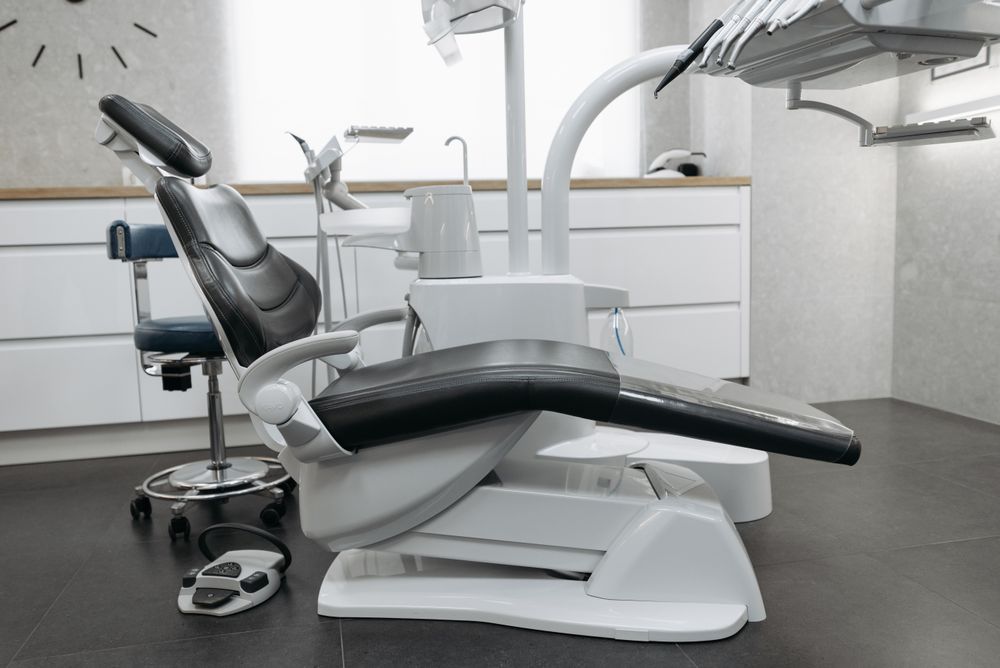
Surgical lights, instrument carts, and dental chairs move on articulated arms and column joints. Ball joints, spherical bearings, rod ends, and universal joints sit in those arms. The arm angle and the finish are the details to list.
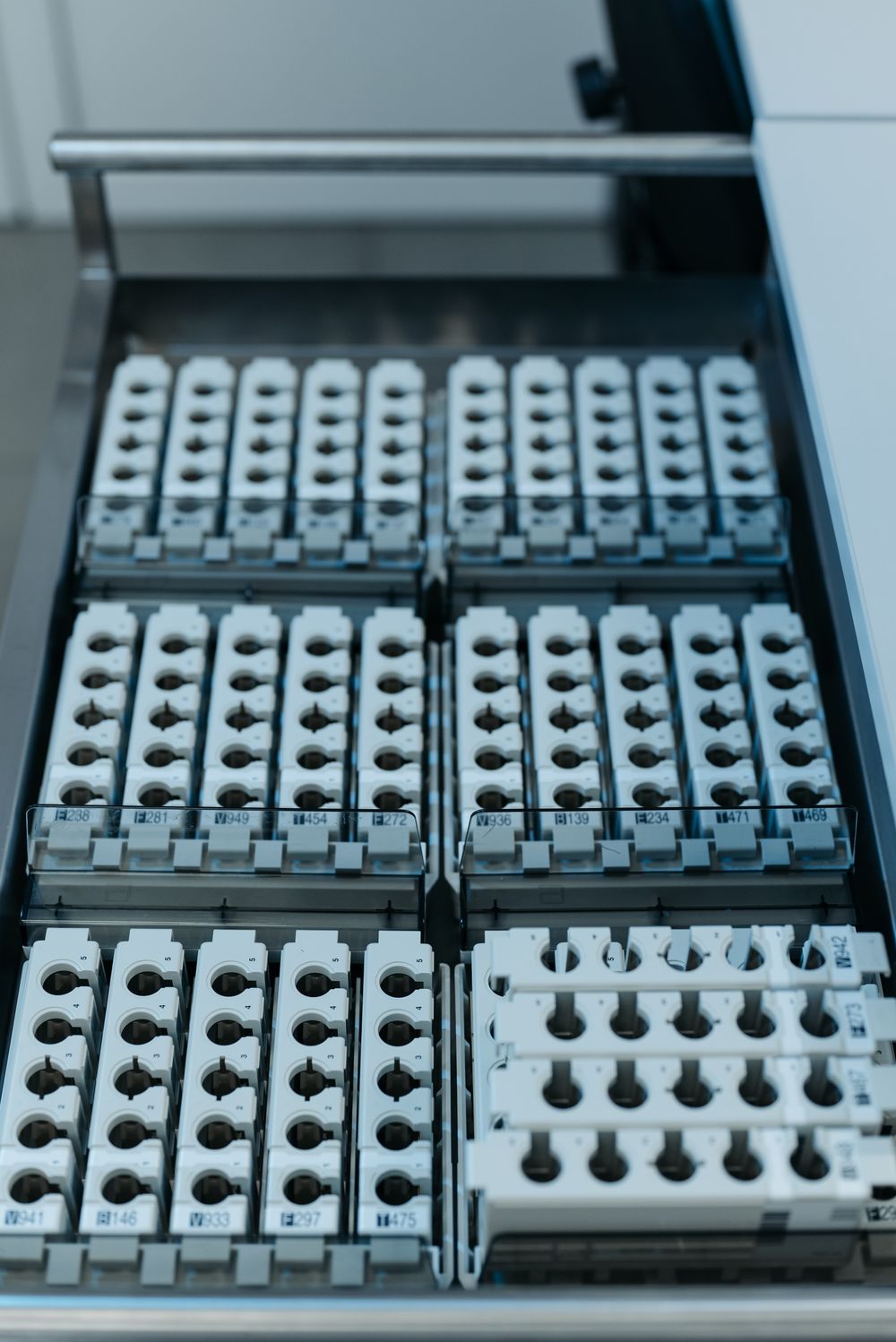
Analyzers and sample handlers position trays and racks on carriages. Their frames meet reagents and saline. Spacers, threaded rod, spherical bearings, and sheet metal brackets hold those platforms. List the reagents.

Wheelchairs, walkers, and therapy tables fold, tilt, and adjust height on pivots and tube frames. Tube clamps, clevis fittings, bushings, and wheel axle spacers sit in those frames. For these, send the tube diameter and the mating metals.
Three routes cover most medical equipment hardware. Each links to its product page.

We mill brackets, housings, and multi-face parts to your drawing, with tolerances typically held to ±0.01 mm. 5-axis machining is available on request when a part needs it.
View CNC Parts →
Spacers, bushings, pins, shafts, and rod end bodies are turned from your drawing or sample.
View CNC Turning Parts →We stamp and bend covers, trays, and brackets from your drawing.
View Sheet Metal Parts →Four steps take an order from drawing to shipment.
Send a drawing, a sample, or a worn part with the details in the checklist below.
Engineering reviews the grade, geometry, and cleaning method, then issues the quotation.
Sample parts are made for your approval before production starts.
Production follows the approved sample, and finished parts ship by sea, air, or express courier.
Medical equipment makers order small, mixed, drawing-based orders. These are the ways we make that easier.
Equipment makers order straight from the factory that cuts the metal.
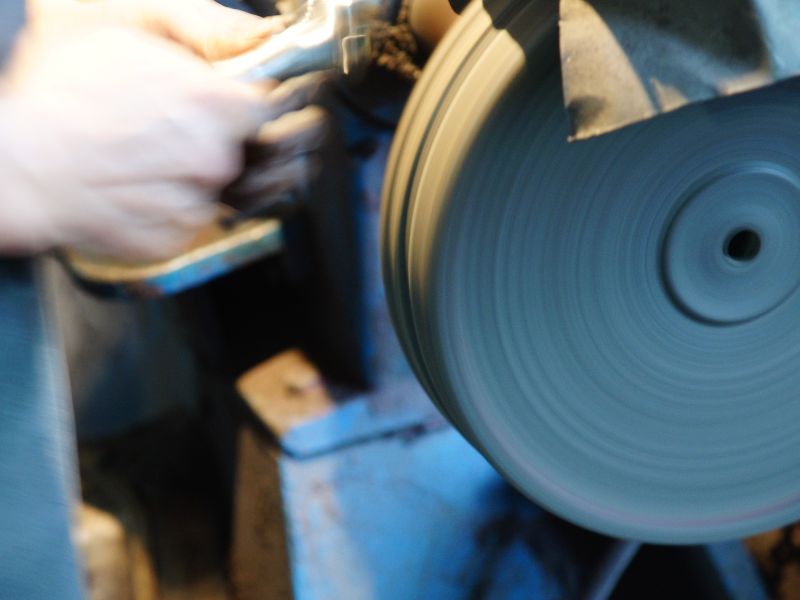
A bed, lift, or lab platform rarely needs just one part. One order can cover the linkage, the pivots, and the frame hardware together.
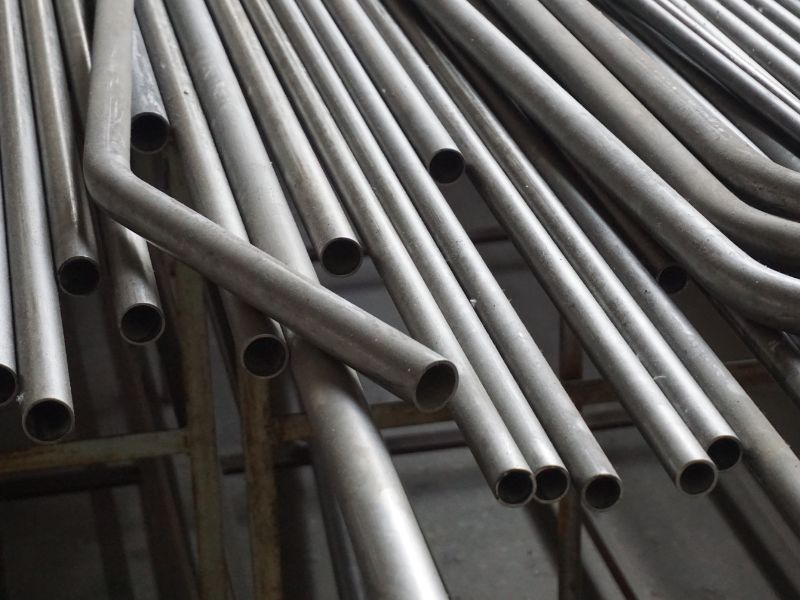
Send a drawing, a sample, or a worn part with the details below.
Include as many of these details as you have.
We check grade, geometry, and finish against your cleaning method, then quote.
These short answers cover the first engineering and purchasing questions.
316L resists pitting and crevice attack better than 304. For parts that stay wet or meet saline, reagents, or chlorine disinfectants, choose 316L. Grade 304 works for frames and brackets that are wiped down and kept dry.
Stainless steel as a material handles autoclave steam temperatures, but sterilization validation stays with the equipment maker. When you send the cycle with your inquiry, we review the grade and the shape for draining holes and open crevices.
No. We machine stainless steel components to your drawing and your chosen grade. Device approvals and biocompatibility testing stay with the equipment maker. That is because we do not make implants or finished devices.
17-4PH suits pins and shafts that need strength, but its pitting resistance is lower than 316L. Ask for a tempered condition such as H1025 and keep it out of standing liquid. Where the part stays wet, choose 316L instead.
They can, but in a wet joint the aluminum corrodes faster at the contact point. A polymer washer or sleeve between them keeps the metals apart. List both metals on your drawing.
We offer passivation and electropolishing as services for parts that need a smooth, clean surface. Other finishes are available on request. The finish listed in your inquiry is priced into the quotation.
Send the drawing, grade, equipment, and quantity for a quotation.