Drive & Conveying

Stainless Steel Roller Conveyors

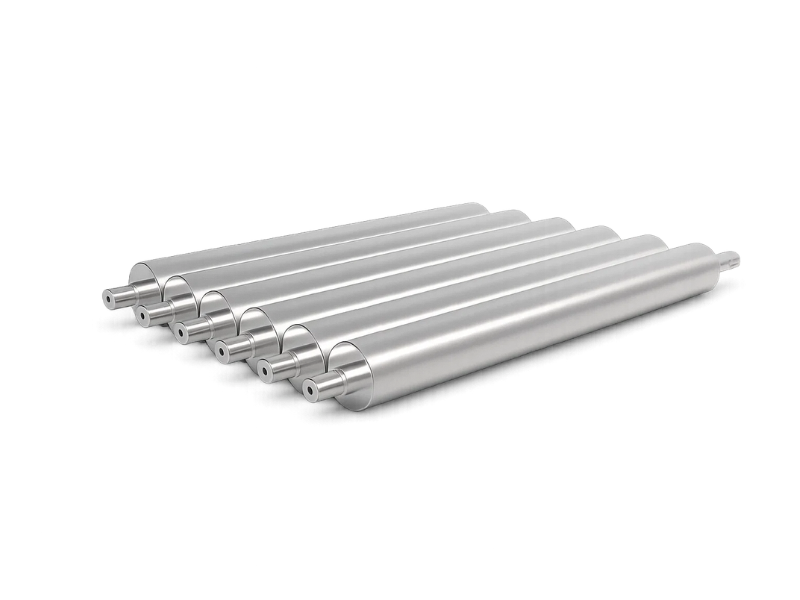
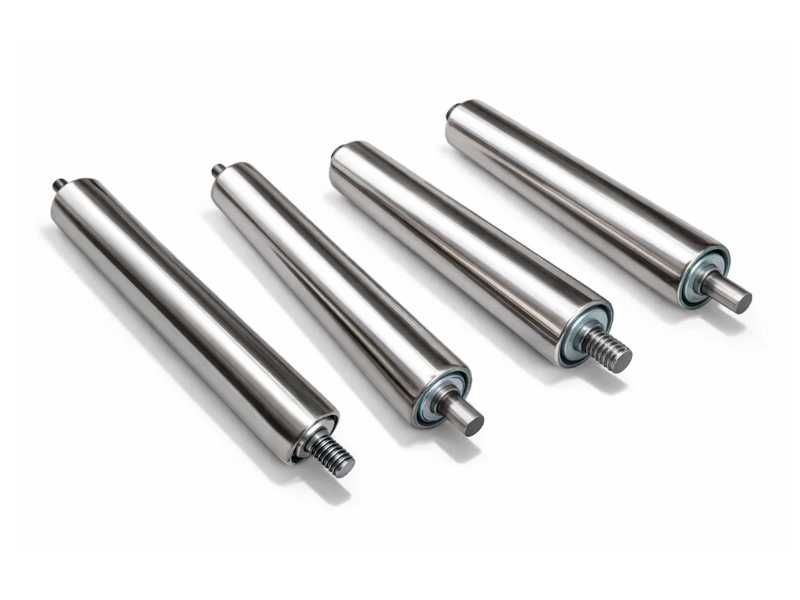
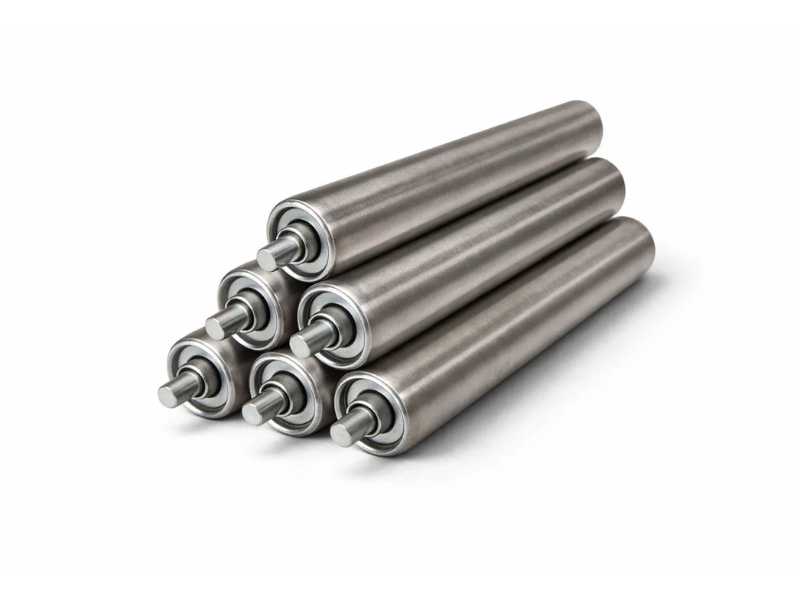
Profab Machine makes stainless steel roller conveyors and conveyor rollers in 304 and 316L, in gravity, powered, and chain-driven layouts. The tube, axle, and frame are stainless steel. We build to your width, roller pitch, and section length, and we accept OEM production runs.

  • Gravity, Powered & Chain-Driven
  • 304 & 316L
  • Custom Width & Pitch
  • Stainless Frames to Drawing
View All Types
Stainless steel roller conveyors
Product Overview

What Are Stainless Steel Roller Conveyors?

A roller conveyor is a frame that carries a row of rollers. The product rides on the rollers by gravity, a push, or a drive. Stainless steel is used for the tube, the axle, and the frame where daily washdown, caustic or acid cleaning, or salt would corrode carbon steel.

We build custom stainless steel rollers and roller conveyor sections to your drawing. A complete line also needs a drive, controls, and guarding, which we review with you.

Gravity Powered Chain-Driven
Product Range

Types of Stainless Steel Roller Conveyors

The conveyor type depends on the product weight, the line speed, the need to accumulate, and whether the conveyor must stop product without back-pressure. The three types below can share the same stainless roller and frame. We confirm the drive with you.

Stainless steel gravity roller conveyor

Stainless Steel Gravity Roller Conveyor

No Drive Low Maintenance

Stainless steel gravity roller conveyors have free-spinning rollers in a fixed frame that move product by hand, by a slight incline of about 1° to 3°, or by momentum from upstream equipment. With no motor, gearbox, or chain, there is no electrical enclosure to seal against washdown and fewer places for residue to collect. It suits assembly staging, accumulation lanes, and packing out-feed.
Stainless steel powered roller

Stainless Steel Powered Roller (MDR)

Zone Accumulation Packaging

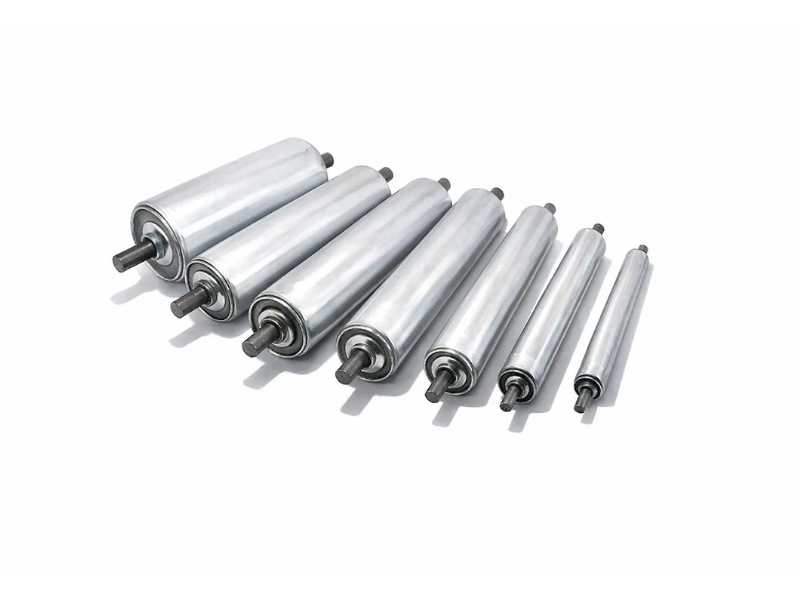
A powered roller (MDR) conveyor has a motor built into one tube that drives the rollers next to it through drive bands. A low-voltage DC motor is a common choice for washdown. Switching zones on and off lets product accumulate without pushing against the next carton. We make the stainless frame and rollers. The drive and controls are matched to your line in a system review.

Stainless steel chain-driven live roller

Stainless Steel Chain-Driven Live Roller

High Torque Pallets & Drums

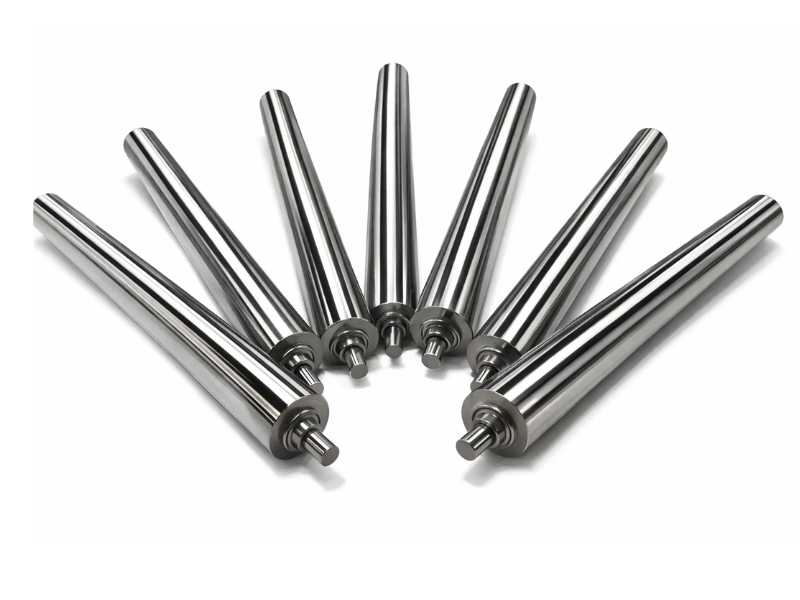
A chain-driven live roller (CDLR) conveyor has roller chain under the bed and drives each roller through a sprocket, which moves drums, IBC totes, pallets, and heavy crates that light drives cannot. We make the 316L tubes, the stainless chain, and the sprockets. Motors and gearboxes are matched to your system in a review.

Roller Size Reference

Typical Roller Sizes

Roller diameter and wall gauge set the load per roller on a stainless steel roller conveyor. Give the product length, width, and weight when you enquire, and we calculate the roller pitch so at least three rollers always support the shortest product in your mix.

Roller DiameterWall GaugeTypical Roller CapacityTypical Frame Capacity per ft
1 3/8 in (35 mm)16 ga (1.5 mm)90 lbs~180 lbs
1 5/8 in (41 mm)16 ga (1.5 mm)100 lbs235 lbs
1 3/4 in (45 mm)11 ga (3 mm)290 lbs~400 lbs
2 1/2 in (63 mm)11 ga (3 mm)594 lbs~800 lbs
3 1/2 in (89 mm)7 ga (4.5 mm)1,000+ lbsCustom
CustomPer specPer calcPer application

These are typical values for a 20 in (510 mm) roller length, for reference only. Capacity depends on the tube, the shaft, the bearing, and the roller length, so confirm it against your load before ordering. Typical ranges: between-frame widths of 12 to 60 in (up to 96 in on request), section lengths of 5 ft and 10 ft, and roller pitch of 1.5 to 12 in, with custom pitch available.

Washdown Rating & Bearing Selector

Choosing the Right Combination

A stainless steel roller conveyor is only as clean as its weakest part. In a washdown the bearing is often the first to fail. Choose the build by how the line is cleaned.

Cleaning LevelTypical Build
Wipe-down, low splash304 tube, plastic housing bearing
Regular hose washdown304 tube and axle, sealed bearing
Frequent CIP304 or 316L, continuous weld, sealed bearing
Sterile area316L, smooth surface finish, grease agreed per project
Sealed bearingKeeps water out and is replaced when worn. Use it for washdown.
Shielded bearingCan be re-greased and runs faster. Keep it out of wet zones.
Sleeve bearingSelf-lubricating and quiet, for light to medium loads.
Material Specification

Choosing the Right Grade

A conveyor roller has five material parts: the tube, the axle, the bearing, the housing, and the frame. If you name only the tube grade, the axle and the bearing can corrode from the inside in a wet or acidic area, so name every part.

304 Stainless

304 is the usual grade for stainless steel roller conveyors in food lines cleaned with standard caustic and mild acid CIP. Its chromium and nickel give adequate corrosion resistance there. 304 also welds well, so a continuous-weld frame stays at a sensible cost.

Food & Washdown Standard

316L Stainless

316L is the grade for stainless steel roller conveyors where chloride-bearing sanitizers, seawater-adjacent plants, or salty and acidic product are present. Its 2 to 3% molybdenum gives a PREN of about 24, which helps the tube surface and the weld zones that attack 304.

Corrosive / Chloride Service
Applications

Diverse Applications of Stainless Steel Roller Conveyors

Stainless roller conveyors are chosen where carbon steel would corrode, where daily washdown with caustic or acid chemistry is routine, and where the plant needs materials that suit product-contact surfaces. Each line needs the grade, the bearing, and the weld finish matched to how it is cleaned.

Selection Guide

How to Specify a Stainless Steel Roller Conveyor

Work through these points before you request a quote, and send what you know.

FactorWhat to ConfirmWhy It Matters
Conveyor typeGravity, powered, or chain-drivenThe type decides the drive and the frame.
Frame and sectionWidth between frames and section lengthThey set the layout and the supports.
RollerDiameter, wall, and pitchCapacity and product support depend on them.
ProductLength, width, weight, and baseAt least three rollers should carry the shortest product.
Grade304 or 316L, for the tube, axle, and frameThe cleaning chemistry decides the grade.
BearingSealed, shielded, or sleeveA sealed bearing suits washdown.
EnvironmentWashdown method, temperature, and chemicalsThey drive the material and weld finish.
Why Profab

Your Reliable Stainless Steel Roller Conveyors Supplier

01

Direct from the Manufacturer

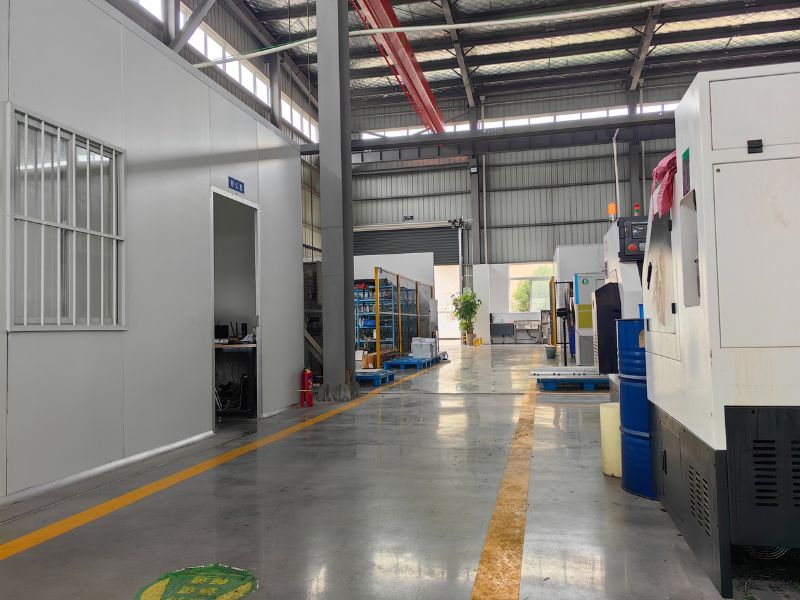
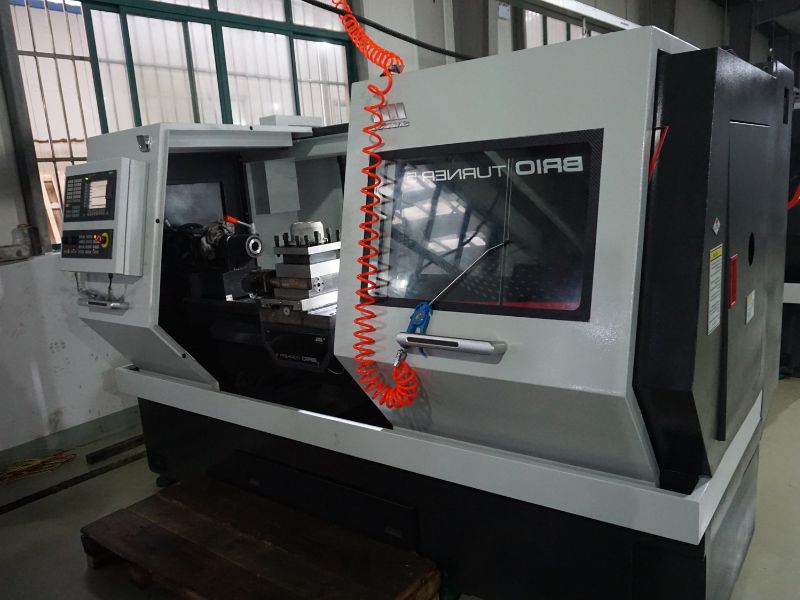
We CNC machine your stainless steel roller conveyor rollers and axles ourselves, so you deal directly with the factory.

02

Engineering Support and Sampling

Send a drawing or your product dimensions and weight. Our engineers will review the roller pitch, the frame, and the material before cutting metal. Samples are typically ready in about 20 days.

03

Pricing That Scales With Your Order

Pricing is tiered by order quantity, so the price per roller falls as the quantity rises. We are glad to talk through terms for long-term partnerships.

FAQ

Common Questions

Not seeing your question? Email us at [email protected] and we typically reply same day.

More Questions
What weld finish should I require for a stainless steel roller conveyor frame in a food zone?

Ask for continuous welds at every frame joint, not stitch or skip welds, with the beads on product-zone surfaces ground flush to a smooth profile. That removes the crevices that trap residue and resist CIP fluid.

How do I choose the roller pitch for a stainless steel roller conveyor?

Use at least three rollers under the shortest product in your mix, so the maximum pitch is the shortest length divided by three, rounded down to a standard pitch. For a 300 mm carton, that is 100 mm. Soft or uneven loads, such as fresh produce, flexible packs, and cans without a rigid base, usually need a tighter pitch of 50 to 75 mm to stop tipping and sag.

What is the difference between sealed and shielded bearings on a stainless steel roller conveyor?

A sealed bearing has a seal on both sides that keeps washdown water and chemicals out, and it is replaced when it wears. A shielded bearing has a metal shield that keeps out large particles but lets moisture in, and it allows re-greasing and higher speed, so keep it out of direct-wash areas.

Can you supply a complete powered stainless steel roller conveyor?

We make the stainless frame, rollers, axles, chain, and sprockets to your drawing. Motors, gearboxes, and controls are matched to your line in a system review, so tell us the line you need and we will say which parts we make.

What should I send to quote a custom stainless steel roller conveyor?

Send a drawing, or give the conveyor type, width between frames, roller diameter and pitch, section length, the product dimensions and weight, the grade, and how the line is cleaned.

How to Order

From Inquiry to Delivery

1

Send Specs

Send the conveyor type, frame width, roller size and pitch, section length, grade, and product weight.

2

Respond Within 24 Hours

Our engineers review your roller conveyor request or drawing and send you a specific quote within 24 hours.

3

Production

Standard lead time for roller conveyors is 30 days. Custom designs are sampled before the full production run.

4

Delivery

We ship roller conveyors by sea, air, or express courier. A tracking number follows once the order ships.

We support small-batch and prototype runs with no hard minimum order quantity. A first prototype run is typically around 100 pieces.

Get in touch with

Ready to Source Stainless Steel Roller Conveyors?

If you already have drawings, email [email protected] directly and we will quote from them.

[email protected] ↗
Request a Quote

Include the key dimensions, grade, and quantity in your message.

Send Your Inquiry Today