Plain Sleeve Bushing
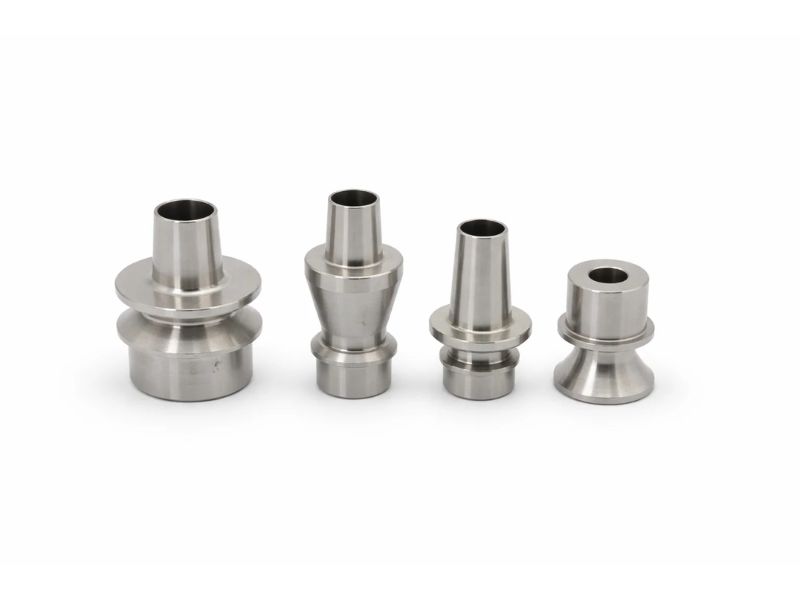
A cylindrical sleeve with a precision-bored ID and a turned OD. It presses into a housing bore and gives a shaft or pin a running surface. It is made in 304, 316L, and 17-4PH.
Profab Machine machines custom stainless steel bushings in 304, 316L, and 17-4PH. Plain, flanged, grooved, and PTFE-lined types are made to your drawing or sample, with tolerances as tight as ±0.01 mm. Heat treatment for 17-4PH parts is available as a service.

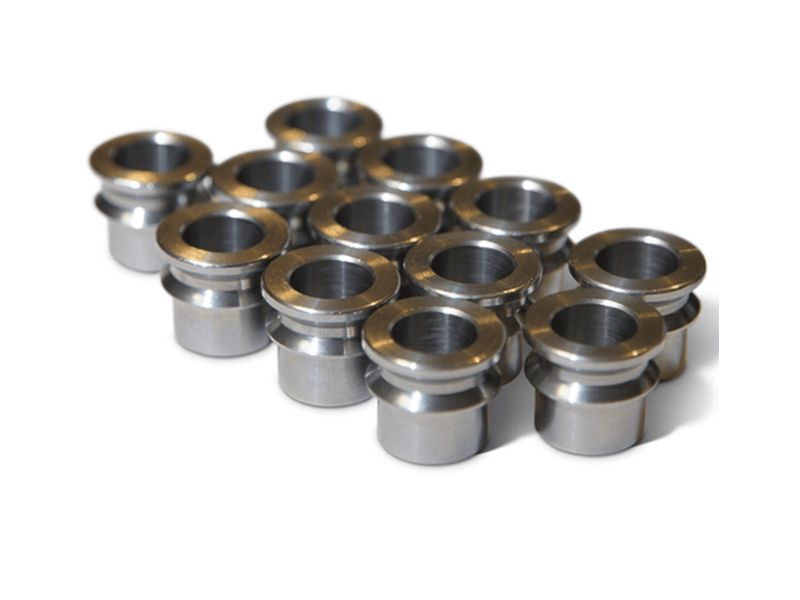
A stainless steel bushing is a sleeve that gives a shaft or pin a wear surface inside a housing. Stainless steel resists corrosion through a self-repairing oxide layer, but it is not a low-friction sliding material on its own. Two stainless surfaces can gall, so the bushing is paired with a suitable shaft, lubricant, or PTFE liner. Profab Machine machines plain, flanged, grooved, and PTFE-lined bushings, plus threaded hex and linear ball bushings.
A stainless steel bushing supports a shaft or pin and takes the wear so the housing does not. It is pressed into the housing, and the shaft runs in its bore. Choose it by shaft size, housing bore, fit, load, and lubrication. A bushing is not a spacer, which only holds distance, and not a pipe fitting, which joins pipe.
Profab Machine makes each type below to your ID, OD, and length. Send a drawing or sample, or list the dimensions when you enquire.
A cylindrical sleeve with a precision-bored ID and a turned OD. It presses into a housing bore and gives a shaft or pin a running surface. It is made in 304, 316L, and 17-4PH.

A sleeve with an integral flange at one end. The flange locates the bushing in the housing and stops it pushing through, and it gives a bearing face for light thrust. It suits hinge pins and pivot points, including pivots built with rod ends.

Circumferential or helical oil grooves are machined into the bore. The grooves spread lubricant around the shaft, so the bushing suits equipment that is greased on a schedule, such as agricultural machinery and conveyors.

A stainless steel backing with a low-friction liner, typically PTFE composite. It can run dry within the load and speed limits of the liner, which suits food processing, pharmaceutical, and outdoor equipment.

Hex bushings are threaded reducer fittings that connect two pipes or hoses of different sizes. They are pipe fittings, not bearings. They come in NPT and BSP thread forms, in 304 for general industrial use and mild environments, and in 316 for chloride, seawater, and chemical piping.
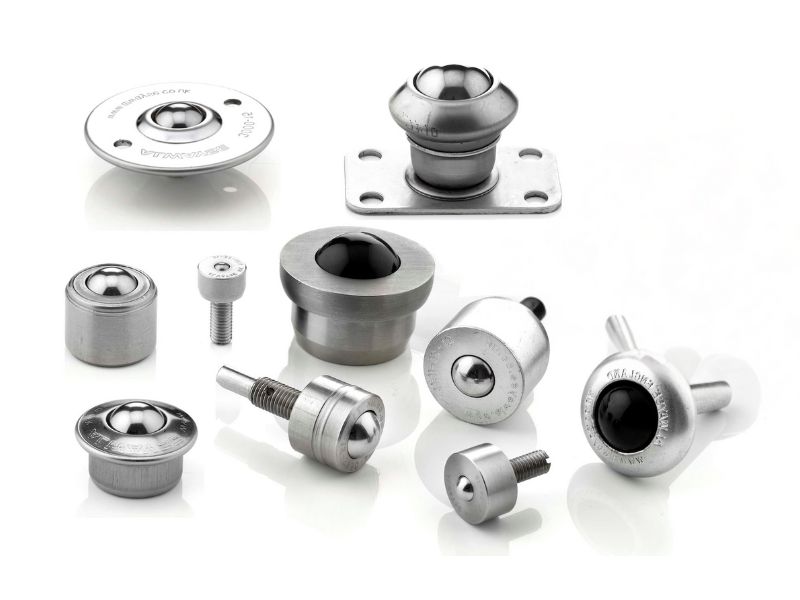
A linear ball bushing is a rolling-element bearing. Recirculating balls let a part slide along a dedicated shaft with low friction. It is a different product from a plain sleeve bushing and needs its own shaft. Send the shaft diameter, load, and stroke.
A bushing supports a shaft that slides or turns in it, so it needs a wear-rated fit and often lubrication. A spacer only holds distance and relies on a bolt. If the part sits still on a bolt, you want a spacer.
A solid stainless bushing is a corrosion-resistant sleeve that needs a suitable shaft and lubricant, because stainless on stainless can gall. A PTFE-lined bushing has a low-friction liner and can run dry within its load and speed limits.
See our stainless steel spacers for parts that only hold distance.
Standard ranges for CNC-turned plain sleeve and flanged bushings are below. All sizes are metric, imperial equivalents are quoted on request, and dimensions outside these ranges are made to drawing.
| Bore ID (mm) | OD Range (mm) | Wall (mm) | Length Range | Std Bore Tol. |
|---|---|---|---|---|
| 3 – 8 | 5 – 14 | 1.0 – 3.0 | 3 – 30 mm | H8 |
| 8 – 18 | 12 – 28 | 2.0 – 5.0 | 5 – 60 mm | H8 |
| 18 – 30 | 24 – 45 | 3.0 – 7.5 | 8 – 80 mm | H7 |
| 30 – 50 | 38 – 65 | 4.0 – 7.5 | 10 – 120 mm | H7 |
| 50 – 80 | 60 – 100 | 5.0 – 10 | 15 – 150 mm | H7 |
| 80 – 150 | 95 – 180 | 7.5 – 15 | 20 – 200 mm | H7 (H6 available) |
| Custom | Any | Custom wall | Any length | Per drawing |
Typical ranges, for reference only. Confirm sizes and fits against your drawing.
Include your shaft diameter and tolerance class in the quote form and we will recommend the bushing bore tolerance. For an OEM replacement, send a sample or the drawing reference and we will machine to match.
| Fit | Use | Shaft Tolerance |
|---|---|---|
| H6 | Tight fit for high-speed, high-load rotating shafts that need minimum radial clearance | h5 or g5 |
| H7 | Standard fit for most industrial rotating and oscillating uses; default for bores of 18 mm and above | h6, g6, or f7 |
| H8 | Medium clearance for slow rotation, oscillation, and fixed pivot pins; default for bores under 18 mm and easier to install | Per drawing |
| H11 | Wide clearance for spacers, standoffs, and jobs that must absorb misalignment or thermal growth | No precision shaft needed |
These are bore tolerances before installation. A press fit into the housing changes the installed bore, so give us the housing bore and the fit you want, and we will set the bushing to suit.
304 is the standard austenitic grade for non-marine, non-chemical environments. It machines well, which allows tight bore tolerances at a competitive cost, and it suits food equipment, automation, and indoor industrial use.
316L is the grade for salt spray, seawater, and chloride-rich environments. Its 2 to 3% molybdenum gives a pitting resistance number of about 24, well above 304. It suits marine fittings, valves, pump trims, and outdoor installations.
17-4PH is a precipitation-hardened martensitic grade with a tensile strength of at least 1,310 MPa in the H900 condition. Choose it for high-load bushings in a small envelope, where 304 or 316L would have to be larger. Heat treatment is available as a service.
Stainless bushings suit places where carbon steel or bronze would corrode or contaminate the assembly.
316L bushings suit sliding positions, fittings, valves, and pump trims in salt spray. Where the structure is aluminum, plan for galvanic corrosion at the joint.
Stainless bushings in suspension pivots cut wear between parts. 17-4PH suits high-load pivot pins where the space is tight.
Stainless bushings suit instruments and device hardware that must resist corrosion and repeated cleaning. We machine to your drawing and material specification.
Stainless bushings resist many acids and alkalis, so they suit valves and pumps in process lines. Confirm the exact chemical and temperature against the grade.
304 and 316L bushings suit conveyor pivot pins, filling machine guides, and packaging machinery. PTFE-lined types run dry, so no grease reaches the product zone.
Pumps, motors, and conveyors use stainless bushings where wear life in a wet or corrosive setting is the main design need.
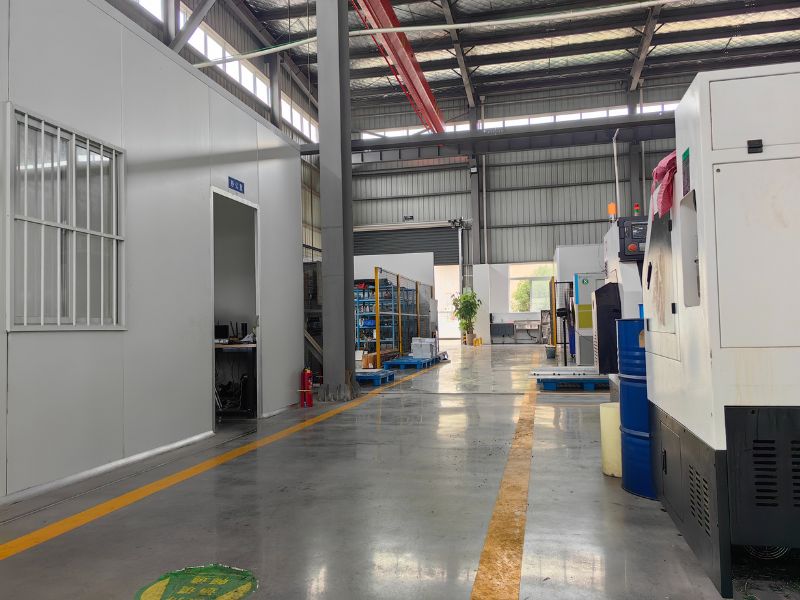
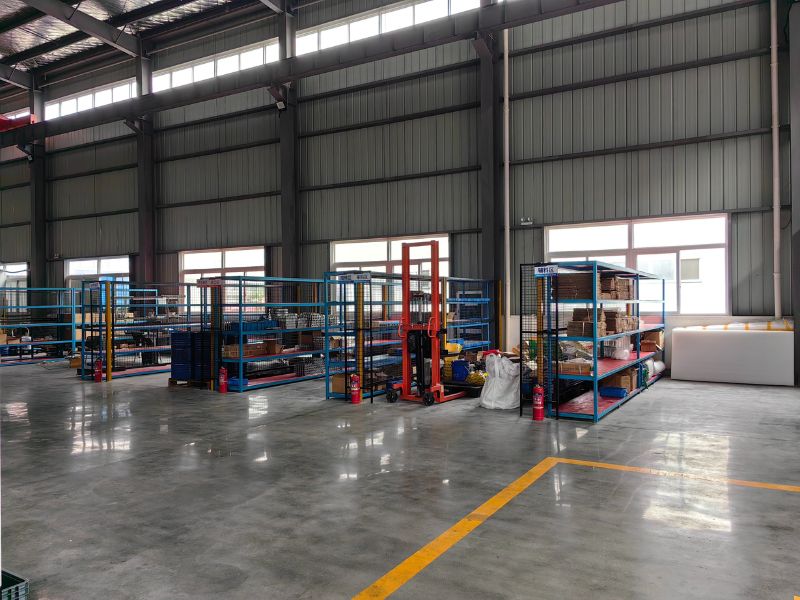
We CNC turn and grind your bushings ourselves, so you deal directly with the factory on drawings, samples, and quotes. The fit you specify is the fit we machine.
Send your shaft diameter, tolerance, and housing bore, and we recommend the bushing bore tolerance. For a replacement, send a sample or the drawing reference and we machine to match. Samples follow quickly.
We offer tiered pricing on larger orders, so the cost per part falls as your quantity rises. Longer-term partners get more flexible terms.

Not seeing your question? Email us at [email protected] and we typically reply same day.
It resists corrosion, but it is not a low-friction sliding material on its own. Stainless bushings work well with the right shaft, lubricant, or PTFE liner, and they are the right choice when carbon steel or bronze would corrode.
It can gall, because two stainless surfaces tend to weld and tear under sliding contact. Use a harder or different shaft, grease or oil, or a PTFE-lined bushing. Tell us the shaft material and duty and we will recommend a pairing.
Yes. Pressing the bushing into a housing squeezes the bore, so the installed bore is smaller than the free-state bore. Give us the housing bore and the running clearance you need, and we will set the bushing bore for the installed size.
A bushing supports a shaft that slides or turns in it and needs a wear-rated fit. A spacer only holds a fixed distance and relies on a bolt. If the part sits still on a bolt, choose a spacer.
Send the part number, a drawing, or a sample if you have one. Otherwise send the shaft diameter and tolerance, the housing bore, the length and any flange or grooves, the material, the lubrication, and the quantity. Photos of the wear pattern help.
Work through these seven points before you request a quote. Together they cover most of what we need to confirm a part.
| Factor | What to Confirm | Why It Matters |
|---|---|---|
| Motion and load | Rotation, oscillation, or sliding; radial and axial load; speed | Load and speed decide solid, grooved, or lined. |
| Shaft | Diameter, tolerance, material, and finish | The shaft is part of the bearing and can wear or gall. |
| Housing | Bore, tolerance, and how the bushing is retained | The press fit changes the installed bore. |
| Fit | Free-state bore tolerance and the running clearance you need | Too tight seizes; too loose gives play. |
| Lubrication | Grease, oil, dry, or PTFE liner | Each type accepts different lubrication. |
| Material | 304, 316L, or 17-4PH, plus the shaft material | Grade sets corrosion resistance and strength. |
| Size | ID, OD, length, flange, grooves, and quantity | These are the dimensions we machine to. |
Send the bushing type, ID, OD, length, shaft and housing details, and material, plus a drawing or sample.
Our engineers review your bushing request or drawing and send you a specific quote within 24 hours.
Standard lead time for bushings is 30 days. Custom designs are sampled before the full production run.
We ship bushings by sea, air, or express courier. A tracking number follows once the order ships.
We support small-batch and prototype runs with no hard minimum order quantity. A first prototype run is typically around 100 pieces.
If you already have drawings, email [email protected] directly and we will quote from them.
[email protected] ↗