Stainless Steel Spacer
A plain sleeve that holds a fixed gap around a bolt, stud, or shaft. Round and hex bodies are made to your ID, OD, and length.

Profab Machine machines custom stainless steel spacers and standoffs in 304, 316L, and 17-4PH. We make round, hex, stepped, and flanged parts to your CAD drawing or sample, in metric and inch sizes, with tolerances as tight as ±0.01 mm.

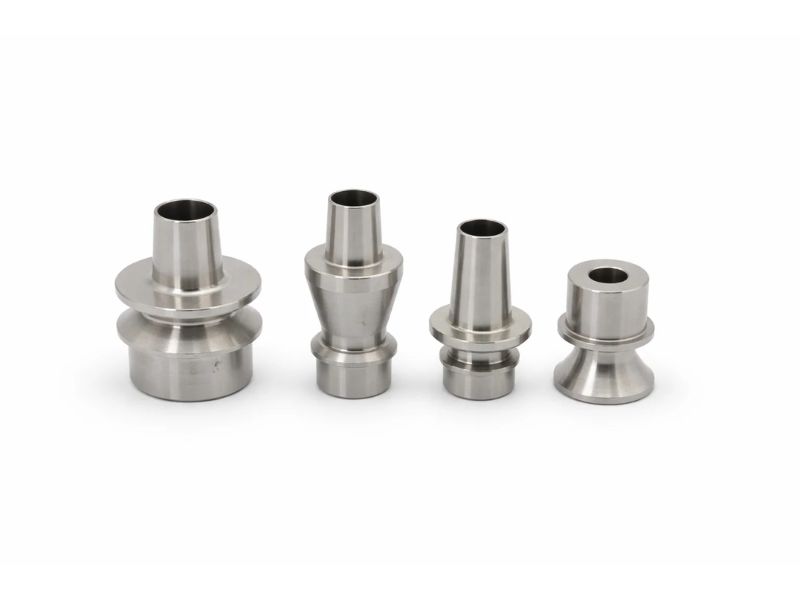
A stainless steel spacer is a hollow sleeve that holds two parts a set distance apart. It is usually round or hex with a center hole for a screw, bolt, or stud. Spacers set gaps, align parts, and carry the clamping load of the fastener through them. Profab machines spacers by CNC turning and milling, and stamps thin washers and shims.
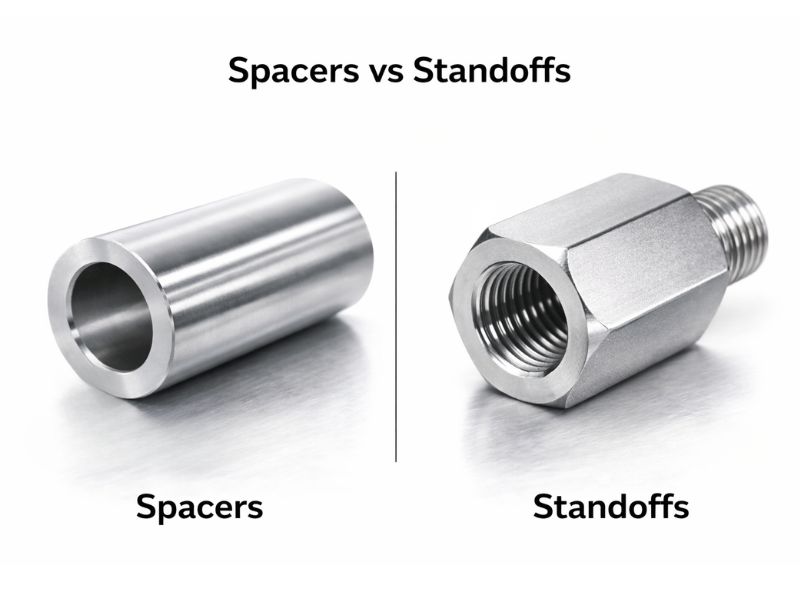
A stainless steel spacer fixes the distance between two parts and sits around a bolt, stud, or shaft. A standoff has threads and fastens directly. A bushing guides a moving shaft, and a washer spreads load. Match the part to its job by inside diameter, outside diameter, length, and end condition.
Profab Machine produces stainless steel spacers and standoffs in metric and inch sizes, machined to your ID, OD, and length. Standard grades are 304, 316L, and 17-4PH, with tolerances as tight as ±0.01 mm. Cylindrical, hex, stepped, and flanged designs are made from CAD drawings or samples, and samples are turned around quickly.
A plain sleeve that holds a fixed gap around a bolt, stud, or shaft. Round and hex bodies are made to your ID, OD, and length.
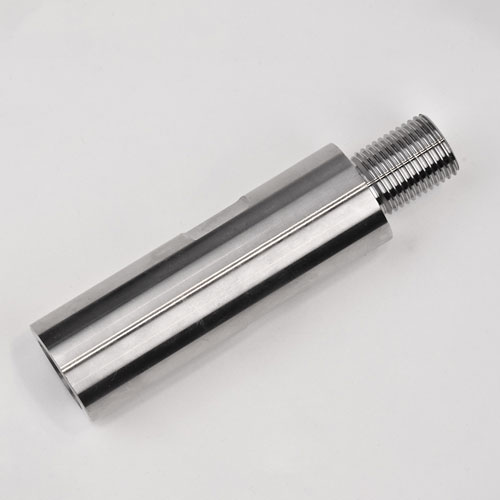
Standoffs have internal or external threads, so they fasten directly without a through-bolt. Female, male, and mixed-end forms are made to your thread size and length.
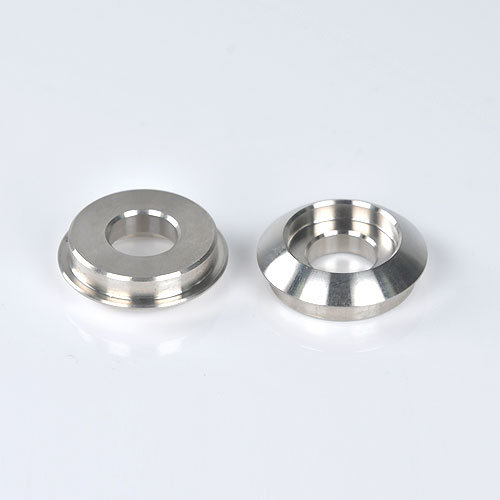
Washers spread fastener load and protect the mating surface. They are stamped or machined to your OD, ID, and thickness.

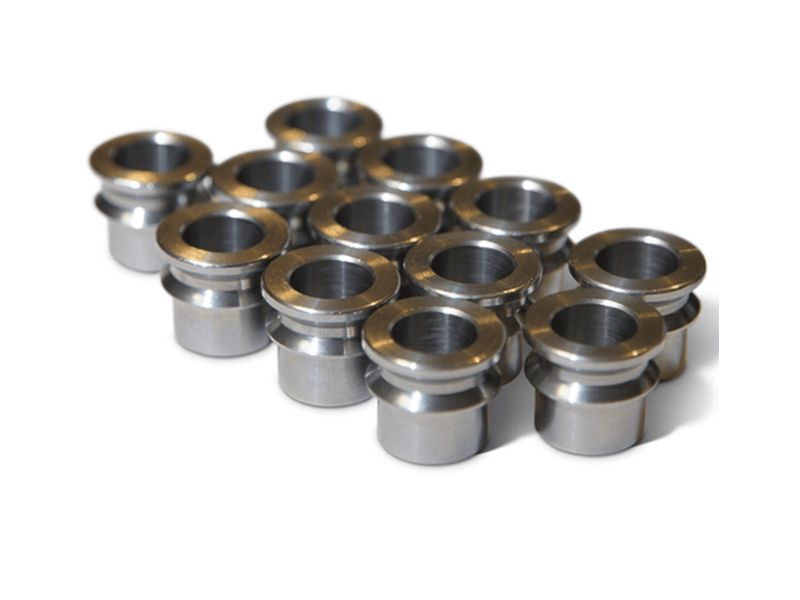
These spacers fit either side of a rod end ball to raise its swing angle and keep the ball centered on the bolt.
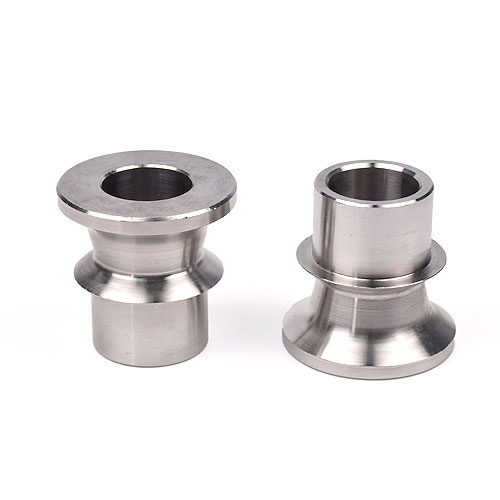
An insert adds a threaded interface or reinforcement inside a rod end body.

A collar locates or clamps on a shaft to hold a part in position along it.

Shims adjust spacing or alignment in thin, precise layers.
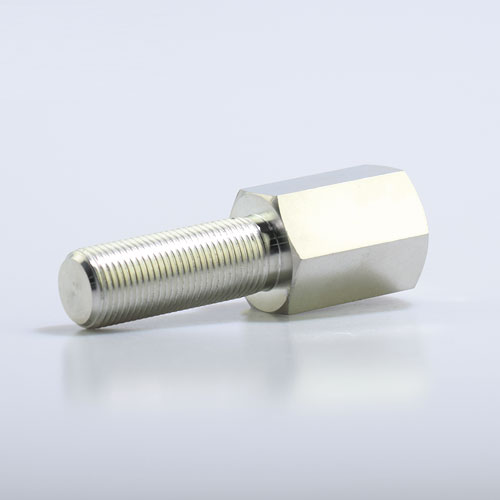
An adapter converts one thread type or size to another.
These sleeves set the distance between bearing races or across a wheel hub, so their length and end-face flatness control the bearing stack. Send the bearing model and the full stack length.
A spacer is a plain sleeve. A bolt through its bore holds the assembly, and the spacer sets the gap. A standoff has threads on one or both ends, so it fastens directly without a through-bolt.
A bushing guides a sliding or turning shaft, so it needs a wear-rated fit and often lubrication. A washer is a thin flat part that spreads load or makes a small height change. Choose a spacer when the job is to hold distance.
Read the full guide in Spacers vs Standoffs: Stainless Steel Hardware Guide.
304 suits indoor machinery, automation, and dry or mildly humid environments. It resists most cleaning chemicals and is the economical choice for high-volume orders. It is not suited to continuous salt spray or chloride-heavy processes.
316L adds 2 to 3% molybdenum, which raises chloride pitting resistance well above 304. Use it outdoors, in marine and offshore service, and in food equipment with CIP cleaning.
17-4PH is a precipitation-hardened martensitic grade with a tensile strength of at least 1,310 MPa in the H900 condition, well above 316L. Choose it for high-load spacers in non-chloride environments.
Stainless spacers hold distance where carbon steel would corrode and where parts must stay positioned exactly.
Manual and powered wheelchairs use axle spacers to hold bearing and wheel positions exactly.
Motion and drive assemblies on orchard machinery use spacers that resist wet, fertilized conditions.
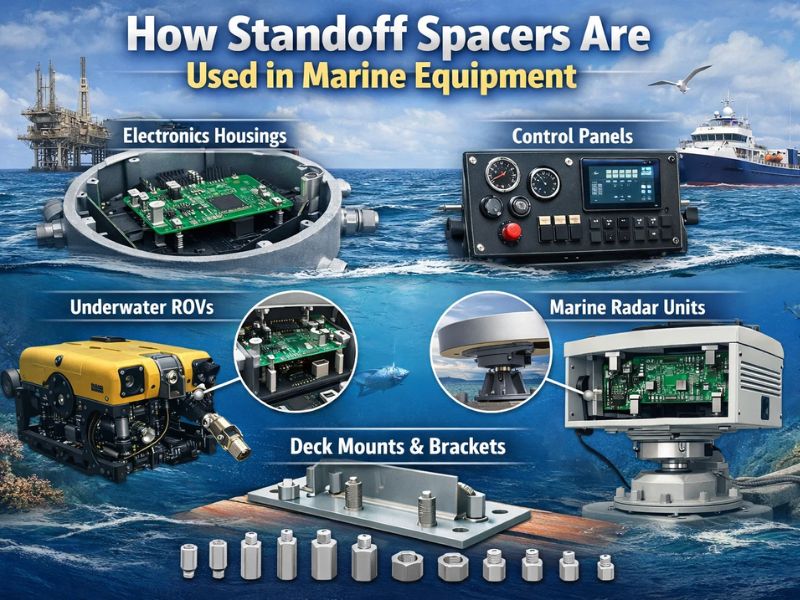
Standoffs and spacers create controlled clearances for enclosures and panels in salt spray.
Washdown equipment uses 316L spacers so cleaning chemicals do not attack the assembly.
Send us your drawings or a sample, and our engineers will work with you on the part your project needs. Options include material, length, OD, ID, shape, and finish. Shapes are round, hex, stepped, and flanged. Standoffs need a thread size and gender, washers and shims need a thickness, and collars need a shaft diameter.

Electronics and PCB assemblies use M3 and M4 spacers to hold boards apart and carry ground. Automotive and machinery assemblies use M8 and M10 spacers to set gaps in drivetrain and chassis stacks.
Marine and offshore equipment uses 316L spacers and standoffs where salt spray or immersion would attack lesser steel. Food and medical equipment uses electropolished 316L for smooth, easily cleaned surfaces.

Spacers are CNC machined to your ID, OD, and length, so parts fit in automated, rotating, and bolted assemblies.
We supply 304, 316L, or 17-4PH to suit the environment. Using the same stainless grade for the spacer and its fasteners also avoids a galvanic pair between dissimilar metals.
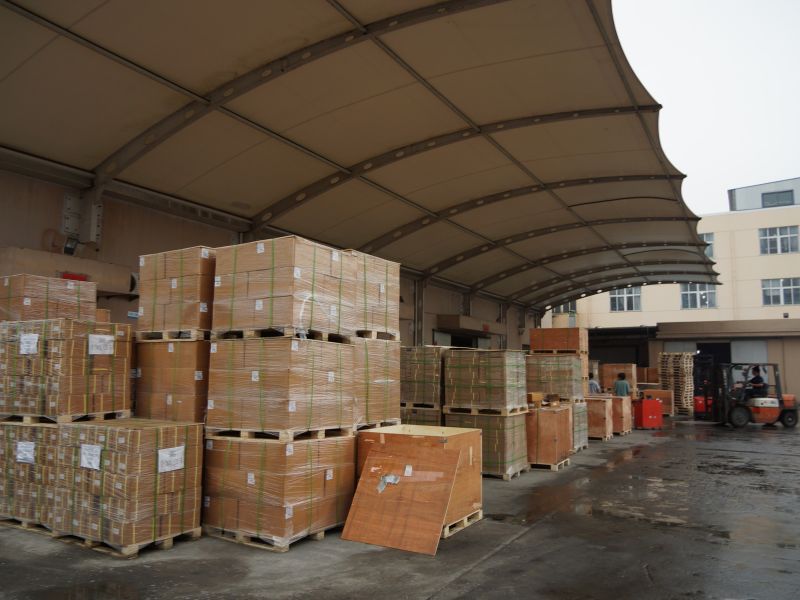
We support small-batch to large production runs at the tolerances and grades you specify. Bulk packaging is available for company customers.

Not seeing your question? Email us at [email protected] and we typically reply same day.
A spacer is a plain, unthreaded sleeve that sets a fixed gap between two parts. A bolt or screw through its center bore holds the assembly together. A standoff has internal or external threads on one or both ends, so it fastens directly without a through-bolt.
Not necessarily. An unthreaded spacer can carry the full clamp load of the bolt through it when its wall, length, and end faces are sized for that load. A threaded standoff also depends on thread engagement, material, and axial load, so check both against the load in your assembly.
That depends on the whole assembly, not on the spacer alone. Tell us the axial load, bolt preload, unsupported length, vibration, and environment, and we will review the wall thickness, material, and end-face finish against them. 316L and 17-4PH are available for higher loads.
A spacer holds a fixed distance and relies on a bolt to hold the assembly. A bushing guides a sliding or turning shaft, so it needs a wear-rated fit and often lubrication. A washer is thin and flat and spreads load or makes a small height change.
Send the part number, a drawing, or a sample if you have one. Otherwise send the ID, OD, length, material, end shoulder or thread details, tolerance, and quantity, plus what the spacer sits between. For a bearing or axle spacer, include the bearing model and the full stack length.
Work through these seven points before you request a quote. Together they cover most of what we need to confirm a part.
| Factor | What to Confirm | Why It Matters |
|---|---|---|
| Function | Spacer, standoff, washer, shim, collar, or bushing | Each has a different job, so the same ID and OD can be the wrong part. |
| ID and OD | Bolt or shaft size, plus the clearance you need | The bore must clear the fastener without letting the part wander. |
| Length | Between end faces, or from a shoulder | Length sets the gap, and in a bearing stack it also sets preload. |
| End faces | Flat and square, chamfered, or shouldered | Uneven faces tilt the parts the spacer supports. |
| Material | 304, 316L, or 17-4PH for the environment | Grade sets corrosion resistance and strength. |
| Tolerance and fit | The critical dimensions and the fit type | Only the critical dimensions need tight limits. |
| Assembly stack | Mating parts, load, and vibration | The spacer is one part of a stack, so review the whole stack. |
Send the spacer type, ID, OD, length, material, finish, and quantity, plus a drawing or sample.
Our engineers review your spacer request or drawing and send you a specific quote within 24 hours.
Standard lead time for spacers is 30 days. Custom designs are sampled before the full production run.
We ship spacers by sea, air, or express courier. A tracking number follows once the order ships.
We support small-batch and prototype runs with no hard minimum order quantity. A first prototype run is typically around 100 pieces.
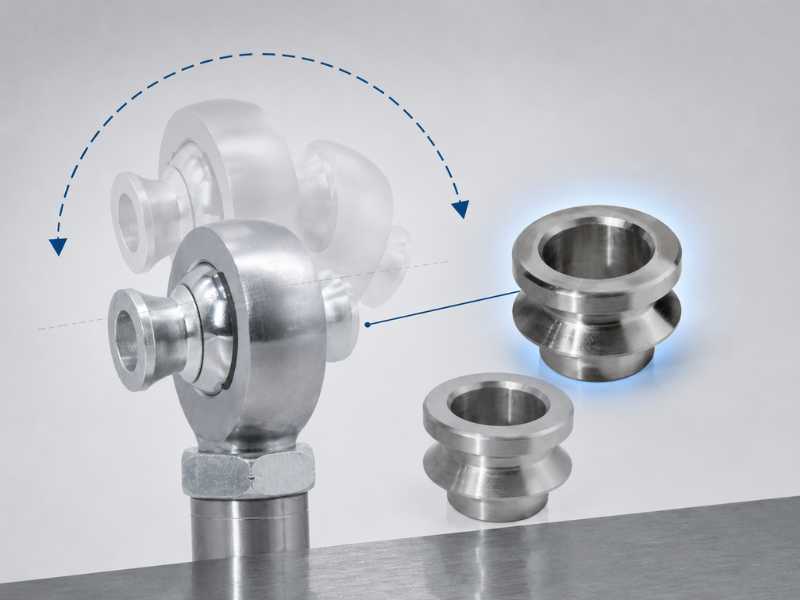
A standard rod end tops out at 12 to 18 degrees of angular travel. Misalignment spacers extend that range to 30 degrees or more by continuing the ball’s spherical radius into the bore.
Read More »If you already have drawings, email [email protected] directly and we will quote from them.
[email protected] ↗