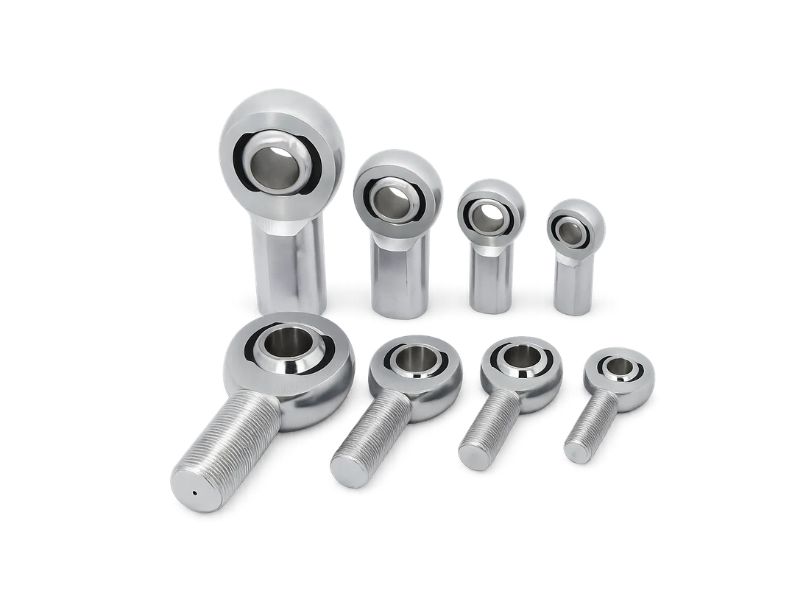
Rod Ends
Rod ends join row units, down-pressure cylinders, metering linkages, and harvester arms.
View product →
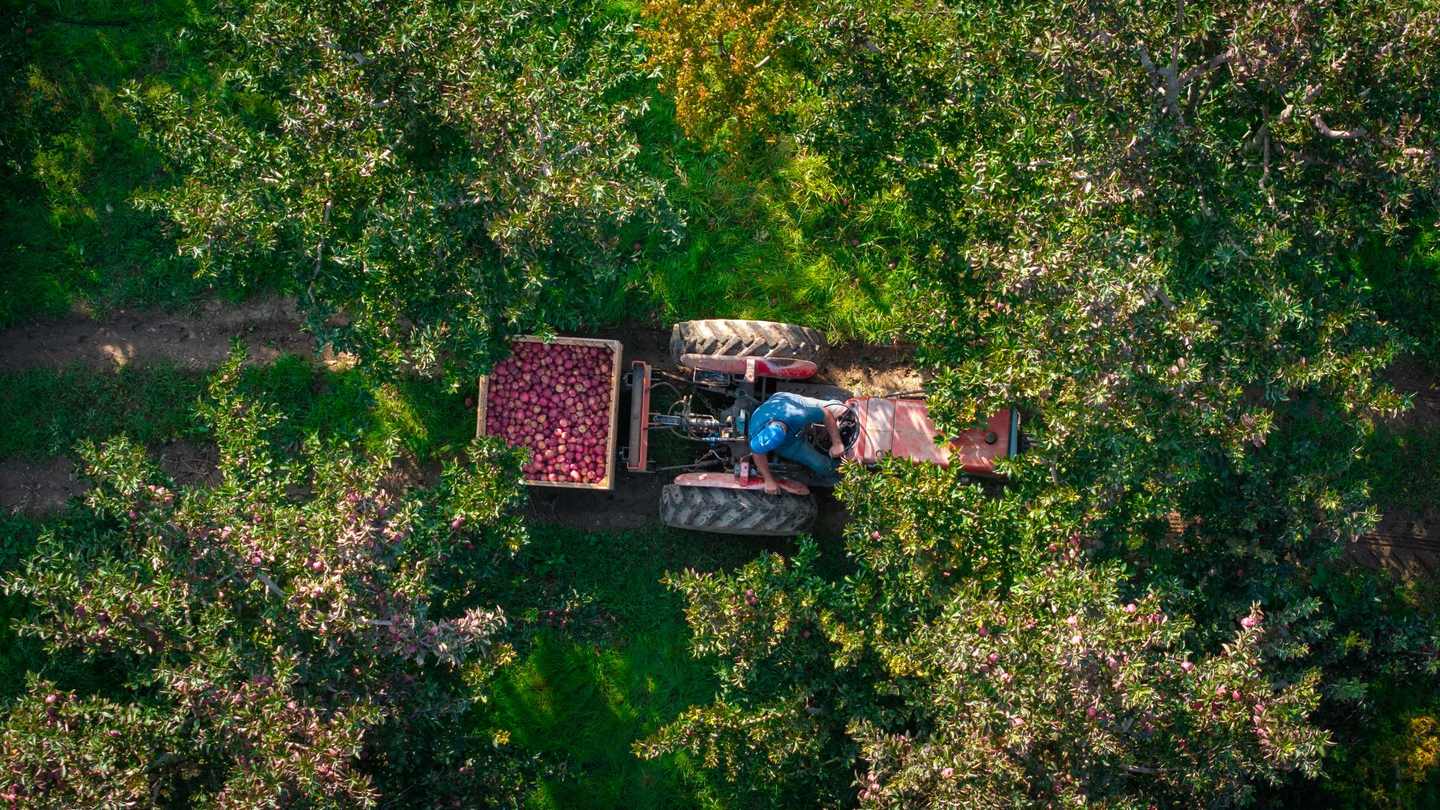
Farm machines run through dust, fertilizer slurry, pesticide, and fruit juice, then get washed down. Profab machines stainless steel rod ends, clevis fittings, spacers, bushings, and shafts in 304, 316L, and 17-4PH from your drawing or sample. Our customers build harvesters, air seeders, and sprayers, and we copy worn parts for repair.
Open a product page for sizes and grades, or send a drawing for a part not listed.
Rod ends join row units, down-pressure cylinders, metering linkages, and harvester arms.
View product →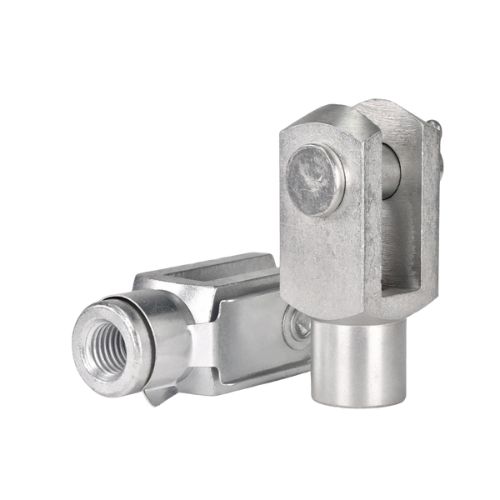
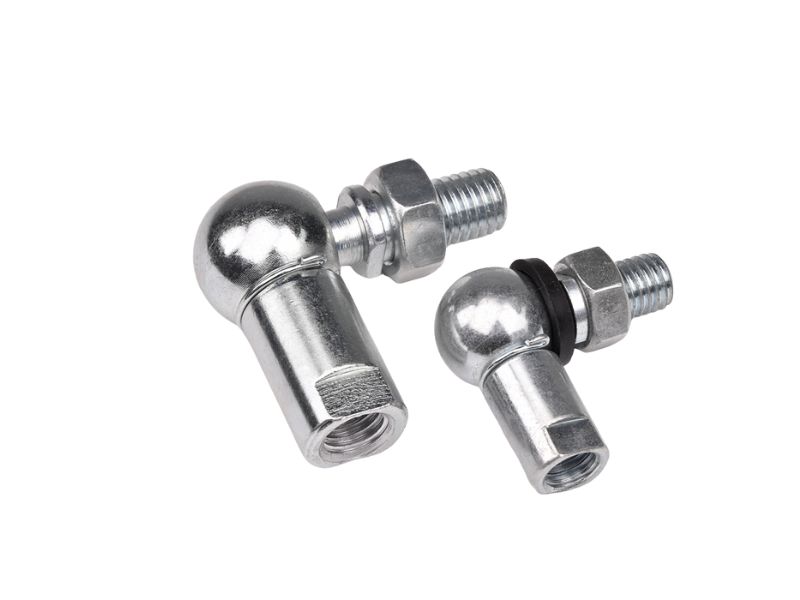
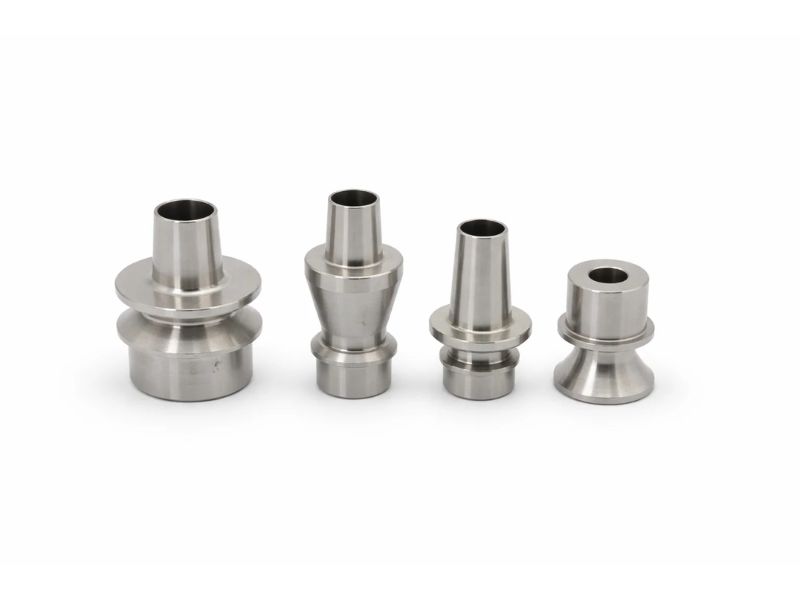
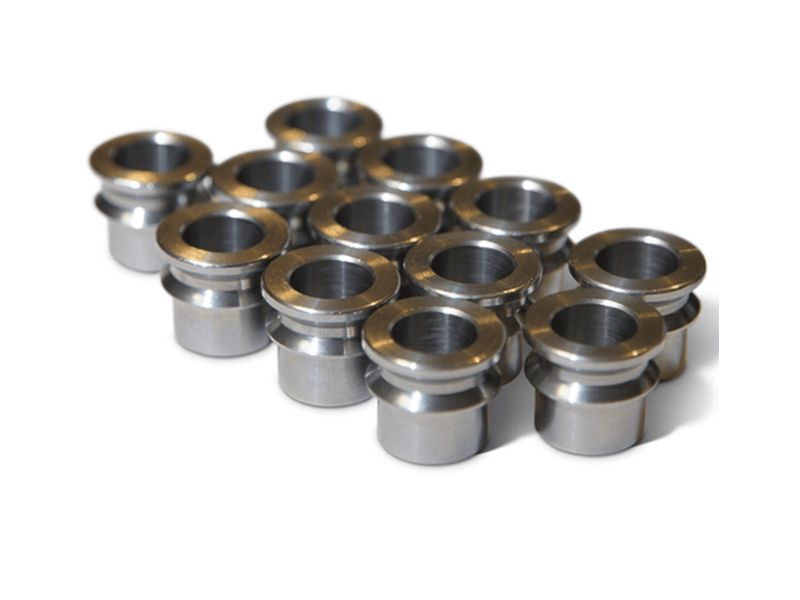
Bushings are plain or flanged sleeves for pivots and shafts on frames and arms.
View product →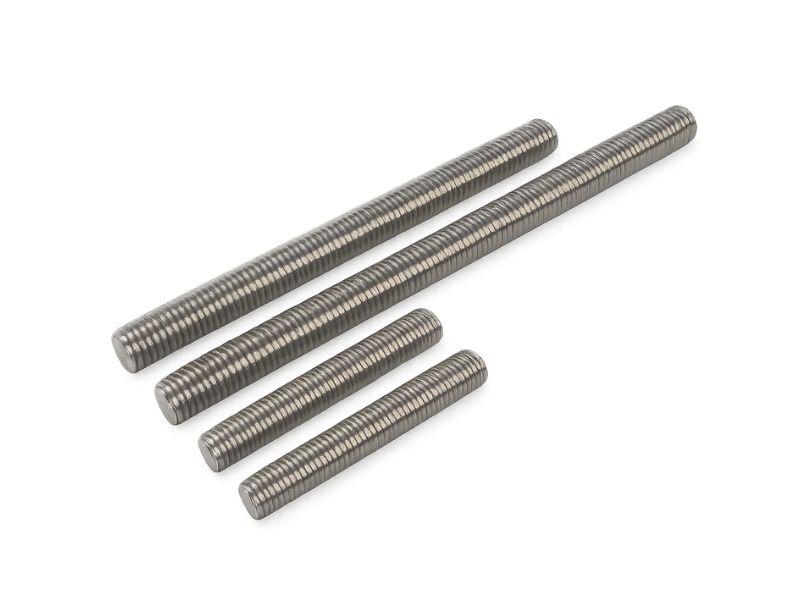
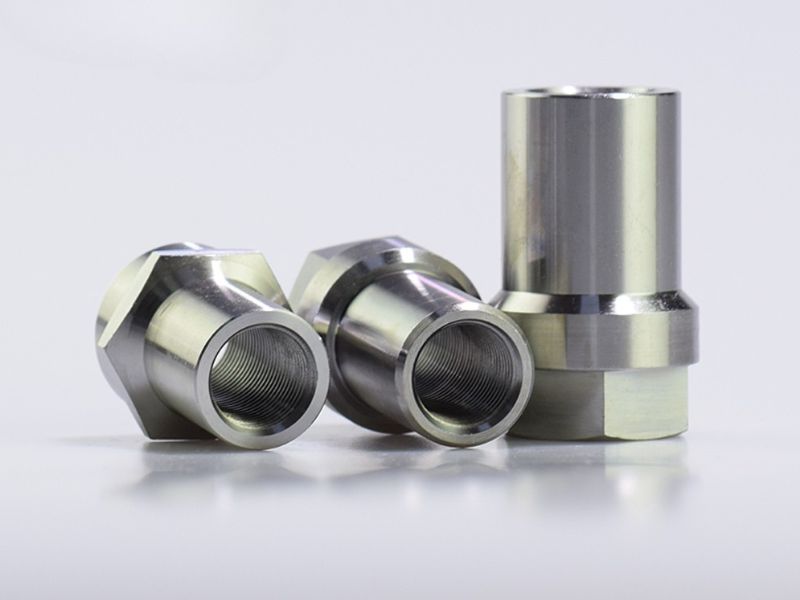
Tube adapters and fittings join spray and fertilizer lines to tanks and pumps.
View product →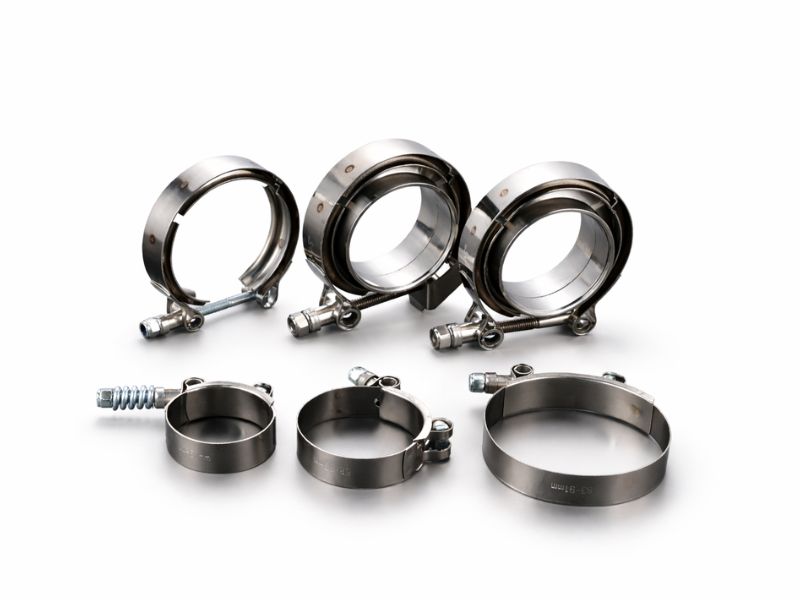
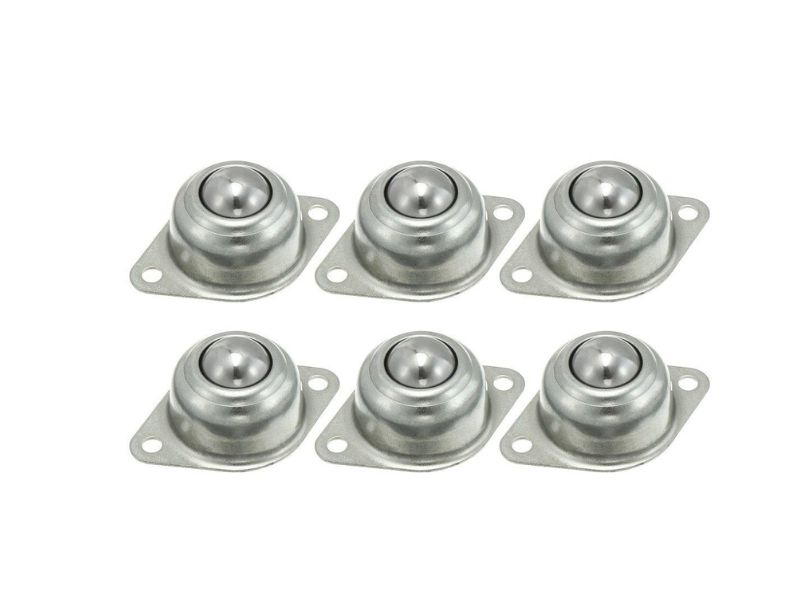
Load balls in a housing let crates and produce roll in any direction on sorting tables.
View product →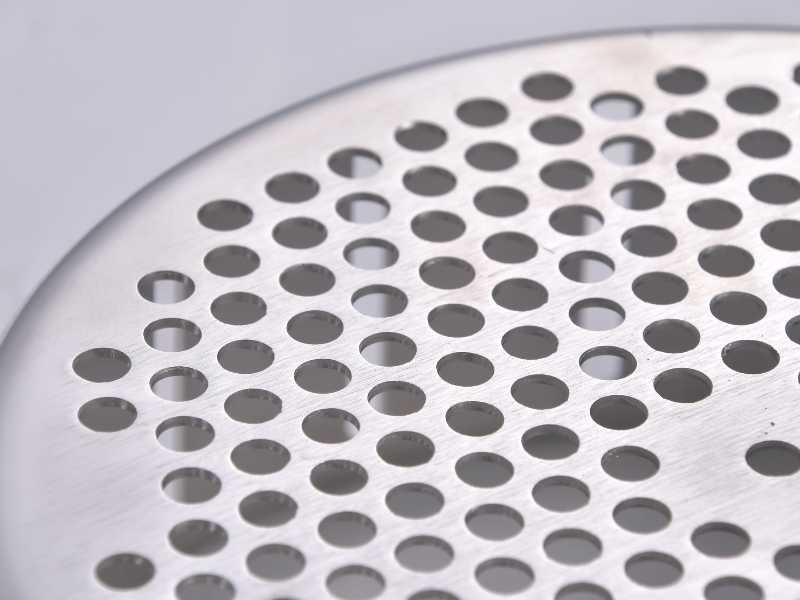
Match the grade to the chemicals the part meets, how dry it stays, and the load it carries.
Grade 304 suits frames, brackets, guards, and covers that stay mostly dry and meet no fertilizer. It costs less than 316L, so it is the right pick where chemical contact is low.
Molybdenum gives 316L better pitting resistance than 304 against acidic slurry, liquid fertilizer, pesticide, and fruit juice. Choose 316L for spacers, rod ends, and fittings that sit where those liquids splash and dry.
Heat treatment hardens 17-4PH, so a small joint carries far more load than in 304 or 316L. Its pitting resistance is lower than 316L, so use it on folding frames and hitch pivots in drier spots.
| Grade | Minimum yield strength | Pitting resistance (PREN, typical) | Typical farm-machine use |
|---|---|---|---|
| 304 | 205 MPa | 18 to 20 | Frames, brackets, and guards, dry or mild duty |
| 316L | 170 MPa | 24 to 26 | Spray, fertilizer, juice, and washdown contact |
| 17-4PH (H900) | 1170 MPa | Lower than 316L | Folding frames and heavy pivots in dry areas |
Values are typical for annealed 304 and 316L plate and for 17-4PH in the H900 condition, given for comparison. The final grade depends on your drawing and the chemicals on your machine.
Dust, slurry, and vibration each damage a joint in their own way.
Seed and fertilizer dust turns grease into a grinding paste at exposed pivots. A dry PTFE-lined rod end seals the race and needs no grease, so it suits row unit and metering pivots.
A carbon steel spacer in a wheel hub or conveyor shaft oxidizes onto the shaft and has to be cut off. A 316L spacer stays free on the shaft through acidic juice, pesticide, and pressure washing.
A loose spacer lets a drive train develop play, and a wide folding frame puts its full weight on a few pivots. A snug bore fit removes the play, and 17-4PH holds alignment through repeated folds.
Start with the dust and moisture at the pivot, then check the load.
| Position on the machine | Typical parts | First check |
|---|---|---|
| Row units and metering drives | PTFE-lined rod ends, spacers, bushings | Dust level, and a dry joint with no grease |
| Wheel hubs, conveyors, and nozzle lines | Spacers, bushings, clamps, tube fittings | Grade against juice, pesticide, and washdown |
| Folding frames, cylinders, and hitch links | Clevis, rod ends, ball joints, threaded rod | Load and alignment, so 17-4PH is an option |
Each machine puts different parts in dust, juice, or slurry. Find yours, then open the product page.
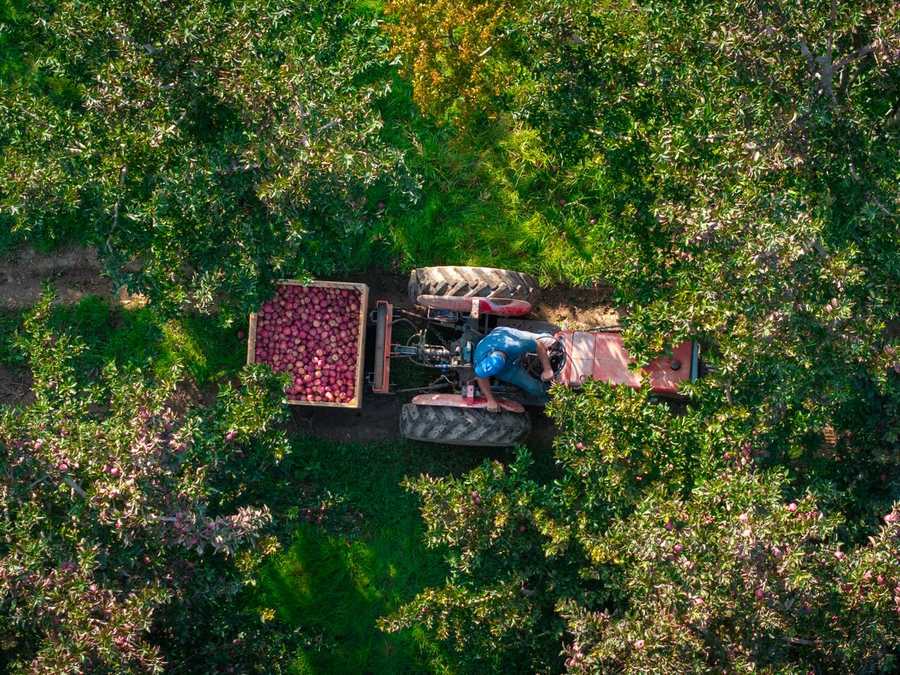
Apple and other orchard harvesters carry conveyors, wheel hubs, and drive trains through acidic fruit juice and washdown. Spacers, bushings, and rod ends sit at those joints, and a 316L spacer does not seize on its shaft.

Onion and other root crop harvesters lift, shake, and conveyor the crop through soil, moisture, and vibration. Rod ends, clevis fittings, and ball joints sit at the lifting and digger linkages, and spacers sit on the conveyor shafts.
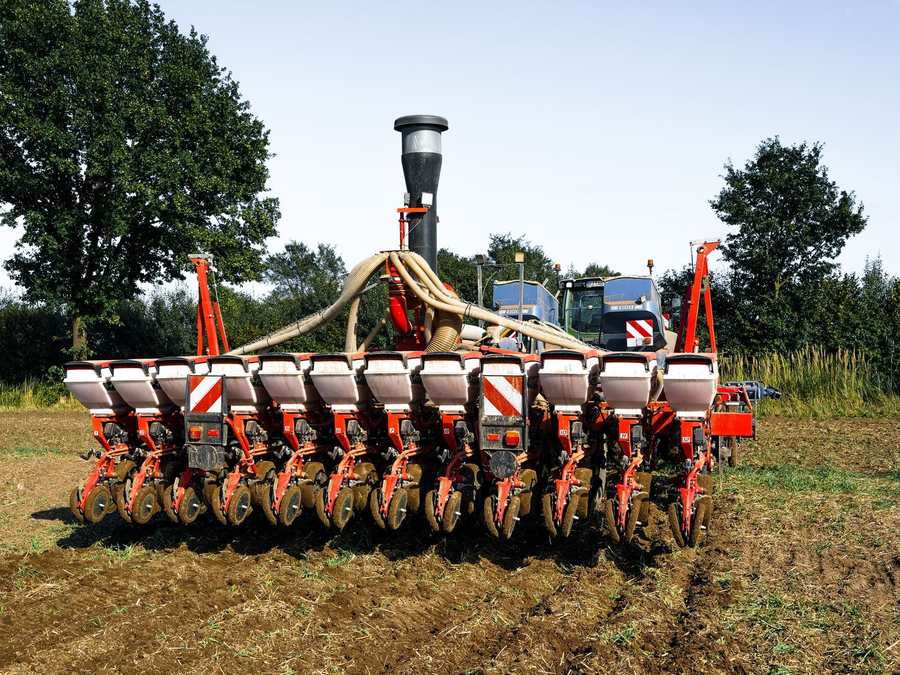
Row unit, down-pressure, and folding-frame joints on an air seeder run through dust and acidic slurry. Rod ends in PTFE-lined or metal-to-metal form, with spacers and bushings, sit at those pivots.
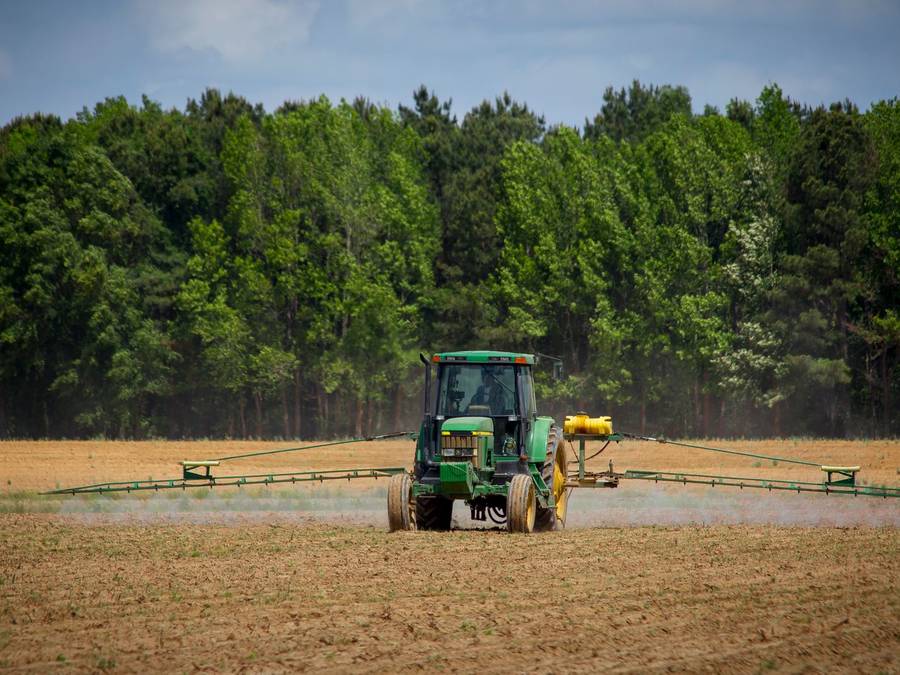
Sprayer booms, tanks, and pumps meet pesticide and liquid fertilizer all season. Clevis fittings and rod ends carry the boom linkages, while tube fittings and clamps hold the spray lines.
Three routes cover most farm machine parts. Each links to its product page.

We mill housings, brackets, and multi-face parts to your drawing. 5-axis machining is available on request when a part needs it.
View CNC Parts →
Spacers, bushings, pins, shafts, and fittings are turned from your drawing or sample.
View CNC Turning Parts →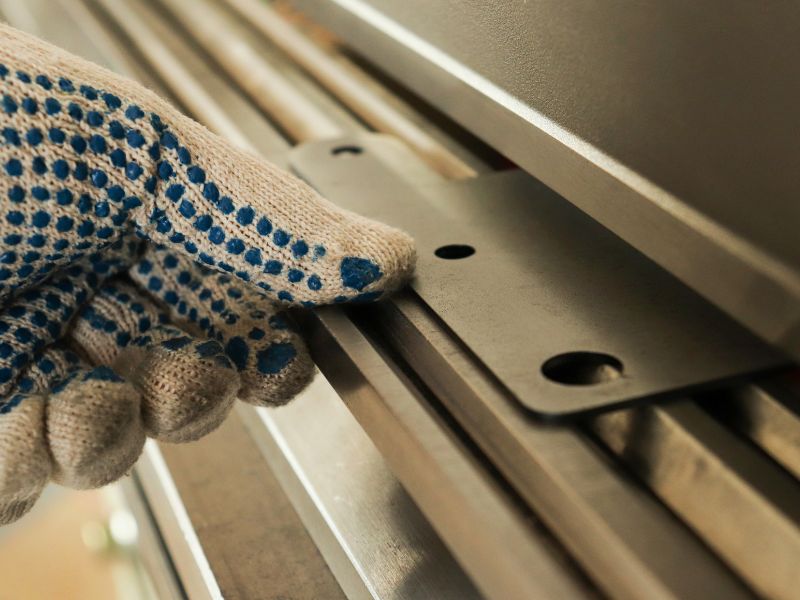
We stamp and bend brackets and plates from your drawing.
View Sheet Metal Parts →Four steps take an order from drawing to shipment.
Send a drawing, a worn part, or a physical sample with the details in the checklist below.
Engineering reviews the grade, geometry, and exposure, then issues the quotation.
Sample parts are made for your approval before production starts.
Production follows the approved sample. Finished parts then ship by sea, air, or express courier.
A late or failed joint costs a machine builder weeks in the season. These are the problems we are set up to remove.
Farm machine parts are ordered before planting or harvest, and a part that fails in the field comes back as a warranty claim. Each point below answers one of those problems.
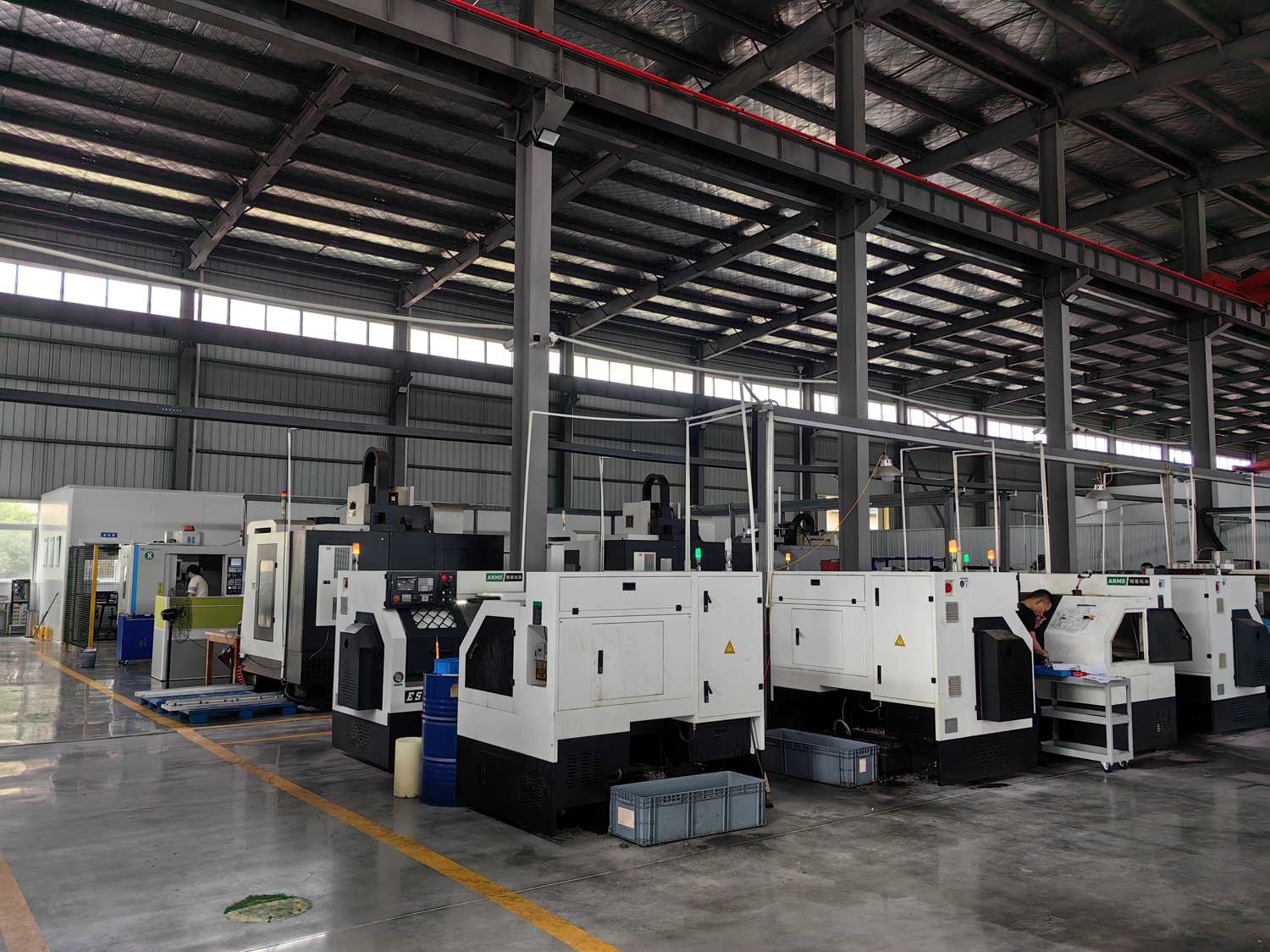
Accepted formats are DXF, DWG, STEP, IGES, and dimensioned PDF drawings, or a physical sample.
Send a drawing, a photo of the worn part, or a physical sample with the details below.
We check grade, geometry, and joint type against your exposure, then quote.
These short answers cover the first engineering and purchasing questions.
Yes. We make precision parts such as shafts, connectors, ball joints, rod ends, spacers, and limiters to the structure of your agricultural machine, and we have worked with a number of agricultural machinery parts customers. Send a drawing, a worn part, or a sample.
Fertilizer, pesticide, acidic fruit juice, and washdown water attack carbon steel and plated parts, and a corroded spacer or rod end can seize on its shaft or pin. Stainless steel resists that attack, so the part stays free and can be serviced in the field.
Choose 316L for parts that meet acidic slurry, liquid fertilizer, pesticide, or juice, because its molybdenum resists chlorides and chemicals better than 304. 304 suits frames and brackets that stay dry. 17-4PH suits folding frames and hitch pivots that carry heavy load in dry areas.
A PTFE-lined rod end suits row unit and metering pivots, where seed and fertilizer dust turns grease into a grinding paste. A metal-to-metal rod end suits the down-pressure cylinder, which pushes hard against the soil. Tell us which pivot it is and we match the construction.
Yes. Send the worn part or a photo with the pin, bore, and thread measurements. If you only have a sample and no drawing, we can reverse-engineer it for an additional fee.
Quantities vary by product, and small-batch runs are accepted with no hard minimum. Prototype runs typically start around 100 pieces. Samples take about 20 days and standard production about 30 days, so order before the season starts.
Send the drawing, grade, exposure, and quantity for a quotation.