

Clamping & Pipe
Stainless Steel Flanges
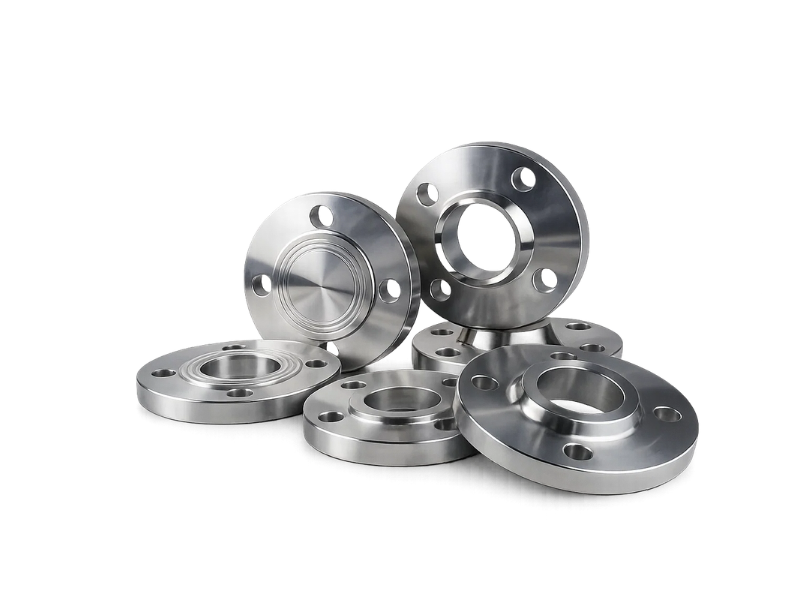
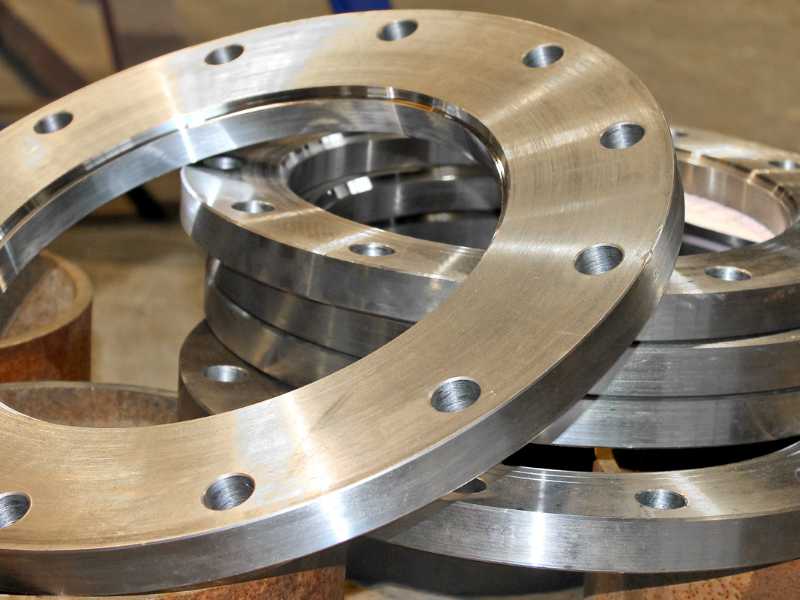
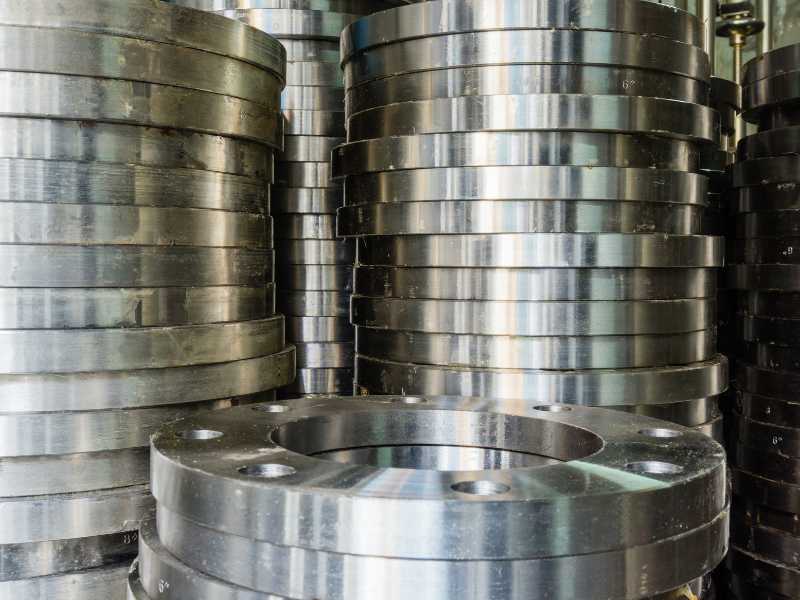
Forged stainless steel pipe flanges in 304L and 316L. Weld neck, slip-on, blind, socket weld, threaded, and lap joint types. ASME B16.5 / ASTM A182. Class 150 through 2500. EN 10204 3.1 material certs. Custom NPS and facing accepted.
- ISO 9001 Certified
- Custom OEM Solutions
- Fast Global Shipping
- Technical Support
Product Range
Types of Stainless Steel Flanges
Each flange type connects to the pipe differently and is suited to different pressure classes, maintenance requirements, and welding accessibility. Choosing the wrong type creates unnecessary cost and installation problems downstream.
Weld Neck Flange
Class 150–2500
High pressure
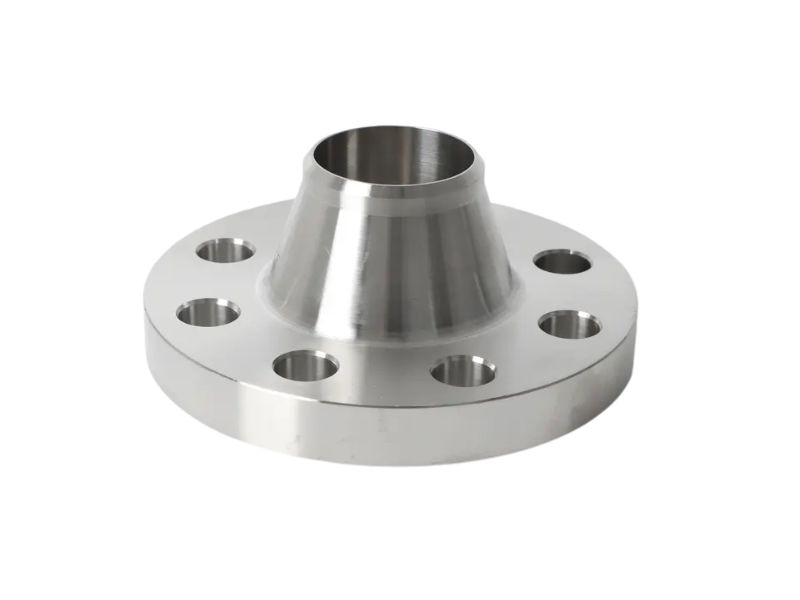
The tapered hub transfers stress from the flange face back to the pipe wall, distributing load over a longer section and eliminating the stress concentration point that causes other flange types to fail under cyclic loading. The bore matches the pipe ID, preventing turbulence and product buildup. The preferred type for high-pressure, high-temperature, and vibration-critical systems — Class 600 and above should nearly always be weld neck.
Slip-On Flange
Class 150–600
Two fillet welds
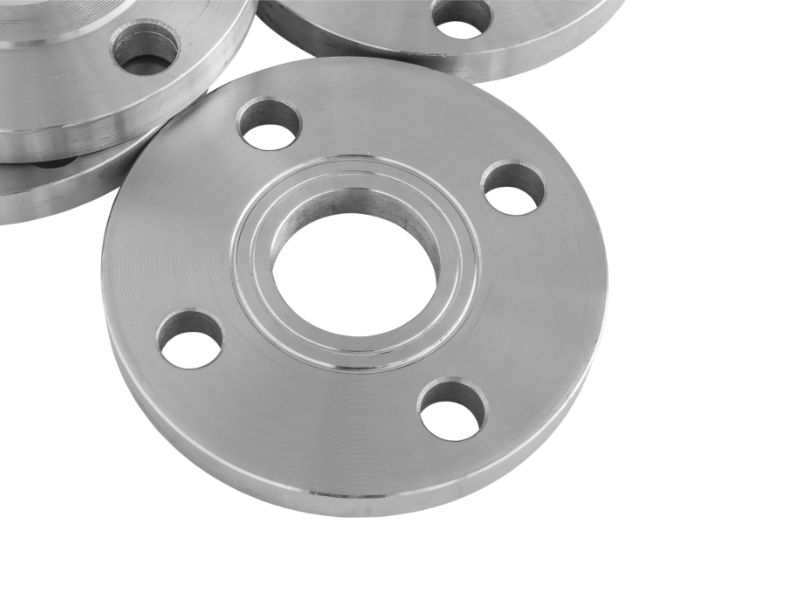
The pipe slides through the bore and is secured by two fillet welds — one at the front face and one at the back of the hub. Lower strength than a weld neck under cyclic stress, but easier to align during installation and significantly lower cost. Widely specified for Class 150 and Class 300 service in water treatment, food processing, and HVAC where operating pressure is well within the flange’s rating and vibration loading is moderate.
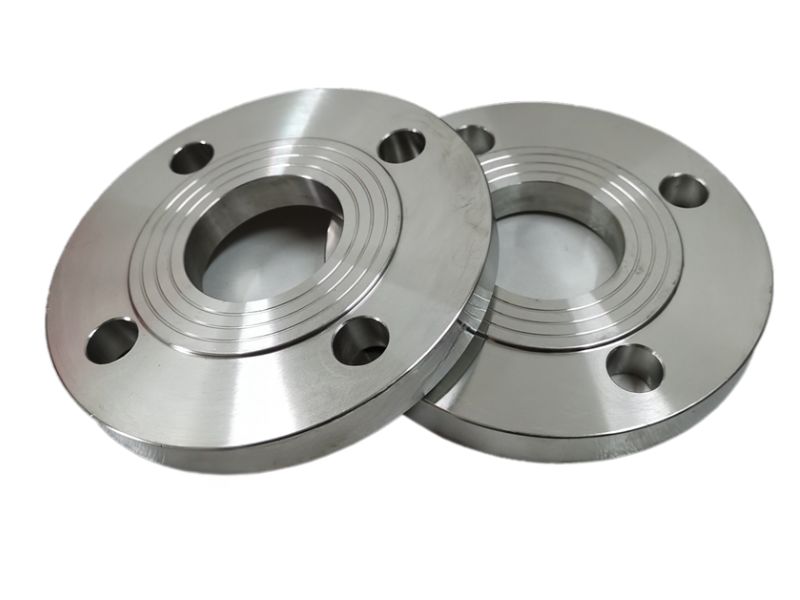
Blind Flange
All classes
Pipe blanking
A solid disc with no bore, used to blank off the end of a pipe run, close a vessel nozzle, or terminate a pipeline for future extension. Under pressure the blind flange acts as a pressure vessel head — the bending stress across the diameter determines the pressure rating at a given thickness. For NPS sizes above 4″ at Class 600 and above, verify the required thickness with ASME B16.5 tables before specifying. Custom thickened blind flanges are available from drawing.
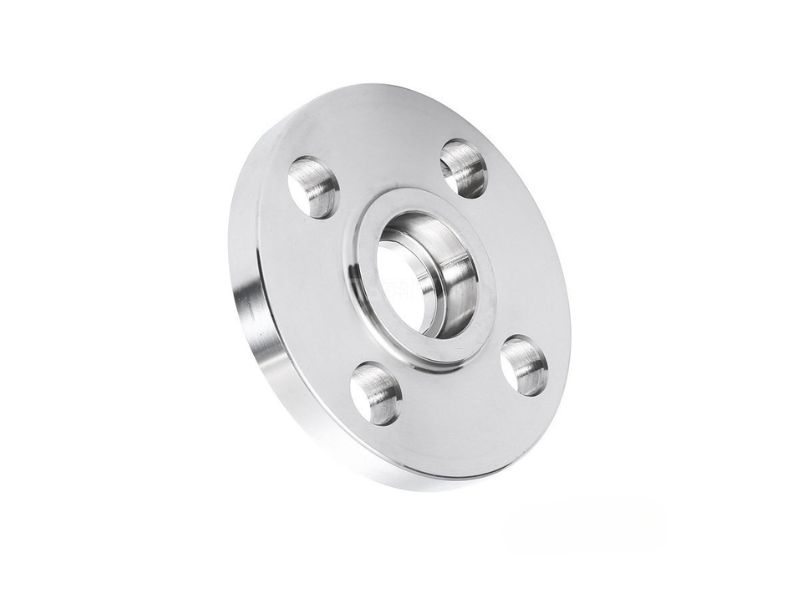
Socket Weld Flange
Class 150–2500
NPS ≤ 2″
The pipe inserts into a counterbored socket and is secured by a single fillet weld at the hub face. Stronger than a slip-on due to the socket’s mechanical engagement before welding. Limited to pipe sizes of 2″ NPS and below — above this, ASME B31.3 recommends butt-welded connections. Common in pharmaceutical, food, and chemical process lines where small-bore high-pressure connections must be leak-tight without full penetration butt welding.
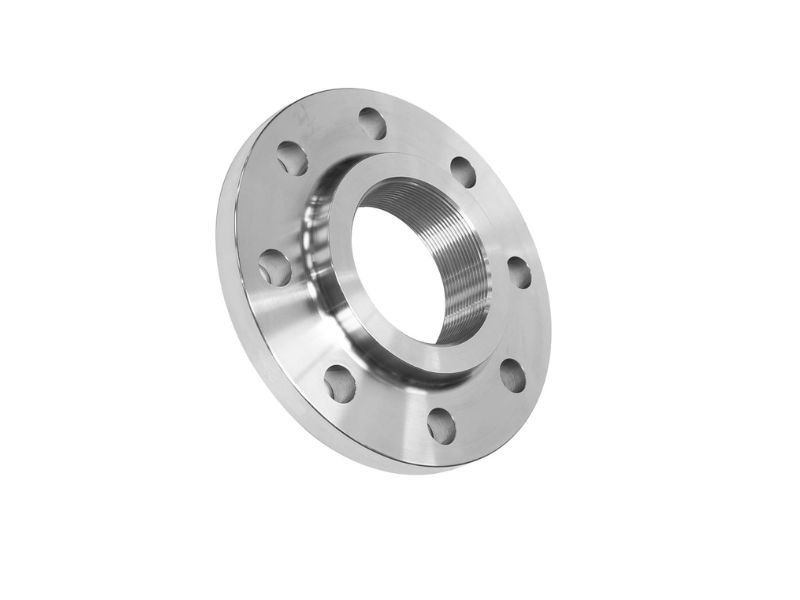
Threaded Flange
Class 150–300
High pressure
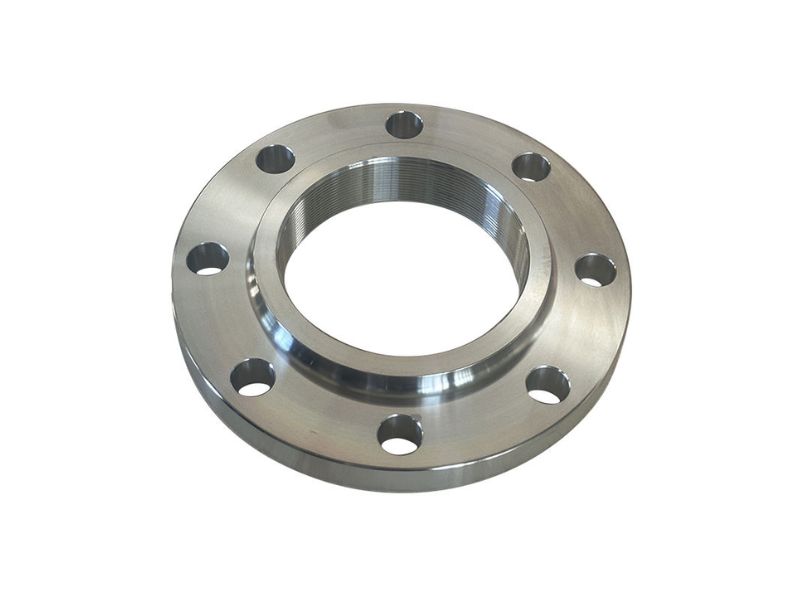
A tapered pipe thread machined into the bore — NPT or BSP — allows the flange to be screwed directly onto threaded pipe without welding. The only flange type suited to installations where welding is prohibited due to fire or explosion risk, or where no welding capability is available on site. Limited to Class 300 and below in ASME B16.5 for threaded connections; above this pressure, leakage through the thread form is a documented failure mode.
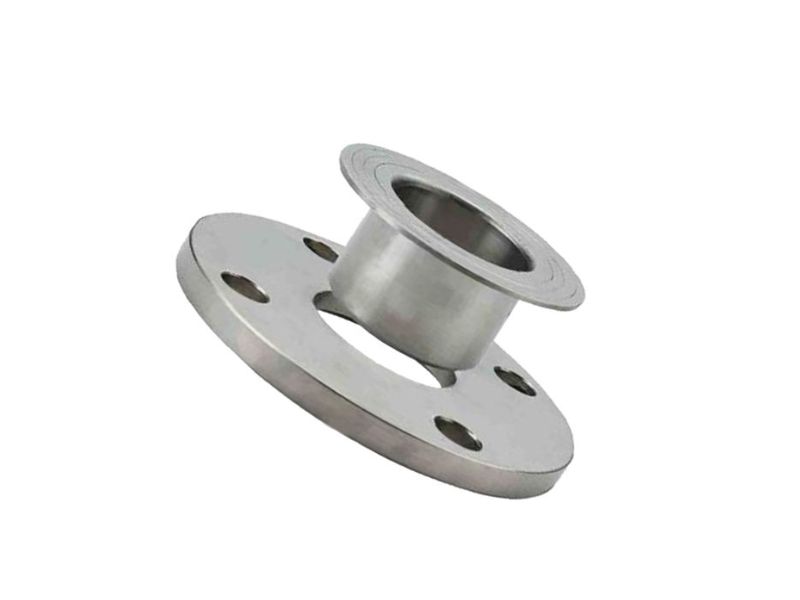
Lap Joint Flange
Class 150–600
Free-rotating
A loose flange backed onto a stub end (also called a lap joint stub end) welded to the pipe. Because the flange slides freely before bolting, bolt holes can be aligned precisely without rotating the entire pipe spool — a critical advantage in prefabricated piping systems and tight installation spaces. In 316L installations, the stub end is the only component in contact with the medium; the backing flange can be carbon steel, reducing material cost on large-bore systems.
Pressure Class Reference
ASME B16.5 Pressure – Temperature Ratings
| Requirement | Recommended Model |
|---|---|
| Frequent tool-free disconnection needed | QD (Quick Release) |
| Outdoor / marine / dusty environment | ES (Rubber-Sealed) |
| DIN 71802 metric compliance required | QI (DIN standard form) |
| Pin-through clevis connection | CS (Fork / Clevis) |
| Food zone, CIP washdown | QI + sealing cap, 316L |
| High-cycle automotive / motorsport | QD or CS in 17-4PH |
| Salt spray / marine corrosion | Any series in 316L |
| Aerospace, extreme strength | CS or QD in 17-4PH H900 |
* MAWP values are for ASTM A182 Grade F316L material at 38°C ambient per ASME B16.5 Table 2-1.1.
* Ratings reduce at elevated temperature. Class 150 316L at 200°C drops to ~15.5 bar.
* NPS above B16.5 coverage (>24″ for Class 300+) falls under ASME B16.47 — quote on request.
Facing Types & Selection Guide
Matching Facing to Gasket and Service
The facing type determines which gasket style can be used and directly affects the leak tightness of the assembled joint. Mismatched facings raised face bolted to flat face, for example, are the most common cause of leaks on new flange assemblies.
Facing Type Selector
Raised Face (RF)
Standard for all pressure classes
Flat Face (FF)
Where mating flange is cast iron / plastics
Ring Type Joint (RTJ)
Class 600+ · High-temp · Offshore subsea
Tongue & Groove (T&G)
Heat exchangers · Pump cases · Narrow gasket
Male & Female (M&F)
Paired flanges · Fixed gasket position
RF finish (stock)
125–250 µin AARH (3.2–6.3 µm Ra)
Custom serration
Per drawing · Specify AARH at enquiry
Material Specification
Choosing the Right Grade
The same ASME B16.5 flange in 304L and 316L looks identical. In a CIP washdown environment or offshore installation, one lasts 15 years; the other pits through the flange face in 3. Profab verifies every grade by XRF before machining begins — not after.
304 / 304L Stainless
The standard low-carbon austenitic grade for flanges in non-chloride, non-aggressive environments. “L” suffix limits carbon to 0.03% max, preventing carbide precipitation in the weld heat-affected zone — a critical specification for welded flange assemblies that will not be solution-annealed post-weld. Suitable for water treatment (non-saline), food dry-zone equipment, HVAC, and indoor industrial piping where chloride exposure is absent.
Food · Automation · Indoor
316 / 316L Stainless
The specified grade for flanges in chloride-containing environments, CIP washdown chemical lines, marine piping, and chemical process systems handling acids, halides, or sulphur compounds. The 2–3% molybdenum addition raises the Pitting Resistance Equivalent Number (PREN) to ≥ 24 — the corrosion resistance threshold required by most offshore project specifications. Profab XRF-verifies Mo content on every 316L batch; heat numbers are recorded and available on EN 10204 3.1 certificates.
Marine · Chemical · Pumps
317L · 321 · Duplex 2205
For process environments that exceed 316L’s capability: 317L (3–4% Mo, PREN ≈ 28) for concentrated sulphuric acid service and aggressive chemical processing; 321 (titanium-stabilised) for high-temperature applications above 400°C where 316L is susceptible to sensitisation; Duplex 2205 (PREN ≈ 35) for offshore, subsea, and desalination applications requiring superior stress-corrosion cracking resistance and 30% higher yield strength than standard austenitic grades. All available to ASTM A182 from drawing, with EN 10204 3.1 documentation.
Aerospace · Motorsport · Hi-load
Applications
Where Stainless Steel Flanges Are Used
Stainless steel flanges are specified wherever the piping medium, cleaning regime, or installation environment would corrode carbon steel within the design service life — or where contamination of the process fluid is unacceptable.
01
Chemical & Petrochemical
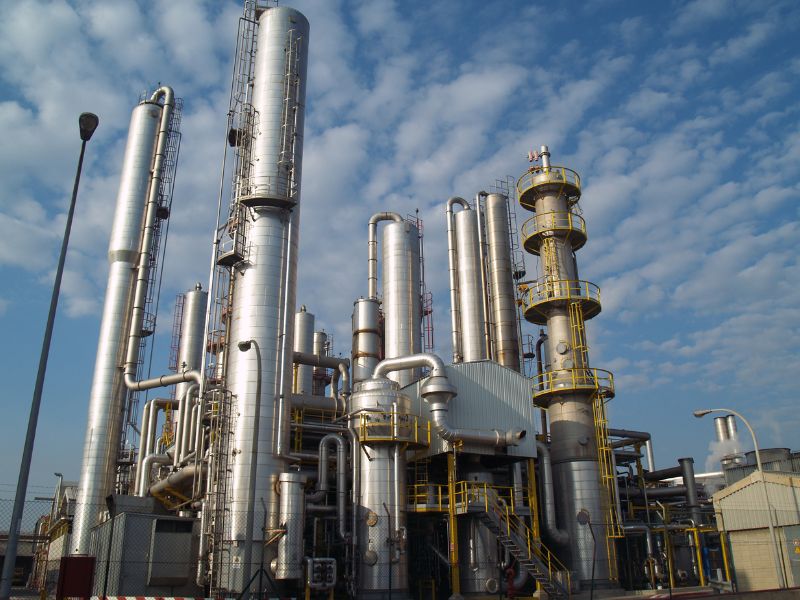
316L or 317L flanges on acid handling lines, solvent transfer piping, and reactor inlet/outlet nozzles. Class 600–2500 weld neck flanges for high-pressure reactor connections. EN 10204 3.1 certs and positive material identification (PMI) reports required on all flanges entering a permitted process area. Custom orifice flanges for differential pressure flow measurement are common in this sector.
02
Food & Beverage Processing
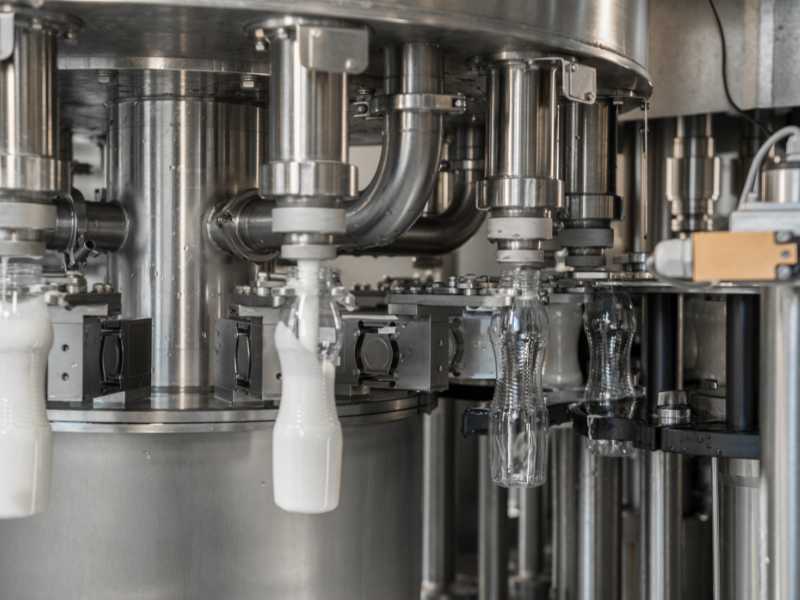
316L flanges for CIP-capable process lines handling milk, juice, beer, and sauces. Flat face flanges should use full-face PTFE or elastomer gaskets, not raised face with spiral wound gaskets, especially for lines connecting to pumps and other equipment with sensitive seating surfaces. Ra ≤ 0.8 µm internal surface finish on bore-machined flanges for hygienic zone piping. FDA material compliance documentation available.
03
Marine & Offshore
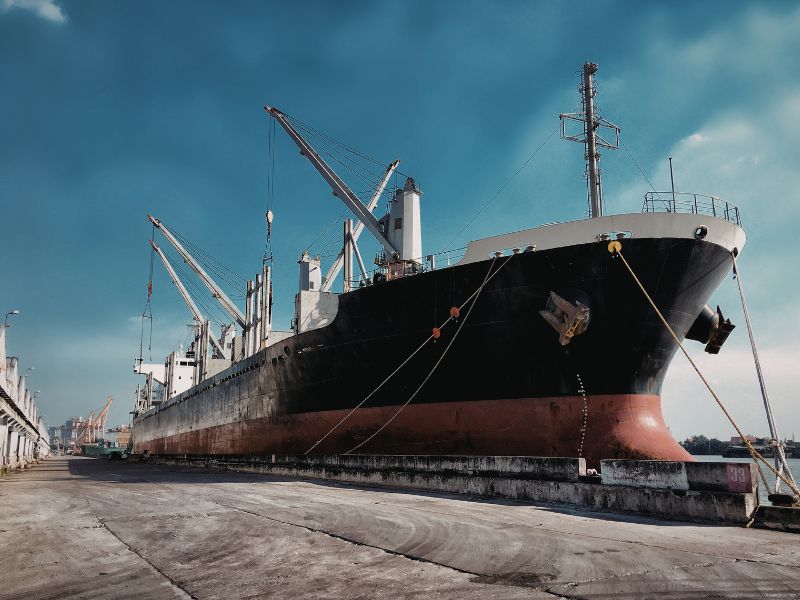
316L or Duplex 2205 flanges for seawater cooling lines, ballast system piping, and offshore platform process connections. Subsea and topside installations require EN 10204 3.1 heat-traceable material certs and, on some projects, DNV or Bureau Veritas third-party inspection of the flange batch. RTJ (Ring Type Joint) facing is standard on Class 600 and above offshore flanges due to its superior sealing performance under vibration and thermal cycling.
04
Water & Wastewater Treatment
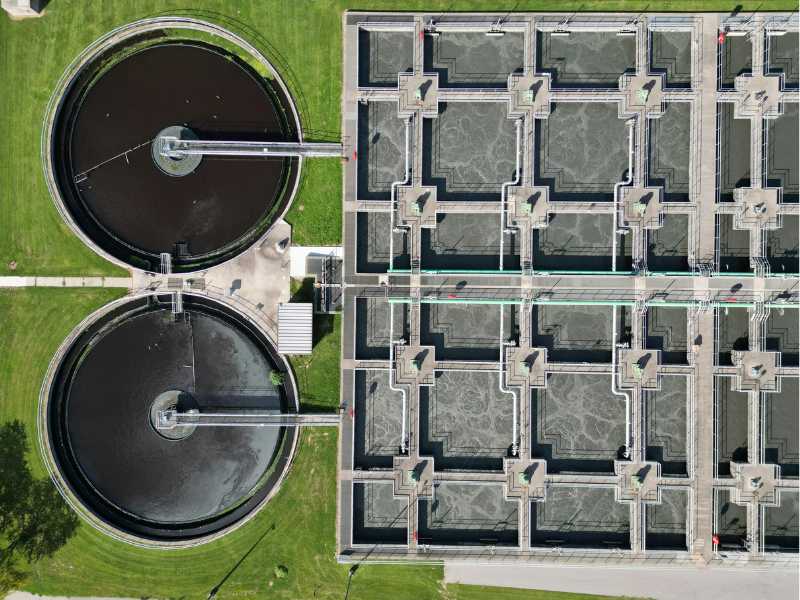
304L or 316L slip-on and weld neck flanges for treatment plant piping handling potable water, chlorinated effluent, and chemical dosing lines. Class 150 is the standard pressure class for most water treatment piping. For seawater intake and desalination plant connections, 316L is the minimum acceptable grade; Duplex 2205 is often specified where microbiologically-influenced corrosion (MIC) is a documented facility concern.
05
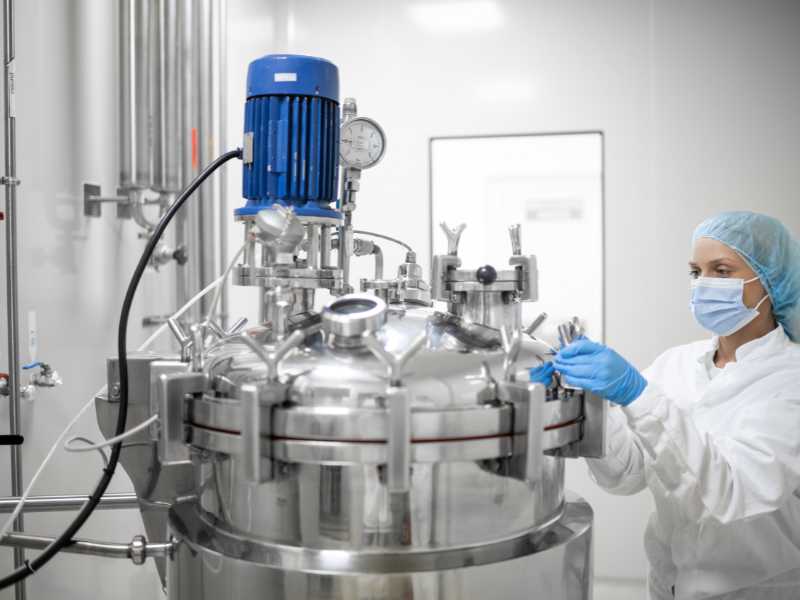
Pharmaceutical & Biotech
316L flanges with electropolished bore surfaces (Ra ≤ 0.4 µm) for injectable-grade water (WFI) and pure steam lines. Flat face with PTFE-encapsulated gaskets for cleanroom piping. Full material traceability documentation — ASTM A182 compliance, EN 10204 3.1 certs, and surface finish measurement records — supplied as a documentation package. Custom sanitary-finish flanges to 3-A Sanitary Standards on request.
06
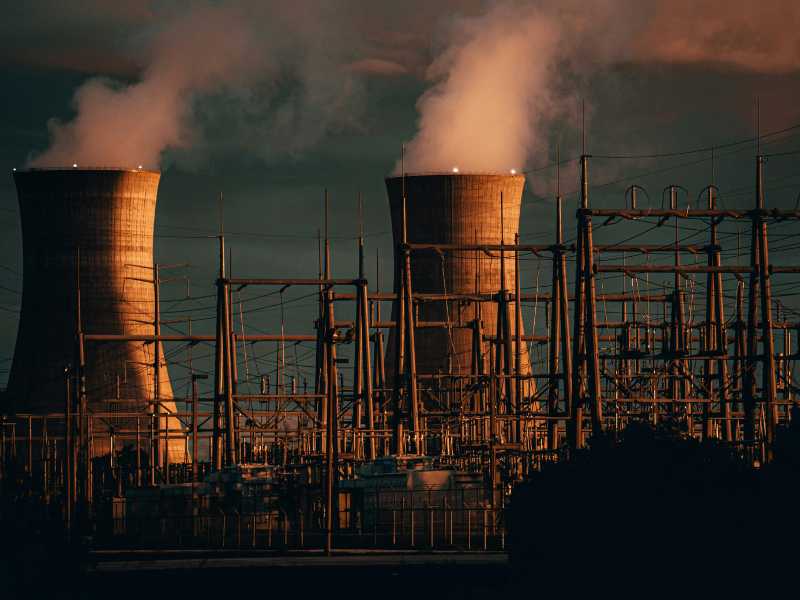
Power Generation & Energy
High-pressure steam piping in power plants uses weld neck flanges to Class 1500 or 2500. 321 stainless for high-temperature steam above 400°C where sensitisation risk eliminates 316L. Weld neck is the only acceptable type for steam flanges above Class 300 — the cyclic thermal loading that eliminates slip-on and threaded flanges from this service is well-documented in ASME B31.1 Power Piping. Material certs to ASME SA182 specification available.
Why Profab
Your Reliable Flanges Supplier
01
XRF Positive Material Identification on Every Heat
Every incoming material lot is verified by XRF spectrometry before the first facing cut is made. For 316L, molybdenum content is confirmed at 2.0–3.0%. For 317L and Duplex 2205, the full composition is verified against the applicable ASTM A182 grade requirement. A claimed grade is not the same as a verified grade — you receive analytical data for every heat, not a supplier’s assertion.
02
EN 10204 3.1 Certs — Included as Standard on Commercial Orders
EN 10204 3.1 material test certificates — chemically verified, heat-lot traceable, signed by an independent inspection body — are provided at no additional charge on orders where project specifications require them. For offshore projects subject to DNV, Lloyd’s Register, ABS, or Bureau Veritas documentation requirements, we prepare the full compliance package without subcontracting to a third-party certificate issuer.
03
Facing Machined to ASME B16.5 Dimensional Tolerance
Raised face height, outer diameter, bore diameter, and bolt hole circle are all machined to ASME B16.5 dimensional tolerance with CMM verification on each production run. Raised face serration finish is measured to confirm it falls within 125–250 µin AARH (3.2–6.3 µm Ra) — the gasket seating range specified by ASME B16.20 for spiral wound gaskets. Flanges that miss this tolerance create leak paths that are misattributed to the gasket.
04
Custom NPS and Non-Standard Bolt Patterns from Drawing
Standard ASME B16.5 covers NPS ½″ through 24″. Larger flanges, modified bolt circles for equipment-specific nozzle flanges, and custom bore diameters for non-standard pipe outside diameters are all produced from DXF or STEP drawings. We perform a dimensional review before quoting and flag any geometry that will create sealing or assembly problems — not after the flanges arrive on site.
How to Order
From Inquiry to Delivery
1
2
3
4
Send Specs
Series, thread size, grade, hand, safety catch, quantity. DXF or drawing for custom items.
Respond Within 24 Hours
We will work on the best solution base on your request and send you a specific quote within 24 hours.
Production
7–15 days standard. Samples before full production run on new custom parts. QC report before shipment.
Delivery
Sea, air, or express courier. Material certs and inspection report inside every box. Tracking same day.
FAQ
Common Questions
Not seeing your question? Email us at [email protected] and we typically reply same day.
When should I use a weld neck flange rather than a slip-on?
Use a weld neck for Class 600 and above in all service conditions, for any pressure class in high-temperature steam and cyclic-loading applications, and wherever ASME B31.3 or B31.1 is the governing piping code — both codes discourage slip-on flanges in severe cyclic service. The weld neck’s tapered hub reduces the stress concentration at the pipe-flange junction by distributing load over a longer section of material. Slip-on flanges are acceptable for Class 150 and 300 in stable pressure, ambient temperature service where vibration is low — water treatment, HVAC, and food processing are typical examples.
What facing finish should I specify for a spiral wound gasket?
Spiral wound gaskets are designed to seat against a Raised Face (RF) with a serration finish in the range of 125–250 µin AARH (3.2–6.3 µm Ra) — a phonographic-style concentric groove pattern. Too smooth (below 63 µin) and the gasket cannot grip the face; too rough (above 500 µin) and the winding may not seal at the peaks. ASME B16.20 specifies this range for standard spiral wound gaskets. Profab machines raised faces to this range as standard and confirms the finish by profilometer measurement. If you are specifying PTFE sheet or kammprofile gaskets, the facing finish requirement changes — specify your gasket type at enquiry and we will machine accordingly.
What is the correct flange type for a system that cannot be welded on site?
Threaded flanges (NPT or BSP bore) are the only ASME B16.5 type that connects without welding. They are limited to Class 300 and below — above this, thread leakage under cyclic pressure loading is a documented failure mode that ASME does not sanction. Lap joint flanges with shop-welded stub ends provide another option: the stub ends are welded in the fabrication shop and the loose lap flanges are tightened on site without further welding. For sites with no welding capability at all, threaded flanges at Class 150 or 300 with proper thread sealant and PTFE tape (or anaerobic sealant for permanent joints) are the standard approach.
Related Products
Complete Your Assembly
Get in touch with
Ready to Source Stainless Parts?
If you already have the drawings, please send email to [email protected] directly for an instant quote.
Profab
Request a Quote