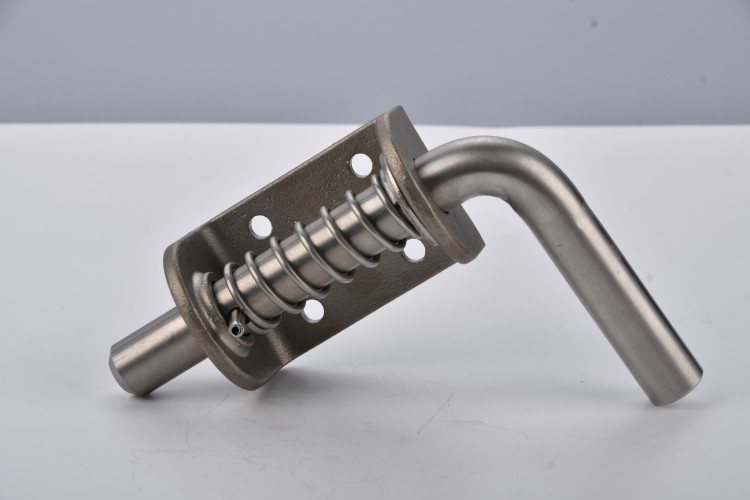
Bent Handle Spring Loaded Bolt Latches
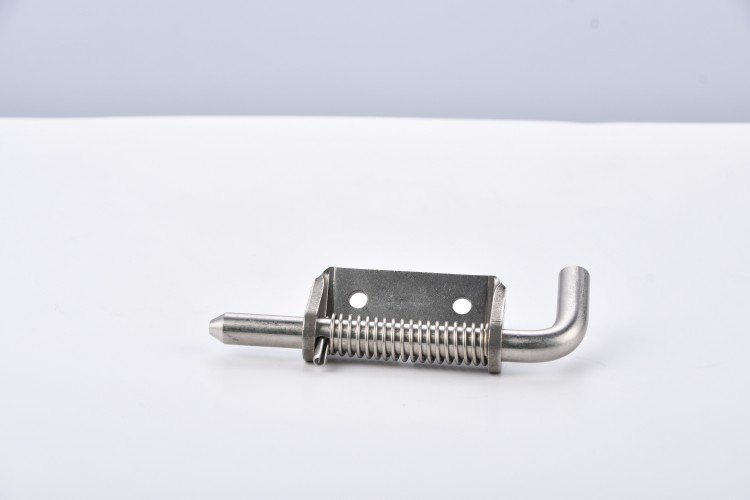
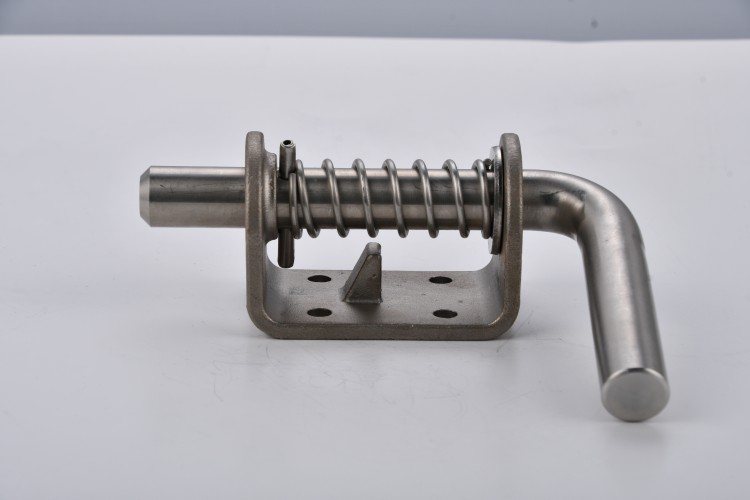
A sliding bolt with a 90 degree handle. Pull the handle back, turn it into the notch to hold the pin open, or let it spring into the strike.

Profab Machine makes stainless steel spring loaded latches, latch pins, bolts, and hinges for gates, doors, trailers, and enclosures. Send a drawing or a sample, and we make the pin, bracket, spring, and handle to your size, in 304 or 316 stainless steel.
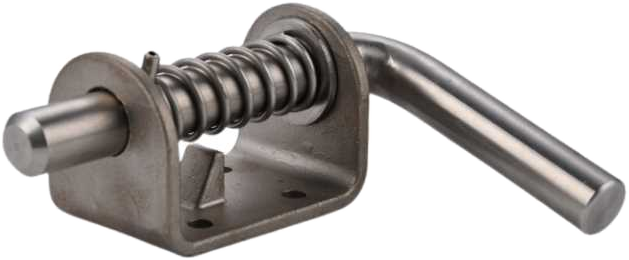
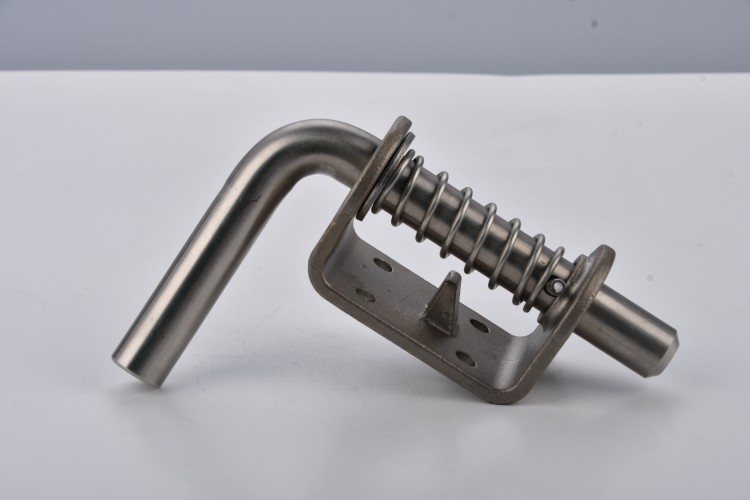
A spring loaded latch is a sliding pin held in a bracket by a spring. You pull the handle or ring to draw the pin out of the strike, and the spring pushes the pin back in when you let go. The pin locks a gate, door, hatch, or panel shut without a separate lock, and it springs home on its own. The same part is also sold as a spring loaded bolt, a spring loaded bolt latch, or a latch pin.
A spring loaded cane bolt is the long version, a drop rod that holds a gate leaf to the ground. A bullet hinge or a strap hinge carries the same door or gate on the other edge. This page covers the latches and bolts, and the hinges that go with them.
Latches are specified by pin, handle, and mounting. Hinges are specified by length, pin, and how they fix to the door.
The pin and the spring do the work. The handle and the bracket set how you operate and mount it.
A sliding bolt with a 90 degree handle. Pull the handle back, turn it into the notch to hold the pin open, or let it spring into the strike.
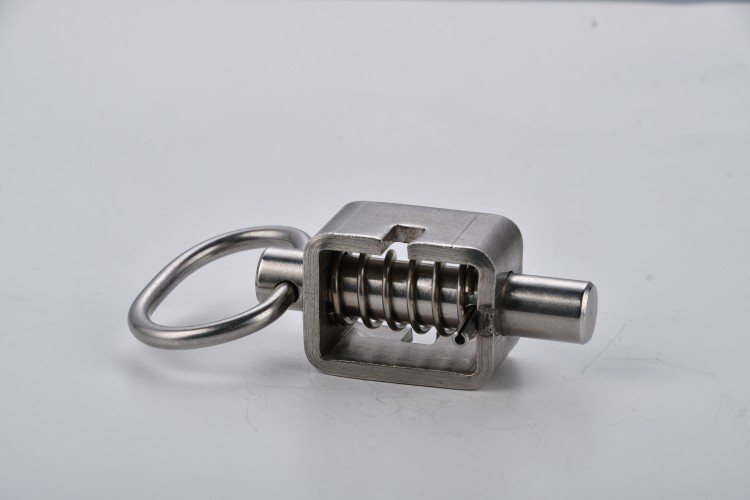
A short spring loaded latch pin in a box bracket with a pull ring. It suits panels, covers, and doors where space is tight.
A long pin that drops into a hole in the ground or a threshold to hold a gate leaf. The rod is cut to your length.
Hinges carry the door or gate that the latch closes.
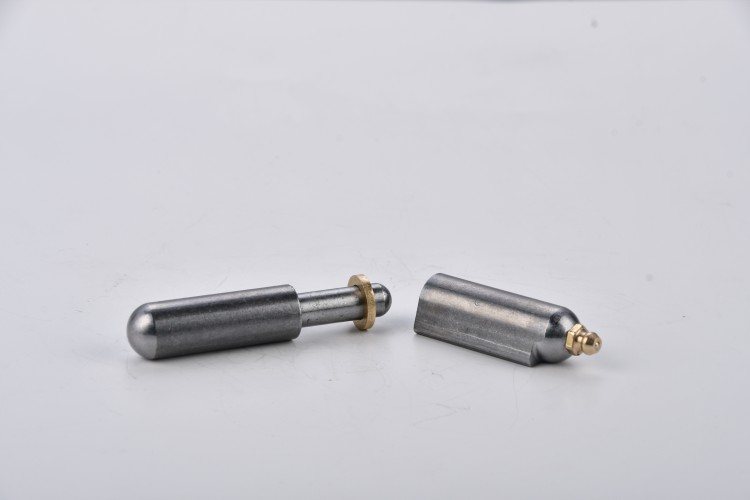
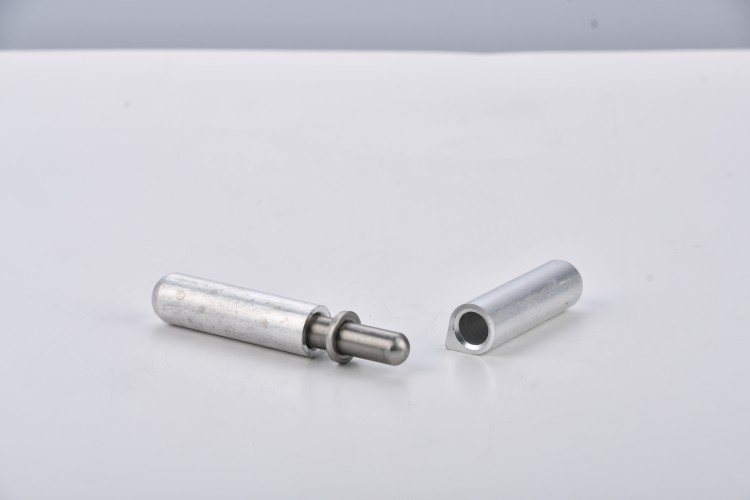
A pin and a barrel that weld to the door and the frame. A brass washer takes the thrust, and a grease fitting can be added.
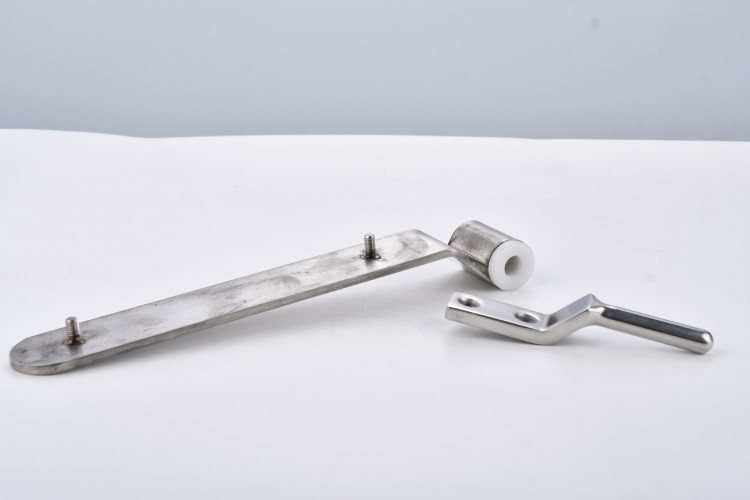
A long strap with a pin bracket, supplied as a kit. The door lifts off the pin for service.
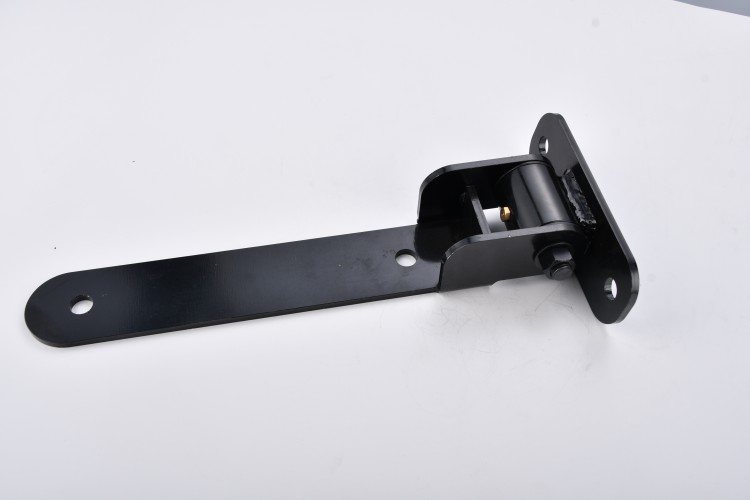
A formed strap hinge with a mounting plate, finished black. Stainless steel is available for wet or washdown use.
Pin size, spring force, handle, and finish are set from your drawing. See Custom Configurations below.
The grade follows the air, the water, and the wash the latch sees.
304 is the standard stainless steel for latches and hinges on dry or rinsed equipment, gates, enclosures, and food areas. It resists rust in most indoor and outdoor air.
The molybdenum in 316 resists chlorides better than 304. Choose it for marine hatches, coastal gates, and equipment washed with salty or chemical water.
Zinc plating and black coating are cheaper, but they chip at the pin, the hinge barrel, and the screw holes, and rust starts there. A stainless latch keeps working where the coating has worn through.
Other grades and zinc plated or coated steel are available when the price matters more than the finish.
The same latch pin and hinge move from one industry to the next. Only the size and the finish change.
Tailgates, side doors, and tool boxes need a latch that springs shut and survives road salt. Weld-on bullet hinges carry the doors.
A spring loaded cane bolt holds a gate leaf to the ground, and a latch holds the leaves together. Stainless steel stays clean on farm and coastal gates.
Panels and guards need a latch that opens by hand and closes by itself. A pull ring or bent handle fits the panel.
Hatches, lockers, and washdown doors see water and cleaners every day. 316 stainless steel latches and hinges do not leave rust on the surface.
Buyers judge a spring loaded latch by how it feels and whether it stays shut: a pin that sticks, a spring that is too weak to close a heavy door, or a handle that slips. We make the pin, the bracket, and the handle on CNC lines to your drawing, and we set the pin diameter, the travel, and the spring to the door it has to hold.
Pin length, handle shape, and bracket holes follow your drawing. Your logo can be marked on the bracket, the finish can be satin, bead blast, or mirror, and the latches arrive packed in your bags or boxes.
A hinge fails when the pin seizes in the barrel, the washer wears out, or the weld rusts through. Stainless steel on stainless steel can gall if the fit is wrong, and a dry hinge in salt air locks up.
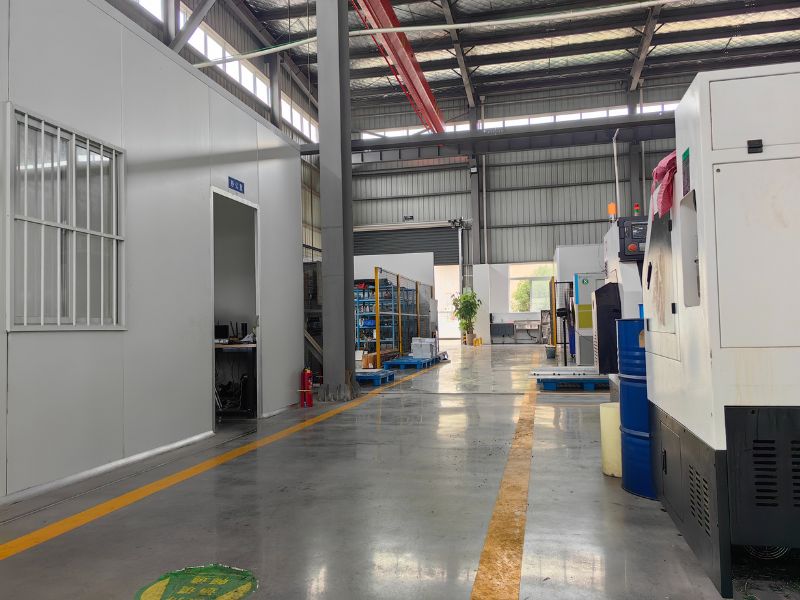
We cut the pin and the barrel to a fit that turns freely, add a brass or bronze thrust washer, and offer a grease fitting for hinges that carry heavy doors. The weld ends are made in the same grade as the structure you weld to, so the joint does not corrode. Your drawing or sample sets the length and the pin.
Check these points before you request a quote.
| Factor | What to Specify | Why It Matters |
|---|---|---|
| Type | Bolt latch, latch pin, cane bolt, bullet hinge, or strap hinge kit | The type sets the body, the mounting, and the price. |
| Pin diameter and travel | Pin diameter and how far it moves, in mm or in. | The pin must fit the strike hole and clear the door edge. |
| Spring | How hard the pin pushes and how far it returns | A heavy door needs a stronger spring. A hand panel needs a light one. |
| Handle | Bent handle, straight handle, or pull ring | The handle sets how you open it and with which hand. |
| Mounting | Screw-on bracket, bolt-on, or weld-on, with hole size and spacing | The mounting must match the door and the frame. |
| Grade | 304, 316 or 316L | Salt air, washdown, and chemicals call for 316. |
| Finish | Satin, bead blast, mirror polish, or passivated | The finish sets the look and how the surface resists corrosion. |
| Quantity | Pieces, and whether it is a prototype or production run | Prototype and production runs are quoted separately. |
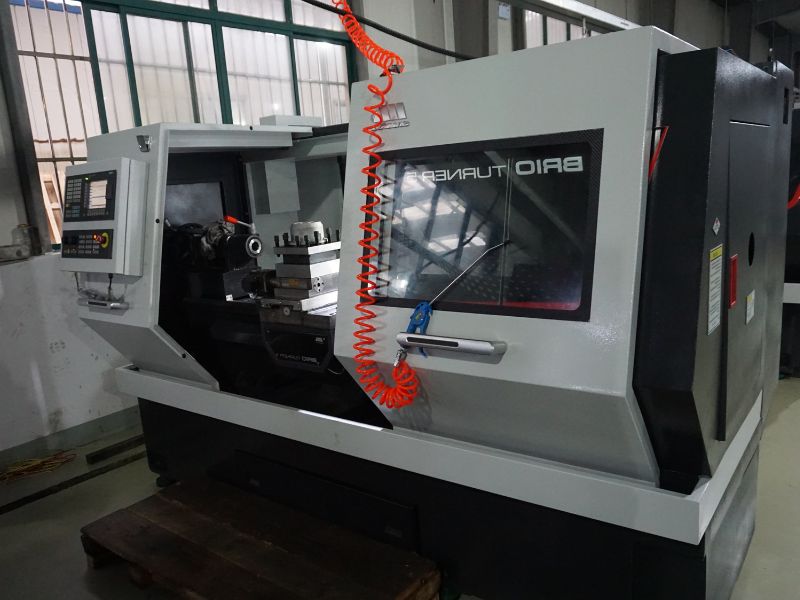
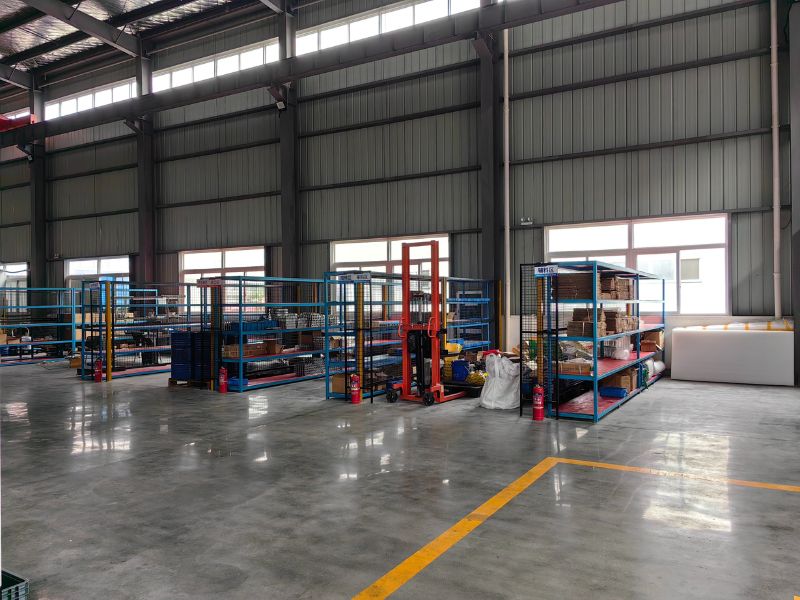
We CNC machine the pins, brackets, and hinge parts ourselves, so you deal directly with the factory. Tiered pricing is available on larger orders.
Send a drawing or a latch you already use, and we make a matching part in small batches. A prototype run does not need a large commitment.
Polishing, bead blasting, electropolishing, and passivation services are available for the finish your customers expect.

These parts close and mount the door next to the latch. Each is made to your drawing.
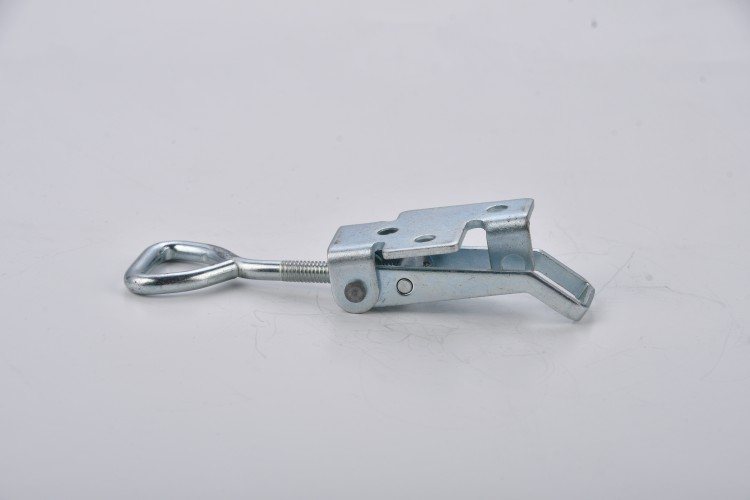
An over-center draw latch pulls a lid or panel tight where a sliding pin is not enough. It is made in stainless steel or zinc plated steel.
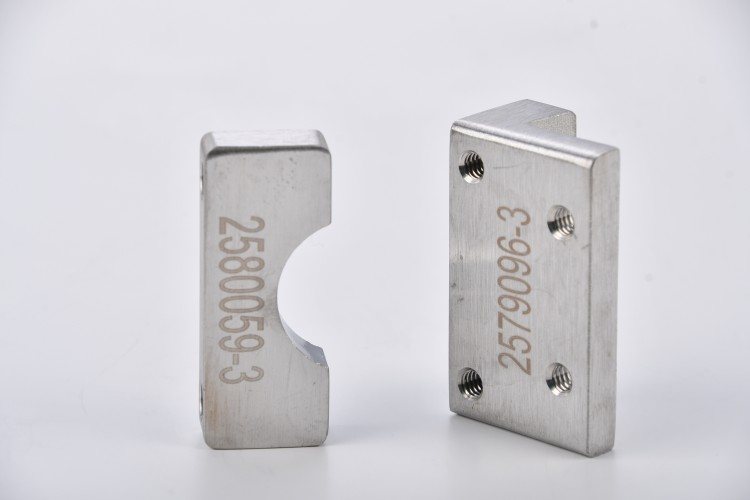
Machined blocks and brackets carry a latch pin or hinge to a frame. Part numbers or a logo can be engraved.
Everything on this list can change from one order to the next. Send a drawing or a sample, and we match it.
A spring loaded latch pin holds a gate, door, hatch, or panel closed. You pull the handle or ring to withdraw the pin, and the spring returns it into the strike hole when you release it.
A spring loaded bolt latch slides sideways across a door or gate to lock it to the frame. A spring loaded cane bolt is a long vertical rod that drops into a hole in the ground or a threshold to hold a gate leaf.
A weld-on bullet hinge is hidden and suits steel doors and trailers where you can weld. A strap hinge kit bolts or welds on and shows on the surface, and the door lifts off the pin for service.
Yes. Send the part or a photo with the pin diameter, the length, and the hole spacing. If you only have a sample and no drawing, we can reverse-engineer it for an additional fee.
Choose 316 or 316L near salt water, on coastal gates, and where cleaners with chlorides are used. 304 suits most inland outdoor and indoor use.
Type, pin size, spring, handle, grade, and quantity, with a drawing or a sample for custom parts.
A quote follows within 24 hours of your specs, with questions on any open points.
30 days standard, with samples approved before the full run on new custom parts.
Sea, air, or express courier, packed to your spec and sent to the address you give.
No hard minimum order quantity, small-batch and prototype runs supported, typically around 100 pieces for a first prototype run.
If you already have drawings, email them to [email protected].
[email protected] ↗