- By Profab /
- November 26, 2025
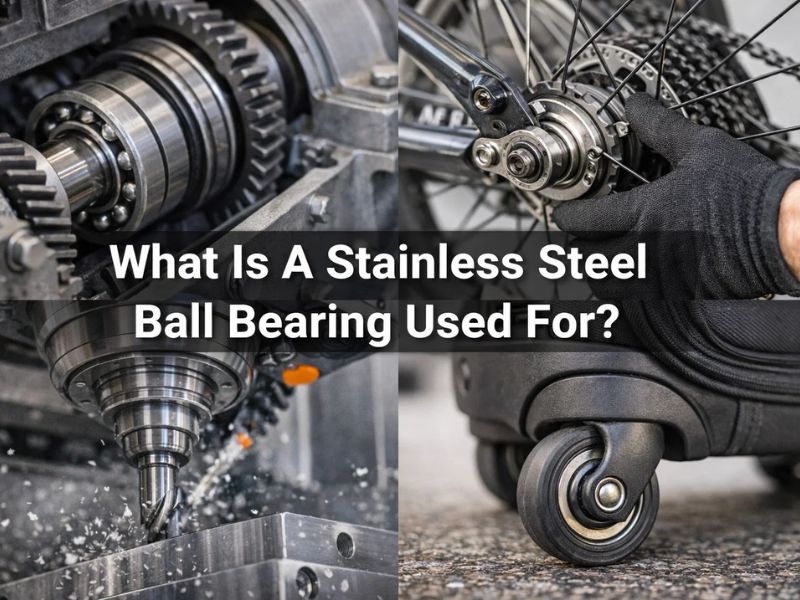
Stainless steel ball bearings are essential components that help make things move more easily. So, what is a ball bearing used for? They assist in lowering friction and supporting heavy parts, which ultimately helps machines operate more efficiently and increases their lifespan. Many businesses rely on them for their machinery, and they are also commonly found in various home appliances. The durability of stainless steel ensures that these bearings are strong and resistant to rust.
Table of Contents
What Is A Ball Bearing Used For
Reducing Friction In Machinery
Machines have parts that move. These parts can rub together. Rubbing causes friction and slows things down. Friction also wears out parts. Ball bearings use small, smooth balls to keep parts apart. This design turns sliding friction into rolling friction. Rolling friction is much less than sliding friction. Machines work better and use less power. Stainless steel ball bearings have strong steel balls inside rings. This setup helps parts move easily and saves energy.
Supporting Rotational And Axial Loads
Ball bearings do more than lower friction. They also help hold up different loads. There are two main types of loads: radial and axial. Radial loads push out from the center. Axial loads push along the length of the bearing. Stainless steel ball bearings can handle both kinds well. This makes them good for many machines.
Common Applications In Industry
Stainless steel ball bearings are used in many industries. They help machines run smoothly and last longer. In medicine, you find them in pumps and valves. In food factories, they help keep machines clean and working. Cars use them in gears and seats. Planes need them for safety and good performance. Big machines use them for pumps and gears.
Everyday Uses In Appliances
You also use ball bearings at home. They help your appliances work better and last longer. You find them in washing machines, fans, blenders, and skateboards. These bearings help your appliances use less power and break less often.
Why Choose Stainless Steel Ball Bearings
Corrosion Resistance Benefits
Machines need to last a long time. Some places have water or chemicals. Stainless steel ball bearings do not rust easily. They fight off corrosion. This makes them good for wet or humid areas. Their smooth surface keeps out dirt and germs. This helps with food and medical machines. These bearings meet safety and hygiene rules. You can use them in clean rooms and kitchens.
Durability And Longevity
Stainless steel ball bearings are very strong. They do not change shape under pressure. They work well in heat. Grades like 304 and 440C handle high temperatures. They do not wear out fast. These bearings last longer and need less fixing. You will not have to replace them often. Your machines will not stop working as much.
Comparison With Other Materials
You have different choices for ball bearings. Stainless steel resists rust and heat well. Carbon steel costs less but rusts in wet places. Ceramic bearings fight rust and heat better. But they can break and cost more. Plastic bearings are light and resist some chemicals. They do not last long or work for heavy jobs.
Types And Selection Of Stainless Bearings
Common Types Of SS Ball Bearings
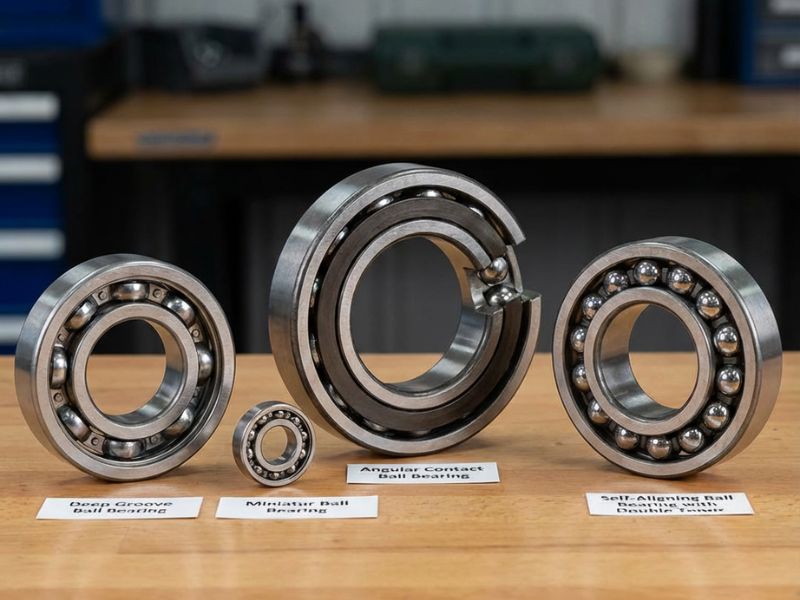
You can find several types of stainless steel ball bearings for different needs. Each type works best in certain machines or environments. Here are the most common types you will see:
- Deep groove ball bearings: Great for high-speed and low-noise jobs.
- Miniature ball bearings: Fit small devices like medical tools or electronics.
- Angular contact ball bearings: Handle both radial and axial loads well.
- Self-aligning ball bearings: Adjust to misalignment in shafts or housings.
- Spherical plain bearings: Compensate for shaft misalignment, deflection, or structural deformation
You also have choices in stainless steel grades:
- AISI 304: Non-magnetic, resists corrosion, and shapes easily.
- AISI 316: Works well in wet or chemical areas, non-magnetic.
- AISI 440C: Handles full loads, resists heat and corrosion.
- AISI 630: Offers top corrosion resistance and can take heavy loads.
Slection of Stainless Ball Bearings
When you choose a stainless steel ball bearing, check these key factors:
- Temperature limitations
- Compatibility with lubricants
- Operating conditions
- Load requirements
These options help you match the right bearing to your job.
Stainless steel ball bearings are indispensable components in industrial, commercial, and domestic applications. Their primary role is to reduce friction and to support both rotational and linear loads. Profab Machine provides ss ball bearings with custom options. Feel free to contact our experts now!
FAQ
What makes stainless steel ball bearings better for wet environments?
Because their chromium content creates a self-healing, non-porous layer of chromium oxide. It is a shield against moisture and rust.
Can you use stainless steel ball bearings in food processing equipment?
Yes. Food-grade stainless steel is usually used in the food industry.
Send Inquiry Now
Related Resource
Can You Use Automotive Hose Clamps on a Boat?
Can Stainless Steel Clamps Be Used in Food Processing?
Shackle or Clevis? Complete Comparison from Design to Application