
- By Profab /
- December 10, 2025
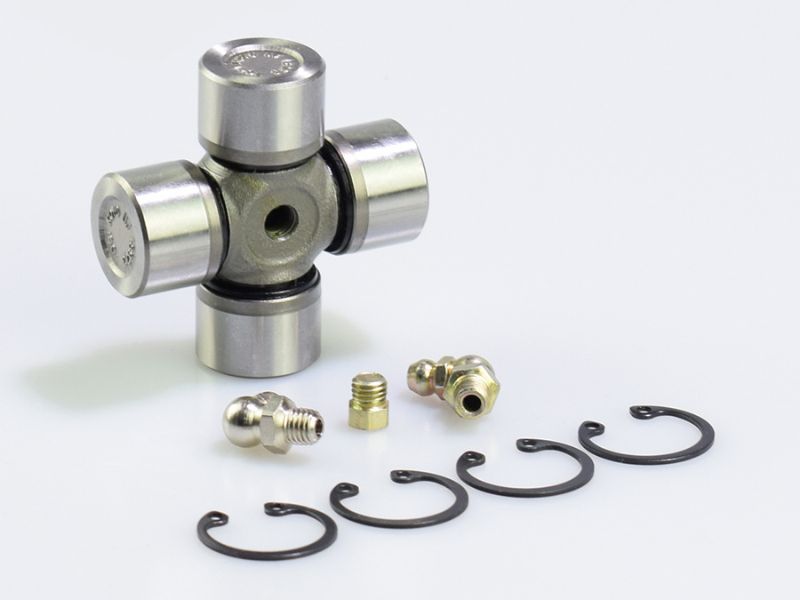
A car u joint lets your vehicle move smoothly when the road gets rough. You find it where the driveshaft connects to the transmission or differential. The joint helps your car handle bumps and turns by allowing parts to flex and change angles. This keeps power flowing from the engine to the wheels. You can spot problems early and keep your car running better when you know how a u joint works.
Table of Contents
What Is a Car U-Joint?
Universal Joint Definition
A universal joint, or U-joint, connects two shafts. You can find this part in many cars, especially where the driveshaft meets the transmission or differential. In cars, a universal joint is a part that links hard shafts set at an angle. This joint lets the shafts spin and move, even if they do not line up. The car u joint helps power move from the engine to the wheels, even when your car goes over bumps or turns.
Basic Structure and Parts
A car u joint looks like a cross made of metal. It has four arms, and each arm fits into a bearing cap. These caps go on the ends of the shafts. The cross sits between two yokes, which hold it all together. This setup lets the shafts bend and twist but keeps them connected.
Steel is the most used material. It makes the U-joint strong enough for heavy loads and high heat. Some U-joints use special alloys or thermoplastics to last longer or stop rust.
How U-Joints Work
The cross shape of a U-joint is important. It helps your car move in many ways. It lets power move between shafts that are not lined up. It allows the shafts to change angles when your car hits bumps or turns. It helps soak up shocks and shakes, which protects other car parts. You can think of the U-joint as a bendy connector. When your car moves, the driveshaft and other parts do not always stay straight. The U-joint bends and twists, so power keeps moving.
When you drive over a hole or turn fast, the U-joint keeps the link strong. It makes sure the wheels get steady power, even when the angles change. This helps your car run well and keeps you safe.
U-Joint Location and Function
Where U-Joints Are Found
You can find U-joints in many types of vehicles. You often see them at both ends of the driveshaft. Rear-wheel drive cars have 2-3 u joints, trucks and commercial buses have 3 or more.
Driveshaft and Transmission Connection
A car u joint connects the driveshaft to the transmission and the differential. In some vehicles, you may also see U-joints joining two driveshafts together. These joints act like flexible pivots. They allow the driveshaft to move up and down as the suspension works. This movement keeps the driveshaft from breaking or binding when the road gets rough.
Role in Power Transfer
U-joints play a big part in moving power from the engine to the wheels. They let the driveshaft spin and transmit torque at angles. This flexibility is key for smooth power transfer. U-joints help prevent vibrations and keep the drivetrain working well.
Why Universal Joints Matter
Importance for Vehicle Movement
You depend on Universal joints every time you drive. These small parts keep your car moving safely and smoothly. When a car u joint works well, you feel steady power and control. If it fails, you might notice clunking noises or strong vibrations. Sometimes, the driveshaft can even detach, which causes a sudden loss of control and can damage other parts. A healthy U-joint keeps your ride safe and helps you avoid expensive repairs.
Handling Angles and Suspension
Universal joints help your car handle bumps and turns. They let the driveshaft change angles as the suspension moves. This flexibility means you get a smoother ride, even on rough roads. U-joints also connect the steering shaft to the gearbox. When these joints work well, you steer easily and keep control. If a U-joint fails, you might need more effort to turn the wheel, and steering can feel unpredictable.
U-Joint Uses in Vehicles
You find U-joints in many types of vehicles. Trucks and commercial vehicles use them to handle heavy loads. Off-road and military vehicles need strong U-joints for tough conditions. Tractors and construction equipment rely on U-joints for power transmission.
Types of U-Joints
The most common type is the cross-type. Cross-type U-joints work well for moderate torque and allow some misalignment between shafts. You see these in many cars and trucks.
Here is a quick table to help you compare other designs:
Type of U-Joint | Features and Applications |
Standard Cross Shaft U-Joints | Used in most cars; good for moderate torque and angles. |
High-Wing Cross Shafts | Handle high angles; great for off-road and heavy-duty vehicles. |
Double Cardan Joints | Reduce vibration; solve severe angle issues in complex drivetrains. |
Needle Bearing U-Joints | Best for high speeds; lower friction and longer life. |
Sealed and Lubricated Joints | Need less maintenance; work well in tough conditions. |
Front vs. Rear U-Joint
Front U-joints face more stress than rear ones. When you drive off-road or turn sharply, the front U-joints work at bigger angles. This can push up torque by 30% at angles near 40 degrees. More torque means more wear and a higher chance of failure if you skip maintenance. Rear U-joints deal with less extreme movement, so they usually last longer. Both need regular checks and lubrication, but front U-joints deserve extra attention.
Signs of U-Joint Failure
How to Tell If a U-Joint Is Bad
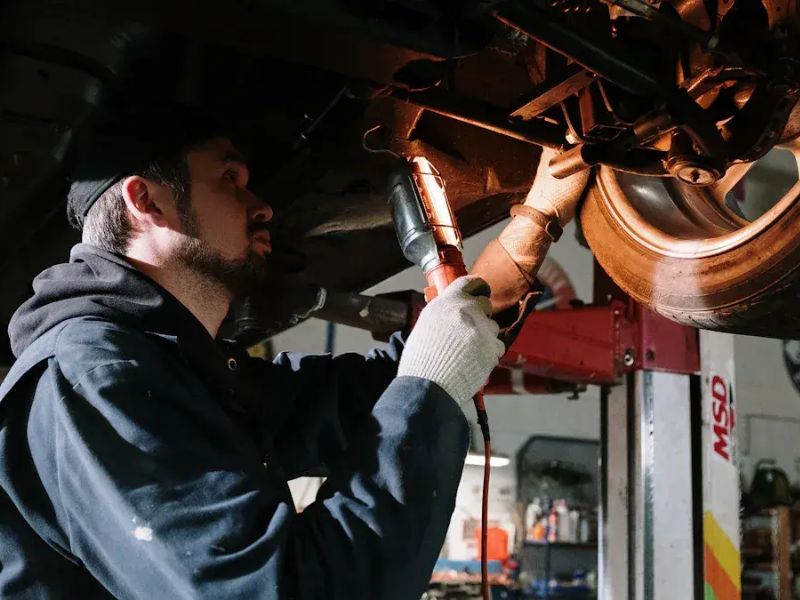
You can spot a bad U-joint by paying attention to sounds and how your car feels. When you shift into drive or reverse, listen for a loud clunking noise. This sound often means the U-joint has too much play. You might also notice a squeaking noise while driving, especially at low speeds. Lack of lubrication causes this squeak. If you feel strong vibrations inside your vehicle as you speed up, the driveshaft may be shaking because the U-joint is worn out.
Risks of Ignoring Problems
Ignoring U-joint problems can lead to bigger issues. If you keep driving with a bad U-joint, the driveshaft might break or detach. This can cause a sudden loss of power to the wheels. You could lose control of your car, which is dangerous. Other parts of the drivetrain may also get damaged, leading to expensive repairs. Regular checks help you avoid these risks.
U-Joint Maintenance and Replacement
Inspection Tips
You can keep your car u joint working well by checking it regularly. Start with a simple visual check. Look for rust, loose parts, or grease leaks. Use a large screwdriver between the yoke and the spider joint. Listen for bearing noise while driving, especially rolling downhill at highway speeds in neutral. Inspect the spider joint for uneven gaps in the dust cover when twisting.
Lubrication and Care
Greaseable U-joints need fresh lubricant every 5,000 miles. This keeps them moving smoothly and prevents wear. Use a grease gun to add lubricant until you see clean grease coming out. Wipe away old grease and dirt. If your U-joint is sealed, you do not need to add grease, but you should still check for leaks or damage.
Conclusion
Understanding how U-joints function and why they matter is essential for keeping your vehicle running smoothly. Profab Machine manufactures various types of ball bearings. If you’re looking to elevate the performance and reliability of your drivetrain systems, Profab Machine is ready to support your next project.
FAQ
How to tell if universal joint is bad?
You may hear clunking when shifting gears, feel vibrations while driving, or notice squeaking at low speeds. These signs mean your U-joint needs attention.
Can I replace a U-joint myself?
Yes. You can replace a U-joint with basic tools like a socket set, hammer, and bench vise. If you feel unsure, ask a mechanic for help. Safety matters most.
Do all vehicles use the same type of U-joint?
Not all vehicles use the same U-joint. Trucks and off-road vehicles need stronger, flexible joints. Most cars use standard cross-type U-joints. Always match the joint to your vehicle’s needs.
Send Inquiry Now
Related Resource
Forged vs. Machined Stainless Clevis Rod Ends
How Stainless Clevis Support Washdown Requirements in Food Processing Lines
Advantages of Maintenance-Free Rod Ends in Hydraulic Applications