
Shackle or Clevis? Complete Comparison from Design to Application
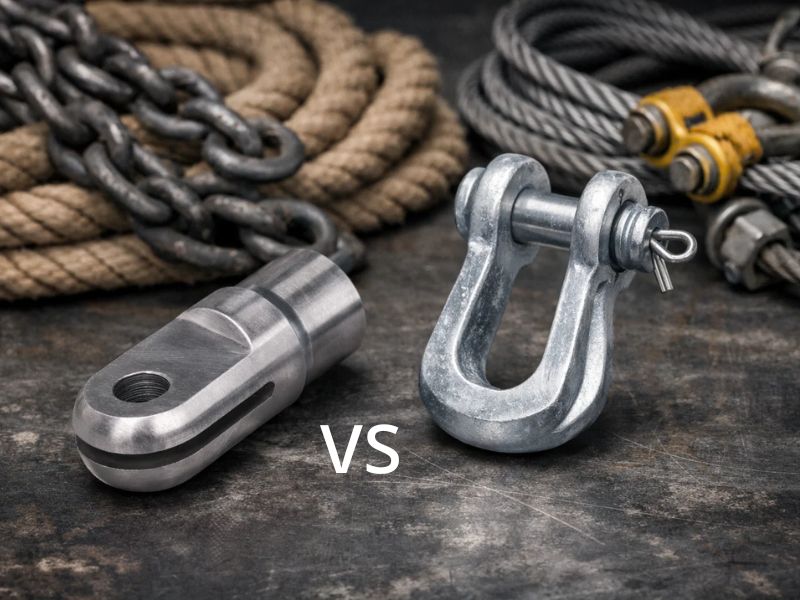
While they look similar, shackles and clevises have fundamental differences in grain flow, load ratings, and side-loading tolerance. Discover which connector is right for your rigging or industrial application.
Forged vs. Machined Stainless Clevis Rod Ends
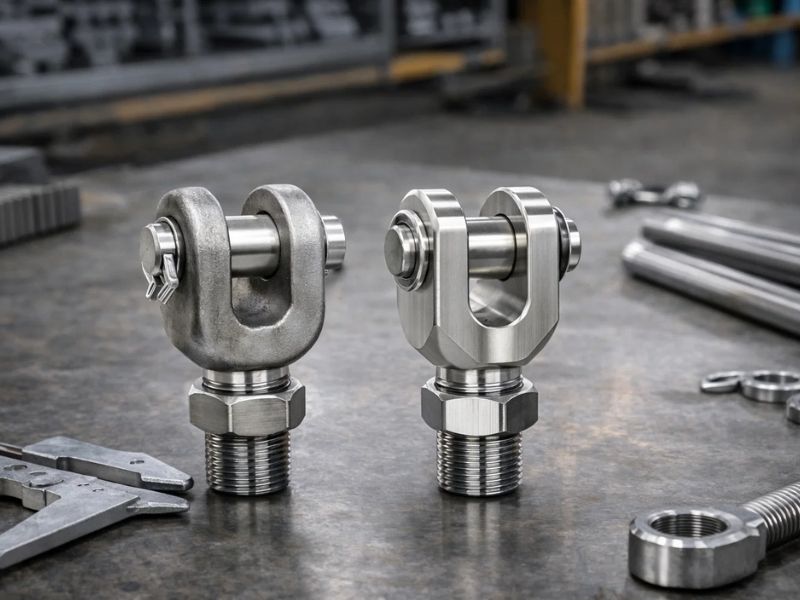
Choosing the right stainless clevis rod end involves more than just price. We dive into the fatigue testing, grain flow, and ROI of forged versus CNC-machined parts.
How Stainless Clevis Support Washdown Requirements in Food Processing Lines
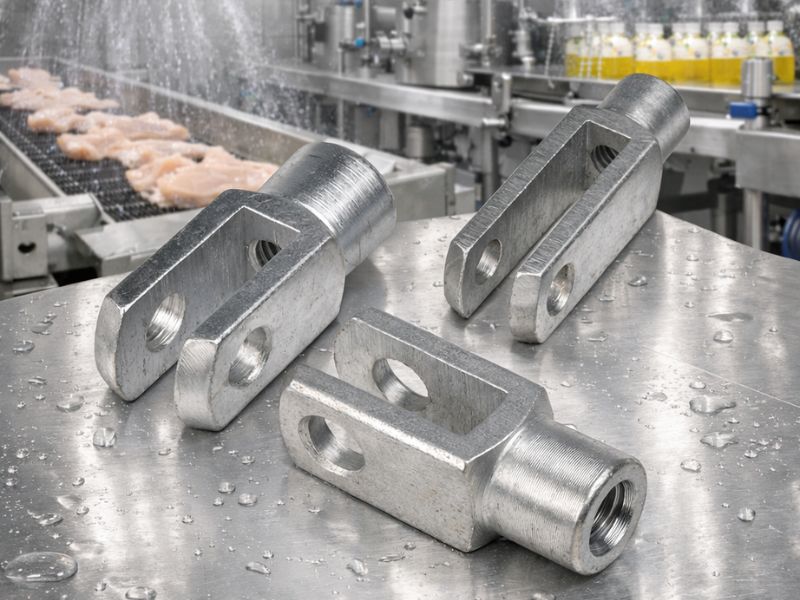
Is your equipment harboring bacteria? Discover how food-grade stainless clevis rod ends prevent microbial growth and withstand aggressive CIP cleaning cycles.
Load Capacity Considerations For Clevis Rod Ends In Construction Machinery
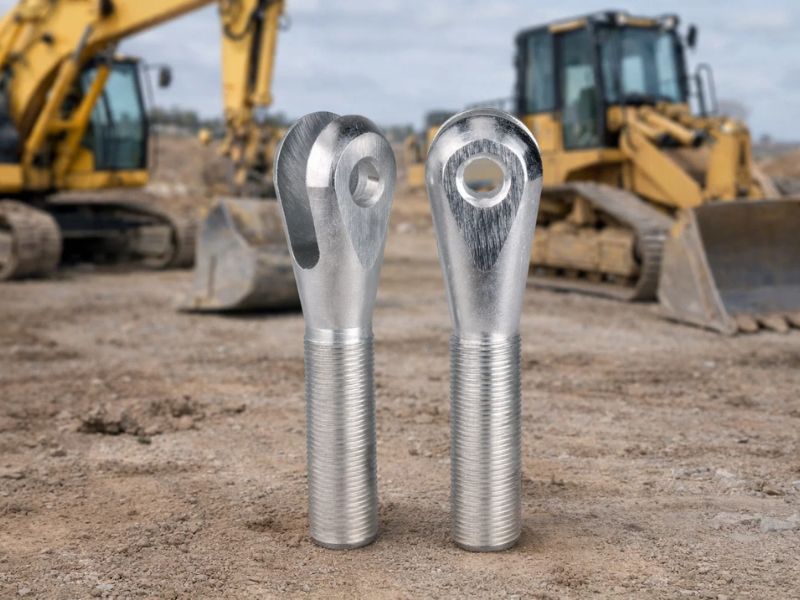
Construction machinery clevis rod ends must account for 2-5x impact multipliers, double-shear configurations offering 1.8-2x capacity advantage, with safety factors ≥2.5 for static and ≥1.5-2.0 for dynamic loading.
What Is A Clevis Joint And How Does It Work
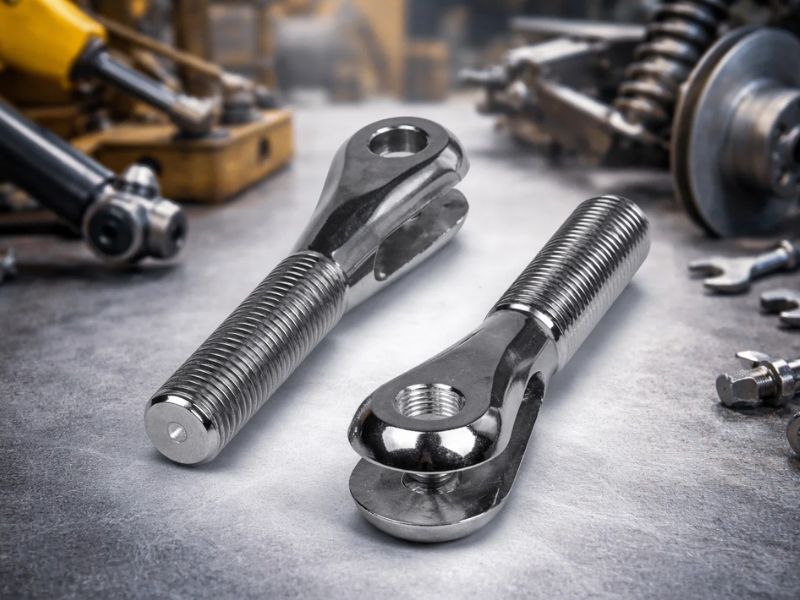
Clevis joint uses a U-shaped clevis, a pin, and a mating part. The holes in the clevis line up with the hole in the mating part. The pin goes through all the holes and keeps everything together, but still lets the parts move.