
- By Profab /
- November 25, 2025
Choosing between plastic vs stainless steel rod end bearings depends on your project needs. Plastic is lighter and does not require oil, making it self-lubricating. It effectively keeps out dirt and is corrosion-resistant. On the other hand, stainless steel is stronger and can handle more weight, along with better heat dissipation. Profab will explain the main differences between these two bearings to help you choose the best rod end for your project.
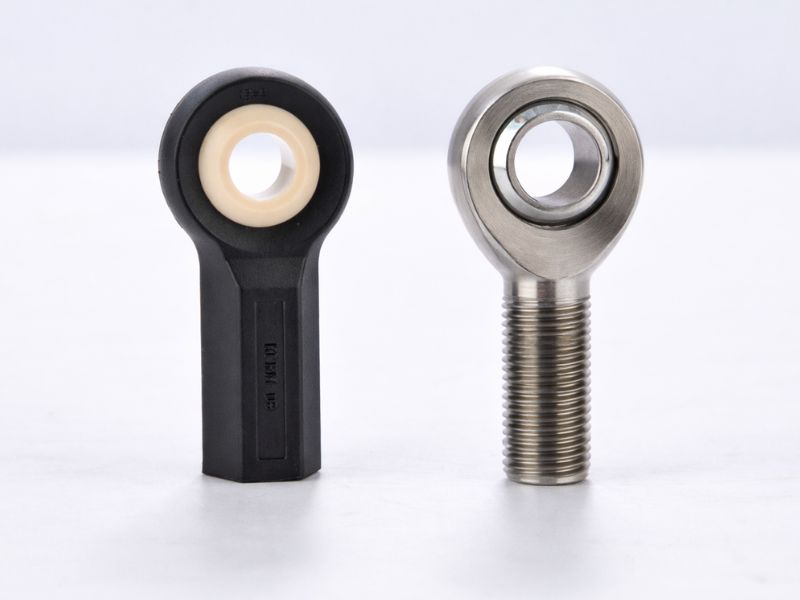
Table of Contents
Main Differences
Lubrication Needs
Plastic rod end bearings do not need grease or oil. They have self-lubricating surfaces. This makes your job easier and keeps your machine cleaner.
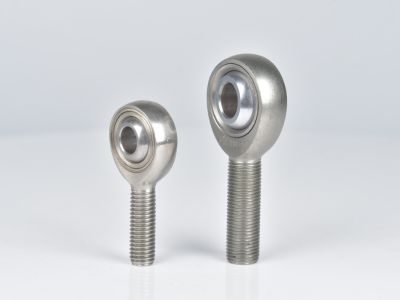
The lubrication of stainless steel rod ends depends on their construction. 2-Piece Construction (CM/CF ) has no liner. They need regular lubrication. 3-Piece Construction (XM/XF, JMX/JFX, SATK/SITK) has a PTFE liner. These models are suitable for industrial equipment and vehicles that cannot be maintained frequently.
Wear and Lifespan
The wear of the plastic rod end is typically adhesion and abrasion. The polymer material is self-lubricating. It transfers minute particles of the bearing material onto the steel spherical ball, creating a low-friction surface. The degree of wear is referenced to the amount of radial clearance.
Metal-on-metal rod ends cause high friction and rapid wear more easily. Stainless rod ends with a PTFE liner are maintenance-free. Their life depends mainly on the load and movement cycles.
Vibration and Noise
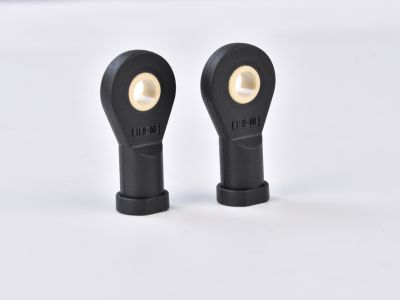
Polymers naturally absorb and dampen structural vibrations and shock loads. Plastic rod ends excel in applications where low noise and vibration isolation are critical.
Steel transmits vibrations throughout the assembly. Stainless steel rod ends provide superior strength but are generally louder and transmit more vibration.
Applications
Factories and big machines use rod end bearings a lot. These bearings help move or lift heavy things. Plastic and stainless steel rod end bearings work in different ways.
Stainless Steel Rod End Uses
Industrial Machinery
- Filling machines
- Packaging machines
- Conveyor systems
- Mixing & dosing equipment
- Valves and pump actuators
- Robot arms & automation linkages
Automotive & Off-Road
- Suspension linkages
- Steering tie rods
- Sway bar end links
- Throttle linkages
- Turbo/exhaust actuator components
Agricultural Machinery
- Air seeders
- Fertilizer spreaders
- Hydraulic linkages
- Control arms
Food & Beverage Equipment
- Washdown machines
- Carton & tray forming units
- Sorting / grading equipment
- Egg packing/fruit packing machines
Plastic Rod End Uses
Light-Duty Machinery
- Small packaging machines
- Light conveyors
- Sensor arms & small linkages
Food & Pharma Equipment
- Low-load transfer arms
- Detection/inspection equipment
Electronics & Semiconductor
- Automation pick-and-place units
- Cleanroom machine
HVAC Systems
- Damper controls
- Airflow regulator linkages
Pros and Cons
Plastic Rod End Bearings: Pros and Cons
Advantages of plastic rod end bearings:
- Self-lubricating
- About 50% lighter than metal rod ends
- Vibration dampening
- Dirt and dust resistant
- Corrosion-resistant
- Suitable for rotating, oscillating, and linear movements
Disadvantages of plastic rod end bearings:
- Lower static load capacity
- Larger tolerance (E10) compared to steel (H7)
- More heat buildup under stress
- Lower tightening torque than metal
- Cannot directly fix the ball with a screw; a metal sleeve is required
Stainless Steel Rod End Bearings: Pros and Cons
Advantages of stainless steel rod end bearings:
- High Strength-to-Weight Ratio
- Temperature Resistance
- Low Maintenance
- Corrosion Resistance
- Strength and Durability
- Aesthetic Appeal and Versatility
Disadvantages of stainless steel rod end bearings:
- Higher Cost
- Does Not Dampen Vibrations
- Maintenance Needs (For Unlined Rod Ends)
Choosing rod ends requires weighing material differences. Selecting the correct bearing type is vital for machine reliability. Profab Machine offers high-quality stainless steel rod end bearings. Contact Profab Machine for your custom rod end solutions.
FAQ
What is a rod end bearing used for?
You use a rod end bearing to connect moving parts. It lets parts move smoothly in different directions. You often see them in machines, cars, and robots.
Which type is quieter in machines?
Plastic rod end bearings make less noise.
How do you choose the right rod end bearing?
Think about the load, environment, and how much care you want to give. Pick plastic for light loads and wet places. Choose stainless steel for heavy loads and hot spots.
Send Inquiry Now
Related Resource
Advantages of Maintenance-Free Rod Ends in Hydraulic Applications
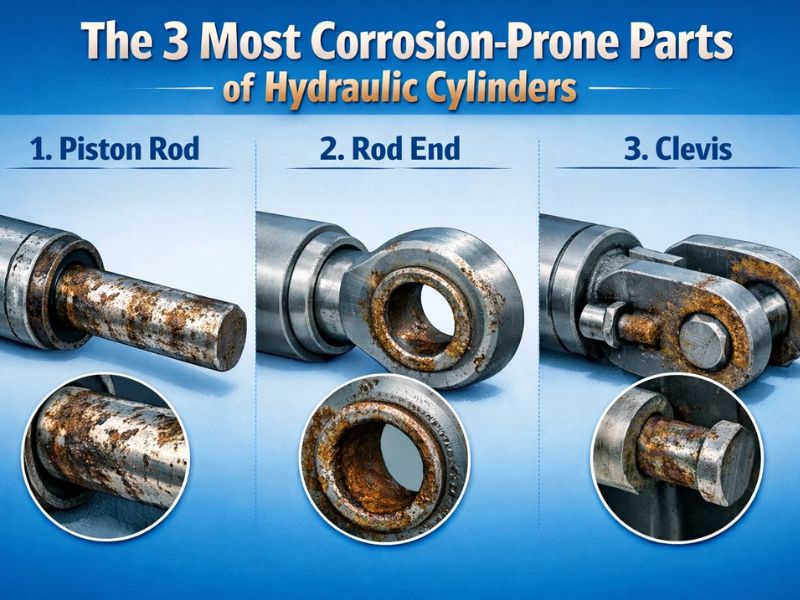
The 3 Most Corrosion-Prone Parts of Hydraulic Cylinder
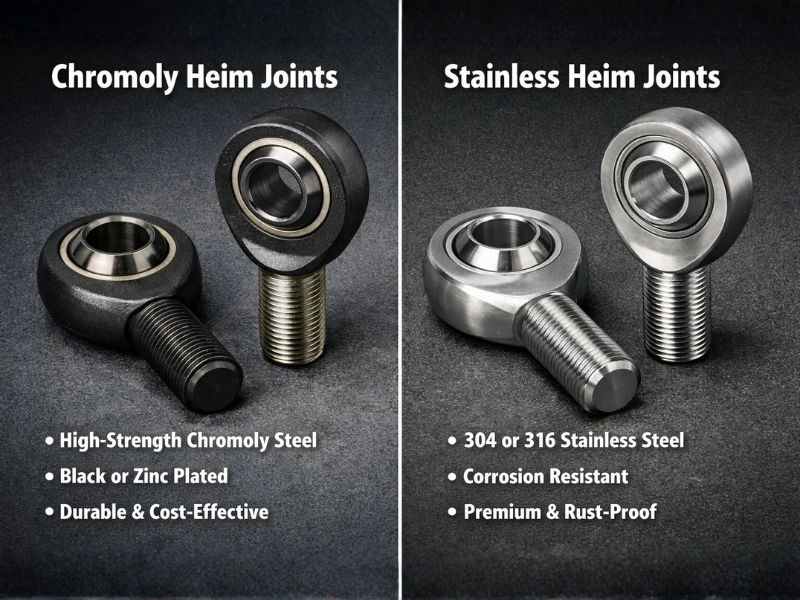
Chromoly Heim Joints vs Stainless Steel Heim Joints