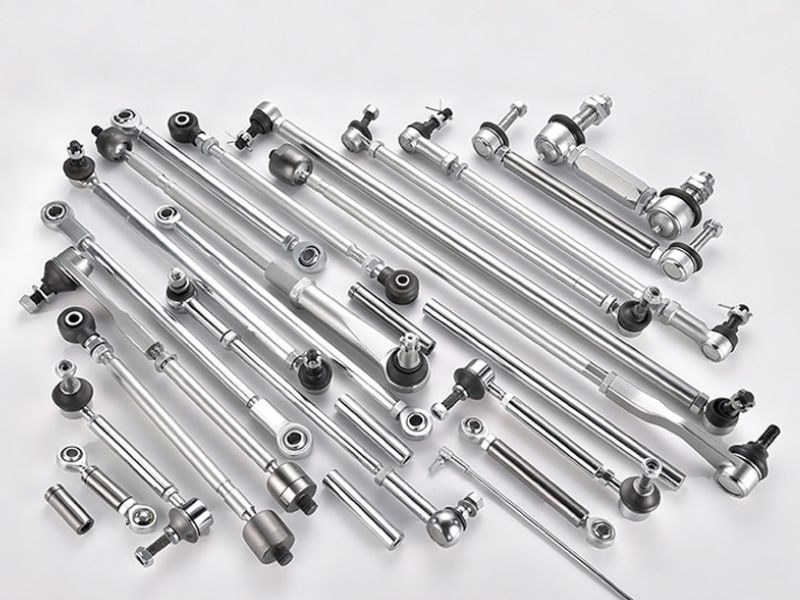
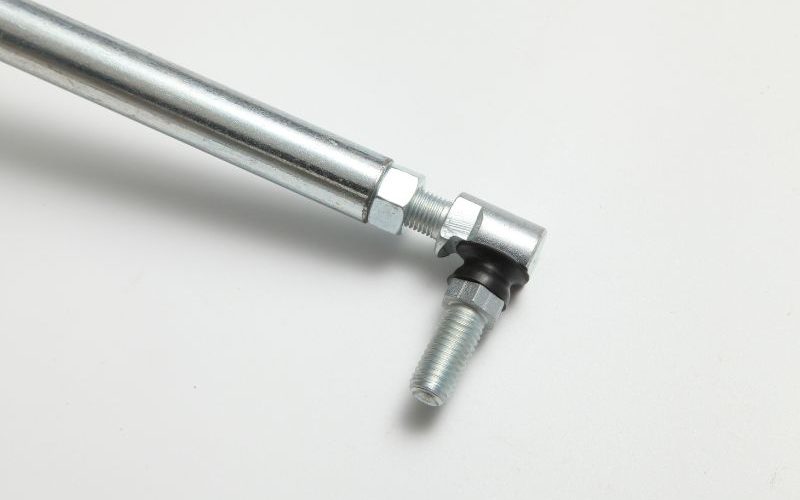
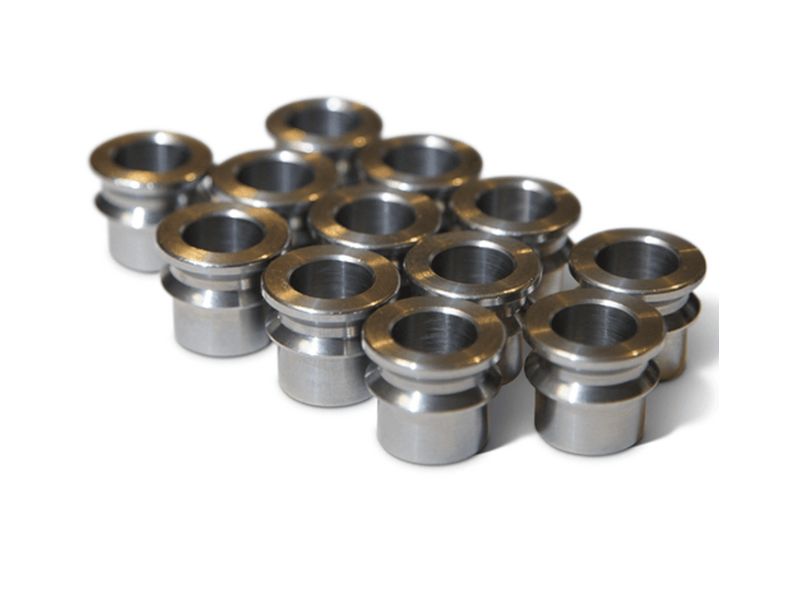
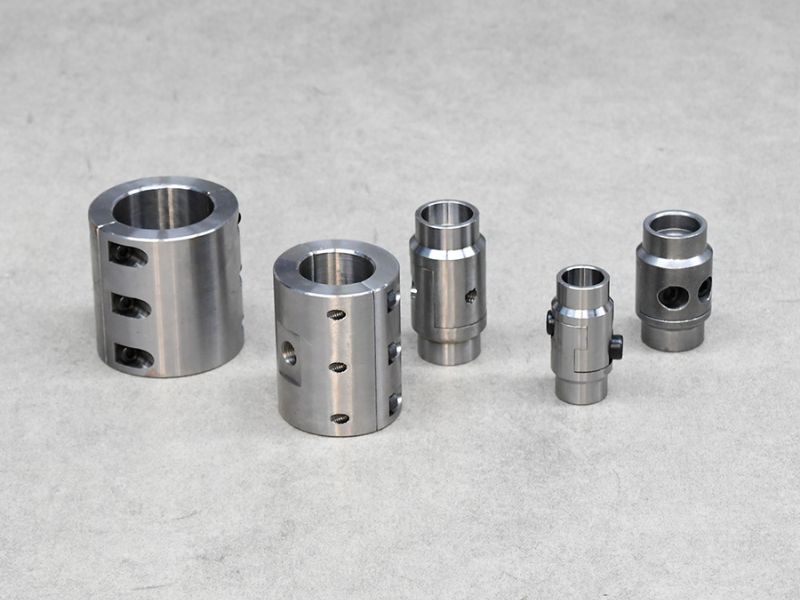
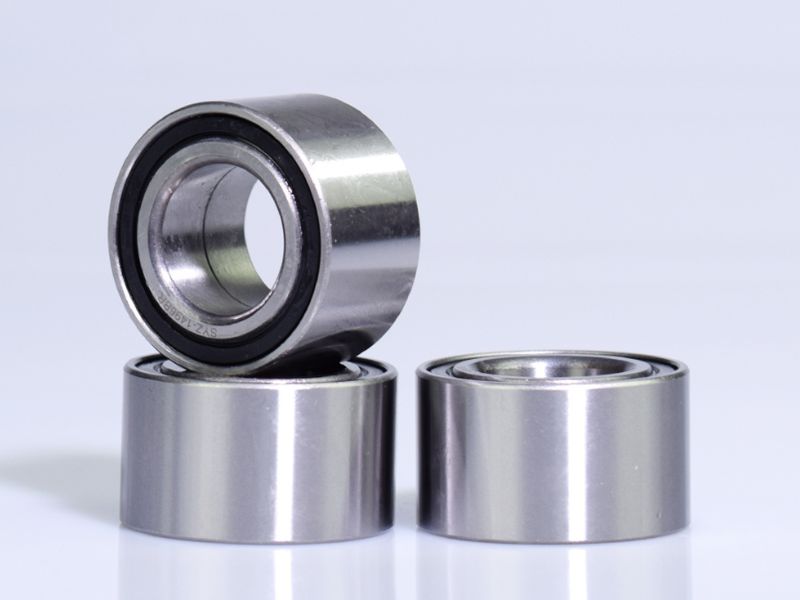
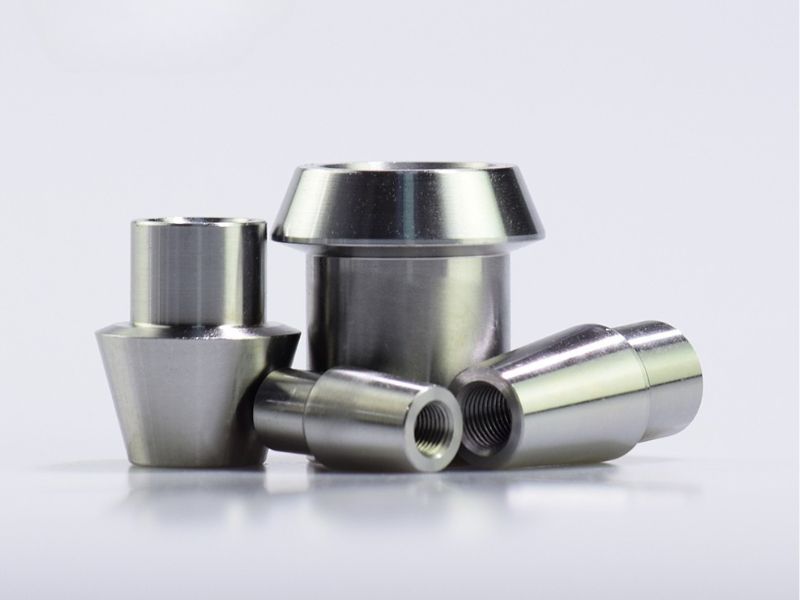
Profab stainless steel tie rods are manufactured using precision CNC machining and high-standard heat treatment processes. They are designed to provide solutions for various industrial control systems.
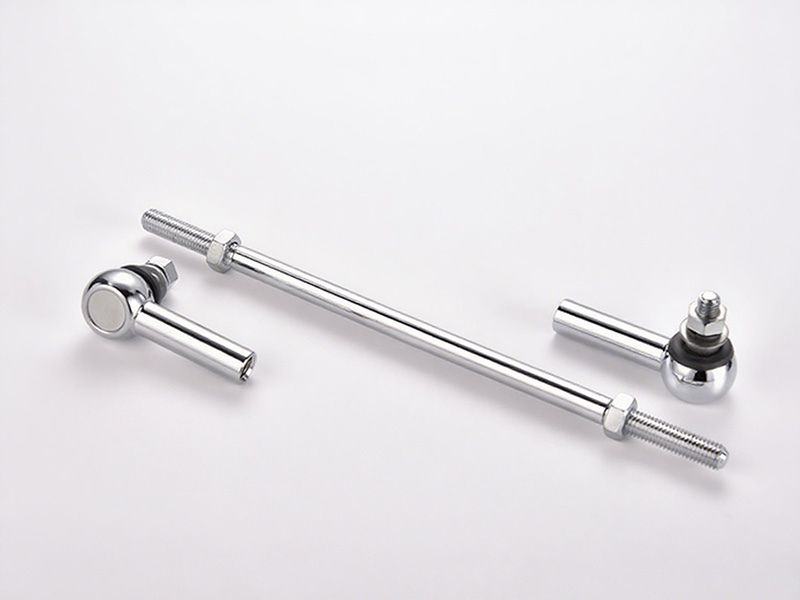
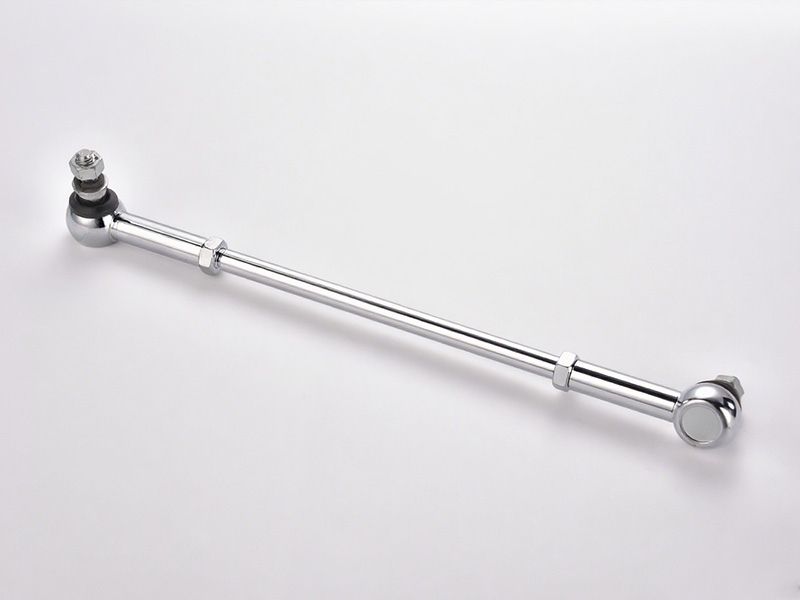
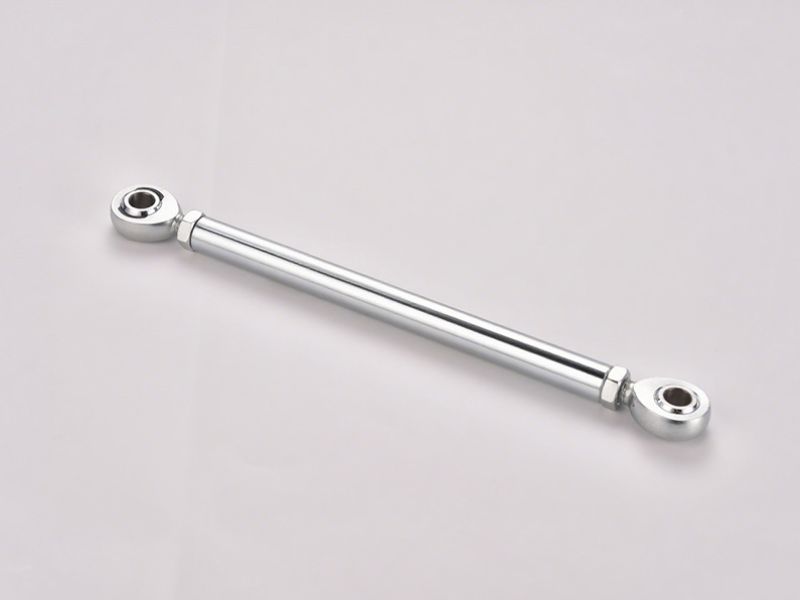
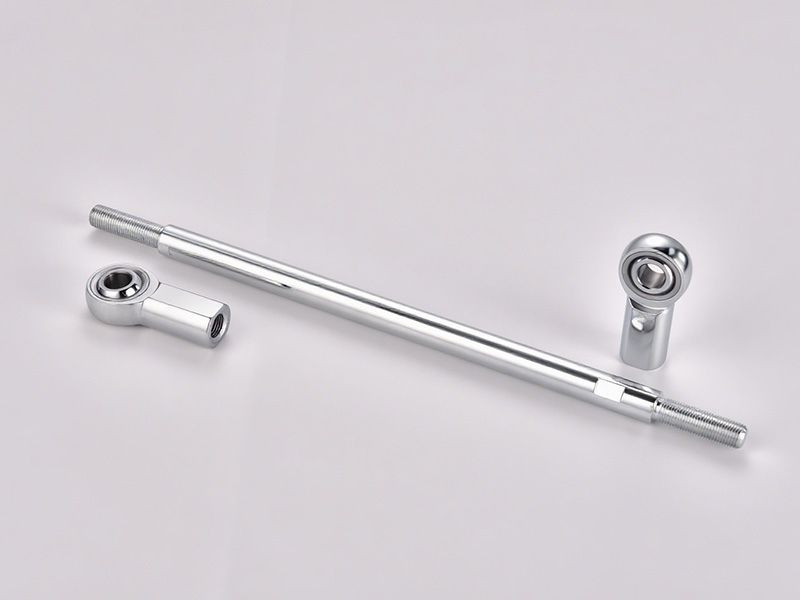
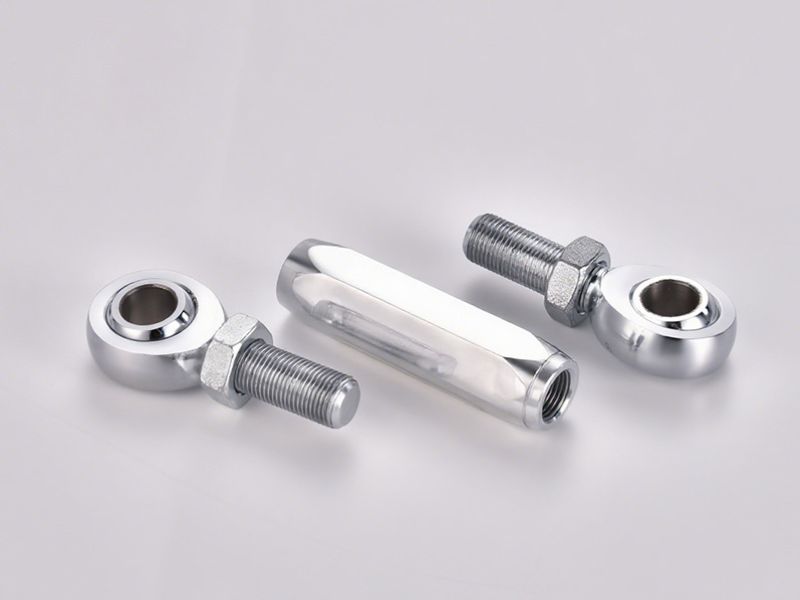
Stainless steel tie rod are indispensable components in structural engineering. Their core function is to provide structural stability and support by transmitting tensile loads. Profab’s stainless steel tie rod typically consist of a threaded rodand two rod ends. The combination of these two components enables precise length adjustment and tension regulation. The rod ends can be replaced with clevis or ball joints, among other options. These tie rods play a foundational role in many applications, such as supporting steel columns or heavy-duty wooden beams, as well as structures like canopies and sunshades.
Profab offers a wide range of configurations, grades, diameters, lengths, and surface finish options to meet diverse project requirements. In addition to the tie rods themselves, we also provide matching components such as nuts, basket bolts, connecting nuts, and fork heads. We are capable of providing complete engineering design specifications and ensuring that our products can be seamlessly integrated into your larger system.
Stainless steel tie rods play a key role in a wide range of industrial and professional fields thanks to their outstanding performance. They provide structural support, tension adjustment, and reinforcement for various complex projects.
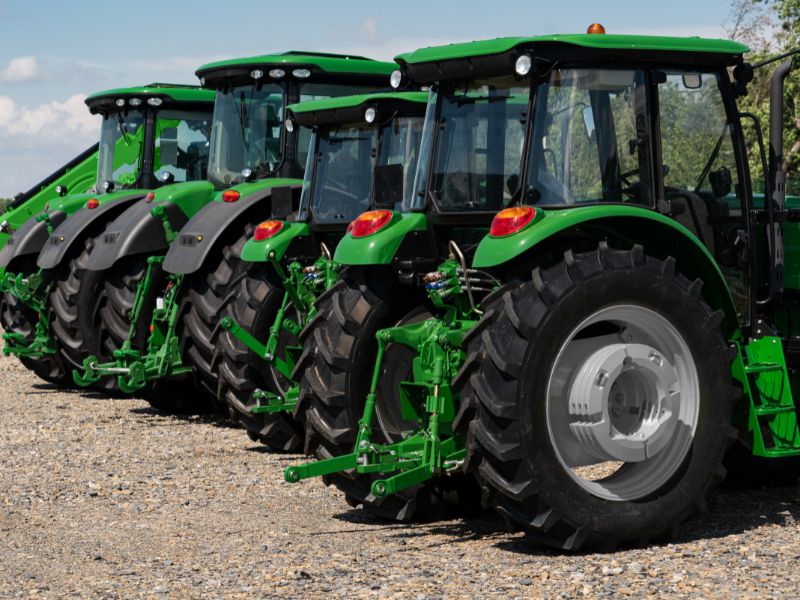
Agricultural Machinery
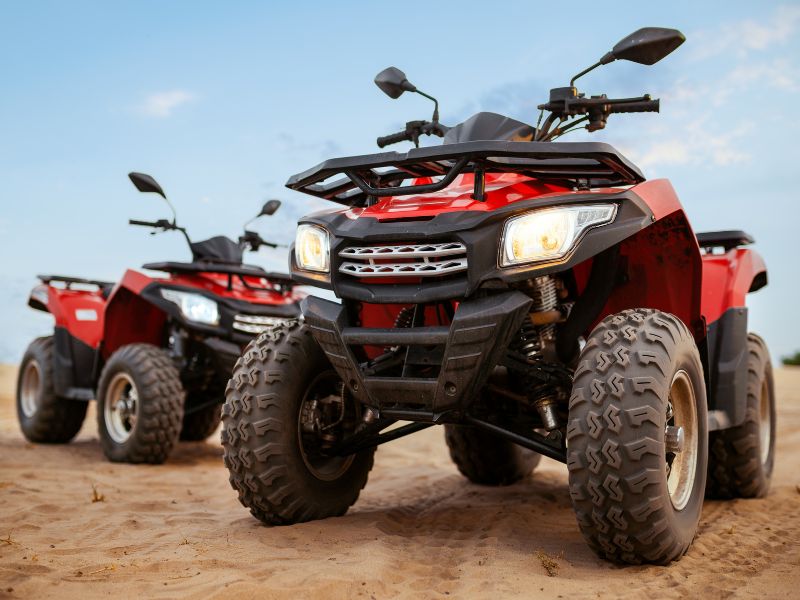
They ensure stable steering, precise linkage, and reliable load transfer in tractors, harvesters, and other agricultural equipment.
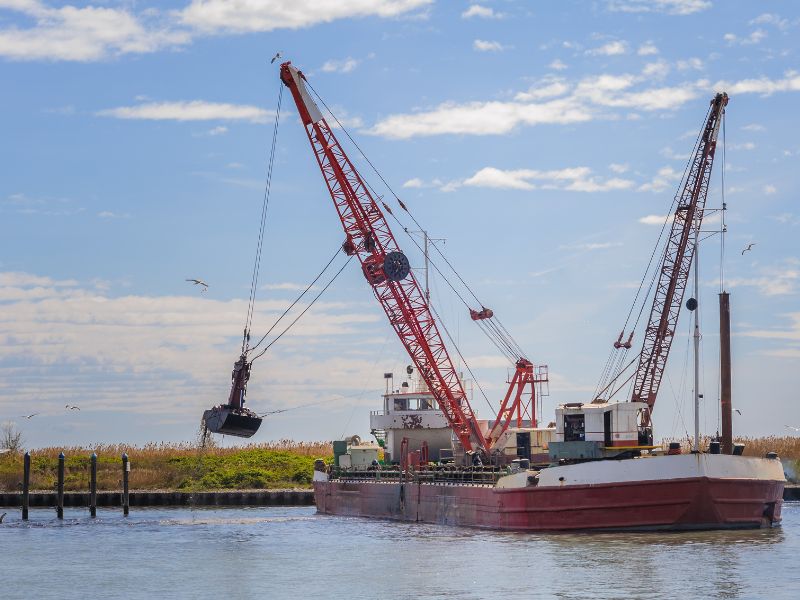
Marine
In boats and offshore platforms, these components secure steering arms and mechanical linkages, maintaining precise control under harsh marine conditions.
Automotive
Front suspension assemblies rely on tie rods to maintain wheel alignment and directional stability during driving.
Chemical Processing
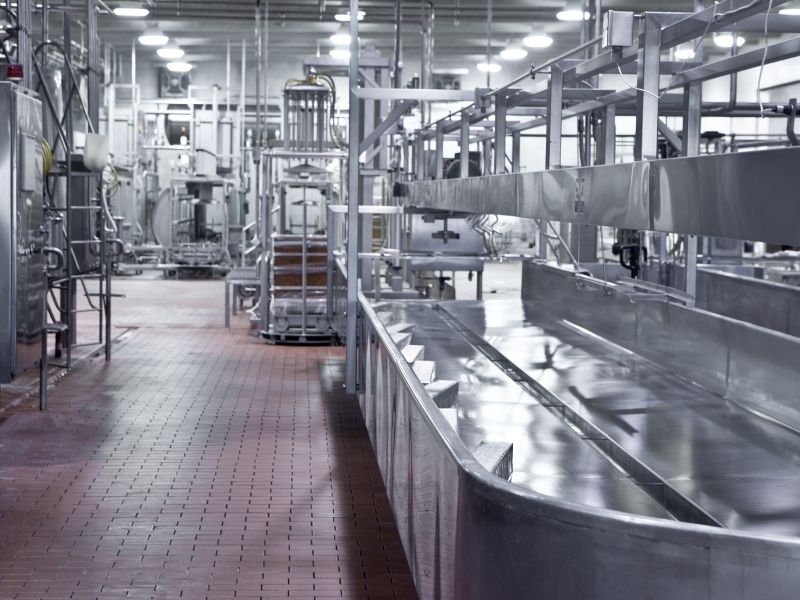
In agitator systems and mixing machinery, tie rods stabilize support frames and transmit mechanical loads during continuous operation.
Construction
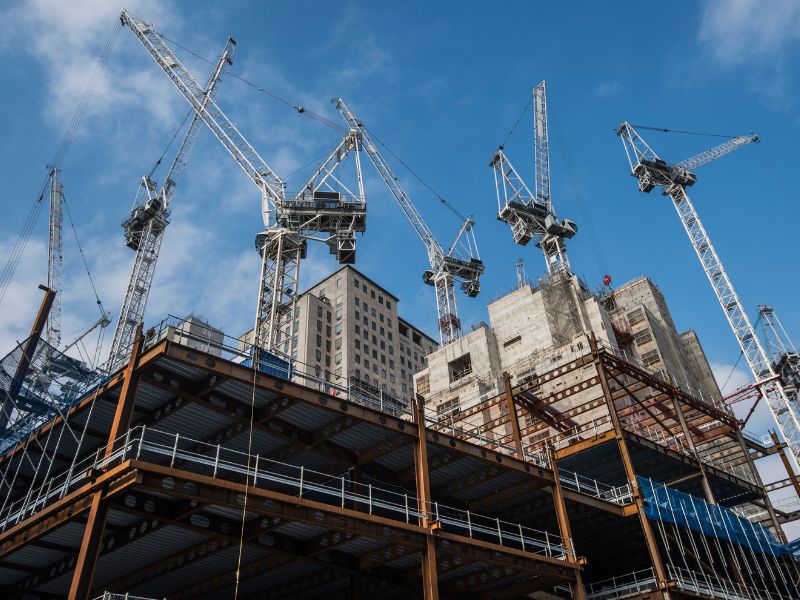
Structural steel frameworks use tie rods between beams and columns to prevent lateral movement and maintain overall rigidity.
Aerospace
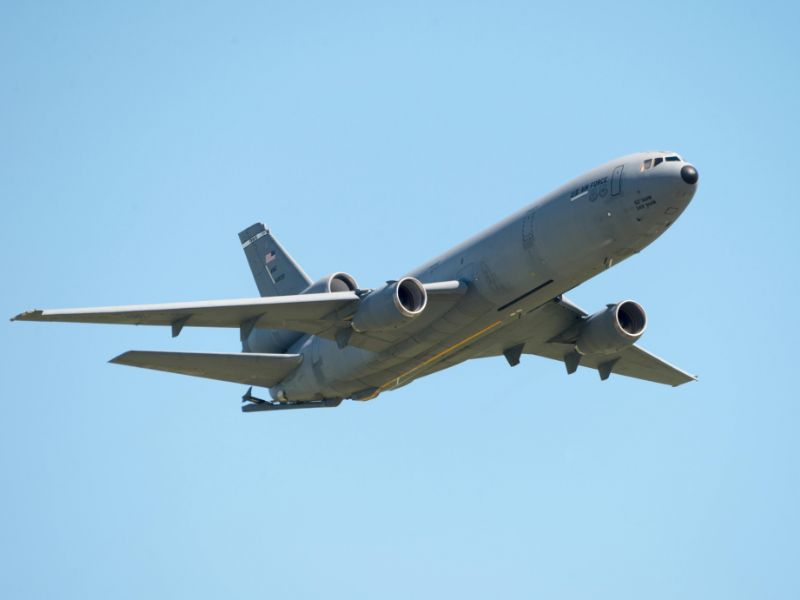
Inside landing gear mechanisms, ss tie rods stabilize linkage geometry and help manage high impact loads during takeoff and landing.
Why Choose PROFAB
We have comprehensive manufacturing capabilities, including cutting, threading, and hot-dip galvanizing, and complete tie rod assembly in-house to ensure precise thread fit.
Extensive industry experience, commitment to quality and expertise
Comprehensive solutions, not just products
Customer-centric, simplified quotation and communication processes
The core design purpose of a tie rod is to withstand tensile loads and to transfer those loads between structural members. To ensure structural safety, it is essential to understand its mechanical properties, including tensile strength, yield strength, elongation, and hardness. Relevant industry standards—such as ASME B31.1, MSS SP-58, and AISC 360-16—define the allowable stresses and load-bearing capacities. For tie rods of various diameters and material strengths, corresponding allowable tensile capacity data are available for reference.
The table below presents example load capacities for stainless steel tie rods. Please note that these values are for reference only. The final design for any specific project should be based on detailed engineering calculations and the applicable standards.
Tie rod diameter (inches/mm)
Material grade
Allowable tensile load capacity (lb/kN)
Coarse thread root area (square inches)
1/4″
304 SS
240 pounds
0.027
3/8″
304 SS
610 pounds
0.068
1/2″
304 SS
1130 pounds
0.126
5/8″
304 SS
1810 pounds
0.202
3/4″
304 SS
2710 pounds
0.302
7/8″
304 SS
3770 pounds
0.419
1″
304 SS
4960 pounds
0.552
1-1/4″
304 SS
8,000 pounds
0.889
Note: The above data is based on ASTM A36 steel threaded rod, per ASME B31.1 and MSS SP-58 standards, with an allowable stress of 12,000 psi and a 25% reduction based on the thread root area. 28 For other material grades (such as 316 SS) or specific applications, please refer to the appropriate standards or consult a professional engineer.
When selecting rod material, the application environment should be carefully considered. If the construction site is near the coast, has high humidity, or is exposed to chemicals, stainless steel rods are the better choice. Although stainless steel is more expensive, it offers better long-term performance and value in corrosive or demanding conditions.
The following table provides a comparison overview of stainless steel rods and carbon steel rods:
Characteristic
Stainless Steel
Carbon Steel
Ideal Application Scenarios
Corrosion resistance
Excellent (containing chromium and nickel, not easy to rust)
Poor (easy to rust, need to be treated)
Corrosive environment, aesthetic requirements
Initial cost
Higher
Lower
General-purpose, budget-sensitive projects
Durability
High (less prone to brittle cracking under stress)
High (but susceptible to corrosion)
Long-term use, harsh conditions
Maintain
Low (easy to clean, corrosion resistant)
High (requires more maintenance to prevent rust)
High hygiene requirements and low maintenance requirements
Machinability/weldability
medium
good
Complex processing and high welding requirements
Aesthetics
Excellent (various surface treatments, high gloss)
General (usually requires coating protection)
Exposed structures, decorative uses
Proper installation is critical to ensure the long-term performance and safety of your tie rods:
Proper torque application: When tightening nuts, always apply torque according to the manufacturer’s specifications. This prevents distortion, vibration, and premature wear. Centering the stud: Ensure that the stud is centered in the ball and socket during installation. This exte nds the life of the tie rod ends and prevents excessive play or rattling. Periodic inspection: It is recommended that the joints be inspected for excessive play during wheel alignment or tire rotation. Wheel alignment after replacement: The adjustable nature of the tie rods means that each installation affects the vehicle’s wheel alignment angle, particularly the front beam angle. Skipping this critical step can lead to erratic handling, accelerated tire wear and potentially dangerous driving conditions. Professional installation: Considering the importance of steering components to safety and the special tools, removal, torque specifications and wheel alignment requirements required, it is recommended that installation be performed by a professional.